Dental Implant
August 4, 2026
Subperiosteal Implant Smoking: Everything You Need to Know Before Treatment
 Dr. Rifat Alsaman
Subperiosteal implant smoking is one of the most important topics patients should understand before choosing this type of dental implant. Smoking changes how tissue heals, and it can directly affect how well an implant integrates with the jaw. Reduced blood flow and slower tissue repair are the main concerns. Still, smoking doesn't always rule out treatment. With careful case selection, honest medical history, and a strong maintenance plan, many smokers achieve successful outcomes. This article walks through how smoking affects subperiosteal implants, dental implants for smokers in general, and practical recovery tips based on current clinical knowledge.
Subperiosteal Implant Smoking: Why Smoking Matters Before and After Treatment
Subperiosteal implant smoking affects nearly every stage of treatment, from planning to long-term maintenance. Nicotine narrows blood vessels, and this slows the healing response the gum and bone tissue need. Before surgery, smoking habits shape how a case is assessed. After surgery, they influence recovery speed and implant stability. Patients who smoke aren't automatically excluded, but they do need closer monitoring. Understanding this connection early helps patients set realistic expectations and take practical steps to protect their investment in treatment.
What Is a Subperiosteal Implant?
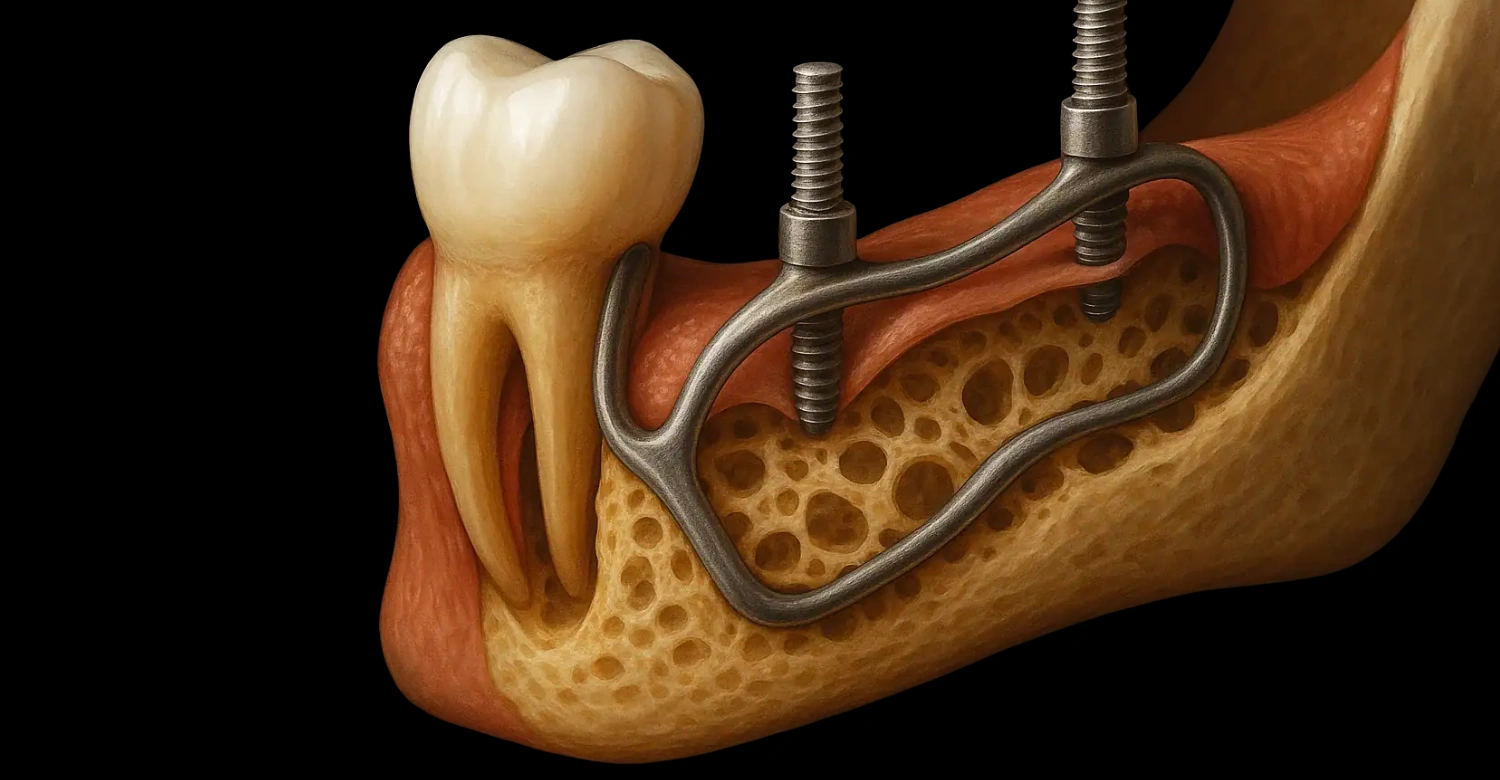
Understanding subperiosteal implant smoking starts with understanding the implant itself. A subperiosteal implant is a custom metal framework placed on top of the jawbone, under the gum tissue, rather than inside the bone itself. It differs from traditional endosteal implants, which are screwed directly into the jawbone. This makes it a useful option for patients with limited bone height who want to avoid bone grafting. Suitable candidates typically have significant bone loss but still want a fixed, non-removable solution. Digital scanning now makes these frameworks far more precise than earlier versions.
Why Are Subperiosteal Implants Still Used Today?
Subperiosteal implants remain relevant for patients with severe bone loss who aren't candidates for standard implants without grafting. They offer a way to avoid lengthy bone-building procedures, shortening the overall treatment timeline. Modern digital planning has significantly improved their fit and comfort compared to older designs. Custom-made frameworks are now created from detailed scans, which reduces surgical guesswork. For patients seeking a fixed solution without extensive grafting, this option continues to have a clear, practical place in implant dentistry. Price guide: Veneers Turkey Package Istanbul Price
How Smoking Affects Subperiosteal Implants
Subperiosteal implant smoking comes down to blood flow and tissue response. Nicotine restricts circulation, which limits the oxygen and nutrients tissue needs to heal after surgery. This slows down bone and gum recovery around the implant framework. Smokers also face a higher risk of infection, since impaired circulation weakens the body's natural defenses. Over time, chronic inflammation can develop around the implant site. These combined effects make smoking one of the most significant controllable risk factors in implant dentistry.
How Nicotine Changes the Healing Process
Nicotine reduces blood circulation almost immediately after use, restricting the blood supply oral tissues rely on to heal. Lower oxygen delivery follows, starving cells of what they need to repair themselves efficiently. This creates delayed tissue regeneration around the surgical site. Gums and bone that would normally heal within weeks may take considerably longer in smokers. These changes aren't permanent, though. Reducing or quitting smoking allows circulation to gradually normalize, giving healing tissue a much better chance to recover properly. Cost comparison: Cost Of Tooth Filling
Smoking and Dental Implant Healing
Smoking and dental implant healing are closely linked, affecting both bone and gum tissue. Bone healing slows because reduced blood flow limits the nutrients needed for new bone formation around the implant. Gum healing is similarly delayed, leaving tissue more vulnerable during early recovery. This vulnerability raises the risk of infection at the surgical site. Inflammation around implants also becomes more likely, which can compromise long-term stability. Addressing these healing challenges early is essential for smokers considering implant treatment.
Why Smokers Face Higher Implant Risks
Subperiosteal implant smoking raises implant risks primarily due to slower healing throughout the recovery period. This delay increases the chance of implant failure, especially in the first few months after surgery. Complication rates are notably higher among smokers compared to non-smokers across implant studies. Reduced blood supply weakens the body's ability to fight infection at the site. Combined, these factors mean smokers need more careful case planning, closer follow-up, and stronger commitment to oral hygiene for treatment to succeed. Iron overload care: Hemochromatosis And Dental Extractions
Can Smokers Get Subperiosteal Implants?
Can smokers get subperiosteal implants successfully? In many cases, yes, with the right precautions in place. Case selection matters significantly, as heavier smokers may need additional evaluation before treatment. A thorough medical assessment helps identify other factors that could affect healing, such as diabetes. Oral hygiene evaluation is equally important, since gum health directly impacts implant success. Smoking habits, including frequency and duration, are always discussed openly. Treatment isn't automatically denied, but it is tailored more carefully around these risks.
When Treatment May Still Be Possible
Treatment may still be possible for smokers when case selection is handled carefully. A detailed medical assessment helps rule out complicating conditions before moving forward with surgery. Oral hygiene evaluation gives the team a clear picture of current gum and tissue health. Smoking habits are reviewed honestly, including how much and how often a patient smokes. When these factors are favorable, or when a patient commits to reducing smoking, subperiosteal implants remain a realistic and viable option. Immune health: Hypogammaglobulinemia And Gum Disease
Best Dental Implant Options for Smokers
Best dental implant options for patients managing subperiosteal implant smoking depend on bone volume, gum health, and smoking intensity. Subperiosteal implants can be appropriate for smokers with significant bone loss who want to avoid grafting. Alternative options, including traditional endosteal implants or zygomatic implants, may suit other cases better. Individualized treatment planning is essential, since no single option fits every smoker equally well. A thorough consultation helps identify which approach balances the patient's oral health with their long-term implant goals.
Subperiosteal Implant Success Rate in Smokers
Subperiosteal implant success rate in smokers tends to be lower than in non-smokers, though outcomes vary widely. Research generally shows increased complication rates tied directly to smoking intensity and duration. Major influencing factors include oral hygiene, overall health, and how closely a patient follows post-surgical instructions. Success isn't determined by smoking status alone. Patients who reduce smoking, maintain excellent hygiene, and attend regular follow-ups often achieve results much closer to those seen in non-smoking patients.
What Research Shows
Research into subperiosteal implant smoking shows a clear pattern: success rates in smokers compare unfavorably to non-smokers overall. Studies consistently link higher failure rates to reduced blood flow and delayed healing. Major influencing factors include the number of cigarettes smoked daily and how long the smoking history extends. Patients with diabetes or gum disease alongside smoking face compounded risks. Still, results aren't fixed. Many smokers achieve stable, long-lasting outcomes when other health factors are well managed.
Factors That Improve Long-Term Success
Factors that improve long-term success start with reducing smoking frequency, even before quitting completely. Excellent oral hygiene plays a major role, keeping bacteria away from the healing implant site. Regular maintenance visits allow early detection of any developing issues around the framework. Professional follow-up ensures problems are addressed quickly rather than left to worsen. Together, these habits meaningfully offset some of the risks smoking introduces, improving the odds of a stable, long-term outcome. Metabolic link: Cardiometabolic Disease And Oral Health
Smoking After Subperiosteal Implant Surgery
Smoking after subperiosteal implant surgery carries real risks, particularly in the first few critical weeks. Blood flow to the healing site is already compromised before smoking is even factored in. Adding nicotine further slows recovery and increases the chance of complications developing. Many patients ask when it becomes safer to resume smoking after surgery. Evidence generally points toward longer cessation periods producing meaningfully better healing outcomes and reducing the risk of implant instability.
Why the First Weeks Are Critical
The first weeks after surgery are critical because this is when initial healing and tissue attachment occur. Blood clots need to stabilize, and soft tissue begins forming around the implant framework. Any disruption during this window, including smoking, can interfere with these early healing stages. Complications introduced now are harder to reverse later. This is why patients are strongly advised to avoid smoking entirely, or as much as possible, during this sensitive early recovery period.
Smoking Risks After Dental Implant Surgery
Smoking risks after dental implant surgery include bleeding, infection, and poor tissue attachment around the site. Delayed osseous healing is common, since nicotine restricts the blood supply bone needs to regenerate. Implant instability can also develop if the surrounding tissue fails to bond properly. These risks compound when smoking continues heavily during early recovery. Patients who smoke immediately after surgery are statistically more likely to experience setbacks that affect long-term implant success.
When Is It Safer to Resume Smoking?
When is it safer to resume smoking is a common question after implant surgery. Evidence-based recommendations generally suggest waiting several weeks, ideally longer, before resuming any smoking habit. The longer cessation period allows blood flow and tissue attachment to stabilize properly around the implant. Why longer cessation improves outcomes comes down to giving bone and gum tissue uninterrupted time to heal. Patients who extend their smoke-free period typically see noticeably better long-term results.
Quit Smoking Before Dental Implant Surgery
Quit smoking before dental implant surgery whenever possible, since preparation significantly affects surgical outcomes. Stopping even a few weeks beforehand allows circulation to improve ahead of the procedure. This preparation reduces complication risk and supports a smoother healing process from the very start. Patients who quit report faster recovery and fewer setbacks overall. While quitting completely is ideal, even meaningful reduction beforehand can make a measurable difference in how the body responds to surgery.
Benefits of Quitting Before Surgery
Benefits of quitting before surgery include faster healing and noticeably better blood supply to the treatment area. Lower complication rates follow, since tissue and bone can recover without nicotine interference. Improved implant longevity is another major benefit, as healthier tissue supports the framework more effectively long term. Patients who quit, even temporarily, often notice a real difference in how comfortable and predictable their recovery feels compared to those who continue smoking through treatment.
Practical Ways to Reduce Smoking Before Treatment
Managing subperiosteal implant smoking before treatment includes setting a clear quit date well ahead of surgery. Nicotine replacement options, when approved by a doctor, can ease the transition considerably. Gradually cutting daily cigarette count, rather than stopping abruptly, works well for some patients. Support from a healthcare provider adds accountability throughout the process. Even modest reductions in the weeks before surgery can meaningfully improve blood flow and support a smoother healing outcome.
Clinical Note
A clinical note on subperiosteal implant smoking worth remembering: smoking status is always discussed openly during pre-surgical assessment, not hidden or minimized. Honest disclosure allows the treatment plan to be adjusted appropriately for each patient's individual risk profile. This isn't about judgment; it's about safety and realistic planning. Patients who are transparent about their smoking habits, including frequency, receive more accurate guidance and a treatment approach genuinely suited to their situation and recovery capacity. Infection effects: Lyme Disease And Oral Health
Dental Implants for Smokers: What Are the Available Treatment Options?
Dental implants for patients navigating subperiosteal implant smoking include several viable approaches, each suited to different bone and health conditions. Traditional implants remain the standard option when adequate bone volume is present. Subperiosteal implants work well for smokers with significant bone loss avoiding grafting. Zygomatic implants offer a solution for cases with severe upper jaw bone loss. Which option is most appropriate always depends on individualized assessment covering bone structure, smoking history, and overall oral health.
Traditional Implants
For patients weighing subperiosteal implant smoking risks, traditional implants are placed directly into the jawbone and require sufficient bone density and height to succeed. For smokers with healthy bone volume, this remains a strong, well-studied option. Healing time may be slightly longer compared to non-smokers, but success rates stay reasonably favorable with good hygiene. This approach isn't suitable for patients with significant bone loss, which is where alternative solutions, such as subperiosteal or zygomatic implants, typically become necessary instead.
Subperiosteal Implants
Subperiosteal implants sit on top of the jawbone rather than inside it, making them ideal for limited bone volume. This avoids the need for bone grafting, shortening overall treatment time considerably. For smokers with substantial bone loss, this custom framework approach offers a practical, fixed solution. Careful case selection and close monitoring remain essential given the added healing risks smoking introduces. Digital planning has made these frameworks noticeably more precise and comfortable than earlier designs.
Zygomatic Implants
For cases involving subperiosteal implant smoking and severe bone loss, zygomatic implants anchor into the cheekbone rather than the jaw. This option avoids extensive grafting while still providing strong, stable support for a fixed restoration. For smokers with very limited jaw bone, this can be a valuable alternative worth discussing. The procedure is more complex and requires specialized surgical experience. Careful patient selection and post-surgical care remain critical to achieving a stable, long-term outcome.
Which Option Is Most Appropriate?
Which option is most appropriate for subperiosteal implant smoking cases depends entirely on individual bone structure, health history, and smoking habits. Traditional implants suit patients with sufficient bone volume and good healing capacity overall. Subperiosteal implants work better where bone loss is significant but grafting isn't preferred. Zygomatic implants address more severe upper jaw cases. A thorough consultation, including imaging and medical assessment, is the only reliable way to determine the right treatment path for each patient.
The Complete Treatment Process
The complete treatment process, especially where subperiosteal implant smoking is a factor, begins with consultation and moves through planning, surgery, and recovery in structured stages. Each step is designed to minimize risk, particularly for patients who smoke. Digital imaging ensures the framework is planned with precision before any surgical work begins. The surgical procedure itself is carefully executed to protect surrounding tissue. Recovery follows a defined timeline, with checkpoints allowing the team to monitor healing progress closely throughout.
Consultation and Examination
Consultation and examination form the foundation of a safe, well-planned treatment process for every patient. This includes a full medical history review, oral health assessment, and detailed discussion of smoking habits. The examination identifies bone volume, gum condition, and any factors that could complicate healing. This stage sets realistic expectations from the start. A thorough consultation ensures the treatment plan is genuinely suited to the patient's specific oral health situation and risk profile.
Digital Imaging and Treatment Planning
Digital imaging and treatment planning rely on detailed scans to map the jaw's exact structure and bone volume. This allows the custom framework to be designed with precision before surgery even begins. Treatment planning also factors in smoking history, since this influences expected healing timelines. Digital tools have significantly reduced surgical guesswork compared to older, less precise methods. This stage is essential for achieving an accurate, well-fitted, and comfortable long-term result.
Surgical Procedure Explained
The surgical procedure involves placing the custom framework onto the jawbone, beneath the gum tissue, using a precise digital plan. The procedure is typically completed under local or general anesthesia, depending on case complexity. Surrounding tissue is handled carefully to protect blood supply and support healing. For smokers, extra attention is given to minimizing tissue trauma during placement. A well-executed procedure lays the groundwork for smoother recovery in the following weeks.
Recovery Timeline
The recovery timeline typically spans several weeks for initial healing, followed by months for full tissue integration. Early recovery focuses on reducing swelling and protecting the surgical site from irritation. Mid-recovery involves gradual return to normal oral function and hygiene routines. Long-term recovery centers on monitoring stability and gum health around the framework. For smokers, this timeline often extends slightly, making consistent follow-up and hygiene especially important throughout.
Before and After Treatment: What Patients Should Expect
Before and after treatment, patients managing subperiosteal implant smoking should expect a structured process built around careful assessment and monitoring. Before surgery, assessment covers medical history, oral health, and smoking evaluation in detail. Immediately after surgery, some swelling and discomfort are normal and expected. Long-term recovery focuses on tissue stability and implant integration over several months. Recognizing the signs of healthy healing helps patients feel confident and know when to seek follow-up care.
Before Surgery
Before surgery, a full assessment reviews bone structure, gum health, and any conditions affecting healing capacity. Medical history is discussed in detail, including any medications or health conditions relevant to surgery. Smoking evaluation is a standard part of this process, helping guide personalized planning. This stage ensures the surgical team fully understands each patient's individual risk factors. A thorough pre-surgical assessment is one of the strongest predictors of a smooth, successful outcome.
Immediately After Surgery
Immediately after surgery, mild swelling, tenderness, and some bruising around the treatment area are completely normal. Patients are typically given clear instructions on medication, diet, and oral hygiene for the first few days. Rest is important during this period, as the body begins its initial healing response. Any unusual bleeding or severe pain should be reported right away. Following post-surgical instructions closely during this stage significantly supports smoother, faster healing.
Long-Term Recovery
Long-term recovery involves the gradual integration of the implant framework with surrounding gum and bone tissue. This process can take several months, with regular check-ups monitoring progress along the way. Patients are encouraged to maintain consistent oral hygiene and attend every scheduled follow-up appointment. For smokers, this phase requires extra attention, since healing may progress more slowly. Patience and consistency during long-term recovery greatly support lasting implant stability.
Signs of Healthy Healing
Signs of healthy healing include reduced swelling, stable gum tissue, and the gradual disappearance of initial discomfort. Gums should appear pink and firm, without ongoing redness or bleeding around the implant site. Patients should be able to eat and speak comfortably as recovery progresses. Any persistent pain, swelling, or unusual discharge should be reported promptly. Recognizing these positive signs helps patients feel reassured throughout their recovery journey. Sleep habits: Sleeping With Mouth Open Teeth
Subperiosteal Implant Recovery Tips
Subperiosteal implant recovery tips center on diet, hygiene, and consistent follow-up care during the healing period. A soft, nutrient-rich diet supports tissue repair without placing pressure on the surgical site. Gentle but thorough oral hygiene practices help prevent infection around the implant framework. Attending every follow-up appointment allows early detection of any developing issues. Recognizing warning signs early ensures prompt care, protecting both comfort and the long-term success of treatment.
Diet Recommendations
Diet recommendations for patients managing subperiosteal implant smoking favor soft, nutrient-dense foods that require minimal chewing during initial healing. Foods rich in protein and vitamins support tissue repair and overall recovery speed. Patients should avoid hard, crunchy, or overly hot foods that could irritate the surgical site. Staying well hydrated also supports healing throughout the recovery period. Gradually reintroducing normal foods as healing progresses helps ensure comfort while protecting the developing implant framework.
Oral Hygiene Instructions
Oral hygiene instructions typically include gentle brushing, prescribed rinses, and careful cleaning around the surgical site. Patients are advised to avoid vigorous brushing near the implant during early healing stages. Rinsing with recommended solutions helps reduce bacteria without disturbing healing tissue. Consistency matters more than intensity during this period. Following these instructions closely significantly reduces infection risk and supports stable, long-term integration of the implant framework.
Follow-Up Appointments
Follow-up appointments allow the team to monitor healing progress in subperiosteal implant smoking cases and catch any complications early. These visits typically occur at set intervals during the first few months after surgery. Each appointment reviews gum health, framework stability, and overall recovery progress. Patients are encouraged to raise any concerns during these visits, however minor. Consistent attendance at follow-up appointments is one of the most reliable ways to protect long-term implant success.
Warning Signs That Require Immediate Dental Care
Warning signs that require immediate dental care include severe pain, persistent swelling, or unusual discharge from the site. Bleeding that doesn't subside within a reasonable time should also be reported promptly. Any sign of implant movement or instability needs urgent evaluation. Fever alongside oral symptoms can indicate infection requiring immediate attention. Recognizing these warning signs early and seeking care quickly helps prevent minor issues from becoming serious complications.
Tips for Patients
Tips for patients managing subperiosteal implant smoking include stopping smoking whenever possible to support faster, more reliable healing. Maintaining excellent oral hygiene throughout recovery significantly reduces infection risk. Attending every follow-up visit allows early detection of potential issues. Following medication instructions exactly as prescribed supports proper healing. Eating a healing-friendly diet and avoiding unnecessary pressure on the implant also matter. Reporting unusual symptoms early ensures prompt care and better long-term outcomes. Tongue irritation: Tongue Burns After Eating
Common Patient Concerns About Smoking and Implants
Common patient concerns about subperiosteal implant smoking often center on whether occasional smoking is truly harmful. Will smoking always cause implant failure is a frequent question, and the honest answer is: not always, but risk rises. Many patients ask if smoking occasionally is safer than regular use. Others wonder whether vaping carries lower risk than cigarettes. Heavy smoking clearly increases risk further, making honest conversations about habits an essential part of treatment planning.
Will Smoking Always Cause Implant Failure?
Will smoking always cause implant failure? Not necessarily, but it does meaningfully increase the risk of complications. Many smokers achieve successful, stable outcomes with careful planning and strong post-surgical habits. Failure is more closely tied to overall healing capacity, hygiene, and consistency with follow-up care. Smoking is one significant risk factor among several, not an automatic guarantee of failure. Individual results vary considerably based on each patient's specific circumstances.
Can I Smoke Occasionally?
Can I smoke occasionally after implant surgery? Even occasional smoking introduces some risk, particularly during early healing stages. Reduced frequency is certainly better than heavy, regular smoking, but it isn't risk-free. The first few weeks after surgery are especially sensitive to any nicotine exposure. Patients who smoke occasionally should still expect closer monitoring and should discuss their specific pattern openly with their treatment team for tailored guidance.
Is Vaping Safer Than Cigarettes?
Is vaping safer than cigarettes when it comes to implant healing? Vaping still delivers nicotine, which restricts blood flow similarly to smoking. While it may reduce exposure to some combustion-related chemicals, it doesn't eliminate the core healing risks. Patients shouldn't assume vaping is a safe substitute during recovery. The same precautions around timing and frequency that apply to cigarettes generally apply to vaping as well.
Does Heavy Smoking Increase the Risk Even More?
Does heavy smoking increase the risk even more? Yes, risk generally rises alongside smoking frequency and duration. Heavier smokers tend to experience slower healing, higher infection rates, and greater implant instability. This doesn't automatically exclude treatment, but it does call for more careful case selection and closer follow-up. Reducing smoking intensity, even without quitting entirely, can meaningfully lower these elevated risks over time.
Preventing Implant Complications
Preventing complications tied to subperiosteal implant smoking relies heavily on consistent daily care and regular professional maintenance over time. Daily oral care, including proper brushing and rinsing, keeps bacteria away from the implant site. Professional maintenance visits allow early detection of developing issues before they become serious. Lifestyle changes, particularly around smoking, further support long-term implant stability. Together, these habits form the strongest defense against complications throughout the life of the implant.
Daily Oral Care
Daily oral care forms the first line of defense against complications linked to subperiosteal implant smoking for every patient. Gentle, consistent brushing around the implant site helps prevent bacterial buildup and inflammation. Recommended rinses further support tissue health between professional visits. Flossing or interdental cleaning, when appropriate, helps maintain overall oral hygiene. Consistency matters more than intensity here, and patients who maintain steady daily habits typically see much better long-term implant outcomes.
Professional Maintenance
Professional maintenance includes regular check-ups where the team monitors implant stability and surrounding tissue health. These visits allow early detection of inflammation, bone changes, or other developing concerns. Professional cleaning also reaches areas patients can't fully manage with home care alone. For smokers especially, these visits play an important role in catching issues before they progress. Consistent professional maintenance significantly supports long-term implant success and comfort.
Lifestyle Changes That Improve Implant Longevity
Lifestyle changes that improve implant longevity start with reducing or eliminating smoking wherever possible. A balanced diet supports healthy tissue and stronger healing capacity over time. Staying well hydrated and maintaining good general health also contributes to implant stability. Avoiding excessive alcohol consumption further supports healing and long-term tissue health. Small, sustained lifestyle adjustments often make a meaningful difference in how long an implant remains stable and functional. Breathing habits: Mouth Breathing Teeth
What We Notice Clinically
According to Dr. Rifat Alsaman, Head of the Medical Team and cosmetic dentist at Vitrin Clinic, subperiosteal implant smoking is one of the clearest examples of how patient behavior shapes surgical outcomes just as much as technique does. In his view, the framework itself rarely fails on its own; it's the healing environment around it, largely shaped by circulation and tissue quality, that determines long-term success. Dr. Rifat Alsaman notes that patients who commit to reducing smoking, even partially, tend to show noticeably steadier healing at follow-up visits. He also emphasizes that honesty matters more than perfection: patients who disclose their actual smoking habits, rather than downplaying them, allow the team to plan more precisely around their real risk level. Dr. Rifat Alsaman's approach is to treat smoking status as a planning variable rather than a disqualifier, adjusting monitoring frequency and hygiene guidance case by case.
Why Many International Patients Choose Vitrin Clinic
Many international patients choose Vitrin Clinic for its structured, detail-oriented approach to implant treatment, including cases involving subperiosteal implant smoking. Comprehensive implant assessment ensures every case, including smokers, receives an individualized evaluation. Advanced digital implant planning supports precise, comfortable results from the very first consultation. An experienced multidisciplinary team collaborates across specialties to manage more complex cases. Personalized treatment plans and long-term follow-up further support lasting outcomes for every patient.
Comprehensive Implant Assessment
Comprehensive implant assessment at Vitrin Clinic, including evaluation of subperiosteal implant smoking, covers bone structure, gum health, medical history, and smoking habits in detail. This thorough evaluation ensures every treatment plan is genuinely tailored to the patient's individual needs. No two cases are treated identically, particularly when smoking or other health factors are involved. This careful, detailed approach helps set realistic expectations and supports stronger long-term treatment outcomes for international patients.
Advanced Digital Implant Planning
Advanced digital implant planning at Vitrin Clinic, which accounts for subperiosteal implant smoking, relies on precise scanning technology to map bone structure accurately. This reduces surgical guesswork and supports a more comfortable, better-fitted implant framework. Digital planning also allows the team to anticipate healing challenges, including those related to smoking, in advance. This forward-looking approach helps ensure treatment is both efficient and appropriately cautious for higher-risk cases.
Experienced Multidisciplinary Team
An experienced multidisciplinary team at Vitrin Clinic collaborates across specialties to manage complex implant cases effectively. This includes coordinating care for patients with additional health considerations, such as smoking-related healing risks. Working across disciplines allows for more comprehensive assessment and better-informed treatment decisions. This team-based approach is particularly valuable for smokers, whose cases often benefit from broader clinical input.
Personalized Treatment Plans for Smokers
Personalized treatment plans for smokers at Vitrin Clinic account for individual smoking intensity, health history, and healing capacity. Rather than applying a one-size-fits-all approach, treatment is adjusted to match each patient's specific risk profile. This might include additional monitoring, modified timelines, or targeted hygiene guidance. This personalized approach helps smokers pursue treatment with realistic expectations and stronger support throughout their recovery.
Long-Term Follow-Up and Patient Support
Long-term follow-up and patient support at Vitrin Clinic continue well beyond the initial recovery period. Regular check-ups allow the team to monitor implant stability and address any concerns as they arise. This ongoing relationship helps patients, particularly smokers, maintain the habits that support lasting success. Continuous support reinforces the idea that implant success is an ongoing partnership, not a one-time procedure.
Conclusion
Subperiosteal implant smoking is a significant factor in treatment planning, but it doesn't have to be a barrier to success. Smoking slows healing and raises certain risks, yet careful case selection and strong patient cooperation consistently improve outcomes. Reducing or quitting smoking, maintaining excellent hygiene, and attending regular follow-ups all meaningfully support lasting results. Anyone considering this treatment should seek a thorough, professional evaluation before making a final decision, ensuring their plan reflects their individual health and habits.
References:
FAQs
Dr. Rifat Alsaman has more than 5 years of clinical experience in dentistry and currently serves as the Head of the Medical Team at Vitrin Clinic. He is dedicated to providing exceptional patient care, overseeing treatment planning, and ensuring the highest clinical standards across the team. His expertise, attention to detail, and commitment to continuous professional development have helped countless patients achieve healthier, more confident smiles.


