Dental Implant
August 4, 2026
Subperiosteal Implants vs Dentures: Understanding the Key Differences
 Dr. Rifat Alsaman
Choosing between subperiosteal implants vs dentures is one of the most common decisions patients face. This happens when dealing with significant tooth loss and bone loss. Both options restore function, but they work in very different ways. This guide breaks down how each treatment performs. It covers who qualifies, what it costs, and how to decide with confidence. Dentures or subperiosteal implants remain the central comparison throughout.
Subperiosteal Implants vs Dentures: Which Is Right for You?
The best option depends on your bone volume, oral health, and personal goals. Subperiosteal implants provide a fixed, stable solution for patients with severe bone loss, while dentures are removable and generally more affordable. A thorough clinical evaluation helps determine which treatment offers the best comfort, function, and long-term results. Behavioral link: Adhd And Gum Disease
What Are Subperiosteal Implants?
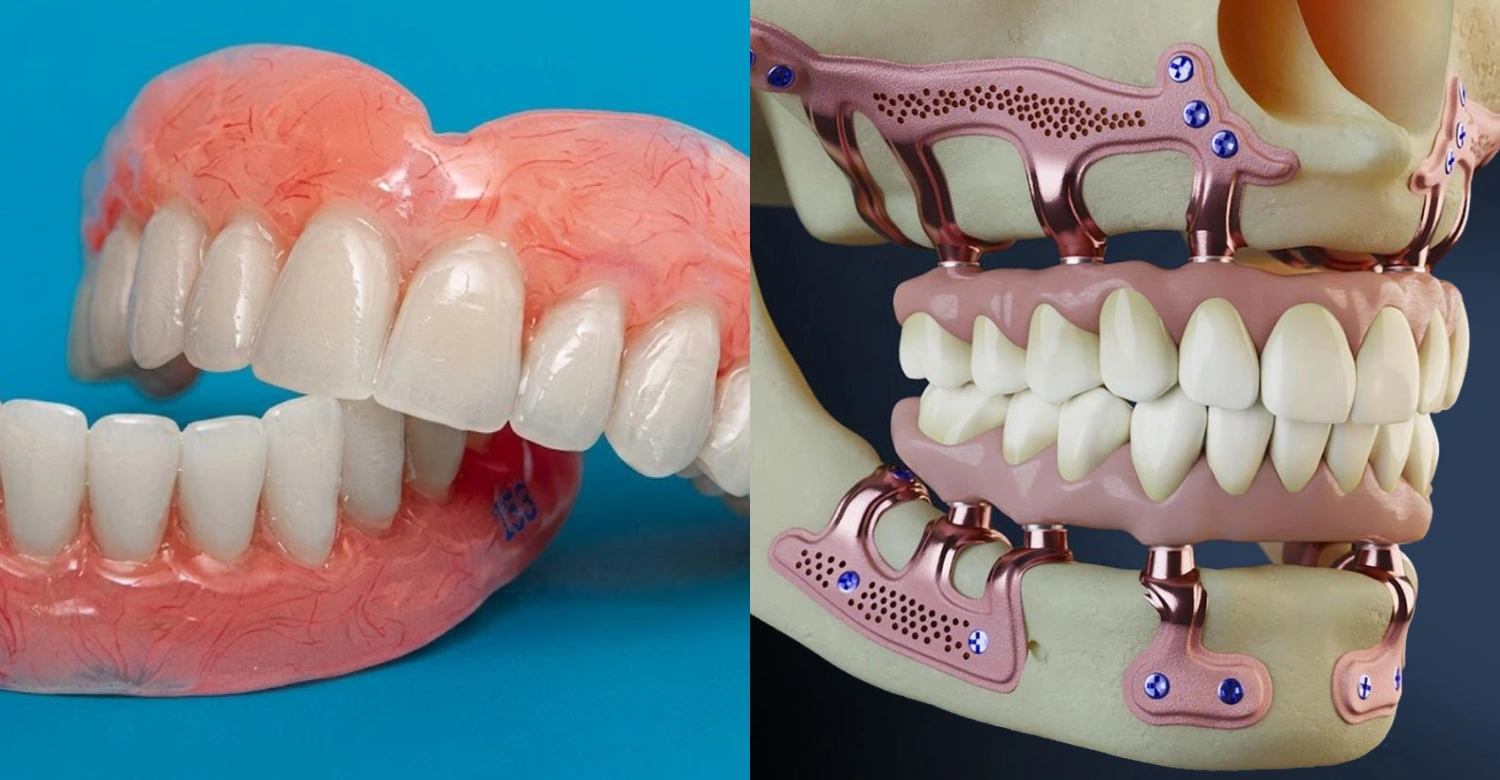
Subperiosteal implants are custom metal frameworks placed on top of the jawbone. They sit beneath the gum tissue, rather than drilled into the bone itself. Unlike conventional implants, which require adequate bone height and width, this design bypasses that requirement entirely. They were originally created for patients with severe jaw atrophy. These patients were often told grafting or dentures were their only paths forward. That makes them one of the few genuine subperiosteal implants for severe bone loss solutions available today. Sensation guide: Roof Of Mouth Rough
What Are Traditional Dentures?
Traditional dentures are removable prosthetic teeth designed to replace some or all missing teeth. Full dentures replace an entire arch, while partial dentures fill gaps around remaining natural teeth. Both rest on the gums rather than fusing with bone. Modern materials include flexible acrylics and lightweight resins that improve comfort and appearance. Dentures are affordable and non-surgical. But they rely on suction and adhesive rather than fixation. This affects long-term stability compared with implant-based alternatives. Jaw pain causes: Jaw Hurts On One Side When Chewing
Why Patients Compare Dentures vs Dental Implants
Patients weigh dentures vs dental implants because each affects daily life differently. Implants tend to offer superior stability. This allows confident chewing and clear speech without slipping. Dentures are more affordable upfront but can shift during eating or talking. That shifting affects confidence. Long-term oral health also differs. Implants help preserve jawbone density. Dentures do not prevent the bone loss that continues after tooth extraction. This often changes facial structure over time.
Who Is the Ideal Candidate for Each Treatment?
Deciding between subperiosteal implants vs dentures depends heavily on individual anatomy, health status, and personal priorities. Some patients have too little bone for conventional implants but still want a fixed solution. Others prioritize affordability or want to avoid surgery altogether. A proper clinical evaluation determines which option delivers the safest and most functional long-term outcome. Personal preference alone isn't enough for each specific case.
Patients Suitable for Subperiosteal Implants
Patients with severe bone loss who want to avoid extensive grafting are strong candidates for this approach. Because the framework sits above the bone rather than within it, it suits jaws too thin or too resorbed for standard implants. Certain medical considerations, such as controlled systemic conditions, are also taken into account. This makes subperiosteal implants a practical option. It suits patients previously told they had no fixed alternative to dentures.
Patients Who May Benefit More from Dentures
When comparing subperiosteal implants vs dentures, dentures often suit patients working with a limited budget. They cost significantly less than implant-based treatments. Patients with medical contraindications to surgery may also prefer this non-invasive route. Dentures can serve as a temporary tooth replacement while healing occurs before a permanent solution. Elderly patients seeking a straightforward, lower-maintenance option frequently choose dentures. It's a comfortable, accessible way to restore basic chewing function.
When Neither Option Is the Best Choice
Sometimes, in the subperiosteal implants vs dentures decision, neither option is ideal. Patients with sufficient bone volume may do better with conventional implants. These offer superior long-term integration. Implant-supported dentures combine stability with removability for certain cases. Bone grafting can restore volume for future standard implants. Zygomatic implants serve patients with extreme upper jaw bone loss. These represent genuine alternatives to traditional dentures worth discussing. Rare infections: Melioidosis And Oral Health
Common Patient Concerns Before Choosing Treatment
Patients naturally have questions before committing to either path. Concerns typically center on pain, cost, recovery time, and how natural the final result will feel. Addressing these directly helps patients feel more confident. It also reduces anxiety about the process. Below are the most frequent questions raised during consultations comparing subperiosteal implants vs dentures as viable tooth replacement paths.
Will I Need Bone Grafting?
Not necessarily. In the subperiosteal implants vs dentures comparison, one main advantage of subperiosteal implants is avoiding bone grafting in patients with severe bone loss. They were designed specifically for this. Because the framework rests on the bone surface rather than inside it, there's no need to rebuild volume first. Dentures also require no grafting since they simply rest on the gum tissue. This affects their long-term stability, though.
Will the Treatment Be Painful?
Discomfort varies by procedure when weighing subperiosteal implants vs dentures. Subperiosteal implant placement is a surgical process. Some swelling and soreness are expected during the initial healing phase. This is typically managed with standard pain relief. Dentures involve no surgery, so there's no surgical pain. Initial fitting can cause temporary irritation or sore spots as the gums adjust. Both discomfort levels are generally short-lived and manageable with proper care.
How Long Will Recovery Take?
Looking at subperiosteal implants vs dentures for recovery time, subperiosteal implant recovery typically takes several weeks. Swelling subsides and the gum tissue heals around the framework during this period. Full functional comfort develops gradually over subsequent months. Dentures require a shorter adjustment period, often just days to a few weeks. This is mainly to get used to speaking and chewing with the new prosthesis. Neither requires extended downtime. But implant recovery involves more structured healing stages.
Which Option Feels More Natural?
In the subperiosteal implants vs dentures comparison for comfort, subperiosteal implants generally feel more natural. They're fixed in place, allowing normal biting force and eliminating the shifting sensation dentures can cause. Patients often describe eating and speaking as closer to their natural teeth. Dentures can feel bulkier and may require adhesive to stay secure. For patients prioritizing a natural sensation and confident daily function, implants usually outperform removable options.
Which Option Lasts Longer?
For longevity, subperiosteal implants vs dentures favors implants. Subperiosteal implants are built for long-term use. With proper care, they can last many years without needing frequent replacement. Dentures, by contrast, typically need relining or full replacement every several years. The jawbone continues to change shape after tooth loss. This makes implants a stronger long-term investment. Still, the upfront cost and treatment process differ significantly between the two options. Bad oral habits: Chewing Pens Bad For Teeth
Subperiosteal Implant vs Dentures: Clinical Comparison
A detailed subperiosteal implants vs dentures comparison reveals meaningful differences across every category patients care about. From appearance to daily comfort, the two treatments diverge in ways that matter for long-term satisfaction. Understanding these differences helps answer the common subperiosteal implants vs dentures question: which one is better for a specific patient's needs and lifestyle?
Appearance and Smile Aesthetics
On aesthetics, subperiosteal implants vs dentures shows a clear edge for implants. Subperiosteal implants typically produce a more natural-looking smile. The restoration is fixed and custom-designed around facial structure. Dentures have improved cosmetically with modern materials. But they can sometimes look bulkier around the gumline or shift slightly. This affects the smile's appearance during conversation or laughter. Patients focused heavily on aesthetics often lean toward implant-based solutions for a more seamless, natural-looking result.
Chewing Efficiency
For chewing efficiency, subperiosteal implants vs dentures again favors implants. Fixed subperiosteal implants restore significantly stronger bite force than removable dentures. They don't rely on suction or adhesive to stay in place. This allows patients to eat a wider variety of foods, including firmer textures, without discomfort or slipping. Dentures can limit chewing efficiency, especially with tougher foods. Excessive pressure risks dislodging the prosthesis during meals.
Speech Improvement
Because subperiosteal implants remain fixed, they typically support clearer speech. There's no clicking or slipping sometimes associated with removable dentures. Patients adjusting to new dentures may need practice to overcome minor lisping or instability while speaking. Over time, most denture wearers adapt well. But implants generally offer a faster, more stable return to normal speech patterns immediately after healing.
Jawbone Preservation
For jawbone preservation, subperiosteal implants vs dentures matters most long-term. Subperiosteal implants help distribute functional pressure in a way that supports the surrounding bone structure over time. Dentures, however, do not stimulate the jawbone the way implants can. Bone resorption typically continues after tooth loss regardless of denture use. This ongoing bone loss can eventually affect denture fit and facial appearance. It requires periodic relining or adjustment.
Daily Comfort
Comfort levels differ meaningfully between subperiosteal implants vs dentures. Subperiosteal implants, once healed, function much like natural teeth without needing removal or adhesive. Dentures require nightly removal, cleaning, and sometimes adhesive reapplication throughout the day. For patients seeking a low-maintenance, fixed daily routine, implants generally offer superior comfort. This is compared with the ongoing care removable dentures demand.
Oral Hygiene Requirements
Maintaining subperiosteal implants involves brushing and flossing similarly to natural teeth, along with regular professional cleanings. Dentures require daily removal for cleaning, soaking, and careful handling to avoid damage. Both demand consistent hygiene habits. But implant maintenance integrates more naturally into a normal daily routine. Dentures involve a distinct cleaning process separate from standard oral care.
Long-Term Maintenance
Subperiosteal implants generally require fewer replacements over time. Periodic check-ups are still necessary to monitor the framework and surrounding tissue. Dentures typically need relining, adjustment, or full replacement every several years as the jaw changes shape. This ongoing maintenance cycle is an important factor when evaluating overall value between the two treatment paths long-term.
Overall Patient Satisfaction
Across the subperiosteal implants vs dentures comparison, patient satisfaction tends to favor subperiosteal implants for stability, comfort, and confidence. This is particularly true among those with severe bone loss who previously had limited options. However, many denture wearers report high satisfaction too. This is especially so when cost or medical factors make implants less feasible. Satisfaction ultimately depends on matching the treatment to each patient's specific anatomy, budget, and lifestyle expectations. Vector diseases: Tick Borne Diseases And Oral Health
Benefits of Subperiosteal Implants
Understanding the core subperiosteal implants benefits helps patients see why this option has become popular for advanced bone loss cases. From stability to confidence, these advantages address many of the frustrations patients experience with long-term denture use. They offer a more permanent and functional alternative for eligible candidates.
Improved Stability
The custom framework anchors securely against the jawbone surface. This eliminates the shifting or slipping common with removable dentures. This stability allows patients to speak, laugh, and chew without worrying about movement. For patients who've struggled with loose-fitting dentures for years, this improved fixation often represents a significant quality-of-life upgrade.
Better Bite Force
Because the implant framework distributes pressure directly against the jawbone, patients typically regain much stronger bite force than dentures allow. This means a wider range of foods becomes comfortable to eat again. That includes items that were previously difficult or avoided entirely due to denture instability during chewing.
Increased Confidence
Fixed, stable teeth reduce the anxiety many denture wearers feel about slipping in public, whether eating, laughing, or speaking. Patients often report feeling more confident in social situations once their restoration no longer requires constant awareness or adjustment. This contributes meaningfully to overall emotional wellbeing and self-image.
Reduced Denture Movement
One of the most common denture complaints is unwanted movement during daily activities. Subperiosteal implants directly address this by fixing the restoration in place rather than relying on suction or adhesive. This eliminates the need for reapplication throughout the day. It also reduces irritation caused by repeated shifting against the gums.
Suitable for Severe Bone Loss
Patients with significant jawbone resorption are often told they're ineligible for conventional implants. They frequently qualify for this treatment instead. Because it doesn't require bone integration in the same way, it opens the door to fixed tooth replacement. This is for people who previously assumed dentures were their only remaining option.
Better Quality of Life
Beyond function, patients often describe an overall improvement in daily quality of life. This ranges from enjoying meals without restriction to feeling comfortable in social settings. This combination of physical and emotional benefits is a major reason patients with advanced bone loss continue to explore this treatment path. Viral threats: H5N1 Bird Flu And Oral Health
Subperiosteal Implants Pros and Cons
A balanced look at subperiosteal implants pros and cons helps patients set realistic expectations. The functional and cosmetic benefits are significant. But the treatment isn't right for everyone. Understanding both sides supports a more informed, confident decision before moving forward with any procedure.
Advantages
Functional Benefits
Patients gain a fixed restoration capable of handling normal bite force. This significantly improves chewing efficiency compared with removable dentures. This functional stability supports a more varied diet. It reduces the daily limitations many long-term denture wearers experience, particularly around firmer or chewier foods that previously caused discomfort.
Cosmetic Benefits
The custom-fitted framework supports a natural-looking smile and helps restore facial contours affected by bone loss. It's designed around each patient's unique anatomy. So the final result typically blends more seamlessly with surrounding features than a standard removable prosthesis might achieve.
Psychological Benefits
Beyond physical results, patients often experience meaningful psychological benefits. These include reduced anxiety about eating in public and greater overall self-confidence. Feeling secure in a fixed restoration, rather than worrying about slippage, contributes to a stronger sense of normalcy. This shows up in everyday social and personal interactions.
Potential Limitations
Surgical Complexity
Unlike dentures, this treatment requires a surgical procedure to place the custom framework. This involves a more involved planning and healing process. Patients should be prepared for a longer initial treatment timeline. This is compared with the relatively quick fitting process associated with traditional removable dentures.
Cost Considerations
The custom nature of the framework and surgical placement generally make this a more significant upfront investment than dentures. Patients should weigh this cost against long-term value. Fewer replacements may be needed over time compared with dentures that require periodic relining or remaking.
Not Suitable for Everyone
Certain medical conditions or anatomical factors may make a patient a poor candidate for this procedure. A thorough clinical evaluation is necessary to confirm eligibility. Not every case of bone loss responds the same way. Alternative treatments may be more appropriate for some patients.
Clinical Note
Treatment planning teams generally emphasize that success depends less on the device itself. It depends more on accurate diagnosis and case selection. A thorough evaluation, including imaging and a full health history review, helps determine the most reliable long-term outcome. This applies whether that's subperiosteal implants, dentures, or another approach. Genetic conditions: Alexander Disease And Oral Health
Available Treatment Options Explained
Patients facing tooth loss have more choices than they may realize. Beyond the basic comparison of subperiosteal implants vs dentures, several related treatments can address different combinations of bone loss, budget, and functional goals. Each is suited to a different clinical picture.
Traditional Dentures
Removable full or partial prosthetics resting on the gums, dentures remain the most affordable and accessible tooth replacement option. They require no surgery and can be adjusted relatively easily. This makes them a practical solution for many patients, particularly those seeking a temporary or lower-cost path to restored function.
Implant-Supported Dentures
This hybrid approach anchors a removable denture to a small number of implants. It offers improved stability over standard dentures without the cost of a full implant-supported arch. It's a popular middle-ground option for patients wanting more security than traditional dentures provide. They avoid committing to a fully fixed restoration.
Conventional Dental Implants
For patients with adequate bone volume, conventional implants remain a gold-standard option. They integrate directly into the jawbone for maximum stability and longevity. They typically require sufficient bone density. That's why patients with significant bone loss are often directed toward alternative solutions instead.
Subperiosteal Implants
Designed specifically for patients with insufficient bone for conventional implants, this custom framework rests above the bone rather than within it. It offers a fixed alternative to dentures for people with severe atrophy. It avoids the extensive grafting that would otherwise be required to prepare the jaw for standard implants.
Combination Treatments
Some patients benefit from combining approaches, such as grafting followed by conventional implants. Others use partial dentures alongside implant-supported segments. These combination plans are typically developed after detailed imaging reveals exactly how much bone remains. It also shows which teeth require replacement, tailoring the treatment to the specific clinical situation.
Before and After Treatment: What Patients Can Expect
Knowing what happens at each stage helps reduce uncertainty. Whether pursuing subperiosteal implants or dentures, the treatment journey follows a structured path. It runs from initial consultation through long-term maintenance. Each stage is designed to support a predictable, comfortable outcome.
Before Treatment
Treatment begins with a consultation covering medical history and goals, followed by a clinical examination of the gums and remaining bone. A digital smile assessment helps visualize the expected outcome. CBCT imaging provides a detailed three-dimensional view of bone volume. This guides which treatment option is realistically appropriate.
During Treatment
Treatment stages vary by procedure but generally involve placement, healing, and final restoration fitting. Subperiosteal implants require surgical placement followed by a healing period before the visible teeth are attached. Dentures involve fitting and adjustment sessions. Healing expectations differ accordingly. Surgical options require more structured recovery time.
After Treatment
Recovery involves managing any initial swelling or sensitivity while adjusting to the new restoration. Eating typically starts with softer foods before progressing to a normal diet. Speaking may require brief practice. Regular follow-up appointments confirm proper healing and fit. Long-term maintenance keeps the restoration functioning comfortably for years.
Tips for Patients
Never choose a treatment based only on price. Ask about all available options, including combination approaches. Request a CBCT scan if it's recommended for accurate planning. Understand the maintenance each option requires, and discuss long-term expectations openly. Compare comfort alongside durability. Choose an experienced treatment team, and maintain excellent oral hygiene throughout.
Cost Comparison
Budget is often the deciding factor for many patients weighing subperiosteal implants vs dentures. A clear cost breakdown is essential before committing to any treatment path. Understanding both upfront and long-term costs helps patients make a decision based on genuine value rather than initial price alone.
Subperiosteal Implant Cost vs Dentures
Initial treatment costs for subperiosteal implants are typically higher than dentures. This is due to the surgical and custom fabrication process involved. However, long-term maintenance expenses can be lower, since implants generally need less frequent replacement. Dentures cost less upfront but often require relining or remaking every few years. Overall value depends on factors like bone condition and expected lifespan of the restoration. Replacement frequency also matters for each patient's long-term budget and priorities.
Preventive Dental Care After Tooth Replacement
Whichever treatment a patient chooses, ongoing preventive care plays a major role in long-term success. Consistent habits protect the investment made in either subperiosteal implants or dentures. This helps avoid complications and extends the life of the restoration for years to come.
Daily Oral Hygiene
Brushing and cleaning routines differ slightly by treatment type but remain essential either way. Implant patients should brush and floss much like natural teeth, paying close attention to the gumline. Denture wearers need daily removal, gentle cleaning, and proper soaking. This prevents buildup and maintains a fresh, healthy fit.
Professional Dental Visits
Regular check-ups allow the treatment team to monitor healing, fit, and overall oral health. These visits catch minor issues before they become significant problems. That includes irritation around an implant framework or a denture that no longer fits properly. Natural changes in the jawbone over time cause this.
Diet Recommendations
Patients recovering from either treatment should ease into firmer foods gradually rather than immediately testing full bite force. Balanced nutrition supports healing and long-term oral health. Avoiding excessively hard or sticky foods helps protect both implant frameworks and denture materials from unnecessary strain or damage.
Preventing Implant Complications
Consistent hygiene, regular monitoring, and avoiding excessive pressure on the framework all help prevent complications with subperiosteal implants. Catching early signs of irritation or infection quickly is important. Untreated issues can affect the long-term success and comfort of the restoration.
Caring for Dentures Properly
Proper denture care involves daily cleaning, careful handling to avoid cracks, and periodic professional adjustments as the jaw changes shape. Storing dentures correctly overnight and avoiding harsh cleaning agents helps preserve their fit and appearance. This extends their usable lifespan between replacements.
Why Treatment Planning Matters More Than the Device
No single device works for every patient in the subperiosteal implants vs dentures decision. This is why treatment planning is often more important than the specific option chosen. A well-diagnosed case leads to better outcomes than simply picking between subperiosteal implants vs dentures without proper evaluation.
Every Mouth Is Different
Bone density, gum health, remaining teeth, and personal goals vary significantly from patient to patient. What works well for one person may be entirely unsuitable for another. This is why generic recommendations rarely produce the best long-term results across different clinical situations.
Personalized Dentistry Produces Better Outcomes
Tailoring treatment to each patient's specific anatomy and lifestyle consistently produces more satisfying, durable results than a one-size-fits-all approach. Personalized planning accounts for bone condition, health history, and realistic expectations. This leads to fewer complications and a restoration that genuinely fits the patient's daily life.
The Importance of Comprehensive Diagnosis
Accurate diagnosis, supported by detailed imaging and a full clinical examination, forms the foundation of any successful treatment plan. Skipping this step in favor of a quick decision often leads to mismatched treatment choices. A comprehensive diagnostic process should always come before selecting a specific device or procedure.
What We Notice Clinically
According to Dr. Rifat Alsaman, Head of the Medical Team and cosmetic dentist at Vitrin Clinic, patients with advanced jawbone loss often walk in assuming removable dentures are their only option. In his experience, careful diagnosis frequently tells a different story. Many of these patients turn out to be strong candidates for subperiosteal implants. These offer a stable, fixed alternative most were never told existed.
Dr. Rifat Alsaman emphasizes that this is exactly why imaging and a full clinical evaluation should come before any decision. Patients shouldn't default to a removable solution simply because it's the option they've always known.
A Team-Based Clinical Perspective
Every treatment plan should begin with a comprehensive clinical examination and three-dimensional imaging rather than focusing solely on how much bone remains. Successful outcomes depend on proper case selection, realistic patient expectations, and consistent long-term maintenance.
Restoring facial support, chewing efficiency, and smile aesthetics matters just as much as simply replacing missing teeth. This is why treatment planning always considers the full picture rather than the device alone.
Why Choose Vitrin Clinic for Tooth Replacement?
Selecting the right provider matters as much as selecting between subperiosteal implants vs dentures. Vitrin Clinic combines detailed diagnostics with personalized planning. This helps patients confidently navigate the decision between subperiosteal implants vs dentures and every option in between.
Advanced Digital Diagnosis
Digital imaging and CBCT scanning provide a precise view of bone structure. This allows treatment recommendations based on actual anatomy rather than assumptions. This level of detail supports more accurate, confident decisions from the very first consultation onward.
Comprehensive Treatment Planning
Every case is evaluated individually, considering bone condition, health history, and personal goals before recommending a specific path. This thorough approach helps ensure patients receive the option genuinely suited to their situation rather than a generic recommendation.
Experienced Implant Team
A team with extensive experience handling both straightforward and complex bone loss cases helps ensure treatment is planned and executed with precision. This is particularly important for procedures like subperiosteal implants that require careful surgical technique.
Modern Surgical Technology
Up-to-date surgical tools and techniques support safer procedures and smoother recovery. Combined with digital planning, modern technology helps improve both the accuracy of placement and the overall patient experience throughout treatment.
Personalized Smile Rehabilitation
Beyond function, treatment planning considers aesthetics. This ensures the final result supports a natural, confident smile. This personalized approach to rehabilitation goes beyond simply replacing teeth. It genuinely restores appearance and facial balance.
International Patient Support
Patients traveling from abroad receive coordinated support throughout their treatment journey. This includes communication in multiple languages and guidance on planning visits around surgical and healing timelines.
Long-Term Follow-Up Care
Ongoing follow-up appointments help monitor healing and long-term success. This ensures any adjustments are addressed promptly. The restoration continues performing well for years after the initial procedure is complete.
Why Patients Trust the Medical Team
Consistent, transparent communication and a thorough diagnostic process build patient confidence throughout treatment. Trust develops through clear explanations, realistic expectations, and a team genuinely focused on long-term outcomes rather than a quick fix.
Conclusion
Comparing subperiosteal implants vs dentures ultimately comes down to individual clinical findings rather than a single best answer for everyone. Bone condition, budget, medical history, and personal priorities all shape which option delivers the best results. Patients with severe bone loss may find subperiosteal implants offer a stable, fixed alternative they assumed wasn't available. Others may find dentures perfectly suited to their needs and budget. Regardless of which direction feels right, a professional consultation with detailed imaging remains the most reliable way to choose confidently.
References
FAQs
Dr. Rifat Alsaman has more than 5 years of clinical experience in dentistry and currently serves as the Head of the Medical Team at Vitrin Clinic. He is dedicated to providing exceptional patient care, overseeing treatment planning, and ensuring the highest clinical standards across the team. His expertise, attention to detail, and commitment to continuous professional development have helped countless patients achieve healthier, more confident smiles.


