Endodontics
May 18, 2026
Teeth Discoloration: Causes, Treatments, and How to Restore Your Smile

Teeth discoloration is one of the most common dental concerns affecting people of all ages across the globe. Whether your smile has gradually shifted from bright white to a dull yellow, or you've noticed a sudden shift in shade, the cause matters. Understanding it is the first step toward reclaiming your confidence. This guide breaks down every factor behind color changes in your teeth and explores the most effective solutions available today.
When Your Teeth Start Changing Color
Teeth discoloration rarely appears without reason. It is typically the result of accumulated habits, internal dental changes, or underlying health issues. A tooth changing color can be subtle at first. Over time, the shift becomes increasingly noticeable and affects your overall appearance. Recognizing the early signs helps you take timely action and seek a proper diagnosis. This lets you choose the right treatment before the condition progresses further.
Why Are My Teeth Discolored? Uncovering the Common Causes
If you've been asking "why are my teeth discolored?", the answer often lies in a combination of factors. Lifestyle, diet, and dental history all play a part. The most common causes of discoloured teeth include tobacco use and frequent consumption of staining beverages. Poor oral hygiene and certain medications, like tetracycline, are also common causes. What causes tooth discoloration in adults can differ significantly from childhood causes. A professional assessment is essential for an accurate diagnosis and well-targeted treatment plan.
Sudden Discoloration of Teeth: When to Be Concerned
Sudden discoloration of teeth is not something to ignore. When a tooth changes color rapidly, especially turning gray, dark, or near-black, it may signal a deeper problem. This can include internal tooth trauma, pulp necrosis, or advancing decay. Gradual teeth browning develops over months or years. Rapid colour change in a single tooth, by contrast, often signals that the nerve or blood supply has been compromised. Immediate dental evaluation is strongly recommended in all such cases.
Red, Brown, or Dark: Understanding Colored Teeth Variations
Not all colored teeth look the same. Reddish teeth can appear when blood from a damaged pulp seeps into the dentinal tubules. Teeth turning brown are commonly associated with excessive fluoride exposure, tannin-rich foods, or advancing age. Dark staining is typically linked to tobacco use or metal-based dental restorations. Understanding the specific shade and pattern of your discoloration helps dentists narrow down the cause. This allows them to recommend the most appropriate course of treatment.
Teeth Stains and Discoloration: Not All Stains Are the Same
Understanding the difference between types of teeth stains and discoloration is crucial before beginning any treatment. Some stains affect only the outer enamel surface and can be removed through professional cleaning or whitening. Others penetrate deep into the tooth structure and require more advanced cosmetic intervention. Knowing which category your staining falls into matters. It determines how quickly and effectively your smile can be restored to its natural brightness.
Extrinsic Stains: Coffee, Tea, and Everyday Culprits
Extrinsic tooth staining occurs on the outer surface of the enamel, typically caused by food, drinks, and tobacco. Coffee, tea, red wine, and dark sodas are among the most common causes of tooth staining in adults. Chromogens color-rich compounds found in these beverages bind to enamel proteins and leave behind persistent staining. Fortunately, these surface stains respond well to professional cleaning and whitening treatments. This is especially true when addressed early, before they become deeply embedded.
Intrinsic Discoloration: Enamel and Dentin Changes Explained
Intrinsic discoloration occurs within the tooth itself, affecting the enamel or underlying dentin. Enamel discoloration can result from excessive fluoride intake during tooth development, a condition known as fluorosis. Dentin darkening, meanwhile, often accompanies aging or trauma. What causes teeth discoloration at this deeper level is harder to address with standard over-the-counter products alone. These cases typically require professional cosmetic intervention such as veneers, bonding, or crowns to achieve a natural and lasting result.
Discolored Molars: Hidden Spots That Affect Your Smile
Discolored molars are frequently overlooked because they sit at the back of the mouth. Yet they can significantly affect oral health and confidence. Molars are more susceptible to staining due to their deeply grooved surfaces, which trap food particles and bacteria over time. Decay, old metal fillings, and inadequate brushing are major contributors to molar discoloration. Discolored molars are less visible, but they deserve the same level of professional attention and care as the front teeth.
Amalgam Corrosion: How Old Silver Fillings Stain Teeth Gray From the Inside Out
Silver amalgam fillings are strong, but they do not last forever. Over years of chewing and moisture exposure, the metal alloy begins to corrode. The corrosion seeps into the surrounding dentin. This gradually produces silver amalgam filling stains on teeth, appearing as a dark gray or bluish tint beneath the enamel. This discoloration starts inside the tooth structure. Whitening products alone cannot remove it.
Why Corroded Fillings Darken the Tooth From Within
As amalgam corrodes, metallic byproducts such as mercury, tin, and silver particles migrate into the dentin's microscopic tubules. This causes the surrounding tooth to develop a gray or bluish-black hue. The filling itself may still look intact. Larger, older fillings offer more surface area for this staining to spread. It often extends well beyond the visible edges of the restoration.
Treating Gray Discoloration Caused by Old Amalgam Restorations
Once amalgam corrosion has stained the tooth, whitening will not lighten the affected area. Removing the old filling is typically required. It is usually replaced with a tooth-colored composite or ceramic restoration. In more advanced cases, a veneer or crown may be recommended. This fully masks the discoloration and restores a natural, even shade.
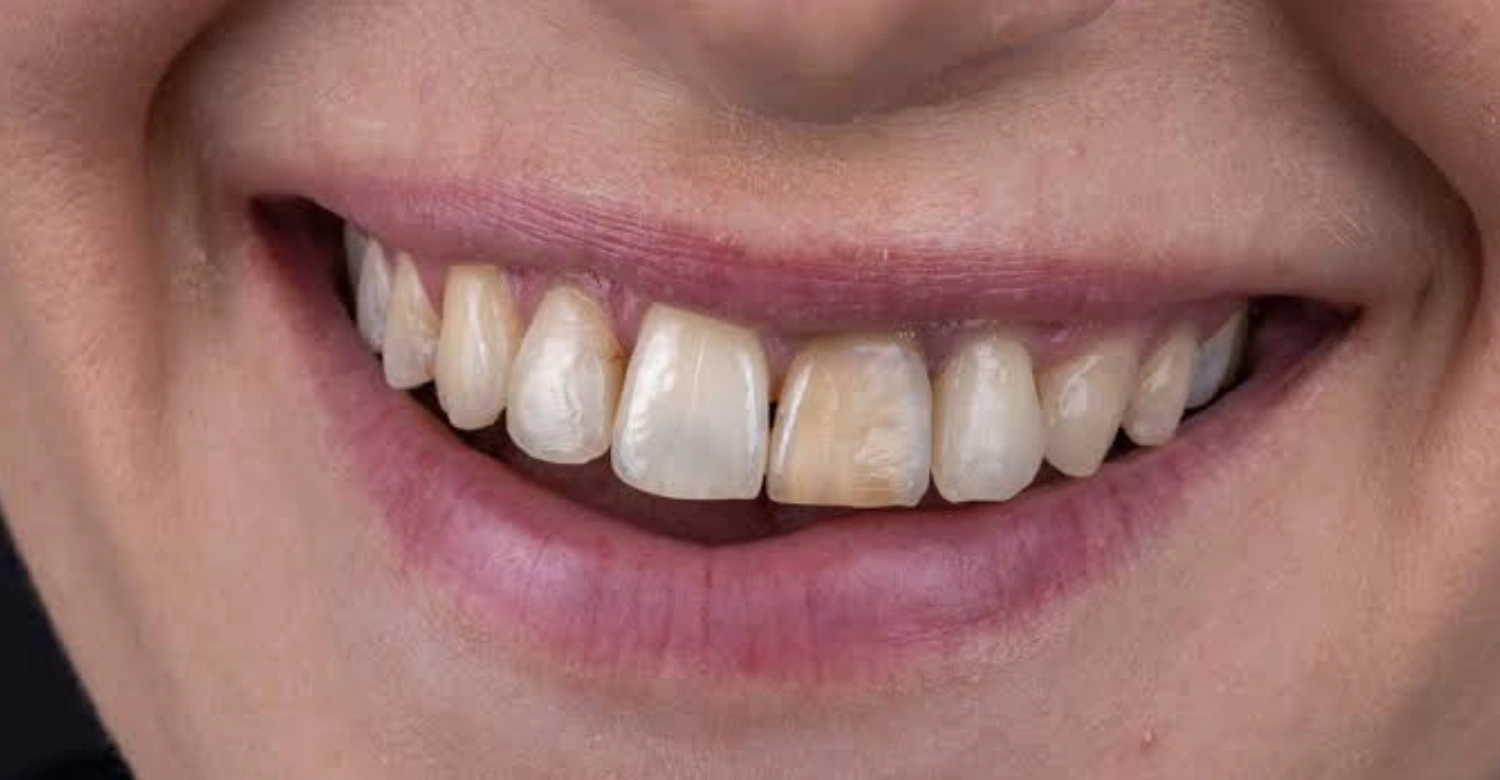
Calcific Metamorphosis: Why a Traumatized Tooth Gradually Turns Dark Yellow
A single dental injury can quietly change a tooth's color for years afterward. Calcific metamorphosis is the clinical term for this process. A traumatized tooth reacts to injury by laying down excess dentin along the pulp chamber walls. Over time, this extra dentin narrows the canal space. The tooth develops a dark yellow, sometimes opaque, appearance that stands out against neighboring teeth.
The Biological Process Behind a Calcific Metamorphosis Yellow Tooth
After trauma, the odontoblast cells lining the pulp respond by depositing additional dentin. This is a protective, survival response, not decay. The added dentin layers reduce light transmission through the tooth. This creates the dense calcific metamorphosis yellow tooth appearance dentists frequently observe. It is common in patients with a history of impact injuries, sports accidents, or childhood falls.
Gray Tooth, Nerve Damage, and Pulp Necrosis: Knowing the Difference
Not every darkened tooth follows the same path. Calcific metamorphosis produces a yellow tone tied to a healthy nerve response. Gray tooth nerve damage pulp necrosis reflects the opposite outcome. Here, the nerve tissue has died, and blood breakdown products stain the dentin gray or black. Distinguishing between the two requires vitality testing and imaging. Treatment differs significantly between a still-vital tooth and one needing root canal therapy.
Lifestyle, Health, and Teeth Browning Causes
Teeth browning causes are far more diverse than most people realize. Diet and oral hygiene are widely discussed causes. But lifestyle factors such as chronic stress, long-term medications, and systemic illness also contribute to dental color changes. What causes brown teeth in adults spans a full spectrum, from external triggers to internal health conditions. Understanding this range is essential for developing a prevention and treatment strategy that addresses the true root of the problem.
How Diet and Habits Influence Tooth Color
Your daily diet is one of the strongest predictors of long-term tooth color. Regularly consuming staining foods and drinks accelerates teeth browning and contributes to persistent tooth staining over time. Smoking and chewing tobacco introduce tar and nicotine, which bond aggressively to tooth enamel, producing stubborn brown or black discoloration. Even inconsistent brushing allows staining compounds to accumulate unchecked. Thoughtful dietary adjustments combined with improved oral hygiene routines can significantly slow the pace of unwanted color change.
Diseases That Cause Teeth Discoloration
Several systemic diseases that cause teeth discoloration include celiac disease, liver disorders, and genetic conditions like amelogenesis imperfecta. Chemotherapy and radiation therapy used to treat cancer can also result in significant teeth discoloration as a side effect. Antibiotics, particularly tetracycline taken during childhood, are known to cause deep, grayish-brown intrinsic staining. When disease-related staining is the culprit, treatment must be coordinated with your broader medical care team. This helps avoid complications and ensures safe outcomes.
Aging Gracefully: Why Teeth Lose Their Colour Over Time
As you age, the outer enamel layer gradually thins from decades of chewing and acid exposure. This allows the naturally yellowish dentin beneath to become more visible. Teeth losing colour is part of the normal aging process. This progression can be accelerated by lifestyle factors and dietary choices made throughout life. Teeth colour change due to aging is commonly addressed with professional whitening or cosmetic restorations. These restore a more youthful, vibrant appearance without compromising overall dental health.
Professional Insight: How Dentists Identify Tooth Staining
Accurately identifying the type and origin of tooth staining is a critical first step in any effective treatment plan. Dentists use a combination of visual examination, detailed dental history, and advanced imaging technology. Together, these determine whether teeth discoloration is intrinsic or extrinsic, localized or generalized. A correct and thorough diagnosis ensures that treatment targets the actual underlying cause, rather than simply masking visible symptoms. This leads to more effective and long-lasting outcomes for every patient.
Modern Diagnostic Techniques for Tooth Color Assessment
Today's dental professionals use sophisticated tools to assess why is my tooth discolored and pinpoint the best treatment approach. Shade guides, digital photography, and spectrophotometers enable precise color mapping of the entire dentition. Some clinics also use intraoral cameras to detect early-stage decay or enamel damage invisible to the naked eye. These technologies ensure a thorough understanding of tooth discoloration. They also allow clinicians to build fully personalized treatment plans based on reliable, objective measurements.
Tooth Enamel Discoloration vs. Dentin Darkening: What's the Difference?
Tooth enamel discoloration and dentin darkening are two distinct conditions that require entirely different treatment approaches. Enamel discoloration typically presents as white spots, yellowing, or brown surface patches and may respond well to whitening. Dentin darkening occurs deeper within the tooth. It creates a grayish or brownish hue that standard whitening agents cannot effectively reach. Understanding which layer is affected is critical. It guides the choice of a cosmetic solution that delivers both visual improvement and structural safety.
Proven Ways to Fix Tooth Discoloration
Learning how to fix tooth discoloration depends entirely on understanding its cause and depth. For surface stains, professional whitening procedures offer fast and dramatic results that can transform a smile in a single appointment. For deeper intrinsic discoloration, cosmetic restorations such as veneers or crowns provide a more permanent solution. Regardless of severity, a suitable treatment option exists for every type of teeth discoloration. This ranges from mild yellowing to severe, disease-related color changes, at every budget and timeline.
In-Office Whitening Treatments: Fast and Effective Solutions
In-office teeth whitening is among the most popular and efficient ways to address teeth discoloration rapidly. Dental professionals use high-concentration bleaching agents activated by light or laser technology. This can brighten teeth by several shades in a single session. This method is ideal for patients whose discoloration stems mainly from extrinsic causes. Food, drinks, and lifestyle habits are common examples. Results are immediate, carefully controlled, and substantially more effective than any over-the-counter whitening product currently available on the market.
Cosmetic Restorations: Veneers and Crowns for Teeth Turning Brown
For patients with persistent or severe teeth turning brown, cosmetic restorations offer a comprehensive and long-lasting solution. Porcelain veneers are ultra-thin shells bonded to the front surface of teeth. They fully conceal deep stains and discoloration that whitening alone cannot eliminate. Crowns are used when the tooth has more significant structural damage alongside color change. These restorations improve not only shade but also shape and alignment. This delivers a complete smile transformation suited to the most complex cases.
Fixing Tooth Enamel Discoloration Without Compromising Health
Addressing tooth enamel discoloration requires a careful balance between cosmetic improvement and structural preservation. Microabrasion is one technique used to remove superficial enamel staining caused by fluorosis or demineralization. Remineralization therapies using fluoride or hydroxyapatite products simultaneously strengthen weakened enamel while improving its appearance. At Vitrin Clinic, every treatment plan is designed to protect enamel integrity throughout the process. This ensures aesthetic improvements come with no long-term compromise to the health or function of your teeth.
What We Notice Clinically
Dr. Rifat Alsaman is Head of the Medical Team at Vitrin Clinic and a cosmetic dentist. He notes that patients often underestimate a single childhood injury, which can affect tooth color decades later. According to Dr. Rifat Alsaman, calcific metamorphosis is often mistaken for simple aging or diet-related yellowing. In fact, it points to a specific traumatic history. This history should be documented in the patient's dental record.
Dr. Rifat Alsaman also observes that patients with older amalgam fillings often assume the gray tint is part of natural aging. In fact, it is tied directly to corrosion of the metal restoration itself. Dr. Rifat Alsaman, Head of the Medical Team at Vitrin Clinic, recommends evaluating any tooth with old amalgam restorations. This should happen during routine visits. Early replacement prevents the discoloration from spreading further into healthy tooth structure.
Daily Dental Habits to Keep Your Teeth White
Maintaining a bright smile goes far beyond occasional whitening treatments. It requires consistent daily habits that prevent tooth staining before it develops. Good oral hygiene, mindful dietary choices, and regular professional care form the foundation of long-term dental brightness. Understanding which everyday behaviors contribute most to teeth discoloration empowers you to act. Small, meaningful changes accumulate into significant, visible results over time.
Brushing, Flossing, and Beyond: Preventing Tooth Staining
Brushing twice daily with a whitening or fluoride toothpaste is a fundamental defense against tooth staining. Flossing every night matters just as much. Electric toothbrushes remove surface staining more efficiently than manual alternatives. Using an antibacterial mouthwash reduces plaque buildup that traps staining compounds against enamel surfaces. Oil pulling with coconut oil is a supplementary habit that some patients find beneficial for reducing surface discoloration. Consistency in these daily habits delivers far more value than periodic intensive treatments performed without regular maintenance.
Foods and Drinks That Darken Teeth (And How to Enjoy Them Safely)
Many beloved foods and drinks darken teeth over time including coffee, tea, red wine, berries, tomato sauce, and soy sauce. However, complete elimination is not necessary. Drinking staining beverages through a straw limits direct enamel contact. Rinsing with water immediately after consuming staining foods dilutes chromogens before they bond. Waiting 30 minutes before brushing after acidic meals prevents additional enamel erosion. With these smart, practical habits in place, you can continue enjoying your favorite foods without sacrificing your smile's brightness.
Regular Cleanings: The Key to Avoiding Teeth Losing Colour
Professional dental cleanings every six months are essential for preventing teeth losing colour over time. During each appointment, hygienists use specialized instruments to remove calculus and surface staining that daily home care cannot reach. Polishing treatments further smooth the enamel surface, making it more resistant to future staining agents. Patients who consistently skip professional cleanings allow staining compounds and tartar to accumulate unchecked, accelerating the causes of discoloured teeth. Regular professional care remains the single most effective long-term strategy for maintaining lasting dental brightness.
Tips for Patients
Schedule a dental evaluation promptly after any impact injury. Do this even if the tooth does not hurt right away, since calcific metamorphosis can develop silently over months.
Ask your dentist to check any amalgam fillings older than 10-15 years. This matters most for molars, where corrosion is harder to see.
If you have a documented history of tetracycline exposure, ask about reversing tetracycline teeth stains. Internal bleaching or veneers may be appropriate, depending on severity.
For mild white spots from fluorosis or early demineralization, ask about enamel microabrasion for white spots. This is worth exploring before more invasive cosmetic treatment.
Keep a personal record of any dental trauma, including the date and tooth affected. This helps your dentist track future color changes accurately.
Why Choose Vitrin Clinic for Your Smile Transformation
Vitrin Clinic combines cutting-edge technology with a patient-centered philosophy to deliver consistently exceptional cosmetic dental outcomes. Whether you are dealing with mild surface staining or complex discoloration from health conditions or long-term habits, Vitrin Clinic has a plan for you. The clinic's specialists tailor a treatment plan for every individual patient. Vitrin Clinic has built a strong international reputation for excellence and natural-looking results. It's a trusted destination for smile transformations around the world.
Advanced Cosmetic Dentistry Technology at Vitrin Clinic
Vitrin Clinic is equipped with state-of-the-art diagnostic and treatment technology. It's designed to address every form of teeth discoloration with exceptional precision. From digital shade analysis and intraoral cameras to laser whitening systems and Digital Smile Design software, the toolkit is extensive. Each tool enhances treatment accuracy and predictability. Patients benefit from evidence-based protocols that deliver consistent, measurable results every time. The clinic's ongoing investment in advanced technology pays off for patients. Every whitening or cosmetic restoration journey stays efficient, comfortable, and minimally invasive from start to finish.
Personalized Smile Design for Natural, Authentic Results
No two smiles are identical. That's why Vitrin Clinic uses Digital Smile Design to create deeply personalized cosmetic treatment plans. Rather than applying a generic approach, the clinical team analyzes your facial features, gum architecture, and desired outcome. The result is a smile that feels genuinely yours. This personalized methodology is especially valuable for patients managing complex or uneven teeth discoloration. A customized combination of whitening, veneers, or bonding may be necessary to achieve balanced, harmonious results.
Comprehensive Packages for International Patients
Vitrin Clinic welcomes international patients through an all-inclusive service model that removes every layer of stress from dental travel. From arrival, the clinic coordinates airport transfers, accommodation support, and professional interpreter services for a fully seamless experience. Patients traveling specifically for teeth discoloration treatment benefit from detailed pre-visit planning and fully transparent pricing. Comprehensive post-treatment guidance is also provided before they return home. Vitrin Clinic's international packages are designed to deliver world-class dental care wrapped in unmatched comfort and end-to-end convenience.
Clinical Note
Reversing tetracycline teeth stains is generally more successful when the discoloration is mild to moderate. This works best when it's confined to the enamel and outer dentin. Severe, band-like tetracycline staining often requires veneers or crowns rather than bleaching alone. Internal whitening agents cannot fully lighten deeply banded intrinsic stains. A proper diagnosis should always come first. This should be supported by dental history and photographic shade comparison before any whitening or restorative decision.
Take Action Today: Schedule Your Free Consultation to Restore Your Smile
Your smile deserves expert care and genuine attention. If teeth discoloration has been quietly affecting your confidence, comfort, or quality of life, now is the time to act. Vitrin Clinic offers a free initial consultation. Qualified specialists evaluate your specific type and degree of staining, then explain all available treatment options in clear detail. Together, you build a personalized plan aligned with your goals and budget. Whether you are local or traveling internationally, booking your consultation today is the most important first step toward a brighter, healthier, more confident smile.
About Vitrin Clinic
Vitrin Clinic is a cosmetic dental clinic based in Istanbul, Turkey, serving patients from around the world. The clinic brings together an experienced clinical team, transparent treatment planning, and modern diagnostic technology. This addresses every form of teeth discoloration. Coverage spans surface staining to complex intrinsic conditions like calcific metamorphosis and amalgam-related gray staining. Patients traveling to Istanbul benefit from coordinated care and multilingual support. The approach is fully personalized, guided by the clinic's medical team.
References:
https://my.clevelandclinic.org/health/symptoms/10958-tooth-discoloration
https://www.listerine-me.com/teeth-whitening/tooth-discoloration-causes-treatment-prevention
https://gentle-dental.frb.io/blog/tooth-discolouration-what-is-the-cause
FAQs
What causes teeth discoloration?
Teeth discoloration is caused by a mix of factors. Common culprits include tobacco use, staining foods and drinks, poor oral hygiene, and certain medications like tetracycline. Aging, trauma, and underlying health conditions can also play a role, especially when discoloration develops from within the tooth rather than on its surface.
Why are my teeth turning brown?
Teeth turning brown is usually linked to tobacco use, tannin-rich foods and drinks, or fluorosis from excessive fluoride exposure. It can also result from natural aging, as thinning enamel allows the yellowish dentin underneath to show through more clearly. A dental exam can pinpoint the exact cause and the right treatment.
How do I fix tooth discoloration safely?
The safest fix depends on the cause and depth of the staining. Surface stains typically respond well to professional whitening, while deeper intrinsic discoloration may need veneers, crowns, or internal whitening. A proper diagnosis should always come first, since treating the wrong type of stain can waste time or damage healthy enamel.
What is the difference between calcific metamorphosis and amalgam-related gray staining?
Calcific metamorphosis develops after trauma. It produces a dark yellow tooth as excess dentin builds up inside the pulp chamber. Amalgam-related staining develops from a corroding metal filling instead. It produces a gray or bluish tint in the surrounding tooth structure. Both are intrinsic conditions, but the cause, diagnosis, and treatment differ.
How much does treatment for amalgam stains or calcific metamorphosis cost?
Cost depends on the treatment required, ranging from simple composite filling replacement to veneers, crowns, or internal whitening. At Vitrin Clinic, exact pricing is provided after a clinical evaluation and a personalized treatment plan.
How long does it take to treat a discolored tooth caused by trauma or old fillings?
Replacing a corroded amalgam filling can often be completed in a single visit. More advanced cases, such as veneers, crowns, or internal whitening for calcific metamorphosis, typically require two to three appointments. These are usually spread over one to two weeks.
Can enamel microabrasion fix white spots without affecting healthy enamel?
Yes. Enamel microabrasion for white spots removes only a very thin, superficial layer of enamel. This makes it a safe, conservative option for treating mild fluorosis or demineralization spots. It should be performed by a trained clinician.
FAQs

Dr. Rifat Alsaman has more than 5 years of clinical experience in dentistry and currently serves as the Head of the Medical Team at Vitrin Clinic. He is dedicated to providing exceptional patient care, overseeing treatment planning, and ensuring the highest clinical standards across the team. His expertise, attention to detail, and commitment to continuous professional development have helped countless patients achieve healthier, more confident smiles.


.webp&w=3840&q=75)
