Dental Implant
September 14, 2026
The Process of Chewing: What Is Mastication and How Does It Work?
 Dr. Rifat Alsaman
The process of chewing is a coordinated oral function that prepares food for swallowing and digestion. It involves the teeth, tongue, cheeks, jaw muscles, temporomandibular joints, and saliva. These structures work together through repeated and controlled movements. The teeth reduce food into smaller particles, while the tongue continuously repositions it. Saliva moistens food and helps create a cohesive bolus before swallowing. Research describes mastication as a complex sensory and motor activity rather than simple jaw movement. Food texture, hardness, moisture, and size can influence chewing patterns and muscle activity. Harder foods may require greater muscular effort and longer processing. Softer foods generally require less mechanical breakdown. Healthy chewing therefore depends on more than having complete teeth. Bite relationships, jaw mobility, saliva production, tooth condition, and oral comfort can all influence function. At Vitrin Clinic, functional considerations can be incorporated into comprehensive dental assessments and treatment planning.
What Is the Process of Chewing Called?
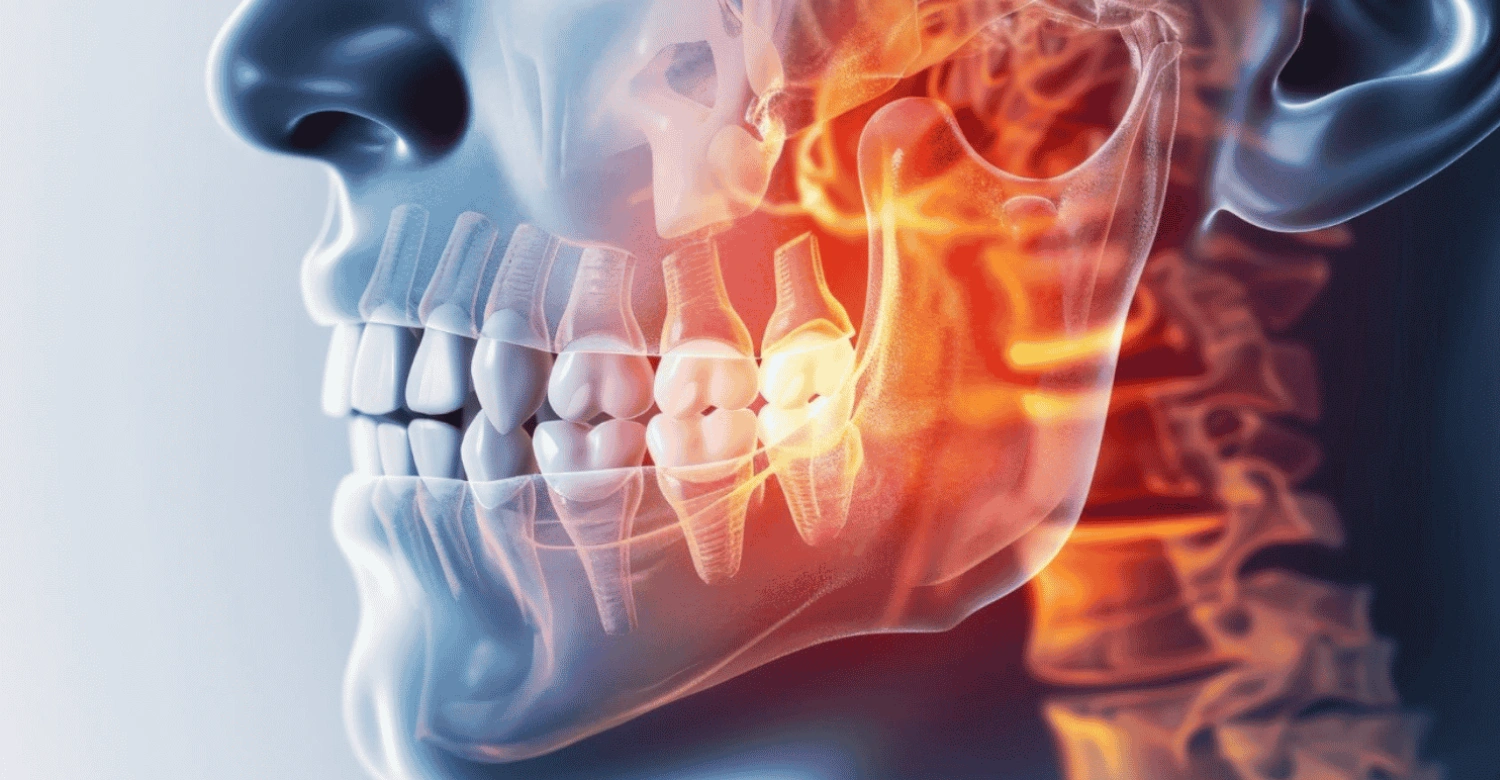
The medical term for The Process of Chewing is mastication. Mastication describes the mechanical breakdown of food inside the mouth before swallowing. It involves coordinated activity from the teeth, tongue, cheeks, jaw muscles, and temporomandibular joints. Saliva also contributes by moistening food and improving lubrication. The mandible performs controlled movements that can include opening, closing, forward movement, and side-to-side motion. These movements allow different teeth to perform their specific functions. Incisors primarily cut food, while canines assist with tearing. Premolars and molars contribute strongly to crushing and grinding. The tongue continually moves food between these surfaces. Sensory information about texture and hardness helps the nervous system adjust chewing activity. The final result is a cohesive food bolus that can be positioned for swallowing. Therefore, mastication connects eating with the next stages of digestion.
The Process of Chewing Is Called Mastication
The Process of Chewing is called mastication, which refers to the controlled mechanical processing of food inside the mouth. During mastication, the mandible repeatedly moves while the teeth contact and break down food. The tongue and cheeks reposition food throughout the chewing cycle. Saliva becomes mixed with the food as the process continues. This moisture helps soften particles and supports bolus formation. Mastication is influenced by food texture, hardness, moisture, and size. Research indicates that different food consistencies can change mandibular movement and muscle activity. The nervous system receives sensory information and adjusts chewing movements accordingly. This makes mastication an adaptable physiological function rather than a fixed movement. Once food reaches a suitable consistency, the tongue gathers it into a bolus. The bolus can then move toward the throat for swallowing.
Why Is Mastication Important for Digestion?
Chewing supports digestion by mechanically reducing food into smaller particles. Smaller particles provide greater surface exposure for saliva and later digestive processes. Mastication also mixes food with saliva, which contributes moisture and lubrication. Saliva contains enzymes that begin the digestion of certain nutrients inside the mouth. Salivary amylase begins carbohydrate digestion, while lingual lipase contributes to early fat digestion. Most digestion and nutrient absorption still occur later within the gastrointestinal tract. Therefore, chewing prepares food rather than completing digestion. The food bolus created during mastication also needs suitable consistency for swallowing. Research suggests that food properties influence chewing duration, movement patterns, and muscle activity. Harder foods can require greater chewing effort than softer foods. Chewing therefore provides an important connection between eating, swallowing, and digestion.
What Happens During the Process of Chewing Food?
Chewing begins when food enters the mouth and becomes positioned between the teeth. The tongue and cheeks help guide food toward suitable chewing surfaces. The teeth then cut, crush, and grind the food through repeated jaw movements. Saliva gradually mixes with the food and provides moisture and lubrication. The tongue continuously moves food between different areas of the mouth. The cheeks help prevent food from collecting away from the active chewing surfaces. As particle size decreases, the food becomes softer and more cohesive. Saliva helps the particles combine into a manageable mass. Eventually, the tongue gathers the processed food into a bolus. The bolus is positioned toward the back of the mouth before swallowing begins. Chewing therefore involves several coordinated actions rather than one simple movement.
The Main Stages of Mastication
Mechanical breakdown can be understood as several overlapping stages that work together continuously. Food first enters the mouth and becomes positioned for mechanical processing. The teeth then cut, crush, and grind the food. The tongue and cheeks repeatedly reposition food between appropriate tooth surfaces. Saliva gradually moistens the particles and improves lubrication. As chewing continues, the particles become smaller and more cohesive. The tongue collects the processed material into a food bolus. Food consistency can influence the number of chewing cycles and the amount of muscle activity required. Research has demonstrated differences in mandibular movement according to food hardness and texture. These stages should not be viewed as completely separate events. They overlap throughout normal eating. Mastication ends when food reaches a suitable consistency for swallowing.
Food Enters the Mouth
Oral processing begins after food enters the oral cavity. The lips, tongue, and cheeks help control the initial position of the food. Sensory receptors provide information about food size, temperature, texture, and consistency. This information helps the nervous system organize an appropriate chewing response. The tongue moves food toward the teeth when mechanical breakdown begins. The position of food can determine which teeth contact it first. Different foods require different levels of force and movement. A firm food may require stronger jaw activity than a soft food. Moist foods may become easier to manipulate quickly. Dry or tough foods can require additional saliva and chewing. This initial stage establishes the conditions for effective mechanical processing. Mastication then progresses as the jaw, teeth, tongue, and cheeks work together.
The Teeth Break Down Food
The chewing process depends heavily on the mechanical functions of different teeth. Incisors have cutting edges that help bite through food. Canines have pointed structures that assist with tearing. Premolars and molars provide broader surfaces for crushing and grinding. The arrangement of these teeth allows food to move through several mechanical stages. Posterior teeth are particularly important for reducing tougher foods into smaller particles. Tooth shape and contact relationships influence how effectively mechanical forces are transferred. Damaged or missing teeth can change the distribution of chewing forces. Patients may compensate by using remaining teeth or favoring one side. Such changes can sometimes affect comfort or efficiency. Regular dental assessment can identify problems affecting tooth function. Chewing works most effectively when the dentition provides stable and comfortable contact.
The Tongue and Cheeks Position the Food
Mastication requires constant coordination between the tongue, cheeks, and teeth. The tongue moves food toward the active chewing surfaces. It also collects food that moves away from the teeth. The cheeks help prevent food from remaining in the vestibular spaces. This coordinated movement keeps food within the functional chewing area. Sensory feedback helps regulate these movements as food changes texture. The tongue can detect changes in particle size and reposition material accordingly. The cheeks provide additional control during repeated mandibular movements. Together, these soft tissues help prevent inefficient food distribution. They also contribute to the eventual formation of the food bolus. A person therefore uses more than their teeth while eating. Mastication is a coordinated oral activity involving both hard and soft tissues.
Saliva Moistens and Lubricates Food
Oral processing depends on saliva for effective lubrication and food manipulation. Saliva moistens food particles and helps them move smoothly across oral surfaces. Salivary mucins contribute to lubrication and support cohesion between food particles. Saliva also contains enzymes involved in early digestive activity. NIDCR explains that saliva supports chewing, swallowing, digestion, and oral protection. Reduced saliva can make food harder to chew and swallow comfortably. Persistent dry mouth can also increase the risk of dental decay. Hydration may support normal salivary function in some situations. However, persistent dryness should receive professional evaluation. Several medications and medical conditions can reduce salivary flow. Chewing therefore depends partly on adequate moisture within the oral cavity. Healthy saliva supports both comfortable eating and normal oral function.
Food Forms a Bolus
Oral breakdown eventually produces a cohesive mass called a food bolus. This bolus forms as food particles become smaller and combine with saliva. The tongue continuously gathers particles toward a central position. The cheeks also help keep material within the functional oral space. Saliva provides moisture and contributes to cohesion between particles. Food consistency affects how quickly a suitable bolus develops. Tough foods may require more chewing before reaching an appropriate texture. Softer foods may reach suitable consistency more quickly. The tongue then positions the bolus for the swallowing phase. Bolus formation therefore represents an important transition between oral processing and swallowing. A properly prepared bolus can move through the swallowing pathway more effectively. Mastication is therefore closely connected with successful swallowing.
Which Teeth Are Involved in the Process of Chewing?
The Process of Chewing involves all functional teeth, but each tooth group performs different mechanical roles. Incisors are mainly associated with cutting and biting. Canines contribute to tearing and certain guidance functions. Premolars and molars provide broad surfaces for crushing and grinding. The shape and position of each tooth influence how forces are applied. Posterior teeth generally perform substantial mechanical work during food breakdown. Tooth contacts also influence how food moves during mandibular movement. Missing teeth can reduce the available surfaces for mechanical processing. Damaged teeth can cause discomfort and change chewing behavior. A person may compensate by using another area of the mouth. Long-term compensation may influence comfort and functional efficiency. Chewing therefore depends on the combined contribution of the complete dental system.
Incisors and Biting
Mastication often begins with the incisors when a person bites into food. Incisors are positioned at the front of the dental arch. Their relatively thin edges are suited to cutting and separating food. Upper and lower incisors work together through controlled mandibular movement. They do not perform most grinding activities. Their main contribution involves biting and cutting food into manageable pieces. Damage or loss of incisors can affect food preparation. It can also influence speech and facial appearance. Dental treatment may restore both function and aesthetics when appropriate. The exact treatment depends on the condition of the affected teeth. A dentist can evaluate tooth structure, position, and surrounding tissues. Biting and processing requires incisors to work together with posterior teeth and soft tissues.
Canines and Tearing
Mastication also involves the canines, which have prominent cusps and strong roots. Their shape allows them to assist with tearing certain foods. Canines can also contribute to specific patterns of tooth guidance during mandibular movement. Their functional role differs between individuals depending on dental relationships. They are positioned between incisors and premolars within the dental arch. This location allows them to contribute to both anterior and posterior dental function. Canines can help separate tougher food before further grinding occurs. Their condition can therefore influence the overall sequence of food breakdown. However, canine function should always be evaluated within the patient's individual bite. Oral breakdown does not depend on one tooth group alone. Instead, the entire dentition works as an integrated mechanical system.
Premolars and Molars for Grinding
Oral mastication relies heavily on premolars and molars for crushing and grinding. These posterior teeth have broader surfaces than the anterior teeth. Their cusps and grooves help break food into smaller particles. Repeated mandibular movements bring opposing surfaces together around the food. Posterior teeth can therefore generate substantial mechanical pressure. The Surgeon General's oral health report describes posterior teeth as adapted for grinding. Missing posterior teeth may reduce the available chewing surface. Patients may compensate by placing greater loads on remaining teeth. A dentist can assess whether replacement would improve function. Options depend on bone condition, oral health, tooth position, and patient needs. Mastication can become less efficient when multiple posterior surfaces are unavailable.
Clinical Note
Chewing function should not be evaluated simply by counting the number of teeth. Dentists consider tooth condition, contacts, jaw movement, pain, and soft-tissue function. A patient may have many teeth but still experience functional difficulty. Another patient may adapt effectively despite having fewer teeth. Clinical evaluation should identify the specific reason for any chewing problem. Tooth decay, cracks, sensitivity, missing teeth, or bite changes can all contribute. Jaw muscles and temporomandibular joints should also be considered when symptoms are present. Treatment should address the underlying cause rather than the symptom alone. At Vitrin Clinic, functional considerations can be incorporated into broader dental planning. Digital records may support assessment of dental structures and treatment requirements.
Which Muscles and Structures Control Chewing?
The breakdown of food depends on coordinated activity from the jaw muscles, tongue, cheeks, teeth, and temporomandibular joints. Major muscles involved include the masseter, temporalis, medial pterygoid, and lateral pterygoid. These muscles control different aspects of mandibular movement. The temporomandibular joints allow the mandible to open, close, protrude, retract, and move laterally. The tongue constantly repositions food during these movements. Sensory information helps the nervous system adjust the chewing pattern. Food hardness can influence muscle activity and mandibular movement. Research shows that chewing is an adaptable neuromuscular process. Problems affecting the muscles or joints can create pain during eating. NIDCR identifies temporomandibular disorders as conditions involving jaw joints, chewing muscles, or both. Chewing therefore depends on several structures functioning together.
The Jaw Muscles Used During Mastication
Mastication requires coordinated contraction of several muscles responsible for mandibular movement. The masseter is a major muscle involved in elevating the mandible. The temporalis also contributes to elevation and helps position the mandible. The medial and lateral pterygoid muscles contribute to complex mandibular movements. Different foods can require different levels of muscular activity. Harder foods generally demand greater mechanical effort than softer foods. Research has demonstrated changes in muscle activity according to food characteristics. Muscles also respond to sensory information from the teeth and oral tissues. This allows chewing movements to adapt continuously. Pain or fatigue within these muscles can interfere with comfortable eating. Mastication therefore relies on precise muscular coordination.
The Temporomandibular Joint and Jaw Movement
Food breakdown requires movement of the mandible through the temporomandibular joints. These paired joints connect the lower jaw with the skull. They allow opening, closing, forward movement, backward movement, and lateral movement. Normal chewing combines several of these movements rather than relying only on vertical opening. NIDCR identifies disorders of the jaw joints and chewing muscles under the TMD category. Symptoms can include jaw pain, stiffness, limited movement, and painful joint sounds. NIDCR estimates that TMD affects approximately five to ten percent of people in the United States. Not every clicking sound indicates a disorder. Pain and functional limitation are more important clinical concerns. Persistent symptoms should receive appropriate professional assessment. Jaw performance can become uncomfortable when jaw movement is restricted or painful.
How the Tongue Coordinates With the Jaw
The process of chewing depends on constant coordination between tongue movement and mandibular movement. The tongue guides food toward active tooth surfaces during each chewing cycle. It also detects changes in food size and consistency through sensory feedback. This information helps regulate the position of food inside the mouth. The cheeks contribute additional control by keeping food near the teeth. As particles become smaller, the tongue gathers them into a cohesive mass. Saliva helps make this mass easier to manipulate. The tongue eventually positions the bolus for swallowing. NIDCR educational materials describe the tongue as important for moving food toward the back of the mouth. This coordination demonstrates the complexity of normal oral function. Mastication therefore involves continuous interaction between muscles and sensory systems.
Dr. Rifat Alsaman’s Clinical Perspective
Dr. Rifat Alsaman, Head of the Medical Team at Vitrin Clinic and cosmetic dentist, emphasizes the importance of considering function during dental treatment planning. The Process of Chewing should be evaluated alongside tooth condition, bite relationships, and aesthetic goals. A visually attractive restoration should also function comfortably within the patient's oral environment. Digital diagnostics can provide valuable information about dental structures and treatment requirements. However, clinical examination remains essential for interpreting these findings. Patients should report pain, uneven contacts, chewing difficulty, or changes in their bite. These symptoms may indicate issues requiring further assessment. At Vitrin Clinic, treatment planning can combine digital information with clinical evaluation. This approach helps create individualized treatment strategies for patients with different functional and aesthetic needs.
What Is a Mass Formed During the Process of Chewing?
A mass formed during The Process of Chewing is called a food bolus. It develops when food particles become smaller and combine with saliva. The tongue and cheeks help gather the processed material into a cohesive mass. Saliva provides moisture and lubrication during this process. The final bolus must reach an appropriate consistency before swallowing. Food characteristics influence how quickly a bolus develops. Tough or dry foods may require more chewing and saliva. Softer foods can generally become cohesive more quickly. The bolus is not completely digested food. It is prepared food that continues through the digestive system after swallowing. NCBI describes bolus formation as an important part of preparing food for swallowing. Mastication therefore creates the physical conditions needed for the next stage.
How a Food Bolus Forms During Mastication
The Process of Chewing gradually transforms individual food pieces into a cohesive bolus. Teeth first reduce the food into smaller particles. The tongue then moves these particles across the chewing surfaces. Saliva becomes distributed throughout the food during repeated movements. Moisture helps reduce friction and supports particle cohesion. The cheeks assist by preventing particles from moving away from the active chewing area. Food texture influences the number of chewing cycles needed. Dry foods may require greater salivary involvement before reaching suitable consistency. Tough foods can require additional mechanical processing. Once the mixture becomes cohesive, the tongue gathers it into a manageable mass. The bolus is then positioned for swallowing. Mastication is therefore essential for preparing food into a transportable form.
Why the Food Bolus Matters for Swallowing
The Process of Chewing produces a food bolus that can be transported more efficiently during swallowing. A cohesive bolus is easier for the tongue to gather and propel backward. Saliva provides lubrication that supports movement through the oral cavity. The tongue positions the bolus before the swallowing sequence begins. NIDCR educational resources describe the movement of food toward the throat after oral preparation. Problems with chewing can sometimes make bolus preparation more difficult. Reduced saliva can also affect food cohesion and swallowing comfort. Patients with persistent swallowing difficulties should receive professional evaluation. Chewing and swallowing are separate physiological processes, but they are closely connected. Effective oral preparation supports the transition between them. Mastication therefore has an important role before swallowing occurs.
What We Notice Clinically About the Process of Chewing
Clinically, The Process of Chewing can provide useful information about oral function. Patients may report pain, fatigue, sensitivity, difficulty with certain foods, or preference for one side. Dentists assess teeth, gums, occlusion, jaw movement, and chewing muscles when appropriate. A change in how the teeth fit together can also be relevant. NIDCR lists bite changes among possible symptoms associated with temporomandibular disorders. The underlying cause can involve teeth, muscles, joints, or soft tissues. Therefore, chewing complaints should be evaluated rather than interpreted from symptoms alone. A detailed patient history can reveal when discomfort occurs. Information about specific foods can also help identify functional limitations. At Vitrin Clinic, comprehensive dental assessment can combine clinical findings with digital diagnostic information. This supports more individualized treatment planning.
How Dentists Assess Chewing Function
Chewing function can be assessed through a combination of patient history and clinical examination. Dentists may ask about pain, sensitivity, chewing preference, jaw fatigue, or difficulty with specific foods. Teeth are examined for decay, fractures, wear, mobility, and missing structures. Occlusion is evaluated to understand how upper and lower teeth contact. Jaw opening and movement may also be observed. Muscles and temporomandibular joints can be examined when symptoms suggest a functional problem. Imaging may be recommended when additional information is clinically necessary. NIDCR recommends clinical evaluation when patients present with symptoms associated with TMD. A complete assessment should identify the likely source of the complaint. Mastication is therefore evaluated as part of broader oral function rather than as an isolated action.
Clinical Note
Oral breakdown can be affected by many conditions, so one symptom does not establish a diagnosis. Pain may originate from a tooth, gum tissue, jaw muscle, or temporomandibular joint. Sensitivity may result from exposed dentin, decay, tooth wear, or other dental conditions. Dry mouth can make food manipulation more difficult without directly affecting the teeth. A sudden bite change may require a different clinical assessment. Dentists therefore need to evaluate the complete oral environment. Patients should describe when symptoms occur and which foods trigger them. This information can help narrow potential causes. Persistent symptoms should not be ignored. Early professional assessment may help prevent a small dental issue from becoming a larger functional problem.
Dr. Rifat Alsaman’s Opinion
According to Dr. Rifat Alsaman, Head of the Medical Team at Vitrin Clinic and cosmetic dentist, functional assessment should remain part of comprehensive dental planning. The process of chewing depends on the interaction between teeth, muscles, joints, tongue, and saliva. A treatment plan should consider how these structures work together. This is particularly important when several teeth require restoration or replacement. Digital diagnostics can support visualization of dental structures and treatment requirements. However, digital information must be interpreted alongside clinical findings. Patients should communicate any changes in chewing comfort or bite position. At Vitrin Clinic, functional and aesthetic considerations can be evaluated together when developing individualized treatment plans. This approach can help align restorative goals with practical oral function.
What Can Affect the Process of Chewing?
Many factors can influence The Process of Chewing, including missing teeth, damaged teeth, bite problems, jaw disorders, dry mouth, and dental pain. Food texture can also influence chewing effort and duration. Hard foods generally require more mechanical processing than soft foods. Missing posterior teeth can reduce available grinding surfaces. Tooth sensitivity can cause patients to avoid certain areas of the mouth. Temporomandibular disorders can create pain during jaw movement. NIDCR notes that persistent dry mouth can interfere with chewing and swallowing. Reduced saliva can also increase the risk of tooth decay. Changes in bite may alter how forces are distributed. Identifying the underlying cause is more important than treating chewing difficulty as a single condition. Professional dental evaluation can determine which structures require attention.
Missing or Damaged Teeth
Chewing efficiency can decrease when teeth are missing or damaged. Missing teeth reduce the available surfaces for cutting, crushing, or grinding food. Patients may compensate by chewing more frequently on the opposite side. Damaged teeth can cause pain when pressure is applied. Cracks, decay, fractures, and large restorations can all affect chewing comfort. The appropriate treatment depends on the tooth condition and overall oral health. Some teeth may require conservative restoration. Others may require crowns, root canal treatment, extraction, or replacement. Dental implants are one possible replacement option for selected patients. A professional assessment should determine whether replacement is appropriate. Functional capacity should be considered when evaluating the consequences of tooth loss.
Malocclusion and Bite Problems
The Process of Chewing can be influenced by the relationship between upper and lower teeth. Malocclusion refers broadly to differences in dental alignment or bite relationships. Some variations cause no meaningful functional symptoms. Others may be associated with difficulty, discomfort, or uneven tooth contact. Chewing requires repeated interaction between opposing dental surfaces. Therefore, tooth position can influence mandibular movement and force distribution. NIDCR notes that changes in how the teeth fit together can occur with TMD symptoms. A bite assessment can help determine whether a reported problem has an occlusal component. Treatment should not be based on bite appearance alone. Clinical symptoms and functional findings should also be considered. Mastication is individual, so treatment must be tailored to each patient.
Jaw and TMJ Problems
Oral breakdown can be affected by disorders involving the temporomandibular joints or chewing muscles. These conditions are commonly grouped under temporomandibular disorders. Symptoms may include jaw pain, stiffness, limited movement, and painful joint sounds. NIDCR reports that TMD conditions can involve either the jaw joints, chewing muscles, or both. Estimates suggest that approximately five to ten percent of people in the United States are affected. Not every jaw sound requires treatment. Pain, restricted movement, and persistent functional problems deserve greater attention. Diagnosis depends on patient history and clinical assessment. Treatment varies according to the specific condition. Jaw function may improve when the underlying source of pain or movement limitation is appropriately managed.
Dry Mouth and Reduced Saliva
The Process of chewing can become difficult when saliva production is reduced. Saliva normally moistens food and supports lubrication inside the mouth. NIDCR explains that persistent dry mouth can make chewing and swallowing difficult. It can also contribute to increased dental decay risk. Many medications can reduce salivary flow. Certain medical conditions and salivary gland problems can also contribute. Drinking water may help some patients temporarily. However, persistent dryness should be discussed with a healthcare professional. Treatment depends on the underlying cause. Patients should also maintain careful oral hygiene when saliva production is reduced. Mastication depends partly on adequate lubrication for comfortable food manipulation.
Note : All images used are for editorial and illustrative purposes only and may not originate from the original news provider or associated company.
Dental Pain and Sensitivity
The Process of Chewing may change when a tooth becomes painful or sensitive. Patients often avoid applying pressure to a painful tooth. They may also shift chewing toward the opposite side. Dental pain can result from decay, cracks, inflammation, tooth wear, or other conditions. Sensitivity can occur when dentin becomes exposed or when the tooth is otherwise compromised. The cause determines appropriate treatment. Some conditions may respond to conservative measures. Others require restorative or endodontic treatment. Persistent pain should not be considered a normal part of eating. Early dental assessment can help identify the source. Normal function can return when the underlying problem is appropriately addressed.
How Does Chewing Support Digestion?
The Process of Chewing begins mechanical digestion inside the mouth. Teeth reduce food into smaller pieces and increase the surface available for salivary interaction. Saliva then moistens food and contributes to early chemical digestion. Salivary enzymes begin processing certain carbohydrates and fats. The resulting bolus is prepared for swallowing and later gastrointestinal digestion. Most nutrient digestion and absorption occur after food leaves the mouth. Chewing therefore represents preparation rather than completion of digestion. Food hardness and texture can influence the amount of mechanical processing required. Adequate chewing also supports formation of a manageable bolus. The tongue helps move this bolus toward the swallowing pathway. Mastication therefore provides an essential connection between eating and subsequent digestive stages.
Chewing as the First Mechanical Step of Digestion
The Process of Chewing represents the first major mechanical stage of digestion. Teeth physically break food into smaller pieces inside the oral cavity. This increases the surface area available for contact with digestive substances. Saliva then mixes with the fragmented food. Mechanical digestion differs from chemical digestion because it changes physical structure without breaking nutrients chemically. Salivary enzymes begin chemical digestion at the same time. Salivary amylase contributes to carbohydrate digestion. Lingual lipase contributes to early fat digestion. Most digestion and absorption occur later in the gastrointestinal tract. Therefore, chewing prepares food rather than completing its digestive transformation. Oral processing helps create food particles and a bolus suitable for swallowing.
The Role of Saliva During Mastication
The Process of Chewing relies on saliva for several important functions. Saliva moistens food and reduces friction during oral movement. It helps bind particles together during bolus formation. Saliva also contains enzymes that initiate digestion. NIDCR describes saliva as important for chewing, swallowing, digestion, and oral protection. Salivary minerals can also contribute to maintaining tooth structure. Reduced salivary flow can therefore affect both eating comfort and dental health. Persistent dry mouth may increase the risk of cavities and other oral problems. Causes can include medications, medical conditions, and salivary gland dysfunction. Patients with persistent symptoms should receive appropriate evaluation. Chewing becomes more comfortable when food can be adequately lubricated.
From Chewing to Swallowing
The process of chewing gradually transforms food into a cohesive bolus suitable for swallowing. Teeth reduce the particle size while the tongue continuously repositions food. Saliva provides moisture and lubrication throughout the process. Once the bolus reaches appropriate consistency, the tongue moves it toward the back of the mouth. Swallowing then begins through a coordinated sequence of oral, pharyngeal, and esophageal activity. NIDCR educational resources describe the tongue as helping move the bolus toward the throat. Problems with chewing may sometimes affect preparation for swallowing. Reduced saliva can also make bolus formation more difficult. Persistent swallowing difficulty should receive professional assessment. Mastication therefore forms an important bridge between oral food preparation and swallowing.
Tips for Patients to Support Healthy Chewing
Healthy oral breakdown depends on maintaining the teeth, gums, jaw, tongue, and saliva. Regular dental examinations can identify problems before they significantly interfere with eating. Patients should report persistent pain, sensitivity, or changes in bite. Missing teeth should be evaluated to determine whether replacement could improve function. Good oral hygiene helps reduce the risk of decay and gum disease. Patients should also avoid unnecessary excessive forces on teeth and restorations. People with jaw symptoms may benefit from professional assessment before using any self-directed treatment. Dietary adjustments can sometimes provide temporary comfort during acute dental problems. However, long-term changes in eating habits may indicate an underlying issue. Maintaining oral health supports comfortable and effective chewing throughout life.
Maintain Regular Dental Checkups
The Process of Chewing can be supported through regular dental care and early detection of oral problems. Dental examinations can identify cavities, gum disease, tooth wear, fractures, and missing teeth. Dentists can also monitor existing restorations and changes in bite relationships. Early treatment may prevent dental problems from becoming more disruptive. Checkup frequency should depend on individual risk rather than one universal schedule. Patients with higher risk may require more frequent professional monitoring. Oral hygiene at home remains important between appointments. Brushing with fluoride toothpaste and cleaning between teeth can support dental health. Patients should also report changes in chewing comfort. Regular dental care helps protect the structures required for normal food processing.
Replace Missing Teeth When Appropriate
The Process of Chewing can be affected by tooth loss, particularly when several posterior teeth are missing. Replacement may restore available chewing surfaces in suitable patients. Treatment options can include implants, bridges, removable prostheses, or other restorative solutions. The best choice depends on bone condition, oral health, remaining teeth, and patient preferences. Dental implants can provide fixed tooth replacement for appropriately selected patients. However, not every missing tooth requires the same treatment. A dentist should assess function and long-term oral health before recommending replacement. At Vitrin Clinic, digital diagnostics can support treatment planning for appropriate restorative cases. Mastication can be considered when evaluating the functional goals of tooth replacement.
Do Not Ignore Pain When Chewing
The Process of Chewing should not consistently cause pain. Pain can indicate decay, cracks, inflammation, sensitivity, or problems involving the jaw. Patients may begin avoiding one side when a tooth becomes uncomfortable. This behavior can change normal chewing patterns. NIDCR identifies pain involving chewing muscles or jaw joints as a possible TMD symptom. Dental pain can have many other causes that require different treatments. Therefore, self-diagnosis is not recommended. A dentist can examine the teeth and surrounding structures to identify the likely source. Early assessment may help prevent progression of an underlying dental condition. Patients should seek professional care when pain persists or worsens.
Pay Attention to Changes in Your Bite
The process of Chewing can change when the relationship between upper and lower teeth changes. Patients may notice that certain teeth contact earlier than before. They may also feel that their teeth no longer fit together normally. Such changes can occur after dental treatment, tooth movement, trauma, or jaw-related problems. NIDCR includes changes in tooth fit among possible TMD symptoms. Not every bite change indicates disease. However, persistent changes deserve professional assessment. Dentists can evaluate tooth contacts and mandibular movement. They can also determine whether further diagnostic information is required. Patients should avoid attempting to adjust their bite themselves. Professional evaluation can identify whether intervention is actually necessary.
Protect Your Teeth From Excessive Wear
The Process of Chewing places normal forces on teeth throughout life. Excessive clenching or grinding can increase mechanical stress on dental structures. Signs may include flattened tooth surfaces, fractures, sensitivity, or jaw discomfort. Patients noticing these changes should discuss them with a dentist. The underlying cause should be assessed before treatment is selected. A protective mouthguard may be appropriate for certain patients. However, appliances should be professionally selected when clinically indicated. Reducing unnecessary chewing forces can also help protect restorations. Patients should avoid using teeth as tools for opening packages or biting hard objects. Protecting tooth structure supports long-term chewing function.
The Process of Chewing at Vitrin Clinic
The Process of Chewing can be considered alongside dental aesthetics and oral health at Vitrin Clinic. Comprehensive evaluation may examine tooth condition, bite relationships, missing teeth, and jaw function. Digital diagnostic tools can support assessment and treatment planning when clinically appropriate. These technologies may include CBCT, digital X-rays, digital intraoral scanning, and digital smile design. Digital records can improve communication between patients and the dental team. They can also help visualize complex treatment requirements. However, technology does not replace clinical examination. Each treatment plan should reflect the patient's oral condition and goals. Vitrin Clinic provides dental treatment planning for international patients seeking comprehensive care. Functional considerations can remain part of the planning process when multiple teeth require treatment.
Evaluating Function, Bite, and Smile Together
The Process of Chewing should be considered when planning extensive aesthetic dental treatment. A smile makeover involves more than the visible front teeth. Tooth position, bite relationships, gum levels, and facial proportions can influence the final outcome. Functional assessment helps determine whether proposed restorations fit within the patient's existing oral movements. This becomes particularly important when multiple crowns, veneers, or implants are planned. At Vitrin Clinic, digital records can support communication between the patient and dental team. Digital Smile Design can help patients visualize proposed aesthetic changes. Clinical examination remains necessary to evaluate functional requirements. The final plan should balance appearance, comfort, dental health, and individual expectations.
Digital Diagnostics and Treatment Planning
The Process of Chewing can be evaluated more comprehensively when digital diagnostic records are combined appropriately. CBCT can provide three-dimensional information about dental and maxillofacial structures when clinically indicated. Digital X-rays can support evaluation of individual teeth and surrounding tissues. A 3D intraoral scanner can capture detailed digital impressions of the dental arches. Digital Smile Design can help visualize aesthetic treatment concepts. These technologies can improve communication and treatment organization. They do not independently establish a diagnosis. Clinical findings must be considered alongside digital information. At Vitrin Clinic, digital workflows can support planning for suitable restorative and implant cases. This approach can help connect functional requirements with aesthetic objectives.
Dr. Rifat Alsaman’s Approach to Comprehensive Dental Treatment
Dr. Rifat Alsaman, Head of the Medical Team at Vitrin Clinic and cosmetic dentist, considers functional planning an important part of comprehensive dental treatment. The Process of Chewing depends on how teeth, muscles, joints, tongue, and soft tissues interact. For extensive treatment, these relationships should be considered before restoration begins. Digital diagnostics can help visualize dental structures and organize complex treatment requirements. The clinical examination remains essential for understanding individual function. Patients can also communicate their eating preferences, concerns, and functional goals. At Vitrin Clinic, treatment planning can combine aesthetic expectations with functional considerations. The objective is to create an individualized approach rather than apply an identical treatment strategy to every patient.
Why Chewing Function Matters in Full-Mouth Dental Rehabilitation
The process of Chewing becomes especially important during full-mouth dental rehabilitation. Extensive rehabilitation can involve many teeth and multiple restorative procedures. Each restoration must function within the patient's broader oral environment. Tooth contacts, jaw movement, restorative materials, and occlusion can all influence function. Aesthetic improvement alone does not guarantee comfortable eating. Digital planning can help clinicians evaluate relationships before treatment begins. Clinical examination remains necessary throughout the rehabilitation process. Patients should understand that comprehensive treatment may require several stages. Treatment decisions should reflect dental health, bone condition, functional requirements, and aesthetic goals. At Vitrin Clinic, digital workflows can support complex restorative planning when clinically appropriate. Functional assessment helps connect individual restorations into a coordinated dental result.
Restoring Teeth Is More Than Replacing Missing Teeth
The Process of Chewing involves more than filling spaces created by missing teeth. Dental rehabilitation may address worn, damaged, decayed, or structurally compromised teeth. Restorations should fit within the patient's existing functional environment. Depending on clinical needs, treatment may involve crowns, bridges, implants, veneers, or other restorative options. Each restoration must interact appropriately with surrounding structures. The condition of the gums and supporting bone also matters. Patients with extensive tooth loss may require staged treatment. Functional objectives should be established before definitive restoration begins. This helps ensure that treatment addresses practical needs as well as appearance. Comprehensive planning can therefore improve coordination between multiple procedures.
The Role of Occlusion and Bite Harmony
The process of chewing depends partly on how the upper and lower teeth contact during mandibular movement. Occlusion describes these relationships between opposing dental surfaces. The ideal arrangement differs between individuals and treatment situations. Dentists assess existing contacts, jaw movement, symptoms, and restorative requirements. A restoration that changes tooth height can alter local contacts. Multiple restorations therefore require careful coordination. Patients should report discomfort or a persistent feeling of an altered bite. Occlusal assessment is particularly important during extensive rehabilitation. However, bite adjustment should only be performed when clinically justified. Oral processing should remain comfortable while restorations perform their intended functions.
Digital Planning for Comprehensive Dental Rehabilitation
The Process of Chewing can be incorporated into digital planning for comprehensive dental rehabilitation. Digital scans can provide detailed information about existing tooth positions and surfaces. CBCT can provide three-dimensional information when clinically indicated. Digital Smile Design can support aesthetic visualization before treatment. Combining appropriate records can help coordinate multiple restorative stages. Digital planning can also improve communication between clinicians and patients. However, biological factors cannot be solved through software alone. Bone condition, gum health, tooth structure, and patient-specific limitations remain essential. Clinical examination should guide interpretation of digital information. At Vitrin Clinic, digital workflows can support suitable full-mouth rehabilitation cases. The final treatment plan should remain individualized.
Clinical Note
The Process of Chewing should be assessed before extensive full-mouth rehabilitation begins. Photographs alone cannot demonstrate complete functional relationships. Clinical assessment should consider teeth, occlusion, jaw movement, muscles, gums, and supporting structures. Digital records can provide additional information for complex cases. However, treatment decisions require professional interpretation. Patients should understand the expected stages before beginning extensive treatment. The treatment plan may involve temporary restorations before definitive work. This can help clinicians evaluate function during complex rehabilitation. Individual biological factors can influence the final result. A comprehensive approach therefore requires both technology and clinical judgment.
Conclusion About the Process of Chewing
The Process of Chewing is a complex oral function involving teeth, jaw muscles, temporomandibular joints, tongue, cheeks, and saliva. These structures work together to reduce food into smaller particles and prepare it for swallowing. Incisors cut food, canines assist with tearing, and premolars and molars provide important crushing and grinding functions. The tongue and cheeks continually reposition food during each chewing cycle. Saliva moistens food and supports bolus formation. The resulting bolus then moves toward the swallowing pathway. Problems involving teeth, saliva, bite relationships, muscles, or jaw joints can interfere with comfortable eating. Persistent pain or functional changes should receive professional assessment. At Vitrin Clinic, functional considerations can be incorporated into comprehensive dental planning. Digital diagnostics may support evaluation and communication during appropriate treatment cases.
Reference
FAQs
Dr. Rifat Alsaman has more than 5 years of clinical experience in dentistry and currently serves as the Head of the Medical Team at Vitrin Clinic. He is dedicated to providing exceptional patient care, overseeing treatment planning, and ensuring the highest clinical standards across the team. His expertise, attention to detail, and commitment to continuous professional development have helped countless patients achieve healthier, more confident smiles.


