
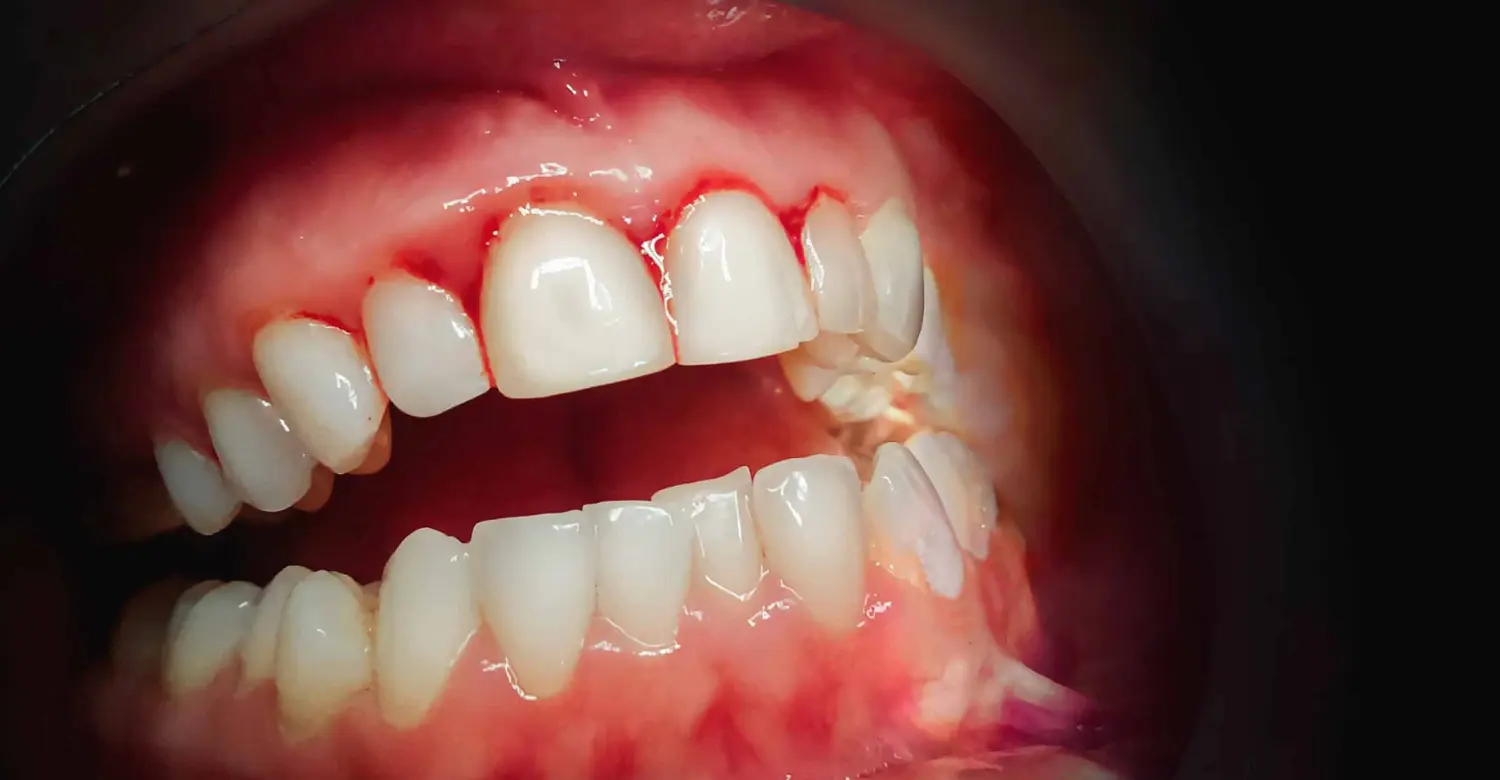
Bleeding gums are one of the earliest warning signs that something may be affecting your oral health. While occasional bleeding can happen after brushing too hard or using dental floss for the first time, frequent or unexplained bleeding should never be ignored. Many people assume it is a minor issue, yet persistent gum bleeding often indicates inflammation, plaque buildup, or the early stages of gum disease. Recognizing the cause early can help prevent more serious dental problems, including periodontal disease and tooth loss.
This comprehensive guide explains why gums bleed, the most common causes, treatment options, prevention strategies, and when to seek professional dental care. You'll also discover expert clinical insights from Dr. Rifat Alsaman, Head of the Medical Team at Vitrin Clinic and a cosmetic dentist, who explains what dentists look for when evaluating bleeding gums. Whether your symptoms are occasional or persistent, understanding the underlying reason is the first step toward achieving healthy gums without bleeding.
What Is Gum Bleeding?
Gum bleeding refers to the loss of blood from the gum tissue, usually during brushing, flossing, eating, or sometimes without any obvious trigger. Healthy gums are firm, pale pink, and should not bleed during normal oral hygiene. When bleeding occurs repeatedly, it usually signals irritation or inflammation caused by bacteria accumulating around the gumline.
In its earliest stage, inflammation is often reversible with improved oral hygiene and professional cleaning. However, if plaque hardens into tartar and remains untreated, the inflammation can progress deeper below the gumline, affecting the tissues and bone supporting the teeth. This progression increases the risk of periodontal disease and eventual tooth loss.
Although gum bleeding is commonly associated with gingivitis, it may also result from nutritional deficiencies, hormonal changes, certain medications, medical conditions, or incorrect brushing techniques. Understanding the cause allows dentists to recommend the most effective treatment while preventing long-term complications. For a full explanation of the specialty treating these conditions, our page on what periodontics is covers non-surgical and surgical gum care in detail
Bleeding Gums Causes: Why Are My Gums Bleeding?
There are many reasons why gums bleed, ranging from temporary irritation to chronic oral diseases. The most frequent cause is plaque accumulation, which allows harmful bacteria to irritate the gum tissue. As the immune system reacts to these bacteria, inflammation develops, making the gums swollen, tender, and prone to bleeding.
Other common causes include aggressive tooth brushing, improper flossing, smoking, hormonal fluctuations during pregnancy or puberty, diabetes, blood-thinning medications, and immune disorders. Vitamin deficiencies particularly vitamins C and K may also weaken gum tissues and increase the likelihood of bleeding.
Lifestyle habits significantly influence gum health as well. Diets high in sugar encourage bacterial growth, while poor oral hygiene allows plaque to mature into tartar that cannot be removed by brushing alone. Regular dental examinations help identify these contributing factors before permanent damage occurs, allowing personalized treatment plans that restore healthy gum tissue and protect the supporting structures of the teeth. For a broader look at how untreated bleeding progresses into disease, our main periodontal disease page explains each stage from mild inflammation to bone loss
Bleeding Gums Vitamin Deficiency
Vitamins play an essential role in maintaining strong, healthy gum tissues. When the body lacks key nutrients, the gums become more vulnerable to inflammation, infection, and bleeding. Vitamin C is especially important because it supports collagen production, which helps maintain the strength and integrity of connective tissues surrounding the teeth. A deficiency can cause swollen gums, delayed healing, and frequent bleeding.
Vitamin K is another critical nutrient because it contributes to normal blood clotting. Insufficient levels may prolong bleeding after brushing or minor irritation. Deficiencies in vitamin D, B-complex vitamins, folate, and iron may also negatively affect oral health by weakening the immune response or slowing tissue repair.
Although nutritional deficiencies can contribute to bleeding gums, they are rarely the only cause. Dentists often evaluate dietary habits alongside oral hygiene and medical history to determine whether supplementation, dietary improvements, or additional dental treatment is necessary. A balanced diet supports healthier gums and complements professional periodontal care. If bleeding has progressed to deeper pockets, our guide to laser periodontal treatment explains this minimally invasive option for advanced cases
Bleeding Gums When Brushing
Seeing blood in the sink after brushing can be alarming, but it is usually a sign that your gums need attention rather than a reason to stop brushing. The most common cause is plaque buildup along the gumline, which irritates the tissues and triggers inflammation. When the gums become inflamed, even gentle brushing can cause them to bleed. If gum bleeding occurs every time you brush, it may indicate gingivitis, the earliest stage of gum disease. Using a toothbrush with hard bristles or brushing with excessive force can also damage delicate gum tissue and contribute to the problem. Maintaining consistent oral hygiene is essential because avoiding brushing allows more plaque to accumulate, making the condition worse. Switching to a soft-bristled toothbrush, using proper brushing techniques, and cleaning between the teeth daily can help the gums heal. If bleeding continues for more than one to two weeks despite good oral care, a dental examination is recommended to identify the underlying cause and begin appropriate treatment. For patients whose gum disease requires professional deep cleaning, our periodontal cleaning guide covers scaling and root planing in more depth
Bleeding Gums Treatment
The most effective treatment depends on the underlying cause of the problem. When gum bleeding is related to gingivitis, professional dental cleaning is usually the first step. During this procedure, plaque and hardened tartar are removed from above and below the gumline, reducing bacterial irritation and allowing the tissues to heal. Patients are then instructed on proper brushing and flossing techniques to prevent plaque from returning. If the condition has progressed to periodontitis, more advanced treatments such as scaling and root planing, localized antimicrobial therapy, or periodontal surgery may be necessary. Dentists also evaluate contributing factors, including smoking, diabetes, hormonal changes, medications, and nutritional deficiencies. In some cases, improving overall health and adjusting lifestyle habits significantly enhances treatment outcomes. Regular follow-up appointments are essential to monitor healing and prevent recurrence. Early intervention not only stops bleeding but also protects the supporting bone and tissues that keep the teeth stable. A complete cost breakdown across both non-surgical and surgical treatment is available in our gum disease treatment cost in Turkey guide
How to Stop Bleeding Gums
Stopping gum bleeding begins with improving daily oral hygiene rather than avoiding brushing. Continue brushing twice a day using a soft-bristled toothbrush and fluoride toothpaste while applying gentle circular motions instead of aggressive scrubbing. Cleaning between the teeth with floss or interdental brushes removes plaque from areas a toothbrush cannot reach. Rinsing with an antimicrobial or dentist-recommended mouthwash may help reduce bacteria and inflammation. Drinking plenty of water, avoiding tobacco products, and limiting sugary foods also support healthier gums. Eating a balanced diet rich in vitamin C, vitamin D, and other essential nutrients promotes tissue repair and strengthens the immune response. If bleeding is caused by an underlying medical condition or medication, consultation with both a dentist and physician may be necessary. Persistent symptoms should never be ignored, as early professional care offers the best chance of reversing gum disease before irreversible damage develops. Once active treatment resolves the bleeding, our periodontal maintenance page explains why ongoing care every three to four months prevents recurrence
Bleeding Gums Home Remedies
Several home care measures can help reduce inflammation while professional treatment addresses the underlying cause. If gum bleeding is mild and related to early gingivitis, maintaining excellent oral hygiene remains the most effective home strategy. Gently brushing twice daily, flossing consistently, and rinsing with warm salt water may soothe irritated gum tissues. Staying hydrated supports saliva production, which naturally helps control harmful bacteria in the mouth. A diet rich in fresh fruits, vegetables, lean proteins, and whole grains provides vitamins and minerals that contribute to healthy gums. Reducing smoking and limiting sugary snacks can also improve healing. However, home remedies should never replace professional dental care, especially if bleeding persists, worsens, or is accompanied by pain, swelling, loose teeth, or bad breath. Delaying treatment may allow gum disease to progress, making future care more complex and increasing the risk of permanent damage to the supporting structures around the teeth. Patients whose bleeding stems from more advanced bone or tissue loss can review our periodontal surgery cost guide for pricing on grafting and regenerative procedures
Can Bleeding Gums Lead to Serious Health Problems?
Persistent gum bleeding should not be considered a harmless symptom because it often indicates ongoing inflammation that can progress if left untreated. In its early stage, gingivitis affects only the gums and is usually reversible with proper care. However, untreated inflammation may develop into periodontitis, a more advanced disease that damages the connective tissues and bone supporting the teeth. This progression increases the risk of gum recession, loose teeth, tooth loss, and chronic oral discomfort. Research also suggests associations between periodontal disease and certain systemic conditions, including diabetes, cardiovascular disease, and adverse pregnancy outcomes, although these relationships are complex and influenced by multiple health factors. Maintaining healthy gums contributes to overall well-being by reducing chronic inflammation and bacterial burden within the mouth. Regular dental examinations allow problems to be detected early, making treatment simpler, more effective, and more likely to preserve long-term oral health. Understanding the earliest warning signs is covered in our guide to the symptoms of periodontal disease, which lists bleeding as one of the first indicators dentists look for
Healthy Gums Without Bleeding
Healthy gums are firm, resilient, and fit snugly around each tooth without showing signs of redness, swelling, or tenderness. They should remain stable during brushing and flossing, and gum bleeding should not occur during normal daily oral hygiene. Achieving healthy gums requires a combination of consistent home care and regular professional dental visits. Brushing twice a day with fluoride toothpaste, cleaning between the teeth daily, and attending routine dental check-ups help remove plaque before it hardens into tartar. Lifestyle habits also play a significant role. Eating a balanced diet rich in vitamins and minerals, drinking plenty of water, avoiding tobacco products, and managing medical conditions such as diabetes all contribute to healthier gum tissues. Patients who follow preventive care recommendations are far less likely to develop gingivitis or periodontitis. Maintaining these habits consistently is the key to preserving both oral health and the natural teeth for many years. For patients cleaning around braces, implants, or crowns where bleeding often starts, our guide to the interdental brush explains how to clean spaces a toothbrush alone can't reach
What We Notice Clinically
When patients visit Vitrin Clinic with bleeding gums, our dental team performs a comprehensive periodontal assessment rather than focusing solely on the visible bleeding. Gum bleeding is evaluated alongside gum color, swelling, pocket depth, plaque accumulation, tartar deposits, gum recession, tooth mobility, and the overall condition of the supporting bone. Digital imaging and periodontal charting help determine whether the problem is limited to early gingivitis or has progressed into periodontitis. We also review the patient's medical history, medications, smoking habits, nutritional status, and oral hygiene routine because these factors often influence gum health. In many cases, patients are surprised to learn that painless bleeding can still indicate active inflammation. By identifying the underlying cause early, our clinicians can recommend personalized treatment plans that not only stop the bleeding but also preserve the long-term health and stability of the teeth and surrounding tissues. Since gingivitis and periodontitis are often confused, our comparison of gingivitis vs. periodontitis clarifies exactly where reversible bleeding ends and permanent damage begins
Dr. Rifat Alsaman's Clinical Opinion
According to Dr. Rifat Alsaman, Head of the Medical Team at Vitrin Clinic and an experienced Cosmetic Dentist, bleeding gums should always be viewed as an early warning sign rather than a normal occurrence. He explains that gum bleeding is frequently the first clinical indicator of gingival inflammation, even before patients experience pain or noticeable discomfort. In his clinical experience, early intervention leads to significantly better outcomes because gingivitis can often be reversed before permanent damage develops. Dr. Rifat Alsaman emphasizes that successful treatment goes beyond removing plaque and tartar; it also includes educating patients on proper brushing techniques, selecting appropriate oral hygiene products, improving dietary habits, and scheduling regular maintenance visits. His philosophy combines preventive dentistry with personalized patient care, ensuring that each individual receives a treatment plan designed to restore healthy gums while minimizing the risk of future periodontal disease and protecting the natural smile. If bleeding is linked to orthodontic treatment specifically, our guide to orthodontic braces in Turkey explains why crowded or newly aligned teeth need extra hygiene attention
Why Choose Vitrin Clinic for Gum Bleeding Treatment?
At Vitrin Clinic, every patient receives a personalized approach designed to identify and treat the underlying cause of gum bleeding rather than simply addressing the symptoms. Our experienced dental professionals use modern diagnostic technologies to evaluate gum health, measure periodontal pockets, assess bone support, and create individualized treatment plans based on each patient's clinical findings. Professional cleanings, scaling and root planing, periodontal maintenance, and comprehensive oral hygiene education are all provided under one roof. Patients also benefit from continuous follow-up appointments that monitor healing and help prevent recurrence. Under the leadership of Dr. Rifat Alsaman, Head of the Medical Team at Vitrin Clinic and Cosmetic Dentist, our philosophy combines preventive care, advanced periodontal treatment, and patient education to achieve long-term oral health. This comprehensive approach helps patients maintain healthier gums, preserve their natural teeth, and improve their overall quality of life through proactive dental care. Since implants require the same gum health foundation as natural teeth, our page on dental implants in Turkey explains why peri-implant bleeding should never be ignored
Gum Disease Prevention at Vitrin Clinic
Preventing periodontal disease is always more effective and less invasive than treating advanced stages. At Vitrin Clinic, prevention begins with patient education, regular examinations, and customized maintenance programs designed to reduce the risk of gum bleeding and other signs of gum disease. Our dental team teaches proper brushing and flossing techniques, recommends oral hygiene products based on individual needs, and performs routine professional cleanings to remove plaque and tartar before inflammation develops. Patients with higher risk factors, such as diabetes, smoking habits, orthodontic appliances, or a history of periodontal disease, receive tailored preventive schedules to ensure closer monitoring. Nutritional guidance and lifestyle recommendations are also incorporated into long-term care plans. Led by Dr. Rifat Alsaman, Head of the Medical Team at Vitrin Clinic and Cosmetic Dentist, our preventive philosophy focuses on early diagnosis, consistent maintenance, and patient participation to protect both gum health and overall oral wellness.
Conclusion
Maintaining healthy gums requires awareness, consistency, and timely professional care. Although occasional irritation can happen, repeated gum bleeding should never be ignored because it may indicate underlying inflammation, infection, or the early stages of gum disease. Understanding the possible causes, including plaque buildup, improper brushing techniques, nutritional deficiencies, and medical factors, allows patients to take effective preventive steps. Daily habits such as brushing correctly, flossing regularly, maintaining a balanced diet, and visiting a dental professional for routine check-ups are essential for long-term oral health. Modern dental care provides effective solutions for restoring gum health, especially when problems are identified early. At Vitrin Clinic, patients receive personalized evaluations and treatment plans designed to address the root cause of gum problems while protecting the natural smile. Under the guidance of Dr. Rifat Alsaman, Head of the Medical Team at Vitrin Clinic and Cosmetic Dentist, comprehensive care focuses on prevention, treatment, and maintaining healthy gums for years to come.
Reference
Gum bleeding is a common oral health concern that may indicate irritation, plaque buildup, gum inflammation, or conditions such as gingivitis and periodontal disease. Understanding the causes, symptoms, prevention methods, and available treatments can help maintain healthier gums and prevent further complications. The following references provide more information about gum bleeding, its risk factors, treatment options, and strategies for improving gum health:
FAQs

Dr. Rifat Alsaman has more than 5 years of clinical experience in dentistry and currently serves as the Head of the Medical Team at Vitrin Clinic. He is dedicated to providing exceptional patient care, overseeing treatment planning, and ensuring the highest clinical standards across the team. His expertise, attention to detail, and commitment to continuous professional development have helped countless patients achieve healthier, more confident smiles.


