Endodontics
June 4, 2026
What Should You Know About Tooth Canal Anatomy Before a Root Canal?
 Dr. Rifat Alsaman
%20(1).webp&w=3840&q=75)
Understanding tooth canal anatomy is essential before undergoing a root canal procedure. Many patients feel anxious simply because they do not fully understand what happens inside their teeth during treatment. The more you know about the internal structure of your tooth, the more confident you will feel. This includes its canals, nerves, and blood vessels. This article breaks down everything you need to know about tooth canal anatomy. We cover basic structures as well as advanced clinical insights. This will help you approach endodontic care with clarity, trust, and complete peace of mind.
Tooth Canal Anatomy: The Foundation of Effective Treatment
Tooth canal anatomy forms the very basis of successful endodontic care. Every root canal procedure depends on understanding the tooth's internal architecture. Without this knowledge, dentists cannot effectively clean, shape, or seal the canal system. The number, length, curvature, and branching patterns of canals vary between every patient and tooth. This makes anatomical awareness critical for treatment. Grasping the fundamentals of tooth canal anatomy will help you appreciate how skilled endodontists deliver reliable results. This applies whether you are preparing for your first root canal or learning about precision care.
What Are Tooth Canals and Their Role in Oral Health?
Tooth canals are narrow, hollow passageways running through the root of each tooth. They house the dental pulp. This tissue contains nerves, blood vessels, and connective tissue. It nourishes and develops the tooth in its early stages. Once the tooth fully matures, the pulp's primary role becomes sensory. Healthy tooth canal anatomy ensures that nerve signals function properly. It also keeps the tooth vital. Infection or decay can invade the canal over time. When this happens, the entire tooth, surrounding bone, and adjacent teeth can be compromised.
Key Differences Between Root Canal Anatomy in Different Teeth
Root canal anatomy varies significantly across different tooth types. Front teeth like incisors and canines typically have a single canal. This makes treatment relatively simple. Premolars may contain one or two canals depending on the individual. Molars often have three or four distinct canals across multiple roots. This is especially true for upper molars. The root canal anatomy of wisdom teeth can be unpredictable. They often feature curved, fused, or extra canals. Recognizing these differences allows endodontists to tailor their approach. They can match each patient's dental structure and avoid complications.
Common Variations and Complexities Dentists Encounter
Tooth canal anatomy can differ dramatically between patients, even within the same tooth type. Some teeth have accessory canals branching off the main canal. Others have lateral canals running horizontally or isthmuses connecting separate canals. These anatomical complexities are common. They are a normal part of human dental variation. Missing or improperly treating a secondary canal is a leading cause of root canal failure. It can also lead to persistent infection. Experienced endodontists invest in thorough diagnostics. They use refined techniques to treat every anatomical variation they encounter.
How Tooth Canal Shapes Affect Treatment Planning
The shape of a tooth canal directly impacts how treatment is planned and executed. Canals can be straight, gently curved, or S-shaped. Some are severely bent in a condition called dilaceration. Curved canals require flexible, specially engineered instruments. These tools follow the canal's path without perforating the root. Narrow or calcified canals may require additional imaging. They also need extra time to negotiate safely. Mapping tooth canal anatomy before treatment helps the endodontist select the right tools. They can design the correct access cavity and minimize procedural risks.
Nerve and Blood Supply: Why It Matters
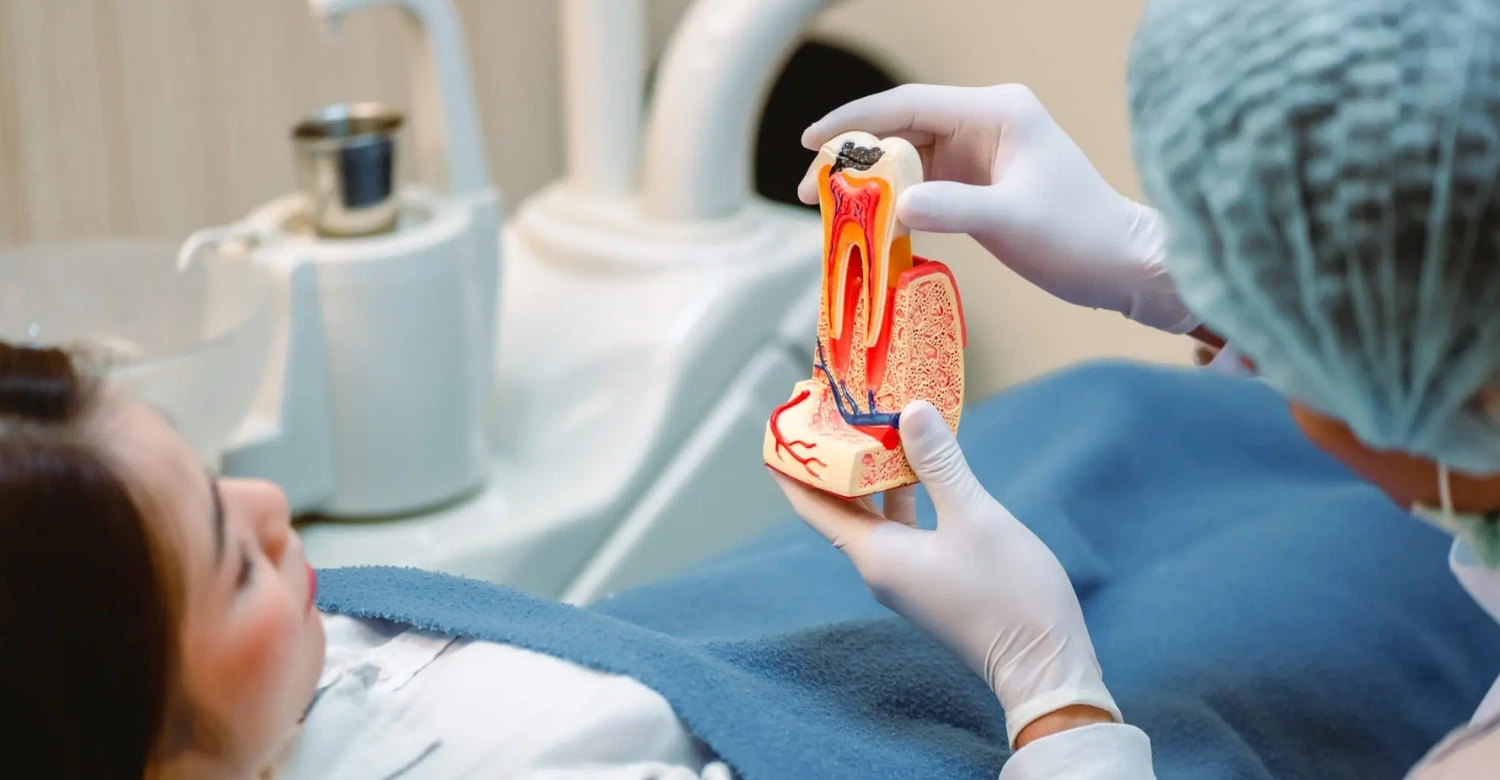
The nerve and blood supply in tooth canal anatomy is fundamental to diagnosis and treatment. Nerves transmit pain signals that alert patients to infection or damage. Blood vessels deliver nutrients essential for pulp vitality. During a root canal procedure, infected or inflamed pulp tissue is removed. Dentists carefully clear the entire canal system. Understanding the neurovascular anatomy helps endodontists ensure complete tissue removal. This eliminates the risk of persistent post-treatment pain. It also prevents bacterial recolonization within the canal space.
Why Root Canal Anatomy Is Crucial for Successful Endodontic Procedures
Understanding root canal anatomy separates adequate treatment from truly successful endodontics. Every step in a root canal depends on precise anatomical knowledge. This includes access cavity preparation, canal negotiation, irrigation, cleaning, shaping, and final obturation. Overlooking a minor variation can leave infected tissue inside the canal. This leads to treatment failure, chronic infection, or complex retreatment. Clinics like Vitrin Clinic prioritize comprehensive anatomical assessment before every procedure. They ensure every canal is identified, treated, and sealed to the highest standard.
How Knowledge of Canal Anatomy Guides Precise Cleaning and Filling
Knowing the exact configuration of tooth canal anatomy allows precise cleaning. Endodontists can clean every accessible millimeter of the canal system. They use rotary instruments calibrated to the specific length and curvature of each canal. This removes infected tissue without damaging the root structure. Filling or obturation must also match the canal's precise shape. Any gap left unsealed can harbor bacteria and cause reinfection. Precise knowledge ensures gutta-percha and sealer reach full working length. This creates a complete and durable seal.
Risks of Ignoring Anatomical Variations
Ignoring anatomical variations in root canal anatomy carries serious clinical risks. If an accessory canal is overlooked, bacteria remain after treatment. This leads to persistent infection, pain, and abscess formation. Missed canals are a primary cause of root canal failure and retreatment. In severe cases, untreated anatomical branches allow infection to spread into the alveolar bone. This causes significant structural damage. Thorough pre-treatment imaging and expert anatomical assessment are non-negotiable for responsible care.
How Advanced Imaging Enhances Accuracy (CBCT, Digital X-Rays)
Modern imaging has transformed how clinicians evaluate tooth canal anatomy before treatment. Cone Beam Computed Tomography (CBCT) provides a detailed 3D view of the root system. It reveals hidden canals, severe curvatures, periapical lesions, and bone involvement. Conventional X-rays frequently miss these details. Digital periapical X-rays offer superior resolution at reduced radiation levels. Together, these technologies give endodontists a complete picture of tooth canal anatomy. This dramatically improves accuracy, planning quality, and treatment success rates.
Patient Concerns and Signs of Canal Problems
Recognizing warning signs of canal problems helps patients seek care early. This prevents conditions from becoming severe or irreversible. Many patients are unaware of their symptom causes. Persistent toothache, sensitivity, swelling, or a bad taste link directly to compromised tooth canal anatomy. Identifying these signs early allows for timely endodontic intervention. This can save the natural tooth and stop infection from spreading. Understanding these symptoms is essential for preserving long-term oral health.
Symptoms Indicating a Possible Canal Infection
Several clear symptoms point to an active infection within the tooth canal system. Severe, throbbing toothache is often the first major indicator. This pain typically intensifies at night or when lying down. A small bump on the gum (dental abscess) is another warning sign. Tooth discoloration and prolonged sensitivity to heat or cold also indicate problems. Sometimes, there are no noticeable symptoms at all. This makes routine dental X-rays essential for detecting hidden canal infections early.
Tooth Sensitivity, Pain, and Swelling: What They Mean
Tooth sensitivity and pain are direct signals that something is wrong with tooth canal anatomy. Sharp, brief pain from hot or cold stimuli suggests pulp inflammation. Lingering pain lasting over 30 seconds indicates irreversible pulpitis. This condition requires root canal treatment to resolve. Facial swelling or tenderness along the jawline signals that infection has spread. It has moved beyond the canal into soft tissue or bone. This requires immediate professional evaluation and urgent treatment.
When to Seek Prompt Endodontic Care
Seek endodontic care without delay if you experience intense, unrelenting tooth pain. Visible facial swelling or a loose tooth without injury also require immediate attention. These symptoms indicate that tooth canal anatomy is compromised by deep infection or pulp necrosis. Delayed treatment allows bacteria to spread further. This causes progressive bone loss and abscess expansion. Vitrin Clinic offers prompt consultations for patients with these symptoms. Fast evaluation prevents a treatable condition from becoming a serious emergency.
Expected Outcomes and Benefits of Proper Treatment
Root canal treatment delivers remarkable patient outcomes when performed with full anatomical knowledge. Benefits include significant pain relief, infection resolution, and tooth preservation. Unlike extraction, root canal treatment maintains structural integrity. It supports surrounding teeth and preserves jawbone density. Most treated teeth function normally for many years with proper care. They can even last a lifetime. Understanding these positive outcomes helps patients replace fear with confidence.
Pain Relief and Infection Resolution
The elimination of pain is an immediate benefit of root canal treatment. Discomfort disappears once infected pulp tissue is removed from the tooth canal anatomy. Most patients experience a noticeable reduction in pain within 24 to 48 hours. Anti-inflammatory medications or antibiotics may complement the procedure if infection has spread. Complete resolution of infection restores comfort and reduces swelling. It allows surrounding gingival and bony tissues to heal properly.
Restoring Function and Protecting the Natural Tooth
Root canal treatment goes far beyond basic pain relief. It restores complete tooth function. After cleaning and sealing the tooth canal anatomy, a crown is placed. Porcelain or ceramic crowns provide structural support and protect against fractures. Patients can eat, speak, and smile with full confidence. Retaining the natural tooth is clinically preferable to extraction. It maintains bite alignment, prevents teeth from drifting, and supports jawbone health.
Before-and-After Scenarios: What Patients Can Expect
Before treatment, patients suffer from pain, swelling, and hypersensitivity caused by damaged tooth canal anatomy. Eating becomes difficult, sleep is disrupted, and daily life is affected. After successful treatment, all these symptoms resolve completely. The tooth is restored to normal function. Patients are often surprised by how manageable recovery is. Most resume normal activities within a day or two. A restored tooth blends seamlessly into your smile.
Long-Term Prognosis with Modern Endodontics
The long-term prognosis for teeth treated with modern endodontics is excellent. Success rates consistently exceed 90% when using state-of-the-art technology. Factors influencing long-term outcomes include canal complexity and crown quality. Patient commitment to ongoing oral hygiene is also crucial. Regular follow-up X-rays allow dentists to confirm continued healing. A root canal-treated tooth can function reliably for decades with proper care.
Preventive Care for Healthy Tooth Canals
Prevention is the most effective strategy for protecting tooth canal anatomy. Maintaining canal health means actively shielding dental pulp from bacteria, trauma, and decay. Daily habits combined with regular dental visits reduce the risk of infection. Mindful lifestyle adjustments also play a big role. Understanding how oral hygiene affects tooth canal anatomy empowers you. You can make smarter decisions that spare you from needing endodontic intervention.
Daily Oral Hygiene Tips to Protect Pulp and Canals
Protecting tooth canal anatomy begins with a consistent daily oral hygiene routine. Brush at least twice daily using fluoride toothpaste. Pay close attention to the gumline where plaque accumulates. Floss daily to disrupt bacterial colonies forming between teeth. Decay in these areas can progress toward the pulp unnoticed. Using an antibacterial mouthwash adds an extra protective layer. Avoid overly aggressive brushing, which erodes enamel and dentin. Erosion leaves internal canal structures vulnerable to bacteria.
The Role of Regular Dental Checkups
Routine dental checkups are critical for detecting threats to tooth canal anatomy early. During an exam, your dentist reviews X-rays for periapical pathology. They evaluate existing restorations for failure or leakage. Dentists also check for deep cavities that could reach the pulp. Early identification of a crack or cavity allows for a simple filling. This prevents the need for a root canal. Professional cleanings also remove tartar buildup that contributes to gum disease.
Diet, Habits, and Early Intervention for Canal Health
Your diet and habits directly impact the long-term health of tooth canal anatomy. Frequent consumption of sugary or acidic foods accelerates enamel erosion. This creates an ideal environment for decay to reach the pulp. Smoking reduces oral blood flow and weakens natural defenses against canal infections. Habits like chewing ice, biting nails, or using teeth as tools introduce micro-cracks. These cracks expose the pulp to bacteria over time. Early intervention remains the most reliable method for preserving canal health.
Cutting-Edge Technology and Expertise at Vitrin Clinic
Vitrin Clinic stands at the forefront of modern endodontics. We combine advanced diagnostic technology with deep clinical expertise for exceptional outcomes. Our understanding of tooth canal anatomy is supported by modern imaging systems. Precision endodontic instruments help us handle challenging cases with accuracy and care. Patients travel globally to choose Vitrin Clinic for quality care. They appreciate our warm patient experience and international standards in a state-of-the-art facility.
Advanced Imaging for Complex Root Canal Anatomy
Advanced imaging is routine at Vitrin Clinic before starting any procedure. CBCT scanning provides a precise 3D view of the root canal system. It identifies hidden canals, unusual curvatures, calcified pathways, and pathology clearly. This diagnostic precision ensures that no canal is missed or left untreated. The team combines digital periapical X-rays with CBCT technology whenever complexity is suspected. This achieves the highest standard of pre-treatment assessment.
Precision Endodontics with Modern Instruments
Vitrin Clinic uses modern endodontic instruments to treat complex tooth canal anatomy safely. Nickel-titanium rotary files provide flexibility for curved and narrow canals. This reduces the risk of instrument separation or root perforation. Electronic apex locators precisely confirm working length during treatment. Ultrasonic devices remove calcified tissue and debris from hard-to-reach spaces. These tools allow for thorough, minimally invasive treatment that respects surrounding tooth structure.
Skilled Endodontists and International Standards of Care
The endodontic team at Vitrin Clinic upholds international standards in patient care. Complex tooth canal anatomy cases receive meticulous pre-treatment preparation. We use comprehensive diagnostic imaging and individualized treatment planning. Continuing education ensures our team remains current with the latest endodontic research. Patients at Vitrin Clinic receive care that exceeds benchmarks set by global dental institutions.
Maxillary vs. Mandibular Molars: Unlocking the Complex MB2 Canal System
Molars present true challenges in tooth canal anatomy. This is especially evident in upper first molars. Most maxillary molars have three roots. However, the mesiobuccal root frequently hides a second canal known as MB2. Maxillary molar MB2 canal anatomy is commonly missed in endodontics. It is present in a large percentage of upper first molars. A shelf of dentin often obscures this canal. Mandibular molars present a different challenge with two roots containing three or four canals. Their mesial roots are prone to fused canal systems. Locating MB2 requires magnification, operating microscopes, and ultrasonic tips. Left untreated, an unfilled MB2 canal causes upper molar root canals to fail. Thorough exploration of this canal is standard practice at Vitrin Clinic.
Complex Structural Anomalies: Navigating C-Shaped Canals, Taurodontism, and Radix
Some teeth depart from typical tooth canal anatomy altogether. Recognizing these anomalies before treatment is essential for predictable outcomes. C-shaped root canals occur most often in mandibular second molars. The roots fuse into a continuous ribbon-like canal system instead of separate canals. Cleaning and filling C-shaped root canals demands specialized irrigation techniques. Taurodontism features an elongated pulp chamber and shortened, fused roots. This shifts the canal division further down the root. Taurodontism root canal treatment requires extra care when locating canal orifices. Radix entomolaris adds an extra root that is easy to overlook without 3D imaging. Dens invaginatus creates a folded pocket of enamel that traps bacteria near the pulp. CBCT imaging is standard at Vitrin Clinic for identifying structural anomalies early.
Why Precise Diagnosis Matters for Structural Anomalies
Anomalies rarely announce themselves with obvious symptoms. Most are found only through imaging. A canal system may look routine on a standard X-ray. However, 3D imaging can reveal C-shaped root canals, taurodontism, or dens invaginatus. These conditions look deceptively ordinary on flat images. Because of this, complexity is treated as a routine diagnostic possibility at Vitrin Clinic.
How Canals Naturally Calcify and Narrow Over Time
Tooth canal anatomy changes gradually throughout life. This happens even without decay or trauma. As teeth age, the pulp lays down secondary dentin along canal walls. This natural physiological response steadily narrows the canal space. Over decades, wide passages can turn into thin, thread-like canals. Calcified root canals in older adults are common challenges in endodontics. Managing them requires high-resolution imaging, magnification, and specialized instruments. These tools safely locate narrowed canals without creating perforations. Trauma, deep restorations, and decay can accelerate calcification at any age.
Calcification Does Not Mean Treatment Is Impossible
A heavily calcified canal requires more time and precision to treat. However, it does not make root canal therapy impossible. It simply means clinician skill and modern equipment matter more. Calcified root canals in older adults are managed with detailed workups at Vitrin Clinic. Treatment for calcified root canals in older adults stays predictable, even in demanding cases.
What is the difference between tooth canal anatomy and root canal anatomy?
The terms are closely related and often used interchangeably. Tooth canal anatomy refers to the internal structure of the whole tooth. This includes both the pulp chamber and canals. Root canal anatomy specifically describes the canals within the root itself. At Vitrin Clinic, both are assessed together to plan safe, complete treatment.
Can a tooth have multiple canals?
Yes, many teeth have two, three, or even four canals. This is common in premolars and molars. Upper first molars are a primary example. In these teeth, maxillary molar MB2 canal anatomy often adds a hidden extra canal. At Vitrin Clinic, advanced imaging confirms the exact number of canals before treatment. This ensures no canals are missed.
How do dentists detect complex canal shapes?
Complex shapes are detected using digital X-rays and CBCT imaging. This includes C-shaped root canals, taurodontism root canal treatment cases, and calcified root canals in older adults. At Vitrin Clinic, 3D imaging is standard practice. It is used whenever anatomical complexity, including dens invaginatus, is suspected.
Does canal anatomy affect pain during a root canal?
Canal anatomy affects how long and complex a procedure will be. However, modern anesthesia at Vitrin Clinic ensures complete patient comfort throughout. Pain is managed effectively regardless of canal complexity.
Can untreated canals lead to infection or tooth loss?
Yes. A missed or untreated canal allows bacteria to persist inside the tooth. This leads to reinfection, abscess formation, and eventual tooth loss. Vitrin Clinic's thorough diagnostic process is specifically designed to prevent this outcome.
Are there risks if the dentist misses a canal?
Missing a canal is a major cause of root canal failure. It often requires retreatment later. This is why Vitrin Clinic considers comprehensive imaging and canal exploration non-negotiable for every procedure.
How can I maintain healthy canals after treatment?
Maintain healthy canals with good daily oral hygiene and timely crown placement. Regular checkups are also essential to protect treated teeth. Vitrin Clinic recommends follow-up visits to confirm long-term healing after root canal procedures.
Tips for the Patients
Understanding tooth canal anatomy is easier when tied to practical actions. The following tips summarize how to protect your canals before and after treatment. They support smooth recovery and long-term oral health.
Before Treatment
Share your full symptom history with your dentist before treatment. Mention pain triggers, timing, and past dental trauma. Small details often point directly to which canal is affected. This is especially helpful for older patients with calcified root canals. Avoid chewing on the painful side until evaluated. Do not delay your appointment once symptoms appear, as untreated infections can spread.
After Treatment
Follow the restoration timeline recommended by your dentist. Place a permanent crown promptly if one is planned. A treated tooth without coverage is vulnerable to fracture. Ask your dentist for a tailored follow-up schedule for complex cases. This includes C-shaped root canals, MB2 canals, or taurodontism. Maintain regular brushing, flossing, and checkups to catch new decay early.
Quick Daily Checklist
Brush twice daily with fluoride toothpaste, focusing on the gumline
Floss once a day to protect canals from silent interproximal decay
Avoid using teeth as tools, and limit ice chewing or nail biting
Keep routine dental checkups so imaging can catch problems early
Contact your dentist promptly for lingering pain, swelling, or sensitivity
What We Notice Clinically
Day-to-day clinical experience provides valuable insights beyond standard textbooks. Dr. Rifat Alsaman is Head of the Medical Team at Vitrin Clinic and a cosmetic dentist. He shares what stands out most in practice when assessing complex canal cases.
Dr. Rifat Alsaman's Clinical Perspective
"Anatomical surprises are rarely in the teeth patients expect," notes Dr. Rifat Alsaman. A molar that looks routine on a standard X-ray can involve MB2 anatomy or C-shaped canals. Severe calcification also becomes clear only with CBCT imaging. "At Vitrin Clinic, imaging is not optional for complex cases. It makes the difference between a canal that is fully cleaned and one that only looks clean." Dr. Alsaman adds that patient history matters as much as imaging. "Pain patterns, especially lingering pain from heat or cold, tell us a lot before treatment. In cases involving taurodontism or dens invaginatus, early conversations prompt 3D imaging." This caution also applies to calcified root canals in older adults, helping the team anticipate narrowed passages early.
What This Means for Patients
This perspective from Dr. Rifat Alsaman reinforces why thorough diagnostics are standard practice at Vitrin Clinic. Anatomical complexity is common and should always be anticipated before treatment begins.
Clinical Note
Every case of tooth canal anatomy is unique. The information in this article explains general principles rather than replacing individualized evaluation. Before making treatment decisions, Vitrin Clinic reviews patient imaging, symptoms, and dental history. We confirm canal configurations and plan treatment accordingly. Patients with known anatomical complexity should mention it during consultation. This includes C-shaped canals, taurodontism, calcified canals, MB2 anatomy, or dens invaginatus. Early notification allows us to arrange appropriate diagnostic imaging in advance.
About Vitrin Clinic
Vitrin Clinic provides dental care that is precise, transparent, and comfortable. When handling tooth canal anatomy, we invest in advanced imaging and diagnostic tools. We treat complex teeth with confidence instead of relying on guesswork. Every patient receives a treatment plan built around their specific canal anatomy rather than a one-size-fits-all approach.
What Sets Vitrin Clinic Apart
Vitrin Clinic combines advanced 3D imaging with a meticulous treatment process. We identify extra canals, curved roots, and calcified pathways before treatment begins. Patients choose Vitrin Clinic for clear communication, international care standards, and consistent follow-up care.
Vitrin Clinic's Commitment to Patients
Vitrin Clinic focuses on preserving natural teeth whenever possible. We give patients a clear understanding of their own dental anatomy throughout treatment. This commitment is why patients trust Vitrin Clinic with complex root canal cases.
References:
Understanding tooth canal anatomy is fundamental to achieving predictable and successful endodontic treatment. Root and canal systems frequently present with significant anatomical variations. The referenced study highlights the importance of accurately classifying these variations. Applying advanced imaging, magnification, and clinical techniques improves treatment outcomes. Recognizing complex canal configurations helps clinicians plan treatment precisely and reduces procedural complications.
https://pmc.ncbi.nlm.nih.gov/articles/PMC8461493/
https://pmc.ncbi.nlm.nih.gov/articles/PMC10727774/
https://pmc.ncbi.nlm.nih.gov/articles/PMC7881390/
https://pmc.ncbi.nlm.nih.gov/articles/PMC9469351/
https://pmc.ncbi.nlm.nih.gov/articles/PMC7910041/
FAQs
Dr. Rifat Alsaman has more than 5 years of clinical experience in dentistry and currently serves as the Head of the Medical Team at Vitrin Clinic. He is dedicated to providing exceptional patient care, overseeing treatment planning, and ensuring the highest clinical standards across the team. His expertise, attention to detail, and commitment to continuous professional development have helped countless patients achieve healthier, more confident smiles.


