Orthodontics
April 27, 2026
Ortodontiyle İlgili En Büyük Yanlış Anlamalar Nelerdir ve Hastalar Bunlardan Nasıl Kaçınabilir?
 Dr. Rifat Alsaman
Ortodonti efsaneleri, insanların ihtiyaç duydukları tedaviyi almalarını uzun süredir engellemektedir. Diş tellerinin yalnızca gençler için olduğuna inanmaktan tedavinin dayanılmaz derecede ağrılı olduğunu varsaymaya kadar, ortodontik tedavi hakkındaki yaygın efsaneler gereksiz bir korku ve tereddüt yaratır. Bu yanlış kanılar sıklıkla sosyal medya, güncelliğini yitirmiş bilgiler veya kişisel hikayeler aracılığıyla yayılır. Ortodonti hakkındaki efsanelerin arkasındaki gerçeği anlamak, bilinçli kararlar almanın ilk adımıdır. Doğruyu yanlıştan ayıran hastaların doğru zamanda tedaviye başlama ve kalıcı, sağlıklı sonuçlar elde etme olasılığı çok daha yüksektir.
Ortodontik Tedavi Hakkındaki Yaygın Efsaneleri Anlamak
Ortodonti efsaneleri oldukça geniştir ve kökleri kültürel kabullere ve eski algılara dayanır. Birçok hasta ilk muayenesine ağrı, maliyet ve sonuçlar hakkında yanlış inançlarla gelir. Ortodontik tedavi hakkındaki yaygın efsaneleri erkenden ele almak, hasta güvenini inşa etmek ve gerçekçi beklentiler sağlamak için gereklidir. Hastalar ortodontik bakımın gerçekte neleri içerdiğini anladıklarında, tedavi planlarına daha bağlı hale gelir ve sonuçlardan daha fazla memnun kalırlar. Bu nedenle ortodonti hakkındaki efsaneleri çürütmek, modern her ortodonti pratiğinin hayati bir parçasıdır.
Ortodonti Efsaneleri Neden Devam Ediyor?
Ortodonti efsaneleri çeşitli nedenlerle varlığını sürdürmektedir. Nesilden nesile aktarılan güncelliğini yitirmiş bilgiler, abartılı sosyal medya içerikleri ve genel halk eğitimi eksikliği, ortodonti hakkındaki efsanelerin yayılmaya devam etmesine katkıda bulunur. Birçok insan nitelikli uzmanlara danışmak yerine arkadaşlarının veya ailelerinin deneyimlerine güvenir. Korku ve utanç da hastaların soru sormasını engelleyerek yanlış kanıların çözümsüz kalmasına neden olur. Ortodontik tedavi hakkındaki yaygın efsaneler, erişilebilir ve doğru bilgiye ulaşmanın her zaman kolay olmaması nedeniyle dolaşmaya devam eder. Farkındalık kampanyaları ve açık konsültasyonlar bu döngüyü kırmada kritik bir rol oynar.
Çürütülen Ortodonti Efsanelerine Örnekler
Çürütülen ortodonti efsaneleri söz konusu olduğunda, en yaygın olanlardan bazıları diş tellerinin tamamen estetik olduğu, yetişkinlerin tedaviden faydalanamayacağı ve şeffaf plakların karmaşık vakalarda etkisiz olduğu inançlarını içerir. Ortodonti hakkındaki efsaneler, tedavinin onlarca yıl sürdüğü veya geri dönüşü olmayan mine hasarına yol açtığı fikrini de kapsar. Gerçekte ise ortodontik tedavi tıbbi açıdan faydalıdır, her yaş için erişilebilirdir ve her zamankinden daha konforludur. Çürütülen bu ortodonti efsanelerini anlamak, hastaların doğru klinik bilgiler rehberliğinde gereksiz korku veya tereddüt duymadan tedaviye başvurmalarını sağlar.
Ortodonti Tarafından Çözülen Hasta Kaygıları ve Yaygın Diş Problemleri
Birçok hasta ortodontiye merak ve endişe karışımı bir duyguyla yaklaşır. Ortodonti efsanelerinin ötesinde, belirli diş problemleri hakkındaki gerçek sorular net yanıtları hak eder. Ortodonti ile tedavi edilen yaygın durumlar arasında kapanış bozuklukları, çapraşık dişler ve aralıklı dişler yer alır. Bu sorunlar yalnızca estetik değildir; konuşmayı, çiğnemeyi, çene sağlığını ve genel ağız hijyenini etkiler. Hakiki hasta kaygılarının yanı sıra ortodontik tedavi hakkındaki yaygın efsaneleri de ele almak, ortodontik bakımın hem fonksiyonu hem de görünümü nasıl iyileştirdiğine dair daha net bir tablo oluşturmaya yardımcı olur. Seçeneklerinizi anlamak, kalıcı diş sağlığı ve özgüvene giden ilk adımdır.
Kapanış ve Hizalama Sorunları
Üst çene önde (overbite), alt çene önde (underbite), çapraz kapanış (crossbite) ve açık kapanış (open bite) gibi kapanış problemleri, en sık tedavi edilen ortodontik durumlar arasındadır. Bu sorunlar çene uyumsuzluğundan, genetik faktörlerden veya çocukluk alışkanlıklarından kaynaklanır ve tedavi edilmezse ciddi rahatsızlıklara yol açabilir. Bu problemlerin önemsiz veya estetik olduğunu öne süren ortodonti efsanelerine rağmen, bozuk kapanışlar TME (çene eklemi) rahatsızlıklarına, düzensiz diş aşınmasına ve çiğneme güçlüğüne neden olabilir. Etkili ortodontik tedavi, dişleri kademeli olarak yeniden konumlandırarak ve çene gelişimini yönlendirerek kapanış bozukluklarını düzeltir ve her yaştan hasta için uzun vadeli ağız ve genel sağlığı koruyan fonksiyonel iyileşmeler sağlar.
Çapraşıklık ve Diş Aralığı
Çapraşık veya geniş aralıklı dişler, hem görünümü hem de ağız sağlığını etkileyen yaygın sorunlardır. Çapraşıklık detaylı temizliği zorlaştırarak çürük ve diş eti hastalığı riskini artırırken, aşırı aralıklı dişler doğru çiğneme ve konuşmayı engelleyebilir. Ortodonti hakkındaki efsaneler genellikle bu sorunların yalnızca estetik kaygılar olduğunu öne sürer, ancak tedavi edilmeyen çapraşıklık veya aralıklar zamanla kötüleşebilir. Ortodontik tedavi, dişleri daha sağlıklı ve fonksiyonel pozisyonlara taşımak için diş telleri veya şeffaf plaklar kullanır; uzun vadeli diş risklerini azaltırken tedavi gören her hasta için daha dengeli ve uyumlu bir gülüş yaratır.
Tedavi Sırasında Ağız Hijyeni Zorlukları
Ortodontik tedavi sırasında iyi bir ağız hijyeni sağlamak zorlayıcı olabilir ancak kesinlikle gereklidir. Diş telleri, plak ve yiyecek parçacıklarının biriktiği ek yüzeyler oluşturarak çürük ve diş eti iltihabı riskini artırır. Ortodontik tedavi hakkındaki yaygın efsanelerden biri, hastaların süreç boyunca kaçınılmaz olarak diş problemleri geliştireceğidir. Gerçekte ise doğru fırçalama, diş ipi kullanımı ve düzenli profesyonel temizlikle tedavi boyunca mükemmel bir ağız sağlığı korunabilir. Kapsamlı hijyen rutinlerine bağlı kalan hastalar çok daha az komplikasyon yaşar ve tüm ortodonti yolculuklarını tamamladıklarında daha sağlıklı gülüşlere kavuşurlar.
En Büyük Ortodonti Efsaneleri Nelerdir ve Hastalar Bunlardan Nasıl Kaçınabilir?
Vitrin Clinic'te her gün sunulan modern araştırmalara ve geliştirilmiş tedavi tekniklerine rağmen birçok ortodonti efsanesi hastaların kafasını karıştırmaya devam etmektedir.
Yanlış bilgilere inanmak tedaviyi geciktirebilir, ağız sağlığı risklerini artırabilir ve birçok hasta için uzun vadeli ortodontik başarıyı azaltabilir.
Bilimsel gerçekleri anlamak, hastaların Vitrin Clinic'teki kişiselleştirilmiş ortodonti bakımıyla daha sağlıklı gülüşlere ulaşırken kendinden emin kararlar almasına yardımcı olur.
Vitrin Clinic Tıbbi Ekip Başkanı Dr. Rifat Alsaman, eğitimin başarılı bir ortodontik tedavi için en güçlü araçlardan biri olmaya devam ettiğini açıklıyor.
Diş Hekimleri ve Ortodontistler: Uzmanlık Eğitimindeki Kritik Farkı Anlamak
Birçok hasta yanlış bir şekilde her diş hekiminin aynı eğitim ve uzmanlaşmış klinik deneyim seviyesiyle ortodontik tedavi uyguladığına inanır.
Genel bir diş hekimi kapsamlı ağız sağlığı hizmeti sunarken, bir ortodontist diş hareketine odaklanan ek yılların gelişmiş eğitimini tamamlar.
Ortodontistler, genel diş hekimliği eğitiminin ötesindeki uzmanlık bilgilerini kullanarak kapanış problemlerini, çene ilişkilerini ve karmaşık hizalama sorunlarını teşhis eder.
Vitrin Clinic'te her ortodonti vakası, diş telleri, şeffaf plaklar veya diğer uygun tedavi seçenekleri önerilmeden önce detaylı bir değerlendirmeden geçer.
Dr. Rifat Alsaman, deneyimli uzmanları seçmenin tedavi planlamasını, verimliliği, konforu ve hastalar için uzun vadeli gülüş stabilitesini büyük ölçüde artırdığını açıklıyor.
Uzmanlık Eğitimi Neden Önemlidir?
Uzmanlaşmış ortodonti eğitimi, karmaşık kapanış problemlerinin kalıcı ağız sağlığı komplikasyonlarına dönüşmeden önce doğru şekilde teşhis edilmesini sağlar.
Doğru tedavi planlaması, gereksiz diş hareketlerini azaltırken diş etlerini korur, kemik sağlığını destekler ve fonksiyonel kapanış ilişkilerini iyileştirir.
Uzman rehberliğinde bakım alan hastalar, ortodonti yolculukları boyunca sıklıkla daha güvenli bir tedavi, öngörülebilir sonuçlar ve daha az komplikasyon yaşarlar.
Mevcut Ortodontik Tedaviler ve Prosedürler
Modern ortodonti, farklı ihtiyaçlara, yaşam tarzlarına ve bütçelere göre uyarlanmış geniş bir tedavi yelpazesi sunar. Sınırlı seçenekler hakkındaki ortodonti efsanelerini çürütmek önemlidir çünkü günümüz hastaları her zamankinden daha fazla seçeneğe sahiptir. İster kapsamlı bir diş hareketine, ister küçük bir hizalama düzeltmesine veya tedavi sonrası bakıma ihtiyacınız olsun, uygun bir çözüm mevcuttur. Ortodontik tedavi hakkındaki yaygın efsaneler sıklıkla diş tellerinin tek seçenek olduğunu öne sürer, ancak teknolojideki gelişmeler şeffaf plakları, cerrahi ortodontiyi ve daha fazlasını tanıtmıştır. Mevcut tüm tedavileri anlamak, hastaların ve klinisyenlerin en uygun ve etkili yolu seçmelerine yardımcı olur.
Geleneksel Diş Telleri
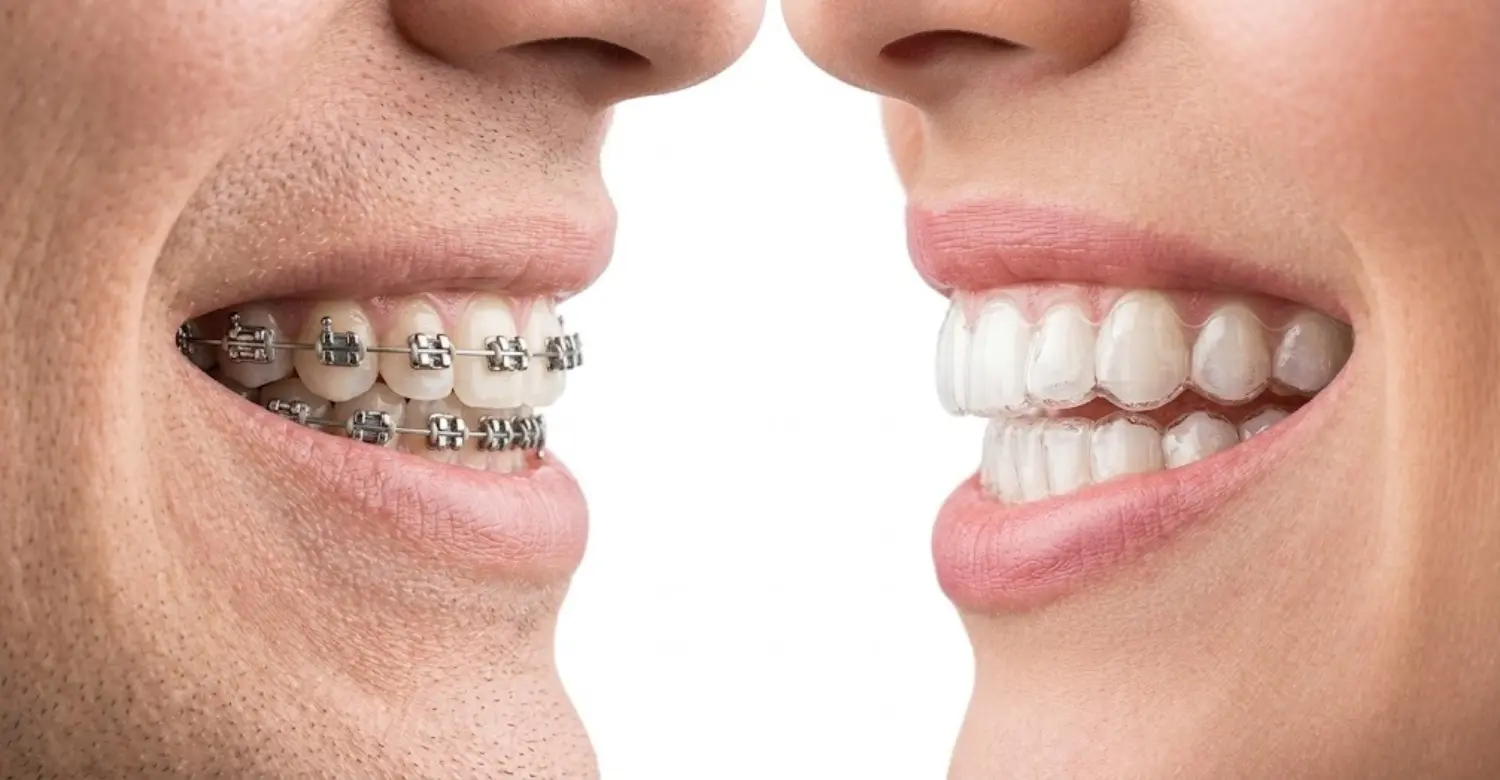
Geleneksel metal diş telleri, mevcut en güvenilir ve etkili ortodontik tedavilerden biri olmaya devam etmektedir. Güncelliğini yitirmiş veya rahatsız edici olduklarını öne süren ortodonti efsanelerine rağmen, modern diş telleri eski versiyonlara göre çok daha gelişmiş ve verimlidir. Dişlere yapıştırılan metal braketlerden ve dişleri kademeli olarak hizaya sokan tellerden oluşurlar. Geleneksel diş telleri; şiddetli çapraşıklık, kapanış sorunları ve ciddi hizalama bozuklukları dahil olmak üzere karmaşık vakaların tedavisinde oldukça etkilidir. Ayrıca birçok alternatife göre daha uygun fiyatlı olmaları, onları güvenilir ve kanıtlanmış ortodontik sonuçlar arayan her yaştan hasta için pratik bir seçim haline getirir.
Şeffaf Plaklar
Şeffaf plaklar, geleneksel diş tellerine estetik ve çıkarılabilir bir alternatif sunarak ortodontik tedavide devrim yaratmıştır. En kalıcı ortodonti efsanelerinden biri, şeffaf plakların yalnızca küçük düzeltmeler için uygun olduğudur; ancak modern plak sistemleri çok çeşitli karmaşık vakaları etkili bir şekilde tedavi edebilir. Hastalar, dişleri kademeli olarak istenen pozisyona taşıyan özel olarak hazırlanmış bir dizi plak takarlar. Neredeyse görünmez olmaları, onları özellikle yetişkinler ve dış görünümüne önem veren gençler arasında popüler kılmaktadır.
Cerrahi Ortodonti
Ortognatik cerrahi olarak da bilinen cerrahi ortodonti, çene uyumsuzlukları yalnızca diş telleri veya plaklarla düzeltilemeyen hastalar için önerilir. Ortodonti hakkındaki efsaneler hastaların ameliyattan gereksiz yere korkmasına neden olur, ancak bu işlem kapanış fonksiyonunu ve yüz dengesini önemli ölçüde iyileştiren, iyi bilinen ve güvenli bir prosedürdür. Genellikle iskeletsel düzeltmenin yanı sıra hassas diş hizalaması sağlamak için diş telleriyle birleştirilir. Adaylar arasında şiddetli alt/üst çene önde olması veya asimetrik çene büyümesi olan kişiler yer alır. İyileşme süreci dikkatle yönetilir ve cerrahi ortodontiden elde edilen fonksiyonel ve estetik iyileşmeler sıklıkla yaşamı gerçekten değiştirecek niteliktedir.
Pekiştirme Plakları (Retainer) ve Tedavi Sonrası Bakım
Pekiştirme plakları (retainer), hastaların sıklıkla göz ardı ettiği ortodontik tedavinin kritik bir bileşenidir. En yaygın ortodonti efsanelerinden biri, diş telleri çıkarıldığında işin bittiğidir. Gerçekte ise dişler tedaviden sonra doğal olarak eski pozisyonlarına dönme eğilimindedir. Sabit veya çıkarılabilir pekiştirme plakları, diş telleri veya şeffaf plaklarla elde edilen hizalamayı korur. Hastalara genellikle başlangıçta pekiştirme plaklarını tam zamanlı takmaları, zamanla gece kullanımına geçmeleri tavsiye edilir. Düzenli pekiştirme plağı kullanımı, tedaviye yapılan yatırımı korur ve uzun yıllar boyunca güzel, istikrarlı bir gülüş sağlar.
Ortodontik Tedavinin Faydaları
Ortodontik tedavinin faydaları estetiğin çok ötesine geçer, ancak ortodonti efsaneleri algılanan değerini yalnızca kozmetik iyileştirmeye indirmeye devam etmektedir. Doğru hizalanmış dişleri temizlemek daha kolaydır, bu da çürük ve diş eti hastalığı riskini azaltır. Düzeltilmiş bir kapanış, çene eklemleri ve çevredeki kaslar üzerindeki yükü hafifletir. Doğru hizalama ile konuşma netliği ve çiğneme verimliliği de önemli ölçüde artar. Fonksiyonun ötesinde, özgüvenli bir gülüş benlik saygısını ve sosyal etkileşimleri olumlu yönde etkiler. Bu faydaların tüm kapsamını anlamak, daha fazla hastayı tedavi aramaya teşvik eder ve onları geri tutan ortodontik tedavi hakkındaki yaygın efsanelere doğrudan meydan okur.
Fonksiyonel İyileşmeler
Ortodontik bakımın en az takdir edilen yönlerinden biri fonksiyonel etkisidir. Ortodonti hakkındaki efsaneler tedaviyi sıklıkla tamamen estetik olarak çerçeveler, ancak gerçek çok daha önemlidir. Yanlış hizalanmış dişleri ve kapanışları düzeltmek çiğneme verimliliğini artırır, anormal diş aşınmasını azaltır ve düzensiz kapanış kuvveti dağılımının neden olduğu çene ağrısını hafifletir. Hizalama bozukluğuna bağlı konuşma zorlukları da tedavi ile çözülebilir. Belirli yapısal sorunları olan hastalarda solunum kalıpları iyileşebilir. Bu fonksiyonel kazanımlar genel sağlığa ve yaşam kalitesine katkıda bulunarak ortodontik bakımı sadece estetik değil, tıbbi açıdan anlamlı bir yatırım haline getirir.
Estetik Gelişmeler
Ortodonti efsaneleri tedaviyi sadece estetik olarak aşırı basitleştirme eğiliminde olsa da, estetik faydalar yine de gerçek ve önemlidir. İyi hizalanmış bir gülüş, yüz dengesini ve simetrisini artırarak daha uyumlu bir genel görünüme katkıda bulunur. Hastalar, ortodontik tedaviyi tamamladıktan sonra sıklıkla özgüvenlerinin arttığını ve gülümseme, gülme ve sosyal ilişki kurma konusunda daha istekli olduklarını bildirmektedir. İyileşmiş bir gülüşün psikolojik etkisi küçümsenmemelidir. Geleneksel diş telleri veya şeffaf plaklar kullanılsın, ortodontik tedavi hastaların günlük yaşamlarını, kendilerini algılamalarını ve kişilerarası ilişkilerini tedavi süresinin çok ötesinde olumlu etkileyen anlamlı estetik sonuçlar sunar.
Öncesi ve Sonrası Beklentileri
Beklentileri yönetmek ortodontik sürecin temel bir parçasıdır ve ortodonti efsanelerini çürütmek en başından itibaren gerçekçi bir temel oluşturmaya yardımcı olur. Tedaviden önce, kapsamlı bir değerlendirme gerçekçi zaman çizelgeleri ve sonuçlarla kişiselleştirilmiş bir plan oluşturur. Hastalar ilerlemenin kademeli olduğunu ve önemli değişiklikler görünür hale gelmeden önce bazı aşamaların olaysız görünebileceğini anlamalıdır. Tedaviden sonra, pekiştirme plakları sonuçları korur ve nüksü önler. Öncesi ve sonrası dönüşümleri vakanın karmaşıklığına bağlı olarak değişir, ancak çoğu hasta hem fonksiyonel hem de estetik iyileşmeler yaşar. Ortodonti ekibinizle açık iletişim, beklentilerin doğru ve gerçekçi klinik sonuçlara dayanmasını sağlar.
Ortodonti Sırasında Diş Bakımı İpuçları ve Koruyucu Tavsiyeler
Ortodontik tedavi sırasında iyi bir diş bakımı, mümkün olan en iyi sonuçları elde etmek için gereklidir. Ne yazık ki, ortodonti hakkındaki efsaneler bazen hijyen komplikasyonları endişesi nedeniyle hastaların tedaviye devam etmesini engeller. Doğru araçlar, alışkanlıklar ve profesyonel rehberlik ile tedavi boyunca mükemmel ağız sağlığını korumak tamamen mümkündür. Düzenli diş muayeneleri, tutarlı temizlik rutinleri ve bilinçli beslenme tercihleri daha sorunsuz bir tedavi deneyimine katkıda bulunur.
Ağız Hijyeni İçin En İyi Uygulamalar
Diş telleri veya şeffaf plaklarla ağız hijyenini korumak, günlük rutininizde birkaç ayarlama gerektirir. Her yemekten sonra fırçalamak, braketlerin ve tellerin etrafında biriken yiyecek artıklarını temizler. Arayüz fırçası veya ağız duşu kullanmak diş aralarını temizlemeyi daha etkili hale getirir. Florürlü diş macunu mineyi güçlendirir ve demineralizasyonu (lekelenmeyi) önlemeye yardımcı olur. Şeffaf plak kullanıcıları plaklarını her gün fırşamalı ve her kullanımdan sonra iyice durulamalıdır. Ortodontik tedavi hakkındaki yaygın efsanelerden biri hijyeni korumanın imkansız olduğudur; doğru teknikler ve araçlarla bu tamamen yönetilebilir ve tüm kararlı hastalar için son derece ulaşılabilirdir.
Yaşam Tarzı ve Bakım
Ortodontik tedavi sırasında yaşam tarzı ayarlamaları yapmak aparatlarınızı korumaya ve daha hızlı, daha istikrarlı bir ilerlemeyi desteklemeye yardımcı olur. Diş teli olan hastalar braketlere veya tellere zarar verebilecek sert, yapışkan ve çiğnemesi zor yiyeceklerden kaçınmalıdır. Yiyecekleri daha küçük parçalara kesmek aparatlar üzerindeki yükü azaltır. Temas sporları uygun şekilde oturtulmuş bir ağız koruyucu gerektirir. Şeffaf plak kullanıcıları su dışında bir şey yemeden veya içmeden önce plakları çıkarmalıdır. Ortodonti hakkındaki efsaneler sıklıkla bu kısıtlamaları aşırı külfetli olarak abartır, ancak hastaların çoğu hızla adapte olur.
Kendin Yap (DIY) Tehlikeleri: İnternetten Sipariş Edilen ve Evde Yapılan Plaklar Neden Çok Riskli?
Evde yapılan ortodonti sistemleri, tedavi boyunca profesyonel muayeneler, dijital takip veya düzenli ortodontik ayarlamalar sağlamadan genellikle kolaylık vaat eder.
Klinik gözetim olmadan dişleri hareket ettirmek zamanla köklere, diş etlerine, destekleyici kemiğe ve genel kapanış fonksiyonuna zarar verebilir.
Çürükler, diş eti hastalıkları veya kemik kaybı dahil gizli diş sorunları, gözetimsiz plak tedavisi başlamadan önce sıklıkla tespit edilemez.
Vitrin Clinic'te her hasta, ortodontik tedavi sırasında detaylı görüntüleme, kapanış analizi ve sürekli profesyonel takip alır.
Dr. Rifat Alsaman, güvenli diş hareketinin yalnızca evde alınan ölçülere güvenmek yerine sürekli biyolojik değerlendirme gerektirdiğini vurguluyor.
Profesyonel Takip Neden Gereklidir?
Düzenli ortodonti randevuları, dişler hareket sırasında ilk beklenenden farklı yanıt verdiğinde tedavi ayarlamalarına izin verir.
Profesyonel takip, kalıcı hasarlar dişleri, diş etlerini veya çene fonksiyonunu etkilemeden önce erken komplikasyonların tespit edilmesine de yardımcı olur.
Hastalar, deneyimli ortodonti gözetimi altında gerektiğinde tedavi değişiklikleri hemen yapıldığı için daha öngörülebilir sonuçlar elde ederler.
Yaşam Tarzı Efsaneleri: Diş Telleriyle Üflemeli Çalgı Çalınabilir mi veya Metal Detektörleri Öter mi?
Birçok insan yanlışlıkla diş tellerinin, müzisyenlerin ortodontik tedavi sırasında üflemeli çalgıları rahatça çalmalarını engellediğine inanır.
Müzisyenlerin çoğu, tekniklerini ve ağız pozisyonlarını adapte ederken kısa bir alışma süresinden sonra pratik yapmaya başarıyla devam eder.
Geleneksel ortodontik diş telleri, ortodontik malzemeler çok az miktarda metal içerdiğinden havalimanı metal detektörlerini nadiren tetikler.
Hastalar profesyonel ortodonti önerilerini takip ederken spor, seyahat, müzik ve günlük aktivitelerinin tadını çıkarmaya devam etmelidir.
Dr. Rifat Alsaman, modern ortodontik tedavinin normal yaşam tarzlarına veya kişisel hobilere nadiren müdahale ettiği konusunda hastaları rahatlatmaktadır.
Ortodontik Tedavi Sırasında Günlük Aktiviteler
Hastaların çoğu diş teli veya şeffaf plak taktıktan sonra konuşmaya, yemek yemeye, egzersiz yapmaya ve seyahat etmeye hızla uyum sağlar.
Ortodonti talimatlarına uymak, her aşamada mükemmel tedavi ilerlemesini korurken rahatsızlığı en aza indirmeye yardımcı olur.
Vitrin Clinic, her hastanın ortodontik tedavi sırasında günlük rutinlerine güvenle devam etmesine yardımcı olan kişiselleştirilmiş rehberlik sunar.
Ortodonti Efsaneleri Hakkında
Modern araştırmalar, internette profesyonel diş sağlığı bilgilerine daha fazla erişim olmasına rağmen ortodonti efsanelerinin tedavi kararlarını etkilemeye devam ettiğini göstermektedir.
Bugün yaklaşık her üç ortodonti hastasından biri yetişkindir; bu da tedavinin artık sadece gençlerle sınırlı olmadığını kanıtlamaktadır.
Araştırmalar, yetişkinlerin yaklaşık üçte ikisi ila dörtte üçünün ortodontik değerlendirme veya tedavi gerektiren bir derecede kapanış bozukluğuna (maloklüzyon) sahip olduğunu bulmuştur.
İngiliz Ortodonti Derneği (BOS), ortodontistlerin yüzde seksen ikisinin giderek artan sayıda hastanın güvensiz DIY (kendin yap) plaklarını seçebileceğinden endişe ettiğini bildirmiştir.
Araştırmalar ayrıca ortodontik tedaviyi düşünen yetişkinlerin üçte birinden fazlasının ünlülerin ve sosyal medyanın etkisinde kaldığını göstermektedir.
Amerikan Ortodontistler Derneği (AAO), yanlış bilgilendirmenin sıklıkla tedavide gecikmeye, uygunsuz hekim seçimine ve gereksiz ağız sağlığı risklerine yol açtığını vurgulamaya devam etmektedir.
Vitrin Clinic'te bu istatistikler, kanıta dayalı teşhisin, kişiselleştirilmiş tedavi planlamasının ve sürekli profesyonel ortodontik takibin önemini pekiştirmektedir.
Vitrin Clinic Tıbbi Ekip Başkanı Dr. Rifat Alsaman, güvenilir bilginin hastaları maliyetli hatalardan ve gereksiz komplikasyonlardan koruduğunu açıklıyor.
Vitrin Clinic: Uzmanlık ve Gelişmiş Ortodontik Çözümler
Vitrin Clinic, doğru ve kanıta dayalı ortodontik bakım arayan hastalar için önde gelen bir adrestir. Ortodonti efsanelerini çürütme ve net, dürüst rehberlik sunma taahhüdüyle Vitrin Clinic, yolculuklarının her aşamasında hastaları destekler. Kapsamlı muayenelerden gelişmiş tedavi seçeneklerine kadar klinik, uzmanlığı hasta odaklı bir felsefeyle birleştirir. İster geleneksel diş tellerini, ister şeffaf plakları, ister daha karmaşık ortodontik müdahaleleri araştırıyor olun, Vitrin Clinic hem fonksiyonel kaygıları hem de estetik hedefleri etkili ve şefkatli bir şekilde ele alan üstün, kişiselleştirilmiş sonuçlar sunmak için gereken uzmanlığa ve teknolojiye sahiptir.
Neden Vitrin Clinic'i Seçmelisiniz?
Vitrin Clinic, klinik hassasiyet, modern teknoloji ve şefkatli hasta bakımının benzersiz bir kombinasyonunu sunar. Ekip, şeffaf iletişim ve kişiselleştirilmiş planlama yoluyla ortodontik tedavi hakkındaki yaygın efsaneleri ele almaya kendini adamıştır. Gelişmiş teşhis araçları, son derece doğru değerlendirmelere ve her hastaya özel tedavi stratejilerine olanak tanır. Hastalar, tek bir çatı altında geniş bir ortodontik çözüm yelpazesinden yararlanarak tüm yolculukları boyunca bakımın sürekliliğini sağlar. Vitrin Clinic'in başarılı sonuçları ve yüksek hasta memnuniyeti geçmişi, onu güvenilir ve etkili ortodontik tedavi arayanlar için güvenilir bir seçim haline getirmektedir.
Hasta Odaklı Yaklaşım
Vitrin Clinic'te hasta deneyimi her şeyin merkezindedir. Ortodonti efsanelerinin kaygıya neden olabileceğini kabul eden ekip, tedavi öncesinde, sırasında ve sonrasında hastaları eğitmek ve rahatlatmak için zaman ayırır. Her tedavi planı bireyin benzersiz diş profiline, yaşam tarzına ve kişisel hedeflerine göre uyarlanır. Açık iletişim sürekli olarak teşvik edilerek hastaların seçeneklerini tam olarak anlamaları ve kararlarında kendilerinden emin hissetmeleri sağlanır. Bu hasta odaklı felsefe, klinik uzmanlıkla birleştiğinde, hastaların Vitrin Clinic'teki tüm ortodonti yolculukları boyunca desteklendiğini, bilgilendirildiğini ve motive olduğunu hissettikleri bir ortam yaratır.
Vitrin Clinic'ten Klinik Öngörüler
Klinik ekibimiz, sosyal medya platformlarında paylaşılan efsanelere inandıkları için ortodontik tedaviyi erteleyen hastalarla sık sık karşılaşmaktadır.
Birçok hasta, diş tellerinin yalnızca görünümü iyileştirdiğini yanlış bir şekilde varsayarken, kapanış fonksiyonu ve uzun vadeli ağız sağlığı için sağladığı önemli faydaları göz ardı etmektedir.
Ayrıca profesyonel gözetim altında kapsamlı düzeltici ortodonti tedavisine ihtiyaç duymadan önce, gözetimsiz plak tedavilerini deneyen hastaları da muayene ediyoruz.
Erken ortodontik değerlendirme alan hastalar, genellikle sorunlar önemli ölçüde kötüleşene kadar bekleyen bireylere göre daha az karmaşık tedaviye ihtiyaç duyarlar.
Vitrin Clinic, her ortodontik aşamada tedavi doğruluğunu artırmak için gelişmiş dijital görüntüleme, detaylı kapanış analizi ve kişiselleştirilmiş takibi birleştirir.
Dr. Rifat Alsaman, hasta eğitiminin tedaviden önce başlam gerektiğine inanmaktadır, çünkü bilgili hastalar sürekli olarak daha güvenli sonuçlar ve daha büyük uzun vadeli memnuniyet elde ederler.
Hastalar İçin İpuçları
Diş teli, şeffaf plak veya herhangi bir ortodontik tedaviye başlamadan önce mutlaka uzman ortodontistlerden değerlendirme alın.
İnternetten sipariş edilen ortodonti sistemlerinden kaçının çünkü profesyonel gözetim dişleri, diş etlerini ve destekleyici kemik yapılarını korumak için elzemdir.
Tedavi boyunca mükemmel ağız hijyenini koruyun çünkü sağlıklı diş etleri ortodontik hareketi ve genel tedavi başarısını artırır.
Planlanan her randevuya katılın çünkü düzenli takip, ortodontistlerin tedaviyi güvenli ve verimli bir şekilde ayarlamasını sağlar.
Ağrı, kırık aparatlar veya beklenmeyen diş hareketlerini derhal profesyonel değerlendirme için ortodontistinize bildirin.
Dr. Rifat Alsaman, muayeneler sırasında soru sorulmasını önermektedir çünkü bilgili hastalar sürekli olarak daha iyi ortodontik tedavi deneyimleri yaşamaktadır.
Klinik Olarak Fark Ettiklerimiz
Vitrin Clinic'te, hastaların sosyal medyada paylaşılan yaygın efsanelere inandıkları için ortodontik tedaviyi ertelediklerini sıkça gözlemliyoruz.
Birçok hasta, başarısız kendi kendine tedavi denemelerinden sonra daha uzun tedavi süreleri ve daha kapsamlı ortodontik düzeltme gereksinimiyle bize başvurmaktadır.
Profesyonel ortodontik bakımı seçen hastalar genellikle daha sağlıklı diş eti dokuları, iyileşmiş kapanış fonksiyonu ve daha öngörülebilir tedavi ilerlemesi yaşarlar.
Dr. Rifat Alsaman, erken teşhisin uzun vadeli ağız sağlığını korurken tedavi karmaşıklığını önemli ölçüde azalttığını düzenli olarak açıklamaktadır.
Sürekli takip, Vitrin Clinic'teki klinik ekibin küçük sorunları büyük ortodontik komplikasyonlara dönüşmeden önce tespit etmesini sağlar.
Klinik Not
Ortodontik tedavi, sağlıklı kemik ve çevredeki periodontal dokular tarafından desteklenen kontrollü biyolojik diş hareketini içerir.
Her hastanın dişleri yaşa, kemik kalitesine, ağız hijyenine ve bireysel biyolojik iyileşme kapasitesine bağlı olarak farklı yanıt verir.
Klinik muayeneler hayati önem taşımaya devam eder çünkü tedavi kararları asla yalnızca çevrimiçi tavsiyelere veya pazarlama reklamlarına dayanmamalıdır.
Dr. Rifat Alsaman, başarılı ortodontik tedavinin bilimsel teşhisi, kişiselleştirilmiş planlamayı ve tutarlı profesyonel takip randevularını birleştirdiğini vurgulamaktadır.
Özel tedavi planları alan hastalar, genellikle daha büyük uzun vadeli gülüş stabilitesi ile daha güvenli diş hareketi yaşarlar.
Vitrin Clinic ile ÜCRETSİZ Konsültasyon Randevusu Alın
Ortodonti efsaneleri hak ettiğiniz gülüşe kavuşmanızı engelliyorsa, şimdi harekete geçme zamanı. Vitrin Clinic, ortodontik ihtiyaçlarınızı anlamanıza, mevcut tedavileri keşfetmenize ve konforlu, baskısız bir ortamda tüm sorularınıza yanıt bulmanıza yardımcı olmak için ÜCRETSİZ bir konsültasyon sunuyor. Maliyetler, konfor, tedavi süresi veya sonuç beklentileri konusunda endişeleriniz varsa, Vitrin Clinic ekibi size rehberlik etmeye hazır. Ortodontik tedavi hakkındaki yaygın efsanelerin yolculuğunuzu geciktirmesine izin vermeyin, ücretsiz konsültasyonunuzu bugün rezerve edin ve daha sağlıklı, daha özgüvenli bir gülüşe doğru ilk adımı atın.
Sonuç
Ortodonti efsaneleri kulağa sıklıkla inandırıcı gelir, ancak bilimsel kanıtlar profesyonel teşhisin güvenli ve başarılı tedavi için şart olduğunu tutarlı bir şekilde göstermektedir.
Efsaneler ile kanıtlar arasındaki farkı anlamak, hastaların dişlerini, diş etlerini ve uzun vadeli ağız sağlığını korurken bilinçli kararlar almasına yardımcı olur.
Nitelikli ortodonti uzmanlarını seçmek; doğru teşhis, kişiselleştirilmiş tedavi planlaması ve bakımın her aşamasında kesintisiz takip sağlar.
Vitrin Clinic'te her ortodontik tedavi planı; klinik kanıtlar, gelişmiş teknoloji ve her hastanın benzersiz diş ihtiyaçları etrafında tasarlanır.
Vitrin Clinic Tıbbi Ekip Başkanı Dr. Rifat Alsaman, kalıcı ortodontik başarının internet efsanelerine veya pazarlama vaatlerine değil, uzman gözetimine bağlı olduğunu vurgulamaktadır.
Referanslar
Yetişkin Ortodontisi & Yaş Sınırlamaları
Efsane: Ortodontik tedavi yalnızca çocuklar ve gençler için etkilidir.
Akademik Kanıt: Çalışmalar, periodontal doku sağlıklı olduğu sürece kemik rekonstrüksiyonunun (yeniden yapılanmasının) her yaşta gerçekleştiğini göstermektedir. King's College London araştırması ve AJODO'da yayınlanan makaleler, yetişkin hastalarda yüksek başarı oranlarını ve psikolojik faydaları doğrulamaktadır.
Atıf: Johal, A., Damanhuri, S. H., & Colonio-Salazar, F. (2024). Adult orthodontics: motivations for treatment, choice and impact of braces. American Journal of Orthodontics and Dentofacial Orthopedics (AJODO).
Ağrı Algısı & Kuvvet Mekaniği
Efsane: Ortodontik tedavi sürekli ve dayanılmaz bir ağrıya neden olur.
Akademik Kanıt: Ortodontik aygıtlarla ilişkili rahatsızlık, ayarlamadan sonraki 24-48 saat içinde zirve yapar ve doku uyum sağladıkça hızla azalır. Modern hafif kuvvetli teller ve kendinden bağlanan (kapaklı) sistemler, geleneksel aygıtlara kıyasla tepe kuvvet yüklerini önemli ölçüde azaltır.
Atıf: Mohanty, B., et al. (2024). Evaluation of Pain and Discomfort Associated with Orthodontic Adjustments. Journal of Pharmacy & Bioallied Sciences.
Doğrudan Tüketiciye Yönelik (DIY) Plaklar vs. Profesyonel Gözetim
Efsane: Dişler, yüz yüze klinik takip olmadan, posta yoluyla sipariş edilen plaklar veya DIY yöntemleriyle evde güvenle düzeltilebilir.
Akademik Kanıt: Gözetimsiz diş hareketi; geri dönüşü olmayan periodontal hasara, kök emilimine (rezorpsiyonuna), kapanış bozukluğuna ve diş kaybına yol açabilir. Kemik adaptasyonunu yönetmek ve kök pozisyonunu takip etmek için klinik gözetim zorunludur.
Kurumsal Rehberlik: American Association of Orthodontists (AAO) Klinik Güvenlik Bilgilendirmeleri.
Bağlantı: AAO Resmi Yönergeleri: Yaygın Efsaneler & Hasta Güvenliği
Şeffaf Plaklar vs. Sabit Diş Teli Performansı
Efsane: Şeffaf plaklar (örneğin Invisalign) yalnızca küçük, estetik düzeltmeler için uygundur.
Akademik Kanıt: Optimize edilmiş ataşmanlar ve 3D dijital planlama kullanan kapsamlı şeffaf plak sistemleri, karmaşık maloklüzyonları, derin kapanışları ve rotasyonel hareketleri etkili bir şekilde tedavi eder.
Atıf: European Journal of Orthodontics (Oxford University Press) gazetesinde yayınlanan Sistematik Derlemeler.
Bağlantı: European Journal of Orthodontics (EJO) - Oxford Academic
Akademik Programlar & Klinik Müfredatlar
Kraniofasiyal büyüme, biyomekanik ve kanıta dayalı ortodonti konularında müfredat düzeyindeki ayrıntılar için:
King’s College London (Diş Hekimliği, Ağız ve Kraniofasiyal Bilimler Fakültesi): KCL Ortodonti Lisansüstü Programı
Dünya Ortodontistler Federasyonu (WFO): WFO Uluslararası Standartlar & Literatür
FAQs
Dr. Rifat Alsaman, diş hekimliği alanında 5 yıldan fazla klinik deneyime sahiptir ve şu anda Vitrin Clinic'te Medikal Ekibin Başkanı olarak görev yapmaktadır. Hastalarına en iyi bakımı sunmaya, tedavi planlamalarını yönetmeye ve ekip genelinde en yüksek klinik standartların uygulanmasını sağlamaya kendini adamıştır. Uzmanlığı, detaylara verdiği önem ve sürekli mesleki gelişime olan bağlılığı sayesinde birçok hastanın daha sağlıklı ve daha özgüvenli gülüşlere kavuşmasına yardımcı olmuştur.


.webp&w=3840&q=75)
