Dental Veneers in Turkey
September 18, 2025
What Are the Most 10 Effective Veneer Maintenance Tips for a Healthy Smile?
 Dr. Rifat Alsaman
veneer maintenance tips properly is essential to protect your investment and keep your smile looking healthy and natural. The most effective veneer maintenance tip is practicing excellent oral hygiene—brushing at least twice daily with a soft-bristled toothbrush and using non-abrasive toothpaste to avoid scratching the porcelain surface. Flossing daily is also important to prevent plaque buildup around the gumline, which can affect both your veneers and natural teeth.
Regular dental checkups and professional cleanings every six months are crucial for monitoring veneer condition and catching any early issues. Avoid habits that can damage veneers, such as biting on hard objects (ice, pens, or fingernails) and using your teeth as tools. If you grind your teeth at night, wearing a custom night guard can prevent cracks or chips.
Diet also plays a role: limit highly pigmented foods and drinks like coffee, red wine, and tea, as they may cause staining on surrounding teeth, creating a mismatch with your veneers. Lastly, quit smoking, since nicotine can discolor the bonding material.
By combining proper hygiene, professional care, and mindful habits, veneers can last 10–15 years or more while maintaining their natural shine and strength.
What Daily Habits Help Maintain Veneers?
Brush twice a day with a soft-bristled toothbrush and non-abrasive toothpaste.
Floss daily to prevent plaque buildup between teeth and along the germline.
Rinse with an alcohol-free mouthwash to protect both teeth and veneers.
Avoid biting hard objects like ice, pens, or fingernails to prevent chipping.
Limit stain-causing foods and drinks like coffee, tea, and red wine.
Don’t use your teeth to open packages or bottles.
Visit your dentist regularly for professional cleaning and check-ups.
How should I brush my veneers every day?
Brushing your veneers is similar to brushing your natural teeth, but with a gentle approach. You should brush at least twice a day, in the morning and before bed. Use a soft-bristled brush and a non-abrasive toothpaste. The goal is to gently clean the surface of the veneer and the surrounding gum line without causing micro-scratches that can dull the shine over time.
Which type of toothbrush is best for veneers?
The best toothbrush for veneers is a soft-bristled manual toothbrush or an electric toothbrush with a gentle setting. Hard-bristled brushes can be too aggressive and may scratch the porcelain surface. A soft brush effectively removes plaque and food particles without risking damage.
Should I use special toothpaste for veneers?
While you don’t need a specific dental veneer cleaner, it’s crucial to choose the right kind of toothpaste. Avoid abrasive toothpastes that contain ingredients like baking soda or activated charcoal, as these can wear down the polished surface of the porcelain. Look for a non-abrasive gel toothpaste, which is gentle yet effective. This is a vital part of veneer maintenance tips and veneer teeth maintenance.
How often should I floss with veneers?
Flossing is non-negotiable for veneer maintenance tips and overall oral health. You should floss at least once a day. Flossing removes plaque and food particles from between your teeth and along the gum line, areas where a toothbrush can’t reach. This is especially important around veneers to prevent gum inflammation and decay on the underlying tooth structure.
Can flossing damage veneers if done incorrectly?
When done correctly, flossing will not damage your veneers. Be gentle and avoid snapping the floss against the veneer. Instead, use a careful back-and-forth motion to slide it between the teeth. The veneer itself is incredibly strong and resistant to damage from floss. This is a common concern, but with the right technique, you can floss safely.
Do veneers require a different mouthwash than natural teeth?
For veneer maintenance tips, an alcohol-free mouthwash is the best choice. While alcohol doesn’t directly harm the veneer itself, it can weaken the bonding material over time. Opting for a mouthwash that is alcohol-free helps protect both your veneers and the surrounding gum tissue, ensuring your smile stays healthy.
Considering a smile makeover? Check the cost of veneers in Turkey for transparent pricing.
What Foods and Drinks Should Be Avoided to Protect Veneers?
To protect veneers, patients should limit foods and drinks that can cause staining, such as coffee, tea, red wine, and dark sauces. Hard foods like ice, nuts, or hard candies should also be avoided, as they may chip or crack veneers. Acidic foods and drinks, including soda and citrus, can weaken the bond over time if consumed excessively. By making careful choices, patients can keep their veneers looking bright and lasting longer.
Can coffee and tea stain veneers over time?
While porcelain veneers are much more resistant to staining than natural enamel, prolonged and frequent exposure to dark-colored drinks like coffee, tea, and red wine can still cause slight discoloration over many years. Limiting your intake and rinsing with water after consumption are good veneer maintenance tips.
Should I avoid hard foods like nuts or ice with veneers?
Yes, you should avoid biting directly into very hard foods. While veneers are strong, they can chip or crack under extreme pressure. Biting into hard candy, ice, bones, or even using your teeth to open packages can put undue stress on the veneer and cause damage. This is a primary piece of veneer maintenance tips to remember.
Are acidic foods harmful for veneer bonding?
Highly acidic foods and drinks, such as citrus fruits, soda, and vinegar, can slightly soften the bonding agent used to attach the veneer to your tooth. While occasional consumption is fine, excessive intake can potentially weaken the bond over time. This is part of veneer maintenance tips that many people overlook. We use porcelain veneers to create bright, uniform, and natural-looking smiles
How does citrus affect veneers in the long term?
Regular consumption of citrus, like lemons and oranges, can lead to a gradual weakening of the bonding agent. It’s not a sudden, dramatic effect, but a long-term risk that can affect the longevity of your veneers.
How Do Lifestyle Choices Affect Veneer Maintenance?
Lifestyle choices play a big role in how long veneers last and how good they look. Habits like smoking or using tobacco can stain veneers and affect gum health. Excessive alcohol use may weaken the bonding material, shortening their lifespan. On the other hand, healthy choices, such as avoiding harmful habits and maintaining regular dental visits help veneers stay strong and attractive for many years.
Does smoking discolor or weaken veneers?
Smoking is one of the quickest ways to discolor veneers. The nicotine and tar in cigarettes can stain the edges of the veneers and the bonding material, creating a noticeable yellow or brown line over time. Smoking also negatively impacts gum health, which is critical for veneer teeth maintenance.
Can alcohol-based products damage veneer bonding?
Products with a high alcohol content, like some mouthwashes, can degrade the dental bonding used to adhere veneers. Opting for alcohol-free products is one of the simplest veneer maintenance tips to follow.
Is teeth grinding harmful to veneers?
Teeth grinding, or bruxism, is one of the most common causes of veneer damage. The immense pressure from grinding can lead to chips, cracks, or even a full veneer detachment. This is a critical factor in veneer maintenance.
How can a night guard protect veneers from grinding?
If you grind your teeth at night, a custom-fitted night guard is a must. The night guard acts as a protective barrier, absorbing the pressure and preventing direct contact between your upper and lower teeth. This is a simple yet highly effective piece of veneer maintenance tips to protect your investment.
Learn how to achieve a brighter look with our dental veneers guide.
What Are the Most Effective Veneer Maintenance Tips for a Healthy Smile?
Maintaining veneers requires consistent oral care, professional dental visits, and healthy daily habits. Proper veneer maintenance helps protect the restoration, preserve your natural teeth, and keep your smile looking attractive for many years.
At Vitrin Clinic, patients receive personalized guidance to protect their veneers and maintain excellent oral health after cosmetic treatments. Dr. Rifat Alsaman, Head of the Medical Team at Vitrin Clinic and a cosmetic dentist, explains that successful veneer results depend on both high-quality treatment and long-term patient care.
Effective veneer maintenance includes brushing gently twice daily, flossing regularly, avoiding excessive pressure from hard foods, and attending routine dental examinations. Patients should also protect veneers from habits like nail biting, opening packages with teeth, and teeth grinding.
Dr. Rifat Alsaman recommends early professional attention whenever patients notice sensitivity, changes in veneer position, or damage signs. At Vitrin Clinic, regular follow-ups help identify potential concerns before they affect the appearance or function of veneers.
Protecting Your Veneers During Professional Dental Exams
Regular dental examinations are essential for maintaining veneers and protecting your natural teeth underneath. Professional checks help identify small issues before they become major problems.
At Vitrin Clinic, veneer patients receive personalized follow-up evaluations to monitor veneer condition, gum health, and overall smile stability. Dr. Rifat Alsaman, Head of the Medical Team at Vitrin Clinic and a cosmetic dentist, emphasizes that professional monitoring is essential for long-lasting veneer results.
During dental exams, dentists should use veneer-friendly techniques to avoid unnecessary stress on porcelain surfaces. Some patients ask, “can ultrasonic scaling damage veneers?” Modern ultrasonic cleaning devices are generally safe when used correctly by experienced dental professionals.
Dr. Rifat Alsaman explains that proper equipment settings and professional handling protect veneers while ensuring effective cleaning. Vitrin Clinic follows advanced protocols to maintain veneer durability during professional hygiene appointments.
Clinical Note
Porcelain veneers are strong restorations, but they require careful professional maintenance. Excessive pressure, incorrect instruments, or aggressive cleaning methods may affect veneer surfaces over time.
What We Notice Clinically
Dr. Rifat Alsaman, Head of the Medical Team at Vitrin Clinic and a cosmetic dentist, notices that patients with regular dental visits maintain healthier gums and longer-lasting veneer outcomes.
Patients who follow professional maintenance schedules usually experience fewer complications and preserve their natural-looking smile for many years.
Tips for Patients
Schedule regular dental examinations every 6 months.
Inform your dentist that you have veneers before any cleaning procedure.
Choose experienced cosmetic dentists for veneer maintenance.
Avoid delaying professional checkups after noticing changes.
How Often Should Veneers Be Checked by a Dentist?
Veneers should be checked by a dentist at least twice a year during regular dental visits. These checkups allow the dentist to monitor the condition of the veneers, gums, and surrounding teeth. Early detection of any issues, such as chips or loosening, helps prevent bigger problems. Consistent professional care ensures veneers stay functional and aesthetically pleasing for many years.
What happens during a professional veneer check-up?
During a professional check-up, your dentist will inspect the veneers for any signs of wear, chipping, or micro-cracks. They will also check the bonding material and the health of your gums and natural teeth underneath. This proactive approach helps to catch any issues early.
How often should veneers be polished professionally?
Professional polishing, which uses a non-abrasive paste, helps to maintain the high-gloss shine of your veneers. Your dentist can do this during your regular cleaning appointments. It’s a key part of how to maintain veneers to last long.
Can regular dental cleanings extend veneer lifespan?
Yes. Regular cleanings are essential for preventing plaque buildup and gum disease. A hygienist trained in caring for veneers will use specialized tools and techniques to clean your teeth without harming the veneers. This is a crucial part of veneer maintenance tips for extending their life. To prevent chipping , avoid biting hard objects like pens or ice
What to Do If a Veneer Feels Loose or Falls Off Completely
A loose veneer can happen because of bonding issues, accidental trauma, teeth grinding, or natural changes around the tooth structure. Knowing how to handle a loose veneer quickly can prevent additional damage.
If you notice movement, avoid biting with that tooth and contact your dental clinic immediately. Patients should not attempt emergency dental veneer repair at home using household adhesives because this can damage the veneer and tooth surface.
At Vitrin Clinic, emergency veneer evaluations help determine whether the veneer can be rebonded or requires replacement. Dr. Rifat Alsaman, Head of the Medical Team at Vitrin Clinic and a cosmetic dentist, recommends professional assessment instead of temporary home solutions.
Clinical Note
When a veneer falls off, keep the restoration safe and bring it to your dentist. Avoid cleaning it with harsh chemicals or applying glue.
What We Notice Clinically
Dr. Rifat Alsaman, Head of the Medical Team at Vitrin Clinic and a cosmetic dentist, observes that early treatment of loose veneers often prevents more complex cosmetic repairs.
Patients who seek immediate professional care usually achieve better aesthetic and functional results compared with delayed treatment cases.
Tips for Patients
Do not chew hard foods with a loose veneer.
Store a fallen veneer in a clean container.
Contact your dentist as soon as possible.
Never use home adhesives for veneer repair.
What Are the Best Long-Term Veneer Care Tips?
Maintain daily oral hygiene by brushing twice and flossing once a day with non-abrasive toothpaste.
Avoid hard or sticky foods that could chip or damage the veneers.
Limit stain-causing foods and drinks like coffee, tea, red wine, and dark sauces.
Don’t use your teeth as tools to open packages or bite hard objects.
Avoid smoking and tobacco, which can stain veneers and harm gum health.
Wear a mouth guard if you grind or clench your teeth at night.
Visit your dentist regularly for check-ups and professional cleanings.
How do I prevent veneer chips and cracks?
Preventing damage is a matter of avoiding behaviors that put stress on your teeth. Don’t use your teeth as tools to open bottles or packages, and avoid biting on pens or your fingernails. If you play contact sports, a mouth guard is essential. These small actions make a big difference in long-term veneer care recommendations.
What should I do if my veneer gets slightly chipped?
If you notice a small chip, contact your dentist immediately. Minor chips can often be repaired with a composite resin, while larger chips might require a new veneer. Prompt action can prevent further damage. This is a key part of expert answers on veneers.
Can veneers last a lifetime with proper maintenance?
While veneers are incredibly durable, they are not designed to last a lifetime. With excellent care, most veneers can last 10 to 15 years, and sometimes longer. Proper veneer maintenance tips and regular check-ups are the most important factors in getting the longest possible lifespan out of your veneers.
What role does oral hygiene play in veneer durability?
Flawless oral hygiene is the foundation of veneer maintenance tips. By keeping your teeth and gums healthy, you protect the underlying tooth structure and the integrity of the bond. Decay on the underlying tooth can compromise the veneer, so a clean mouth is non-negotiable.
Explore durable options in our porcelain veneers overview.
Custom Sports Mouthguards for Active Veneer Patients
Patients with veneers who participate in sports should consider additional protection to prevent accidental damage. A strong impact during physical activities can fracture veneers or affect the bonding material.
A custom sports mouthguard for veneers provides personalized protection because it is designed according to your teeth and restoration shape. Unlike standard mouthguards, customized options offer better comfort and stability.
At Vitrin Clinic, cosmetic dentistry specialists recommend protective solutions for active patients with veneers. Dr. Rifat Alsaman, Head of the Medical Team at Vitrin Clinic and a cosmetic dentist, highlights that prevention is always better than repairing damaged veneers.
Clinical Note
Sports mouthguards reduce the risk of trauma-related veneer fractures. They are especially recommended for contact sports and activities with a higher injury risk.
What We Notice Clinically
Dr. Rifat Alsaman, Head of the Medical Team at Vitrin Clinic and a cosmetic dentist, notices that patients using customized protection often maintain their veneers longer.
Preventive care allows patients to enjoy sports activities while protecting their cosmetic dental investment.
Tips for Patients
Use a custom mouthguard during contact sports.
Avoid wearing poorly fitted protective devices.
Replace damaged mouthguards regularly.
Ask your dentist about suitable protection options.
What Common Mistakes Should Be Avoided with Veneers?
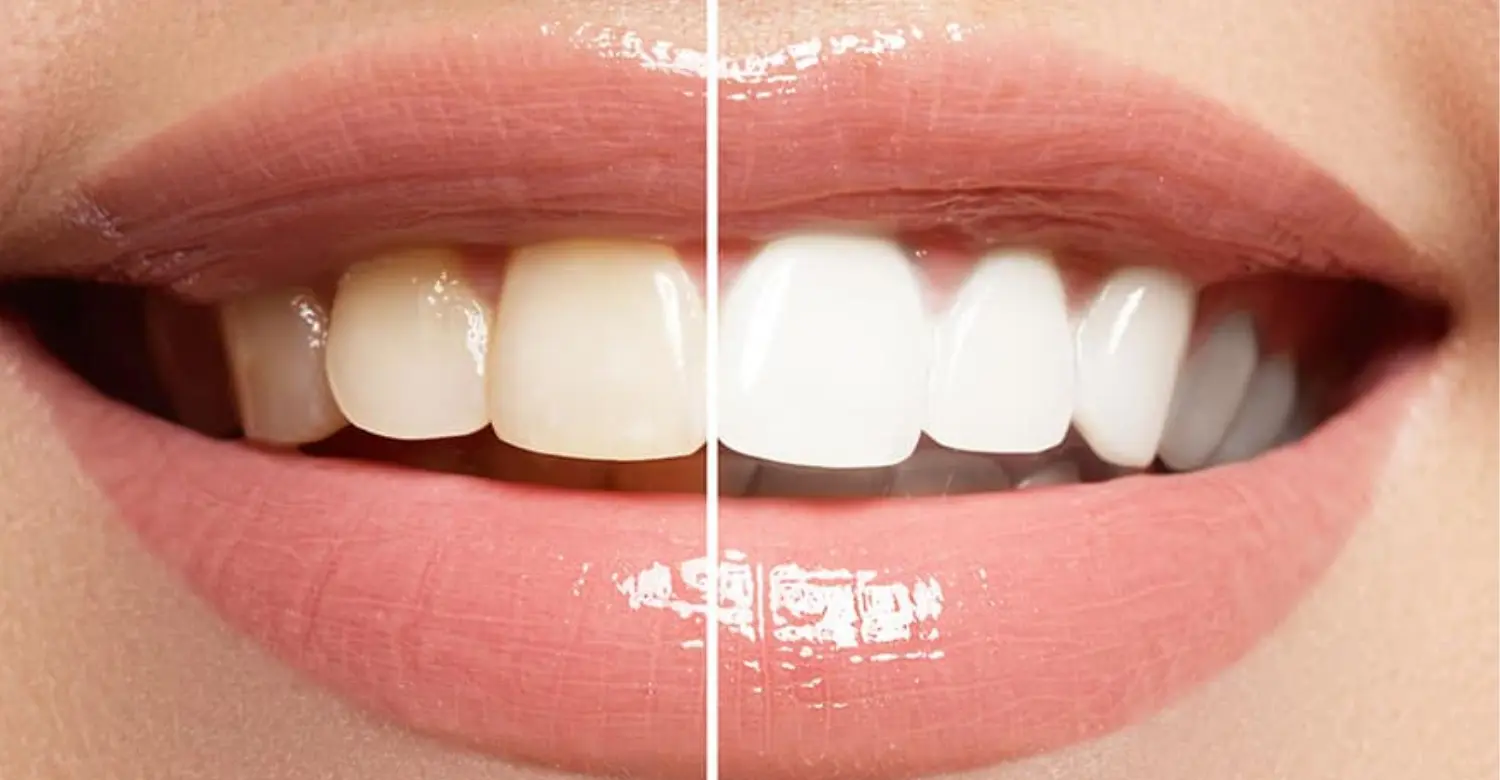
Common mistakes with veneers can shorten their lifespan or damage their appearance. Biting hard objects like ice, pens, or fingernails can cause chips or cracks. Neglecting oral hygiene or skipping dental check-ups can lead to plaque buildup and gum problems around the veneers. Overconsuming stain-causing foods and drinks, or smoking, can discolor veneers and reduce their aesthetic appeal.
Is using whitening products on veneers a mistake?
Yes. Whitening products, whether strips, gels, or in-office treatments, only work on natural tooth enamel. They will not whiten your veneers and can create a noticeable color mismatch between your natural teeth and the veneers. If you want to whiten your natural teeth, do so before getting your veneers. A water flosser is a gentle yet effective tool for cleaning around sensitive teeth and gums
Can DIY dental kits damage veneers?
DIY dental kits, such as those for teeth whitening, can contain harsh or abrasive chemicals that can damage the polished surface of your veneers and weaken the bonding agent. It’s best to stick to products recommended by your dentist.
Is skipping dental appointments risky for veneer health?
Skipping dental appointments is a major mistake. Regular check-ups allow your dentist to monitor your veneers for any potential issues before they become serious. They are an essential part of veneer maintenance and how to maintain veneers to last long.
Find out how long they last in the Lumineers durability guide.
How Can Veneer Maintenance Differ Between Patients?
Veneer maintenance can differ depending on a patient’s oral health, habits, and lifestyle. Patients who grind or clench their teeth may need a nightguard to protect their veneers. Those who consume more stain-causing foods or drinks may require extra care and more frequent dental cleanings. Additionally, gum health, bite alignment, and previous dental work can all influence personalized maintenance recommendations.
Do veneer care routines change with age?
As you age, gum recession can expose the edge of the veneer and the underlying tooth. This can make the area more susceptible to decay. Your dentist may recommend a slightly different cleaning routine to focus on this area.
Are there special maintenance tips for patients with gum sensitivity?
Patients with sensitive gums should use an extra-soft toothbrush and be very gentle when brushing and flossing. Your dentist might also recommend a desensitizing toothpaste to reduce discomfort.
How does general dental health affect veneer maintenance?
Your overall dental health is the foundation for your veneers. If you have a history of cavities, gum disease, or other issues, your veneer maintenance routine will need to be even more meticulous. A healthy mouth is a prerequisite for long-lasting veneers.
Taking care of your new smile is an investment in yourself. Following these veneer maintenance tips and long-term veneer care recommendations will ensure your veneers stay beautiful for many years. Proper veneer maintenance is about protecting your dental health and the aesthetic appeal of your smile.
How Lifestyle Habits Affect Veneer Longevity
Daily habits have a major influence on how long veneers remain attractive and functional. Certain behaviors can increase the risk of staining, chips, or bonding problems.
At Vitrin Clinic, patients receive personalized guidance about protecting their veneers through healthy lifestyle choices. Dr. Rifat Alsaman, Head of the Medical Team at Vitrin Clinic and a cosmetic dentist, explains that veneer maintenance depends on both professional care and patient habits.
Avoiding nail biting, opening packages with teeth, and chewing extremely hard foods helps preserve veneer strength. Good oral hygiene and balanced habits support healthier gums around veneers.
Clinical Note
Although veneers are stain-resistant, excessive exposure to dark-colored drinks and poor oral hygiene may affect surrounding teeth and gum appearance.
What We Notice Clinically
Dr. Rifat Alsaman, Head of the Medical Team at Vitrin Clinic and a cosmetic dentist, notices that patients with strong maintenance habits achieve more stable long-term veneer results.
Tips for Patients
Brush gently twice daily with a soft toothbrush.
Limit habits that create pressure on veneers.
Maintain regular professional cleaning appointments.
Follow your cosmetic dentist’s maintenance recommendations.
About Veneer Maintenance
Dental veneers are considered one of the most successful cosmetic dentistry treatments when patients follow proper maintenance routines and professional care recommendations. Studies show that porcelain veneers can achieve high long-term success rates, with many restorations maintaining their function and appearance for 10–15 years or longer when properly cared for.
Research indicates that veneer longevity is strongly connected to factors such as oral hygiene, bite balance, regular dental examinations, and avoiding harmful habits. Patients who maintain healthy gums and attend routine checkups have a lower risk of veneer complications, including debonding, fractures, or aesthetic changes.
According to clinical observations at Vitrin Clinic, patients who follow personalized maintenance plans usually experience better veneer stability and more predictable cosmetic outcomes. Dr. Rifat Alsaman, Head of the Medical Team at Vitrin Clinic and a cosmetic dentist, explains that long-lasting veneers depend on both advanced treatment quality and patient commitment after the procedure.
Key Veneer Maintenance Insights
10–15+ years: Porcelain veneers can provide long-lasting results with proper maintenance and professional monitoring.
Regular checkups: Routine dental examinations help detect early problems before they affect veneer performance.
Healthy gums matter: Strong gum health supports the appearance and stability of veneers.
Preventive protection works: Using mouthguards during sports and managing teeth grinding can reduce veneer damage risks.
Professional cleaning is important: Safe cleaning techniques help preserve veneer surfaces without unnecessary wear.
Clinical Note
Veneers are durable but not indestructible. Their lifespan depends on multiple factors, including bonding quality, bite forces, oral hygiene habits, and patient lifestyle choices.
What We Notice Clinically
Dr. Rifat Alsaman, Head of the Medical Team at Vitrin Clinic and a cosmetic dentist, notices that patients who understand veneer care instructions achieve healthier smiles and fewer restoration problems.
At Vitrin Clinic, successful veneer outcomes are supported through advanced cosmetic dentistry techniques, detailed aftercare guidance, and regular professional follow-up.
Tips for Patients
Keep regular dental appointments for veneer evaluation.
Maintain excellent brushing and flossing habits.
Avoid using veneers to bite hard objects.
Wear a custom mouthguard if you participate in contact sports.
Contact your dentist immediately if a veneer feels loose or damaged.
How to Maintain Veneers After Treatment: A Simple Aftercare Checklist from Vitrin Clinic
Daily Cleaning Routine
Brush gently with a soft toothbrush and non-abrasive fluoride toothpaste. Floss or use interdental cleaners daily around veneer margins.
Habits and Protection
Limit staining drinks and hard foods that can stress veneers. Use a night guard if advised and avoid biting nails or opening packages.
Reviews and When to Ask Vitrin Clinic
Schedule regular dental reviews to check margins and bite. For chips, looseness, or gum changes, contact your dentist; Vitrin Clinic can be researched as an option.
Conclusion: Maintaining Your Veneers for a Long-Lasting Smile
Veneer maintenance is the key factor in protecting your investment and keeping your smile healthy, natural-looking, and confident. Daily oral care, professional dental visits, and preventive habits help extend veneer lifespan and reduce potential complications.
At Vitrin Clinic, patients receive comprehensive support to maintain their cosmetic results after veneer treatment. Dr. Rifat Alsaman, Head of the Medical Team at Vitrin Clinic and a cosmetic dentist, emphasizes that veneers deliver the best results when professional expertise is combined with proper patient care.
By following effective maintenance strategies, patients can enjoy beautiful veneers and a confident smile for many years. Proper care transforms veneers from a cosmetic treatment into a long-term solution for smile enhancement.
Reference
Clinical studies and literature reviews demonstrate that ceramic dental veneers achieve high long-term survival rates (>90% over 10–20 years) when supported by sound enamel bonding and proper clinical maintenance (Alghazzawi, 2024; Alothman & Bamasoud, 2018).
Evidence-Based Veneer Maintenance Guidelines
1. Oral Hygiene & Marginal Integrity
Non-Abrasive Home Care: Brush using a soft-bristled toothbrush and low-abrasivity (RDA) fluoride toothpaste. Highly abrasive whitening pastes can wear down the resin-cement margin or alter ceramic glaze, increasing risk of marginal staining and microleakage (Alhekeir et al., 2014; Zarow et al., 2023).
Interdental Cleaning: Daily flossing and interdental brushing are required around the margins to prevent gingival inflammation and secondary caries at the restorative interface (Alhekeir et al., 2014).
2. Management of Parafunctional Habits & Occlusal Protection
Nightguards for Bruxism: Parafunctional habits such as nocturnal teeth grinding (bruxism) or clenching subject ceramic restorations to excessive shear stresses, which are primary causes of ceramic fracture and debonding (Alghazzawi, 2024; Alhekeir et al., 2014). Wearing a custom-fitted occlusive nightguard is recommended to protect against stress fractures.
Avoid Non-Masticatory Forces: Refrain from biting hard non-food objects (e.g., fingernails, ice, pens) or placing direct anterior shear forces on restorations, as these habits account for a significant percentage of mechanical debonding and chipping (Alhekeir et al., 2014).
3. Professional Dental Maintenance
Regular Prophylaxis: Professional checkups every 6 months allow for clinical monitoring of marginal adaptation, soft-tissue health, and cement seam integrity (Alothman & Bamasoud, 2018; Zarow et al., 2023).
Polishing Protocol: Dental hygienists should use non-abrasive polishing pastes (such as aluminum oxide or diamond paste designed for ceramics) rather than coarse acidulated phosphate fluoride (APF) gels or high-abrasion air polishers, which can etch or dull the ceramic glaze.
Alghazzawi, T. F. (2024). Clinical Survival Rate and Laboratory Failure of Dental Veneers: A Narrative Literature Review. Journal of Functional Biomaterials, 15(5), 131. https://doi.org/10.3390/jfb15050131 Cited by: 38
Alhekeir, D. F., Al-Sarhan, R. A., & Al Mashaan, A. F. (2014). Porcelain laminate veneers: Clinical survey for evaluation of failure. The Saudi Dental Journal, 26(2), 63–67. https://doi.org/10.1016/j.sdentj.2014.02.003 Cited by: 63
Alothman, Y., & Bamasoud, M. S. (2018). The Success of Dental Veneers According To Preparation Design and Material Type. Open Access Macedonian Journal of Medical Sciences, 6(12), 2402–2408. https://doi.org/10.3889/oamjms.2018.353 Cited by: 241
Zarow, M., Hardan, L., Szczeklik, K., Bourgi, R., Cuevas-Suárez, C. E., Jakubowicz, N., Nicastro, M., Devoto, W., Dominiak, M., Pytko-Polończyk, J., Bereziewicz, W., & Lukomska-Szymanska, M. (2023). Porcelain Veneers in Vital vs. Non-Vital Teeth: A Retrospective Clinical Evaluation. Bioengineering, 10(2), 168. https://doi.org/10.3390/bioengineering10020168 Cited by: 22
Academic Links & Open-Access Sources
FAQs
Dr. Rifat Alsaman has more than 5 years of clinical experience in dentistry and currently serves as the Head of the Medical Team at Vitrin Clinic. He is dedicated to providing exceptional patient care, overseeing treatment planning, and ensuring the highest clinical standards across the team. His expertise, attention to detail, and commitment to continuous professional development have helped countless patients achieve healthier, more confident smiles.


