Dental Veneers in Turkey
October 20, 2026
Minimal Prep Veneers :The Conservative Way to a Natural Smile
 Dr. Rifat Alsaman

You want a new smile, but not at the cost of your healthy teeth. Minimal prep veneers are ultra-thin porcelain veneers that need only very light enamel reshaping. This reshaping is often a fraction of a millimeter. That keeps most of your natural tooth intact while still changing its color, shape, and size.
At Vitrin Dental Clinic in Istanbul, we start with the least invasive option that can meet your goals. Sometimes that means veneers. Sometimes it means whitening or aligners first.
Ready to transform your smile?
Talk to our team and get a personal FREE treatment plan.
What Are Minimal Prep Veneers?
Minimal prep veneers are thin ceramic shells bonded to the front of the teeth after very light enamel reshaping. The reshaping usually stays within the outer enamel layer. They can improve color, shape, small gaps, and minor wear. They cannot fix every bite or alignment problem.
Traditional veneers need deeper reduction to make room for thicker porcelain. Minimal prep designs aim to add material rather than remove it. That is why they suit teeth that are small, worn, or slightly set back.
How thin are minimal prep veneers?
Published research describes no-prep and minimal designs as roughly 0.2–0.5 mm thick. Conventional veneers are often 0.3–1.0 mm thick. Your dentist confirms the exact thickness after a scan and mock-up.
Enamel reduction, if any, is usually a few tenths of a millimeter. Keeping the preparation within enamel matters. Porcelain bonds more strongly to enamel than to the dentin underneath. Studies link enamel bonding with better long-term veneer survival. It also helps limit sensitivity after treatment.
What materials are used?
Most minimal prep veneers are made from lithium disilicate (E-max) or feldspathic porcelain. Both can be milled or layered very thin. Both can look translucent and natural.
E-max is pressed or milled ceramic with good strength for its thickness. Feldspathic porcelain is hand-layered by a ceramist. It offers fine control of color and translucency, but it is more delicate. Your dentist chooses the material based on your bite, tooth color, and goals. See our E-max veneers guide for more material details.
.jpg)
.jpg)
.jpg)
.jpg)
Minimal Prep vs. No-Prep vs. Traditional Veneers
Traditional veneers remove more enamel. Minimal prep veneers remove very little. No-prep veneers remove none. Less preparation protects your teeth, but not every smile is suitable for it.
Feature | No-prep (prepless) | Minimal prep | Traditional |
Enamel removed | None, or polishing only | About 0.2–0.5 mm, within enamel | About 0.5–1.0 mm or more |
Reversibility | Sometimes reversible | Usually not fully reversible | Not reversible |
Anesthesia needed | Rarely | Often little or none | Usually |
Look | Can look bulky if poorly planned | Natural when planned well | Natural; more room for change |
Who it suits | Small, short, or inward teeth | Mild shape, color, and gap changes | Larger changes, darker teeth |
Lifespan | Similar ranges reported for well-bonded porcelain | Similar ranges reported | Similar ranges reported |
Price in Turkey | [Vitrin price] | [Vitrin price] | [Vitrin price] |
Minimal prep or no-prep: which is right for you?
No-prep veneers suit teeth that are already small, short, or slightly set back. Adding porcelain without reshaping will not make these teeth look oversized.
Minimal prep veneers suit most other mild cosmetic cases. A light polish of the enamel creates a little space. This lets the veneer sit flush and keeps the edges smooth. Smooth edges are easier to clean and kinder to the gums.
A mock-up is the best way to decide. It shows where your teeth need space and where they do not.
Who Is a Good Candidate for Minimal Prep Veneers?
Good candidates usually have healthy teeth, healthy gums, and mostly cosmetic concerns.
Good candidates often have:
Small or narrow teeth
Small gaps
Mild discoloration
Slightly worn or short teeth
Teeth positioned slightly inward
Less suitable cases include:
Crowded or protruding teeth, which may need aligners first
Very dark staining
Heavy grinding
Damaged teeth, which may need crowns instead
Active decay or gum disease must be treated before any veneer work. Your dentist confirms suitability for minimal prep veneers after an examination and X-rays when needed.
Combining with aligners or whitening for a more conservative result
Aligners can move crowded or protruding teeth into a better position first. This often reduces how much enamel needs reshaping later. In some cases, it removes the need for veneers on certain teeth.
Whitening can lighten the natural teeth before shade selection. The veneers are then matched to a brighter baseline. This helps veneered and unveneered teeth blend.
If a tooth has a large filling, a crack, or a root canal, a crown may protect it better. Our crowns pages explain that option.

What Are the Downsides of No-Prep and Minimal Prep Veneers?
The main downsides of minimal prep veneers come from poor case selection or imprecise fabrication.
Bulky appearance: No-prep veneers can look too big if the tooth was not small to begin with.
Gum irritation: Overcontoured edges can trap plaque and inflame the gums.
Limited correction: They cannot fix crowding or very dark color on their own.
Not fully reversible: Even light reshaping usually cannot be undone.
Chipping risk: Very thin ceramic needs a skilled ceramist and careful bite planning.
At Vitrin, we address these risks before treatment. Digital smile design tests proportions on screen. A mock-up shows the real result in your mouth. Precise lab work keeps the margins smooth and thin.
Do Teeth Rot Under No-Prep Veneers?
The veneer itself does not cause decay. Decay can start at the edges if the veneer does not fit precisely. Poor oral hygiene raises the risk too. The same is true for any veneer type, including minimal prep veneers.
The tooth under the porcelain is still a natural tooth. Bacteria can reach it where plaque collects along the margin.
Prevention is straightforward:
Precise, smooth margins with no overhang
Brushing twice daily with fluoride toothpaste
Daily flossing or interdental brushes
Regular check-ups and professional cleaning
Report any dark line, rough edge, or sensitivity near a veneer to your dentist early.
Why Do Some Dentists Not Recommend Veneers?
The main concern is aggressive tooth reduction. Removing too much enamel weakens teeth and can lead to sensitivity or nerve problems. Minimal prep veneers are one answer to that concern.
Some dentists also worry about cases where veneers are used for problems they cannot fix well.
At Vitrin, we say "no veneers" when a simpler option fits better. Healthy but yellow teeth may only need whitening. A small chip may only need bonding. Crowded teeth may need aligners first. Our ceramic veneers article covers this topic in more depth.
Ready to transform your smile?
Talk to our team and get a personal FREE treatment plan.
The Minimal Prep Veneers Procedure at Vitrin, Step by Step
Our process is built around seeing the result before we touch your teeth.
Free online assessment: You send smile photos, and our dentist reviews them.
Exam, digital scan, and shade selection in Istanbul: We check teeth, gums, and bite, with X-rays if needed.
Digital smile design and mock-up try-in: You see the planned shape in your mouth. The mock-up also shows how little preparation is needed.
Gentle enamel reshaping: Guided by the mock-up, often without anesthesia.
Temporaries, if needed: These protect the teeth while the lab works.
Lab fabrication: Our ceramist makes the ultra-thin veneers.
Try-in, bonding, and polishing: We check fit and color before final bonding.
Bite check and aftercare: We adjust the bite and explain home care.
Gum contouring (gingival sculpting) with minimal prep veneers
Gum contouring reshapes the gum line so the teeth look even. It can help when some teeth look short because gum tissue covers more of them.
When planned with veneers, gum sculpting creates a balanced frame for the new smile. Your dentist assesses gum health and bone levels first. Not every patient needs it.
How many days do you need in Istanbul?
Most patients need about 7 days in Istanbul for veneers.
The first visit covers the exam, scan, smile design, and mock-up. Preparation follows once you approve the design. The lab then needs several working days to make the veneers. The final visit covers try-in, bonding, and a bite check.
Gum contouring or whitening can add time. Your coordinator confirms the schedule before you book flights.
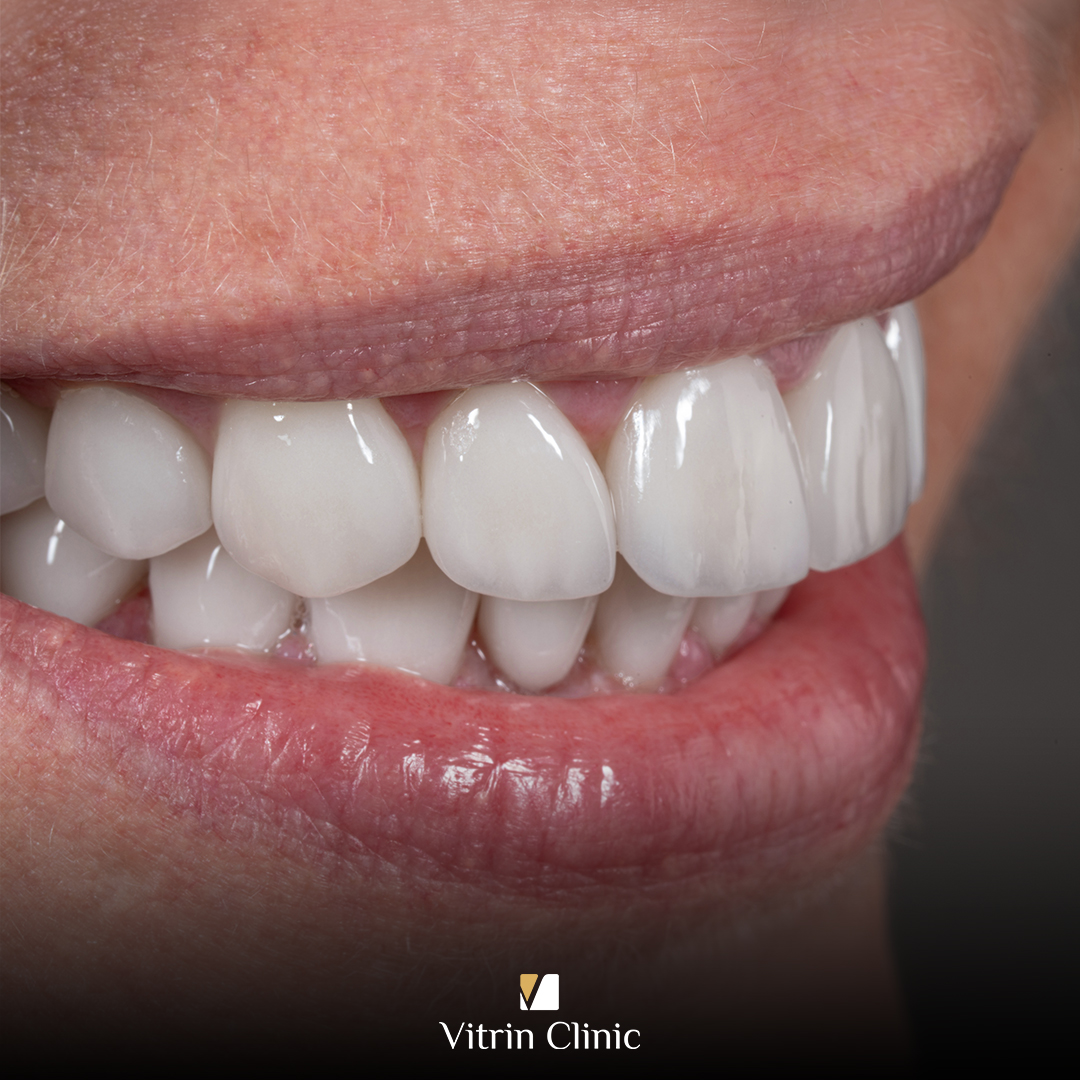
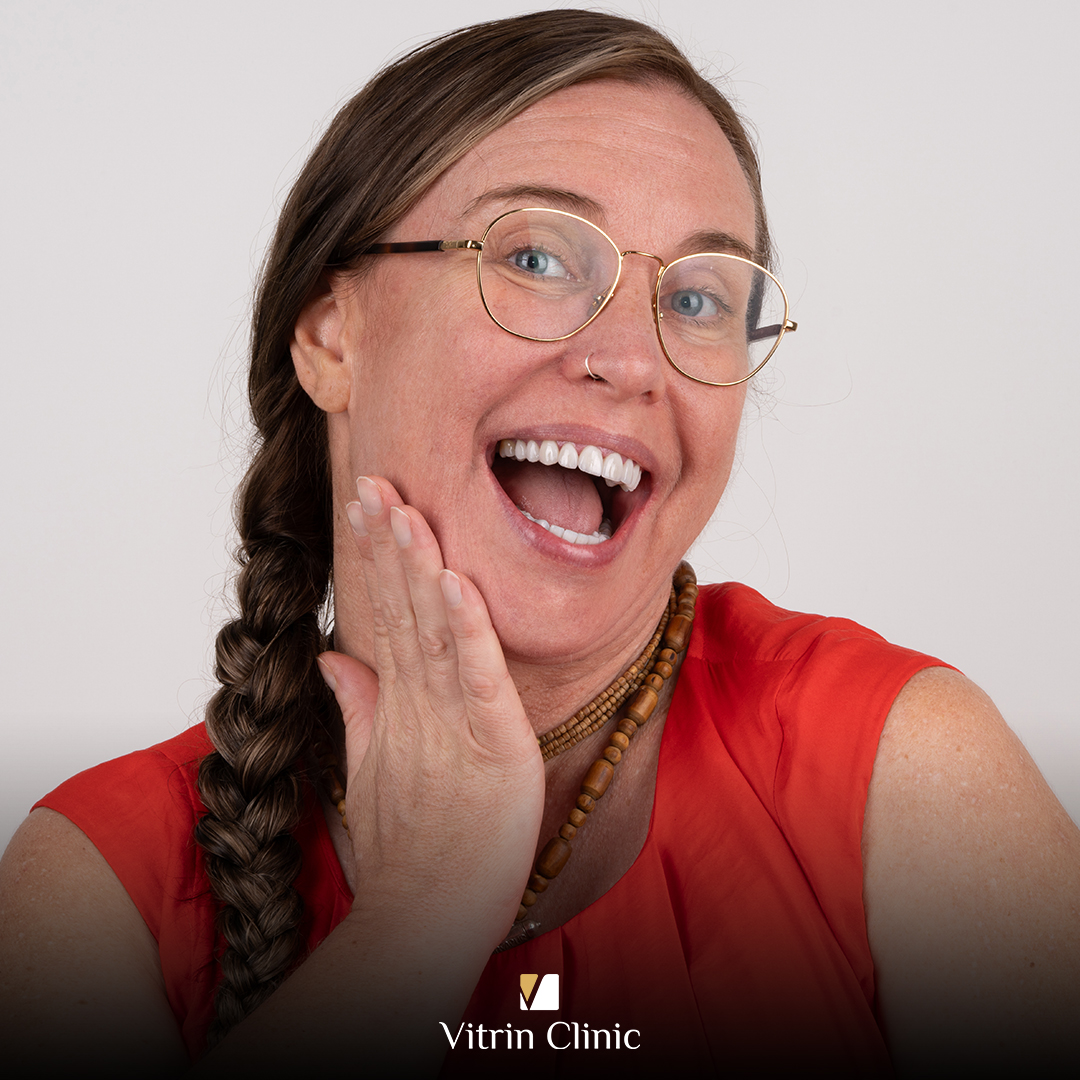
Minimal Prep Veneers Before and After
case : Real cases show what veneers can and cannot do.
For each case, we list:
Number of veneers: Full mouth
Days spent in Istanbul : 7
.jpg)
How Much Do Minimal Prep Veneers Cost?
The cost of minimal prep veneers depends on the number of teeth, ceramic material, laboratory work, and any additional dental treatment required. The following figures are average planning estimates for 2026, not personalized quotes. Published Turkish price guides place E.max veneers around $200–$400 per tooth, while no-prep veneers may cost more depending on the material and clinic.
Vitrin's price per minimal prep veneer
Vitrin Clinic's current treatment prices have not been confirmed, so the figures below represent estimated Turkish market averages, not official Vitrin Clinic prices.
UK
$200
Veneer prices per tooth
Minimal prep E.max veneer $250
Feldspathic porcelain veneer $200
TURKEY
$240
Veneer prices per tooth
Minimal prep E.max veneer $300
Feldspathic porcelain veneer $240
US
$270
Veneer prices per tooth
Minimal prep E.max veneer $300
Feldspathic porcelain veneer $240
Prices are rounded estimates for planning. The exact cost depends on the ceramic type, laboratory, and clinical requirements. Confirm Vitrin Clinic's current prices before publication.
How much do prepless (no-prep) veneers cost?
Prepless veneers can cost as much as, or more than, minimal prep veneers. Their price depends on the ceramic material, thickness, laboratory craftsmanship, and whether the teeth are suitable for treatment without enamel removal.
US
$1,850
Average estimated cost per tooth
Average per tooth $1,850
Typical price range $1,200–$2,500
TURKEY
$340
Average estimated cost per tooth
Average per tooth $340
Typical price range $260–$420
UK
$1,100
Average estimated cost per tooth
Average per tooth$1,100
Typical price range$700–$1,500
Minimal prep and no-prep veneers are not suitable for everyone. A dentist should assess tooth alignment, enamel, bite, and gum health before recommending either option.
Package prices for 6, 8, 10, and 20 veneers
The table below estimates the total cost using an average of $300 per E.max veneer in Turkey. These are calculated treatment totals, not confirmed Vitrin package prices, and do not include assumed discounts.
Package | Average estimated cost (EUR) | Approx. GBP | Approx. USD |
6 veneers | $1,800 | $1,510 | $2,020 |
8 veneers | $2,400 | $2,020 | $2,690 |
10 veneers | $3,000 | $2,520 | $3,370 |
20 veneers | $6,000 | $5,040 | $6,730 |
The final cost depends on the number of teeth that need treatment and the ceramic material selected. A clinical assessment determines whether 6, 8, 10, or 20 veneers are appropriate.
Turkey vs. UK / US / EU prices
Published veneer price guides show substantial differences between countries. The following averages are calculated from representative published ranges for porcelain and E.max veneers.
Country | Average estimated cost per tooth | Typical published range |
United States | $1,700 | 900–2,500 |
United Kingdom | $1,200 | $900–$1,500 |
Turkey | $375 | $250–$500 |
European Union | No single reliable average | Varies by country |
Actual costs depend on material, dentist expertise, and laboratory quality. For patients travelling to Turkey, the total budget should also account for flights, accommodation, transfers, and follow-up care.
What's included
The following items may be included in a minimal prep veneer package, but Vitrin Clinic's exact package inclusions should be confirmed before publication.
Potential inclusion | What it covers |
Consultation and examination | Assessment of dental health and suitability for veneers |
Digital smile design | Planning the proposed smile appearance |
Mock-up try-in | Previewing the proposed shape and appearance |
Hotel accommodation | Stay during the treatment period, if included |
Airport and clinic transfers | Transportation arrangements, if included |
Written warranty | Coverage subject to the clinic's terms and conditions |
X-rays, whitening, gum contouring, treatment of decay, and other restorative procedures may incur additional costs. Request an itemized quote that specifies the number of veneers, material, laboratory work, aftercare, and all package inclusions before deciding.
How Long Do Minimal Prep Veneers Last?
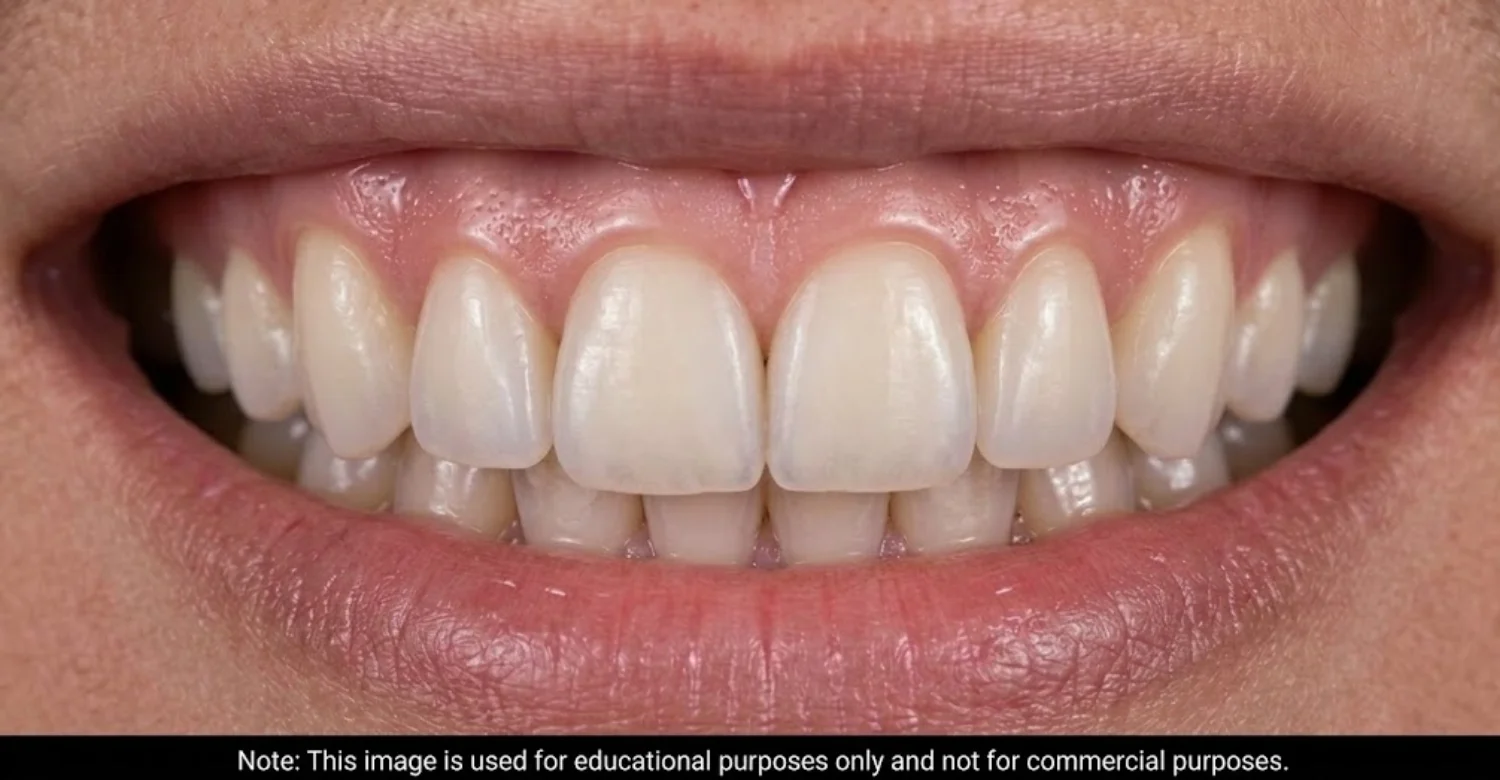
Well-made porcelain veneers can last 10 to 20 years or longer. One long-term study reported 96% survival at 10 years and 91% at 20 years. Another nine-year study found no-prep and minimal veneers performed at least as well as conventional ones.
Bonding to enamel is a key reason. Enamel gives a stronger, more stable bond than dentin.
Care tips:
Brush twice daily and clean between teeth daily.
Wear a night guard if you grind or clench.
Avoid biting nails, ice, pens, or opening packages with your teeth.
Attend regular check-ups and cleanings.
Why Choose Vitrin for Minimal Prep Veneers in Istanbul
Vitrin Dental Clinic plans treatment around keeping as much natural tooth as possible.
Tooth-preserving philosophy: We recommend the least invasive option that meets your goals.
Digital smile design and mock-up: You preview the result before any preparation.
Experienced cosmetic dentists and an in-house ceramist: Planning and lab work stay closely linked.
Genuine materials: Certified ceramics with traceable documentation.
Written warranty: Clear terms provided before treatment.
All-inclusive packages: Treatment, hotel, and transfers in one plan.
Multilingual coordinators: Support before, during, and after your visit.
Every plan starts with an individual assessment. We do not promise identical results for every patient.
Conclusion
Minimal prep veneers can change color, shape, and size while keeping most of your natural enamel. They work best for mild cosmetic concerns on healthy teeth. Crowding, heavy grinding, or damaged teeth may need another treatment first.
See your new smile before we touch your teeth. A mock-up lets you test the design in your own mouth first.
Book Your Free Smile Design & Mock-Up at Vitrin, Istanbul.
Ready to transform your smile?
Talk to our team and get a personal FREE treatment plan.
Medical Disclaimer
This article is for general information only. It does not replace a dental examination or personal advice. Suitability, results, and lifespan vary between patients. Seek prompt dental care for pain, swelling, a loose veneer, or a broken tooth.
IMPORTATN :
This article is for general information and does not replace a personal assessment by a qualified dentist. Prices are approximate 2026 averages, with UK and Turkey figures converted to US dollars, and may vary by clinic and case.
Not sure whether a bridge or an implant is right for you? Book your free consultation with Vitrin Clinic and get a personalized assessment and treatment plan from our dental team.
Reference
FAQs
Dr. Rifat Alsaman has more than 5 years of clinical experience in dentistry and currently serves as the Head of the Medical Team at Vitrin Clinic. He is dedicated to providing exceptional patient care, overseeing treatment planning, and ensuring the highest clinical standards across the team. His expertise, attention to detail, and commitment to continuous professional development have helped countless patients achieve healthier, more confident smiles.


