Dental Veneers in Turkey
September 24, 2026
Pop On Veneers vs Shiny Smile: Which Snap On Veneers Are Right for You?
 Dr. Rifat Alsaman
Pop On Veneers vs Shiny Smile compares two removable cosmetic smile products. Both are designed to cover visible dental concerns without permanently changing tooth structure. These products differ from professional veneers, crowns, orthodontics, and dental implants. They are removable appliances rather than permanent dental restorations. Many people consider them because they seem affordable, quick, and reversible. However, the right option depends on fit, appearance, material, price, intended use, and existing oral health. A dental examination can identify problems that cosmetic coverage cannot treat. This guide compares product claims, practical considerations, costs, risks, alternatives, and professional treatment options. It also explains when a removable appliance may be unsuitable for your situation. Individual experiences can differ significantly between users, so no single product suits everyone.
What Are Pop On Veneers and Shiny Smile Veneers?
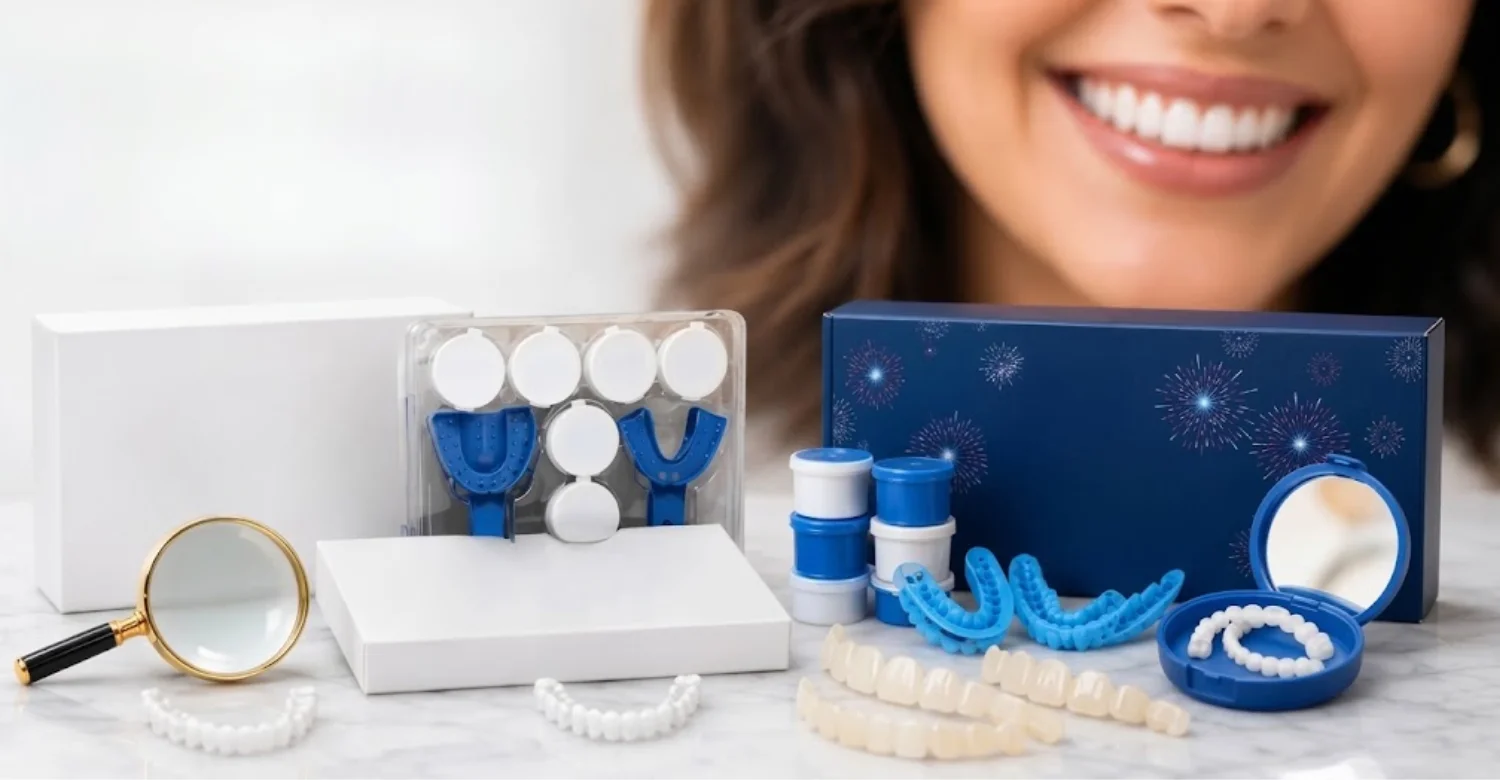
Removable snap-on veneers are cosmetic appliances designed to fit over existing teeth. They can temporarily change the visible appearance of the smile. They may conceal staining, gaps, chipped teeth, irregular shapes, or some missing-tooth spaces. However, they do not repair underlying dental disease. Both brands use an impression-based customization process. The impressions help create an appliance intended to match the user's dental shape. Pop On states that its products are custom-made from impressions taken at home. It also describes polyethylene as its material. Shiny Smile describes its products as custom-made from individual impressions. Its official information lists three shades and removable use. Understanding each product is the first step in any Pop On Veneers vs Shiny Smile comparison.
What Are Pop On Veneers?
Pop On Veneers are removable cosmetic appliances made from impressions of the user's teeth. The company states that customers can make impressions at home. Those impressions are then used to create a customized appliance. Its current product pages list single-arch and upper-and-lower options. Current promotional pricing can differ from standard listed prices. Pop On describes its material as BPA-free polyethylene. The company also describes the material as stain-resistant and biocompatible. The product is intended for cosmetic use only. Its official information specifically states that it does not replace professional dental treatment. Buyers should therefore view it as a visual enhancement rather than a clinical solution.
What Are Shiny Smile Veneers?
Shiny Smile Veneers are removable cosmetic appliances created using dental impressions. The company states that customers order an impression kit before sending their impressions back. The appliance is then manufactured according to those impressions. The official website currently lists three shades. These include Bright White, Pearl, and Champagne. The company lists one-arch and two-arch configurations. Current official pricing is approximately $370 for one arch and $570 for both. The brand describes its product as cosmetic rather than therapeutic. Therefore, visible coverage should not be confused with dental treatment. Buyers should review current details directly with the company before ordering.
Are Pop On Veneers and Shiny Smile the Same Type of Product?
They belong to the same broad category of removable cosmetic snap-on appliances. Both are designed to fit over existing teeth. Both use impressions to support customized fabrication. However, they are different commercial products with separate ownership and policies. Their materials, designs, warranties, prices, shade selections, and manufacturing processes can differ. Pop On describes its material specifically as polyethylene. Shiny Smile describes its material more generally through its product information. In a Pop On Veneers vs Shiny Smile decision, these details matter more than branding. Consumers should compare the exact current specifications side by side. Product information can also change over time, so older articles may be outdated.
How Do Snap-On Veneers Work?
A snap-on appliance fits over existing teeth and changes their visible appearance. The appliance does not permanently bond to enamel. It can therefore be removed when appropriate. Most systems begin with impressions of the upper, lower, or both arches. The impressions provide information about tooth position and arch shape. A poorly captured impression can affect the final fit. Accurate impressions are therefore important for comfort and retention. The appliance should not be treated as a replacement for dental treatment. Cavities, periodontal disease, infections, and damaged teeth require appropriate clinical assessment. This principle applies equally to both sides of the Pop On Veneers vs Shiny Smile question.
Learn why jaw pain when waking up can occur
Pop On Veneers vs Shiny Smile: What Is the Difference?
The main differences involve customization, pricing, materials, shade options, policies, and product design. Both brands provide removable cosmetic coverage. Neither should be confused with professionally bonded porcelain veneers. A useful Pop On Veneers vs Shiny Smile comparison should also consider oral-health suitability. Cosmetic appliances can hide visible problems while leaving underlying disease untreated. Price differences may seem important at first glance. However, fit and comfort often determine whether a user continues wearing the appliance. Warranty and remake policies can also influence long-term value. Consumers should look beyond marketing images and compare practical details. The following sections examine each factor separately.
Appearance and Natural-Looking Results
Appearance is often the first factor in Pop On Veneers vs Shiny Smile discussions. It depends on tooth shape, shade, thickness, fit, and facial proportions. A well-fitting appliance can appear more natural than a poorly fitting alternative. However, photographs cannot guarantee the same result for another person. Lighting can also change perceived tooth color. Camera processing and filters may further alter appearance. A natural-looking result should therefore be judged using consistent photographs. Different lighting conditions can make comparisons misleading. Thickness can also make teeth look slightly bulkier than natural teeth. Users should consider how the appliance looks during speaking, smiling, and at close range.
Fit, Comfort, and Retention
Fit is one of the most important practical factors in this Pop On Veneers vs Shiny Smile guide. A customized appliance should correspond closely with the user's dental anatomy. Poor impressions can contribute to movement, pressure, or discomfort. The appliance should remain stable without creating excessive pressure. Any persistent pain or tissue irritation deserves professional assessment. Comfort can also change during speaking and eating. Users may need time to adapt to the appliance's presence. Retention depends partly on tooth shape and existing gaps. Some mouths provide better natural grip for removable appliances than others. A good fit should feel secure yet remain easy to remove.
Material and Construction
Materials differ between removable veneer products. Pop On states that its appliances use BPA-free polyethylene. It describes the material as durable and stain-resistant. Shiny Smile describes its products as being made using its specified dental-grade materials. Current product information should be checked before purchasing. Material influences flexibility, thickness, appearance, and resistance to staining. However, material alone does not determine clinical suitability. Fit, hygiene, oral health, and intended use also matter. In the Pop On Veneers vs Shiny Smile comparison, material claims should be verified carefully. Buyers can ask each company for detailed specifications before committing to an order.
Eating and Speaking With Snap-On Veneers
Eating recommendations differ between products. Users should follow the manufacturer's specific instructions carefully. Hard, sticky, or very hot foods may create additional mechanical stress. Some users prefer removing the appliance before meals to protect it. Speaking can also feel different initially. The appliance occupies space around the teeth and may affect tongue movement. Certain sounds may feel unusual during the first days of wear. Practicing speaking aloud can help some users adapt more quickly. Persistent speech problems can indicate poor adaptation or inadequate fit. A dentist can evaluate whether continued use is appropriate. These practical issues matter for both Pop On Veneers vs Shiny Smile users.
Cleaning and Daily Maintenance
Removable appliances require regular cleaning. Food debris and plaque can accumulate on their surfaces. Poor hygiene can also affect the natural teeth underneath. The appliance should be cleaned according to its manufacturer's instructions. Teeth and gums still require normal brushing and interdental cleaning. Hot water may damage some plastic appliances. Users should therefore follow the specific care instructions supplied with their product. A dedicated storage case can help protect the appliance from damage and contamination. Regular maintenance supports both appearance and oral health. Cleaning routines are an important practical point in any Pop On Veneers vs Shiny Smile evaluation.
Durability and Expected Lifespan
Lifespan varies according to material, fit, cleaning, chewing habits, and handling. Shiny Smile states that its appliances can last approximately one to five years with proper care. That statement represents the manufacturer's product information. It should not be interpreted as a guaranteed lifespan for every user. Pop On also provides replacement and protection options through its current policies. Heavy chewing forces, grinding, or dropping the appliance can shorten its life. Staining and wear may also change its appearance over time. Durability in the Pop On Veneers vs Shiny Smile comparison depends heavily on user habits. Replacement costs should therefore be included in long-term budgeting.
Customization and Shade Options
Customization can involve tooth shape, size, arch coverage, and shade. Pop On currently lists shades including Natural White, Hollywood, and Mature Tan. Shiny Smile lists Bright White, Pearl, and Champagne. Shade selection should consider existing teeth and facial appearance. An excessively bright shade may look less natural in some situations. Skin tone, lip color, and age can influence which shade appears most harmonious. Users covering only one arch should also consider matching the uncovered arch. A mismatch between arches can make the appliance more noticeable. Shade choice is a personal but important part of the Pop On Veneers vs Shiny Smile decision.
Removability and Convenience
Removability is a major difference between snap-on appliances and permanent restorations. Users can remove the appliance when instructed. This makes it different from bonded veneers or dental crowns. Removability also allows users to return to their natural smile at any time. Some people value this flexibility for events, photographs, or short-term confidence. However, convenience does not eliminate the need for oral hygiene. The underlying teeth remain exposed to plaque and dental disease. Frequent insertion and removal can also cause gradual wear. Both products share this removable design in the Pop On Veneers vs Shiny Smile comparison.
Explore lymphoma tongue symptoms and oral signs
Pop On Veneers vs Shiny Smile Reviews: What Should You Look For?
Reviews can provide useful information about purchasing experiences and product expectations. They should not replace professional dental assessment. Online reviews are generally subjective and may not describe the user's dental condition. Look for repeated patterns rather than isolated comments. A single enthusiastic or negative review rarely reflects typical experiences. Reading Pop On Veneers vs Shiny Smile reviews across several platforms gives a broader picture. Independent review sites may offer different perspectives than brand websites. Consider how recent each review is, since products and policies change. Reviews mentioning customer service, remakes, and delivery times can be especially useful for practical planning.
How Reliable Are Online Veneer Reviews?
Online reviews can reveal common themes about ordering, impressions, delivery, fit, and customer service. However, reviews may not provide clinically verified information. A reviewer may have different tooth anatomy, bite relationships, or oral-health conditions. Their experience may therefore differ from yours. Look for reviews that explain the actual circumstances. Detailed descriptions are generally more informative than short promotional statements. Some reviews may be incentivized or written soon after delivery. Long-term reviews can reveal more about durability and comfort. Treat Pop On Veneers vs Shiny Smile reviews as helpful background rather than decisive evidence. Your own oral health remains the most important factor.
What Do Positive Reviews Commonly Focus On?
Positive reviews commonly discuss appearance, convenience, affordability, and the ordering experience. Some users describe improved satisfaction with their smile's appearance. Others appreciate avoiding drilling or permanent tooth changes. Quick delivery and helpful customer support are also frequently mentioned. These reports describe personal experiences rather than clinical outcomes. Review patterns can still help identify practical issues. For example, repeated comments about impression quality may indicate an important ordering consideration. Positive reviews may also highlight which shades users found most natural. Readers should still consider whether reviewers had similar dental needs. Enthusiasm about appearance does not confirm long-term oral-health safety.
What Complaints or Limitations Should Patients Consider?
Potential complaints may involve fit, thickness, speech changes, appearance, delivery, or durability. The importance of each issue depends on the individual user. A complaint about discomfort deserves particular attention. Persistent pressure can indicate that the appliance is not suitable or properly fitted. Some users report that appliances look bulky or feel unnatural initially. Others mention difficulty eating certain foods while wearing them. Delays caused by impression retakes are another common frustration. Users should also distinguish between product dissatisfaction and underlying dental problems. Pain from untreated decay may be wrongly blamed on the appliance. A dental check can clarify the true source of discomfort.
How Can You Evaluate Before-and-After Photos?
Before-and-after photographs can demonstrate visual changes. They cannot establish whether teeth became healthier. They also cannot show whether the appliance was comfortable or stable. Look for consistent photography and clear explanations about what changed. Images should show the same person from similar angles. Professional-looking promotional images may be carefully selected or edited. Customer-submitted photos can sometimes offer a more realistic impression. Many Pop On Veneers vs Shiny Smile photos online vary widely in quality. Evaluate them critically before forming expectations. The following checks can help separate useful images from misleading ones.
Look for consistent lighting and photography
Lighting should remain similar between photographs. Different brightness levels can alter tooth color and perceived shape. Warm lighting can make teeth look yellower, while cool lighting can make them appear whiter. Camera angles should also be comparable. A tilted head can make teeth appear differently positioned. Distance from the camera can change the apparent size of teeth. Filters and editing tools can further distort results. Consistent photography provides a more useful visual comparison. When lighting clearly changes between images, treat the comparison with caution.
Check whether results are removable or permanent
Determine whether the result comes from a removable appliance or permanent treatment. The distinction affects durability, maintenance, and clinical implications. A removable appliance should not be compared directly with a bonded veneer without explaining these differences. Some online images labeled as veneers actually show professional porcelain work. Others may show removable products presented without clear context. Captions should state which treatment produced the result. If this information is missing, the photo offers limited guidance. Understanding the treatment type helps set realistic expectations for your own result.
Look for evidence of individualized fitting
Look for evidence that impressions were taken specifically for the user. Generic products may not provide the same fit as customized appliances. A customized appliance should follow the gumline and tooth contours closely. Visible gaps at the edges may suggest poor adaptation. Excessive thickness can also indicate a less refined fit. However, customization does not guarantee clinical suitability. A well-fitted appliance can still hide untreated dental disease. Photos should therefore be one part of a wider evaluation.
Understand the basics of mastication
Pop On Veneers vs Shiny Smile Cost: How Much Do They Cost?
Prices vary according to product configuration, promotions, location, shipping, taxes, and additional services. Current official product pages provide useful reference prices. Pop On lists approximately $279 for one arch and $479 for both under its current promotion. Shiny Smile's official page lists approximately $370 for one arch and $570 for both. These are product prices rather than professional dental-treatment prices. In the Pop On Veneers vs Shiny Smile cost comparison, promotions can change the gap quickly. Buyers should check prices on the day they order. Payment plans may also affect the total amount paid over time.
What Is the Average Cost of Pop On Veneers?
Current Pop On pricing varies by promotion and configuration. Its official store currently shows approximately $279 for one arch. The upper-and-lower option is approximately $479. The company also displays standard reference prices of $499 for one arch and $699 for both arches. Additional services or replacement products may cost extra. Protection plans may be offered at checkout for an additional fee. Because promotional pricing changes, consumers should verify the checkout price before ordering. Reading the terms for refunds and remakes is also important. These details can significantly affect overall value.
What Is the Average Cost of Shiny Smile Veneers?
Shiny Smile currently lists approximately $370 for one arch. Its upper-and-lower configuration is listed at approximately $570. The official website also lists payment-plan options. These may help spread the cost over several months. Prices can change with promotions and product configurations. Therefore, published figures should be treated as current reference prices rather than fixed amounts. Shipping and taxes may add to the final total depending on location. Buyers should also confirm what happens if impressions need retaking. Checking these details helps avoid unexpected expenses after ordering.
What Is the Average Cost of Snap-On Veneers in the USA?
Independent 2026 pricing sources place snap-on products below conventional professional veneers. One recent comparison reported approximately $300–$1,200 for a full-arch snap-on product in the United States. Brand-specific products can fall below or above that broad range. Professional porcelain veneers are generally much more expensive per tooth. They also involve clinical diagnosis, preparation, laboratory work, and professional placement. Insurance rarely covers purely cosmetic appliances or veneers. American buyers should therefore budget for the full amount themselves. Comparing total costs over several years provides a clearer picture of value.
What Is the Average Cost of Snap-On Veneers in the UK?
A recent 2026 comparison reported approximately $250–$900 for full-arch snap-on options in the UK. Actual prices vary between suppliers and customization levels. Shipping, customs, VAT, impression kits, replacement policies, and consultation costs may change the total. Products ordered from overseas brands may involve additional import charges. Currency exchange rates can also affect prices listed in US dollars. Patients should compare the complete purchase rather than the headline price alone. Checking return conditions is particularly important for international orders. Returning an item abroad can be costly and slow.
What Is the Average Cost of Snap-On Veneers in Turkey?
Snap-on products in Turkey can vary considerably by provider and material. A 2026 comparison reported approximately $90–$150 for some snap-on options. These figures should not be confused with professional porcelain veneers or zirconia restorations. Professional treatment costs depend on diagnosis, material, laboratory work, tooth number, and clinical complexity. Lower-priced removable products may use different materials or simpler fabrication. Patients should ask exactly what the product includes. Quality, fit, and aftercare support can differ widely between providers. Price alone does not indicate suitability for your teeth.
Pop On Veneers vs Shiny Smile Cost in Turkey vs USA vs UK
The following figures provide a practical comparison between countries. They show how removable options compare with professional cosmetic treatments.
Option | USA | UK | Turkey |
Snap-on veneers | $300–$1,200 | $250–$900 | $90–$150 |
Composite veneers | $300–$1,200 per tooth | $250–$650 per tooth | $90–$180 per tooth |
No-prep porcelain | $1,200–$2,500 per tooth | $700–$1,500 per tooth | $260–$420 per tooth |
The international ranges are reported from a 2026 comparative pricing source. They are not fixed clinic quotations. Individual prices depend on diagnosis, materials, and treatment complexity.
Typical USA price range
The USA has substantial variation between direct-to-consumer products and professional dentistry. A customized snap-on appliance may cost hundreds of dollars. Professional veneers can cost thousands per tooth. The treatment process is fundamentally different between these options. Professional care includes examination, planning, preparation, and follow-up appointments. Removable products are usually ordered online with minimal clinical involvement. Regional differences within the USA can also be significant. Major cities often charge more than smaller towns for professional treatment.
Typical UK price range
UK prices vary between direct-to-consumer products and private dental clinics. Professional veneer costs usually include clinical assessment and laboratory services. Some clinics also include temporary restorations and review appointments. Private treatment is generally not covered for cosmetic purposes. Patients considering treatment abroad should include travel costs in their calculations. Traveling abroad can add transportation and accommodation expenses. Follow-up care may also require additional trips or local appointments. Comparing complete packages helps patients make realistic financial decisions.
Typical Turkey price range
Turkey offers multiple cosmetic dentistry options for local and international patients. Recent 2026 sources report E-max veneers around $180–$400 per tooth. Zirconia crowns may range around $150–$300 per tooth. These figures differ substantially from removable snap-on products. Professional treatments involve clinical examination and laboratory fabrication. Many international patients choose Turkey for comprehensive cosmetic treatment plans. However, the lowest quote is not always the best option. Patients should consider clinical standards, materials, and aftercare arrangements.
What Can Change the Final Cost?
Several factors influence the final treatment cost. These include material, number of teeth, laboratory quality, diagnostics, temporary restorations, preparation, gum treatment, and aftercare. Preliminary treatments such as fillings or gum care may be necessary first. Imaging and digital scanning can also add to the overall budget. International patients should consider accommodation, transportation, flights, insurance, and follow-up visits. Time away from work may represent an indirect cost. A low headline price does not necessarily represent the complete treatment cost. Requesting a detailed written estimate helps avoid surprises.
What Is Included in the Price of Removable Veneers?
Inclusions vary between companies. Some packages include impression kits, shipping, cleaning products, cases, warranties, or remakes. Pop On currently lists an at-home impression kit and other support features with its product. Shiny Smile lists an impression kit and cleaning accessories with its packages. Some companies charge extra for additional impression materials if the first attempt fails. Protection plans or replacement discounts may also be sold separately. Always confirm inclusions before payment. Written confirmation of warranty terms is useful if problems arise later.
Are Lower Prices Always Better Value?
Price alone does not establish value. Fit, materials, customization, support, warranty terms, and expected durability also matter. A cheaper appliance may become less economical if repeated remakes are needed. An appliance that feels uncomfortable may simply remain unused in a drawer. In the Pop On Veneers vs Shiny Smile choice, the lower price is not automatically better. Professional treatment should also be evaluated according to clinical need rather than price alone. Long-term value considers comfort, appearance, oral health, and replacement frequency. Thinking in terms of cost per year of use can be helpful.
Discover the link between metabolic syndrome and periodontal disease
Pop On Veneers vs Shiny Smile in Turkey: What Should Patients Know?
International patients should distinguish between purchasing a removable product and receiving professional dental treatment. Turkey has a large cosmetic dentistry sector. Patients can access removable products and professional treatments through different channels. Interest in Pop On Veneers vs Shiny Smile in Turkey often comes from cost-conscious patients. However, removable products and clinic treatments serve different purposes. The appropriate choice depends on the individual's dental condition and cosmetic goals. Patients with healthy teeth may consider removable options for temporary use. Those with dental disease usually need professional care first.
Are Pop On Veneers and Shiny Smiles Available in Turkey?
Availability can depend on international shipping policies. Pop On and Shiny Smile publish their own ordering and shipping information. Patients should verify whether delivery to Turkey is currently available. International orders may also involve customs or taxes. Delivery times can be longer for international shipments. Sending impressions back across borders may add further delays. Purchasing directly from a brand differs from receiving treatment at a dental clinic. Brand support is usually provided remotely rather than in person. Patients should consider how they would handle fit problems from abroad.
What Should International Patients Check Before Ordering or Using Snap-On Veneers in Turkey?
Patients should verify shipping, customs, return policies, warranty coverage, and replacement arrangements. They should also confirm whether the product can be used with their existing dental work. Crowns, bridges, and implants can affect how an appliance seats. People with active dental symptoms should obtain a professional assessment first. A removable cosmetic appliance should not delay treatment for pain, infection, swelling, or gum disease. Checking local support options is also sensible. Knowing where to seek help for problems provides peace of mind. Careful planning reduces the risk of disappointment.
Pop On Veneers vs Shiny Smile Istanbul: What Are the Main Considerations?
Istanbul offers access to multiple cosmetic dental treatment options. Patients should distinguish direct-to-consumer appliances from clinic-based treatments. Professional clinics can assess teeth, gums, bite relationships, existing restorations, and missing teeth. That assessment can identify whether a removable appliance is appropriate. It may also reveal problems requiring treatment before any cosmetic work. Istanbul clinics often offer digital diagnostics and treatment planning. International patients can combine assessment with treatment during one visit when suitable. Comparing options in person can clarify which approach fits individual needs best.
Pop On Veneers vs Shiny Smile in Istanbul: When Is a Dental Examination Important?
An examination becomes especially important when symptoms or dental disease may exist. Pain, bleeding gums, swelling, mobility, decay, or broken teeth should not be hidden by cosmetic appliances. A dentist can determine whether treatment should occur before cosmetic coverage. Examination also helps assess whether existing restorations are sound. Old fillings or crowns may need replacement before cosmetic changes. Patients with bite concerns may benefit from orthodontic evaluation. An examination provides a clearer foundation for any cosmetic decision. It can prevent problems from progressing unnoticed beneath an appliance.
Learn about methotrexate and dental implants
How Do Snap-On Veneers Compare With Professional Dental Veneers?
Professional dental restorations are fundamentally different from removable cosmetic appliances. They involve clinical assessment and treatment planning. Beyond Pop On Veneers vs Shiny Smile, patients should understand these professional alternatives. Professional restorations are designed by dentists and fabricated by dental laboratories. They are fixed to the teeth rather than worn temporarily. This allows them to function during eating and speaking like natural teeth. However, they require greater commitment, cost, and sometimes irreversible preparation. The following comparisons explain the main differences.
Snap-On Veneers vs Porcelain Veneers
Porcelain veneers are professionally bonded restorations. They are designed for long-term cosmetic correction and require careful case selection. Porcelain can closely mimic the translucency of natural enamel. It also resists staining well with proper care. Snap-on appliances are removable and generally less invasive. Porcelain treatment can address tooth shape and color more permanently. However, some tooth preparation may be irreversible. Patients considering porcelain should discuss long-term maintenance and replacement. Careful planning helps achieve natural-looking, stable results.
Snap-On Veneers vs Composite Veneers
Composite veneers are created using resin material applied directly to teeth. They are professionally shaped and polished by the dentist. Composite treatment can modify tooth shape and color without requiring the same laboratory process as porcelain. It can often be completed in fewer appointments. Composite may require more frequent polishing or repair over time. Removable appliances can be less invasive but provide only temporary cosmetic coverage. Composite offers a middle ground between removable and porcelain options. A dentist can advise whether composite suits your teeth.
Snap-On Veneers vs Zirconia Crowns
Zirconia crowns cover individual teeth more extensively. They are generally used when substantial structural restoration is required. Zirconia is known for strength and resistance to fracture. Modern zirconia can also provide good aesthetic results. Snap-on appliances do not restore damaged tooth structure. They only cover the visible surface temporarily. Zirconia treatment requires professional examination, preparation, fabrication, and cementation. Crowns are typically recommended for weakened, heavily filled, or root-treated teeth. The choice depends on clinical need rather than appearance alone.
Can Removable Veneers Replace Professional Cosmetic Dentistry?
They should not automatically be considered replacements. Removable appliances can provide cosmetic coverage for selected situations. They may suit people wanting a temporary, reversible change. Professional dentistry can diagnose disease and address structural, functional, or orthodontic problems. It can also produce results designed for daily function and long-term stability. The appropriate option depends on the underlying dental condition. Some patients use removable appliances while planning professional treatment. Others find removable options sufficient for occasional use. A dentist can help clarify which approach fits your goals.
Explore the muscles used for chewing
Who May Be a Candidate for Snap-On Veneers?
Suitability depends on oral health, tooth position, bite, appliance design, and cosmetic goals. A product's ability to cover an irregularity does not mean it is clinically appropriate. Generally, candidates should have healthy teeth and gums without active disease. Before settling on Pop On Veneers vs Shiny Smile, consider your overall suitability. People seeking temporary or occasional cosmetic change may benefit most. Those expecting permanent correction may be disappointed. Realistic expectations help users feel satisfied with the result. A dental check can confirm whether removable coverage is reasonable.
What Cosmetic Concerns Can Snap-On Veneers Temporarily Mask?
They may cover visible staining, gaps, chipped edges, irregular shapes, or missing-tooth spaces. The word "mask" is important because the underlying condition remains. For example, an appliance can cover discoloration without treating its cause. It can also conceal a missing tooth visually without replacing its function. Gaps between teeth may appear closed while the actual spacing remains unchanged. Chipped teeth may look complete but remain structurally weakened. Understanding this distinction helps users make informed decisions. Cosmetic masking and dental treatment serve very different purposes.
Who May Need a Dental Examination First?
People with active dental concerns should receive an examination before using cosmetic appliances. Symptoms can indicate problems that may worsen beneath removable coverage. A dentist can identify conditions requiring treatment before any cosmetic step. Examination also establishes a baseline for monitoring future changes. Regular checkups remain important even for people wearing removable appliances. The following conditions particularly warrant professional assessment first.
Tooth decay or untreated cavities
Untreated decay can progress beneath or around an appliance. Cosmetic coverage does not stop the disease process. Covering teeth may also reduce the natural cleansing action of saliva. This can create conditions where decay advances more quickly. A dentist can determine whether restorative treatment is necessary first. Treating cavities early is usually simpler and less costly. Delaying treatment may lead to pain, infection, or larger restorations.
Gum inflammation or periodontal disease
Inflamed gums can become more irritated when plaque accumulates around removable appliances. Signs may include redness, swelling, bleeding, or gum recession. Periodontal disease requires professional assessment and appropriate management. Untreated gum disease can eventually affect the bone supporting the teeth. Cosmetic coverage should not replace periodontal care. Healthy gums also help removable appliances fit and look better.
Broken or severely damaged teeth
Severely damaged teeth may require restoration or other treatment. An appliance may conceal damage without stabilizing the tooth. Cracks can extend over time and cause pain or infection. A dentist should assess the remaining tooth structure. Treatment options may include fillings, crowns, or root canal therapy. Protecting damaged teeth takes priority over cosmetic concealment.
Significant tooth mobility
Loose teeth require evaluation. Mobility can indicate periodontal disease, trauma, or other problems. A removable appliance should not be used to conceal unexplained mobility. Pressure from an appliance could potentially stress already weakened teeth. Early assessment improves the chances of successful management. A dentist can determine the cause and recommend appropriate care.
Bite or jaw problems
Significant bite problems may affect appliance comfort and function. A dentist or orthodontist can evaluate the relationship between the teeth and jaws. Jaw pain, clicking, or grinding may suggest functional concerns. An appliance could alter how the teeth meet during biting. Cosmetic coverage may not address functional problems. Assessment helps prevent discomfort and further complications.
Can You Use Snap-On Veneers With Missing Teeth?
Some removable products are designed to visually cover missing-tooth spaces. This can improve the smile's appearance in photographs and social situations. However, cosmetic coverage does not restore normal chewing function. The artificial tooth section is not designed to withstand biting forces. Missing teeth may require bridges, dentures, or dental implants depending on the case. Leaving gaps untreated can allow neighboring teeth to drift over time. A clinical examination helps determine the appropriate replacement option. Long-term solutions protect both function and appearance.
Can You Use Snap-On Veneers With Braces or Dental Implants?
Compatibility depends on appliance design and individual anatomy. Braces alter tooth contours and can interfere with appliance seating. Teeth also move during orthodontic treatment, which changes the required fit. An appliance made before treatment may no longer fit afterward. Implants can also create different contours and restorative requirements. Pressure on implant restorations should be considered carefully. Patients should ask their dentist or the manufacturer before using an appliance. Professional guidance prevents damage to existing treatment.
Find out why back teeth keep biting the cheek
What Are the Potential Side Effects of Snap-On Veneers?
Removable appliances can cause problems when poorly fitted or improperly maintained. The risk depends on fit, hygiene, wearing habits, and existing oral health. The ADA has highlighted concerns that snap-on products may trap food and contribute to oral-health problems. Potential issues apply regardless of which side of Pop On Veneers vs Shiny Smile you choose. Most side effects are preventable with good habits and appropriate use. Recognizing early warning signs allows timely action. The following sections describe common concerns in more detail.
Can Snap-On Veneers Cause Gum Irritation?
Poor fit can place pressure against gum tissue. Rough or thick edges may rub against the gums during wear. Plaque accumulation may also contribute to inflammation. Persistent redness, swelling, or bleeding should not be ignored. Removing the appliance and obtaining dental advice may be appropriate. Mild irritation during the first days can sometimes settle with adaptation. However, worsening symptoms suggest a fit or hygiene problem. Early attention helps prevent more significant gum damage.
Can They Affect Speech or Saliva?
An appliance can temporarily change tongue space. Some users may notice altered pronunciation initially. Sounds such as "s" and "th" may feel different. Excess saliva can also occur while the mouth adapts. The body may briefly treat the appliance as a foreign object. These effects often reduce with regular practice and wear. Persistent speech difficulties may suggest that the appliance needs assessment. An overly thick appliance may interfere more with speech.
Can Poorly Fitting Veneers Affect the Bite?
Yes, a poorly fitting appliance can interfere with normal tooth contact. This can create discomfort when biting or chewing. The jaw may adjust its position to compensate for uneven contact. Over time, this could contribute to muscle tension or jaw discomfort. A noticeable change in the bite should be evaluated. Do not continue wearing an appliance that causes persistent functional problems. A dentist can assess the bite and advise on safe use.
Can Food and Plaque Become Trapped Under Removable Veneers?
Yes, food debris can accumulate beneath removable appliances. Sugary drinks and snacks can be particularly problematic. Trapped sugars may feed bacteria that contribute to decay. This is one reason oral hygiene remains important. The ADA has specifically highlighted food trapping as a concern with snap-on products. Regular cleaning and appropriate removal can reduce avoidable buildup. Rinsing the mouth after meals may also help. Removing the appliance before eating is often the safest approach.
Can Wearing Them Too Long Affect Oral Hygiene?
Extended wear can make hygiene more difficult. Saliva and natural cleaning may be reduced beneath covered surfaces. Saliva normally helps neutralize acids and wash away food particles. Covering teeth for long periods can limit this protective effect. The manufacturer's wearing instructions should therefore be followed. Giving the teeth and gums regular breaks is sensible. People with oral-health problems should seek professional guidance on safe wearing times.
Discover possible causes of neck and jaw pain
What We Notice Clinically
Clinical suitability matters more than the product's marketing name. The same appliance can behave differently in different mouths. Tooth shape, gum health, and bite all influence how an appliance performs. Clinicians often see patients whose expectations were shaped mainly by online images. Realistic expectations lead to better satisfaction with any cosmetic choice. Clinical observations can help explain why individual results vary. The following points summarize common clinical considerations.
Why Fit Matters More Than Brand Name
Fit determines stability, comfort, speech, and tissue contact. A well-known brand cannot compensate for an unsuitable fit. In practice, Pop On Veneers vs Shiny Smile matters less than individual anatomy. Dental anatomy varies significantly between individuals. Tooth crowding, spacing, and gum shape all influence fit. Impression quality can also vary depending on technique at home. A clinical assessment can identify factors that an online ordering process may not capture. Choosing based on fit rather than branding supports better outcomes.
Common Patient Misconceptions About Removable Veneers
One common misconception is that cosmetic coverage equals dental treatment. Another is that a removable appliance automatically prevents dental problems. A third misconception is that all snap-on products provide identical results. Some people also assume removable appliances can be worn continuously without consequences. Others believe they can correct bite or alignment problems. Material, fit, hygiene, anatomy, and usage patterns all influence the experience. Clear information helps patients avoid disappointment and preventable problems.
Cosmetic Coverage Does Not Treat Underlying Dental Disease
A removable appliance changes appearance only. It does not remove decay or eliminate periodontal infection. It does not strengthen severely damaged teeth. It also does not replace orthodontic treatment for significant tooth-position problems. Underlying disease can continue progressing while hidden from view. Symptoms may become noticeable only when problems are advanced. Regular dental checkups remain essential for anyone using cosmetic appliances. Treating disease first creates a healthier foundation for cosmetic improvement.
.jpg)
.jpg)
.jpg)
Why Existing Teeth and Gum Health Should Be Assessed First
Healthy supporting tissues provide a better foundation for cosmetic treatment. Existing disease can worsen without appropriate management. Assessment also helps identify whether a removable appliance could interfere with existing restorations. Crowns, bridges, and fillings may affect appliance fit and retention. A dentist can also check for wear, cracks, or sensitivity. This information supports safer decisions about cosmetic options. Early assessment often saves time, money, and discomfort later.
Clinical Note
Dr. Rifat Alsaman, Head of the Medical Team at Vitrin Clinic and cosmetic dentist, emphasizes individualized assessment before cosmetic treatment. Clinical evaluation focuses on teeth, gums, oral tissues, tooth position, and treatment objectives. Each patient's needs and expectations are discussed during assessment. Digital diagnostics may support treatment planning when clinically appropriate. This approach aims to match treatment to the patient's actual dental condition. Cosmetic goals are considered alongside long-term oral health.
Learn more about neurological disease and oral health
How Are Dental Problems Diagnosed Before Cosmetic Treatment?
Diagnosis establishes whether cosmetic treatment is appropriate. It also identifies conditions that should be treated first. A structured diagnostic process reduces the risk of overlooking hidden problems. It combines clinical examination with appropriate imaging when needed. The dentist also considers the patient's history and concerns. Diagnosis guides the choice between removable, restorative, and orthodontic options. The following sections outline common diagnostic steps.
What Does a Dental Examination Usually Include?
A dental examination may evaluate teeth, gums, oral tissues, bite, restorations, and visible abnormalities. The dentist may also review symptoms and previous dental treatment. Gum measurements can help assess periodontal health. Checking the bite shows how the teeth meet during function. The soft tissues of the mouth are also examined. Additional diagnostic tests depend on the clinical findings. The examination provides a comprehensive picture of oral health.
When Are Digital X-Rays or CBCT Imaging Considered?
Digital X-rays may be useful when hidden dental structures need assessment. They can reveal decay between teeth, bone levels, and root problems. CBCT provides three-dimensional information when clinically indicated. It is particularly useful for selected implant, surgical, or complex diagnostic cases. CBCT is not routinely required for simple cosmetic treatments. Imaging should be based on clinical need rather than routine marketing claims. The dentist selects imaging according to the specific clinical question.
When Is Digital Intraoral Scanning Useful?
Digital intraoral scanning creates a three-dimensional representation of dental structures. It can support restorative planning and digital workflows. Scanning may also help visualize tooth relationships. Many patients find scanning more comfortable than traditional impression materials. Digital records can be stored and compared over time. At Vitrin Clinic, digital scanning can be incorporated when clinically appropriate. It helps support precise planning for restorations and cosmetic treatment.
Why Does Diagnosis Matter Before Choosing a Cosmetic Solution?
Diagnosis prevents cosmetic treatment from becoming a substitute for necessary dental care. A dentist can identify decay, gum disease, structural damage, and functional problems. This creates a safer basis for cosmetic decision-making. It also helps set realistic expectations about achievable results. Some patients discover they need simpler treatment than expected. Others learn that removable coverage would hide significant problems. Accurate diagnosis supports choices that protect long-term oral health.
Note : All images used are for editorial and illustrative purposes only and may not originate from the original news provider or associated company.
What Are the Alternatives to Pop On Veneers and Shiny Smiles?
Several professional alternatives can address different cosmetic and functional concerns. The appropriate treatment depends on tooth structure, oral health, and the desired outcome. Some patients find a professional option more suitable than Pop On Veneers vs Shiny Smile appliances. Alternatives range from conservative whitening to comprehensive restorative treatment. Each option has different costs, timelines, and maintenance requirements. A dentist can explain which alternatives suit your specific situation. The following sections summarize the main professional options.
Porcelain Veneers
Porcelain veneers are thin restorations professionally bonded to selected teeth. They can modify tooth color, shape, and proportions. Porcelain reflects light similarly to natural enamel. This helps create natural-looking results when carefully planned. Treatment planning considers enamel, bite, gum health, and aesthetic goals. Some cases require minimal preparation, while others need more. Porcelain veneers are designed for long-term use with proper care.
Composite Veneers
Composite veneers use tooth-colored resin applied directly to teeth. They can address selected cosmetic concerns with comparatively conservative treatment. The dentist sculpts and polishes the material during the appointment. Composite can often be repaired if chipped. Maintenance and longevity depend on material, oral habits, and case selection. Composite may stain more readily than porcelain over time. Regular professional polishing can help maintain appearance.
Zirconia Crowns
Zirconia crowns restore teeth requiring more extensive coverage. They can provide strength and aesthetic improvement. Zirconia is often chosen for back teeth because of its durability. Newer translucent zirconia can also suit front teeth in selected cases. Crowns are not simply a more permanent version of snap-on appliances. They require professional preparation and cementation. The decision depends on the condition of each tooth.
Professional Teeth Whitening
Professional whitening addresses tooth discoloration rather than tooth shape. It may be suitable when teeth are structurally healthy but appear darker. Treatment can be performed in the clinic or with supervised home trays. Some temporary sensitivity may occur during or after whitening. Whitening does not change the color of existing crowns or fillings. It cannot correct gaps, chips, missing teeth, or significant malposition. For staining alone, whitening may be a simple first step.
Orthodontic Treatment for Tooth Position and Bite Problems
Orthodontics moves teeth rather than simply covering them. Treatment may use clear aligners or braces. Moving teeth can improve both appearance and function. It may also make future cosmetic treatment more conservative. Treatment duration varies according to case complexity. Orthodontic assessment is appropriate when tooth position or bite is a major concern. Retainers are usually needed afterward to maintain results.
Dental Implants for Missing Teeth
Dental implants can replace missing teeth with implant-supported restorations. They can restore function and appearance when appropriate. Implants help preserve the space left by a missing tooth. They also allow normal chewing without relying on neighboring teeth. Implant treatment requires assessment of bone, gums, medical factors, and restorative needs. Treatment usually involves several stages over a period of months. Implants offer a long-term solution unlike removable cosmetic coverage.
Explore the different types of oral bacteria
What Relief Can Help With Discomfort From Removable Veneers?
Discomfort should not automatically be considered normal. Minor adaptation can occur, but persistent pain requires attention. Mild pressure during the first days may reduce as the mouth adjusts. However, sharp pain, soreness, or tissue injury indicates a problem. Relief begins with identifying the cause rather than masking symptoms. The following steps can help users respond appropriately. Professional advice remains important when discomfort continues.
What Should You Do If the Veneers Feel Too Tight?
Remove the appliance if it creates significant pressure or pain. Do not force it into position. Check whether debris or food is preventing proper seating. Clean both the appliance and teeth before trying again. Contact the manufacturer for product-related fit concerns. Many companies offer adjustments or remakes under specific conditions. A dentist should evaluate persistent discomfort. Continued pressure could affect teeth or gums over time.
What Should You Do If Your Gums Become Irritated?
Remove the appliance and inspect the affected area. Continue appropriate oral hygiene with gentle brushing. Rinsing with warm salt water may provide some comfort. Avoid wearing the appliance until irritation settles. Persistent irritation, swelling, or bleeding requires dental assessment. The appliance may need modification or discontinuation. Identifying rough edges or pressure points helps prevent recurrence.
When Should You Stop Wearing Them?
Stop wearing the appliance if it causes significant pain. Discontinue use if gums become persistently swollen or injured. Difficulty closing the mouth also warrants professional assessment. Stop if the appliance cracks, develops sharp edges, or loosens repeatedly. Signs of infection, such as swelling or bad taste, require prompt attention. Continued use despite these problems may worsen the situation. Seeking advice early is safer than waiting.
Why Should You Avoid Self-Adjusting a Veneer?
Cutting or heating the appliance can change its fit. It may also create sharp edges or damage the material. Heat can warp plastic appliances permanently. Filing may weaken thin areas and cause cracks. Self-adjustment can therefore introduce additional problems. It may also void warranty or replacement coverage. Manufacturer support or professional evaluation is safer. Proper adjustment requires appropriate tools and expertise.
When Should You See a Dentist?
A dental examination is appropriate when symptoms persist or worsen. Cosmetic appliances should never delay evaluation of potentially serious dental problems. Regular checkups are also recommended for people wearing removable appliances. The dentist can monitor teeth and gums for early changes. Prevention is generally easier than treating advanced disease. Knowing the warning signs helps users seek care promptly. The following signs deserve particular attention.
Warning Signs That Should Not Be Ignored
Warning signs include pain, swelling, bleeding, mobility, persistent bad breath, and bite changes. These symptoms can indicate underlying dental disease. They may develop gradually or appear suddenly. Removing the appliance may make symptoms easier to observe. Recording when symptoms began can help the dentist. The following sections describe each warning sign in more detail.
Persistent tooth or gum pain
Persistent pain should be evaluated. It can have several causes, including decay, inflammation, trauma, or infection. Pain that wakes you at night deserves prompt attention. Pain when biting may suggest a crack or inflammation. Cosmetic coverage does not treat the underlying cause. Early diagnosis often allows simpler treatment.
Bleeding or swollen gums
Bleeding gums can indicate inflammation. Swelling may also require assessment. Gum problems often develop without significant pain initially. Plaque trapped beneath appliances may contribute to these symptoms. Persistent symptoms should not be attributed solely to appliance adaptation. Professional cleaning and assessment may be required.
A loose or broken tooth
A loose tooth requires professional evaluation. A broken tooth may need restoration. Mobility can result from gum disease, trauma, or excessive forces. Broken teeth may expose sensitive inner layers. A removable appliance should not be used to stabilize either problem. Prompt care can improve the chances of saving the tooth.
Persistent bad breath
Persistent bad breath can have oral or other causes. Plaque, gum disease, and dental infection can contribute. Food trapped beneath appliances may also create odors. Cleaning the appliance thoroughly is an important first step. If bad breath continues, the cause may lie elsewhere. A dental examination can help identify the source.
Difficulty biting or closing the mouth
Changes in bite size should be taken seriously. An appliance that prevents normal closure may be poorly fitted. Uneven contact can strain teeth and jaw muscles. Jaw pain or headaches may develop over time. Continued use can increase discomfort. A dentist can assess the bite and recommend next steps.
New or worsening sensitivity
New sensitivity may have several causes. Exposed dentin, decay, cracks, whitening, or other conditions can contribute. Sensitivity to cold, heat, or sweetness may signal different problems. Covering teeth does not reduce the underlying cause. Persistent sensitivity should be professionally assessed. Appropriate treatment can often relieve symptoms effectively.
When Is Urgent Dental Assessment Appropriate?
Urgent assessment is appropriate for severe pain, facial swelling, uncontrolled bleeding, trauma, or signs of spreading infection. Fever combined with dental swelling also requires prompt attention. Difficulty breathing or swallowing requires emergency medical attention. A cosmetic appliance should be removed if it interferes with urgent evaluation. Do not wait for symptoms to settle on their own. Seeking care quickly can prevent serious complications.
Medical and Dental Tips for Using Removable Veneers Safely
Safe use depends on hygiene, correct fitting, and appropriate wearing habits. The appliance should complement oral care rather than replace it. Good habits can reduce many avoidable problems. These tips apply to either choice in Pop On Veneers vs Shiny Smile. Consistency matters more than occasional intensive cleaning. Following manufacturer guidance protects both the appliance and the teeth. The following tips support safer daily use.
Clean Your Teeth Before Wearing Them
Brush your teeth before wearing the appliance. Clean between teeth according to your normal oral-health routine. Flossing or interdental brushes help remove debris from tight spaces. This reduces the amount of plaque and debris beneath the appliance. Clean teeth also help the appliance seat more comfortably. Starting with a clean mouth supports better oral health throughout the day.
Follow the Manufacturer's Cleaning Instructions
Different materials require different cleaning methods. Use only products recommended for the appliance. Avoid unapproved chemicals or excessive heat. Abrasive toothpaste may scratch some appliance surfaces. Scratches can trap stains and bacteria over time. Rinse the appliance after removal and store it properly. Regular gentle cleaning helps preserve appearance and hygiene.
Remove Them When Recommended for Eating or Sleeping
Follow the manufacturer's instructions regarding eating and sleeping. Some products have specific limitations. Eating with the appliance may increase wear and trap food. Sleeping with it may reduce saliva flow around the teeth. Removing the appliance can also make normal oral hygiene easier. Keeping a case nearby helps prevent loss or damage.
Do Not Use Them to Hide Untreated Dental Problems
Cosmetic coverage cannot treat decay or periodontal disease. It can also make symptoms less visible. Hidden problems may progress until they become painful or complex. Treating underlying problems should take priority. Many dental conditions are easier to manage when detected early. Cosmetic appliances are best used on a healthy foundation.
Have Persistent Problems Assessed by a Dentist
Persistent discomfort deserves professional evaluation. A dentist can determine whether the appliance or an underlying dental condition is responsible. Bringing the appliance to the appointment can help assessment. The dentist can examine how it fits against your teeth. This allows more accurate advice about continued use. Professional input supports safer long-term decisions.
Tips for Patients
A structured comparison can help consumers make informed decisions. Focus on fit, oral health, cost, materials, warranty terms, and clinical suitability. Taking time to research reduces the risk of regret. Writing down questions before ordering can be helpful. Comparing written policies is more reliable than relying on advertisements. The following tips offer practical guidance for decision-making.
Questions to Ask Before Buying Snap-On Veneers
Ask what material is used and whether it is BPA-free. Ask how impressions are made and how remakes are handled. Ask about warranty coverage, refunds, cleaning, eating, and replacement costs. Ask how long production and delivery usually take. These questions are central to any Pop On Veneers vs Shiny Smile choice. Also ask whether the product is appropriate for existing dental restorations. Clear answers help you compare both brands fairly.
What to Bring to a Dental Consultation
Bring a list of current dental concerns and symptoms. Tell the dentist about previous restorations and orthodontic treatment. Mention any medications or medical conditions that may be relevant. Photos of your desired smile can also help communicate aesthetic goals. If you already own a removable appliance, bring it along. This information helps the dentist provide personalized advice.
How to Compare Brands Without Relying Only on Reviews
Compare published specifications and policies directly. Review material information, impression procedures, warranty terms, and current prices. Check whether customer support is easily reachable. A fair Pop On Veneers vs Shiny Smile comparison uses verified information. Then consider independent dental advice. A dentist can explain how each option may suit your mouth. Combining these sources gives a balanced view.
How to Decide Between Removable and Professional Cosmetic Treatment
Consider whether your goal is temporary cosmetic coverage or lasting dental treatment. Consider your oral health and functional requirements. Think about your budget over several years rather than one purchase. Professional treatment may be more appropriate when structural or functional problems exist. Removable options may suit healthy teeth and occasional use. A consultation can clarify the most suitable pathway.
How Vitrin Clinic Approaches Cosmetic Veneer Treatment
At Vitrin Clinic, cosmetic treatment begins with assessment rather than selecting a product solely by appearance. Treatment recommendations depend on dental condition, tooth structure, gum health, bite, and aesthetic goals. The clinical objective is to identify an appropriate treatment pathway. Patients receive explanations of available options and their implications. This approach supports informed and realistic decision-making. The following sections outline the main stages.
Dental Examination and Personalized Cosmetic Assessment
A personalized assessment reviews teeth, gums, and oral tissues. The dentist also considers the patient's cosmetic objectives. Facial proportions and smile lines may be evaluated. This helps determine whether veneers, crowns, whitening, orthodontics, or another treatment is appropriate. The assessment identifies any problems needing treatment first. Patients can then discuss options with clear information.
Digital Diagnostics for Evaluating Teeth and Gums
Digital diagnostics can support detailed treatment planning. Digital X-rays or CBCT may be considered when clinically appropriate. These tools help reveal structures not visible during examination. The choice of imaging depends on the clinical question. Imaging is used to support decisions rather than as routine marketing. Accurate diagnostics contribute to safer treatment planning.
Digital Intraoral Scanning and Treatment Planning
Digital intraoral scanning can capture detailed three-dimensional dental information. It can support digital workflows and restorative planning. Scans may help patients visualize their current dental situation. They also assist communication with the dental laboratory. At Vitrin Clinic, scanning may be used when clinically appropriate. This supports precise and predictable treatment planning.
Professional Cosmetic Treatment Options at Vitrin Clinic
Vitrin Clinic provides several professional cosmetic treatment pathways. The appropriate treatment depends on individual clinical findings. Options range from conservative whitening to comprehensive restorations. Each pathway is discussed in relation to the patient's goals. Patients receive information about benefits, limitations, and maintenance. The following treatments may be considered.
Zirconia and E-max crowns
Zirconia and E-max restorations can address selected aesthetic and restorative needs. The material choice depends on tooth position, function, aesthetics, and clinical requirements. E-max is often chosen for its translucency in visible areas. Zirconia is valued for its strength in load-bearing regions. The dentist explains which material suits each case.
Porcelain or cosmetic veneers
Professional veneers can change tooth shape, proportions, and color. Treatment planning considers enamel, gums, bite, and aesthetic objectives. The dentist discusses how much preparation may be needed. Designs can be planned to harmonize with facial features. Aftercare instructions help maintain results over time.
Professional teeth whitening
Professional whitening can address suitable cases of tooth discoloration. The dentist first considers the condition of the teeth and gums. Existing restorations may not change color with whitening. Sensitivity management can be discussed before treatment. Whitening may also precede other cosmetic treatments.
Orthodontic options where clinically appropriate
Orthodontic treatment can address tooth-position and bite concerns. Clear aligners or braces may be considered depending on the case. Correcting alignment can sometimes reduce the need for more invasive work. Treatment length depends on case complexity. Retention is planned to maintain the final result.
Internal Link Opportunity: Vitrin Clinic Treatments
For internal linking, use the anchor text Vitrin Clinic Treatments and connect it to the clinic's treatment hub. This link can help readers explore professional cosmetic and restorative options. Placing it near treatment discussions supports natural navigation. Readers comparing removable products may find professional alternatives useful. Clear linking also improves the overall reader experience.
How Vitrin Clinic Supports Your Treatment Journey
International dental care involves more than the procedure itself. Clear communication and organized treatment planning can help patients understand each stage. Patients often have questions about timelines, travel, and aftercare. Coordinated support can reduce uncertainty and stress. The following sections describe the main steps of the treatment journey.
Initial Consultation and Assessment
The journey begins with consultation and clinical assessment. The dental team reviews the patient's concerns and treatment objectives. Previous dental records can be helpful if available. The consultation provides an opportunity to ask questions. Patients receive initial information about suitable options.
Reviewing Oral Health and Cosmetic Goals
Cosmetic goals are discussed alongside oral-health findings. This helps distinguish aesthetic preferences from clinical treatment requirements. Patients can explain what they would like to change. The dentist explains what is realistically achievable. Balancing goals and health supports satisfying outcomes.
Digital Treatment Planning
Digital tools can support visualization and treatment planning. Scans and images help map the proposed treatment steps. Planning may include sequencing of appointments and procedures. The exact workflow depends on the patient's treatment needs. Clear planning helps patients understand what to expect.
Discussing Suitable Treatment Alternatives
Patients can discuss different treatment approaches. Options may include veneers, crowns, whitening, orthodontics, or implants. Each option is explained with its advantages and limitations. The recommended pathway depends on clinical findings. Patients are encouraged to make informed choices.
Coordinating Treatment for International Patients
International patients may require coordinated appointments and travel planning. Vitrin Clinic supports the organization of the treatment journey. Travel arrangements and appointment timing can be coordinated according to the planned treatment. Efficient scheduling helps reduce time spent away from home. Clear communication supports a smoother experience.
Follow-Up and Aftercare
Aftercare supports monitoring following treatment. Patients should receive appropriate instructions for maintaining their restorations. Follow-up requirements depend on the treatment performed. Regular checkups help protect long-term results. Patients can contact the clinic with questions after treatment.
Key Takeaways
The key issue is not simply which removable brand looks better. Fit, oral health, intended use, material, cost, and support all matter. The Pop On Veneers vs Shiny Smile choice should follow a careful personal assessment. Neither product treats dental disease or replaces professional care. Healthy teeth and gums remain the foundation of any attractive smile. The following points summarize the main lessons of this guide.
Pop On Veneers vs Shiny Smile: The Main Differences
Both products are removable cosmetic appliances. They differ in pricing, product specifications, policies, customization, and design. Shade options and material descriptions also vary between the brands. Current prices should always be checked directly with the manufacturer. Warranty and remake terms deserve careful comparison.
Cost Differences Between the USA, UK, and Turkey
Snap-on prices vary considerably by country and supplier. Professional cosmetic dentistry has substantially different pricing. Turkey often offers lower professional treatment costs than the USA or UK. International patients should compare complete treatment costs rather than headline prices. Travel and aftercare should be included in any budget.
Important Side Effects and Oral Health Considerations
Poor fit and inadequate hygiene can create problems. Food and plaque may accumulate beneath removable appliances. The ADA has warned about potential oral-health risks associated with snap-on products. Gum irritation, bite changes, and speech effects are also possible. Good habits reduce many of these risks.
Relief and Practical Steps for Discomfort or Poor Fit
Remove an appliance that causes significant pain. Do not cut, heat, or reshape it yourself. Clean the appliance and teeth before trying to reseat it. Seek manufacturer assistance or dental assessment. Early action prevents minor issues from becoming larger problems.
Medical Tips for Safer Use
Maintain normal tooth and gum hygiene. Follow manufacturer instructions for cleaning and wearing times. Remove the appliance for eating when recommended. Do not use cosmetic appliances to postpone necessary dental treatment. Attend regular dental checkups.
When Professional Dental Evaluation Is Recommended
Dental evaluation is especially important with pain, swelling, bleeding, mobility, decay, or bite changes. A dentist can determine whether cosmetic treatment is appropriate. Evaluation is also helpful before ordering any removable appliance. Early assessment supports safer and more satisfying results.
At Vitrin Clinic
When comparing Pop On Veneers vs Shiny Smile, Vitrin Clinic focuses on personalized veneer treatment based on your teeth, gums, bite, and smile goals. While snap-on veneers provide removable cosmetic coverage, professional veneers offer a more customized treatment approach. Vitrin Clinic offers cosmetic veneer options designed around each patient's dental needs, including porcelain and E-max veneers. Digital diagnostics and treatment planning can help evaluate tooth shape, shade, alignment, and overall smile proportions before treatment.
Reference
FAQs
Dr. Rifat Alsaman has more than 5 years of clinical experience in dentistry and currently serves as the Head of the Medical Team at Vitrin Clinic. He is dedicated to providing exceptional patient care, overseeing treatment planning, and ensuring the highest clinical standards across the team. His expertise, attention to detail, and commitment to continuous professional development have helped countless patients achieve healthier, more confident smiles.


.webp&w=3840&q=75)
