
If you are missing most or all of your teeth, you may wonder, what are all on 8 dental implants? This full-mouth restoration technique uses eight dental implants per arch to support a fixed, long-lasting prosthesis. It offers a stable and natural-looking alternative to removable dentures, helping patients regain the ability to eat, speak, and smile with confidence. At Vitrin Clinic, Dr. Rifaat Al-Samman and his team specialize in advanced implant procedures, providing personalized care and premium materials for life-changing results.
Key Takeaways:
What It Is: All-on-8 uses eight titanium implants per arch to anchor a fixed, full-mouth bridge, providing a permanent, highly stable alternative to removable dentures.
Cost: Averages between $20,000 and $40,000 per arch, costing more than All-on-4 due to the extra hardware, bone grafting, and surgical work involved.
All-on-4 vs. 6 vs. 8: More implants don't guarantee better outcomes; selection depends strictly on bone density, jaw anatomy, and bite forces (per ITI guidelines).
Recovery Timeline: Initial soft tissue healing takes 1–2 weeks, while complete osseointegration (bone fusion) takes 3–6 months before placing the final zirconia bridge.
Same-Day Teeth: Immediate temporary teeth can be placed on surgery day only if primary stability is achieved, though strict soft-food precautions still apply.
Diet & Aftercare: Patients must maintain a soft-food diet for 4–6 weeks, maintain meticulous oral hygiene beneath the bridge, and avoid smoking.
Risks & Maintenance: Potential risks include osseointegration failure, peri-implantitis, nerve damage, or screw loosening; long-term success requires routine checkups and night guards for teeth grinders.
Ready to transform your smile?
Talk to our team and get your Free Treatment plan.
Understanding What are all on 8 dental implants
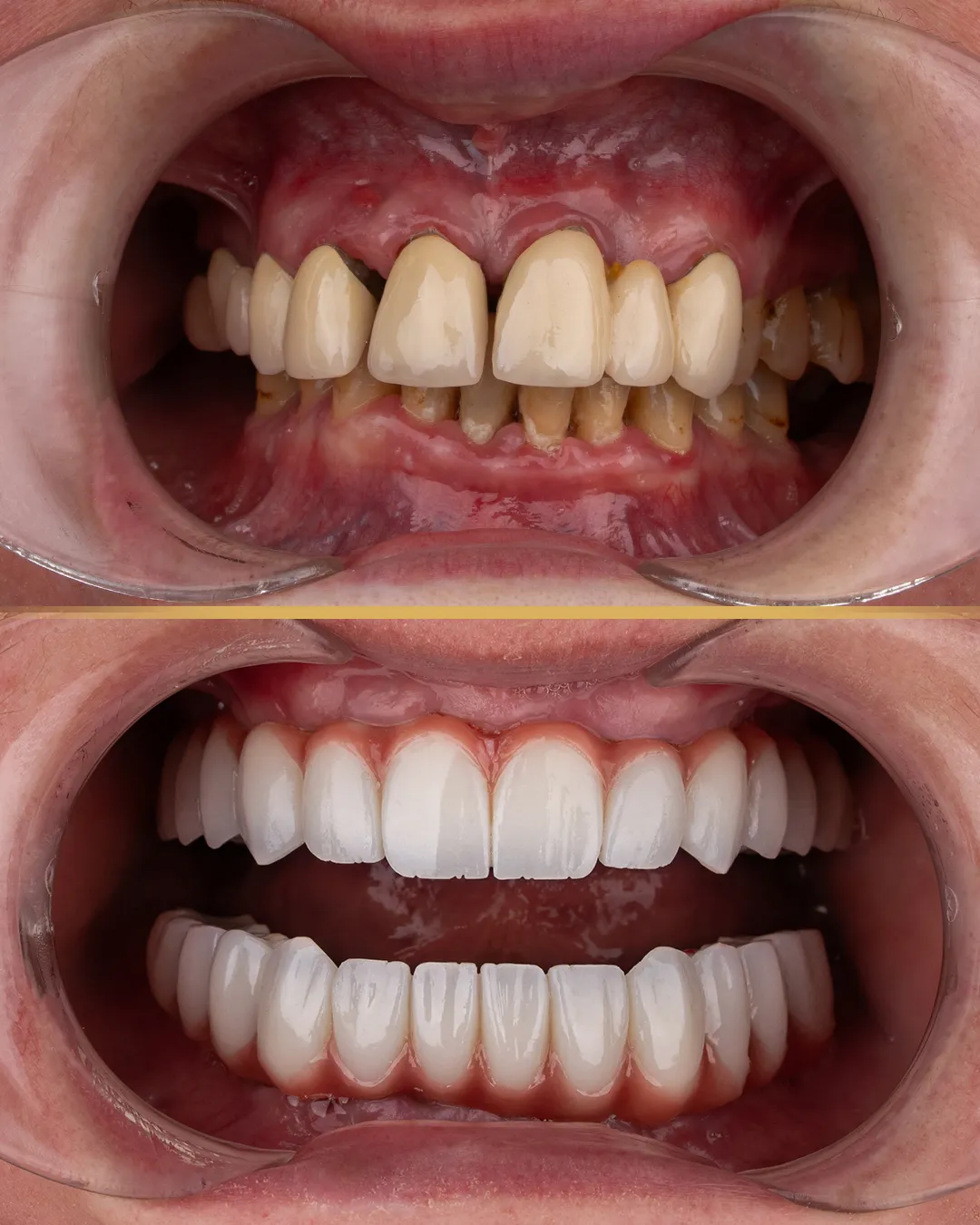
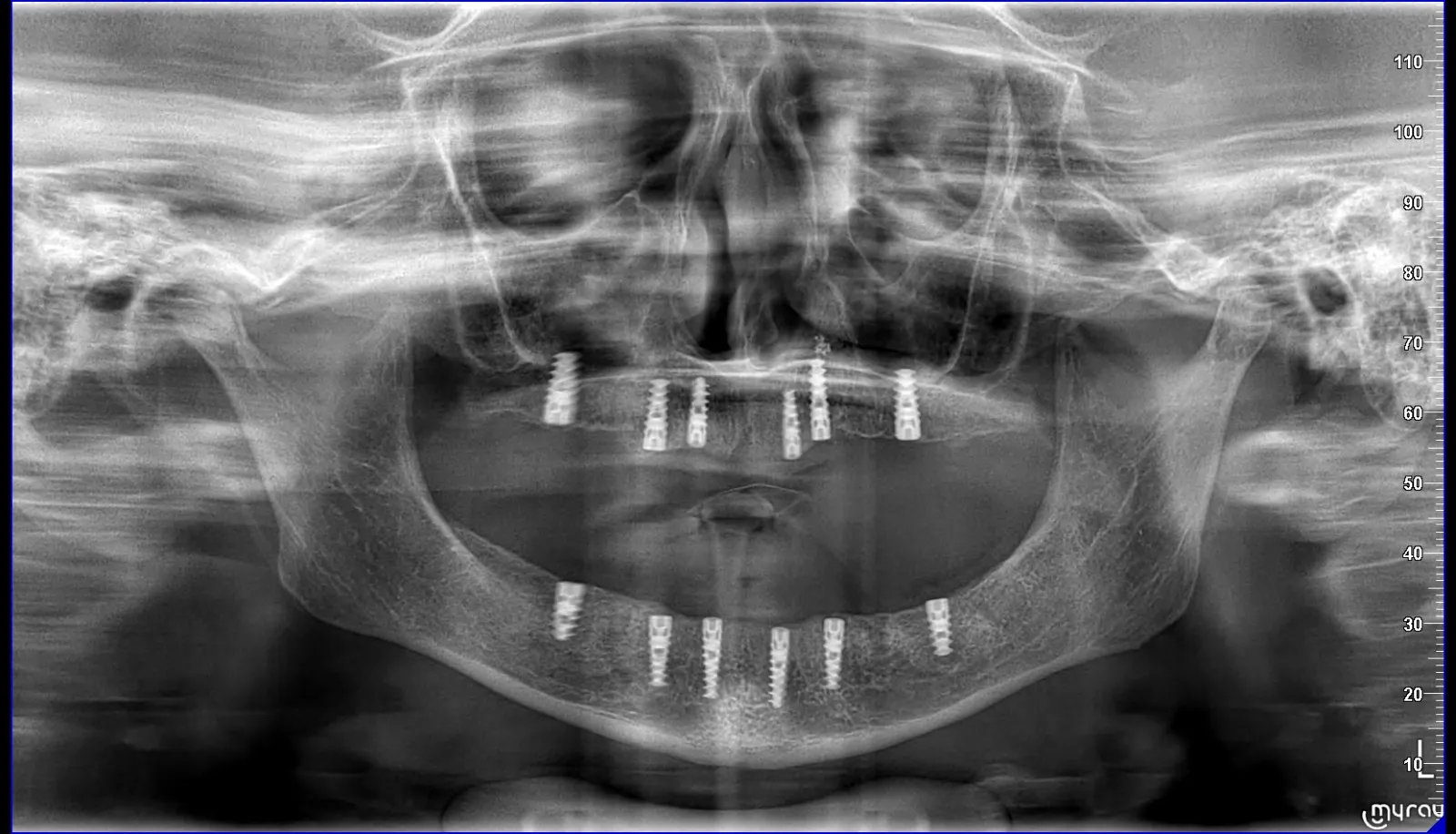
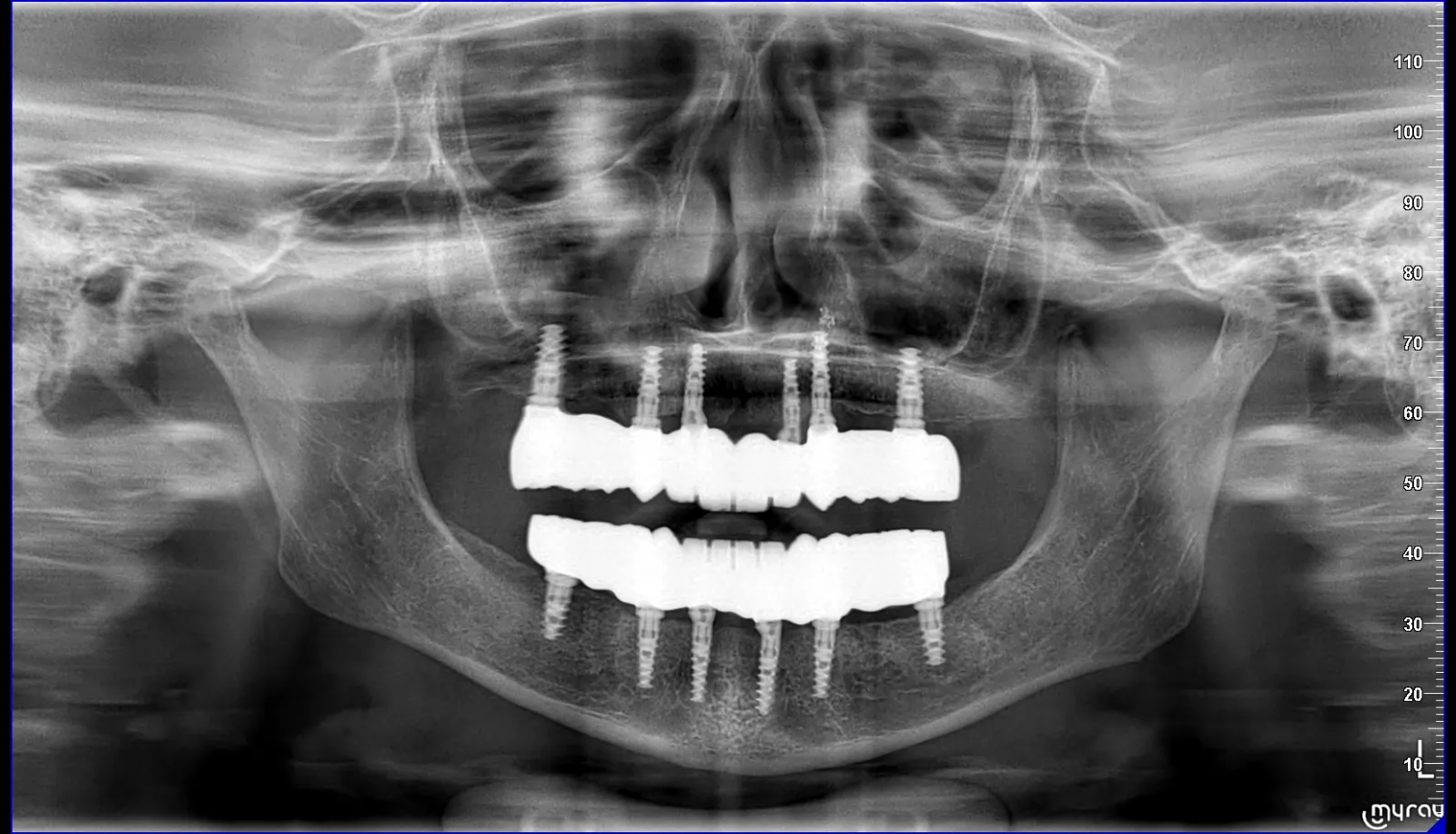
During an All-on-8 procedure, eight titanium implants are surgically placed into your jawbone at strategic positions. These implants act as artificial tooth roots that fuse with the bone through osseointegration. Once healed, they anchor a custom-made fixed bridge of replacement teeth. Because the prosthesis is securely attached, you enjoy improved chewing efficiency, clearer speech, and superior comfort compared to traditional dentures. If you are curious about alternative implant systems, learning about all on 4 problems can help you make an informed choice.


How Much Do All-on-8 Implants Cost Compared to Other Options?
When considering full-arch restoration, cost is a significant factor. All-on-8 dental implants typically range from $20,000 to $40,000 per arch, depending on the clinic, materials, and location. This is generally more than All-on-4 due to the additional implants, but the extra stability may be worth the investment for many patients. While traditional implant-supported dentures and individual implants can be more expensive over time, All-on-8 streamlines treatment and often requires fewer adjustments. Dr. Al-Samman emphasizes that a detailed quote should include surgery, implants, temporaries, the final prosthesis, and any needed bone grafts.
What Is the Recovery Time and Aftercare for All-on-8 Implants?
Recovery after All-on-8 surgery typically takes one to two weeks for initial healing, with most patients resuming normal activities quickly. Swelling, bruising, and mild discomfort are common but manageable with prescribed pain relief and cold compresses. A soft-food diet is essential for the first four to six weeks while the implants integrate. Here are 50 soft foods to eat after dental implant surgery. Maintain excellent oral hygiene by gently brushing and using antimicrobial mouthwash as directed. Regular follow-up visits allow your team to monitor healing. Dr. Al-Samman advises avoiding smoking and excessive alcohol, as these can impair recovery and increase complication risks.
What Are the Potential Risks and Complications?
As with any surgery, All-on-8 implants carry some risks. These include infection, nerve damage causing numbness, sinus issues in the upper jaw, and implant failure from poor osseointegration or excessive forces. Patients with uncontrolled diabetes, smoking habits, or poor oral hygiene face higher complication rates. A thorough pre-operative evaluation helps identify risk factors. Choosing an experienced surgeon and following post-operative instructions significantly lowers these risks. Dr. Al-Samman notes that a contingency plan, such as replacing a failed implant, should be discussed beforehand. Understanding how can you have dental implants if you have no teeth relates to your overall health is also important.
All-on-8 vs. All-on-4 vs. All-on-6 Dental Implants
All-on-8, All-on-6, and All-on-4 are full-arch dental implant treatment approaches designed to support a fixed replacement for an entire upper or lower arch of teeth. The main difference is the number of implants used to support the prosthesis, although implant position, bone availability, bite forces, and prosthetic design are also important. Read our detailed comparison of All-on-4 vs All-on-6 dental implants.
Feature | All-on-4 | All-on-6 | All-on-8 |
|---|---|---|---|
Number of implants | Four per arch | Six per arch | Eight per arch |
Main consideration | Strategic implant placement and efficient use of available bone | Additional implant support and distribution options | More potential support points when clinically appropriate |
Suitability | Depends on bone anatomy, bite forces, and the treatment plan | Depends on bone availability and prosthetic requirements | Depends on whether eight implants can be safely and appropriately placed |
Overall cost | Often lower | Often higher | Often higher due to additional implants and related procedures |
These comparisons are general, and actual treatment plans may differ. A higher number of implants does not automatically guarantee better results. The International Team for Implantology (ITI) reports that implant survival is not necessarily improved simply by increasing the number of implants supporting a full-arch fixed prosthesis.
The best approach depends on the patient's anatomy, the condition of any remaining teeth, the quality and quantity of available bone, the opposing teeth, and the design of the final restoration. A dentist should explain the benefits, limitations, costs, and alternatives before treatment begins.
Patient Experiences and What to Expect
While this article does not include first-hand patient stories, many individuals who have undergone All-on-8 treatment at Vitrin Clinic report dramatic improvements in function and aesthetics. Prospective patients are encouraged to request before-and-after photos or connect with past patients for deeper insights. Dr. Al-Samman believes in transparency, offering anonymized case studies that illustrate the journey from consultation to final restoration. These real-world examples can help set realistic expectations and highlight the transformative potential of All-on-8 implants.
Ready to transform your smile?
Talk to our team and get your FREE Treatment plan.
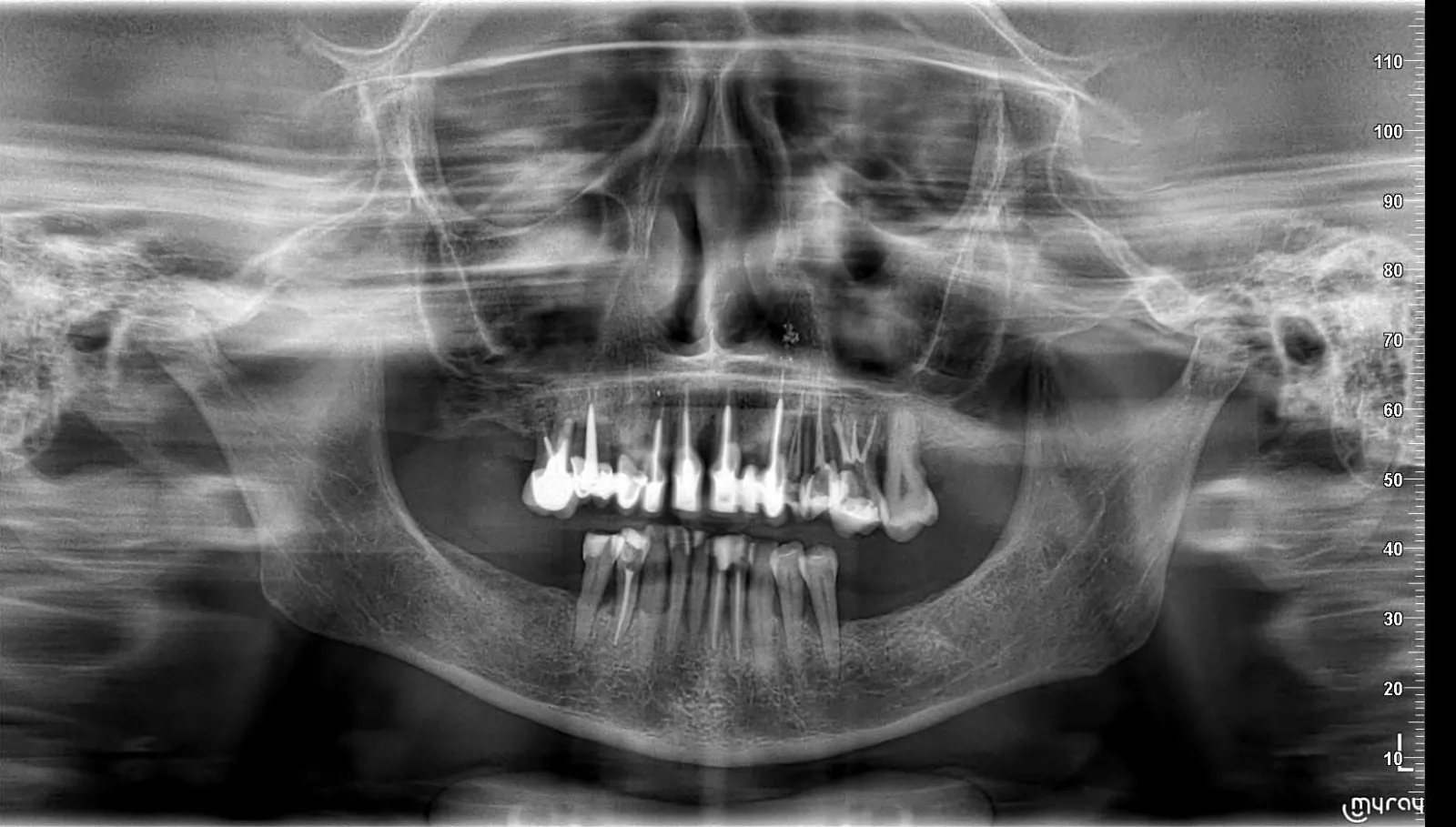
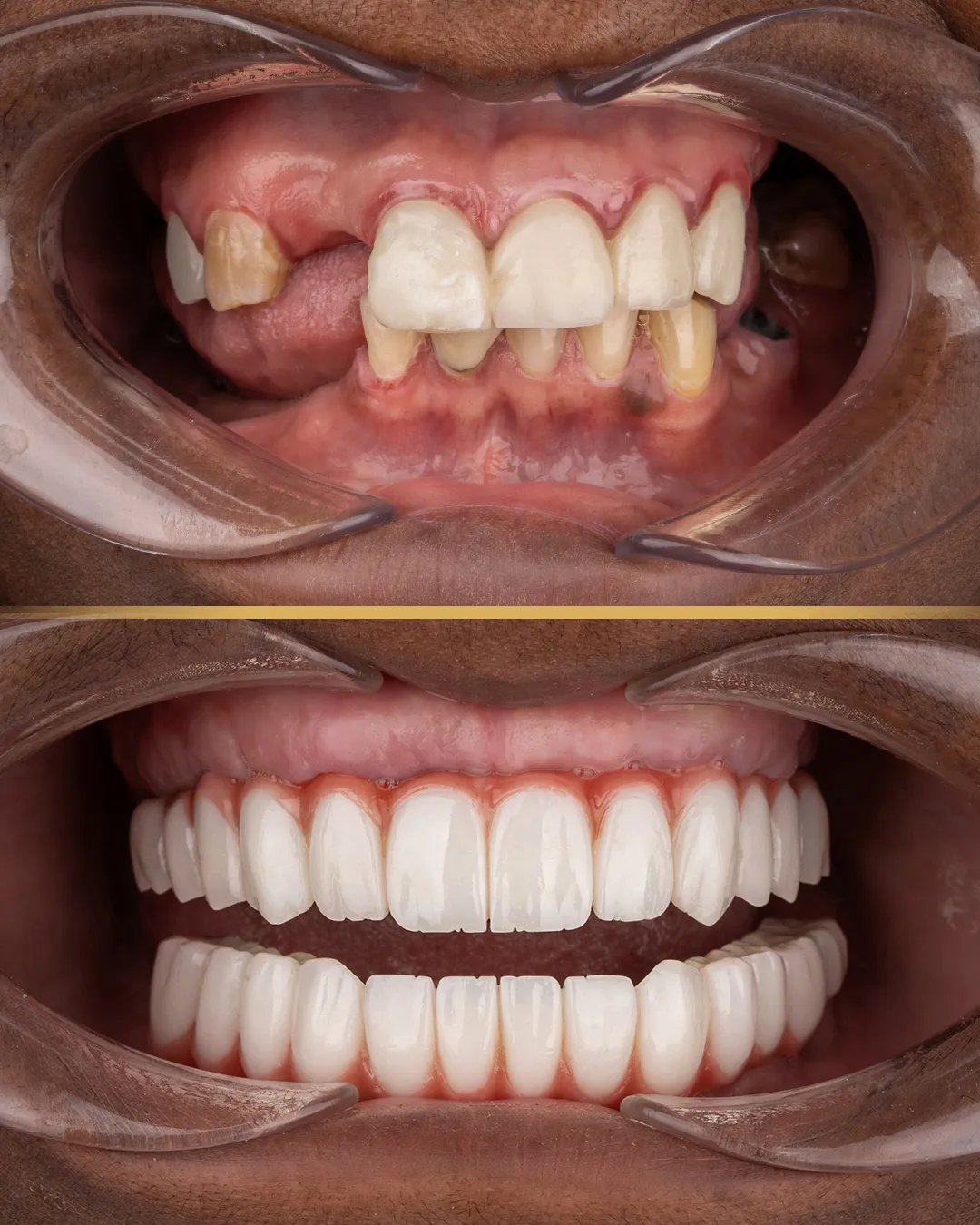
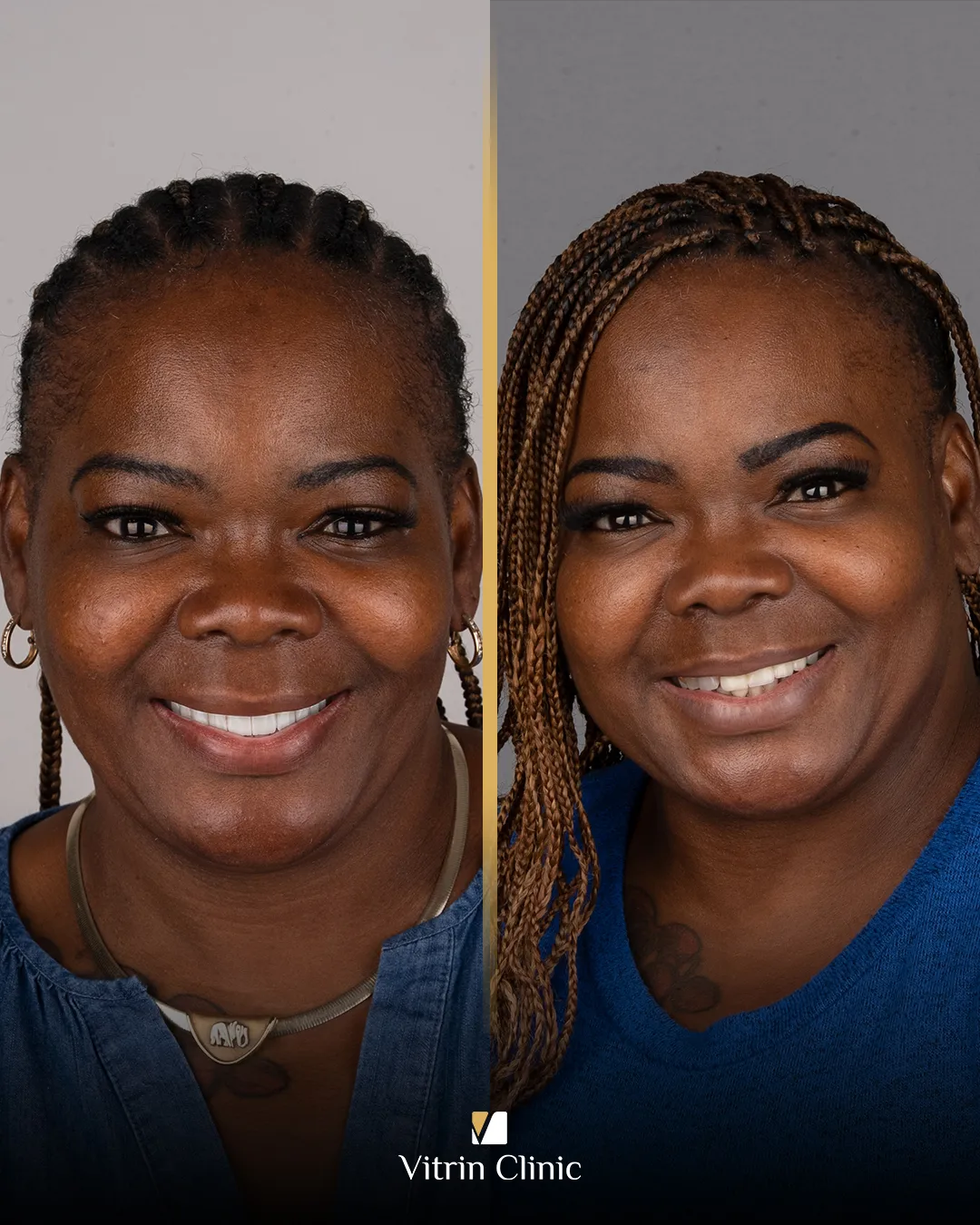
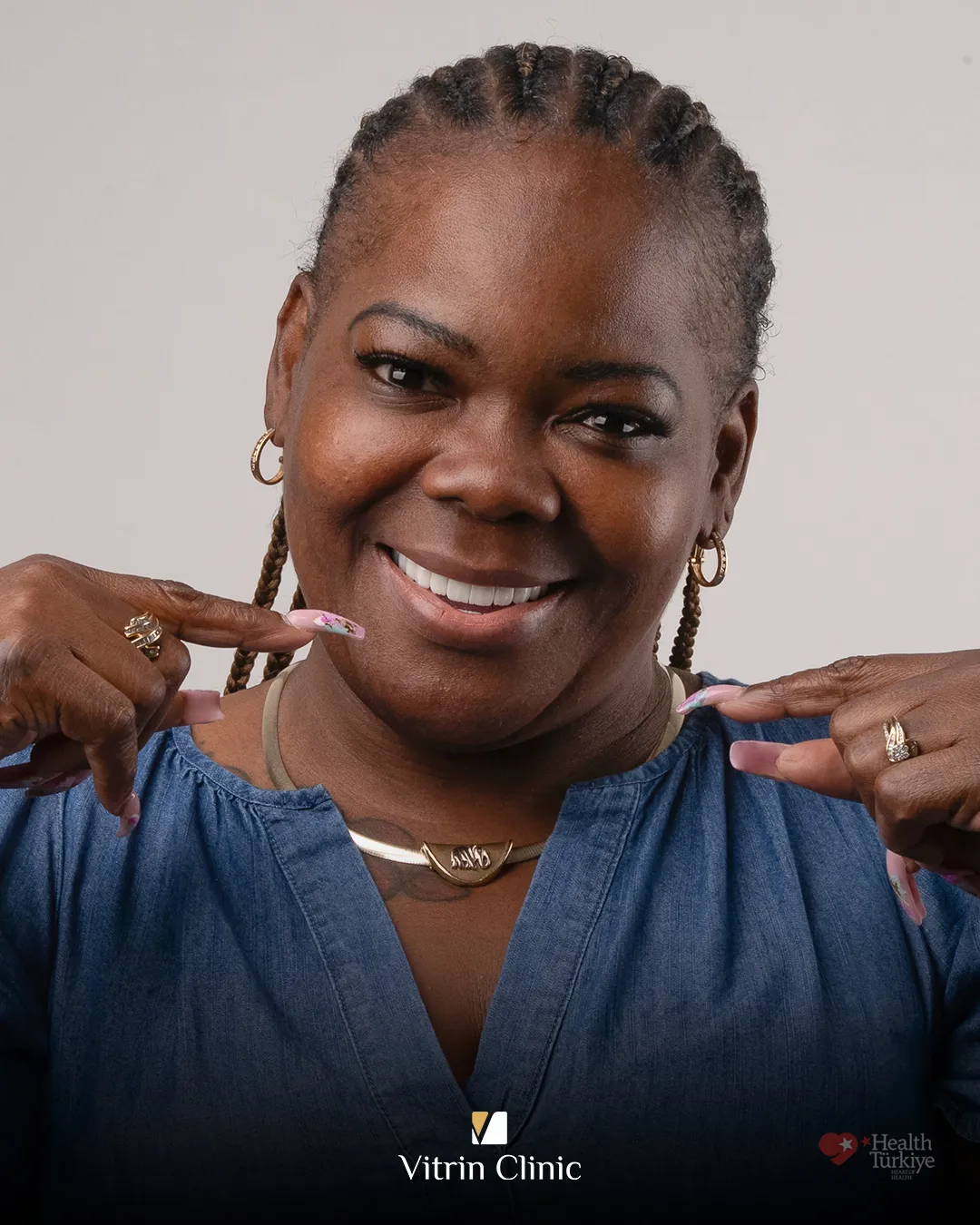
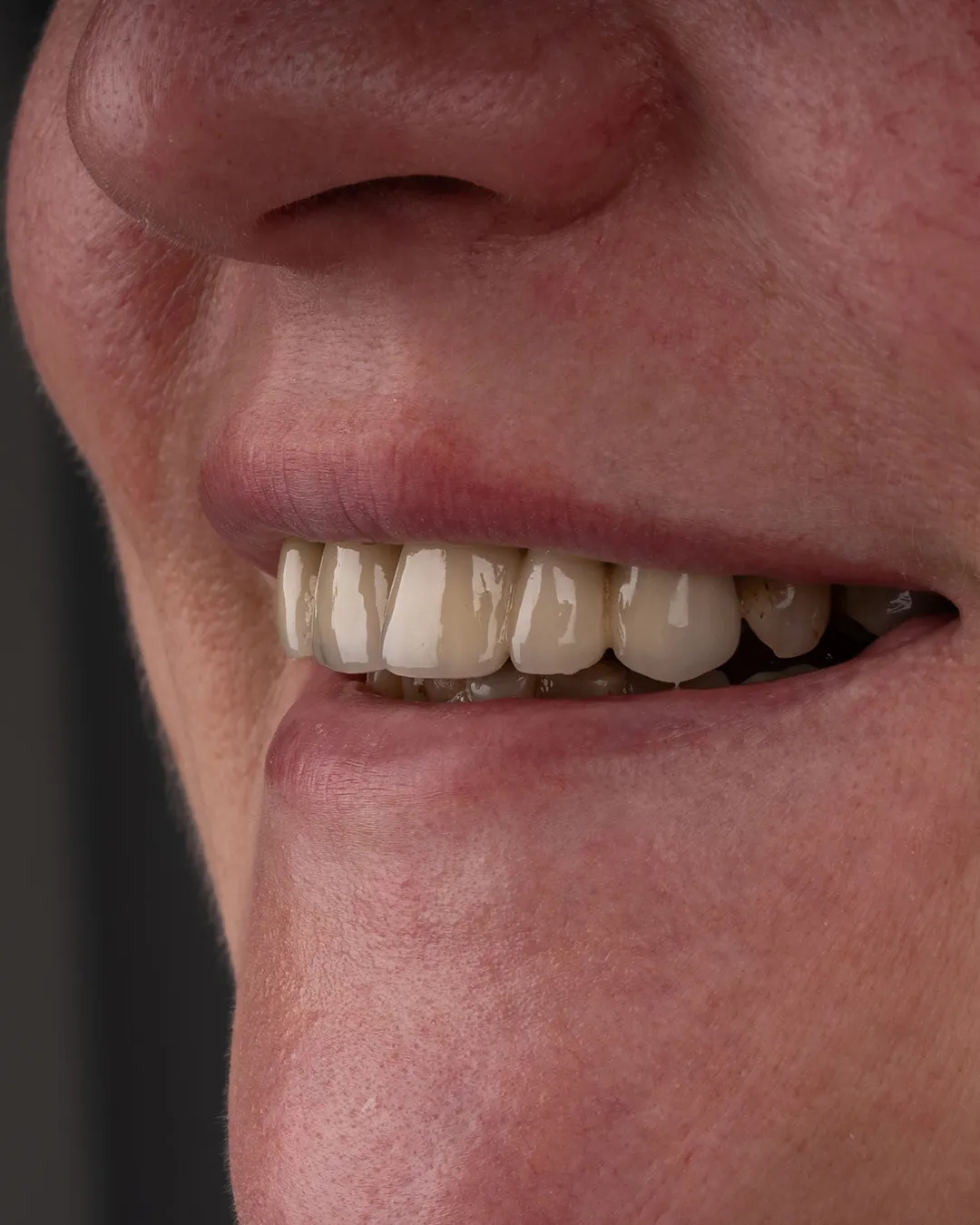
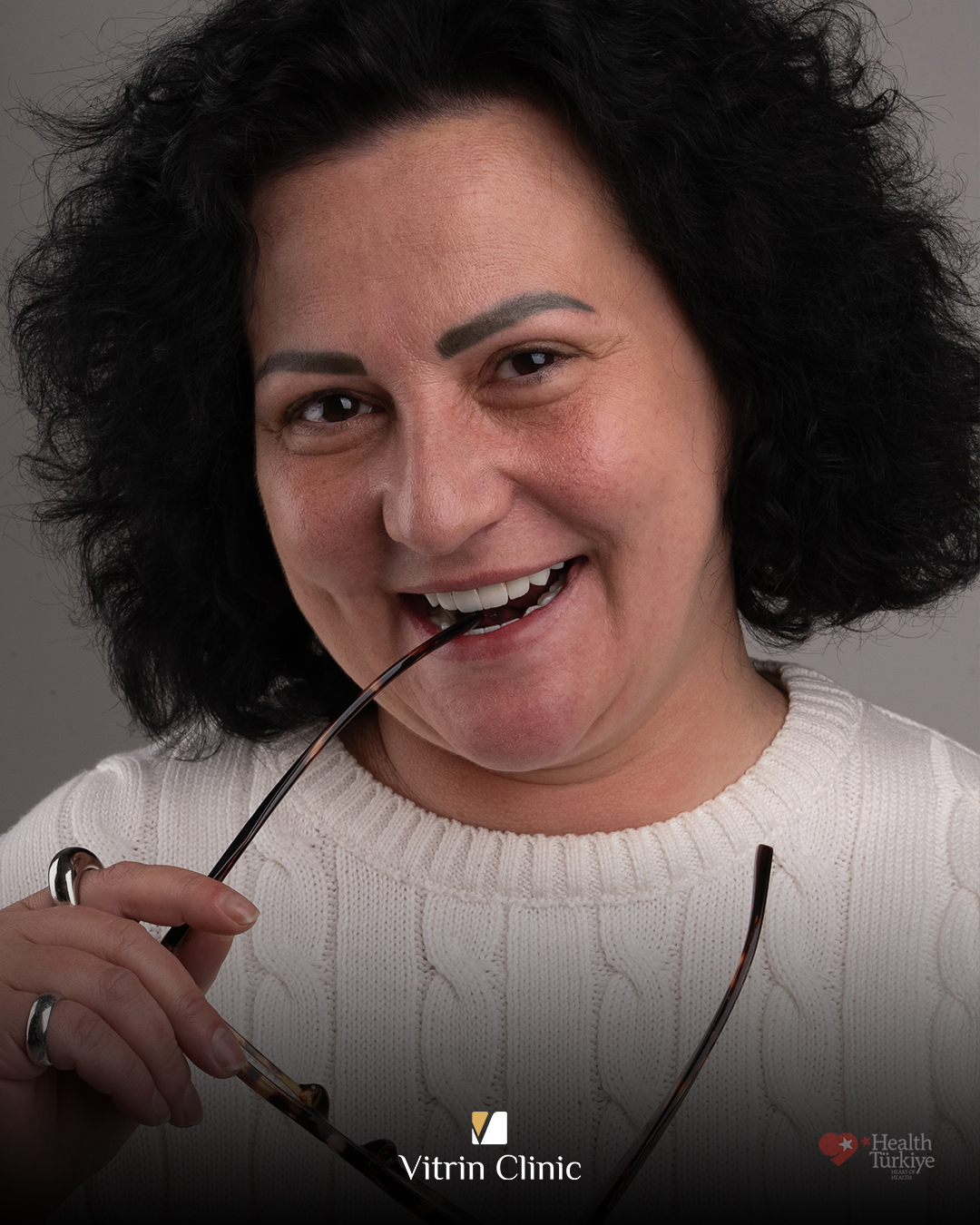
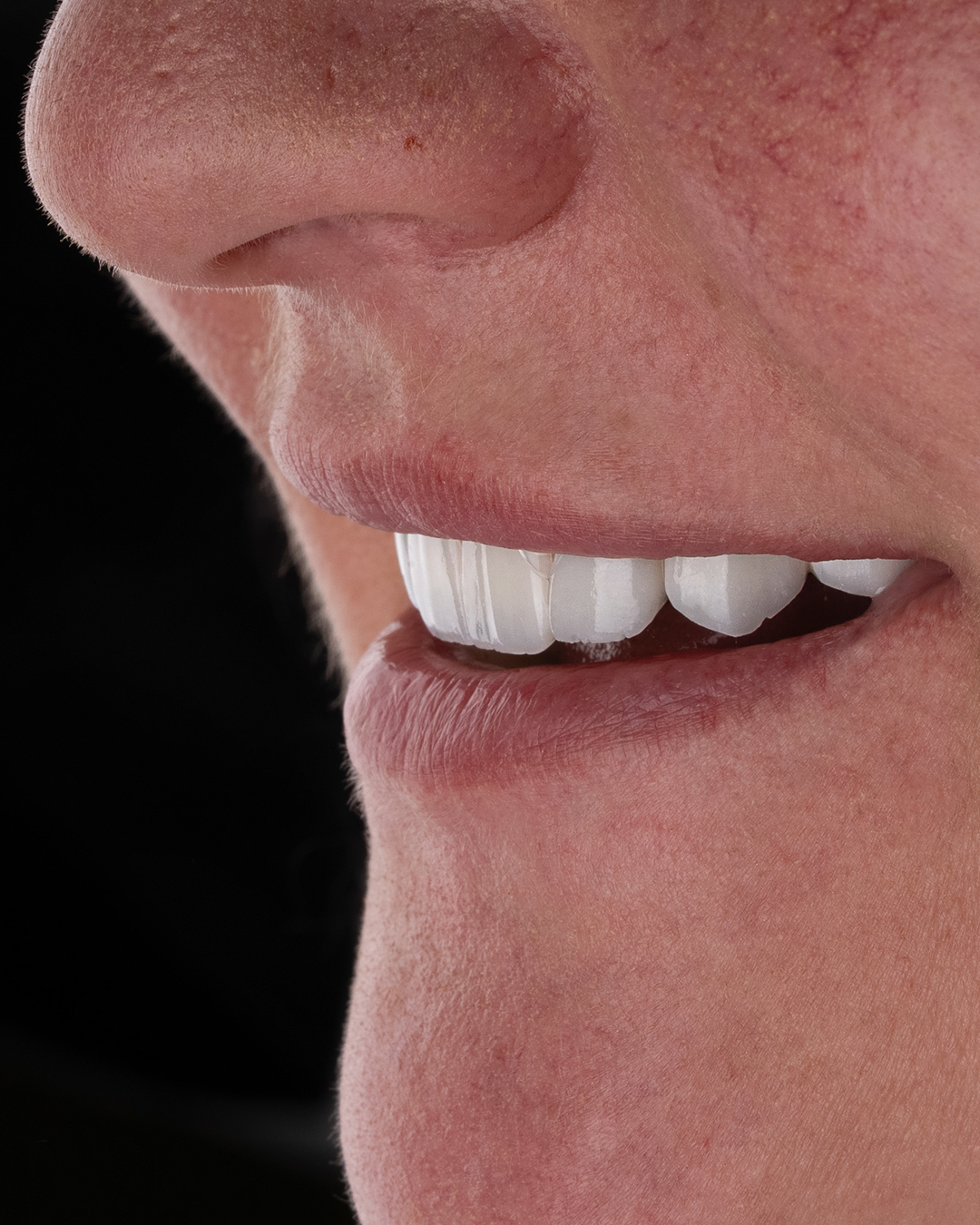
Case: All-on-X Dental Implants
Starting concern: Severely worn and failing upper teeth from years of night-time grinding, with loose teeth, bone loss and difficulty chewing
Treatment: All-on-X implants (4–6-8 implants, based on bone volume) on the upper jaw with a fixed zirconia bridge + custom night guard
Time in Istanbul: 2 visits, 5–7 days for implant surgery and temporary teeth, then 5–7 days after 3–6 months for the final bridge
Treatment goal: Replace failing teeth with a fixed, natural-looking smile, spread biting forces across the right number of implants, and protect the new bridge from grinding
Expertise and Credentials: Why Choose an Experienced Implant Dentist?
The success of your All-on-8 procedure depends heavily on the clinician's skill. Dr. Rifaat Al-Samman is a Doctor of Dental Surgery (DDS) from Izmir Katip Celebi University with additional training from the International University for Science & Technology. As the Director of the Medical Team at Vitrin Clinic in Istanbul, he brings extensive experience in complex full-mouth rehabilitations. He stays current with the latest advancements through continuous education and professional affiliations. Always verify your dentist's credentials and ask about their specific implant training and success rates.
What Are the Risks and Possible Complications of All-on-8?
All-on-8 dental implants can restore chewing function and appearance, but implant surgery and implant-supported prostheses carry potential risks. Understanding these risks helps patients make informed decisions.
Possible complications include:
Failure of osseointegration: An implant may fail to integrate properly with the surrounding bone and may need further treatment.
Infection and peri-implant disease: Inflammation can affect the tissues around implants, and advanced disease may lead to bone loss. Learn the signs and treatment of peri-implantitis.
Temporary discomfort and swelling: Pain, bruising, swelling, and minor bleeding may occur after surgery.
Mechanical complications: Screws may loosen, and the prosthesis may chip, fracture, or require repair.
Changes in the supporting bone or gums: Bone levels and soft tissues can change over time, making regular monitoring important.
Need for additional treatment: Some patients may require bone grafting, implant replacement, prosthesis adjustment, or other corrective procedures.
Individual risk depends on factors such as medical history, smoking, oral hygiene, bone conditions, implant positioning, bite forces, and maintenance. Eight implants do not eliminate the possibility of complications.
Before surgery, ask your dentist about the specific risks in your case, alternative treatments, the expected maintenance requirements, and what happens if an implant or part of the prosthesis fails
All-on-8 Recovery Timeline: What to Expect
Recovery after All-on-8 dental implant surgery varies according to the complexity of the procedure, the patient's health, and whether additional treatments such as bone grafting are needed.
Immediately After Surgery
Some swelling, tenderness, bruising, and minor bleeding may occur. Your dental team will provide instructions about pain management, oral hygiene, and eating. Follow these instructions carefully and contact your clinician if symptoms worsen or become concerning.
The First Few Weeks
The surgical sites begin to heal, but the implants may still need time to integrate with the bone. Patients are generally advised to follow the recommended diet, avoid excessive pressure on the healing implants, and attend scheduled reviews.
Osseointegration and Final Restoration
Osseointegration is the process through which the bone bonds with the implant surface. It commonly takes several months, although the exact timeline varies. Once the dentist determines that the implants and surrounding tissues are ready, the final prosthesis can be fitted or adjusted according to the treatment plan.
Can You Get Teeth on the Same Day?
In selected cases, a temporary fixed prosthesis can be attached on the day of implant surgery or shortly afterward. This is known as immediate loading. Learn more about immediate dental implants. It is not suitable for every patient and depends on factors such as primary implant stability, bone conditions, bite forces, and the planned restoration.
Receiving temporary teeth immediately does not mean the implants have completed healing. Patients must follow their clinician's instructions until the final restoration is ready.
Eating After All-on-8 Dental Implant Surgery
Your diet plays an important role in protecting the surgical sites and healing implants. Your dentist will recommend the appropriate food texture and duration of dietary restrictions for your particular case.
During the initial healing period, patients are commonly advised to choose soft foods that require minimal chewing. Depending on the treatment plan, suitable options may include mashed vegetables, eggs, yogurt, soft fish, and other foods that do not place excessive pressure on the implants.
As healing progresses, your dentist may gradually allow a wider range of foods. Avoid hard, crunchy, sticky, or very chewy foods until your clinician confirms that they are appropriate.
Even after receiving the final prosthesis, good chewing function does not mean the restoration is indestructible. Avoid using your teeth to open packaging or bite objects, and discuss any persistent discomfort or changes in your bite with your dentist.
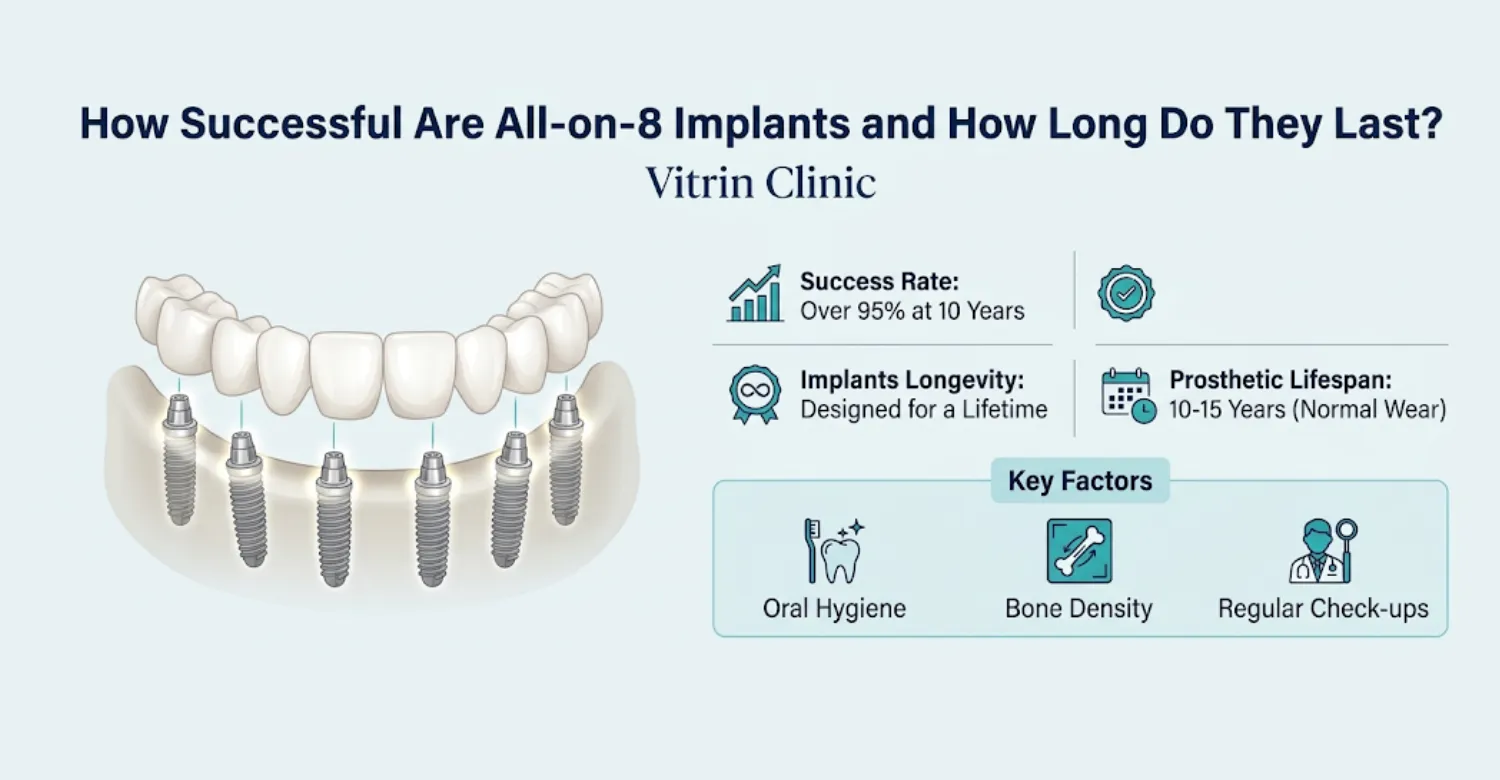
How Long Do All-on-8 Dental Implants Last?
The lifespan of All-on-8 treatment depends on several factors, including bone health, implant integration, prosthesis design, oral hygiene, smoking habits, bite forces, and regular professional maintenance.
It is important to distinguish between the implants themselves and the replacement teeth attached to them. Implants can remain functional for many years, but the bridge or prosthesis may require maintenance, repair, or replacement over time due to normal wear or complications. Find out how long dental implants last.
To help protect your restoration:
Brush carefully around the prosthesis and gumline every day.
Use interdental cleaning tools or other devices recommended by your dentist to clean beneath the bridge. See how to clean full-arch implant bridges step by step.
Attend regular implant maintenance appointments.
Seek assessment if you notice bleeding, swelling, persistent bad breath, pain, or movement in the prosthesis.
Discuss a night guard with your dentist if you grind or clench your teeth.
Avoid smoking and follow advice on managing factors that may affect implant health.
No treatment can guarantee a lifetime result. A personalized maintenance plan is essential for monitoring the implants, the surrounding tissues, and the prosthesis.
Schedule Your Consultation
If you are considering All-on-8 dental implants, contact Vitrin Clinic in Istanbul for a comprehensive virtual consultation. Our team will evaluate your oral health, discuss your goals, and provide a transparent, personalized treatment plan. Reach out via our website's contact form, email, or phone to take the first step toward a renewed smile. We prioritize your comfort and satisfaction from the first inquiry through final follow-up.
This article is for informational purposes only and does not replace professional medical advice. Individual results may vary. Please consult your dental provider to discuss your specific situation. Vitrin Clinic respects your privacy; review our privacy policy on our website for more details.
Medical Disclaimer
This article is for general information and does not replace a personal assessment by a qualified dentist. Prices are approximate 2026 averages, with UK and Turkey figures converted to US dollars, and may vary by clinic and case.
Book your free consultation with Vitrin Clinic and get a personalized assessment and treatment plan from our dental team





Resources
FAQs
All-on-4 uses four implants per arch, while All-on-8 uses eight, which spreads chewing forces and adds stability. All-on-8 needs more bone volume and usually costs more. Your 3D scan decides which option suits you.

Dr. Rifat Alsaman has more than 5 years of clinical experience in dentistry and currently serves as the Head of the Medical Team at Vitrin Clinic. He is dedicated to providing exceptional patient care, overseeing treatment planning, and ensuring the highest clinical standards across the team. His expertise, attention to detail, and commitment to continuous professional development have helped countless patients achieve healthier, more confident smiles.


