Audience FAQs
June 14, 2026
What are spacers orthodontics ? Purpose and types explained
 Dr. Rifat Alsaman
To answer the question "What are spacers orthodontics," spacers in orthodontics. Also known as orthodontic separators, are small but essential devices used at the early stage of certain orthodontic treatments, especially. Before the placement of braces. Their main purpose is to create tiny, controlled spaces between teeth, usually the back molars. So that orthodontic bands can later be fitted properly. Even though they are small and temporary, spacers play a very important role in ensuring that braces treatment begins correctly. And progresses smoothly.
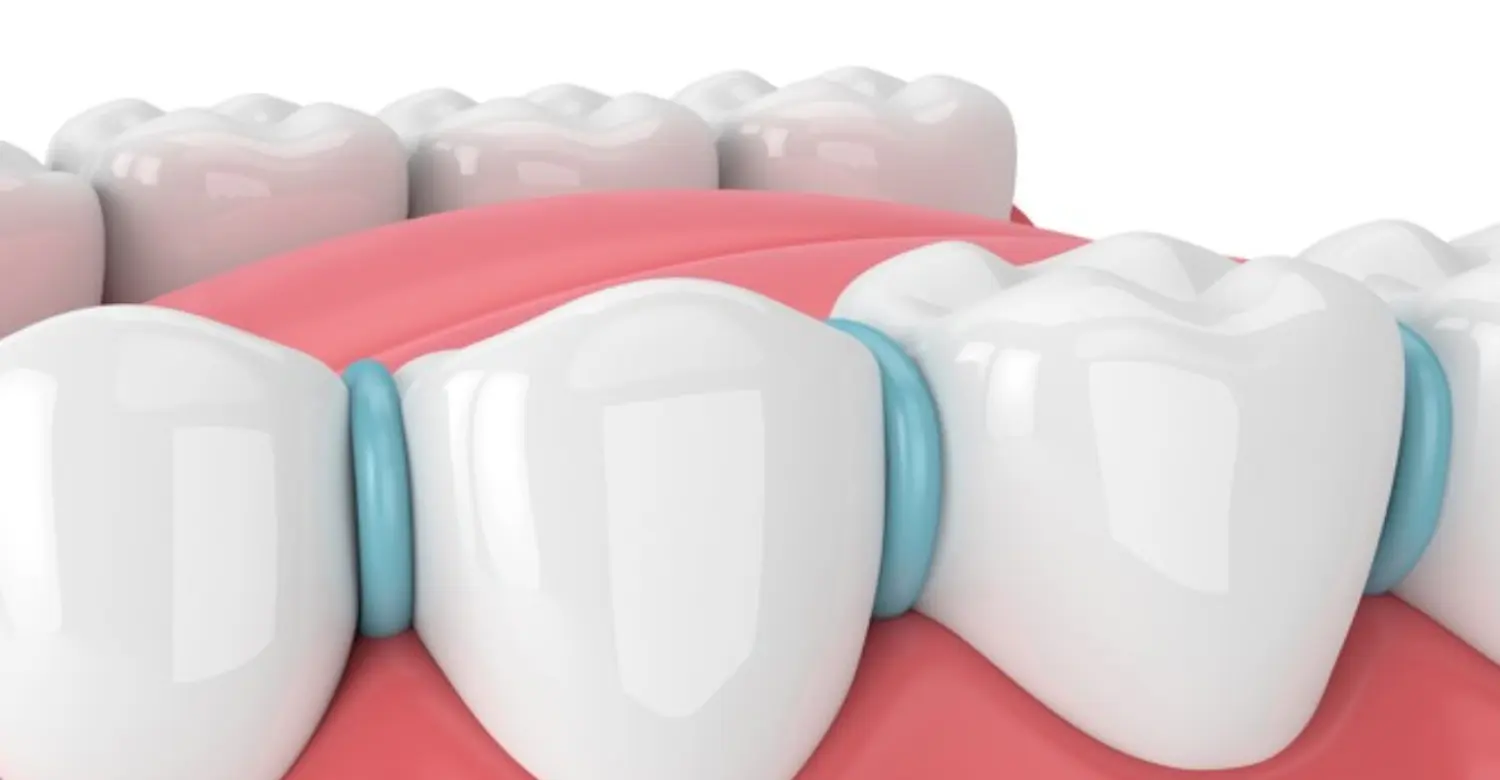
Spacers are commonly made from two main materials: elastic rubber or stainless steel. Elastic spacers are the most frequently used type. They look like small, tight rubber rings, often blue or green in color. The orthodontist stretches these rings and carefully inserts them between the teeth using dental floss or a special tool. Once placed, they slowly push the teeth apart. The second type, metal spacers, are tiny spring-like devices made of stainless steel. These are usually inserted directly by the orthodontist and are less commonly used than elastic ones. Both types serve the same function, but the choice depends on the patient’s dental condition and the orthodontist’s preference. Related read: what orthodontic braces are made of.
The reason spacers are needed is due to how tightly molars sit against each other. In most patients, the back teeth are in direct contact with almost no natural space between them. However, orthodontic treatment often requires metal bands to be placed around these molars as anchors for braces. Without creating a small gap, it would be extremely difficult or even painful to force these bands into place. Spacers solve this issue by gently and gradually pushing the teeth apart just enough to allow the bands to fit comfortably and securely.
Rubber Spacers vs. Metal Spacers: How Orthodontists Choose
Both rubber (elastic) and metal spacers accomplish the same goal, but orthodontists don't choose between them randomly. The decision usually comes down to how much space needs to be created and how the patient's teeth are positioned.
Rubber spacers are used in the majority of cases, particularly when the teeth are only slightly crowded and a small. Gradual separation is enough to prepare the molar for a band. They're less noticeable, generally more comfortable, and easier for the orthodontist to place quickly during a routine visit.
Metal spacers are reserved for cases where the teeth are more tightly packed and a rubber spacer wouldn't create enough. Space on its own, or in situations where a rubber spacer has already been tried and didn't achieve the needed. Separation. Because metal spacers apply more consistent pressure, they can move teeth apart more effectively in these tighter cases.
Most patients only ever need the rubber type. We reach for metal spacers specifically when the molars are sitting very close together and the elastic ring simply won't. Create enough room for the band to seat properly," says Dr. Sami Assani, Specialist Orthodontist at Vitrin Clinic.
What are spacers orthodontic & When Are Spacers Placed Relative to Your Braces Appointment?
Spacers are almost always placed about one week before the braces installation appointment. This timing gives the rubber or metal spacer enough time to gradually widen the space between the molars, typically the. 5 to 10 days mentioned earlier, so that by the time the patient returns, there's just enough room for the. Orthodontist to fit the molar bands smoothly.
Scheduling it this way also means the patient only needs one extra short visit before the main braces appointment, rather. Than adding significant time to the overall treatment timeline. If the orthodontist checks and finds that not quite enough space has been created, they may ask the patient to. Keep the spacers in for a few additional days before proceeding.
In a single treatment plan
an orthodontist may place anywhere from one to twelve spacers, depending on how many molars need banding and how much. Separation each area requires.
Once spacers are placed, patients typically begin to feel pressure almost immediately. This sensation is often described as tightness, soreness, or a feeling that something is stuck between the teeth. This discomfort is completely normal and actually indicates that the spacers are working. The pressure is caused by the gradual movement of the teeth as the spacers expand the space between them. The most noticeable discomfort usually occurs within the first 24 to 48 hours after placement. After this period, most patients report that the sensation becomes more manageable as they get used to it. Read also: do you really need orthodontic treatment.
Pain levels vary from person to person, but in most cases, spacers cause mild to moderate discomfort rather than severe. Pain. Over-the-counter pain relievers can be used if necessary, and orthodontists often recommend eating soft foods during the first few days. Foods like yogurt, mashed potatoes, soup, scrambled eggs, and smoothies are commonly suggested because they require minimal chewing and reduce. Pressure on the teeth. Patients are also advised to avoid hard, sticky, or chewy foods such as gum, caramel, popcorn. And nuts, as these can dislodge the spacers or reduce their effectiveness.
Typical Duration of Spacer Wear
Spacers are not meant to stay in the mouth for a long time. Typically, they remain in place for about 5 to 10 days, depending on how quickly the necessary space is created. In some cases, they may be worn for a shorter or slightly longer period depending on the patient’s dental structure and how tightly the teeth are positioned. During this time, the orthodontist may check progress to ensure that enough space is being created for the molar bands.
Once the spacers have done their job and sufficient space has been achieved, the orthodontist removes them easily and proceeds with the next step of treatment. This usually involves fitting metal bands around the molars and beginning the braces installation process. At this stage, the teeth are already slightly separated, making the placement of orthodontic appliances much more comfortable and precise. Learn more: do orthodontists remove wisdom teeth.
Proper care during the spacer phase is very important. Maintaining good oral hygiene helps prevent food from getting stuck around the spacers and reduces the risk of gum irritation. Patients are encouraged to brush gently but thoroughly and to be careful when flossing. Some patients find flossing more difficult during this stage, but it is still important to keep the area clean. If a spacer falls out before the scheduled orthodontic appointment, the patient should contact the orthodontist, as it may need to be replaced depending on whether enough space has already been created.
Why Spacers Are Essential
Although spacers are small and temporary, their importance in orthodontic treatment should not be underestimated. They ensure that the next stages of braces placement are accurate and efficient. Without spacers, placing molar bands would be uncomfortable, difficult, and less precise, which could affect the overall success of the treatment. By creating just the right amount of space, spacers help orthodontists achieve better alignment and more predictable results. Explore: dental insurance for orthodontics.
What Happens During Your Spacer Placement Visit
The spacer placement appointment is short, but it typically follows a few consistent steps:
Evaluation. The orthodontist checks the current spacing between the molars and confirms which teeth need spacers based on the treatment plan.
X-rays, if needed. If updated imaging hasn't already been taken as part of the treatment plan, the orthodontist may take X-rays to confirm. Root position and molar alignment before placing anything between the teeth.
Cleaning. The teeth are cleaned to remove plaque or debris from the contact points where the spacer will sit, reducing the. Risk of irritation during the days the spacer is in place.
Placement. Using dental floss or a specialized applicator, the orthodontist stretches and guides the elastic spacer into the tight contact point. Between the molars (or inserts the metal spring-style version directly, for metal spacers).
Aftercare instructions. The patient is given guidance on soft foods, pain relief. And oral hygiene for the following 5 to 10 days, along with the date of the follow-up appointment for band. And braces placement.
The whole visit is usually quick, often shorter than a typical cleaning appointment, since there's no drilling or anesthesia involved.
Benefits and Disadvantages of Spacers
Benefits
Painless band fitting. Spacers create room in advance. This makes molar band placement more comfortable.
Better-fitting bands. Gradual separation allows bands to seat precisely. This supports predictable results with braces.
Short commitment. Spacers stay in for about 5 to 10 days. That is a brief phase compared to full treatment.
Simple, low-risk procedure. Placement takes only a few minutes. It needs no anesthesia or invasive steps.
Disadvantages
Temporary discomfort. Most patients feel pressure or soreness. This is common in the first 24 to 48 hours.
Dietary restrictions. Hard, sticky, and chewy foods must be avoided. This can be inconvenient for a week or more.
Extra appointment. Spacers require a separate visit before braces. This adds one more step to the timeline.
Risk of falling out early. A spacer may dislodge before enough space forms. Then it may need replacement, which can delay treatment.
What We Notice Clinically
Beyond the research, day-to-day experience shows consistent patterns in the clinic.
Dr. Rifat Alsaman, Head of the Medical Team at Vitrin Clinic and a cosmetic dentist, notes that most discomfort happens in. A narrow window: "In our practice, we find that the first 24 to 48 hours are when patients feel it. The most. Once that window passes, most people forget the spacers are even there until it's time to come back in."
This matches how spacers are explained to patients. The pressure is a sign the spacer is working, not a sign of a problem.
Dr. Rifat Alsaman also points out that choosing between rubber and metal spacers is rarely difficult. "For the vast majority of patients we see, a simple rubber spacer is more than enough. We only move to the metal type when the molars are sitting unusually close together. And that's a small minority of cases."
He adds that patients who follow soft-food guidance have a smoother week. "The patients who stick to softer foods for those five to ten days almost never come back with a lost. Spacer. It's a small adjustment that saves them an extra visit."
Conclusion
Spacers in orthodontics are simple devices with an important function. They gently separate teeth to prepare the mouth for braces. This ensures orthodontic bands fit properly and comfortably. They may cause temporary discomfort and require dietary adjustments. Still, they are a crucial first step for successful treatment and long-term alignment. Find out more: what is an orthodontic lifetime maximum.
References
The clinical information in this article is consistent with findings published in peer-reviewed orthodontic and dental literature:
FAQs
Dr. Rifat Alsaman has more than 5 years of clinical experience in dentistry and currently serves as the Head of the Medical Team at Vitrin Clinic. He is dedicated to providing exceptional patient care, overseeing treatment planning, and ensuring the highest clinical standards across the team. His expertise, attention to detail, and commitment to continuous professional development have helped countless patients achieve healthier, more confident smiles.


