Endodontics
June 4, 2026
When Is RCT Required? Explaining Signs, Procedure, and What to Expect
 Dr. Rifat Alsaman
Understanding when is RCT required is one of the most important things a dental patient can learn. Root canal treatment, or RCT, addresses severe internal tooth damage. It treats issues that a simple filling cannot fix. When infection or injury reaches the pulp, the soft tissue containing nerves and blood vessels, the entire tooth structure becomes compromised.
This guide explains every aspect of the root canal procedure. You will learn how to recognize symptoms and what to expect during recovery. Ultimately, this information helps patients make informed decisions about their oral health with clarity and confidence.
Root Canal Treatment in Simple Clinical Terms for rct
Root canal treatment (or endodontic therapy) is a clinical procedure that removes infected or inflamed pulp tissue from inside a tooth.
When Is Root Canal Treatment Required
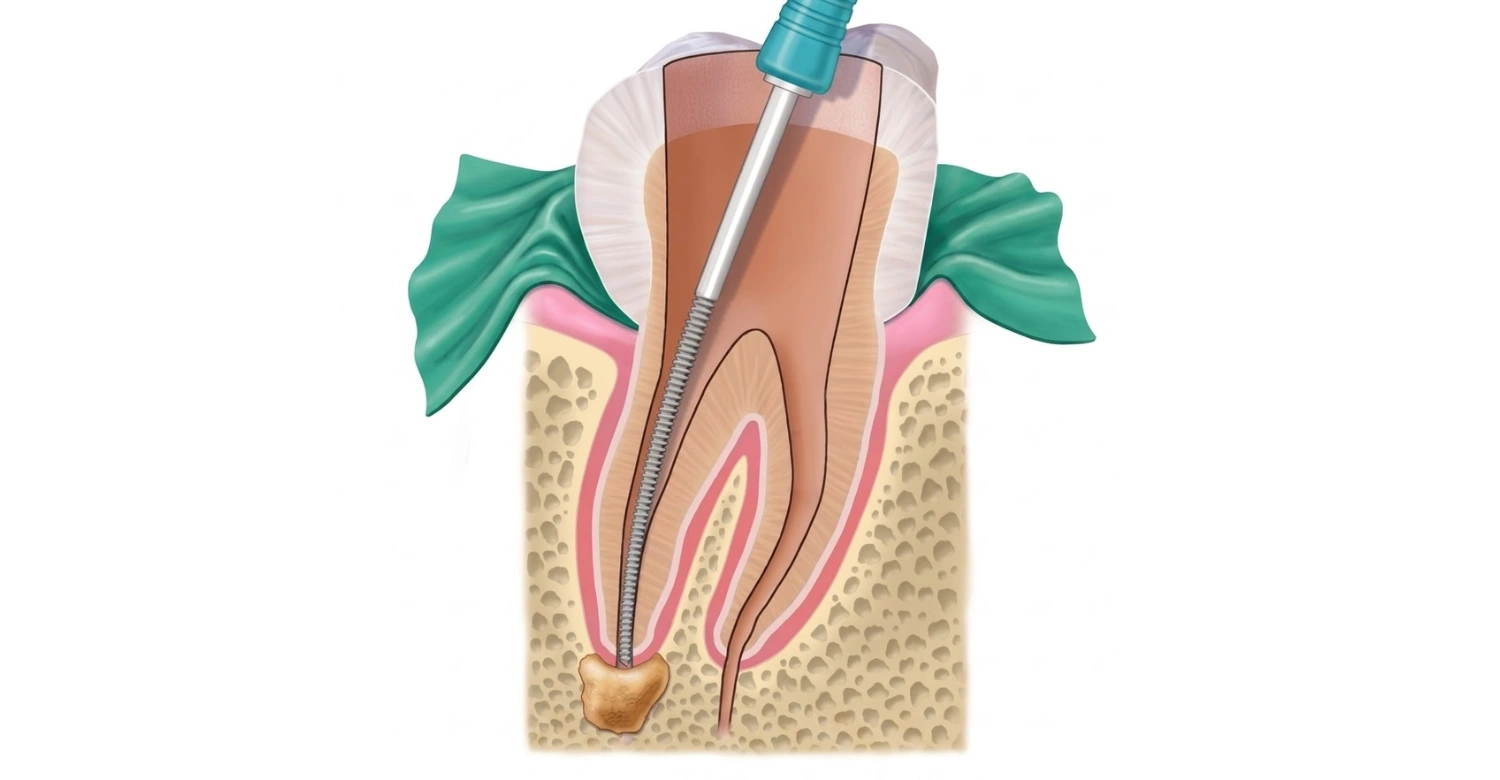
Accessing the Pulp Chamber: Creating a small opening in the tooth structure.
Removing Damaged Tissue: Clearing out infected nerve tissue and blood vessels.
Shaping & Disinfecting: Cleaning and enlarging the internal canals with precision instruments.
Obturation & Root Filling: Sealing the disinfected canals permanently with biocompatible material (usually gutta-percha).
When Is a Root Canal Treatment Required?
Root canaling meaning refers to the process of treating the inner canals of a tooth's root system. Endodontic therapy is the branch of dentistry that diagnoses and treats conditions affecting the dental pulp and surrounding tissues.
The tooth root canal process follows several key steps:
Accessing the pulp chamber
Removing damaged or infected tissue
Shaping the internal canals
Sealing the space permanently
When is RCT required? It is needed when the nerve and blood supply inside a tooth are compromised. This damage often stems from deep decay, trauma, or untreated infection that spreads from the tooth surface down to the sensitive inner pulp.
When Is a Root Canal Treatment Required
Is root canal endodontics? Absolutely. Root canal treatment falls entirely within the specialty of endodontics.
The endodontic procedure steps match those of a standard root canal:
Access opening
Pulp removal
Canal shaping
Irrigation
Obturation (sealing)
These terms are often used interchangeably in clinical settings. Endodontic therapy refers to the overall specialty. A root canal refers to the specific treatment performed on the tooth's inner canals. When patients encounter either term, they can feel confident that both refer to the exact same goal: preserving the natural tooth.
When Is Root Canal Treatment Required
What is root filling? It is the biocompatible material used to permanently seal cleaned and shaped canals after pulp removal. Gutta-percha, a rubber-like compound, is the most common root filling material used in endodontics.
The filling on root canal prevents bacteria from re-entering the canal system and causing reinfection. A proper root filling seals the full length of each canal down to the apex. Without an adequate seal, the tooth remains vulnerable to recontamination. When is RCT required and completed correctly, this internal seal guarantees the long-term success of the entire treatment.
When Is a Root Canal Required?
A common misconception is that root canal treatment kills the tooth. Does a root canal kill the tooth?
Technically, tooth nerve removal eliminates the living pulp tissue. As a result, the tooth no longer has a nerve supply or sensation. However, the tooth remains anchored in the jaw through the periodontal ligament and continues to function normally. The physical structure, root, and crown are fully preserved.
A root-treated tooth can last decades with proper care and a protective crown. Rather than killing the tooth, RCT is a life-extending procedure. When is RCT required and performed correctly, it genuinely rescues the tooth from inevitable extraction.
When Is a Root Canal Treatment Required
Fear of root canal pain prevents many people from seeking treatment. However, modern dentistry tells a very different story. According to data published by the American Association of Endodontists, only about 17% of patients describe a root canal as their most painful dental experience.
In reality, most discomfort comes from the underlying infection rather than the treatment itself. Local anesthesia effectively numbs the area during the procedure. This makes the experience comparable to receiving a routine dental filling.
At Vitrin Clinic, patient comfort is prioritized throughout every stage of care:
Modern Anesthetics: Advanced numbing protocols ensure a painless procedure.
Digital Diagnostics: Precise imaging helps target the problem accurately.
Minimally Invasive Protocols: Gentle techniques reduce anxiety and speed up recovery.
Treating the infection early minimizes discomfort and supports a much smoother recovery process.
When Is a Root Canal Necessary? for rct
A root canal is necessary when the tooth pulp becomes infected, inflamed, or permanently damaged due to deep decay, cracks, trauma, or repeated dental procedures. The treatment removes the infected tissue, relieves root canal pain, and helps preserve the natural tooth instead of extracting it.
The most common situations that require root canal therapy include:
Deep cavities reaching the tooth nerve
Persistent tooth sensitivity to hot or cold
Severe toothache when biting or chewing
Dental abscess or swelling around the tooth
Tooth discoloration caused by internal pulp damage
Trauma affecting the tooth nerve
According to Dr. Rifat Alsaman, Head of the Medical Team at Vitrin Clinic and cosmetics dentist, early diagnosis is one of the most important factors in saving a damaged tooth. He explains that patients should not wait until pain becomes severe because treating pulp inflammation earlier can increase the chances of preserving the natural tooth.
When Is RCT Required? Key Dental Situations That Indicate Treatment
Knowing when is RCT required helps patients seek care before damage becomes irreversible. Root canal treatment becomes clinically necessary when the inner pulp tissue is infected, inflamed, or necrotic.
Why do you need a root canal? Because an infection inside the pulp cannot heal on its own—it only spreads. Dentists use radiographs, symptom reviews, and clinical tests to confirm the diagnosis. Treating the issue early prevents the infection from reaching surrounding bone and tissue structures.
When Is a Root Canal Required
Recognizing the signs you need a root canal early can prevent serious health complications.
Key warning signs include:
Persistent toothache that worsens with pressure
Prolonged sensitivity to heat or cold after the source is removed
Darkening or gray discoloration of the tooth
Swelling or tenderness in nearby gum tissue
A recurring pimple-like bump (fistula) on the gums
These symptoms indicate that the internal pulp tissue is infected or dying. Ignoring these signals leads to abscess formation and bone loss. When is RCT required? When any combination of these symptoms is confirmed through a clinical and radiographic examination.
What Causes Root Canals? Understanding the Underlying Problems for rct
What causes root canals? Several underlying dental problems can damage the pulp severely enough to require endodontic treatment:
Deep Decay: Cavities that penetrate enamel and dentin allow bacteria to invade the pulp chamber.
Cracks and Fractures: Structural damage creates direct pathways for bacteria to reach the nerve.
Repeated Procedures: Multiple treatments on a single tooth can stress and inflame the pulp.
Trauma: Physical impact to the mouth can disrupt blood supply and cause tissue necrosis.
Advanced Gum Disease: Severe periodontal infection can reach the root tip and damage the pulp.
When is RCT required becomes obvious when these underlying conditions are left untreated.
When Is a Root Canal Required?
This question can only be answered accurately by a qualified dentist during a comprehensive evaluation.
The diagnostic process includes:
Reviewing patient symptoms and dental history
Taking digital X-rays or CBCT scans
Performing pulp vitality tests
Assessing the extent of physical damage or decay
When is RCT required becomes clear when imaging reveals periapical pathology and tests confirm irreversible pulpitis or necrosis. Early evaluation determines whether the tooth can be saved with endodontic therapy or if extraction is necessary. Early diagnosis consistently leads to simpler treatment and better outcomes.
When Is a Root Canal Required?
This is the most common question patients ask before scheduling care. The honest answer is: not during the procedure when proper anesthesia is used.
Root canal anesthesia has advanced significantly in recent years. The experience is far less uncomfortable than its reputation suggests. The true source of pain is the pre-existing infection, not the treatment.
When is RCT required and performed using modern protocols, patient comfort is easily maintained. Dentists use powerful local anesthetics and optional sedation to ensure a calm, pain-free experience.
When Is a Root Canal Treatment Required?
Are root canals sore? During the procedure, patients are fully numbed and should feel no sharp pain. You may notice mild pressure or movement sensations, which are completely normal.
Are root canals sore after treatment? Mild soreness or tenderness in the treated area is common for a few days as surrounding tissues heal. Over-the-counter pain relief effectively manages this post-treatment discomfort. However, severe or worsening pain should be evaluated by your dentist promptly. Most patients find post-procedure soreness far easier to manage than the pain caused by the original infection.
When Is Root Canal Treatment Required
Root canal treatment is safe and routine, but like any medical procedure, it carries some risks. These include:
Re-infection: If the canals are not thoroughly cleaned or if the crown is delayed, bacteria can re-enter the tooth.
Cracked or Fractured Tooth: The tooth may become brittle over time, especially if a crown is not placed promptly.
Instrument Breakage: Rarely, a small instrument tip may break inside the canal, but it can usually be left without causing problems.
Persistent Pain: Some patients may experience discomfort for a few days, but severe or prolonged pain should be reported to your dentist.
Allergic Reaction: Though rare, some patients may be allergic to materials used, such as local anesthetics or gutta-percha.
To minimize these risks, follow your dentist's instructions and attend follow-up visits. Dr. Al-Samman emphasizes that with proper technique and care, the success rate of root canal treatment is over 90%.
When Is RCT Required
Dr. Rifaat Al-Samman is a licensed dentist with a Doctor of Dental Surgery (DDS) degree from Izmir Katip Celebi University in Türkiye. He is a member of the Turkish Dental Association and has completed advanced training in various dental specialties. As the Director of the Medical Team at Vitrin Clinic, he leads a multidisciplinary team of specialists. His professional affiliations and continuous education ensure that he stays at the forefront of dental advancements, providing patients with the highest standard of care.
When Is a Root Canal Required?
When is a root canal required? A root canal is needed when the pulp (nerve) inside the tooth becomes infected or inflamed due to deep decay, repeated dental procedures, or trauma. Symptoms include severe toothache, prolonged sensitivity to hot or cold, swelling, and tenderness.
Is a root canal painful? With modern anesthesia and techniques, most patients feel little to no pain during the procedure. Some discomfort after the procedure is normal and can be managed with over-the-counter pain relievers.
How long does a root canal take? Typically, a root canal can be completed in one or two visits, each lasting about 60-90 minutes, depending on the complexity.
What is the success rate? Root canal treatment has a success rate of over 90% when performed by an experienced dentist and followed by proper restoration.
Can I go to work the next day? Most patients can resume normal activities the next day, though it's advisable to avoid strenuous exercise for a day or two.
When Is Root Canal Treatment Required
Modern endodontic therapy has transformed root canal treatment into a comfortable, highly predictable procedure.
Key advancements include:
Buffered Local Anesthetics: Provide faster, deeper numbing even in severely infected tissues.
Rotary Instruments: Flexible nickel-titanium tools clean canals much faster than manual files.
Digital Imaging: Offers precise 3D views of canal structures, reducing treatment time and guesswork.
Do you get anesthesia for a root canal? Yes, local anesthesia is always administered. Sedation options are also available for anxious patients. When is RCT required, these modern tools ensure an efficient and manageable experience.
When Is Root Canal Treatment Required
Knowing what to expect during a root canal provides clarity and peace of mind.
The transition from infection pain to relief follows a predictable path:
Before Treatment: Patients often experience throbbing, pressure-driven pain from infected pulp tissue.
During Treatment: Anesthesia completely eliminates pain and sensation in the area.
After Treatment: Removing the nerve eliminates the primary source of pain permanently.
While mild tissue inflammation may cause brief post-operative soreness, most patients notice major improvement within 24 to 48 hours. The procedure feels similar to receiving a routine filling, offering fast relief from severe infection.
When Is a Root Canal Required
Knowing the warning signs of pulp damage can help patients seek treatment before the infection spreads.
Common signs you may need a root canal include:
When Is Root Canal Treatment Required
Pain that continues after eating, sleeping, or applying pressure may indicate that the tooth nerve is affected.
When Is RCT Required for Lasting Sensitivity
Sensitivity that remains after removing hot or cold stimuli is different from normal sensitivity and may suggest pulp inflammation.
When Is RCT Needed for Tooth Discoloration
A darkened or gray tooth can happen when the internal pulp tissue dies. Unlike surface stains, this discoloration develops from inside the tooth.
When Is RCT Needed for a Swollen Gum or Abscess?
A small bump, swelling, or pus near the tooth may indicate infection around the root.
Clinical Note
Dr. Rifat Alsaman, Head of the Medical Team at Vitrin Clinic and cosmetics dentist, explains that tooth discoloration should never be ignored. Internal color changes can be a sign that the tooth nerve is no longer healthy and requires professional evaluation.
Molar Root Canal and Complex Cases
A molar root canal is among the most technically demanding endodontic procedures in dentistry. Molars typically contain two to four roots, and each root may hold multiple individual canals.
This complex anatomy makes the treatment process more time-intensive. When is RCT required in molars? Frequently. Because molars bear heavy chewing loads, they are prone to fractures, deep cavities, and repeated restorations. Successful molar treatment demands specialized tools, high precision, and sometimes multiple visits.
Why Molar Root Canal Treatments Are More Complex
Molar root canal treatments are complex due to their intricate anatomy and position at the back of the mouth. Molar canals are often curved, narrow, and hard to access.
The procedure requires extensive canal negotiation, shaping, and thorough irrigation to clear all bacteria. Setup for molar cases includes specialized rotary tools and magnification optics. Additionally, calcified canals which are common in older adults add procedural difficulty. When is RCT required for a molar, clinicians must invest extra time to achieve a complete seal.
Endodontic Therapy Molar Tooth: Additional Considerations
Molar cases require careful evaluation before, during, and after treatment:
Pre-Operative Assessment: CBCT 3D imaging is often used to map canal pathways accurately.
Thorough Obturation: Every individual canal must be sealed completely to prevent treatment failure.
Post-Operative Monitoring: Due to high chewing stress, molars require durable final restorations.
When is RCT required for a molar? When imaging confirms irreversible pulpitis or periapical damage on a posterior tooth essential for biting stability and chewing function.
Root Filling Molar vs Front Tooth Differences
Root filling molar cases differ significantly from front tooth treatments:
Feature | Front Tooth | Molar Tooth |
Canal Count | Typically 1 straight canal | 3 to 5 complex, curved canals |
Accessibility | Easy to access directly | Harder to access at the back of the mouth |
Treatment Time | Faster (often 45–60 mins) | Longer (often 60–90+ mins) |
Filling Complexity | Straightforward placement | Demands precise multi-canal condensation |
Despite these operational differences, the goal remains identical: fully seal the canal system to prevent reinfection and preserve the tooth structure.
Why Does a Tooth Become Dark After Root Canal Problems?
A tooth can darken after root canal problems because its internal pulp tissue has been damaged or has died. The pulp contains blood vessels and nerve fibers. When this tissue breaks down due to infection or trauma, dark tissue byproducts penetrate the surrounding dentin layer.
Unlike surface stains caused by coffee, tea, or smoking, this discoloration comes from deep inside the tooth. It often appears gray, dark yellow, or brown.
Discoloration can develop before treatment due to pulp necrosis. In some cases, subtle color changes occur after treatment over time. Dr. Rifat Alsaman notes that internal tooth discoloration is an important warning sign. Early evaluation determines whether you need a root canal, internal bleaching, or a protective crown.
Why Does Tooth Discoloration Happen After Pulp Damage?
Tooth discoloration related to root canal problems occurs because the pulp inside the tooth contains blood vessels and nerve tissues. When this tissue becomes damaged or dies, breakdown products can enter the dentin layer and create a darker appearance.
The discoloration mechanism usually involves:
1. Pulp Tissue Breakdown
When the nerve tissue dies, proteins and blood components begin to break down.
2. Internal Pigment Release
These breakdown products penetrate the dentin structure and change the natural tooth shade.
3. Reduced Internal Blood Supply
A non-vital tooth no longer receives normal circulation, which can make it appear gray or yellow.
Dr. Rifat Alsaman, Head of the Medical Team at Vitrin Clinic and cosmetics dentist, notes that internal discoloration is different from regular staining. Professional assessment is needed to determine whether whitening, restoration, or root canal treatment is the appropriate solution.
What Happens After a Root Canal? Recovery and Healing
Understanding what happens after a root canal helps patients manage recovery smoothly.
Immediately following the procedure, the tooth and surrounding gums may feel tender due to temporary tissue inflammation. Because local anesthesia takes a few hours to wear off, patients should avoid eating on the treated side until feeling returns fully.
Over the following days, discomfort rapidly decreases as tissues heal. When is RCT required and completed properly, most patients return to normal daily routines the same day with minimal disruption.
How Long Does a Root Canal Appointment Take?
Most root canal procedures take between 60 and 90 minutes. However, exact times vary based on the tooth involved and the severity of the infection.
Front Teeth: Usually feature a single canal and can often be completed in one visit.
Molar Teeth: Feature multiple complex canals that require careful cleaning, shaping, and sealing. They take longer and may require two visits if severe infection is present.
At Vitrin Clinic, digital imaging and modern rotary tools streamline the treatment process. This ensures precise, efficient, and comfortable care for every patient.
Can a Tooth Be Saved Without a Root Canal?
Whether a tooth can recover without a root canal depends on the degree of internal pulp damage.
If the pulp is only mildly irritated by light trauma or deep decay, conservative treatments like pulp capping may be used. This protects the nerve and allows it to heal naturally.
However, once bacteria invade the pulp chamber and cause irreversible inflammation or necrosis, the tissue cannot repair itself. At that stage, a root canal is the only way to eliminate infection and save the natural tooth. Vitrin Clinic uses comprehensive clinical exams, X-rays, and vitality tests to determine if conservative care is possible or if RCT is required.
Immediate Post-Treatment Sensations
Immediately after a root canal, patients notice a heavy, numb sensation as the anesthesia wears off. Once feeling returns, mild to moderate tenderness when biting or touching the tooth is completely normal.
This mild pain is a natural response to the instruments used during cleaning and shaping. Over-the-counter anti-inflammatory medications like ibuprofen manage this discomfort effectively.
Important: Contact your dental team immediately if you experience severe pain, visible facial swelling, or a fever, as these may indicate a procedural complication.
What Happens After a Root Canal in the First Week
During the first week after treatment, patients experience steady improvement in oral comfort:
Days 1–3: Post-operative sensitivity drops significantly. Swelling subsides within 48 hours.
Oral Care: Maintain regular brushing and flossing, but avoid heavy chewing on the treated tooth.
Dietary Precautions: If you have a temporary filling, avoid sticky or hard foods that could dislodge it.
Follow-up: Attend planned follow-up visits to verify healing and prepare for your permanent restoration.
Aftercare: What to Do in the First 24 Hours
Proper aftercare is essential for a smooth recovery. Here are some guidelines for the first 24 hours after your root canal:
Avoid Eating Until Numbness Wears Off: Chewing while numb can cause accidental injury to your tongue, cheek, or lips.
Stick to Soft Foods: Eat soft foods like yogurt, soup, or mashed potatoes. Avoid hard, crunchy, or sticky foods that could dislodge the temporary filling.
Chew on the Opposite Side: Try to chew on the other side of your mouth to protect the treated tooth.
Take Pain Relievers as Directed: Over-the-counter pain relievers like ibuprofen can help manage discomfort. Follow your dentist's recommendations.
Apply Ice Packs: If you experience swelling, apply an ice pack to the outside of your cheek for 15-minute intervals.
Maintain Oral Hygiene: Gently brush and floss, but be careful around the treated tooth. Rinse with warm salt water after meals.
Avoid Smoking and Alcohol: These can interfere with healing and increase the risk of complications.
If you experience severe pain, swelling, or any signs of infection, contact your dentist immediately.
When a Crown Is Needed After Root Canal Treatment
Following root canal treatment, especially on molars, a dental crown is usually required for long-term structural protection.
After nerve removal, the tooth loses its internal moisture supply. This makes the remaining structure brittle and prone to fracturing under heavy chewing force. A crown covers the tooth, restoring full strength, function, and natural aesthetics.
Because temporary fillings do not offer adequate long-term support, crown placement should be scheduled promptly after treatment completion.
Long-Term Prognosis and Tooth Preservation
The long-term prognosis for a root canal-treated tooth is excellent when treated early and restored properly. Studies show high success rates for endodontic therapy, with many treated teeth lasting a lifetime.
When is RCT required and performed early before infection damages surrounding jawbone, outcomes are optimal. Patients who receive a high-quality crown and maintain good oral hygiene can expect their treated tooth to perform just as well as a natural, untreated tooth.
Root Canal Treatment by the Numbers
Root canal therapy is one of the most common and successful procedures in modern dentistry.
According to data from the American Association of Endodontists:
15+ Million: Root canal procedures performed annually in the United States.
41,000+: Root canal procedures completed every single day.
17% Only: Percentage of patients who report a root canal as their most painful dental experience.
These statistics highlight how safe, predictable, and routine endodontic treatment has become thanks to modern technology and advanced anesthetics.
Benefits of Root Canal Treatment Before and After Results
Root canal treatment offers dramatic improvements in oral health and overall quality of life:
Before Treatment: Patients experience throbbing pain, temperature sensitivity, gum swelling, and chewing difficulty.
After Treatment: Infection is eliminated, pain disappears, and the natural tooth structure is preserved.
Understanding these benefits helps patients feel confident when RCT is recommended. Preserving your natural tooth is always more effective and cost-efficient than extraction and replacement.
Pain Relief and Infection Elimination
One of the most immediate benefits of endodontic therapy is the complete elimination of pain and active infection. Before treatment, pulp infection causes intense, often debilitating toothache that disrupts sleep, eating, and daily activity. After tooth nerve removal and thorough canal disinfection, the bacterial source is permanently removed. The body's natural healing process then resolves surrounding inflammation over the following days. Antibiotics may be prescribed in cases of spreading infection, but the root canal procedure itself is the definitive treatment. Pain relief is typically experienced within 24 to 72 hours of completing the root canal procedure step by step.
Saving the Natural Tooth Structure
Root canal treatment is fundamentally a tooth-preserving procedure. Saving the natural tooth structure avoids the need for implants, bridges, or dentures—all of which involve significantly higher cost and treatment complexity. When is RCT required? When the only alternative is tooth extraction. Keeping a natural tooth maintains proper bite alignment, prevents neighboring teeth from shifting, and preserves jawbone density over time. Natural teeth also provide superior chewing efficiency compared to artificial replacements. Endodontic therapy gives the tooth a genuine second chance, allowing it to serve its full function within the dental arch for many years following successful treatment completion.
Restoring Chewing Function and Comfort
After root canal treatment and crown placement, patients experience a full restoration of chewing function and oral comfort. Before the procedure, many patients unconsciously favor the opposite side when eating to avoid triggering pain. This compensation strains neighboring teeth and the jaw joint over time. Following successful endodontic therapy and proper restoration, patients can chew confidently and symmetrically. The treated tooth functions identically to a natural, untreated tooth in terms of bite force and comfort. Vitrin Clinic ensures that every root canal-treated tooth is properly restored, delivering long-term functional and aesthetic satisfaction throughout the patient's natural dental arch.
Before and After Expectations for Patients
Setting clear before and after expectations for root canal treatment helps reduce patient anxiety and improve overall satisfaction. Before the procedure, patients may experience heightened sensitivity, throbbing pain, and visible gum swelling.
After the root canal procedure step by step is completed, these symptoms progressively resolve. Mild soreness during the first few days is expected but manageable.
Once the final crown is placed, the treated tooth looks and feels completely natural.
When is RCT required and completed at Vitrin Clinic, patients receive thorough pre- and post-treatment guidance to ensure full understanding of every stage of the process and recovery timeline.
Alternatives to Root Canal: Extraction and Dental Implants
While root canal therapy is often the best way to save a natural tooth, there are alternatives, primarily tooth extraction followed by a dental implant. Here is a comparison to help you make an informed decision.
Tooth Extraction
Pros: Quick procedure, usually less expensive upfront, eliminates the infected tooth immediately.
Cons: Leaves a gap that can cause neighboring teeth to shift, bite problems, and bone loss in the jaw. Missing teeth can also affect chewing and speech.
Dental Implant
Pros: Provides a permanent, natural-looking replacement that functions like a real tooth. Prevents bone loss and maintains facial structure. High success rate (over 95% in healthy patients).
Cons: Requires surgery, multiple appointments over several months, and a higher initial cost. Not suitable for everyone, especially those with certain medical conditions or insufficient bone density.
Root Canal vs. Extraction and Implant
Root canal preserves your natural tooth, which is almost always preferable. It is less invasive, has a shorter recovery time, and is more cost-effective in the long run. Extraction and implant may be considered if the tooth is severely damaged or if root canal is not feasible. Dr. Rifaat Al-Samman advises that saving your natural tooth should be the first priority whenever possible.
Pulp Capping vs Root Canal
Pulp capping and root canal treatment are different approaches. The choice depends on the condition of the tooth nerve.
Pulp capping is a conservative treatment. It protects the natural pulp when the nerve is still healthy and can heal. A protective material is placed over the exposed or irritated pulp. This encourages recovery.
A root canal is required when the pulp becomes permanently inflamed, infected, or damaged beyond repair. The infected pulp tissue is removed. The canals are cleaned. The tooth is sealed to prevent reinfection.
Pulp Capping vs Root Canal: Which Treatment Do You Need?
Not every tooth nerve problem requires a root canal. In some early cases, pulp capping may help protect and preserve the nerve.
What Is Pulp Capping?
Pulp capping is a conservative treatment. It places a protective material over exposed or irritated pulp. This encourages healing.
When Is Pulp Capping Recommended?
It may be suitable when:
The pulp is still healthy
Damage is limited
There is no significant infection
The tooth can recover naturally
When Is Root Canal Treatment Required?
A root canal becomes necessary when:
The pulp is infected
Inflammation is irreversible
Bacteria reach the nerve chamber
Symptoms continue despite conservative treatment
Root Canal Appointment Duration
A typical root canal appointment usually takes between 60–90 minutes. This depends on the complexity of the tooth and the level of infection.
The treatment duration can vary based on:
The number of root canals inside the tooth
Tooth location
Severity of infection
Presence of previous dental treatments
A molar root canal may require more time. Molars usually have multiple canals that need careful cleaning, shaping, and sealing.
Some cases can be completed in one appointment. Others may require multiple visits, especially when there is significant infection or swelling.
How Long Does a Root Canal Appointment Take?
A typical root canal procedure usually takes around 60–90 minutes, depending on:
Tooth location
Number of canals
Infection severity
Complexity of the anatomy
Molar Root Canal Duration
Molar root canals often require more time. Molars usually contain multiple canals that must be carefully cleaned and sealed.
Tips for Patients
To make your root canal appointment easier:
Eat before your appointment unless advised otherwise
Inform your dentist about medications or health conditions
Avoid delaying treatment if symptoms appear
Follow all aftercare instructions
According to Dr. Rifat Alsaman, Head of the Medical Team at Vitrin Clinic and cosmetics dentist, proper planning and modern dental techniques allow most patients to complete treatment comfortably while protecting the tooth structure.
Root Canal Statistics
Root canal treatment is one of the most frequently performed dental procedures worldwide. In the United States alone, millions of patients undergo root canal therapy every year to save infected or damaged teeth.
According to the American Association of Endodontists (AAE):
More than 15 million root canal treatments are performed annually in the U.S.
More than 41,000 root canal procedures are completed every day
These numbers show how common and successful root canal therapy has become in modern dentistry.
Studies also show that many patients overestimate root canal discomfort. Research-based patient surveys indicate that only around 17% of patients who have experienced root canal treatment describe it as their most painful dental experience.
How Many Root Canals Are Performed Every Year?
Root canal therapy is one of the most common dental procedures worldwide.
According to statistics from the American Association of Endodontists (AAE):
More than 15 million root canal treatments are performed annually in the United States.
More than 41,000 root canals are completed every day.
Despite common fears, studies show that root canal treatment is generally a predictable and successful procedure.
Research-based patient surveys indicate that only around 17% of patients who experienced root canal treatment considered it their most painful dental experience. This shows that modern techniques have significantly improved patient comfort.
Root Canal Pain : Does Treatment Hurt?
Many patients worry that a root canal will be painful. Modern dentistry has significantly improved patient comfort. Most patients experience little to no pain during the procedure. Dentists use effective local anesthesia to numb the tooth and surrounding tissues.
In many cases, the pain patients feel before treatment is caused by the infection or inflammation inside the tooth. It is not caused by the root canal procedure itself.
After treatment, mild soreness or sensitivity may occur for a few days. This happens as the surrounding tissues heal. This discomfort is usually manageable with recommended pain relief methods.
Is Root Canal Treatment Painful?
Many patients delay treatment because they worry about root canal pain. However, modern anesthesia and improved techniques make the procedure much more comfortable than patients expect.
Most discomfort usually comes from the infection itself rather than the treatment.
After treatment, mild soreness may occur for a few days while the surrounding tissues heal.
Tips for Patients:
Take prescribed medication as directed
Avoid chewing hard foods on the treated tooth initially
Maintain excellent oral hygiene
Attend follow-up appointments
Dr. Rifat Alsaman, Head of the Medical Team at Vitrin Clinic and cosmetics dentist, explains that treating the source of infection usually provides significant relief compared with leaving the damaged nerve untreated.
Root Canal Prevention Tips
Although root canal therapy is highly successful, preventing tooth infection is always the best approach. Most root canal cases develop because untreated dental problems gradually reach the inner pulp.
How Can You Prevent Needing a Root Canal?
Although root canals are highly successful, prevention is always better than treatment.
Ways to reduce your risk include:
Maintain Regular Dental Checkups
Routine examinations help detect cavities before they reach the nerve.
Treat Cavities Early
Untreated decay can progress deep into the tooth and cause pulp infection.
Protect Teeth From Trauma
Use protective equipment during sports activities.
Maintain Daily Oral Hygiene
Brushing, flossing, and fluoride use help prevent decay.
Expert Care at Vitrin Clinic
Vitrin Clinic provides comprehensive endodontic care for patients seeking reliable, expert-level root canal treatment. When is RCT required, the clinical team at Vitrin Clinic follows a structured diagnostic and treatment protocol designed to maximize success rates and patient comfort at every stage. Advanced imaging technology, rotary endodontic instruments, and evidence-based techniques are central to every procedure performed. Whether the case involves a straightforward single-canal tooth or a complex molar root canal, Vitrin Clinic delivers precision care tailored to each patient's specific anatomy and clinical presentation. Every patient receives a thorough consultation before any endodontic treatment is initiated.
What We Notice Clinically
Every patient presents with different symptoms, but after evaluating thousands of smiles at Vitrin Clinic, our team has identified several patterns that frequently determine whether a tooth can still be saved or whether root canal treatment has become the best option.
According to Dr. Rifat Alsaman, Head of the Medical Team at Vitrin Clinic and an experienced cosmetic dentist, the timing of treatment has one of the greatest impacts on long-term outcomes.
"Many patients believe severe pain is the first sign that they need treatment, but clinically, we often detect irreversible pulp damage before intense pain develops. Early diagnosis allows us to preserve more natural tooth structure and achieve more predictable results."
Dr. Rifat Alsaman also explains that tooth discoloration is frequently underestimated by patients. When a single tooth gradually turns gray or darkens compared to the surrounding teeth, it often indicates that the dental pulp has lost its blood supply rather than simple external staining. In these situations, whitening treatments alone cannot solve the problem because the discoloration originates from inside the tooth.
Another observation made by Dr. Rifat Alsaman is that patients who postpone treatment because they fear root canal pain usually experience more discomfort from the untreated infection than from the procedure itself. Modern anesthesia and contemporary endodontic techniques have transformed root canal treatment into a predictable and comfortable procedure for most patients.
At Vitrin Clinic, every treatment plan begins with a comprehensive clinical examination, digital radiographs, and pulp vitality testing. This thorough assessment helps determine whether conservative treatment, such as pulp capping, remains possible or whether root canal therapy offers the highest chance of preserving the natural tooth. Whenever feasible, the clinical team prioritizes minimally invasive solutions while protecting long-term oral health and smile aesthetics.
Comprehensive Diagnosis for When RCT Is Required
Accurate diagnosis is the foundation of successful endodontic therapy. At Vitrin Clinic, determining when is RCT required involves a multi-step assessment: clinical symptom review, digital periapical X-rays, CBCT imaging for complex cases, and pulp vitality testing. This comprehensive approach ensures treatment is only recommended when genuinely necessary, and that alternative options are fully considered where applicable. Over-treatment is avoided; under-treatment even more so. The diagnostic process at Vitrin Clinic ensures every root canal procedure is clinically justified, appropriately planned, and executed with the full anatomical picture clearly understood before any clinical intervention is performed on the patient.
Real Patient Stories: Root Canal Success
Hearing from others who have undergone root canal treatment can provide reassurance. Here are a few anonymized examples from our practice:
Sarah, 34: "I was terrified of getting a root canal, but Dr. Al-Samman and his team made me feel at ease. The procedure was painless, and I was back to work the next day. I'm so glad I saved my tooth!"
Michael, 52: "I had a root canal on a molar that was causing me severe pain. The relief was immediate. The entire process was smooth, and the crown looks and feels natural."
Aisha, 28: "I was worried about the cost, but the clinic offered a payment plan. The treatment was worth every penny. I can eat and smile without any discomfort."
These stories reflect the positive outcomes we see daily. However, individual results may vary, and it's important to consult with a qualified dentist to determine the best treatment for your specific case.
Expert Insights: Why Choose a Specialist
When it comes to root canal treatment, the expertise of the dentist plays a crucial role in the outcome. Dr. Rifaat Al-Samman, Director of the Medical Team at Vitrin Clinic, has extensive experience in endodontic procedures. He explains, "A successful root canal requires a thorough understanding of the tooth's anatomy and meticulous technique. At our clinic, we use advanced technology and follow strict protocols to ensure the best possible results." Dr. Al-Samman's background includes training at university hospitals and years of clinical practice, giving him the skills to handle even complex cases. Choosing a dentist with specialized training and experience can significantly increase the success rate of your treatment.
Endorsements and Certifications
Vitrin Clinic is proud to be associated with several international dental organizations and holds certifications that reflect our commitment to quality. We are a member of the International Congress of Oral Implantologists (ICOI) and the Turkish Dental Association. Our clinic adheres to strict sterilization and safety standards, and our team regularly participates in continuing education courses. These endorsements and certifications ensure that you receive care that meets global standards.
Why Choose Vitrin Clinic for Your Root Canal?
We understand that choosing a dental clinic is a significant decision. At Vitrin Clinic, we prioritize patient-centered care, transparency, and clinical excellence. Our team, led by Dr. Rifaat Al-Samman, has extensive experience in treating international patients. We offer:
Comprehensive Consultation: We take the time to explain your condition and treatment options in detail.
Advanced Technology: We use digital X-rays, 3D imaging, and rotary endodontics for precise and efficient treatment.
Comfort and Safety: Our clinic adheres to international sterilization protocols, and we offer sedation options for anxious patients.
Transparent Pricing: We provide clear cost estimates before treatment begins, with no hidden fees.
Follow-Up Care: We ensure you have access to post-treatment support and guidance.
Our goal is to make your experience as comfortable and stress-free as possible while achieving the best possible outcome for your oral health.
Transparency: Conflicts of Interest
At Vitrin Clinic, we believe in full transparency. This article is provided for educational purposes and is written by our clinical team. We have no financial relationships with any dental product manufacturers that could influence our recommendations. Our primary interest is your oral health, and we always recommend the most appropriate treatment based on your individual needs, regardless of any potential financial incentives.
A Balanced View: Root Canal vs. Extraction
While we specialize in root canal treatment, we recognize that it may not be the best option for everyone. In cases where the tooth is severely decayed or fractured, extraction might be more appropriate. We always present all viable options, including the pros and cons of each, so you can make an informed decision. Our team is committed to providing unbiased, evidence-based recommendations. We encourage you to ask questions and discuss any concerns you have during your consultation.
Advanced Endodontic Equipment for Precise Treatment
Vitrin Clinic invests in advanced endodontic equipment. This delivers precise and effective root canal treatment. Nickel-titanium rotary instruments shape canals efficiently. They reduce the risk of procedural errors. Electronic apex locators measure canal length in real time. This ensures complete cleaning without over-instrumentation. Ultrasonic irrigation systems enhance disinfection deep within curved and narrow canals. This technology supports better outcomes in molar root canal cases. It also helps other complex endodontic scenarios. Modern equipment reduces procedure time and improves accuracy. It contributes to a more comfortable experience throughout the tooth root canal process.
Patient Comfort Protocols and Modern Anesthesia
Patient comfort is a clinical priority at Vitrin Clinic. Do you get anesthesia for a root canal at Vitrin Clinic? Absolutely. Every root canal procedure is performed under effective local anesthesia. Sedation options are available for patients managing dental anxiety. Root canal anesthesia protocols are carefully selected. They depend on the level of infection and individual patient needs. Buffered anesthetics provide faster onset and greater depth of numbness. This is particularly true in inflamed tissues. When is RCT required and anxiety is present, Vitrin Clinic's clinical team ensures patients feel fully supported. They are at ease throughout every endodontic procedure step.
Personalized Treatment Planning for Molar Root Canal Cases
Molar root canal cases at Vitrin Clinic are managed through individualized treatment planning. This accounts for the unique anatomical complexity of each posterior tooth. The circumstances under which a randomized controlled trial is necessary for a molar, the clinical team uses CBCT imaging. This identifies every canal before beginning treatment. Treatment timelines, number of appointments, and restoration plans are discussed transparently in advance. This personalized approach reduces surprises and improves case predictability. It ensures the best possible outcome for each patient's specific dental condition. Molar endodontic therapy at Vitrin Clinic is thorough, precise, and patient-centered. It is guided by the most current evidence-based clinical standards available.
Book a FREE Consultation and Protect Smile
If you are uncertain about when is RCT required for your tooth, booking a free consultation at Vitrin Clinic is the best immediate first step. During the consultation, the clinical team evaluates your symptoms and reviews imaging. They provide a clear, honest assessment of whether root canal treatment is the appropriate option. Protecting your smile starts with early diagnosis. The sooner a compromised tooth is assessed, the better the chances of preserving it through endodontic therapy. Do not allow infection to spread or pain to escalate. Contact Vitrin Clinic today. Take the first step toward lasting oral health and a confident, healthy smile.
Can You Prevent a Root Canal?
Although not every root canal can be prevented, many cases result from conditions that develop gradually. These conditions can be treated before reaching the dental pulp. Maintaining excellent oral hygiene and attending regular dental check-ups greatly reduces the risk of advanced decay and infection.
Brushing twice daily with fluoride toothpaste, flossing every day, limiting sugary foods and drinks, and scheduling professional cleanings all help protect the teeth. Wearing a mouthguard during contact sports can also reduce the risk of traumatic injuries that damage the pulp.
Professional Advice: When to Seek Immediate Dental Care
Knowing when is RCT required urgently—rather than as a routinely scheduled procedure—can be the difference between saving a tooth and permanently losing it. Certain symptoms demand same-day or next-day dental evaluation. This is particularly true when infection shows clear signs of spreading beyond the tooth itself. A dental abscess that is left untreated can escalate into a systemic health emergency. It can have serious consequences. Patients experiencing severe, unrelenting pain, significant facial swelling, or fever should not wait for a routine appointment. Prompt endodontic therapy in these situations stops the spread of infection. It prevents more complex surgical intervention.
Warning Signs of Spreading Infection
Warning signs that a dental infection is spreading include swelling that extends beyond the gum into the face, jaw, or neck. Difficulty swallowing or opening the mouth, fever above 38°C, and a general feeling of systemic illness are also signs. These symptoms indicate that bacteria from an infected tooth are no longer contained locally within the oral cavity. This type of spreading dental infection represents a genuine medical emergency. The signs you need a root canal have progressed far beyond the tooth itself. The situation now requires urgent professional intervention before the infection reaches critical surrounding anatomical structures.
Why Does a Tooth Change Color Before a Root Canal?
Many people are surprised to learn that tooth discoloration can be an early warning sign of internal tooth damage. Unlike surface stains caused by coffee, tea, or smoking, discoloration related to pulp damage develops from inside the tooth itself.
When the dental pulp loses its blood supply because of trauma, deep decay, or infection, the tissue gradually breaks down. Pigments released from the damaged pulp travel into the dentin, causing the tooth to appear gray, dark yellow, or brown. Since the discoloration originates internally, professional whitening treatments cannot correct it.
Emergency Symptoms Requiring Urgent Endodontic Therapy
Emergency symptoms requiring urgent endodontic therapy include a large, painful dental abscess on the gum, sudden relief of long-standing pain followed by a foul taste indicating spontaneous abscess rupture, severe facial asymmetry due to swelling, and inability to eat or speak comfortably. Are root canals sore when they reach this emergency stage? The pain is typically severe and unrelenting. In these situations, when is RCT required is no longer a matter of planning, it is immediate. Vitrin Clinic accommodates urgent endodontic cases to ensure patients receive timely care and prevent further systemic involvement from an escalating dental infection.
Why Early Treatment Improves Success Rates
Early treatment is the single most important factor in improving root canal success rates. The circumstances under which a randomized controlled trial is necessary at the earliest stage of irreversible pulpitis, the surrounding bone and periodontal structures remain healthy and intact. The more advanced an infection becomes, the more tissue destruction occurs, significantly reducing the likelihood of complete healing. Early endodontic therapy involves fewer appointments, simpler treatment protocols, and carries a substantially higher long-term success rate than treating fully necrotic or abscessed teeth. Patients who act on the signs you need a root canal early will consistently achieve better outcomes than those who delay care.
Reference
RCT Required refers to the clinical situations in which root canal treatment (RCT) is recommended to save a tooth affected by irreversible pulp damage, deep decay, trauma, infection, or inflammation. :
FAQs
Dr. Rifat Alsaman has more than 5 years of clinical experience in dentistry and currently serves as the Head of the Medical Team at Vitrin Clinic. He is dedicated to providing exceptional patient care, overseeing treatment planning, and ensuring the highest clinical standards across the team. His expertise, attention to detail, and commitment to continuous professional development have helped countless patients achieve healthier, more confident smiles.


