Dental Tourism in Turkey
November 15, 2026
Can Zygomatic Dental Implants Turkey Restore a Smile After Severe Bone Loss?
 Dr. Rifat Alsaman

Severe upper jaw bone loss can make conventional dental implant placement challenging. However, alternative techniques may help selected patients regain fixed teeth without extensive bone reconstruction.
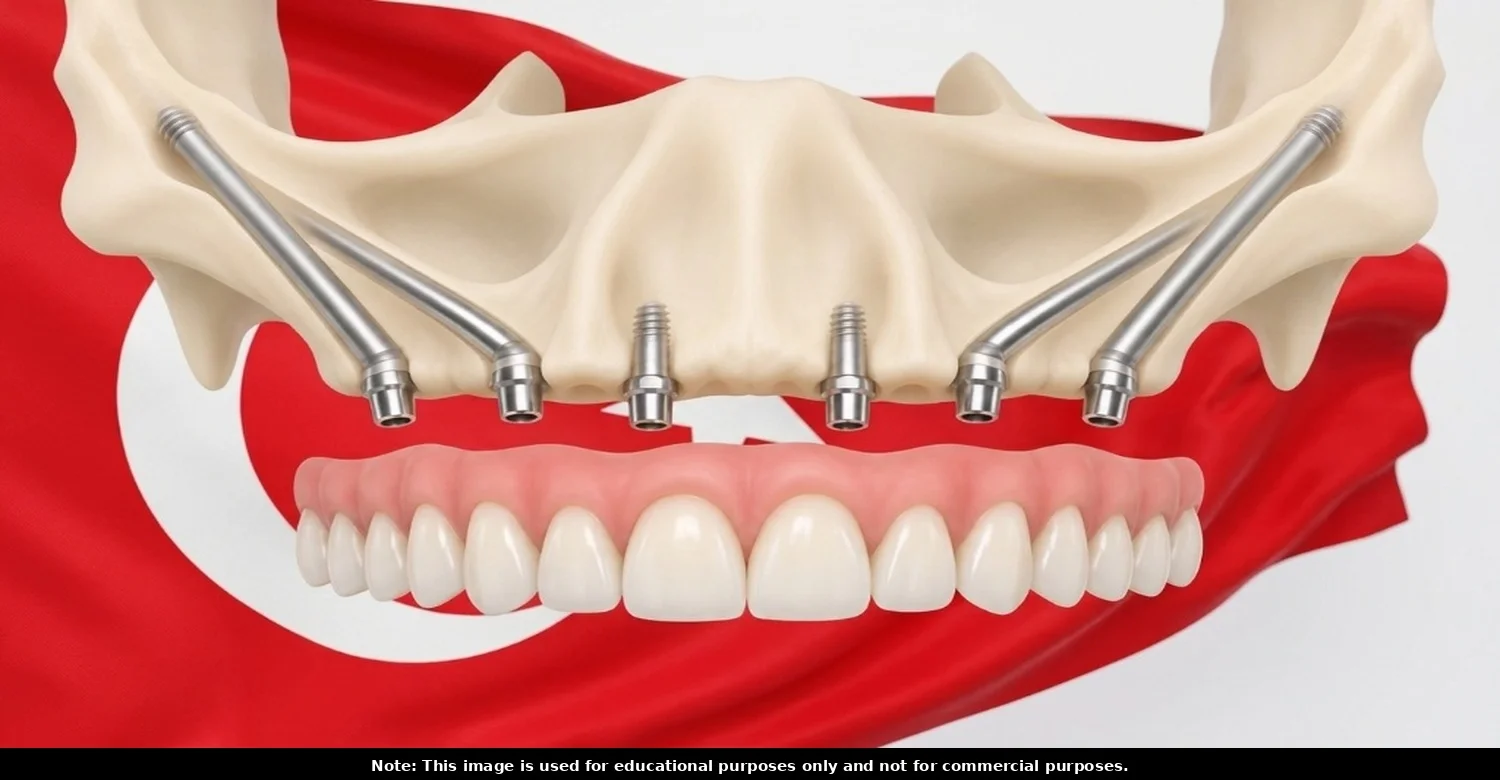
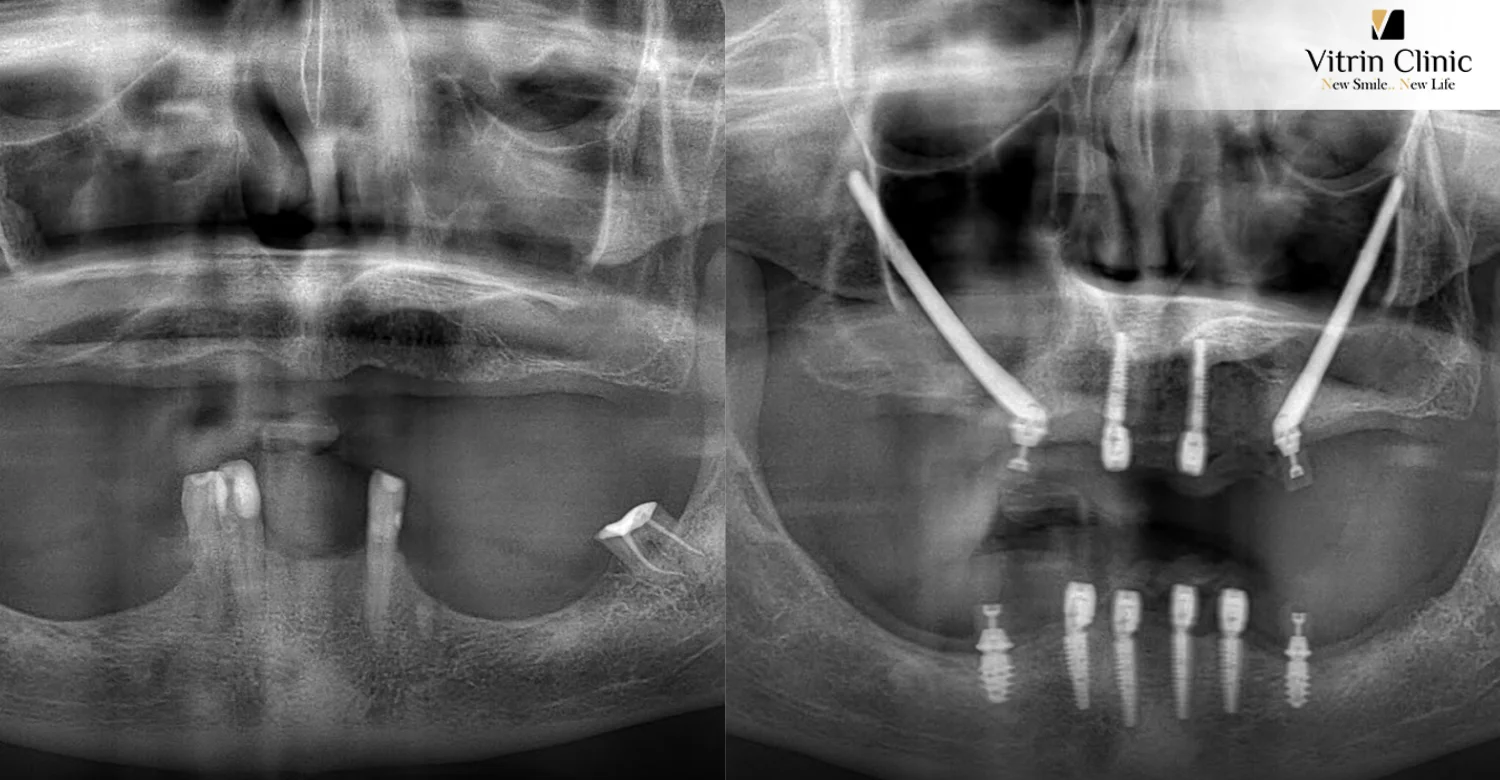
Zygomatic Dental Implants Turkey are an option for patients with advanced bone loss in the upper jaw. Instead of relying entirely on the weakened maxilla, these longer implants anchor into the cheekbone, known as the zygomatic bone.
This approach requires detailed anatomical evaluation and specialist surgical planning. This guide explains how the treatment works, who may qualify, available techniques, costs, recovery, risks, and long-term maintenance.
Key Takeaways
Zygomatic implants anchor into the cheekbone to support fixed teeth after severe upper jaw bone loss.
They may reduce the need for extensive bone grafting in selected patients.
Suitability depends on cheekbone anatomy, sinus health, and overall medical condition.
Treatment requires specialist surgical planning and careful prosthetic design.
Recovery, implant integration, and final restoration may involve several stages.
Potential complications include sinusitis, infection, implant failure, and prosthetic damage.
Compare itemised treatment costs, surgical expertise, and long-term aftercare before travelling to Turkey.
Ready to transform your smile?
Talk to our team and get a personal FREE treatment plan.
How Do Zygomatic Implants Differ from Conventional Implants?
Zygomatic implants anchor into the cheekbone rather than relying entirely on the upper jawbone. This makes them an alternative for selected patients with severe upper jaw bone loss who may not have enough bone for conventional implants.
Zygomatic Implants vs Conventional Implants
Zygomatic implants are longer fixtures that use the cheekbone for anchorage. Conventional implants generally rely on the alveolar bone surrounding the missing teeth. When this bone becomes severely resorbed, it may no longer provide sufficient support for standard implant placement.
The cheekbone offers an alternative anchorage point in carefully selected cases. Special prosthetic components connect the implants to a fixed bridge across the upper arch. Implant length, angle, and position depend on the patient's anatomy and the planned restoration.
Understanding the Maxilla and Zygomatic Bone
The maxilla forms the upper jaw and supports the upper teeth. The zygomatic bone forms the cheek prominence and provides a different potential support area. This distinction is important when planning Zygomatic Dental Implants Turkey for patients with advanced maxillary bone loss.
When Is an Alternative Implant Approach Needed?
An alternative approach may be considered when severe bone loss leaves insufficient jawbone to support conventional implants. The decision depends on the remaining bone, sinus anatomy, previous procedures, and the requirements of the planned restoration.
Causes of Severe Upper Jaw Bone Loss
Bone loss can reduce the height and width available for conventional implant placement. It may develop after long-term tooth loss, advanced periodontal disease, previous implant failure, unsuccessful bone grafting, trauma, or surgical removal of bone.
As the upper jaw resorbs, the maxillary sinus may also limit available bone in the back of the mouth. Some patients may need sinus elevation or bone augmentation before conventional implants can be placed.
When Conventional Implant Placement Becomes Challenging
A different implant approach may be considered when imaging shows insufficient bone for predictable conventional placement. Previous unsuccessful grafting, extensive defects, and inadequate support for the planned restoration may also influence the decision.
However, severe bone loss alone does not automatically make a patient suitable for Zygomatic Dental Implants Turkey. The remaining cheekbone, sinus condition, soft tissues, and intended prosthetic design must all be evaluated.
Who Is a Suitable Candidate for Zygomatic Implants?
Suitable candidates are generally patients with severe upper jaw bone loss who cannot receive conventional implants without extensive reconstruction. However, treatment eligibility depends on cheekbone anatomy, sinus health, general medical fitness, and the ability to maintain the restoration.
Factors That Influence Suitability
Suitability depends on several factors:
Cheekbone volume and anatomical integrity: These determine whether the cheekbone can provide suitable implant anchorage.
Maxillary sinus health: Existing sinus conditions may affect the surgical approach and treatment timing.
Gum condition and oral hygiene: Healthy soft tissues and effective cleaning habits support long-term maintenance.
Smoking and nicotine exposure: These may interfere with healing and increase complication risks.
Diabetes control and general healing capacity: Medical conditions can influence recovery and surgical suitability.
Previous facial surgery or radiotherapy: These may affect the available anatomy and healing response.
Medication history and overall medical fitness: The clinical team must review relevant conditions and medications.
Long-term maintenance access: Patients need to attend regular professional reviews after treatment.
Active infection, untreated sinus disease, unsuitable cheekbone anatomy, or uncontrolled medical conditions may require treatment before surgery or make the procedure inappropriate. A specialist examination is essential before recommending Zygomatic Dental Implants Turkey.
Can Zygomatic Implants Reduce the Need for Bone Grafting?
Yes. Zygomatic implants can reduce the need for extensive upper jaw bone grafting in selected patients because they use the cheekbone for anchorage. However, some patients may still require additional procedures depending on their anatomy and surgical needs.
Zygomatic Implants vs Bone Augmentation
This approach may help avoid certain sinus lift or grafting procedures. However, avoiding bone grafting does not mean avoiding complex surgery or eliminating complications. Some patients still need additional reconstruction because of anatomical defects or previous surgery.
A sinus lift increases available bone beneath the maxillary sinus, while bone augmentation rebuilds deficient areas. Zygomatic implants use a different anchorage site. Each approach addresses different anatomical conditions, so the surgeon must compare the options before recommending Zygomatic Dental Implants Turkey.
Ready to transform your smile?
Talk to our team and get a personal FREE treatment plan.
Which Zygomatic Implant Techniques Are Available?
Several techniques are available, including unilateral, bilateral, quad zygomatic, and hybrid configurations. The surgeon selects the approach according to bone availability, cheekbone anatomy, and the planned fixed restoration.
Implant Placement Configurations
Zygomatic implants can be placed in different configurations depending on the extent of upper jaw bone loss and the support needed for the final restoration. These include unilateral placement on one side, bilateral placement on both sides, and quad zygomatic treatment using four cheekbone implants. The surgeon selects the configuration after evaluating the patient's anatomy, available bone, and prosthetic requirements.
Unilateral and Bilateral Placement
Unilateral placement uses an implant on one side of the upper jaw, while bilateral placement involves both sides. The surgeon determines the configuration according to the distribution of bone loss and the support required for the restoration.
Quad Zygomatic Treatment
This approach uses four cheekbone implants, typically two on each side. It may be considered when conventional implant anchorage is severely limited. However, four zygomatic implants are not automatically better than a configuration using fewer cheekbone implants. Anatomy and prosthetic requirements determine the appropriate design.
Hybrid Implant Configurations
Some patients retain enough bone for conventional implants in selected areas. A hybrid configuration can combine conventional and zygomatic implants to support a fixed bridge.
Surgical Pathways
The surgical pathway may also vary. Commonly described approaches include:
Intrasinus: The implant pathway passes through the maxillary sinus.
Sinus-slot: A prepared slot guides the implant along the lateral sinus wall region.
Extrasinus: The implant follows a pathway outside the sinus cavity.
How Do Zygomatic Implants Compare with All-on-4 and All-on-6?
Conventional All-on-4 and All-on-6 treatments use four or six implants anchored in the jawbone. Zygomatic implant configurations use cheekbone anchorage when upper jaw bone loss prevents conventional placement, sometimes combining both implant types in one restoration.
When Conventional All-on-4 or All-on-6 Is Not Suitable
Conventional All-on-4 uses four implants placed in the jawbone to support a fixed full-arch restoration. Conventional All-on-6 uses six implants for the same general purpose.
Severe upper jaw resorption may prevent either conventional configuration. In selected cases, a modified full-arch design can combine cheekbone implants with conventional implants. For example, a restoration may use two zygomatic implants and two conventional implants.
This should not automatically be described as conventional All-on-4 treatment. Likewise, six implants do not necessarily mean six conventional fixtures. The final configuration depends on available bone, implant distribution, and prosthetic requirements.
What Are the Main Clinical Differences Between Zygomatic and Traditional Implants?
The main differences involve implant anchorage, surgical complexity, bone requirements, and potential complications. Zygomatic implants engage the cheekbone, while traditional implants usually rely on the jawbone surrounding the missing teeth.
Anchorage and Surgical Complexity
Conventional implants generally engage the jawbone near the missing teeth. Zygomatic implants extend into the cheekbone, requiring a different surgical pathway and more detailed anatomical planning.
Bone Requirements and Treatment Stages
Conventional implants may require bone grafting when the upper jaw lacks sufficient volume. Zygomatic treatment can avoid some augmentation procedures, but it does not guarantee a shorter treatment period. Healing, provisional teeth, and definitive restoration timing vary between patients.
Advantages and Limitations
Both approaches can support fixed implant-supported teeth. Their success depends on appropriate implant positioning, prosthetic design, bite distribution, and long-term maintenance. The additional sinus and anatomical considerations make specialist experience particularly important when considering Zygomatic Dental Implants Turkey.
Potential advantages include alternative anchorage for severely resorbed upper jaws, reduced dependence on extensive grafting in selected cases, and support for fixed full-arch restorations.
However, limitations include more complex surgery, sinus-related risks, demanding prosthetic planning, and the need for long-term professional maintenance. It is not a suitable option for every patient with missing upper teeth.
What Happens Before Zygomatic Implant Surgery?
Before surgery, patients undergo a medical and dental review, anatomical imaging, and prosthetic planning. These steps help the surgical team evaluate cheekbone support, sinus conditions, implant positioning, and the intended fixed restoration.
Medical and Dental Review
Preparation begins with a review of dental history, medical conditions, previous procedures, and available imaging. Previous implant records and bone grafting reports can help the clinical team understand earlier complications and identify possible treatment alternatives.
Imaging and Sinus Evaluation
Three-dimensional imaging, particularly CBCT when clinically indicated, helps evaluate the maxilla, cheekbone, and surrounding anatomical structures. The surgeon also reviews the maxillary sinuses and may request further investigation if sinus disease is suspected. An ear, nose, and throat specialist may be involved when necessary.
Prosthetic Treatment Planning
Planning should also consider the final fixed restoration. Tooth position, bite relationships, appearance, and cleaning access influence where the implants should be placed. This is known as prosthetically driven planning.
Before consenting to Zygomatic Dental Implants Turkey, patients should understand the alternatives, expected treatment stages, potential complications, restoration materials, and follow-up requirements.
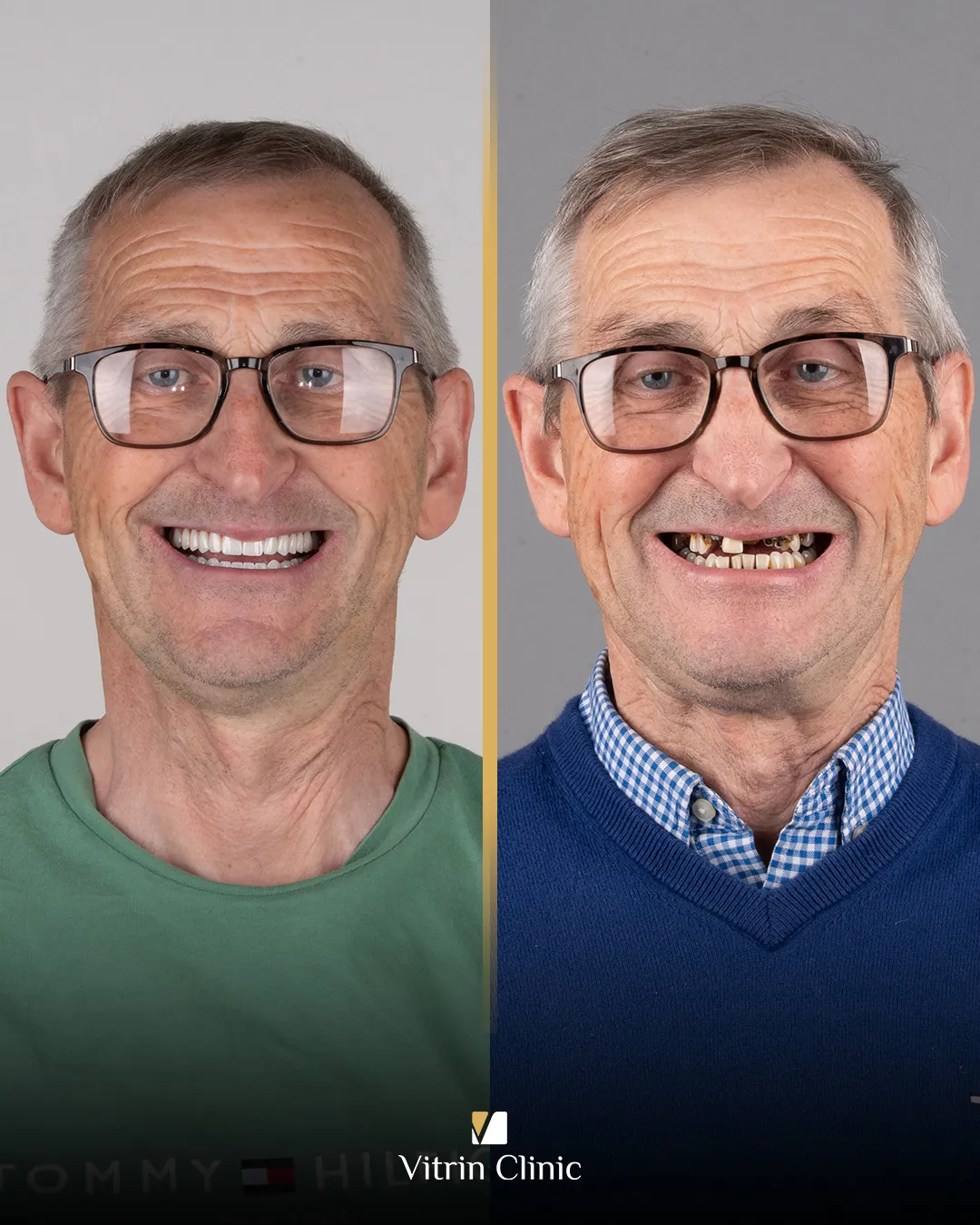
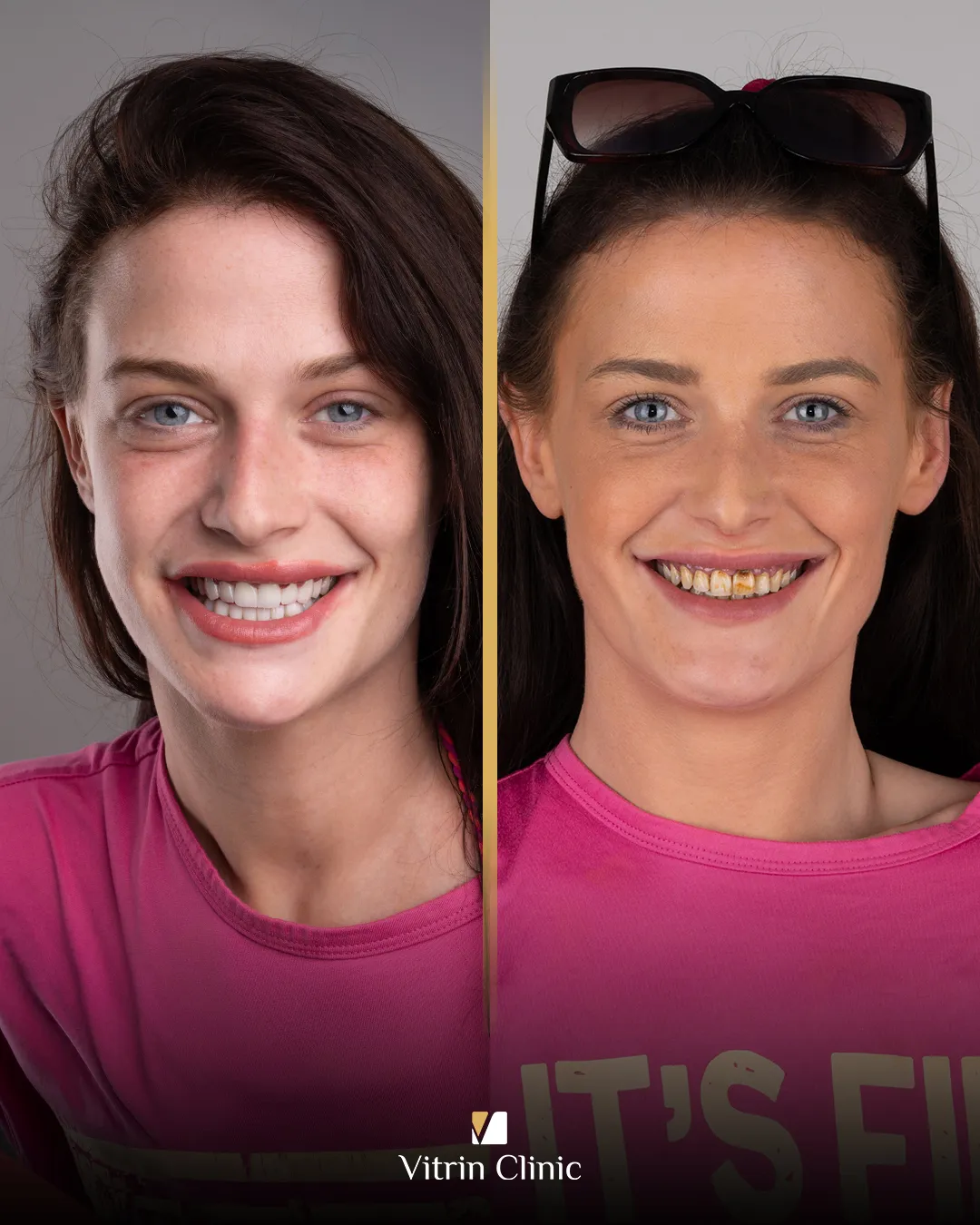
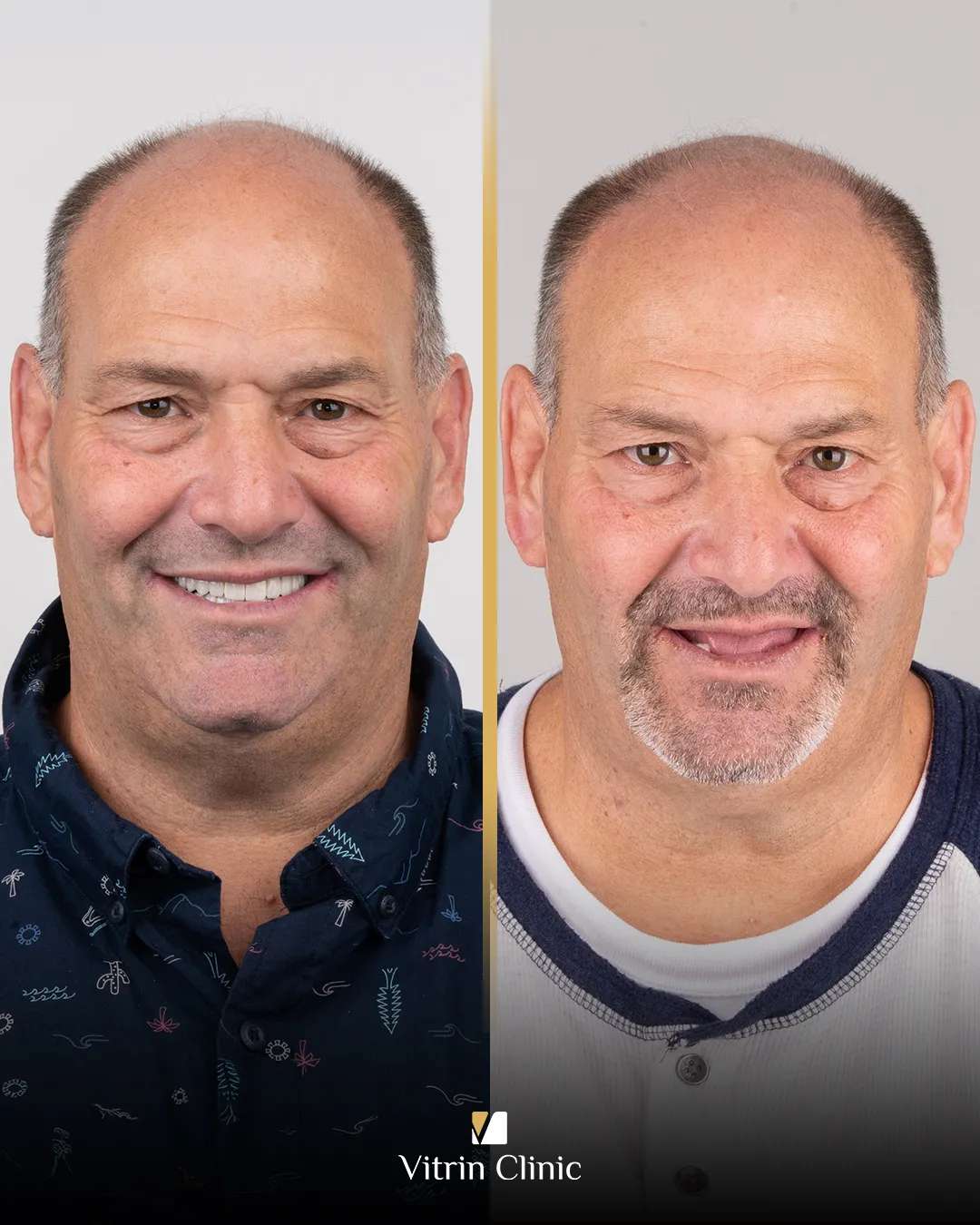
How Is Zygomatic Implant Surgery Performed?
Zygomatic implant surgery involves placing specialised implants through planned pathways into the cheekbone. The surgeon evaluates implant stability and determines whether immediate provisional teeth or a later restoration is appropriate.
Surgical Preparation and Implant Placement
The procedure involves placing specialised implants through a carefully planned pathway into the cheekbone. The surgical team first reviews medical fitness, imaging, consent, and the selected anaesthesia plan.
General anaesthesia may be considered for complex procedures, although the appropriate arrangement depends on the patient's health and surgical requirements. During surgery, the surgeon accesses the upper jaw, identifies relevant anatomical landmarks, and prepares the planned implant pathways.
Each implant is positioned to engage the cheekbone and connect with the intended prosthetic components. The surgeon evaluates primary stability, which describes the initial mechanical fixation of the implant.
Immediate Loading and Temporary Teeth
Immediate loading may be possible when implant stability, bone conditions, implant distribution, and prosthetic design support it. A provisional fixed bridge may then be provided. Other patients need a healing period before receiving their temporary or definitive teeth.
Fitting the Final Restoration
The final restoration is fitted when healing and implant stability are considered suitable. Additional scans, impressions, bite records, and prosthetic adjustments may be needed. These stages form part of the individual treatment schedule for Zygomatic Dental Implants Turkey.
Is Zygomatic Implant Surgery Painful, and How Long Does It Take?
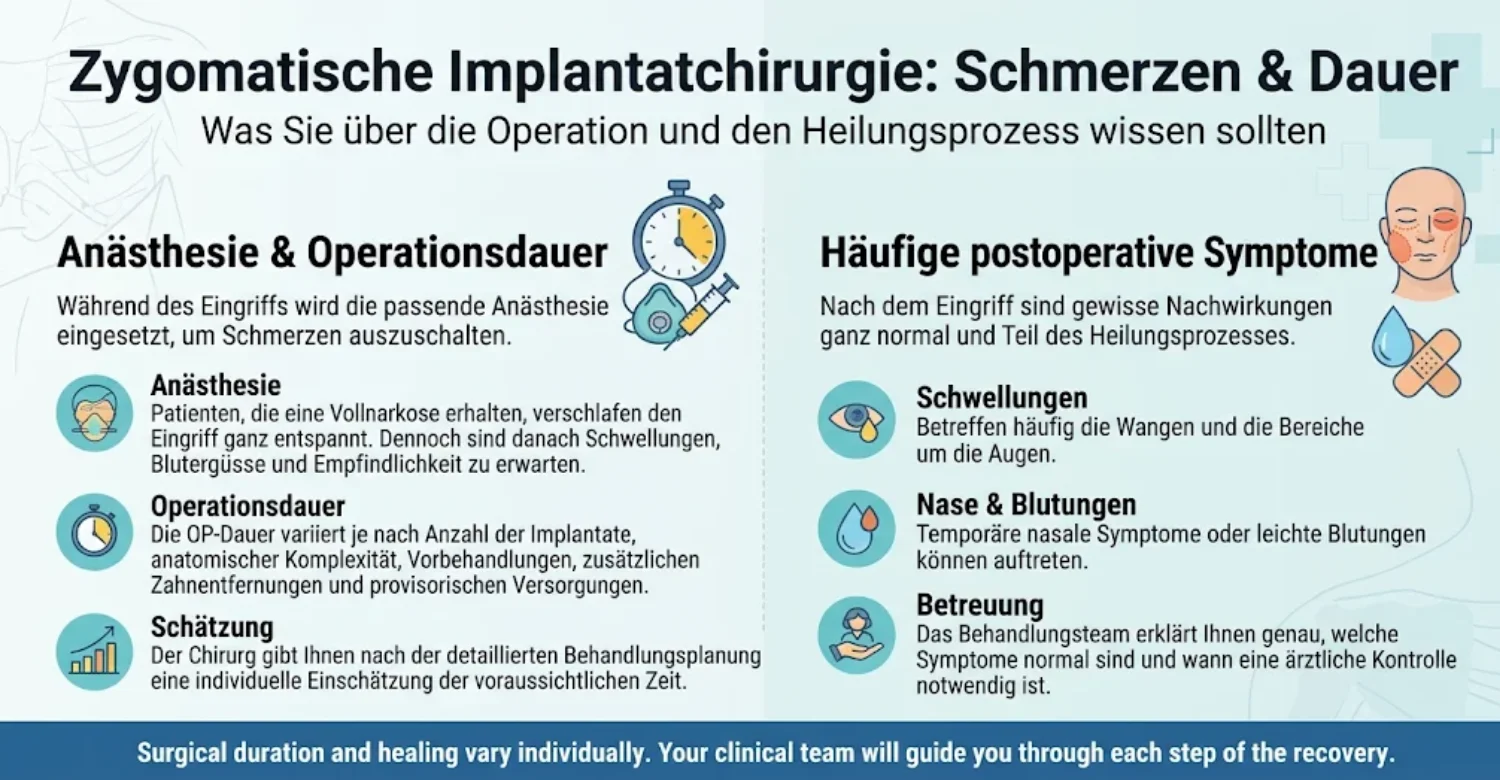
Anaesthesia is used to manage discomfort during surgery, while postoperative swelling, bruising, and tenderness may occur. Surgical duration varies according to implant numbers, anatomical complexity, and additional procedures.
Anaesthesia and Surgical Duration
Appropriate anaesthesia is used to manage discomfort during surgery. Patients who receive general anaesthesia do not experience the procedure in the usual conscious manner. However, swelling, bruising, tenderness, and discomfort can develop afterwards.
Surgical duration varies according to implant numbers, anatomical complexity, previous procedures, additional extractions, and provisional restoration requirements. The surgeon should provide an individual estimate after reviewing the treatment plan.
Common Postoperative Symptoms
Swelling may affect the cheeks and areas around the eyes. Some patients also experience temporary nasal symptoms or mild bleeding. The clinical team should explain which symptoms are expected and when professional review is necessary.
What Should Patients Expect During Recovery?
Patients can expect initial swelling, bruising, and tenderness, followed by a longer healing and implant-integration period. Recovery instructions usually cover diet, oral hygiene, medication, physical activity, and follow-up appointments.
First Few Days After Surgery
Recovery involves protecting the surgical area, managing postoperative symptoms, and attending scheduled reviews. Swelling and bruising may increase during the first few days before gradually settling. Patients should rest and follow instructions about medication, oral hygiene, eating, and activity.
The First Two Weeks
During the first two weeks, tenderness or some bruising may remain. A soft or non-chewing diet may be recommended initially. Avoid hard or crunchy foods until the surgeon confirms they are suitable. Speech may also feel different while adapting to provisional teeth.
Healing and Definitive Restoration
Implant integration takes longer than the initial recovery period. The definitive restoration is fitted when clinical findings support it. Provisional teeth may need adjustments, and patients should avoid excessive biting forces during healing.
Smoking, poorly controlled diabetes, infection, inadequate oral hygiene, and excessive pressure on provisional teeth may affect recovery. Follow the prescribed pain-management plan and do not exceed medication instructions. These precautions are important after Zygomatic Dental Implants Turkey.
Ready to transform your smile?
Talk to our team and get a personal FREE treatment plan.
What Could Go Wrong with Zygomatic Implants?
Zygomatic implant surgery can involve sinus complications, infection, delayed healing, or problems with the implant and final bridge. Understanding these risks helps patients make informed decisions before treatment.
Sinus and Surgical Complications
Sinusitis is a recognised complication. Symptoms may include facial pressure, congestion, nasal discharge, or pain. Infection, delayed healing, and an abnormal opening between the mouth and maxillary sinus may also occur.
Implant and Restoration Problems
Some implants may fail to integrate or lose stability. Screws, abutments, or the fixed bridge can also develop mechanical problems. Rarely, nearby structures may be affected, causing altered sensation or other symptoms.
Which Symptoms Should You Expect After Surgery?
Temporary swelling, bruising, tenderness, minor nasal bleeding, and difficulty chewing may occur during early recovery. These symptoms should gradually improve.
However, fever, increasing swelling, unusual discharge, uncontrolled bleeding, or worsening pain need prompt medical attention. Difficulty breathing or swallowing requires emergency care.
Specialist planning and regular follow-up help manage complications, but they cannot eliminate every surgical risk. Discuss these risks with your surgeon before choosing Zygomatic Dental Implants Turkey..
How Much Can You Save on Zygomatic Dental Implants in Turkey?
Zygomatic Dental Implants Turkey may cost less than the supplied estimates for the UK and US. However, the final price depends on implant numbers, surgical complexity, anaesthesia, and the type of restoration.
Zygomatic Implant Costs: Turkey vs UK vs US
The following figures are indicative estimates from the supplied draft, not verified current market averages or confirmed Vitrin Clinic prices.
UK
Estimated Cost: Around $7,000
Estimated Cost
Estimated cost: Around $7,000
Private UK clinic standard rate
Domestic specialist dental care
Turkey
Estimated Cost: 2,800–3,800
Estimated Cost
Estimated cost: 2,800–3,800
Substantial savings vs. UK & US
Internationally accredited clinic standards
US
Estimated Cost: Around $18,000
Estimated Cost
Estimated cost: Around $18,000
US private clinic standard rate
Highest domestic private expense
How Much Could You Save in Turkey?
Based on these estimates, the potential price difference is:
Turkey vs UK
Potential Savings: 3,200–4,200
Approximate Savings: 46%–60%
Potential savings: 3,200–4,200
Approximate savings: 46%–60%
Significant value over private UK rates
Maximum Savings
Approximate Savings: Up to 84%
Approximate savings in Turkey
Save 46%–60% vs. UK
Save 79%–84% vs. US
Lower clinic overheads & direct material sourcing
Turkey vs US
Potential Savings: 14,200–15,200
Approximate Savings: 79%–84%
Potential savings: 14,200–15,200
Approximate savings: 79%–84%
Substantial reduction vs. US clinic fees
What Should Your Zygomatic Implant Quote Include?
Before comparing prices, check whether the quotation covers:
Implant numbers, types, and surgical fees.
Anaesthesia and required imaging.
Temporary teeth and the final fixed restoration.
Abutments and laboratory costs.
Medication and postoperative appointments.
Any additional sinus or bone procedures.
Flights, accommodation, and transportation should be checked separately unless explicitly included in the written package. Compare equivalent treatment plans rather than headline prices alone.
Ready to transform your smile?
Talk to our team and get a personal FREE treatment plan.
What Should You Plan Before Travelling to Vitrin Clinic?
International patients should arrange a preliminary clinical review, confirm the treatment schedule, and allow time for postoperative checks. Planning follow-up care before travelling home is also important.
What Records Should You Send Before Travelling?
Share available dental records, previous implant details, medical history, and recent imaging. These help the clinical team review your case before travel, but an in-person examination may still be necessary.
How Long Should You Stay in Turkey?
The required stay depends on the surgical plan, recovery, and timing of the restoration. Confirm the appointment schedule and postoperative reviews with the clinical team before booking flights.
How Is Follow-Up Arranged After Returning Home?
Before leaving, request copies of your clinical records and confirm how to contact the treating team. Arrange access to a local dental professional if further care is needed. Seek urgent local medical attention if serious symptoms develop.
How Does Vitrin Clinic Plan Zygomatic Implant Treatment?
Vitrin Clinic's planning process begins with reviewing available dental records and relevant medical information. Further diagnostic steps help the clinical team consider the surgical configuration, prosthetic requirements, treatment schedule, and follow-up responsibilities.
Preliminary Review and Diagnostic Planning
At Vitrin Clinic, international patients can begin by sharing available dental records, previous treatment details, and relevant medical information. This supports a preliminary review of their needs and helps identify which further diagnostic steps may be required.
Surgical and Prosthetic Coordination
Treatment planning should bring surgical and prosthetic considerations together. The proposed implant configuration must support the intended restoration while accounting for cheekbone anatomy, sinus condition, bite relationships, and cleaning access.
Digital Planning and Written Treatment Details
Digital scans and diagnostic imaging may support planning, with CBCT used when clinically indicated. Patients should receive clear information about proposed procedures, provisional and definitive teeth, materials, expected timelines, and possible limitations.
Before travelling for Zygomatic Dental Implants Turkey at Vitrin Clinic, request a written, itemised treatment plan. Confirm appointment arrangements, package inclusions, recovery expectations, and follow-up responsibilities. Final recommendations and costs require appropriate clinical examination and confirmation by the treating team.

.jpg)
Can Zygomatic Implants Provide Long-Term Results?
Yes. Zygomatic implants can provide long-term support for fixed full-arch restorations in carefully selected patients. However, long-term outcomes depend on implant stability, prosthetic design, oral hygiene, general health, and regular professional maintenance.
What Does the Clinical Evidence Report?
A 2023 systematic review cited in the supplied draft evaluated 1,349 implants in 623 patients. It reported mean implant survival of 96.2% at approximately six years and mean prosthesis survival of 94%. Sinusitis was the most frequently reported biological complication. These study findings describe the reviewed patient groups and should not be treated as a personal guarantee. The original research reference should be checked before publication.
Long-Term Cleaning and Maintenance
Daily cleaning beneath the fixed bridge is essential. Interdental brushes and suitable oral irrigators may help when recommended by the dental team. Regular professional reviews allow clinicians to monitor gum health, implant stability, prosthetic wear, loose components, and sinus symptoms.
Long-term maintenance should be arranged before travelling. Patients need clear cleaning instructions, implant records, restoration details, and a plan for local professional care after returning home. These responsibilities remain important after Zygomatic Dental Implants Turkey.
Ready to transform your smile?
Talk to our team and get a personal FREE treatment plan.
Discuss Your Zygomatic Dental Implants Turkey Options at Vitrin Clinic
Severe upper jaw bone loss does not automatically rule out fixed implant-supported teeth. Conventional implants, bone reconstruction, and cheekbone anchorage may all be considered, depending on the remaining anatomy and individual clinical needs.
At Vitrin Clinic, international patients can share their dental records to discuss possible treatment options and the next diagnostic steps. A suitable plan should explain the implant configuration, surgical considerations, provisional teeth, definitive restoration, costs, and long-term maintenance.
Request a written treatment plan before making travel arrangements. The decision should be based on clinical suitability, realistic expectations, and access to follow-up care not price alone.
Reference
FAQs
Prices depend on implant numbers, surgical complexity, and prosthetic requirements. Confirm whether a quotation covers individual implants or complete upper-arch rehabilitation. It should also specify provisional teeth, definitive restorations, anaesthesia, and additional procedures. Travel expenses may be separate.
Dr. Rifat Alsaman has more than 5 years of clinical experience in dentistry and currently serves as the Head of the Medical Team at Vitrin Clinic. He is dedicated to providing exceptional patient care, overseeing treatment planning, and ensuring the highest clinical standards across the team. His expertise, attention to detail, and commitment to continuous professional development have helped countless patients achieve healthier, more confident smiles.


