Invisalign
May 6, 2026
What results can patients expect after completing aligner therapy?
 Dr. Rifat Alsaman
.webp&w=3840&q=75)
Patients who complete modern orthodontic treatment using clear aligners often notice significant improvements in both aesthetics and oral function. After finishing Aligner Therapy, most individuals experience straighter teeth and improved bite alignment. Many also feel enhanced confidence when smiling or speaking. The gradual tooth movement achieved through customized aligners helps correct spacing issues, mild crowding, and certain bite irregularities. It does this while maintaining a comfortable treatment experience.
Beyond cosmetic improvements, patients also benefit from better oral health. Straighter teeth are easier to clean. This helps reduce plaque buildup and lowers the risk of gum disease and cavities. Many people report improved chewing efficiency and reduced jaw strain after treatment. Consistent wear of retainers afterward helps maintain the newly aligned smile for many years.
What Is Aligner Therapy?
Clear orthodontic treatments have transformed how dental professionals correct alignment issues. Aligner Therapy is a modern orthodontic method. It uses a series of transparent, removable trays to gradually move teeth into their ideal positions. Unlike traditional braces that rely on metal brackets and wires, this treatment uses custom-made aligners. Each set is designed specifically for the patient's dental structure.
These aligners apply controlled pressure on selected teeth, guiding them through small movements over time. Each set of trays is typically worn for one to two weeks before switching to the next stage. Because they are removable, patients can maintain their regular eating habits and oral hygiene routines more easily. It combines advanced digital technology with orthodontic science to create a comfortable and discreet solution. The primary objective of this modern orthodontic approach is to achieve correct teeth alignment without the aesthetic burden of metal.
Understanding Modern Orthodontic Solutions
Modern dentistry continues to evolve with innovative treatment methods that improve comfort and efficiency. Aligner Therapy represents one of the most significant developments in orthodontic care. It offers patients an alternative to traditional metal braces. This approach uses advanced digital planning and precise manufacturing techniques. Together they create a series of clear aligners that gradually guide teeth into proper alignment.
Orthodontists use specialized software to map the entire treatment journey from start to finish. Patients can often preview their expected smile transformation before treatment even begins. Compared with conventional braces, it offers greater flexibility. Aligners can be removed for eating, brushing, and special occasions. As a result, many adults and teenagers prefer this modern orthodontic option. It corrects dental alignment while maintaining a natural appearance throughout treatment.
How Clear Aligner Therapy Works to Straighten Teeth
Clear orthodontic systems function through a carefully planned sequence of aligners that guide teeth into improved positions over time. Treatment begins with digital imaging and treatment planning. This allows orthodontists to design a series of aligners that apply controlled forces to specific teeth. Each aligner is slightly different from the previous one, ensuring gradual and precise tooth movement.
Patients typically wear each aligner for about two weeks before progressing to the next stage. The aligners are designed to fit snugly over the teeth. They gently encourage movement without causing significant discomfort. Because it relies on consistent wear, patients are usually instructed to keep the trays in place for 20 to 22 hours per day. Following this routine allows the teeth to shift gradually until the final alignment goal is achieved.
How Clear Aligner Therapy Works
Orthodontic treatment using transparent trays involves several carefully coordinated steps designed to move teeth gradually and safely. Treatment starts with a detailed evaluation by a dental professional. They examine the patient's bite, tooth position, and overall oral health. Advanced digital imaging technology is then used to create precise 3D models of the teeth.
Based on this digital model, a customized treatment plan is developed. It shows how each tooth will move over time. A series of aligners is manufactured according to this plan, and patients change them regularly as instructed. Each new aligner continues the progression of movement until the desired alignment is reached. By following the recommended schedule and maintaining good oral hygiene, patients can achieve predictable and effective results with Aligner Therapy. Your dentist will help you navigate the different types of clear aligners to find the system that fits your clinical needs.
Step by Step Process of Clear Aligner Treatment
The orthodontic journey with clear aligners follows a structured process designed to ensure predictable results. It begins with an initial consultation. The dentist evaluates the patient's smile, bite alignment, and dental history. Diagnostic images such as digital scans or X-rays are taken to gather accurate data about tooth positioning.
After analyzing this information, the orthodontist creates a personalized treatment plan. It outlines how the teeth will gradually shift into better alignment. Patients then receive a series of custom aligners that must be worn daily. Each set of aligners moves the teeth slightly closer to their final position. Throughout Aligner Therapy, regular follow-up appointments allow dental professionals to monitor progress and ensure that the teeth are responding correctly.
Digital Scanning and Customized Treatment Planning
Modern orthodontic planning relies heavily on advanced digital technology. It typically begins with a detailed intraoral scan. This captures a precise three-dimensional image of the patient's teeth and gums. This digital model replaces traditional dental impressions, making the process faster, cleaner, and more comfortable for patients.
Orthodontists use specialized software to analyze the digital scan and design a treatment plan. It maps every stage of tooth movement. Patients can often see a simulation of their expected results before treatment begins. This predictive technology helps ensure accurate planning and efficient progress. With Aligner Therapy, each aligner is manufactured according to the digital plan. This ensures a precise fit and controlled tooth movement throughout the entire treatment process.
Wearing and Changing Aligners Throughout Treatment
Consistency plays a major role in the success of orthodontic treatment with clear trays. During Aligner Therapy, patients wear each aligner for a specific period, usually around one to two weeks, before progressing to the next set. Each new aligner is designed to continue the gentle movement of teeth toward their final positions.
For optimal results, aligners should be worn approximately 20 to 22 hours per day. They should be removed only for eating, drinking beverages other than water, and performing oral hygiene routines. Regular use ensures that the teeth respond properly to the planned movements. It works gradually, and following the recommended schedule helps maintain steady progress and reduces the overall treatment duration.
Benefits of Aligner Therapy
Orthodontic treatment has evolved significantly, and modern clear aligner systems provide multiple advantages for patients seeking a straighter smile. It offers a discreet and comfortable alternative to traditional orthodontic appliances. This makes it especially appealing to adults and teenagers who prefer a less noticeable treatment. The transparent design allows patients to undergo orthodontic correction without drawing attention to their teeth during daily interactions.
Another major advantage is convenience. Because the aligners are removable, patients can continue enjoying their favorite foods without dietary restrictions. Oral hygiene is also easier to maintain since brushing and flossing can be done normally. Additionally, many individuals find that Aligner Therapy causes less irritation to the cheeks and gums compared to metal brackets and wires. Opting for the premium transparent orthodontic devices ensures a more predictable, comfortable, and efficient tooth movement process.
Why Many Patients Prefer Clear Aligner Treatment
Many individuals choose modern orthodontic solutions because they combine effectiveness with convenience and aesthetics. Aligner Therapy is particularly popular among professionals and adults. They want to improve their smile without the appearance of traditional braces. The transparent aligners are designed to fit closely over the teeth, making them almost invisible in everyday situations.
Patients also appreciate the flexibility this treatment provides. Aligners can be removed when eating meals or attending social events. This allows for a more comfortable lifestyle during treatment. Another reason many people prefer this option is the reduced number of emergency visits compared to braces, since there are no brackets or wires that may break or cause irritation.
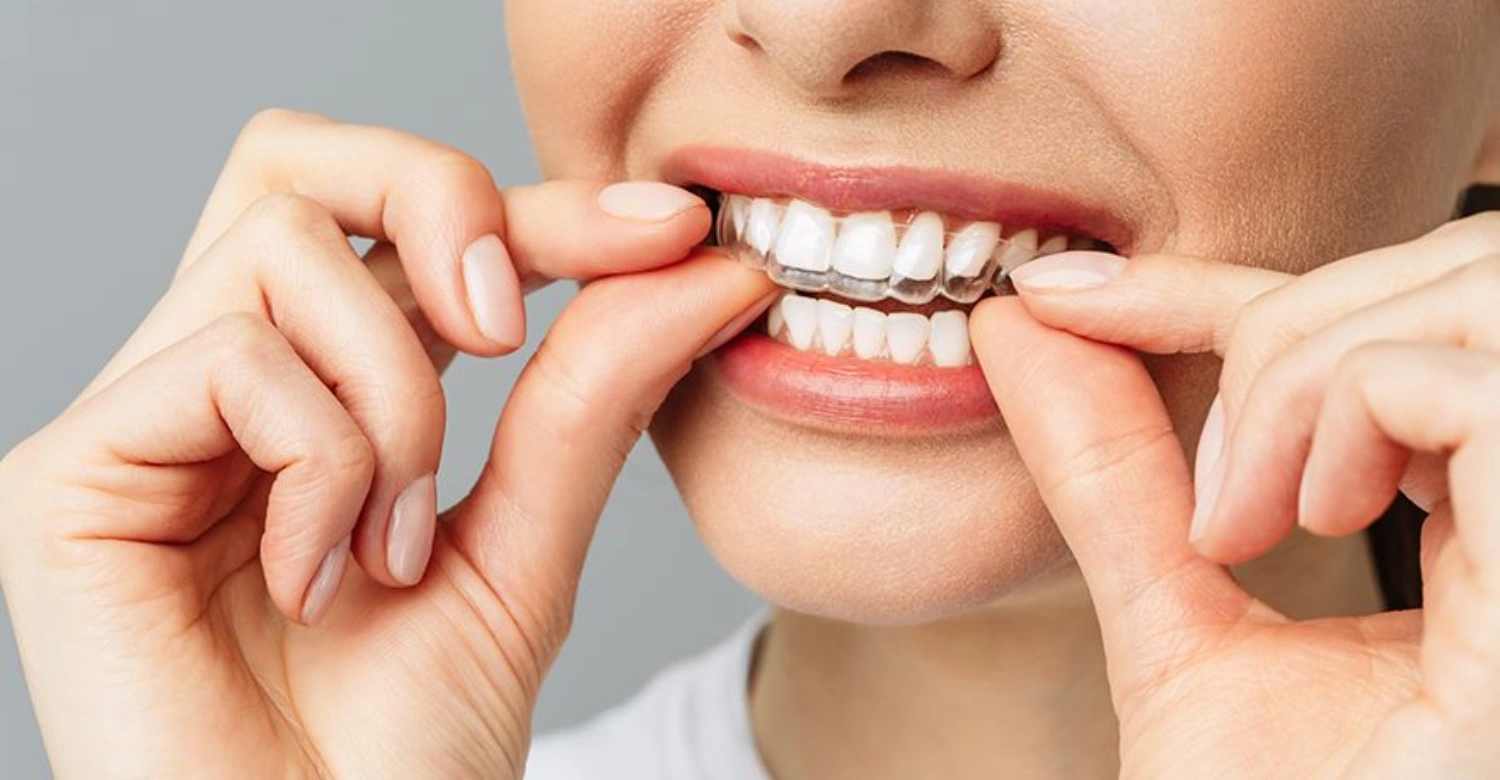
Nearly Invisible Orthodontic Solution
One of the biggest reasons patients consider modern orthodontic options is appearance. It uses clear, medical-grade plastic trays that are specifically designed to blend naturally with the teeth. Because the aligners are transparent, they are barely noticeable when worn. This allows patients to feel confident during conversations, meetings, or social gatherings.
This discreet design makes orthodontic treatment more appealing to adults who may feel self-conscious about wearing metal braces. Teenagers also benefit from a treatment option that lets them keep a natural appearance throughout their orthodontic journey. By choosing Aligner Therapy, patients can straighten their teeth while continuing their daily routines without drawing attention to their dental treatment.
Comfortable and Removable Design
Comfort is an important factor when choosing orthodontic treatment. Aligner Therapy is designed with smooth plastic material that fits comfortably over the teeth without sharp edges or metal components. Unlike traditional braces, which may cause irritation to the lips and cheeks, aligners are generally gentler on the soft tissues of the mouth.
Another advantage is that the trays can be removed when necessary. Patients can take them out while eating, brushing, flossing, or attending important events. This flexibility allows individuals to maintain their normal lifestyle during treatment. Because it eliminates brackets and wires, many patients also experience fewer orthodontic emergencies. They enjoy a more comfortable overall treatment experience.
Easier Oral Hygiene Compared to Braces
Maintaining good oral hygiene is essential during orthodontic treatment. It makes daily dental care easier because the aligners can be removed when brushing and flossing. This allows patients to clean their teeth thoroughly without navigating around brackets and wires, which can sometimes trap food particles.
Good oral hygiene reduces the risk of plaque buildup, cavities, and gum inflammation during orthodontic treatment. Patients simply remove their aligners, brush and floss as usual, and then place the trays back in their mouths. With consistent cleaning routines, Aligner Therapy supports both cosmetic improvement and long-term dental health. It does this by making it easier to maintain a clean and healthy smile throughout treatment.
Who Is a Good Candidate for Clear Aligner Therapy?
Many individuals with mild to moderate orthodontic issues can benefit from modern clear aligner systems. It is commonly recommended for patients who want to correct alignment problems such as crowding, spacing, or certain bite irregularities. A thorough dental evaluation helps determine whether this approach is suitable for each patient.
Adults and teenagers often make excellent candidates because they are able to follow the recommended wearing schedule. Since aligners must be worn for most of the day, patient cooperation plays an important role in treatment success. In many cases, it can effectively address a wide range of orthodontic concerns. It also offers greater comfort and convenience compared to traditional methods. Familiarizing yourself with the various types of Invisalign is a great starting point when researching your clear orthodontic options.
Dental Issues That Can Be Treated
Modern orthodontic techniques can address many common alignment concerns using transparent trays. This method is frequently used to treat mild to moderate cases of crooked teeth, spacing issues, and certain bite problems. Through a carefully planned sequence of aligners, teeth can gradually move into healthier and more balanced positions.
Dentists evaluate each patient's oral structure and determine whether clear aligners are the appropriate solution. While some severe orthodontic conditions may still require traditional braces, many patients achieve excellent results with Aligner Therapy. By addressing alignment problems early, patients can improve not only the appearance of their smile but also their overall oral health and bite function.
Mild to Moderate Crowding
Crowded teeth occur when there is not enough space in the jaw for all teeth to align properly. This treatment can gradually reposition crowded teeth by applying controlled pressure through a series of customized trays. Over time, this process helps create better spacing and alignment within the dental arch.
Correcting crowding is important because overlapping teeth can make brushing and flossing difficult. This increases the risk of cavities and gum disease. By improving tooth alignment, it helps patients maintain better oral hygiene and reduce long-term dental complications. Many individuals with mild or moderate crowding find this treatment to be an effective and comfortable option for a more balanced, aesthetically pleasing smile.
Spacing Between Teeth
Gaps between teeth are another common orthodontic concern that can affect both appearance and oral health. This treatment can close these spaces by gently guiding teeth toward one another through a series of carefully designed aligners. Each aligner moves the teeth slightly closer to their ideal positions.
Closing gaps improves smile symmetry and can also help protect the gums. Large spaces between teeth may allow food particles to accumulate, potentially leading to gum irritation. By correcting spacing issues, it enhances both the aesthetics and functionality of the smile. Patients often notice a more uniform and balanced dental appearance once treatment is completed.
Bite Problems Such as Overbite and Underbite
Certain bite issues occur when the upper and lower teeth do not align correctly when the mouth is closed. Aligner Therapy can help correct mild to moderate bite irregularities, including overbite, underbite, and crossbite. It does this by gradually guiding teeth into improved positions.
Proper bite alignment is essential for comfortable chewing and long-term oral health. When the bite is unbalanced, it may lead to uneven tooth wear or jaw discomfort. Through carefully planned tooth movements, this treatment works to improve the relationship between the upper and lower teeth. This adjustment not only enhances smile aesthetics but also promotes healthier jaw function and improved dental stability.
Aligner Therapy vs Traditional Braces
Orthodontic patients today often compare modern clear aligners with conventional metal braces when choosing the best treatment option. This method provides a more discreet alternative. It allows patients to straighten their teeth without visible brackets and wires. While traditional braces remain highly effective for complex orthodontic problems, clear aligners are increasingly preferred for mild to moderate alignment issues.
Another key difference lies in convenience. Aligners can be removed for meals and oral hygiene, whereas braces remain fixed throughout treatment. This flexibility allows patients to maintain better daily comfort. Additionally, many individuals appreciate that Aligner Therapy requires fewer emergency dental visits, since there are no wires or brackets that can break or cause irritation. Take our quick Vitrin Clinic eligibility test today to see if you are a perfect candidate for this transformative treatment.
Comparing Clear Aligner Treatment and Metal Braces
Orthodontic treatments have different features that may suit different patients depending on their dental needs. This treatment focuses on gradually moving teeth using customized transparent trays that are changed regularly throughout treatment. These trays apply controlled pressure to guide teeth into better alignment.
Traditional braces, on the other hand, rely on brackets attached to the teeth and wires that are periodically adjusted by an orthodontist. While braces can treat more complex orthodontic cases, many patients prefer the comfort and appearance of modern aligner systems. Another benefit is that Aligner Therapy often involves fewer dietary restrictions. Patients can continue enjoying most foods without worrying about damaging brackets or wires.
Appearance and Comfort
For many patients, aesthetics and comfort are important factors when selecting orthodontic treatment. This method offers a transparent design that allows individuals to improve their smile without the noticeable appearance of metal braces. Because the aligners are made from smooth plastic material, they tend to cause less irritation to the cheeks and gums.
Comfort is also enhanced by the absence of metal components that may rub against oral tissues. Patients can remove their aligners temporarily when necessary, which provides additional flexibility. Compared with traditional orthodontic appliances, it often allows individuals to continue their daily activities with greater confidence. They also have fewer concerns about the visibility of their dental treatment.
Treatment Time and Convenience
Treatment duration varies depending on the complexity of each orthodontic case. It typically requires patients to wear a series of custom trays that gradually reposition the teeth over several months. In many cases, the overall treatment time may be comparable to or slightly shorter than traditional braces for mild or moderate issues.
Convenience is another advantage because aligners are removable. Patients can take them out during meals or while brushing and flossing, making daily routines easier to maintain. Regular progress checkups ensure that the treatment is moving forward as planned. With consistent use, Aligner Therapy allows patients to achieve gradual tooth alignment while maintaining a comfortable and flexible treatment experience.
Cost and Maintenance
The cost of orthodontic treatment can vary based on the complexity of the dental condition and the length of the treatment plan. It may have a similar price range to traditional braces depending on the provider and technology used. Many dental clinics offer flexible payment plans to make orthodontic care more accessible.
Maintenance requirements are also slightly different between the two options. Aligners must be cleaned regularly and stored properly when not in use. Patients should also avoid exposing them to heat or staining substances. With proper care and consistent wear, this treatment can deliver effective results while maintaining convenience and comfort throughout the orthodontic journey.
Treatment Timeline for Clear Aligner Therapy
Orthodontic treatment timelines vary depending on individual dental conditions and patient compliance. Treatment usually progresses through a series of carefully planned stages that gradually move teeth into their ideal positions. Each stage involves wearing a specific aligner for a set period before switching to the next one in the sequence.
Many patients begin noticing improvements in their smile within the first few months of treatment. Regular dental checkups help ensure that the teeth are moving according to the treatment plan. By following the recommended wearing schedule and attending scheduled appointments, patients undergoing Aligner Therapy can achieve steady progress and predictable orthodontic results.
How Long Does Clear Aligner Treatment Take?
The duration of orthodontic treatment depends on the complexity of tooth alignment issues. This treatment often lasts between six months and eighteen months for many patients with mild or moderate orthodontic concerns. However, each case is unique, and some treatments may take longer depending on the required tooth movement.
Dentists evaluate factors such as crowding, spacing, and bite alignment when estimating the treatment timeline. Patients who follow the recommended wearing schedule typically experience more efficient progress. Because it relies on consistent aligner use throughout the day, maintaining discipline with the treatment plan plays an important role in achieving the desired results within the expected timeframe.
Factors That Affect Treatment Duration
Several factors influence how long orthodontic treatment will take to achieve the desired results. Duration may depend on the severity of the alignment issue and the number of teeth involved. It also depends on how well patients follow the recommended instructions from their dental professional.
Younger patients sometimes experience faster tooth movement because their jaw structures are still developing. However, adults can also achieve excellent outcomes with proper compliance. Lifestyle habits, oral health, and regular dental visits can also impact treatment progress. When patients wear their trays consistently and follow professional guidance, it can move teeth efficiently while maintaining comfort throughout the treatment journey.
Importance of Wearing Aligners as Recommended
Patient cooperation is essential for successful orthodontic outcomes. This treatment requires individuals to wear their trays for approximately twenty to twenty-two hours per day to achieve the planned tooth movements. Removing the aligners for extended periods can slow treatment progress and extend the overall timeline.
Following the recommended schedule ensures that each aligner stage works as intended. Patients should only remove the trays when eating, drinking beverages other than water, or performing oral hygiene routines. Maintaining this routine allows Aligner Therapy to guide teeth gradually toward their ideal positions. It also helps prevent delays in achieving the final alignment results.
Caring for Your Aligners During Treatment
Maintaining proper hygiene during orthodontic treatment is essential for achieving healthy and effective results. It requires patients to keep their trays clean and free from bacteria, food particles, and stains. Since aligners are worn for most of the day, proper cleaning helps maintain both oral health and the transparency of the trays.
Patients should rinse their aligners whenever they remove them. They should also gently brush them using a soft toothbrush and lukewarm water. Avoiding hot water is important because heat can distort the plastic material. Regular cleaning helps prevent unpleasant odors and discoloration. By following these daily habits, individuals undergoing it can keep their aligners clear, comfortable, and hygienic throughout the entire orthodontic process.
Daily Maintenance Tips
Developing consistent habits is key to maintaining oral hygiene throughout orthodontic treatment. This method works best when patients follow a routine that protects both their teeth and their aligners. Brushing and flossing after meals helps remove food particles before reinserting the trays, preventing plaque buildup.
It is also recommended to store aligners in their protective case whenever they are removed. Leaving them exposed can increase the risk of contamination or accidental damage. Drinking water regularly can also help maintain a clean oral environment while wearing the trays. By practicing these simple habits daily, patients using Aligner Therapy can maintain better oral health. Their orthodontic treatment will also progress smoothly and effectively.
Cleaning Your Clear Aligners Properly
Proper cleaning methods help maintain the transparency and effectiveness of orthodontic aligners. This treatment requires patients to clean their trays regularly to prevent bacteria accumulation and staining. The best approach is to gently brush the aligners with a soft toothbrush using mild soap or a specialized aligner cleaning solution.
Harsh toothpaste should be avoided because it can scratch the surface of the plastic and reduce clarity. Rinsing the aligners with lukewarm water before placing them back in the mouth is also recommended. Consistent cleaning ensures that it remains comfortable and hygienic. It also preserves the discreet appearance that makes this orthodontic treatment so appealing to many patients.
Avoiding Stains and Damage
Protecting orthodontic aligners from stains and damage helps maintain both their appearance and functionality. This method requires patients to remove their trays when consuming foods or beverages other than water. Drinks such as coffee, tea, or colored sodas can stain the clear plastic and make the aligners more visible.
Heat exposure should also be avoided because high temperatures can warp the aligners and affect their fit. When not in use, trays should always be stored in a protective case to prevent accidental bending or loss. Following these precautions allows Aligner Therapy to remain effective throughout treatment. It also keeps the aligners clear and properly shaped.
Results You Can Expect from Aligner Therapy
Completing orthodontic treatment with clear aligners can significantly improve both the appearance and function of a patient's smile. After treatment, many individuals notice straighter teeth, better bite alignment, and improved facial aesthetics. These changes often lead to increased confidence when speaking, smiling, or interacting socially.
Beyond cosmetic improvements, properly aligned teeth also contribute to better oral health. When teeth are correctly positioned, they are easier to clean, reducing the risk of plaque buildup and gum disease. Improved bite alignment may also decrease unnecessary pressure on certain teeth or jaw joints. By completing Aligner Therapy and following retention instructions afterward, patients can maintain their newly aligned smile for many years.
Smile Improvements and Oral Health Benefits
Orthodontic treatment provides benefits that extend beyond appearance alone. It can help create a balanced and symmetrical smile while also improving overall dental function. Straight teeth make brushing and flossing more effective, which reduces the likelihood of cavities and gum inflammation.
Patients often notice improved confidence as their smile becomes more aligned and aesthetically pleasing. Additionally, correcting bite issues can reduce strain on the jaw and improve chewing efficiency. With consistent wear and proper follow-up care, this method supports both cosmetic enhancement and long-term oral health. It creates a well-aligned dental structure that is easier to maintain.
Improved Bite Function
A properly aligned bite is essential for comfortable chewing and overall oral health. This treatment can gradually reposition teeth to improve the way the upper and lower jaws come together when biting. Correcting bite alignment helps distribute pressure more evenly across the teeth during chewing.
When the bite is balanced, it can reduce unnecessary wear on certain teeth and minimize jaw discomfort. Patients may also notice improved efficiency when chewing food after treatment is completed. By addressing bite irregularities through Aligner Therapy, orthodontic treatment not only enhances the appearance of the smile. It also contributes to better functionality of the entire dental system.
Long-Term Dental Alignment
Maintaining straight teeth after orthodontic treatment is important for preserving the results achieved during treatment. This treatment typically concludes with the use of retainers, which help keep teeth in their new positions after the aligner sequence is completed. Retainers prevent teeth from gradually shifting back to their original alignment.
Dental professionals usually recommend wearing retainers regularly, especially during the initial period after treatment. With proper care and consistent use, patients can maintain their improved smile for many years. By following post-treatment instructions, individuals protect their orthodontic investment and enjoy the long-term benefits of a properly aligned smile.
Aligner Therapy at Vitrin Clinic
Patients seeking modern orthodontic solutions often look for clinics that combine advanced technology with personalized care. Vitrin Clinic is designed to provide precise and comfortable orthodontic treatment tailored to each patient's dental structure. The clinic utilizes digital scanning systems that allow dentists to create accurate three-dimensional models of the teeth.
Using these digital models, specialists develop a customized treatment plan that guides each stage of tooth movement. Patients can often visualize their expected results before beginning treatment. By offering professional guidance and advanced technology, Vitrin Clinic provides a modern approach to achieving a straighter and healthier smile.
Advanced Clear Aligner Treatment at Vitrin Clinic
Modern dental clinics integrate advanced orthodontic technologies to improve treatment outcomes. Vitrin Clinic involves digital diagnostics, precise treatment planning, and customized aligner fabrication to ensure predictable results. Each treatment plan is carefully designed according to the patient's specific alignment needs.
Experienced dental professionals monitor progress throughout the treatment to ensure that teeth are moving according to the planned stages. Regular follow-up visits allow adjustments if necessary and help maintain optimal results. With professional supervision and modern orthodontic tools, Vitrin Clinic offers patients a reliable and comfortable path toward achieving their ideal smile.
Digital Smile Design Technology
Modern orthodontics benefits greatly from digital planning tools that improve treatment accuracy. Vitrin Clinic uses advanced digital smile design technology to simulate how teeth will move throughout the treatment process. This allows both dentists and patients to visualize the expected results before treatment even begins.
The digital simulation provides a detailed preview of the final smile and helps guide each stage of tooth movement. By combining advanced imaging with orthodontic expertise, clinicians can plan highly precise aligner sequences. This technology ensures that Aligner Therapy progresses smoothly. It also gives patients confidence in the anticipated transformation of their smile.
Personalized Treatment Plans for Every Patient
Every patient's dental structure is unique, which is why customized planning is essential in orthodontic care. Vitrin Clinic focuses on individualized treatment strategies that address each patient's specific alignment issues and aesthetic goals. Detailed digital scans allow dentists to design aligners that fit comfortably and move teeth gradually.
Personalized treatment planning also helps determine the expected timeline and number of aligners required. Throughout the treatment journey, dental professionals monitor progress and make adjustments if necessary. This patient-focused approach ensures that Aligner Therapy delivers effective orthodontic correction. It also provides a comfortable experience for every individual receiving treatment.
Why Choose Vitrin Clinic for Clear Aligner Therapy?
Selecting the right dental clinic is an important step in achieving successful orthodontic results. It requires professional planning, advanced technology, and continuous monitoring to ensure that teeth move safely and efficiently. At Vitrin Clinic, patients benefit from modern diagnostic tools and experienced dental specialists who focus on personalized orthodontic care.
The clinic emphasizes patient comfort and clear communication throughout the treatment journey. Detailed consultations allow individuals to understand their orthodontic needs and explore suitable treatment options. Through modern equipment and careful treatment planning, Aligner Therapy at Vitrin Clinic is designed to provide effective results while maintaining a comfortable and supportive patient experience.
Expert Orthodontic Care and Modern Technology
High-quality orthodontic treatment depends on both professional expertise and advanced clinical technology. Vitrin Clinic is guided by trained dental professionals who specialize in modern orthodontic techniques. Their knowledge allows them to create treatment plans that are both precise and tailored to each patient's dental structure.
The clinic also integrates digital imaging and computer-assisted treatment planning to improve accuracy. These tools help visualize tooth movement and predict treatment outcomes before aligners are even produced. By combining professional expertise with advanced technology, Vitrin Clinic provides patients with a modern and reliable orthodontic solution for a healthier, more confident smile.
Experienced Dental Specialists
Orthodontic treatment outcomes depend heavily on the experience and knowledge of the dental team. Vitrin Clinic is supervised by qualified specialists who understand the complexities of tooth movement and bite correction. Their expertise allows them to design treatment plans that prioritize both aesthetics and oral health.
Experienced professionals carefully monitor progress throughout the treatment process, ensuring that each aligner stage functions as intended. Regular evaluations help detect any necessary adjustments early. With professional supervision and detailed planning, Vitrin Clinic provides patients with a dependable path toward improved dental alignment and a more balanced, confident smile.
Comfortable Patient-Centered Experience
A positive orthodontic journey depends not only on effective treatment but also on patient comfort and support. Aligner Therapy at Vitrin Clinic focuses on creating a welcoming environment where patients feel informed and confident about their dental care decisions. From the initial consultation to the final results, the clinic emphasizes clear communication and attentive service.
Patients receive guidance on how to wear and maintain their aligners properly, helping them achieve the best possible results. Regular follow-ups ensure that progress remains on track while addressing any concerns along the way. With its patient-focused approach, Vitrin Clinic combines advanced orthodontic care with a comfortable and supportive treatment experience.
Troubleshooting Aligners: What to Do If Trays Don't Fit or Are Lost
Even with careful use, patients occasionally run into small issues during Aligner Therapy. Knowing how to respond quickly helps keep treatment on schedule and prevents unnecessary discomfort. Two of the most common concerns are a tray that no longer fits smoothly and a tray that has been misplaced.
If a new aligner feels unusually tight or does not seat fully over the teeth, it is often a sign that the previous tray was not worn long enough. It may also mean teeth need a little more time to catch up to the current stage. Gently repositioning the aligner starting from the back teeth and working forward can help it settle. If the tray still will not seat properly after a day or two, it is best to contact the clinic rather than forcing it into place.
What to Do If Aligner Tray Is Lost
A lost aligner is a common and manageable situation. In the meantime, patients are usually advised to go back to wearing their previous tray. This keeps teeth from shifting out of position, rather than skipping ahead to the next set before it is ready. Contacting the clinic promptly allows the dental team to arrange a replacement or advise on next steps.
Quick Tips for Aligner Emergencies
If a tray cracks or breaks, avoid wearing it and contact the clinic for guidance.
Keep the two most recent aligners (current and previous) on hand at all times in case a replacement is needed.
Never attempt to adjust or trim an aligner tray at home, as this can affect the planned tooth movement.
Travelling patients should bring a few extra sets of trays and their aligner case to avoid disruptions to the wearing schedule.
Staying in close contact with the dental team whenever something feels off is the most reliable way to keep Aligner Therapy on track.
Aligner Maintenance: Managing Pain and Sensitivity During the Adjustment Phase
Mild discomfort is a normal part of orthodontic treatment, particularly during the first few days after switching to a new tray. As each aligner applies gentle pressure to shift teeth into their next position, patients may notice soreness, tightness, or sensitivity. This typically eases within two to three days as the mouth adjusts.
Clear Aligner Pain Relief Tips
Several simple habits can make the adjustment phase more comfortable:
Switch to new aligners in the evening so that the most noticeable pressure occurs overnight while sleeping.
Use an over-the-counter pain reliever as needed, following the guidance of a dental professional.
Rinse with a warm saltwater solution to soothe gums and reduce irritation.
Apply orthodontic wax to any spot where the edge of a tray rubs against the cheek or gum tissue.
Stick to softer foods for the first day or two after starting a new aligner to reduce chewing discomfort.
Sensitivity that is mild and temporary is expected with Aligner Therapy. But pain that is sharp, persistent, or accompanied by swelling should be reported to the clinic, since it may indicate that an aligner is not fitting correctly or that additional evaluation is needed.
Retention and Relapse: Keeping Your Smile Straight After Treatment
Completing the active phase of Aligner Therapy is a major milestone. But the final step in protecting those results is consistent retainer wear. Teeth remain naturally inclined to drift back toward their original positions for some time after treatment, which is why a retention plan is essential to every orthodontic journey.
How to Maintain Teeth Alignment After Clear Aligners
Most dental professionals recommend wearing a retainer full-time for the first several months after finishing treatment, then transitioning to nightly wear for long-term maintenance. Sticking closely to this schedule, attending recommended follow-up visits, and replacing a retainer promptly if it is lost or damaged all help preserve the results achieved during Aligner Therapy.
Signs of Relapse After Orthodontic Treatment
Relapse refers to teeth gradually shifting out of their corrected positions, usually due to inconsistent retainer wear. Patients should watch for:
New or returning gaps between teeth
Teeth that feel slightly rotated or overlapping compared to right after treatment
A retainer that suddenly feels tight or difficult to seat, which can indicate the teeth have already begun to move
Changes in bite alignment, such as new contact points when biting down
Catching these signs early makes correction far simpler than waiting until noticeable shifting has occurred. Patients who notice any of these changes should contact their dental team as soon as possible rather than waiting for a scheduled check-up.
Vitrin Clinic's Approach to Aligner Therapy
At Vitrin Clinic, Aligner Therapy is delivered as a fully guided process rather than a one-time fitting. Vitrin Clinic combines digital scanning, personalized treatment planning, and regular progress monitoring. Each patient's aligners are manufactured and adjusted according to their own dental structure. This structured approach is what allows Vitrin Clinic to support predictable, comfortable tooth movement from the first consultation through the final retention phase.
Why Patients Choose Vitrin Clinic
Patients weighing clear aligner vs metal braces pros and cons often choose Vitrin Clinic specifically because the clinic's digital-first process removes much of the guesswork from traditional orthodontic planning. Every stage of treatment at Vitrin Clinic, from the initial digital scan to the final retainer fitting, is documented and tracked. This gives patients a clear picture of their progress at every visit.
A Consistent, Patient-Centered Process
Vitrin Clinic's process is built around consistency: the same digital planning standards, the same follow-up schedule, and the same attention to hygiene and comfort are applied to every Aligner Therapy case. This consistency is central to how Vitrin Clinic maintains reliable outcomes across a wide range of orthodontic needs, from mild spacing to more involved bite corrections.
What We Notice Clinically
Dr. Rifat Alsaman, Head of the Medical Team at Vitrin Clinic and a cosmetic dentist, shares clinical observations gathered from overseeing Aligner Therapy cases at Vitrin Clinic.
According to Dr. Rifat Alsaman, one of the most consistent patterns seen at Vitrin Clinic is that patients who stay closely aligned with their prescribed wearing schedule reach their planned results with far fewer adjustments along the way. Dr. Rifat Alsaman notes that discomfort during the first days of a new aligner is almost always temporary. Most concerns patients raise early in treatment resolve on their own once the mouth adjusts to the new tray.
Dr. Rifat Alsaman on Patient Compliance
Dr. Rifat Alsaman, who leads the Medical Team at Vitrin Clinic, points out that the biggest factor separating smooth cases from delayed ones is not the complexity of the case itself. Instead, it comes down to how consistently the aligners are worn. As a cosmetic dentist, Dr. Rifat Alsaman also emphasizes that even small deviations from the recommended 20 to 22 hours of daily wear can visibly slow progress. This is why the clinical team at Vitrin Clinic places such strong emphasis on patient education from the very first appointment.
Clinical Note
The clinical team at Vitrin Clinic documents each stage of Aligner Therapy to track how individual patients respond to treatment. This clinical note reflects observations shared by Dr. Rifat Alsaman, Head of the Medical Team at Vitrin Clinic, based on cases managed at the clinic.
Recurring soreness after each new aligner is expected and is not, on its own, a sign of a problem. However, the Vitrin Clinic team advises that persistent pain, an aligner that will not seat correctly, or any of the signs of relapse described earlier in this article should always be brought to the clinic's attention rather than managed at home. Early reporting allows the team at Vitrin Clinic to intervene before a minor issue affects the overall treatment timeline.
Tips for Patients
A few consistent habits make a noticeable difference in how smoothly Aligner Therapy progresses at Vitrin Clinic.
Daily Habits That Support Better Results
Wear each aligner for the full recommended 20 to 22 hours per day.
Follow the clear aligner pain relief tips outlined earlier in this article whenever a new tray feels tight.
Keep the previous tray on hand and know what to do if an aligner tray is lost, so a missing set doesn't interrupt the schedule.
Attend every follow-up visit at Vitrin Clinic so the team can confirm teeth are tracking as planned.
Protecting Long-Term Results
Understanding how to maintain teeth alignment after clear aligners does not stop once the last tray is worn. The Vitrin Clinic team recommends sticking closely to the retainer schedule provided at the end of treatment. They also advise reaching out promptly if any signs of shifting appear, so the results achieved through Aligner Therapy at Vitrin Clinic last for years to come.
References:
In conclusion, aligner therapy represents a modern and comfortable option for correcting many tooth alignment problems, particularly mild to moderate cases. However, the review published on PubMed highlights that the effectiveness of tooth movement with clear aligners may vary depending on the individual case. Therefore, careful assessment and personalized treatment planning remain essential for achieving predictable and effective results.
https://pmc.ncbi.nlm.nih.gov/articles/PMC12114181/
https://pmc.ncbi.nlm.nih.gov/articles/PMC12357539/
https://pmc.ncbi.nlm.nih.gov/articles/PMC10568240/
FAQs
Dr. Rifat Alsaman has more than 5 years of clinical experience in dentistry and currently serves as the Head of the Medical Team at Vitrin Clinic. He is dedicated to providing exceptional patient care, overseeing treatment planning, and ensuring the highest clinical standards across the team. His expertise, attention to detail, and commitment to continuous professional development have helped countless patients achieve healthier, more confident smiles.
.webp&w=3840&q=75)

.webp&w=3840&q=75)


