.webp&w=3840&q=75)
Correct Teeth Alignment is one of the most important goals in modern dentistry because properly positioned teeth support both oral health and overall confidence. When teeth align correctly within the dental arch, they function more efficiently, making everyday activities such as chewing, speaking, and maintaining oral hygiene much easier. Dentists and orthodontists use various techniques to improve tooth positioning, ranging from traditional braces to modern clear aligner systems that gradually shift teeth into their ideal location.
What Is Correct Teeth Alignment?
In dentistry, Correct Teeth Alignment refers to the ideal positioning of teeth within the upper and lower jaws so that they function harmoniously during biting and chewing. When teeth are properly aligned, they sit in a balanced arrangement that allows the bite to distribute pressure evenly. This alignment helps prevent excessive wear, jaw discomfort, and other dental complications that may occur when teeth are crowded or improperly spaced.
Orthodontists evaluate alignment by examining the relationship between teeth, gums, and jawbones. Proper alignment typically means the upper teeth slightly overlap the lower teeth and the dental arches follow a smooth, natural curve. When alignment is ideal, it also supports better oral hygiene because teeth are easier to clean with brushing and flossing. Understanding alignment is the first step toward recognizing when orthodontic treatment may be beneficial. One of the most popular and discreet ways to achieve a perfect smile today is through professional aligner therapy.
Understanding Tooth Alignment in Modern Dentistry
Modern dentistry places strong emphasis on Correct Teeth Alignment because it influences both oral function and long-term dental stability. Orthodontic specialists now rely on advanced digital tools to analyze how teeth interact with each other and with the jaw. Technologies such as 3D imaging, intraoral scanners, and computer-guided treatment planning allow dentists to create accurate models of the patient's mouth before beginning treatment.
This technological progress has improved the ability to predict tooth movement and design customized orthodontic plans. Instead of relying solely on traditional impressions, digital diagnostics provide precise measurements that guide braces or aligners in gradually shifting teeth to their optimal positions. Modern orthodontic methods aim not only to straighten teeth but also to maintain jaw balance, facial harmony, and stable bite function over time.
How Correct Teeth Alignment Affects Oral Health and Appearance
When a person achieves Correct Teeth Alignment, the benefits extend far beyond a visually appealing smile. Proper alignment allows teeth to meet evenly when biting, which reduces excessive pressure on individual teeth and lowers the risk of enamel wear. Balanced alignment also supports healthier gums by minimizing tight spaces where plaque and bacteria can accumulate.
From an aesthetic perspective, aligned teeth create a more symmetrical smile that complements facial features. Many individuals feel more confident when their teeth appear straight and balanced. Additionally, improved alignment can contribute to clearer speech and more comfortable chewing. Because of these combined health and cosmetic advantages, orthodontic treatment is often recommended for both teenagers and adults who wish to improve the function and appearance of their teeth.
Difference Between Proper Alignment and Misalignment
The concept of Correct Teeth Alignment becomes clearer when comparing it with dental misalignment. Proper alignment means teeth are evenly spaced, positioned within the dental arch, and meet correctly with the opposing teeth during biting. This harmony ensures that chewing forces are distributed evenly and that the jaw joints function comfortably.
Misalignment, also known as malocclusion, occurs when teeth are crowded, spaced too far apart, or positioned at irregular angles. In such cases, the upper and lower teeth may not meet properly when the mouth closes. This imbalance can lead to various complications, including difficulty cleaning between teeth, increased risk of cavities, and uneven wear on the enamel. Recognizing the differences between these two conditions helps patients understand why orthodontic treatment is often necessary.
Common Signs That Your Tooth Alignment May Need Correction
Many people begin exploring orthodontic care when they notice signs that indicate a lack of Correct Teeth Alignment. One common sign is crowded teeth, where limited space in the jaw causes teeth to overlap or twist. Another indicator is noticeable gaps between teeth, which may affect both aesthetics and oral hygiene.
Bite irregularities can also signal alignment problems. For example, if the upper teeth extend too far over the lower teeth or if the jaws do not close evenly, orthodontic correction may be required. Additional symptoms include jaw discomfort, difficulty chewing certain foods, and uneven tooth wear. Dentists often recommend an orthodontic evaluation when these signs appear because early intervention can simplify treatment and prevent more serious dental complications later.
Why Correct Teeth Alignment Is Important
Achieving Correct Teeth Alignment is not only a cosmetic concern it has profound implications for oral health and overall well-being. Properly aligned teeth make it easier to maintain oral hygiene since brushing and flossing are more effective when teeth are evenly spaced. Misaligned teeth can create hard-to-reach areas where plaque and bacteria accumulate, increasing the risk of cavities, gum disease, and bad breath.
In addition, correct alignment reduces stress on the jaw joints and surrounding muscles, preventing discomfort, headaches, and temporomandibular joint (TMJ) issues. From a psychological perspective, people with well-aligned teeth often feel more confident and presentable. Whether through orthodontic treatments in childhood or adult interventions, maintaining proper alignment supports long-term oral health, functionality, and aesthetics. A crucial aspect of a healthy bite involves knowing how to fix overbite issues to prevent severe enamel degradation.
Oral Health Benefits of Proper Tooth Alignment
When someone achieves Correct Teeth Alignment, the oral health benefits are substantial. Straight teeth reduce the likelihood of plaque buildup, making preventive care more effective. Aligned teeth also help prevent abnormal wear patterns on enamel, which can otherwise lead to tooth sensitivity or fractures over time. Additionally, proper alignment contributes to healthier gums by evenly distributing biting forces and reducing irritation caused by crowding or overlapping teeth.
How Alignment Dental Care Prevents Cavities and Gum Disease
With Correct Teeth Alignment, dental care becomes more efficient and effective. Properly spaced teeth allow toothbrush bristles and dental floss to reach all surfaces, removing plaque and preventing bacterial buildup. Crowded or crooked teeth create tight spaces where plaque accumulates, increasing the risk of cavities and gum inflammation. Alignment dental care, whether through braces or clear aligners, helps minimize these high-risk areas.
Moreover, straight teeth improve the distribution of chewing forces, which helps protect enamel and gum tissue. When teeth fit together properly, the gums are less prone to injury, inflammation, and recession. Patients with corrected alignment often experience fewer dental problems over time and enjoy smoother, more comfortable oral hygiene routines.
Functional Benefits of Straight Teeth
Achieving Correct Teeth Alignment provides functional advantages that go beyond aesthetics. Properly aligned teeth enhance biting efficiency and chewing effectiveness, allowing food to be broken down evenly for easier digestion. Misaligned teeth, on the other hand, may cause uneven wear or excessive stress on certain teeth, leading to fractures or jaw discomfort.
In addition, correct alignment supports clearer speech and better articulation. Misaligned teeth can affect pronunciation, causing lisping or difficulty enunciating certain sounds. By correcting these functional issues through orthodontic treatment, patients not only achieve a healthier mouth but also improve day-to-day tasks such as eating, speaking, and overall comfort.
How the Alignment or Straightening of the Teeth Improves Chewing and Speaking
When a person achieves Correct Teeth Alignment, the benefits extend to essential oral functions. Teeth that fit together properly during biting reduce strain on the jaw muscles, allowing smooth and even chewing. This alignment ensures that the pressure is not concentrated on a few teeth, preventing damage and discomfort over time.
Confidence and Aesthetic Benefits
Correct Teeth Alignment significantly impacts self-esteem and social confidence. A balanced, symmetrical smile is widely regarded as attractive, and individuals with well-aligned teeth often feel more confident in social and professional interactions. The visual harmony created by straight teeth enhances facial aesthetics, contributing to a positive self-image.
The Psychological Impact of a Balanced Smile and Improved Tooth Alignment
The psychological benefits of Correct Teeth Alignment are profound. Studies have shown that individuals with straight teeth are perceived as healthier, more approachable, and more confident. A balanced smile can boost self-esteem, reduce social anxiety, and improve mental well-being. Conversely, misaligned teeth may lead to embarrassment or reluctance to engage in social situations.
Orthodontic treatments, by correcting alignment, provide patients with the assurance of a visually appealing and functional smile. This transformation often translates into improved confidence in personal and professional life, highlighting the strong connection between dental alignment and emotional wellness.
Common Causes of Teeth Misalignment
Understanding the causes of misaligned teeth is essential for achieving Correct Teeth Alignment. Dental misalignment, or malocclusion, can develop due to a combination of genetic, developmental, and environmental factors. While some issues are inherited, others arise from lifestyle habits or dental health problems. Identifying the underlying cause is critical for planning effective orthodontic treatment and ensuring long-lasting results.
Misalignment often affects bite, chewing, speech, and overall oral health. By recognizing the root causes, patients can take preventive measures early in life or choose appropriate interventions as adults. Orthodontists evaluate these causes during consultations to design customized treatment plans that restore proper alignment and dental function efficiently. Even minor lower crowding can disrupt your bite, making bottom teeth aligners essential for long-term dental stability.
Genetic Factors Affecting Tooth Alignment
Genetics plays a significant role in Correct Teeth Alignment. Inherited traits such as jaw size, tooth size, and dental arch shape can determine whether teeth naturally fit together or tend toward crowding or spacing problems. For instance, a small jaw may not provide enough space for all teeth, resulting in overlapping or rotated teeth.
Orthodontists consider family history when evaluating patients for treatment. If misalignment runs in the family, early monitoring and intervention during childhood can prevent more severe issues later. While genetics cannot be changed, modern orthodontics provides effective strategies to manage inherited misalignment and achieve a balanced, functional smile.
Inherited Jaw Size and Dental Structure
Jaw size and dental structure, inherited from parents, significantly influence Correct Teeth Alignment. A mismatch between jaw size and tooth size can lead to overcrowding or excessive spacing, affecting bite and overall oral function. Narrow jaws may compress teeth, causing them to rotate or overlap, while larger jaws can create gaps between teeth.
Early diagnosis allows orthodontists to intervene with treatments such as expanders, braces, or aligners to accommodate natural growth patterns. Addressing these inherited factors early helps prevent future complications, ensuring teeth remain straight and functional throughout life. Proper planning can maximize both aesthetic and functional outcomes.
Childhood Habits That Affect Alignment
Certain habits during childhood can impact Correct Teeth Alignment if they persist beyond early development. Behaviors like prolonged thumb sucking, excessive pacifier use, or tongue thrusting can push teeth out of position and influence jaw growth. These habits often contribute to open bites, protrusions, or crowding issues.
Pediatric dentists and orthodontists monitor children for these habits and may provide interventions, such as habit-correcting appliances, to guide teeth and jaw development. Encouraging proper oral habits early supports natural alignment, reduces the need for extensive orthodontic treatment later, and helps children maintain healthy, functional teeth.
Thumb Sucking, Pacifier Use, and Tongue Thrusting
Persistent thumb sucking, pacifier use, and tongue thrusting can disrupt Correct Teeth Alignment by exerting pressure on teeth and jaws. These forces can alter the position of front teeth, create bite problems, and even affect jaw shape over time. Left unchecked, they may lead to malocclusion requiring orthodontic treatment.
Dental Issues That Lead to Misaligned Teeth
Various dental problems can contribute to misalignment, making Correct Teeth Alignment harder to achieve without intervention. Early tooth loss, prolonged retention of baby teeth, overcrowding, or uneven eruption patterns can disrupt the balance of the dental arch. Jaw irregularities and trauma can further exacerbate these alignment challenges.
Orthodontic evaluation identifies these issues and determines the best treatment plan to restore proper positioning. Timely interventions, such as braces, aligners, or minor cosmetic procedures, help guide teeth into their optimal positions, improving function, aesthetics, and long-term oral health outcomes.
Tooth Loss, Overcrowding, and Jaw Irregularities
Tooth loss, overcrowding, and jaw irregularities can severely affect Correct Teeth Alignment. Missing teeth allow neighboring teeth to drift into empty spaces, causing misalignment. Overcrowding results when there isn't enough room for all teeth to fit properly, leading to rotation or overlapping. Jaw irregularities may create bite problems that compromise function and appearance.
Types of Teeth Alignment Problems
Teeth misalignment occurs in several forms, each requiring specific treatment approaches to achieve Correct Teeth Alignment. Common issues include overcrowding, spacing, bite irregularities, and crooked or rotated teeth. Understanding these problems helps patients recognize the need for orthodontic care and the benefits of proper alignment for oral health and functionality.
Overcrowding and Spacing Issues
Overcrowding and spacing are frequent challenges addressed when pursuing Correct Teeth Alignment. Overcrowding occurs when there is insufficient jaw space for all teeth, causing them to overlap or twist. Spacing issues arise when gaps form between teeth due to missing teeth, jaw size, or uneven growth.
Both conditions can affect oral hygiene, bite function, and overall aesthetics. Orthodontic solutions, such as braces, clear aligners, or expanders, gradually reposition teeth to achieve even spacing and alignment. Correcting these issues not only improves dental function but also supports long-term oral health and confidence.
How Limited Jaw Space Affects Correct Teeth Alignment
Limited jaw space can significantly disrupt Correct Teeth Alignment, as teeth may lack the room needed to settle properly. Crowded teeth can overlap, rotate, or emerge at awkward angles, leading to bite issues and difficulty maintaining oral hygiene.
Orthodontists often use expanders or gradual realignment techniques to create sufficient space for teeth, guiding them into optimal positions. Addressing jaw-space limitations early allows teeth to align correctly, enhancing both function and aesthetics while minimizing the risk of future dental problems. Browse the Vitrin Clinic success gallery to see the dramatic health and aesthetic benefits of a properly aligned smile.
Bite Problems That Affect Tooth Alignment
Bite problems can significantly impact Correct Teeth Alignment, affecting both oral function and appearance. Common bite issues include overbite, underbite, crossbite, and open bite. An overbite occurs when the upper teeth overlap excessively over the lower teeth, while an underbite is when the lower teeth extend past the upper teeth. Crossbites happen when upper and lower teeth do not align properly when biting, and open bites occur when front teeth fail to meet.
Overbite, Underbite, Crossbite, and Open Bite
Addressing an overbite, underbite, crossbite, or open bite is essential for achieving Correct Teeth Alignment. Each type of bite misalignment places stress on certain teeth, increasing the risk of enamel wear, gum irritation, and jaw discomfort. Overbites can lead to chipped front teeth, while underbites may strain jaw muscles.
Crossbites and open bites can cause uneven chewing, difficulty biting certain foods, and aesthetic concerns. Orthodontists utilize braces, clear aligners, or jaw correction appliances to gradually correct these problems. Proper treatment ensures teeth meet evenly, reducing oral health risks and promoting a functional, balanced bite.
Crooked or Rotated Teeth
Crooked or rotated teeth are among the most common issues requiring Correct Teeth Alignment. Teeth may twist, tilt, or emerge at irregular angles due to overcrowding, genetics, or delayed eruption. This misalignment can compromise bite function, oral hygiene, and the overall appearance of the smile.
Orthodontic treatments are designed to straighten teeth and rotate them into their ideal position. Techniques may include traditional braces, clear aligners, or minor cosmetic adjustments depending on the severity. Straightening teeth improves functionality, enhances aesthetics, and reduces the risk of cavities or gum disease associated with hard-to-clean crooked teeth.
How Irregular Positioning Impacts Dental Function
Irregular positioning of teeth can have a serious impact on Correct Teeth Alignment and oral function. Crooked or rotated teeth often result in uneven bite pressure, which can lead to enamel wear, jaw discomfort, or headaches. They can also create tight spaces that trap food and bacteria, increasing the risk of cavities and gum disease.
Orthodontic Malocclusion Classifications: What Needs Correcting?
Malocclusion classification is the diagnostic system orthodontists use before choosing any device or appliance. It sorts bite problems into defined categories based on how the upper and lower molars relate to each other. This step comes before treatment planning, not after it. A clear classification also determines whether a case can be handled with interceptive orthodontics phase 1 in childhood or needs full adult correction later.
Class I, Class II, and Class III Malocclusions Explained
Class I means the molars line up normally, but individual teeth are still crowded or rotated. Class II malocclusion describes an upper jaw that sits too far forward, often called an overbite pattern. Class III underbite correction addresses the opposite: a lower jaw that protrudes past the upper teeth. Each class responds to different force directions, so identifying the class correctly shapes the entire treatment plan.
Impacted Canines and Premolars: Surgical Exposures in Orthodontics
Sometimes a permanent canine or premolar stays trapped beneath the gum and bone, unable to erupt on its own. Impacted canine exposure is a short surgical procedure that uncovers the crown so an orthodontic bracket can be bonded to it. A gentle, sustained pull then guides the tooth into the arch alongside its neighbors. Left untreated, an impacted tooth can damage nearby roots or push adjacent teeth out of alignment.
Treatment Options for Correct Teeth Alignment
There are several treatment options available to achieve Correct Teeth Alignment, ranging from traditional orthodontics to modern, less visible methods. Treatment plans depend on the type and severity of misalignment, patient age, and individual oral health needs. Early consultation with a dental specialist ensures that the most effective approach is chosen for long-term results.
Traditional Orthodontic Treatments
Traditional orthodontic treatments remain highly effective for achieving Correct Teeth Alignment. Metal braces, which consist of brackets and wires, gradually shift teeth into their proper positions through controlled pressure. Ceramic braces offer a more aesthetic option with tooth-colored brackets while functioning similarly to metal braces.
Braces are suitable for correcting a wide range of alignment issues, including overcrowding, bite irregularities, and rotated teeth. Regular adjustments by an orthodontist ensure steady progress toward ideal alignment. While treatment duration may vary, traditional braces provide predictable and reliable results, making them a cornerstone of orthodontic care for patients of all ages.
Metal Braces and Ceramic Braces
Metal and ceramic braces are common solutions for Correct Teeth Alignment, offering distinct advantages depending on patient preferences. Metal braces are durable, cost-effective, and highly effective for severe misalignment, while ceramic braces are less noticeable, blending with natural tooth color for a more discreet appearance.
Both types function by applying gentle pressure to move teeth gradually into proper positions. Treatment duration is determined by the complexity of the alignment issue. Regular orthodontic check-ups are essential to monitor progress, adjust wires, and ensure optimal tooth movement. Braces remain a trusted method to achieve lasting alignment and improved oral health.
Modern Alignment or Straightening of the Teeth
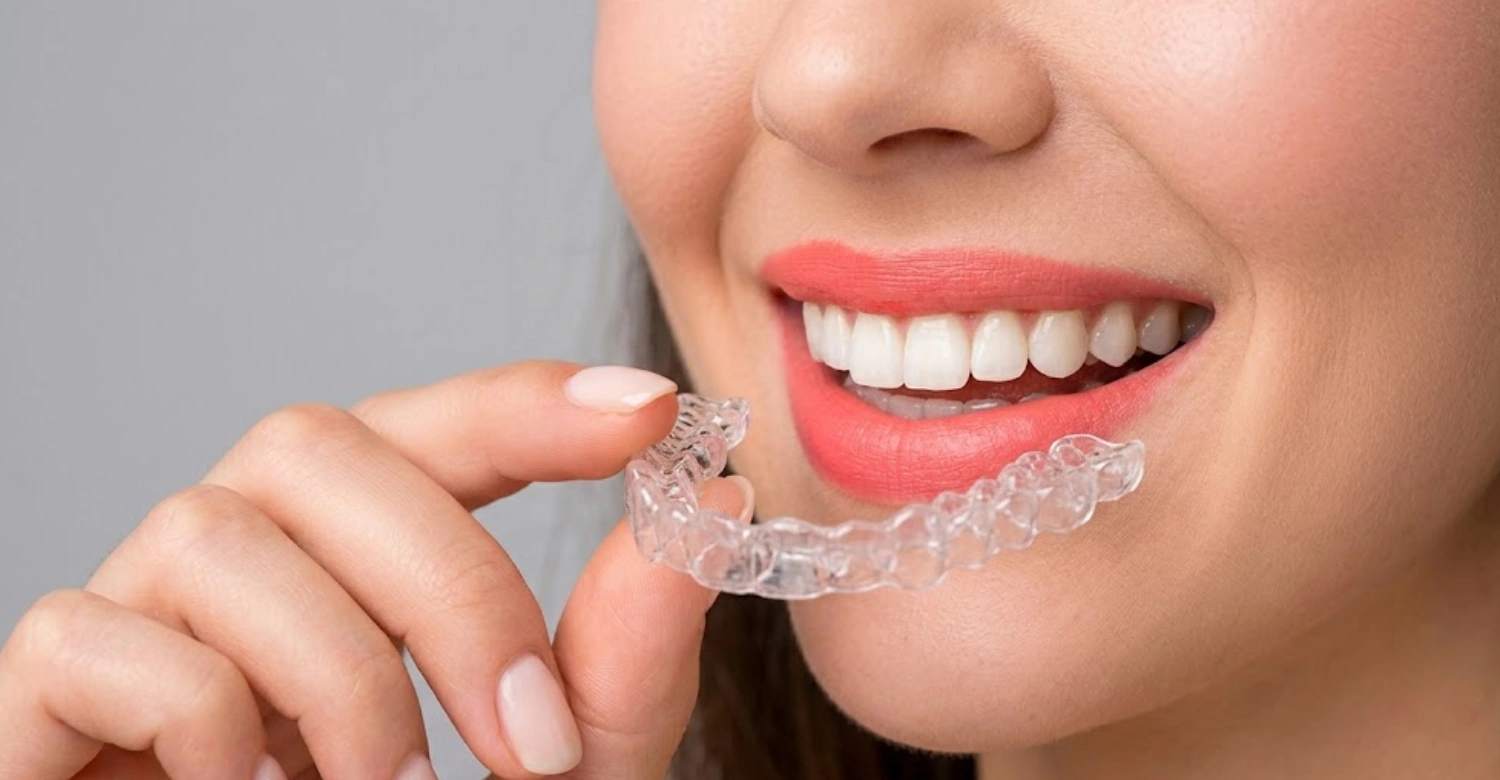
Modern orthodontic methods provide innovative options to achieve Correct Teeth Alignment with greater comfort and aesthetic appeal. Clear aligners, such as Invisalign, are custom-made, removable trays that gradually shift teeth into their ideal positions. These aligners are nearly invisible, making them a popular choice for adults and teens seeking discreet treatment.
Clear Aligners and Invisible Orthodontic Solutions
Clear aligners are a preferred method for patients seeking Correct Teeth Alignment without the appearance of traditional braces. They are made from transparent, medical-grade plastic and custom-fitted to each individual's teeth. These trays are typically replaced every few weeks as teeth gradually move to their intended positions.
Invisible orthodontic solutions are highly effective for mild to moderate misalignment, including minor crowding, gaps, and bite irregularities. Patients benefit from easy maintenance, discreet aesthetics, and reduced irritation compared to traditional braces. Clear aligners are often combined with retainers to maintain results, ensuring a long-lasting, healthy smile.
Additional Dental Treatments That Support Alignment
Achieving Correct Teeth Alignment often involves more than just braces or clear aligners. Additional dental treatments, such as retainers, expanders, and minor cosmetic adjustments, play a vital role in guiding teeth to their optimal positions and maintaining long-term results. Retainers prevent teeth from shifting back after treatment, while expanders can create space in crowded jaws to allow proper alignment.
Cosmetic adjustments, including reshaping or bonding teeth, may also help improve spacing and symmetry. By combining these supportive treatments with primary orthodontic methods, dentists ensure comprehensive results that optimize oral function and appearance. These interventions contribute to a stable, healthy, and confident smile.
Retainers, Expanders, and Minor Cosmetic Adjustments
Retainers, expanders, and minor cosmetic adjustments are essential for achieving Correct Teeth Alignment and maintaining it over time. Retainers help keep teeth in their new positions after braces or aligners, while expanders gradually widen the jaw to accommodate crowded teeth. Cosmetic interventions, like tooth reshaping, can refine alignment and enhance aesthetics.
These treatments are often used together to address both functional and visual aspects of dental alignment. Regular follow-ups with an orthodontist ensure that teeth remain stable and that any emerging issues are addressed promptly. Supporting treatments provide lasting benefits beyond the initial alignment phase.
The Process of Tooth Alignment Treatment
The process of achieving Correct Teeth Alignment is carefully planned and structured to ensure safe and effective results. Treatment begins with a thorough evaluation to understand the patient's dental condition, bite, and overall oral health. Using advanced diagnostic tools, orthodontists create a customized plan tailored to each patient's needs.
Initial Consultation and Diagnosis
The initial consultation is the first step toward Correct Teeth Alignment. During this visit, the orthodontist evaluates dental health, bite patterns, and jaw structure using digital scans, X-rays, and physical examination. This assessment allows identification of misalignment issues, crowding, spacing, and bite irregularities.
The consultation also involves discussing patient goals, expectations, and treatment options. A personalized treatment plan is developed, outlining the methods, duration, and supportive procedures needed to achieve optimal results. Early diagnosis ensures the most efficient and effective path toward properly aligned teeth and a balanced smile.
Digital Scans, X-rays, and Treatment Planning
Digital scans, X-rays, and treatment planning are crucial for achieving Correct Teeth Alignment. Modern orthodontists use 3D imaging and digital models to precisely map the teeth, jaws, and bite. These technologies allow accurate prediction of tooth movement and selection of the best orthodontic method.
With detailed planning, treatment becomes more efficient and predictable. Scans and X-rays help identify hidden dental issues, measure jaw relationships, and simulate final outcomes. Proper planning ensures that teeth are aligned safely, functional issues are corrected, and the patient's smile achieves both health and aesthetic goals.
Tips for Patients
Use a toothpaste with 1,450 ppm fluoride, and after brushing spit rather than rinse with water, so the fluoride stays on the teeth longer. If you snack on something sugary, have it with a meal instead of spreading sweets across the day, since it is the frequency of acid attacks, not the total amount, that drives a tooth cavity.
The Alignment Treatment Phase
During the alignment treatment phase, achieving Correct Teeth Alignment involves active management of tooth movement through braces, clear aligners, or supportive appliances. Regular visits to the orthodontist allow adjustments, monitoring, and progress assessment.
Treatment is gradual and customized based on individual needs. Patients may experience minor discomfort as teeth shift, but orthodontists guide the process to minimize pain and maximize effectiveness. This phase is critical for ensuring that teeth move into proper positions safely, improving bite, oral function, and overall aesthetics.
Monitoring Progress and Adjusting the Treatment Plan
Monitoring progress and adjusting the treatment plan are essential steps for achieving Correct Teeth Alignment successfully. Orthodontists evaluate tooth movement, bite changes, and patient comfort at regular intervals. Adjustments to braces or aligners ensure that teeth continue moving as planned.
Active monitoring helps identify potential issues early, preventing complications and ensuring smooth treatment. By combining precise control with continuous evaluation, orthodontists can deliver effective results that improve dental function, maintain oral health, and create a confident, balanced smile.
Retention and Maintaining Results
Retention is a critical stage in maintaining Correct Teeth Alignment after the active treatment phase. Retainers, whether removable or fixed, hold teeth in their new positions and prevent relapse, which can occur if teeth gradually shift back.
Patients are instructed on proper retainer use and maintenance, along with continued oral hygiene practices. Regular follow-ups ensure retainers fit correctly and address any minor adjustments needed. Retention ensures that the benefits of orthodontic treatment are long-lasting, preserving both function and aesthetics for years to come.
Why Retainers Are Essential for Long-Term Tooth Alignment
Retainers are vital for sustaining Correct Teeth Alignment after braces or aligners. Even when teeth are fully aligned, the surrounding tissues and bone require time to stabilize, and retainers maintain teeth in their ideal positions during this period.
How Long Does It Take to Achieve Correct Teeth Alignment?
The duration of orthodontic treatment varies widely depending on individual dental conditions, age, and the method used. Achieving a properly aligned smile may take several months to a few years. Treatment plans are highly personalized, with the orthodontist monitoring progress and adjusting techniques as needed.
Factors such as the severity of misalignment, jaw structure, and patient compliance influence how long it takes to achieve a healthy, functional smile. Younger patients often experience faster results due to more flexible bone structure, whereas adults may require extended treatment times. Patience and adherence to the plan are essential for long-term stability and optimal outcomes.
Factors That Influence Treatment Duration
Age, severity of misalignment, and treatment method are the primary factors affecting the timeline for achieving optimal alignment. Children and teenagers typically experience faster tooth movement because their bones are still growing, making orthodontic interventions more efficient. Adults may require longer treatment periods due to denser bone structure.
Age, Severity of Misalignment, and Treatment Method
Treatment timelines depend on several critical factors. Younger patients usually respond faster, while adults may need more time. The complexity of misalignment, such as overlapping teeth or severe bite problems, can extend the process. Additionally, the method used traditional braces versus clear aligners affects the speed and efficiency of treatment.
Regular check-ups and adherence to orthodontic instructions accelerate progress. Each patient's journey is unique, but careful planning and consistent care help ensure that teeth achieve and maintain their desired positions over time.
Average Timeline for Teeth Straightening
Typical orthodontic treatment can range from 12 to 36 months, depending on the complexity of alignment issues and chosen treatment method. Mild crowding or spacing problems may be resolved more quickly with clear aligners or short-term braces. Moderate to severe misalignment often requires extended use of traditional braces.
Regular monitoring allows orthodontists to adjust treatment and track progress. Following oral care instructions and wearing appliances as prescribed ensures optimal results. Regardless of the timeline, consistent effort during the treatment phase is critical for a healthy, balanced, and long-lasting smile.
Comparing Braces and Clear Aligners
Braces and clear aligners offer distinct timelines for achieving alignment. Braces provide continuous force on teeth and are often used for complex cases, potentially requiring longer treatment. Clear aligners offer a discreet option and are effective for mild to moderate alignment issues, sometimes reducing treatment time.
Patient compliance plays a significant role in how quickly results are achieved. Regular adjustments and monitoring ensure both methods effectively guide teeth into their proper positions. Choosing the right treatment depends on the severity of misalignment, lifestyle considerations, and desired aesthetics.
Advanced Alignment Mechanics and Accelerating Technologies
Beyond standard brackets and trays, several technologies now shorten active treatment time. These methods work by encouraging faster alveolar bone remodeling, the biological process that allows a tooth to move through bone safely. Accelerated osteogenic orthodontics combines minor surgical stimulation with regular orthodontic force to speed up this remodeling.
Propel Alveocision and High-Frequency Vibration Devices
Propel Alveocision uses small, controlled perforations in the bone around a tooth to trigger a faster healing and remodeling response. Separately, high-frequency vibration dental devices are worn briefly each day and are thought to stimulate the same bone cells. Both approaches are used alongside braces or aligners, not instead of them, and are chosen case by case.
Temporary Anchorage Devices (TADs) for Complex Anchor Points
Temporary Anchorage Devices, or TADs, are small titanium screws placed temporarily in the jawbone to serve as a fixed anchor point. They let orthodontists move one tooth or group of teeth without shifting the rest of the arch. TADs are especially useful for complex anchor points that traditional brackets cannot manage alone, such as closing large gaps or correcting significant vertical discrepancies.
Surgical Orthodontics (Orthognathic Surgery) for Skeletal Discrepancies
When a bite problem originates in the jawbone itself rather than the teeth, braces alone cannot fully correct it. Orthognathic surgery jaw alignment repositions the upper jaw, lower jaw, or both, and is planned jointly with an orthodontist. It is reserved for a genuine skeletal jaw discrepancy, such as a significant Class II or Class III jaw relationship, where tooth movement alone would leave the bite unstable. Surgery is typically combined with several months of braces before and after the procedure.
What We Notice Clinically
Dr. Rifat Alsaman, Head of the Medical Team at Vitrin Clinic and a cosmetic dentist, notes that patients often underestimate how much a skeletal component contributes to their bite problem until digital imaging shows it clearly. Dr. Rifat Alsaman explains that early classification of the malocclusion type prevents wasted months on an approach that was never going to fully correct the underlying jaw relationship. In his clinical experience, Dr. Rifat Alsaman finds that patients who receive a TAD or a surgical referral early, when it is genuinely needed, reach a stable result faster than those who try conventional aligners first.
Clinical Note
Early cavities frequently cause no pain or visible change, so they are missed during self-checks at home. A dental examination with X-rays detects decay between teeth and under the enamel before it reaches the stage where a patient would feel it.
Daily Habits That Support Healthy Tooth Alignment
Maintaining good oral habits is essential for supporting orthodontic treatment and long-term results. Proper oral hygiene, diet, and lifestyle choices can enhance treatment effectiveness and help preserve the position of newly aligned teeth.
Routine brushing and flossing prevent plaque buildup and gum problems, which could interfere with orthodontic devices or the alignment process. Avoiding habits like nail-biting, chewing on hard objects, or consuming excessive sugary foods reduces the risk of damage and ensures smoother treatment progress. Consistent care helps preserve a healthy, functional, and aesthetically pleasing smile.
Proper Oral Hygiene for Alignment Dental Care
Good oral hygiene supports both treatment and long-term dental health. Brushing twice daily with fluoride toothpaste and flossing between teeth prevents cavities and gum disease, which can complicate orthodontic procedures. Regular dental check-ups and professional cleanings are also essential.
For patients with braces or aligners, cleaning around appliances is crucial. Proper oral care reduces bacterial buildup, prevents staining, and contributes to the overall success of treatment. Maintaining healthy teeth and gums ensures that alignment results are preserved and that patients enjoy long-lasting, functional oral health.
Brushing, Flossing, and Professional Cleanings
Consistent brushing, flossing, and professional cleanings are vital to maintaining alignment progress. These practices prevent plaque accumulation in areas where orthodontic appliances can trap food and bacteria. Failing to maintain oral hygiene can lead to cavities, gum disease, and extended treatment times.
Patients with braces or aligners should use specialized brushes or flossing tools to clean hard-to-reach areas effectively. Regular dental visits help monitor oral health and provide preventive care. Proper hygiene supports a smooth treatment process and ensures that teeth remain healthy and stable after alignment.
Lifestyle Tips to Maintain Straight Teeth
Certain lifestyle habits support the long-term stability of a healthy smile. Avoiding hard or sticky foods, refraining from chewing on pens or nails, and limiting sugary snacks reduce the risk of damage or decay. Wearing retainers as prescribed also helps preserve tooth positions.
Regular exercise, balanced nutrition, and avoiding tobacco products contribute to overall oral health. Patients who follow these lifestyle guidelines are more likely to achieve optimal results from orthodontic treatment and maintain a confident, functional smile for years.
Diet Choices and Avoiding Harmful Habits
Diet plays an important role in supporting dental health and maintaining alignment. Crunchy, hard, or sticky foods can damage appliances or shift teeth, while sugary foods increase cavity risk. Healthy options like fruits, vegetables, and calcium-rich foods strengthen teeth and gums.
Avoiding habits such as nail-biting, chewing ice, or using teeth as tools reduces stress on teeth and braces. Combined with consistent retainer use and oral hygiene, these habits help ensure that teeth remain straight, functional, and aesthetically pleasing over time.
Achieve Correct Teeth Alignment at Vitrin Clinic
Vitrin Clinic offers specialized orthodontic care to help patients achieve Correct Teeth Alignment using the latest technologies and personalized treatment approaches. The clinic focuses on both function and aesthetics, ensuring that patients enjoy a healthy, confident smile.
Through comprehensive evaluations, advanced diagnostics, and modern orthodontic methods, Vitrin Clinic provides effective solutions for a wide range of alignment issues. Patients benefit from tailored treatment plans, professional support, and continuous monitoring to ensure optimal results and long-term dental health.
Advanced Technology for Accurate Tooth Alignment
Vitrin Clinic employs advanced technology to deliver precise and efficient orthodontic care. Digital diagnostics, including 3D imaging and intraoral scanning, allow detailed analysis of teeth, jaws, and bite patterns.
These technologies support accurate treatment planning and guide the selection of appropriate braces, aligners, or supportive appliances. Patients receive a customized roadmap for achieving alignment, ensuring predictable results and enhancing both function and aesthetics. Advanced tools also improve comfort, reduce treatment times, and help monitor progress effectively.
Digital Diagnostics and Modern Orthodontic Techniques
With digital diagnostics and modern orthodontic techniques, Vitrin Clinic ensures patients receive highly precise and personalized care. Scans, X-rays, and digital models help plan tooth movement, track progress, and predict outcomes.
Modern orthodontic appliances, including clear aligners and braces, are designed based on these digital evaluations. This combination of technology and clinical expertise allows patients to achieve optimal alignment efficiently while maintaining oral health and comfort throughout the treatment process.
Personalized Alignment Dental Care at Vitrin Clinic
At Vitrin Clinic, each patient receives a customized approach to achieve Correct Teeth Alignment. Every treatment plan is tailored to individual dental needs, bite patterns, and aesthetic goals. Personalized care ensures that both functional and visual aspects of the smile are addressed, enhancing long-term outcomes.
Orthodontists at the clinic combine digital diagnostics with clinical expertise to develop efficient treatment plans. Whether using braces, clear aligners, or supportive devices like retainers and expanders, patients are guided step by step. This individualized strategy helps patients achieve optimal results while minimizing discomfort and treatment duration.
Customized Treatment Plans for Every Patient
Vitrin Clinic emphasizes individualized care, offering treatment plans designed to meet specific patient needs. Customized approaches consider the severity of misalignment, age, dental health, and lifestyle preferences. Using advanced tools such as 3D imaging and digital models, orthodontists can predict tooth movement accurately and monitor progress throughout treatment.
This careful planning ensures that patients achieve a stable, functional, and aesthetically pleasing smile. Adjustments are made as necessary to address changes in tooth movement, ensuring long-term success and patient satisfaction. Personalized care improves both the efficiency and quality of orthodontic treatment.
Why Choose Vitrin Clinic for Teeth Alignment Treatment?
Vitrin Clinic is recognized for delivering exceptional orthodontic care, helping patients achieve Correct Teeth Alignment safely and effectively. The clinic combines advanced technology, clinical expertise, and a patient-centered approach to deliver reliable and aesthetically satisfying results.
Patients benefit from comprehensive treatment options, tailored plans, and continuous support throughout their orthodontic journey. Vitrin Clinic prioritizes comfort, precision, and long-term oral health, ensuring that every patient achieves a functional and visually balanced smile that boosts confidence.
Experienced Orthodontic Specialists
The team of experienced orthodontic specialists at Vitrin Clinic ensures that every patient receives expert care in achieving Correct Teeth Alignment. These professionals are trained in the latest techniques and technologies, including digital diagnostics, braces, and clear aligners.
Specialists evaluate each patient's dental and skeletal structure, design tailored treatment plans, and monitor progress throughout the alignment process. Their expertise ensures safe and effective tooth movement, addressing complex alignment issues while maintaining comfort and efficiency.
Expertise in the Alignment or Straightening of the Teeth
Vitrin Clinic's orthodontists have extensive experience in correcting misalignment and improving dental function. Their expertise covers a wide range of cases, from mild crowding to severe bite problems. By applying modern methods and best practices, they help patients achieve a stable, healthy, and aesthetically pleasing smile.
Comfortable and Patient-Focused Care
Vitrin Clinic emphasizes a supportive and comfortable environment for patients undergoing alignment treatment. The clinic combines state-of-the-art facilities with compassionate care to reduce stress and improve patient experience.
From the initial consultation to treatment completion, patients receive guidance on oral hygiene, appliance care, and lifestyle habits that support healthy tooth alignment. This patient-focused approach ensures that treatment is not only effective but also convenient and minimally disruptive to daily life.
Modern Facilities and Supportive Dental Teams
Modern facilities and a supportive dental team at Vitrin Clinic contribute to a smooth treatment experience. Advanced equipment allows for precise diagnostics and treatment planning, while the care team assists with appliance management, oral hygiene instructions, and ongoing monitoring.
The combination of technology, expertise, and patient support ensures that treatments are comfortable, effective, and tailored to individual needs. Patients can expect excellent results while enjoying a safe and welcoming clinical environment.
About Vitrin Clinic
Vitrin Clinic is a dental clinic based in Istanbul, Turkey, treating international patients from across Europe, the Middle East, and beyond. The clinic pairs orthodontic and cosmetic dentistry under one roof, with treatment plans built on digital scans and X-ray diagnostics rather than guesswork. Patients traveling for care receive coordinated planning before arrival and follow-up support once treatment is complete, so distance does not interrupt continuity of care.
References:
FAQs

Dr. Rifat Alsaman has more than 5 years of clinical experience in dentistry and currently serves as the Head of the Medical Team at Vitrin Clinic. He is dedicated to providing exceptional patient care, overseeing treatment planning, and ensuring the highest clinical standards across the team. His expertise, attention to detail, and commitment to continuous professional development have helped countless patients achieve healthier, more confident smiles.

.webp&w=3840&q=75)


.webp&w=3840&q=75)