
When embarking on an orthodontic journey, adapting to the physical sensation of brackets, wires, or clear aligner attachments can present a significant adjustment phase. It is entirely common for patients to experience localized tenderness, irritation, or friction sores along the delicate inner lining of the cheeks, lips, and gums. During these transitional periods, protective barriers become an indispensable asset for daily comfort. However, as the evening approaches, a highly frequent and vital question arises for individuals managing their orthodontic appliances: can i sleep with orthodontic wax?
Understanding the safety parameters, application protocols, and structural benefits of using protective barriers overnight is essential for maintaining an uninterrupted healing environment. This comprehensive guide outlines everything you need to know about nighttime oral protection, featuring structural insights from the premier medical team at Vitrin Clinic.
Understanding Nighttime Orthodontic Care
To directly address the primary concern: yes, you absolutely can sleep with orthodontic wax safely applied to your appliances. In fact, leaving a protective barrier over sharp brackets or protruding wire ends overnight is highly recommended by dental professionals globally. Many patients worry that they might accidentally swallow orthodontic wax while they are sound asleep in bed.
When you enter a state of deep sleep, your body naturally decreases its saliva production. Saliva serves as a natural lubricant within the oral cavity; when its volume diminishes, the friction between your metal or ceramic brackets and the soft mucosal tissues intensifies significantly. Furthermore, subconscious movements throughout the night, such as rolling over, pressing your face firmly against a pillow, or clenching your jaw force the inner lining of your cheeks and lips against the hard, angular edges of your braces. Without a buffer, this continuous nighttime pressure can easily result in painful ulcerations, lacerations, or structural abrasions that make waking up an incredibly uncomfortable experience.
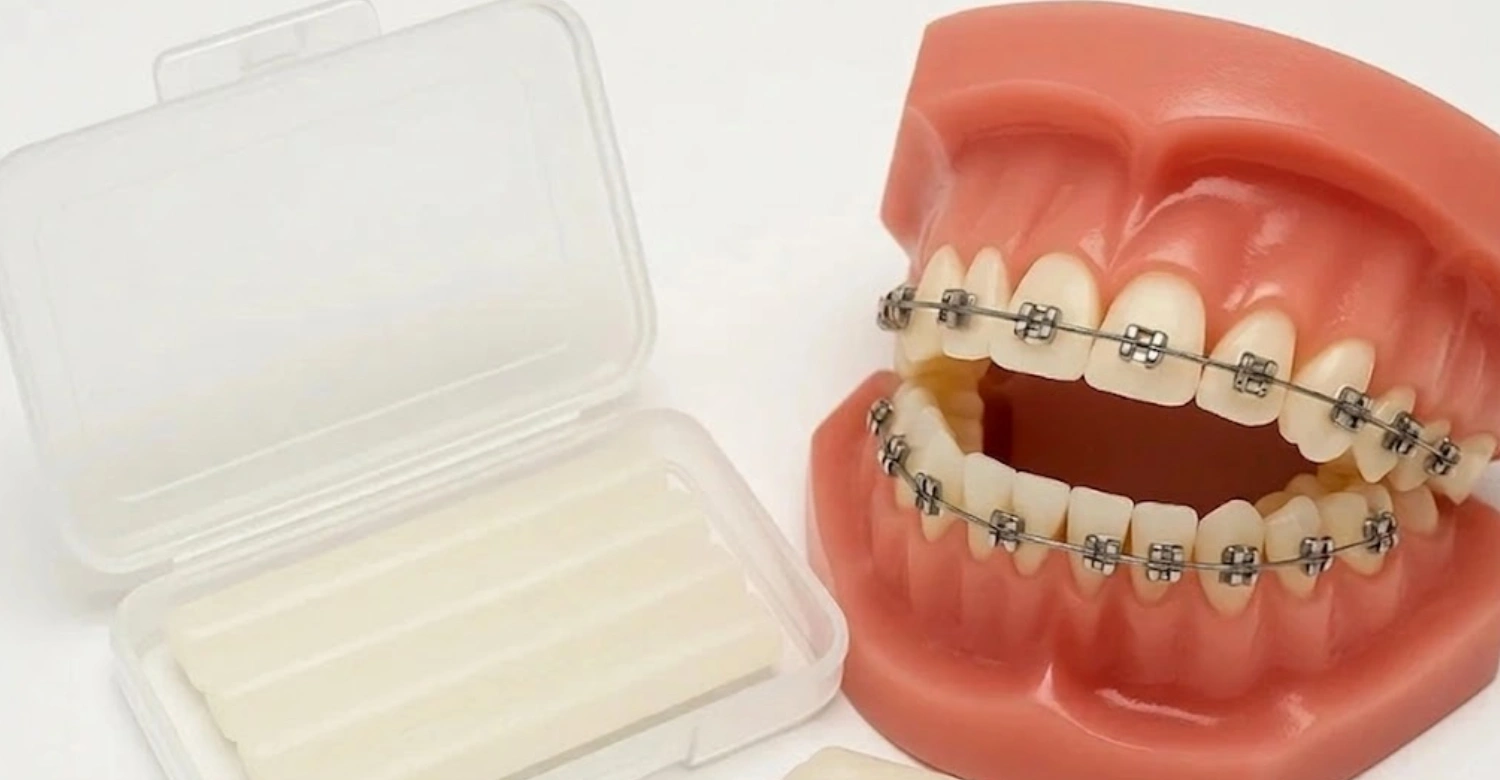
By proactively applying a smooth, rounded layer of medical-grade wax before bed, you establish a reliable cushion that neutralizes friction. This allows the delicate tissues of your mouth to rest, regenerate, and heal seamlessly overnight, ensuring that you wake up without the unnecessary pain of newly formed mouth sores.
Material Safety and Ingestion Concerns
A primary hesitation for many individuals asking can i sleep with orthodontic wax revolves around the potential risk of accidentally swallowing the material while unconscious. Fortunately, the formulation of modern dental wax is explicitly designed with human safety and biocompatibility in mind. While sleeping with it is generally safe, you might also be wondering can I eat with orthodontic wax during the day.
The specialized barrier materials utilized and recommended at Vitrin Clinic are completely non-toxic and entirely safe for accidental ingestion. Most high-quality orthodontic waxes are manufactured from purely natural, medical-grade substances, including:
Paraffin Wax: A highly refined, medical-grade mineral-based wax that provides a smooth, reliable structure.
Beeswax: A natural substance produced by honeybees, known for its excellent pliability and organic safety profile.
Carnauba Wax: A plant-derived wax obtained from the leaves of the carnauba palm, offering durable barrier properties.
Because these compounds are entirely biocompatible and free from hazardous chemicals, your digestive tract will simply process any swallowed fragments naturally without causing any adverse health effects, systemic toxicity, or gastrointestinal complications. While the product is obviously not intended to be consumed as food, accidental ingestion during sleep is an expected occurrence that warrants zero medical concern. Aside from covering sharp metal brackets, wax is also incredibly useful for protecting a broken tooth while you sleep.
Expert Insights from the Head of the Medical Team
To provide the highest level of clinical clarity on this matter, it is invaluable to consider the professional perspective of an experienced cosmetic and restorative specialist. Dr. Rifat Alsaman, an esteemed expert who serves as the Head of the Medical Team at Vitrin Clinic, emphasizes the profound importance of overnight tissue protection during active orthodontic care.
As a dedicated cosmetics dentist, Dr. Rifat Alsaman consistently observes how nighttime oral management directly influences the overall success and comfort of a patient's treatment path. According to Dr. Rifat Alsaman, managing the soft tissue environment is just as critical as guiding the movement of the teeth themselves. When patients face persistent irritation, it can diminish their compliance and enthusiasm for their treatment.
"A beautiful smile is built on a foundation of health and comfort," states Dr. Rifat Alsaman, the Head of the Medical Team at Vitrin Clinic. "When patients ask me, can I sleep with orthodontic wax, my answer is always an emphatic yes. In fact, I consider it a vital practice during the initial weeks of braces or directly following a tight adjustment appointment. Leaving the wax on overnight prevents the development of chronic ulcers, allowing the oral mucosa to develop a natural tolerance and toughness over time without undergoing painful trauma."
As a highly regarded cosmetics dentist, Dr. Rifat Alsaman also highlights that maintaining intact, healthy oral tissues prevents secondary bacterial infections that could arise from open sores. The guidance provided by Dr. Rifat Alsaman reinforces the standard of care upheld across all departments at Vitrin Clinic, ensuring that patient comfort remains parallel to aesthetic excellence.
Step-by-Step Guide for Nighttime Application
Achieving a secure hold that lasts throughout the entire sleep cycle requires proper preparation and application technique. To maximize the longevity of your protective barrier overnight, the clinical specialists at Vitrin Clinic recommend the following systematic protocol:
1. Perform Rigorous Oral Hygiene
Before applying any product, thoroughly brush and floss your teeth to eliminate food particles and plaque. Applying a barrier over uncleaned brackets can trap harmful bacteria and sugars against your tooth enamel overnight, increasing the risk of localized decalcification or decay. If you are experiencing severe overnight discomfort from temporary anchorage devices, applying a small amount of wax can help.
2. Isolate and Dry the Target Area
Orthodontic wax is inherently hydrophobic, meaning it will struggle to adhere to a wet surface. Use a clean tissue, cotton swab, or paper towel to thoroughly dry the specific bracket, wire, or clear aligner attachment that is causing the irritation. Ensuring the area is completely dry is the most crucial step for achieving nighttime stability.
3. Prepare the Correct Material Volume
Wash your hands thoroughly with soap and water. Pinch off a small, pea-sized portion of the wax from your package. Roll the material firmly between your fingertips for several seconds; the friction and warmth from your fingers will soften the substance, making it significantly more pliable and easier to mold.
4. Apply with Precise Pressure
Position the softened ball directly over the irritating component of your appliance. Press it gently but firmly using your thumb or index finger, molding the material so that it completely encapsulates the sharp edges or protruding wires. Smooth down the outer borders of the wax to prevent your lips or tongue from catching and dislodging it.
5. Inspect the Stability
Gently move your lips and cheeks over the area to ensure the sharp sensation has been successfully neutralized and that the barrier feels securely anchored. If it feels loose, remove it, re-dry the bracket, and apply a fresh piece.
When you wake up in the morning, peel away the overnight wax before completing your morning brushing routine. Always discard the used material and replace it with a fresh piece if daytime protection continues to be necessary.
Comprehensive Orthodontic Care and Investment at Vitrin Clinic
Maintaining excellent oral health and achieving a balanced, beautiful smile requires access to world-class clinical guidance and state-of-the-art facilities. Based in the vibrant international medical hub of Istanbul, Vitrin Clinic has established itself as a premier global destination for advanced orthodontics, aesthetic dentistry, and complete smile transformations. Utilizing cutting-edge 3D digital imaging, advanced CAD/CAM technology, and premium biocompatible materials, the clinic delivers highly customized treatment paths designed to cater to the unique physiological and aesthetic goals of every patient. For more tips on managing your comfort during your journey, explore our comprehensive guide to Vitrin Clinic orthodontic procedures.
For international and local patients seeking elite dental care under the direct supervision of top-tier specialists like Dr. Rifat Alsaman, financial transparency is a core pillar of the patient experience. The cost of comprehensive dental treatments can vary depending on the complexity of the alignment case, the specific materials chosen (such as traditional metal braces, ceramic aesthetic brackets, or premium Invisalign clear aligners), and the overall scope of the restorative plan.
At Vitrin Clinic, the average cost for comprehensive orthodontic interventions typically ranges from $1,500 to $3,500. This competitive pricing structure allows international patients to save up to 70% compared to private dental rates in Western Europe or North America, all while receiving unparalleled luxury care, dedicated multilingual translation support, and seamless VIP structural coordination from arrival to departure. By combining structural precision with an empathetic approach to patient comfort, the medical team ensures that your journey toward a healthier smile is safe, affordable, and completely stress-free.
References:
https://westrockortho.com/can-you-wear-wax-on-braces-while-sleeping/
FAQs

Dr. Rifat Alsaman has more than 5 years of clinical experience in dentistry and currently serves as the Head of the Medical Team at Vitrin Clinic. He is dedicated to providing exceptional patient care, overseeing treatment planning, and ensuring the highest clinical standards across the team. His expertise, attention to detail, and commitment to continuous professional development have helped countless patients achieve healthier, more confident smiles.


