
Can you swallow orthodontic wax? Yes, accidentally swallowing dental wax is completely safe and harmless. Orthodontic wax is specifically manufactured for use inside the mouth, meaning it is non-toxic, chemical-free, and entirely medical-grade. Whether you use a standard brand or a natural alternative like beeswax, your digestive system will simply process it naturally and pass it through your body without causing any internal harm or blockages. While you shouldn't eat it on purpose, swallowing a small piece that detaches from your braces while you are sleeping or eating is absolutely nothing to worry about.
Yes, you can accidentally swallow orthodontic wax, and in the vast majority of cases, it is completely safe. Orthodontic wax is made from non-toxic, medical-grade materials such as paraffin, beeswax, or similar food-safe waxes that are specifically designed for use inside the mouth. Because orthodontists know that patients may accidentally swallow small pieces while eating, drinking, talking, or sleeping, the wax is manufactured to pass safely through the digestive system without causing harm.
If you swallow a small amount of orthodontic wax, it will usually move through your stomach and intestines naturally before leaving your body during normal digestion. The wax is not absorbed into your bloodstream, does not contain harmful chemicals in the quantities used for orthodontic care, and rarely causes any side effects. Most people never notice any symptoms after swallowing a piece of wax. Because accidental ingestion usually happens during meals, many patients frequently ask can I eat with orthodontic wax safely.
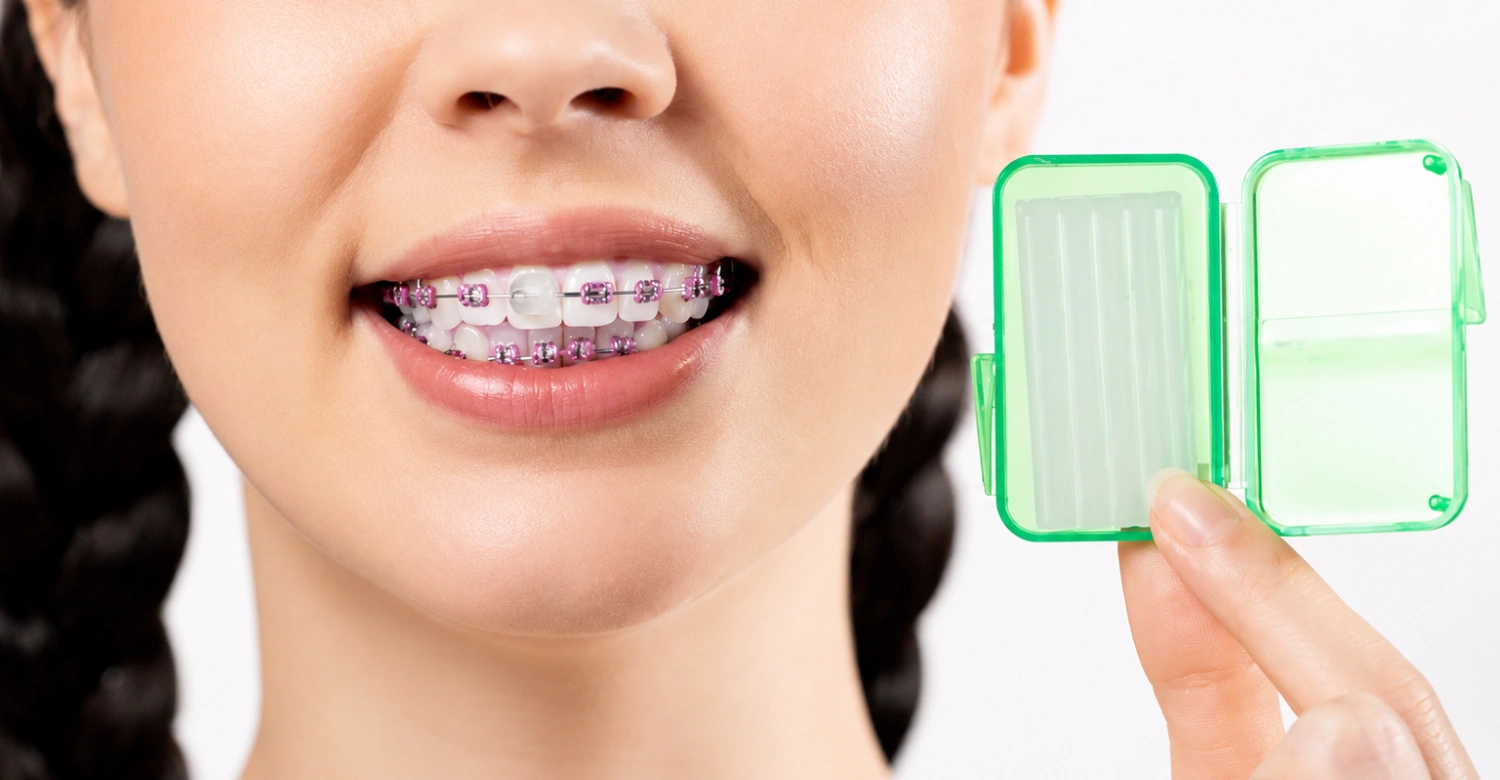
Although swallowing orthodontic wax accidentally is not considered dangerous, it is not meant to be eaten intentionally. Its primary purpose is to create a smooth protective barrier over sharp brackets, wires, or other orthodontic appliances that may irritate the inside of your cheeks, lips, or tongue. If the wax falls off or is swallowed, simply wash your hands and apply a fresh piece to the area causing discomfort.
It is also important to distinguish swallowing orthodontic wax from swallowing part of your braces. While the wax itself is generally harmless, accidentally swallowing a loose bracket, elastic attachment, or piece of orthodontic wire may require prompt dental evaluation. If you experience persistent coughing, difficulty breathing, severe pain, or believe you swallowed part of your orthodontic appliance instead of only the wax, you should contact a dental professional immediately. Another common scenario for accidental swallowing occurs when you choose to sleep with orthodontic wax to soothe overnight irritation.
Is It Safe to Swallow Orthodontic Wax?
Yes, accidentally swallowing a small piece of orthodontic wax is generally safe. Orthodontic wax is made from non-toxic, medical-grade materials such as paraffin or beeswax that are intended for use inside the mouth. Since manufacturers know patients may accidentally swallow small amounts, the wax is designed to pass safely through the digestive system without being absorbed.
Most people will not experience any symptoms after swallowing orthodontic wax. It simply moves through the digestive tract and leaves the body naturally. Although it is considered harmless, orthodontic wax is not meant to be eaten intentionally and should only be used to protect the soft tissues from irritating braces or wires.
Why Is Orthodontic Wax Non-Toxic?
Orthodontic wax is specifically manufactured for dental use, meaning it is safe if a small amount is accidentally swallowed. The materials used are biologically inert, so they do not react with stomach acid or release harmful chemicals. This makes accidental ingestion very different from swallowing pieces of braces or orthodontic appliances. To minimize the risk of ingestion, read our specific tips for safely eating with wax in your mouth.
What Should You Do If You Swallow It?
In most situations, you do not need to do anything. Simply replace the missing wax with a fresh piece if your braces continue to irritate your mouth. If you believe you swallowed a bracket or wire instead of the wax, or if you develop severe pain or difficulty swallowing, you should seek professional dental or medical advice.
When Should You Apply Orthodontic Wax?
Orthodontic wax should be applied whenever your braces begin to irritate the soft tissues inside your mouth. It is especially useful after orthodontic adjustments or when a bracket or wire rubs against your cheeks, lips, or tongue. The wax creates a smooth barrier that reduces friction and helps prevent painful sores from developing. Using wax can make eating, speaking, and smiling much more comfortable while your mouth adapts to your braces. Although it provides quick relief, it is only a temporary solution and does not fix damaged orthodontic appliances. If discomfort continues or becomes severe, you should contact your orthodontist. Replacing the wax regularly also helps maintain good oral hygiene throughout treatment. Proper use can significantly improve your overall orthodontic experience. The risk of swallowing increases slightly if you are covering a broken tooth because the wax may not adhere perfectly.
After Orthodontic Adjustments
It is completely normal to experience mild soreness after your braces are tightened or adjusted. During the first few days, your brackets and wires may rub more against the inside of your mouth, causing irritation. Applying orthodontic wax over the uncomfortable areas helps reduce friction and protects your cheeks and lips while they adapt. Most patients find that the irritation gradually disappears within a few days. The wax acts as a soft cushion that allows you to continue eating and speaking more comfortably. Replace the wax whenever it becomes loose or dirty for the best results. If the pain becomes severe instead of improving, contact your orthodontist. Regular adjustments combined with proper wax use make treatment much easier.
When a Wire or Bracket Causes Irritation
A protruding wire or rough bracket can cause repeated irritation every time you talk, chew, or smile. Orthodontic wax provides fast temporary relief by covering the sharp area and preventing it from rubbing against the inside of your mouth. This helps reduce pain and allows irritated tissues to begin healing. However, wax is not intended to repair broken braces or loose brackets. If a wire has shifted out of place or a bracket becomes detached, you should arrange a dental appointment as soon as possible. Continue using fresh orthodontic wax until your orthodontist can correct the problem. Replacing the wax regularly keeps the protective barrier effective. Prompt professional care helps keep your treatment progressing as planned. Using protective wax is just a minor, temporary phase of the overall orthodontic treatment process on your way to a perfect smile.
How to Apply Orthodontic Wax Correctly
Applying orthodontic wax correctly ensures that it stays in place and provides maximum comfort throughout the day. The process is simple and only takes a few minutes, but following each step carefully makes a noticeable difference. Clean hands, a dry bracket, and a small amount of fresh wax all contribute to better results. Proper application reduces friction between your braces and the soft tissues inside your mouth. It also helps prevent irritation from becoming more painful over time. Replacing the wax whenever necessary keeps it clean and effective. Learning the correct technique allows you to manage minor discomfort confidently between orthodontic appointments.
Step 1: Wash Your Hands
Before touching orthodontic wax, wash your hands thoroughly using soap and water. Clean hands help reduce the transfer of bacteria into your mouth, especially if irritation has already caused a small sore. Good hygiene is an important part of orthodontic care because it lowers the risk of infection. Dry your hands completely before handling the wax to make it easier to shape. Always use a fresh piece of wax rather than reusing old material. This simple habit improves both safety and comfort. Taking a few extra seconds to clean your hands can make a big difference. It is the first step toward proper wax application.
Step 2: Dry the Bracket
Use a clean tissue, cotton roll, or gauze to gently dry the bracket or wire before applying the wax. Orthodontic wax adheres much better to a dry surface than a wet one. If saliva remains on the appliance, the wax may slide off shortly after application. Drying the area only takes a few moments but greatly improves how long the wax lasts. This also reduces the need for frequent replacement throughout the day. A secure attachment provides more consistent protection against irritation. Always dry the area before adding fresh wax. This step should never be skipped.
Step 3: Roll and Apply the Wax
Take a small piece of orthodontic wax and roll it into a smooth ball using your fingertips. Gently press the wax over the bracket or wire that is causing discomfort until the sharp edge is completely covered. The wax should form a thin, comfortable layer without creating extra pressure. Only a pea-sized amount is usually necessary for effective protection. Smooth the edges with your finger so it stays securely in place. Proper application creates a protective cushion between your braces and your mouth. If the wax falls off, simply replace it with a new piece. The entire process takes less than a minute.
Step 4: Replace the Wax When Needed
Orthodontic wax should be replaced whenever it becomes dirty, loose, or accidentally swallowed. Fresh wax provides better protection and helps maintain good oral hygiene throughout your treatment. Many patients choose to replace it after meals because food particles can stick to the surface. Always discard used wax before applying a new piece. Carrying a small container of wax makes replacement easy wherever you are. Regular replacement also keeps the wax soft and comfortable. This simple routine ensures continuous protection from irritation. Fresh wax always performs better than old wax.
Can You Eat or Drink with Orthodontic Wax?
Many patients wonder whether orthodontic wax should remain on their braces while eating or drinking. Although swallowing a small amount of wax is generally considered safe, removing it before meals is often recommended. This prevents food particles from becoming trapped in the wax and helps maintain better oral hygiene. After eating, you can brush your teeth and apply a fresh piece if irritation continues. Drinking cool or room-temperature beverages is usually not a problem while wearing wax. Very hot drinks may soften it and reduce its effectiveness. Following these simple habits helps keep both your braces and your mouth comfortable throughout treatment.
Eating with Orthodontic Wax
You can eat while wearing orthodontic wax, but chewing often causes it to loosen or collect food debris. For this reason, many orthodontists recommend removing the wax before meals whenever possible. Once you have finished eating and cleaned your teeth, you can apply a fresh piece to the irritated area. This keeps the wax cleaner and allows it to provide better protection. Fresh wax also adheres more effectively after brushing. Maintaining good oral hygiene is especially important during orthodontic treatment. Replacing the wax after meals is a simple habit that improves comfort. It also helps reduce bacterial buildup around your braces.
Drinking While Wearing Wax
Drinking water and most cold beverages is generally safe while wearing orthodontic wax. However, extremely hot drinks such as coffee or tea may soften the wax, making it less likely to stay attached. If the wax becomes loose after drinking something hot, replace it with a fresh piece. Staying hydrated is important for maintaining a healthy mouth during orthodontic treatment. Water also helps rinse away food particles around your braces. Wax should continue protecting the irritated area throughout the day. Check it occasionally to make sure it remains securely attached. Replace it whenever necessary for maximum comfort.
What We Notice Clinically
At Vitrin Clinic, Dr. Rifat Alsaman, Head of the Medical Team at Vitrin Clinic and a cosmetic dentist, frequently reassures patients that accidentally swallowing orthodontic wax is rarely a medical concern. According to Dr. Rifat Alsaman, patients are often more worried than necessary because orthodontic wax is specifically designed to be safe if small amounts are swallowed.
From the clinical experience at Vitrin Clinic, Dr. Rifat Alsaman also explains that replacing the wax promptly is more important than worrying about swallowing it. Properly applied wax continues to protect the cheeks and lips from irritation, making orthodontic treatment much more comfortable.
Orthodontic Care at Vitrin Clinic
Choosing the right orthodontic provider can make your treatment more comfortable and predictable. At Vitrin Clinic, we focus on delivering personalized orthodontic care that improves both oral health and smile aesthetics. Whether you're wearing traditional braces or clear aligners, our team provides continuous guidance to help you manage discomfort, maintain excellent oral hygiene, and achieve the best possible results.
Personalized Orthodontic Treatment
Every patient has unique dental needs, which is why Vitrin Clinic creates customized treatment plans based on detailed examinations and advanced diagnostic technology. Our goal is to ensure efficient tooth movement while keeping patients as comfortable as possible throughout treatment.
Support for Patients Wearing Braces
Patients with braces often have questions about orthodontic wax, cleaning techniques, food choices, and managing minor irritation. At Vitrin Clinic, we educate every patient on how to care for their braces properly, use orthodontic wax safely, and recognize when professional adjustments are needed.
Advanced Technology for Better Results
Vitrin Clinic utilizes modern orthodontic techniques and digital planning to provide accurate, efficient treatment. Regular follow-up appointments allow our team to monitor progress, make precise adjustments, and ensure treatment stays on schedule.
A Comfortable Journey to a Healthier Smile
Our priority is helping every patient feel confident throughout their orthodontic treatment. From the first consultation to the final result, Vitrin Clinic is committed to providing comprehensive care, professional support, and practical advice that makes orthodontic treatment easier and more comfortable.
Reference
In conclusion, accidentally swallowing orthodontic wax is generally not a cause for concern, as it is non-toxic and usually passes through the digestive system without causing harm. Using the wax correctly and replacing it regularly can help reduce irritation and improve your overall orthodontic experience. A recent scientific review also highlights that following your orthodontist’s instructions and maintaining good safety practices throughout treatment can significantly reduce complications and support successful orthodontic care.
https://pmc.ncbi.nlm.nih.gov/articles/PMC11184803/
FAQs

Dr. Rifat Alsaman has more than 5 years of clinical experience in dentistry and currently serves as the Head of the Medical Team at Vitrin Clinic. He is dedicated to providing exceptional patient care, overseeing treatment planning, and ensuring the highest clinical standards across the team. His expertise, attention to detail, and commitment to continuous professional development have helped countless patients achieve healthier, more confident smiles.


