Dental Care Guide
October 1, 2025
7 Shocking Causes of Tooth Decay You Must Know to Protect Your Smile?

causes of tooth decay is one of the most common dental problems worldwide, but many people overlook the hidden factors that contribute to cavity formation.
The causes of tooth decay are not limited to eating sweets or poor brushing habits, because several lifestyle, medical, and environmental factors can weaken teeth.
Frequent acid exposure, dry mouth, unhealthy dietary patterns, and certain medical conditions can increase the risk of enamel damage.
At Vitrin Clinic, dentists focus on identifying the underlying causes of cavities through detailed examinations and personalized prevention plans.
Dr. Rifat Alsaman, Head of the Medical Team at Vitrin Clinic and cosmetic dentist, explains that understanding risk factors is the first step toward protecting natural teeth.
Dr. Rifat Alsaman emphasizes that early prevention and professional dental care can help patients maintain a stronger and healthier smile for years.
This guide explores seven surprising causes of tooth decay, from hidden dietary habits to specific conditions that affect oral health.
What Are the Causes of Tooth Decay?
Tooth decay, also known as dental caries or cavities, is a common dental problem caused by a combination of factors. These include bacteria in the mouth, frequent snacking, sugary drinks, poor oral hygiene, and lack of fluoride. When carbohydrates (sugars and starches) remain on the teeth, bacteria feed on them and produce acid. This acid slowly erodes the tooth enamel, leading to decay. It’s a gradual process, but once it begins, it can progress quickly if not addressed. Understanding how and why tooth decay starts is essential for preventing it and maintaining long-term oral health.
How Does Tooth Decay Actually Start?
Tooth decay begins at the microscopic level and usually starts with the accumulation of dental plaquea sticky, colorless film of bacteria and sugars. When you eat sugary or starchy foods, the bacteria in plaque break them down into acids. These acids begin attacking the enamel, the hard outer surface of the tooth. Over time, repeated acid attacks weaken the enamel, causing it to lose minerals in a process called demineralization. If this continues without remineralization (usually aided by saliva and fluoride), small holes or cavities start to form. It’s a subtle process, often unnoticed until it becomes painful or visible.
What Happens in the Early Stages of Tooth Decay?
In the early stages of tooth decay, most people don’t experience any pain or visible symptoms. The process starts with the loss of minerals from the tooth’s enamel. White spots may appear on the tooth surface these are signs of demineralization. At this point, the decay can still be reversed with fluoride treatments and good oral hygiene. However, if left untreated, the decay can progress past the enamel and into the dentin, the softer layer underneath. Early-stage decay is silent but dangerous. Catching it at this point gives you the best chance of reversing the damage without invasive dental procedures.
Why Do Bacteria Attack the Enamel First?
Bacteria attack the enamel first because it’s the outermost protective layer of the tooth and the first surface they come into contact with. Enamel is strong, but it’s not impervious to acid. When you eat or drink sugary substances, the bacteria in your mouth break down these sugars and release acid as a byproduct. This acid sits on the enamel surface, dissolving its mineral content. Once the enamel becomes porous from acid erosion, bacteria can penetrate deeper into the tooth. The enamel acts as a frontline defense, but without proper care, it can quickly become compromised by bacterial acid attacks.
How Does Plaque Formation Contribute to Decay?
Plaque plays a central role in the development of tooth decay. It’s a sticky biofilm made up of bacteria, food particles, and saliva that forms on your teeth after eating, especially if oral hygiene is poor. The bacteria in plaque feed on sugars and produce acids that erode enamel. The longer plaque sits undisturbed on the teeth especially in areas hard to reach by brushing the more acid it produces. Over time, this acid wears down the enamel and creates cavities. Regular brushing and flossing are essential to remove plaque and prevent it from hardening into tartar, which further accelerates decay.
How Does Saliva Protect or Fail to Protect the Teeth?
Saliva is one of the body’s best natural defenses against tooth decay. It helps rinse away food particles and neutralize acids produced by plaque bacteria. Saliva also contains important minerals like calcium and phosphate, which aid in demineralizing the enamel. However, if saliva flow is reduced due to dehydration, medications, or medical conditions like dry mouth (xerostomia)its protective effect diminishes. Without adequate saliva, acids remain on the teeth longer, increasing the risk of decay. This is why staying hydrated and chewing sugar-free gum (which stimulates saliva) are often recommended for maintaining oral health, especially in individuals prone to dry mouth.
What Role Does pH Balance in the Mouth Play in Tooth Decay?
The pH level in your mouth plays a critical role in determining whether your teeth are in a state of demineralization (losing minerals) or remineralization (regaining minerals). A neutral pH of around 7 is ideal, but when you consume acidic or sugary foods, the pH in your mouth can drop below 5.5. This acidic environment dissolves enamel minerals, promoting decay. If the pH doesn’t return to a neutral state quickly either naturally through saliva or aided by proper dental care enamel damage can worsen. Maintaining a balanced oral pH is essential, and that’s why limiting sugar and acidic drinks is highly recommended. Learn how to treat teeth discoloration for a brighter, healthier smile.
How Do Poor Oral Hygiene Habits Cause Tooth Decay?
Poor oral hygiene is one of the leading contributors to tooth decay. When you fail to brush and floss regularly, food particles and bacteria are left behind on your teeth and gums. This creates an ideal environment for plaque sticky film of bacteria to form. Over time, this plaque produces acids that attack the enamel and lead to cavities. If oral hygiene is consistently neglected, the damage can reach deeper layers of the tooth, even causing infection or tooth loss. Simply put, tooth decay isn’t just about what you eat how you care for your teeth every day plays a critical role.
Why Is Skipping Brushing and Flossing Dangerous for Teeth?
Skipping brushing and flossing, even for just a day, can begin to negatively impact your oral health. Plaque starts forming on your teeth within hours of eating, and if not removed, it hardens into tartar, which is much more difficult to clean. Brushing removes plaque from visible surfaces, while flossing targets the tight spaces between teeth that a toothbrush can’t reach. When you skip these essential steps, bacteria accumulate, acid levels rise, and enamel begins to erode. Over time, this leads to cavities, gum disease, and bad breath. Consistency is key good habits every day are your first defense against decay.
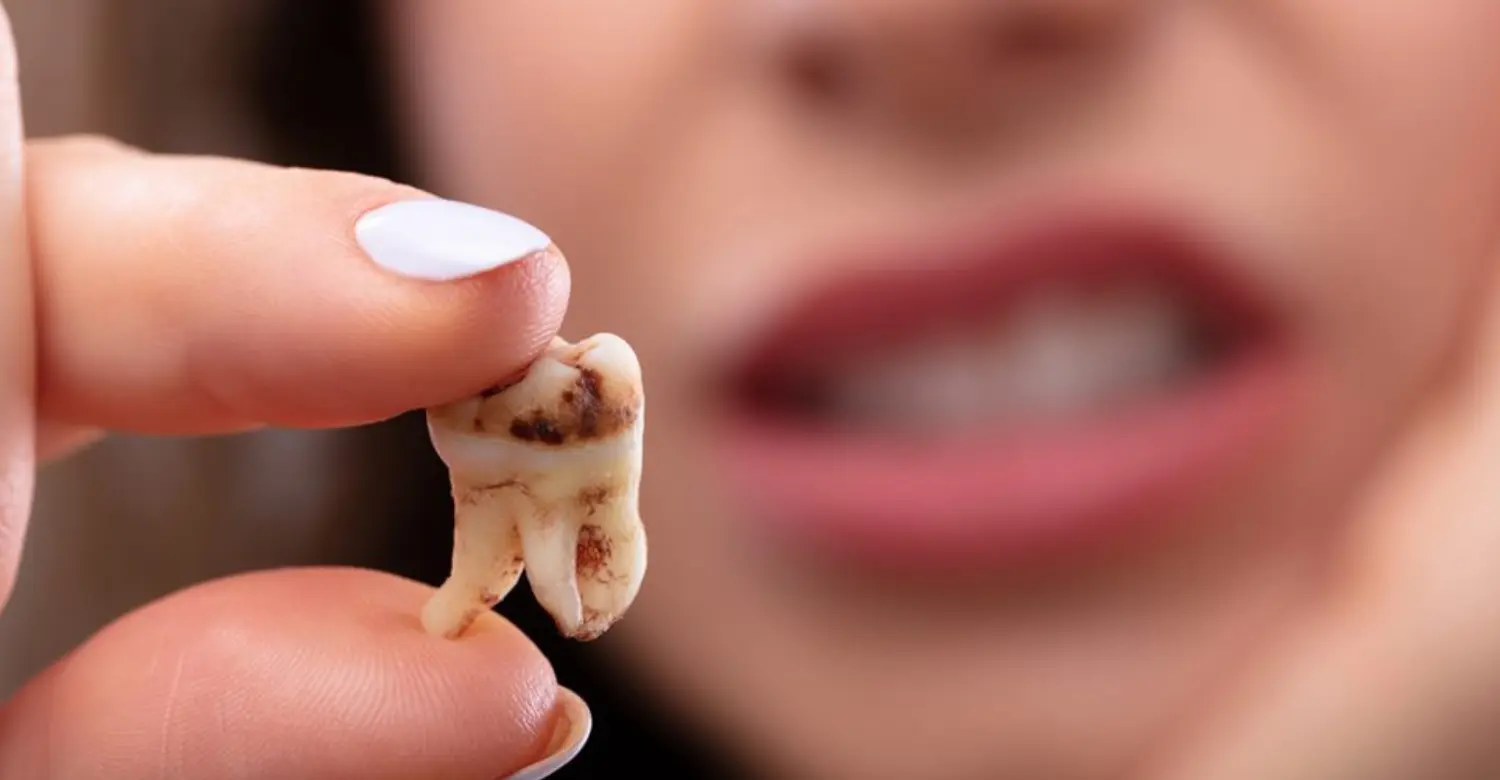
How Fast Can Plaque Build Up Without Proper Cleaning?
Plaque can begin to form on your teeth within 4 to 12 hours after eating, especially after consuming carbohydrates or sugars. If you don’t brush and floss within this timeframe, the plaque layer thickens and begins to harden into tartar within 24 to 72 hours. Tartar cannot be removed by regular brushing and requires a professional cleaning. Once tartar forms, it not only traps more bacteria but also makes it harder to clean your teeth effectively at home. This rapid buildup of plaque and tartar significantly increases your risk for cavities and gum disease, even in a matter of days.
Does Improper Brushing Technique Increase Decay Risk?
Yes, improper brushing technique can increase your risk of tooth decay. Brushing too quickly, using too much pressure, or missing key areas (especially near the gumline or between teeth) means you’re not effectively removing plaque and food debris. Using the wrong toothbrush such as one that’s too hard or too worn can also reduce cleaning efficiency and even damage enamel. Over time, these habits allow bacteria to flourish in neglected spots, leading to localized decay. To protect your teeth, use a soft-bristled brush, brush for two full minutes, and use gentle circular motions. Proper technique makes a big difference in prevention.
How Do Neglected Dental Check-Ups Accelerate Tooth Decay?
Skipping regular dental check-ups allows small dental problems to go unnoticed and untreated until they become serious. Dentists and hygienists don’t just clean your teeth they also detect early signs of decay, plaque buildup, enamel erosion, and gum disease. Often, cavities begin forming without causing pain or visible signs, and only a professional can spot them early. Without these check-ups, decay progresses deeper into the tooth, potentially requiring more invasive procedures like fillings, root canals, or even extractions. Regular visits every 6 months help catch problems early, reduce long-term dental costs, and keep your smile healthy and decay-free. Discover the causes of white gums and how to maintain healthy oral tissue.
How Does Diet Contribute to Tooth Decay?
Diet plays a fundamental role in oral health, and poor eating habits are one of the primary drivers of tooth decay. The food and drinks you consume directly impact the balance of bacteria, acid, and minerals in your mouth. Diets high in sugars and refined carbohydrates create an ideal environment for acid-producing bacteria, while acidic beverages can directly erode enamel. On the flip side, a nutrient-rich diet helps strengthen teeth and supports saliva production, which is critical for neutralizing acids. Simply put, what you eat and how often can either protect your teeth or accelerate decay over time.
Why Do Sugary Foods and Drinks Cause Tooth Decay?
Sugary foods and drinks are notorious for promoting tooth decay. When you consume sugar, the harmful bacteria in your mouth metabolize it and produce acid as a byproduct. This acid attacks the enamel, gradually breaking it down and creating small holes or cavities. Sugary substances that are sticky like candy, caramel, or dried fruits are particularly damaging because they cling to the teeth and stay longer in the mouth, giving bacteria more time to produce acid. Regular consumption of sugary snacks, sodas, and sweetened beverages creates a near-constant acid bath for your teeth, significantly increasing your risk of decay.
How Does Sugar Feed Harmful Oral Bacteria?
Sugar acts as fuel for harmful bacteria in your mouth, particularly Streptococcus mutans, one of the main culprits behind tooth decay. When you eat sugar, these bacteria consume it and rapidly convert it into acid. The more sugar you provide, the more acid is produced. Over time, this acidic environment weakens the enamel and creates opportunities for cavities to form. What’s especially dangerous is frequent sugar intake, which keeps acid levels high for extended periods. So, it’s not just the amount of sugar that matters but also how often you’re consuming it. Limiting sugar helps keep these bacteria in check.
What Happens When Sugar Meets Acid in the Mouth?
When sugar meets the bacteria in your mouth, it leads to the creation of acid almost immediately. This acid lowers the pH of your saliva, which normally sits around neutral (7.0), to a dangerously acidic level below 5.5. At this point, your enamel begins to demineralize, meaning it starts losing calcium and phosphate, the key minerals that keep it strong. This effect can last up to 20–30 minutes after eating. If you consume sugary foods or drinks repeatedly throughout the day, your mouth may remain in a prolonged acidic state, giving your enamel little chance to recover and rebuild.
How Do Acidic Foods and Beverages Damage the Enamel?
Acidic foods and drinks, such as citrus fruits, sodas, vinegar-based dressings, and sports drinks, can directly erode tooth enamel. These substances lower the pH level in your mouth, creating an environment that softens the enamel surface. Once enamel is softened, it becomes more vulnerable to physical wear especially from brushing right after consuming something acidic. Over time, this leads to thinning enamel, increased tooth sensitivity, and a higher risk of decay. Even drinks marketed as “healthy,” like lemon water or kombucha, can contribute to enamel erosion if consumed too often or without proper precautions like rinsing with water afterward. Advanced decay leads to rotten teeth that are structurally unsound and often require extraction
Can Frequent Snacking Increase the Risk of Tooth Decay?
Yes, frequent snacking especially on sugary or starchy food scan significantly increase your risk of tooth decay. Each time you eat, especially snacks that contain carbohydrates, the bacteria in your mouth produce acid. This acid attack can last for up to 30 minutes after eating. If you snack often throughout the day, your teeth are repeatedly exposed to acid, and they don’t have enough time to recover and remineralize. Even healthy snacks like dried fruits or granola bars can be problematic if consumed frequently. To protect your teeth, try limiting snacks, drink water between meals, and brush after snacking when possible.
Does a Lack of Nutrients Affect Tooth Strength?
Absolutely. Just like bones, your teeth need essential nutrients to stay strong and healthy. Calcium, phosphorus, and vitamin D are especially critical for developing and maintaining enamel. A lack of these nutrients can weaken tooth structure, making enamel more susceptible to decay. Additionally, vitamins A, C, and K support gum health and healing, while vitamin B-complex helps fight inflammation and infections. Poor nutrition can also reduce saliva production, which is vital for neutralizing acids and cleansing the mouth. In short, a balanced diet rich in vitamins and minerals is just as important for your oral health as regular brushing and flossing. Protect your teeth by understanding enamel erosion and how to prevent it.
The Hidden Impact of Eating Disorders: How Bulimia and Anorexia Acidify the Mouth
Eating disorders tooth decay is a serious concern because frequent vomiting exposes teeth to harmful stomach acids.
Conditions like bulimia can weaken enamel surfaces and increase sensitivity, erosion, and cavity formation over time.
Anorexia may also contribute to tooth decay because nutritional deficiencies can reduce saliva protection and affect oral health.
At Vitrin Clinic, our dental team evaluates these hidden risk factors during comprehensive examinations.
Dr. Rifat Alsaman, Head of the Medical Team at Vitrin Clinic and a cosmetic dentist, explains that early diagnosis protects natural tooth structure.
Dr. Rifat Alsaman recommends combining preventive care with personalized treatment plans to restore oral balance and prevent future damage.
What We Notice Clinically
Patients with eating disorders often show enamel erosion patterns that differ from regular bacterial cavities.
Our specialists at Vitrin Clinic examine tooth surfaces carefully to identify acid-related damage and early decay signs.
Dr. Rifat Alsaman, Head of the Medical Team at Vitrin Clinic and cosmetic dentist, highlights the importance of gentle treatments.
Clinical evaluation helps determine whether patients need preventive procedures, cosmetic restoration, or restorative dentistry solutions.
Clinical Note
Acid exposure softens enamel temporarily and makes teeth more vulnerable to mechanical damage.
Clinical management focuses on protecting enamel before considering cosmetic or restorative dental procedures.
Dr. Rifat Alsaman advises avoiding immediate brushing after vomiting because softened enamel requires protection.
Tips for Patients
Rinse your mouth with water after vomiting to reduce acid effects.
Avoid brushing immediately after acid exposure because enamel may become temporarily weakened.
Maintain regular dental visits at Vitrin Clinic for professional monitoring and prevention.
Baby Bottle Tooth Decay: The Unique Risks for Infants and Toddlers
Baby bottle tooth decay affects infants when teeth frequently contact sugary liquids for extended periods.
Milk, formula, juice, and sweet drinks can create an environment where harmful bacteria produce damaging acids.
The upper front teeth are commonly affected because they remain exposed during feeding periods.
Vitrin Clinic emphasizes early dental awareness because baby teeth influence future oral development and permanent teeth health.
Dr. Rifat Alsaman, Head of the Medical Team at Vitrin Clinic and cosmetic dentist, recommends early preventive guidance.
Dr. Rifat Alsaman explains that protecting primary teeth helps children develop healthier lifelong dental habits.
What We Notice Clinically
Dentists often identify baby bottle tooth decay through visible white spots or brown discoloration.
Early detection allows Vitrin Clinic specialists to prevent progression before serious tooth damage occurs.
Clinical examinations help parents understand feeding habits that may increase cavity risks.
Clinical Note
Baby teeth require protection because premature tooth loss can affect speech and tooth alignment.
Parents should avoid placing infants to sleep with bottles containing sugary liquids.
Dr. Rifat Alsaman recommends establishing dental visits when the first teeth appear.
Tips for Patients
Clean your baby’s gums before teeth appear using a soft cloth.
Avoid nighttime bottles containing sugary drinks.
Schedule early dental assessments with trusted professionals at Vitrin Clinic.
How Do Lifestyle Factors Lead to Tooth Decay?
Tooth decay isn’t caused solely by poor brushing or a bad diet your overall lifestyle plays a big role, too. Habits like smoking, excessive alcohol consumption, poor sleep, high stress levels, and even grinding your teeth can all negatively affect your oral health. These lifestyle factors often reduce your body’s natural defenses (like saliva production), increase acid levels in the mouth, or physically wear down the enamel. While decay starts at the microscopic level, the choices you make daily what you eat, drink, and how you manage stress can either speed up or slow down the progression of tooth damage.
How Does Smoking Affect Tooth Decay?
Smoking significantly raises the risk of tooth decay, along with a host of other oral health issues like gum disease, tooth discoloration, and bad breath. Tobacco smoke reduces blood flow to the gums, weakens your immune system, and limits your mouth’s ability to heal and fight infection. It also dries out your mouth, reducing saliva productional critical factor in neutralizing acids and protecting tooth enamel. In addition, smokers often have more plaque buildup, which creates a breeding ground for decay-causing bacteria. Over time, the damage from smoking becomes harder to reverse, and the likelihood of tooth loss increases.
Can Alcohol Consumption Increase the Risk of Cavities?
Yes, alcohol consumption can definitely increase your risk of developing cavities. Many alcoholic drinks are high in sugar and acidity two major enemies of enamel. Beverages like wine, beer, and mixed drinks can lower the pH level in your mouth, making it more acidic and prone to demineralization. Additionally, alcohol dries out the mouth by reducing saliva flow, which means acids and food particles aren’t effectively washed away. Frequent drinking, especially without proper dental hygiene afterward, allows these acids to linger and damage the teeth. If you drink regularly, staying hydrated and maintaining strict oral care is essential to minimize risks.
How Does Stress and Teeth Grinding (Bruxism) Contribute to Decay?
Chronic stress can indirectly cause tooth decay by leading to unhealthy coping behaviors, such as neglecting oral hygiene, consuming more sugary foods or drinks, smoking, or drinking alcohol. But one direct consequence of stress is bruxism, or teeth grinding especially at night. Grinding wears down the enamel, the tooth’s protective layer, making teeth more vulnerable to decay, sensitivity, and fractures. Stress also reduces immune function and may contribute to dry mouth, both of which compromise oral health. Managing stress through relaxation techniques, exercise, or therapy can help reduce its impact on your teeth and overall well-being.
Why Does Grinding Wear Down Enamel Over Time?
Grinding, or bruxism, involves the repetitive clenching and sliding of teeth, usually unconsciously during sleep. Over time, this constant friction gradually erodes the enamel the hardest and most protective outer layer of the tooth. Once enamel is worn down, the softer dentin underneath becomes exposed, making teeth more susceptible to decay, sensitivity, and even cracking. Unlike skin or bone, enamel doesn’t regenerate, so damage from grinding is permanent without dental intervention. In severe cases, teeth can become flattened, chipped, or fractured. Dentists often recommend night guards or stress-reduction techniques to prevent enamel loss from ongoing grinding. Explore the water flosser benefits for effective at-home dental hygiene
How Do Medical Conditions Increase the Risk of Tooth Decay?
Many people don’t realize that underlying medical conditions can significantly raise their risk of tooth decay. Certain diseases and disorders impact the mouth directly or indirectly through changes in saliva, increased acidity, weakened immunity, or elevated blood sugar. Dry mouth (xerostomia), diabetes, acid reflux, autoimmune diseases, and even the medications used to treat these conditions can create a perfect environment for cavities to form. Maintaining good oral hygiene is crucial, but when combined with these health issues, preventive care and regular dental visits become even more important to manage decay risk effectively.
How Does Dry Mouth (Xerostomia) Cause Tooth Decay?
Dry mouth, or xerostomia, is a condition where your body doesn’t produce enough saliva. Saliva is essential for maintaining oral health because it neutralizes harmful acids, washes away food particles, and helps remineralize enamel. Without adequate saliva, the mouth becomes more acidic, bacteria thrive, and food debris lingers longer on the teeth. All of this contributes to rapid enamel erosion and an increased risk of cavities. Dry mouth can be caused by medications, dehydration, autoimmune conditions, or cancer treatments like radiation. If you suffer from xerostomia, your dentist may recommend special rinses, sugar-free gum, or hydration strategies to help manage it.
Why Do Acid Reflux and GERD Damage Teeth?
Acid reflux and GERD (Gastroesophageal Reflux Disease) expose your teeth to stomach acid, which is far more corrosive than anything you eat or drink. When this acid travels up the esophagus and into the mouth, it lowers the pH and directly erodes the enamel, especially on the back of the teeth. Over time, repeated exposure can thin the enamel, cause sensitivity, and make the teeth more prone to cavities. Many people with GERD may not notice the damage until it’s advanced. Managing reflux with lifestyle changes, medication, and avoiding late meals can help protect both your digestive and oral health.
How Do Diabetes and Other Conditions Affect Oral Health?
Diabetes is one of the most well-documented systemic conditions affecting oral health. High blood sugar levels weaken the body’s immune response, slow healing, and feed harmful oral bacteria, making it easier for plaque and tartar to form. People with diabetes are more prone to gum disease, dry mouth, and tooth decay. Other conditions like autoimmune diseases (e.g., Sjögren’s syndrome), hormonal imbalances, and kidney disease can also affect saliva production, increase inflammation, and disrupt the body’s natural ability to fight infection. Maintaining control of your primary condition, along with excellent dental care, is key to reducing decay risks. We offer a variety of filling options , including composite, amalgam, and glass ionomer
How Does High Blood Sugar Increase Cavity Risk?
High blood sugar, especially in people with uncontrolled diabetes, creates a perfect environment for tooth decay. Glucose isn’t just elevated in the bloodstream it’s also present in saliva, which provides extra fuel for the bacteria that cause cavities. Additionally, high blood sugar reduces the efficiency of white blood cells, making it harder for the body to fight off bacterial infections in the mouth. This leads to faster plaque buildup, higher acid production, and slower healing of gum tissues. Together, these effects make decay more likely and more severe. Controlling blood sugar and maintaining good oral hygiene are both essential for cavity prevention.
Can Medications Lead to Tooth Decay as a Side Effect?
Yes, many common medications can unintentionally contribute to tooth decay. One of the most widespread side effects is dry mouth, caused by medications such as antidepressants, antihistamines, blood pressure drugs, decongestants, and painkillers. Without enough saliva, the mouth becomes dry, acidic, and vulnerable to bacteria. Some medications may also contain sugar especially syrups and chewable which directly feed harmful bacteria. Even medications that alter bone density or immune function can weaken your body’s defenses against oral infections. If you’re taking long-term medications, let your dentist know so they can help monitor your oral health and suggest preventive treatments like fluoride rinses or saliva substitutes. Learn how to relieve tooth pain and prevent further damage.
How Do Genetics Influence Tooth Decay?
While tooth decay is largely preventable through good oral hygiene, diet, and regular dental visits, genetics can also play a significant role in how prone you are to cavities. Some individuals may inherit traits that naturally make their teeth more vulnerable, such as softer enamel, lower saliva production, or misaligned teeth that are harder to clean. Even taste preferences, pain sensitivity, and immune response to oral bacteria can have genetic roots. This doesn’t mean you’re destined for dental problems but it does mean you may need to take extra care and work closely with your dentist to manage your risk.
Can Enamel Thickness Be Inherited?
Yes, enamel thickness is largely determined by genetics. Some people naturally have thicker, more resilient enamel, while others may be born with thin or weak enamel, making their teeth more susceptible to acid attacks and decay. Thicker enamel offers a stronger barrier against bacteria and acids, while thinner enamel wears down faster, exposing the dentin underneath, which decays more easily. People with naturally thin enamel often experience more sensitivity and need extra fluoride support or dental treatments to reinforce their enamel. If tooth decay runs in your family, it may be linked in part to inherited enamel characteristics.
Do Genetic Factors Affect Saliva Quality?
Absolutely. Saliva isn’t just water it’s a complex mixture of enzymes, proteins, and minerals that protect your teeth and mouth. Genetic differences can affect both the quantity and quality of your saliva. Some people naturally produce more saliva or have higher levels of protective compounds like calcium and phosphate, which help remineralizer enamel. Others may produce less saliva or have saliva that’s less effective at neutralizing acids and fighting off bacteria. Since saliva is one of your first lines of defense against tooth decay, these inherited differences can make a big impact on your oral health outcomes over time.
Why Are Some People More Prone to Cavities Than Others?
The reasons some people are more prone to cavities can be complex, and genetics is often a hidden factor. While lifestyle choices and hygiene play a huge role, genetic traits like enamel strength, oral pH balance, saliva composition, tooth shape, and immune response to bacteria can all affect decay risk. For example, deep grooves in molars (which can be inherited) are harder to clean and trap food more easily. Others may inherit a microbiome that fosters more harmful bacteria in the mouth. If you find that you get cavities despite good brushing habits, your genetics could be part of the reason and regular checkups become even more critical. Understand the causes and treatment options for decayed teeth.
How Does Age Impact the Causes of Tooth Decay?
Tooth decay affects people of all ages but the causes and contributing factors shift as we grow older. In childhood, tooth decay often stems from sugary diets, poor brushing habits, and developing enamel. In adults, decay may result from stress-related habits, dietary choices, or neglecting dental checkups due to busy lifestyles. As people age into their senior years, decay risks shift again primarily toward root decay, dry mouth caused by medications, and receding gums. Understanding how age influences decay allows for more personalized and preventive care. Each life stage comes with unique challenges and knowing them helps you protect your teeth accordingly.
Why Are Children More Susceptible to Tooth Decay?
Children are especially vulnerable to tooth decay for several reasons. First, their enamel is thinner and less mineralized than that of adults, making it easier for bacteria and acids to break through. Kids also tend to consume more sugary foods and drinks, and their oral hygiene routines are often inconsistent or poorly executed. Add in the fact that young children may not yet have the manual dexterity to brush effectively, and it’s easy to see why cavities are common. Baby teeth are also more spaced apart, creating hard-to-clean crevices. Regular dental checkups, fluoride treatments, and parental supervision are essential in reducing the risk.
Why Do Adults Develop Tooth Decay Differently Than Children?
While children typically develop cavities on the chewing surfaces of their back rotten teeth, adults tend to develop decay in different areas such as between the teeth or near old fillings or dental work. Adult diets, stress, and lifestyle habits (like smoking or drinking alcohol) also play a major role. Additionally, some adults may neglect dental visits due to cost, busy schedules, or a lack of noticeable symptoms. Over time, enamel naturally wears down, making teeth more vulnerable. Also, gum recession in adults can expose tooth roots, creating new targets for decay. For adults, maintaining dental health requires both consistency and early detection.
How Does Aging Increase the Risk of Root Decay?
As we age, our gums naturally begin to recede, often due to years of brushing, gum disease, or bone loss. This gum recession exposes the root surfaces of teeth areas that lack protective enamel and are instead covered by cementum, which is much softer. These root surfaces are far more susceptible to decay, especially in the presence of dry mouth (xerostomia), which is common among seniors taking multiple medications. Reduced saliva, diminished immune response, and challenges with dexterity can make brushing and flossing harder, all contributing to a higher risk of root decay. Preventive care, such as fluoride rinses and regular cleanings, becomes increasingly important in older age. Protect your oral health by learning about dental cavities and how to avoid them
How Do Dental Restorations and Appliances Affect Tooth Decay?
While dental restorations and appliances are meant to protect and improve oral health, they can sometimes contribute to tooth decay if not properly maintained. Fillings, crowns, braces, aligners, dentures, and retainers all introduce new surfaces, edges, or areas where plaque and bacteria can hide. If not cleaned thoroughly, these areas become hotspots for decay, especially along the margins of restorations or underneath poorly fitted devices. Regular checkups, good hygiene, and proper cleaning tools can help reduce these risks. Knowing how to care for your dental work is just as important as the procedures themselves in maintaining long-term oral health. If a tooth is beyond repair, an extraction is necessary to prevent the spread of infection
Can Fillings and Crowns Lead to Tooth Decay Around Their Edges?
Yes, fillings and crowns can lead to secondary (or recurrent) decay, which occurs around their margins. Over time, the seal between a filling or crown and the natural tooth can wear down, develop tiny gaps, or become loose. These microscopic openings allow plaque and bacteria to sneak underneath, where they can go undetected until significant damage is done. Because the decay is hidden, it often progresses silently. If you’re not flossing or brushing properly around these areas or skipping dental checkups you may miss early warning signs. Dentists often use X-rays and visual inspections to catch margin-related decay early and prevent further damage.
How Do Braces and Aligners Make Cleaning More Difficult?
Braces and aligners can significantly complicate your oral hygiene routine. Braces create multiple nooks and crannies around brackets, wires, and bands where food particles and plaque easily collect. These areas are difficult to clean thoroughly with a regular toothbrush and often require special tools like interdental brushes or water flossers. Clear aligners, while removable, can also pose risks especially if worn over teeth that haven’t been brushed after eating. Trapped food and sugar underneath aligners create a sealed, acidic environment perfect for decay. Without diligent care, orthodontic appliances can actually increase the risk of cavities, especially around the gumline and molars.
Why Do Poorly Fitted Dental Appliances Contribute to Decay?
Poorly fitted dental appliances like dentures, partials, retainers, or night guards can trap food, plaque, and bacteria in areas that are hard to reach and clean. Gaps between the appliance and the natural tooth or gum surface allow bacteria to flourish in moist, dark spaces. These conditions not only promote decay but also irritate gums, leading to inflammation or infection. Additionally, appliances that move around when worn can cause micro-abrasions on the enamel or soft tissues, weakening them over time. Regular dental visits ensure your appliances fit correctly, and proper cleaning routines including soaking and brushing can help prevent decay caused by these devices. Identify warning signs with rotten tooth signs to act early.
How Can Environmental Factors Cause Tooth Decay?
Tooth decay isn’t caused solely by personal habits or genetics; your environment also plays a critical role. Factors like access to clean, fluoridated water, regional diet patterns, air quality, and even socioeconomic conditions can all influence oral health. Communities with limited dental resources or education often experience higher rates of decay. Likewise, industrial pollutants or acidic exposure in certain workplaces can contribute to enamel erosion. Environmental influences often shape your exposure to protective elements like fluoride or harmful ones like sugar-filled diets and processed foods. Understanding these external factors helps highlight the need for both personal care and public health strategies.
How Does Fluoride Deficiency Lead to Weaker Teeth?
Fluoride is essential for maintaining strong enamel and preventing tooth decay. It works by enhancing remineralization, helping to repair early enamel damage, and making teeth more resistant to acid attacks from bacteria. When there’s a fluoride deficiency either due to lack of fluoridated water or inadequate use of fluoride toothpaste teeth become more vulnerable to demineralization. Children who grow up without sufficient fluoride exposure may develop softer enamel that’s more susceptible to decay throughout life. This is why community water fluoridation is considered one of the most effective public health measures for reducing cavities across populations, especially in areas with limited access to dental care.
Why Does Access to Clean Water Influence Cavity Risk?
Clean water isn’t just about hydration it’s a foundation of oral health. Drinking clean, fluoridated water helps rinse away food particles, neutralize acids in the mouth, and strengthen enamel. In contrast, individuals without regular access to clean or fluoridated water often rely on sugary drinks, bottled beverages, or unregulated water sources, all of which increase decay risk. Additionally, clean water supports overall health and hygiene practices, like effective tooth brushing and rinsing. In regions with poor water infrastructure, both oral and general health outcomes suffer. Promoting access to clean, safe drinking water remains a key strategy in cavity prevention worldwide.
Can Living in Urban Areas Increase Tooth Decay Risks?
Urban living offers many advantages but when it comes to oral health, it can also introduce specific risks. Many urban environments promote on-the-go lifestyles, leading to frequent snacking, sugary beverage consumption, and skipped oral hygiene routines. Additionally, increased pollution and industrial air quality may contribute to dry mouth or acidic exposure, which weakens enamel over time. Some urban communities especially those in low-income areas struggle with access to affordable dental care or fluoridated water. While cities often have more dental services, not everyone can access or afford them. As a result, urban life can both help and hinder oral health, depending on individual circumstances. Follow our tips for tooth decay prevention and maintain healthy teeth
How Do Early Warning Signs Point to Tooth Decay Causes?
Recognizing early warning signs of tooth decay can help you address the underlying causes before serious damage occurs. Symptoms like tooth sensitivity, bad breath, and discoloration often signal that decay is beginning or that your oral environment is out of balance. These signs are your body’s way of telling you that bacteria are active and enamel may be compromised. Early detection allows for timely interventions such as improved oral hygiene, dietary adjustments, and professional care, preventing the need for more invasive treatments down the road.
Why Does Tooth Sensitivity Signal Possible Decay?
Tooth sensitivity often occurs when the protective enamel wears down, exposing the underlying dentin or even the nerve endings inside the tooth. This exposure can be an early indication of decay or enamel erosion caused by acid attacks or bacterial activity. Sensitivity typically triggers pain or discomfort when consuming hot, cold, sweet, or acidic foods and drinks. It’s your body’s alert that the enamel barrier is compromised and that bacteria might be penetrating deeper. Ignoring sensitivity can lead to more severe decay, infections, or even tooth loss. Consulting a dentist early can help diagnose and treat decay before it worsens.
How Does Bad Breath Relate to Tooth Decay?
Persistent bad breath (halitosis) often signals active bacterial growth in the mouth, which is closely linked to tooth decay. When plaque builds up and bacteria metabolize food debris, they release foul-smelling sulfur compounds. Decaying teeth, gum disease, and infected areas can all harbor bacteria that contribute to bad breath. If oral hygiene is poor or if decay is present, bad breath becomes a warning sign of deeper issues. Addressing the cause by improving brushing, flossing, and seeking dental care can reduce bacteria, control decay, and restore fresh breath.
Can Tooth Discoloration Indicate Underlying Decay?
Yes, tooth discoloration can be an important visual clue to underlying decay. Early decay may appear as white spots, indicating mineral loss in the enamel. As decay progresses, it can cause yellow, brown, or even black stains due to enamel breakdown and bacterial infiltration. Discoloration near fillings, crowns, or in hard-to-clean grooves can indicate secondary decay. While not all stains are caused by decay (some result from foods, drinks, or smoking), any persistent discoloration warrants a dental checkup to rule out or treat cavities before they worsen. Stay informed about common wisdom teeth problems to prevent complications
How Can Preventive Measures Address the Causes of Tooth Decay?
Preventive care is the frontline defense against tooth decay. Understanding how daily habits, professional treatments, and protective interventions work can empower you to keep your teeth healthy and cavity-free. While causes of decay are many from bacteria and diet to genetics and lifestyle, effective prevention targets these factors before they lead to damage. Consistent brushing and flossing, professional cleanings, fluoride treatments, and sealants all play essential roles in disrupting decay processes, strengthening enamel, and protecting vulnerable tooth surfaces.
How Can Brushing and Flossing Stop Tooth Decay?
Brushing and flossing are the most fundamental actions you can take to prevent tooth decay. Brushing twice daily removes plaque and food particles from tooth surfaces, while flossing cleans between teeth where toothbrushes can’t reach. This combination prevents plaque buildup, which is the primary cause of acid production by oral bacteria. Without plaque, the acids that erode enamel and cause cavities don’t get a foothold. Proper technique and consistency are keyusing fluoride toothpaste enhances enamel protection, and flossing reduces gum inflammation that can expose tooth roots to decay. Together, these habits form the foundation of cavity prevention. Common signs of decay include tooth sensitivity, visible holes, and sharp pain when biting
How Does Professional Dental Cleaning Help Prevent Decay?
Professional dental cleanings, typically performed every six months, play a vital role in preventing tooth decay. Dental hygienists use specialized tools to remove hardened plaque, known as tartar or calculus, which cannot be eliminated by regular brushing or flossing. This buildup harbors bacteria that produce acids attacking enamel. Cleanings also allow for early detection of decay and gum disease before symptoms worsen. Additionally, hygienists polish teeth to remove surface stains and make it harder for plaque to adhere. Regular dental visits not only keep your mouth clean but also provide personalized advice and treatments tailored to your oral health needs.
Can Fluoride Treatments Reverse Early Decay?
Fluoride treatments are a powerful tool in reversing early tooth decay, also known as demineralization. Fluoride works by enhancing the remineralization process helping minerals like calcium and phosphate rebuild weakened enamel before cavities form. Professional fluoride applications provide a higher concentration than regular toothpaste or mouth rinses, offering targeted protection especially to vulnerable areas. For children, fluoride treatments are an effective way to protect developing teeth, but adults with sensitive teeth or high decay risk benefit as well. Early intervention with fluoride can halt decay progression and reduce the need for fillings or more invasive procedures.
The Stages of Decay: How a Cavity Progresses from Enamel to Pulp Infection
Understanding the stages of tooth decay helps patients recognize problems before advanced damage develops.
Decay usually begins with enamel mineral loss caused by bacterial acids attacking the tooth surface.
Without treatment, cavities progress through dentin and eventually reach the sensitive pulp area.
At Vitrin Clinic, dentists evaluate decay severity using advanced diagnostic methods and personalized treatment planning.
Dr. Rifat Alsaman, Head of the Medical Team at Vitrin Clinic and cosmetic dentist, explains that early intervention preserves natural teeth.
Dr. Rifat Alsaman focuses on minimally invasive approaches whenever possible to maintain healthy tooth structure.
Stages of Tooth Decay Explained
The stages of tooth decay describe how a cavity develops from early enamel damage to advanced infection.
Understanding these stages helps patients recognize warning signs and seek treatment before permanent tooth damage occurs.
At Vitrin Clinic, dentists evaluate each decay stage carefully to provide suitable treatments and preserve natural teeth.
Dr. Rifat Alsaman, Head of the Medical Team at Vitrin Clinic and cosmetic dentist, explains that early detection allows more conservative treatment options.
Dr. Rifat Alsaman emphasizes that protecting healthy tooth structure should always be the priority during cavity management.
Stage 1: Enamel Demineralization
The earliest stage involves mineral loss without a visible cavity opening.
Professional fluoride treatments and improved hygiene may help strengthen weakened enamel areas.
Stage 2: Dentin Decay
When decay reaches dentin, patients may experience sensitivity to hot, cold, or sweet foods.
Dental fillings are commonly used at this stage to prevent deeper infection.
Stage 3: Pulp Infection
Advanced decay can reach the pulp containing nerves and blood vessels.
Root canal treatment may become necessary to remove infection and preserve the tooth.
What We Notice Clinically
Dentists often compare cavity progression with symptoms because visible damage does not always show severity.
Vitrin Clinic uses detailed examinations to determine the most suitable treatment approach.
Dr. Rifat Alsaman emphasizes that saving natural teeth remains the priority whenever clinically possible.
Clinical Note
A cavity cannot heal on its own once a physical hole forms inside the tooth structure.
However, early enamel changes may sometimes be reversed through proper remineralization methods.
Dr. Rifat Alsaman explains that timing plays a major role in successful dental outcomes.
Tips for Patients
Do not ignore small cavities because they can progress silently.
Visit Vitrin Clinic regularly for early detection and preventive care.
Ask your dentist whether a cavity requires monitoring or immediate treatment.
How Do Dental Sealants Protect Against Tooth Decay?
Dental sealants act as a physical barrier, protecting the deep grooves and pits of molars where decay most commonly starts. These thin, plastic coatings are applied by dentists to the chewing surfaces of back teeth, sealing off hard-to-clean areas from food and bacteria. Sealants are especially beneficial for children and teenagers but can be applied to adults as well. By preventing plaque accumulation in these vulnerable spots, sealants drastically reduce the risk of cavities. They are painless, quick to apply, and durable for several years, making them an effective and convenient preventive measure to complement daily oral hygiene. The water flosser benefits include improved gum health and easier cleaning for people with braces or implants.
Cavity vs Stain: Understanding the Difference
Many patients confuse cavity vs stain because both can appear as dark marks on teeth.
A stain usually affects the outer enamel surface and may result from foods, drinks, or smoking.
A cavity involves bacterial damage that creates permanent structural changes inside the tooth.
Vitrin Clinic dentists carefully examine discoloration to provide accurate diagnosis and appropriate care.
Dr. Rifat Alsaman, Head of the Medical Team at Vitrin Clinic and cosmetic dentist, explains that correct diagnosis prevents unnecessary treatments.
What We Notice Clinically
Clinical examination helps distinguish harmless staining from active decay requiring dental intervention.
Vitrin Clinic uses professional assessment methods to identify the true cause of tooth discoloration.
Clinical Note
Not every dark spot means a cavity, but every suspicious change deserves professional evaluation.
Dr. Rifat Alsaman recommends early examinations because small problems are easier to manage.
Tips for Patients
Avoid diagnosing cavities only through appearance.
Schedule dental checks when unusual spots appear.
Maintain professional cleanings to reduce staining risks.
About Tooth Decay Statistics
Tooth decay remains one of the most common oral health problems affecting people worldwide across different age groups.
According to the World Health Organization, approximately 3.5 billion people experience oral diseases, with dental caries being among the most widespread conditions.
Research shows that untreated permanent tooth decay affects around 2 billion adults globally, making prevention and early treatment essential.
Children are also highly affected, as dental caries can influence eating habits, sleep quality, school performance, and overall development.
At Vitrin Clinic, dentists use preventive strategies and advanced diagnostic methods to identify decay risks before serious complications occur.
Dr. Rifat Alsaman, Head of the Medical Team at Vitrin Clinic and cosmetic dentist, explains that early detection helps preserve natural teeth.
Dr. Rifat Alsaman emphasizes that understanding the causes and stages of tooth decay allows patients to make better oral health decisions.
Key About Tooth Decay Prevention
Early-stage decay can often be managed more easily than advanced cavities requiring complex treatments.
Regular dental examinations help detect enamel changes before they develop into painful infections.
Diet, oral hygiene, saliva quality, and lifestyle habits all influence cavity development.
Children and older adults may have higher risks due to specific oral health challenges.
Preventive dentistry at Vitrin Clinic focuses on reducing risks through personalized care plans.
Conclusion: Protecting Your Smile from Tooth Decay
Understanding the causes of tooth decay helps patients prevent damage before it affects their daily lives.
From eating habits and oral hygiene to medical conditions and lifestyle factors, many elements influence cavity development.
Recognizing the stages of tooth decay allows earlier intervention and improves the chances of saving natural teeth.
At Vitrin Clinic, our dental specialists provide comprehensive evaluations and customized treatments to maintain healthy smiles.
Dr. Rifat Alsaman, Head of the Medical Team at Vitrin Clinic and cosmetic dentist, believes prevention is the foundation of long-term oral health.
Dr. Rifat Alsaman recommends regular checkups, proper hygiene, and early treatment to protect your smile for years.
Reference
Major International Colleges & Research Centers
The following leading dental academic institutions conduct key research on caries etiology and oral microbiology:
King's College London – Faculty of Dentistry, Oral & Craniofacial Sciences (UK)
Research focus: Biofilm dynamics, caries risk assessment, and remineralization.
URL: https://www.kcl.ac.uk/dentistryHarvard School of Dental Medicine (USA)
Research focus: Oral microbiome sequencing and host-microbe interactions in dental caries.
URL: https://hsdm.harvard.eduUniversity of Michigan School of Dentistry (USA)
Research focus: Cardiology, tissue engineering, and preventive oral care mechanisms.
URL: https://dent.umich.eduKarolinska Institutet – Department of Dental Medicine (Sweden)
Research focus: Preventive cardiology, salivary biomarkers, and fluoride mechanisms.
URL: https://ki.se/en/dentmedInstitute of Science Tokyo / TMDU Dental Hospital (Japan)
Research focus: Adhesive dentistry, enamel remineralization, and cariogenic biofilm ecology.
URL: https://www.isct.ac.jp/en
Breda, J., Jewell, J., & Keller, A. (2018). The importance of the World Health Organization sugar guidelines for dental health and obesity prevention. Caries Research, 53(2), 149–152. https://doi.org/10.1159/000491556
Marsh, P. D. (2017). Ecological events in oral health and disease: New opportunities for prevention and disease control? Journal of the California Dental Association, 45(10), 525–537. https://doi.org/10.1080/19424396.2017.12222502
Nyvad, B., & Takahashi, N. (2020). Integrated hypothesis of dental caries and periodontal diseases. Journal of Oral Microbiology, 12(1), 1710953. https://doi.org/10.1080/20002297.2019.1710953
Pitts, N. B., Zero, D. T., Marsh, P. D., Ekstrand, K., Weintraub, J. A., Ramos-Gomez, F., Tagami, J., Twetman, S., Tsakos, G., & Ismail, A. (2017). Dental caries. Nature Reviews Disease Primers, 3, 17030. https://doi.org/10.1038/nrdp.2017.30
FAQs

Dr. Rifat Alsaman has more than 5 years of clinical experience in dentistry and currently serves as the Head of the Medical Team at Vitrin Clinic. He is dedicated to providing exceptional patient care, overseeing treatment planning, and ensuring the highest clinical standards across the team. His expertise, attention to detail, and commitment to continuous professional development have helped countless patients achieve healthier, more confident smiles.

.webp&w=3840&q=75)


