
Bottom teeth aligners have emerged as one of the most effective solutions for patients struggling with lower arch misalignment. The question is no longer whether aligners work, it's whether they can address the specific challenges the lower arch presents. From crowding and spacing to rotation and gradual shifting, the best way to straighten bottom teeth has evolved significantly. This blog explores everything you need to know about bottom teeth straightening, from causes and treatment options to realistic expectations from modern aligner therapy.
Why Are Lower Teeth So Tricky to Straighten?
The lower arch presents unique orthodontic challenges that make treatment more nuanced than upper arch correction. Lower teeth tend to crowd more aggressively over time, are more susceptible to lip and tongue pressure, and are among the first to relapse after treatment ends. Understanding why lower teeth are harder to straighten helps patients appreciate the precision required when designing effective bottom teeth aligners. With the correct approach, however, the lower arch responds well to aligner therapy often faster than patients expect, with excellent functional and aesthetic outcomes. If you only have lower crowding, you might ask can anyone get Invisalign for just one single dental arch.
Understanding the Causes of Bottom Teeth Misalignment
Lower teeth misalignment stems from several overlapping causes. Genetic factors often dictate jaw size and tooth dimensions, leading to crowding when space is insufficient. Childhood habits such as thumb-sucking or tongue-thrusting can shift lower teeth out of position over time. Wisdom teeth emerging in late adolescence frequently push the lower arch forward, causing noticeable crowding. Delayed or incomplete orthodontic treatment also contributes significantly. Understanding these root causes helps tailor the most effective approach for bottom teeth straightening, ensuring the treatment plan addresses the specific forces driving misalignment.
Common Challenges Patients Face with Lower Teeth
Patients with lower arch issues often face overlapping, crowded, or rotated teeth that are difficult to clean and prone to decay. Many find that flossing between lower front teeth is nearly impossible without proper alignment. Others notice that their bite feels uneven or strained, contributing to jaw discomfort over time. Finding the best way to straighten bottom teeth is further complicated by the fact that the lower arch is more mobile than the upper and more reactive to changes in bite pressure. These realities make professional evaluation essential before beginning any treatment plan. Treating only the bottom arch can sometimes disrupt your correct teeth alignment, causing severe bite issues and jaw pain later.
How Misaligned Bottom Teeth Affect Your Confidence and Oral Health
Misaligned lower teeth are highly visible when speaking and smiling, directly impacting self-confidence. Many patients report avoiding open-mouthed smiles or feeling embarrassed during conversations. Beyond aesthetics, lower arch misalignment contributes to uneven enamel wear, difficulty chewing, and increased gum recession risk. Bacteria accumulate more easily in crowded lower spaces, raising decay rates considerably. Bottom teeth straightening addresses all of these concerns simultaneously improving the smile's appearance while supporting better oral health and reducing the long-term risk of progressive dental complications that worsen without treatment.
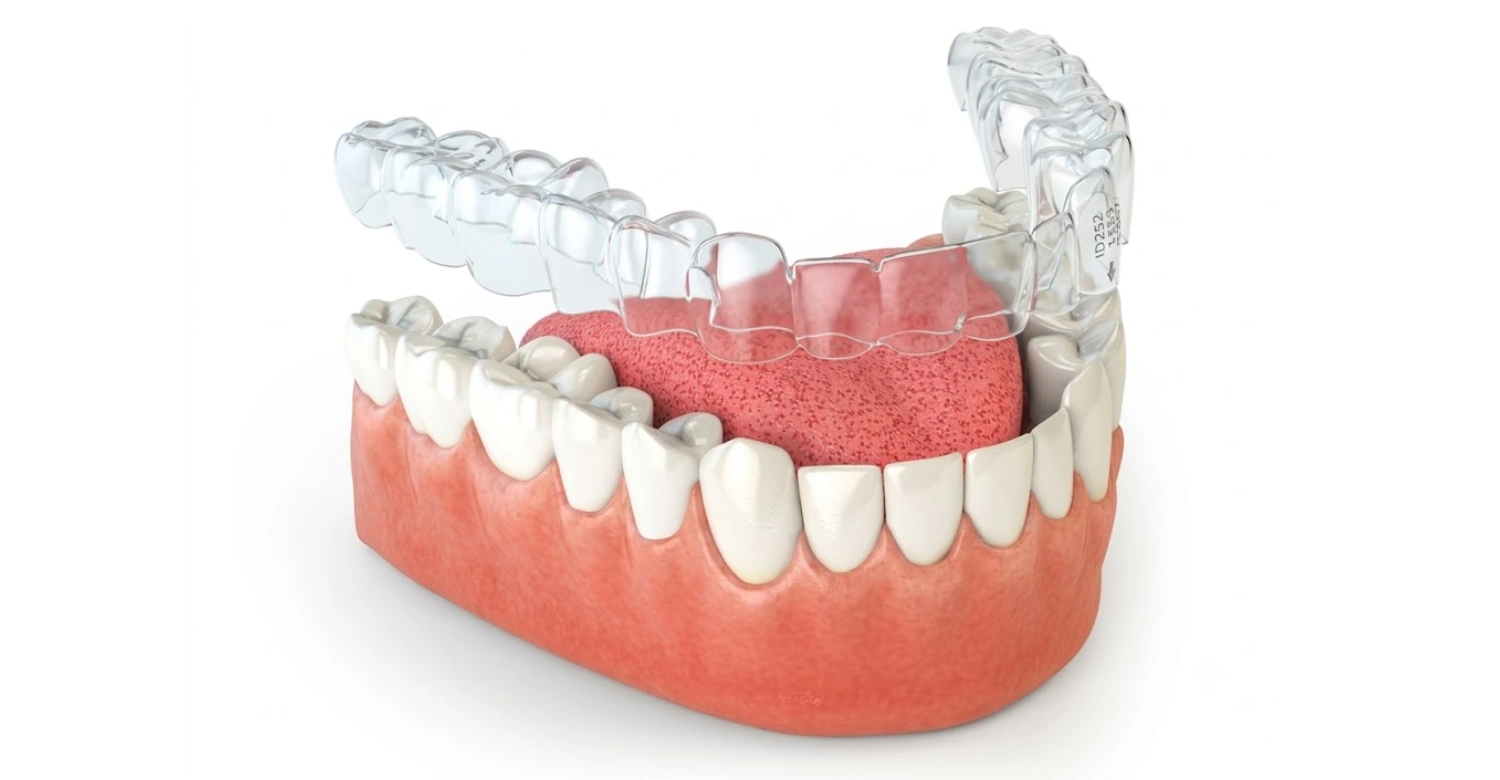
The Best Way to Straighten Bottom Teeth: Treatment Options
Choosing the best way to straighten bottom teeth depends on the severity of misalignment, patient lifestyle, budget, and clinical recommendation. Several effective options exist, from bottom teeth aligners to traditional braces and specialized fixed appliances. Each approach has distinct advantages and suits different clinical presentations. A professional consultation is the most reliable starting point; it gives you a clear, accurate picture of which treatment fits your lower arch condition, overall bite dynamics, and personal preferences for the most effective, comfortable outcome.
Bottom Teeth Aligners vs Traditional Braces
Bottom teeth aligners and traditional braces are both capable of correcting lower arch misalignment, but they differ significantly in experience and daily impact. Aligners are removable, virtually invisible, and cause less discomfort than braces during the adjustment period. Traditional braces offer stronger correction for complex rotations and severe crowding cases. For mild to moderate lower arch concerns, bottom teeth aligners are the preferred choice among patients seeking discretion and convenience. Your orthodontist's assessment will determine which approach delivers the safest, most effective outcome for your specific lower teeth presentation. Orthodontists generally recommend comprehensive tray treatments for both the upper and lower jaws to ensure a perfectly synchronized, healthy bite.
Invisalign Bottom Teeth Only: How It Works
Invisalign bottom teeth only treatment is designed specifically for patients who have lower arch concerns without significant upper arch issues. With Invisalign just for bottom teeth, a custom series of trays is created exclusively for the lower arch. Each tray applies gentle, targeted pressure to move teeth gradually into their correct positions. Bottom invisalign treatment is particularly popular among adults who previously corrected their upper teeth but have since experienced lower arch relapse. It offers a discreet, effective, and comfortable path forward with clinically proven, lasting results.
Alternatives for Straightening Lower Teeth
Beyond bottom teeth aligners and Invisalign just for bottom teeth, several other options exist for lower arch correction. Fixed retainers, lingual braces, and ceramic braces are all effective alternatives depending on case complexity. Each offers distinct trade-offs in visibility, cost, and maintenance requirements. Patients seeking to straighten lower teeth without clear aligners may prefer ceramic braces for their aesthetic advantage, while lingual braces remain completely hidden behind the teeth. Your dental provider will assess which alternative best suits your specific lower arch condition and overall treatment goals.
Clear Aligners Designed Specifically for Bottom Teeth
Clear aligners designed specifically for the lower arch represent one of the most patient-friendly orthodontic solutions available today. Clinics offering bottom invisalign and custom lower-arch aligner systems produce trays that fit only the bottom teeth simplifying treatment for patients with isolated lower arch concerns. These aligners are comfortable, removable, and easy to maintain. They apply precisely calibrated pressure to move each tooth incrementally toward alignment. Professional bottom invisalign options ensure that clinical oversight guides every step of the process from the initial scan to the final completed tray.
Specialized Braces and Other Professional Options
Specialized braces for the lower arch include lingual braces attached to the backs of teeth for complete invisibility and ceramic braces, which blend with natural tooth color. These are ideal for patients with more complex misalignment where aligners alone may not deliver sufficient correction. Palatal expanders or interproximal reduction (IPR) may be used alongside bottom teeth aligners to create the space needed for effective movement. Each of these professional options requires careful clinical planning and ongoing supervision to ensure safe and effective lower teeth straightening throughout every stage of care.
What to Expect When You Straighten Lower Teeth
Setting clear expectations before beginning bottom teeth straightening treatment is essential for a positive experience. Results don't happen overnight, the process is gradual, steady, and builds progressively through each treatment stage. Most patients notice initial changes within the first few weeks, with dramatic improvements visible at the treatment midpoint. Understanding this process helps you stay motivated, compliant, and confident throughout. Whether you're using bottom teeth aligners, Invisalign just for bottom teeth, or traditional braces, the journey follows a predictable, rewarding arc. If your lower teeth severely overlap your upper teeth, specialized underbite aligners with heavy elastics are absolutely required for correction.
Visual Transformation: Before and After
The visual transformation achieved through bottom teeth straightening is often striking. Before treatment, overlapping or crowded lower teeth can make the entire smile appear uneven and cluttered. After completing aligner therapy, the lower arch typically looks significantly more aligned, with evenly spaced teeth that complement the upper arch beautifully. Patients who straighten lower teeth often report that their entire smile looks more balanced even without changing the upper arch because lower arch alignment has such a powerful, visible impact on overall smile aesthetics and facial harmony.
Functional Benefits Beyond Aesthetics
Straightening lower teeth delivers functional improvements that go well beyond a more attractive smile. Properly aligned lower teeth reduce uneven bite pressure, decreasing the risk of premature enamel wear and jaw strain over time. Cleaning becomes significantly easier, lowering the likelihood of cavities and gum disease in the lower arch. Patients using bottom teeth aligners frequently notice improved speech clarity, more comfortable chewing, and reduced jaw tension within the first months of treatment. These functional gains make lower arch correction one of the most health-positive orthodontic investments a patient can make.
Comfort and Lifestyle Advantages of Bottom Aligners
Bottom teeth aligners offer outstanding comfort and lifestyle flexibility. Because they target only the lower arch, the upper teeth remain completely unobstructed throughout treatment. Patients can speak, eat, and socialize normally without any visible hardware. The aligners are smooth, lightweight, and custom-fitted, minimizing irritation to soft tissues. Most patients report adapting within the first few days of wear. There are no food restrictions, no emergency visits for broken wires, and no noticeable speech changes making bottom teeth aligners a genuinely low-disruption path to a straighter lower arch.
Caring for Your Smile During Treatment
Proper care during bottom teeth straightening treatment is just as important as the treatment itself. Aligners that aren't maintained correctly become breeding grounds for bacteria, and teeth that aren't cleaned thoroughly during treatment are more vulnerable to decay and gum disease. Building consistent habits around aligner care and oral hygiene from the very beginning of treatment helps protect your results, supports healthy tooth movement, and ensures that your bottom teeth aligner journey stays comfortable and effective from the first tray to the last. Consult our specialists to determine which Vitrin Clinic tray variations are best suited for isolating and fixing your lower arch crowding.
Daily Oral Hygiene with Bottom Teeth Aligners
Maintaining excellent oral hygiene with bottom teeth aligners requires daily consistency. Brush your lower teeth thoroughly after every meal before reinserting your aligners. Use a soft-bristled toothbrush and fluoride toothpaste, paying particular attention to the gumline and spaces between teeth. Floss daily to remove debris from between lower teeth, which are especially prone to crowding-related buildup. A water flosser can be particularly helpful for lower arch patients. Clean teeth inside clean aligners create the best possible environment for effective, comfortable, and healthy tooth movement throughout treatment.
Eating, Drinking, and Aligner-Friendly Habits
Always remove your bottom teeth aligners before eating or drinking anything other than water. Food particles and colored liquids stain aligners and harbor bacteria, reducing both effectiveness and hygiene. After eating, rinse your mouth before reinserting trays. Aim to wear your bottom teeth aligners for at least 20 to 22 hours per day for optimal, on-schedule results. Avoid biting nails, chewing ice, or applying unnecessary pressure to your lower teeth during treatment. These habits can disrupt controlled tooth movement and compromise the fit or integrity of your aligner trays.
Monitoring Progress and Staying on Track
Staying on track with bottom teeth straightening requires regular check-ins with your provider. Progress is monitored at scheduled intervals to ensure teeth are moving precisely as planned. If any tray feels unusually tight or uncomfortable beyond a few days, contact your provider promptly. Taking progress photos every two weeks helps visualize change and maintain motivation throughout treatment. Switching to your next tray set on schedule is essential for maintaining momentum. Compliance and consistent communication with your care team are the two most important factors in achieving your desired lower arch outcome efficiently.
Why Vitrin Clinic Is a Leader in Bottom Teeth Straightening
Vitrin Clinic has established itself as a leading provider of bottom teeth straightening solutions for both local and international patients. With a combination of advanced technology, experienced clinical teams, and genuinely patient-centered care, Vitrin Clinic delivers exceptional outcomes for those seeking to straighten lower teeth. Whether you're interested in bottom teeth aligners, Invisalign just for bottom teeth, or a more comprehensive orthodontic approach, Vitrin Clinic has the expertise, tools, and commitment to guide every patient to their ideal smile outcome.
Personalized Treatment Designed Around You
At Vitrin Clinic, every patient's lower arch is unique and treatment plans reflect that fully. A detailed digital scan captures the complete anatomy of your lower teeth, bite, and jaw relationship. From this data, a customized aligner series is designed specifically for your lower arch needs. Whether your case involves mild spacing, moderate crowding, or complex rotations, your bottom teeth aligners are fabricated to fit with precision and move your teeth safely along a planned path. Personalized planning means fewer unexpected adjustments and more predictable, satisfying results throughout treatment.
Cutting-Edge Technology for Perfectly Fitted Aligners
Vitrin Clinic uses state-of-the-art 3D scanning technology that eliminates the need for traditional dental impressions entirely. The digital scan produces a highly accurate model of your lower arch, used to design and manufacture bottom teeth aligners with exceptional fit and function. This technology also enables virtual treatment simulation, allowing you to see a projected outcome before committing. Advanced software ensures that every tray in your series applies precisely the right amount of force making your bottom teeth straightening process as efficient, predictable, and comfortable as modern orthodontic technology allows.
Comprehensive Care for Local and International Patients
Vitrin Clinic serves a diverse patient base spanning both local residents and international visitors seeking quality dental care. For international patients, dedicated support includes pre-treatment consultations via video call, coordinated travel and accommodation assistance, and remote progress monitoring between in-person visits. Language support ensures every patient understands their treatment plan clearly and confidently. Whether you're traveling to Turkey specifically for bottom teeth aligners or combining your visit with other dental treatments, Vitrin Clinic's international patient team makes the entire experience smooth, professionally managed, and genuinely rewarding from start to finish.
Single-arch aligner treatment is one of the most common questions patients ask before choosing bottom teeth aligners. Many wonder if treating only the lower arch is a real option. Others worry it creates hidden problems elsewhere in the bite. This section breaks down the mechanical concept, the clinical criteria, and the honest cost picture.
What Is Single-Arch Aligner Treatment? (Understanding the Protocol)
Single-arch aligner treatment moves teeth in only one jaw, usually the lower arch. The opposing arch stays untouched throughout. It is a narrower version of standard aligner therapy, built for cases where only one arch shows misalignment. The protocol still follows a full digital scan and a staged tray sequence. But the treatment goal is limited to correcting position within that single arch alone.
The Mechanical Concept of Single-Arch Tooth Movement
Moving teeth in a single arch relies on the same staged pressure system used in dual-arch treatment. It is just applied to fewer teeth. Each tray nudges the lower teeth a fraction of a millimeter. Because the upper arch does not move, the lower teeth must reach their final position alone. This raises the stakes for precise planning of mandibular crowding cases.
Clinical Note
Clinical Note: Early cavities frequently cause no pain or visible change, so they are missed during self-checks at home. A dental examination with X-rays detects decay between teeth and under the enamel before it reaches the stage where a patient would feel it.
Why Top and Bottom (Dual-Arch) Treatment Is Usually Recommended
Most orthodontists lean toward a dual arch treatment plan rather than isolating one arch. This holds true even when only the lower teeth look crowded. The upper and lower arches function as one interlocking system. Moving one side changes how the teeth meet on the other. Recommending dual-arch care protects a bite relationship that took years to establish.
The Critical Nature of Intercuspation and Bite Alignment
Intercuspation dental architecture describes how upper and lower teeth interlock during chewing. Shifting only the lower arch can quietly disturb this fit. This happens even when the visible crowding improves. A well-planned dual-arch approach preserves the precise cusp-to-fossa relationships that let the bite function evenly.
Preventing Traumatic Occlusal Force, Uneven Tooth Wear, and Tooth Fractures
When one arch moves without the other, some teeth absorb more bite force than they were designed for. This traumatic occlusal force shows up over time. It appears as uneven tooth wear, chipped edges, or in severe cases, hairline tooth fractures. Treating both arches together spreads bite force evenly.
Neurological Consequences: Temporomandibular Joint (TMJ) Dysfunction and Jaw Discomfort
An uneven bite doesn't only affect the teeth. It can strain the jaw joint itself. Temporomandibular joint dysfunction can develop when the muscles and joint compensate for a bite that no longer meets evenly. Patients may notice clicking, jaw fatigue, or morning headaches. Dual-arch planning helps prevent this chain of discomfort before it starts.
Strict Clinical Criteria: When Is Bottom-Only Aligner Treatment Actually an Option?
Bottom-only treatment is not automatically ruled out. But it is reserved for specific, well-documented cases. An orthodontist will only recommend single arch aligners after confirming the upper arch is stable. The bite relationship must not be at risk of disruption.
Mild Mandibular Crowding or Minimal Diastema (Spacing)
Patients with only mild mandibular crowding are often good candidates for single-arch care, since mandibular crowding clear trays can target the lower arch without touching the upper teeth. The same applies to a small diastema lower arch spacing issue. These cases involve limited tooth movement. It is unlikely to disturb how the arches meet.
Class I Occlusion (An Already Stable and Healthy Bite Relationship)
A class I occlusion stable bite means the upper and lower teeth already meet correctly. This must be confirmed before treatment begins. When this healthy relationship is verified through examination, moving only the lower arch carries far less risk.
Correcting Minor Post-Orthodontic Relapse
Minor post orthodontic relapse happens when previously treated teeth shift slightly years later. This can follow braces or aligners. If only the lower arch has relapsed, and the upper arch remains stable, a short single-arch refinement can correct the drift.
Tips for Patients
Use a toothpaste with 1,450 ppm fluoride, and after brushing spit rather than rinse with water, so the fluoride stays on the teeth longer. If you snack on something sugary, have it with a meal instead of spreading sweets across the day, since it is the frequency of acid attacks, not the total amount, that drives a tooth cavity.
Cost Considerations: Is Single-Arch Treatment Truly Cheaper Than Dual-Arch?
Single-arch treatment is usually less expensive upfront. Fewer trays are manufactured, and treatment time is often shorter. But the savings only hold if the case genuinely qualifies for bottom-only care. Choosing single-arch treatment for a case that needed dual-arch correction can lead to extra appointments or a second round of treatment later. That erodes the initial cost advantage.
Crucial Diagnostic Questions to Discuss with Your Orthodontist Before Committing
Before agreeing to bottom-only treatment, ask direct questions about how the plan protects the bite. Don't focus only on the smile's appearance. A thorough diagnostic conversation upfront prevents surprises later in treatment.
Evaluating Cosmetic Expectations vs. Functional Occlusal Goals
Ask your orthodontist to separate cosmetic vs functional goals clearly. A plan that only addresses how teeth look can leave underlying issues unresolved. This is true even if the smile appears straighter after treatment.
Long-Term Predictability and Retention Stability Parameters
Ask how predictable the result is expected to be. Ask what retention plan will hold it in place. Single-arch cases still need a disciplined retainer routine. An isolated arch can relapse faster if the opposing arch was never part of the plan.
What We Notice Clinically
Dr. Rifat Alsaman, Head of the Medical Team at Vitrin Clinic and a cosmetic dentist, notes that patients often assume bottom-only treatment is always the faster, cheaper choice. Dr. Rifat Alsaman explains that the deciding factor is never preference alone. It is whether the bite will still function correctly once the lower arch moves. In his clinical experience, Dr. Rifat Alsaman finds that a short scan and bite analysis before treatment prevents most complications tied to poorly selected single-arch cases.
About Vitrin Clinic
Vitrin Clinic is a cosmetic dental clinic based in Istanbul, Turkey, serving patients from across the world. The clinic combines advanced digital scanning, transparent treatment planning, and a multilingual patient support team. This guides every case from the first consultation to the final result. Whether the goal is single-arch refinement or a full dual-arch transformation, Vitrin Clinic's medical team, led by Dr. Rifat Alsaman, prioritizes bite health alongside aesthetics at every stage.
Conclusion
Bottom teeth aligners represent one of the most accessible, effective, and patient-friendly ways to transform the lower arch. From understanding the underlying causes of misalignment to choosing the right treatment whether bottom invisalign, traditional braces, or specialized aligner options, the path to straighter lower teeth is clearer than ever. Vitrin Clinic combines cutting-edge technology, personalized planning, and comprehensive care to deliver outstanding results for patients near and far. The best way to straighten bottom teeth begins with a professional consultation and that first step could genuinely change your smile forever.
References:
FAQs

Dr. Rifat Alsaman has more than 5 years of clinical experience in dentistry and currently serves as the Head of the Medical Team at Vitrin Clinic. He is dedicated to providing exceptional patient care, overseeing treatment planning, and ensuring the highest clinical standards across the team. His expertise, attention to detail, and commitment to continuous professional development have helped countless patients achieve healthier, more confident smiles.

.webp&w=3840&q=75)


.webp&w=3840&q=75)