Endodontics
June 1, 2026
Root Canal for Cracked Tooth: What Is the Best Treatment for a Cracked Tooth?
 Dr. Rifat Alsaman
.webp&w=3840&q=75)
When a tooth cracks, it can cause pain, sensitivity, and infection. A root canal for cracked tooth targets the inner pulp and nerve. It removes infected tissue, stops infection, and preserves the tooth. Modern techniques are precise and minimally invasive. Consulting an experienced dentist ensures proper care. Timely treatment saves the tooth and restores function. Learn about root canal or tooth extraction to ease anxiety.
Root Canal for Cracked Tooth Explained
A cracked tooth occurs when enamel or dentin fractures due to trauma, grinding, or wear. Cracks range from small fissures to deep fractures reaching the pulp. Minor cracks cause intermittent discomfort. Deeper cracks lead to severe pain when chewing or with temperature changes. Ignoring a crack allows bacteria to infect the pulp, causing tooth loss. A this endodontic treatment for a fractured tooth becomes necessary when the pulp is affected. Early diagnosis prevents complications and ensures good outcomes.
When Do You Need a Root Canal for a Cracked Tooth?
A root canal is needed when the fracture extends into the pulp. Symptoms include sharp pain when biting, sensitivity to hot or cold, and gum swelling. Delaying treatment risks infection and tooth loss. Dentists use X-rays or 3D imaging to assess the crack. Prompt treatment eliminates pain and preserves the tooth. Timely care ensures comfort and long-term health.
Signs That Indicate Root Canal Treatment
Symptoms like persistent toothache, pain while chewing, or temperature sensitivity may indicate the need for treatment. Other signs include swelling, gum tenderness, and tooth discoloration. Ignoring these increases infection risk. Dentists use X-rays to confirm pulp involvement. The procedure removes infected tissue, disinfects canals, and seals the tooth. Early detection preserves the tooth and avoids complex procedures.
Risks of Ignoring a Cracked Tooth
Neglecting a cracked tooth can cause infection, abscess, or bone loss. Pain worsens, affecting eating and speaking. Untreated cracks may make the tooth non-restorable, requiring extraction. Treatment eliminates infection and preserves the tooth. Ignoring it increases costs and risks surrounding teeth. Early intervention ensures a healthier mouth. Understand the dangers of leaving it untreated to plan your recovery.
How Root Canal Treats a Cracked Tooth
The procedure removes infected pulp, eliminating pain and preventing bacterial spread. The canals are cleaned, disinfected, and filled with gutta-percha. This seals the tooth and restores integrity. A crown is typically placed afterward to protect against fractures. This preserves natural tooth function and allows normal chewing and speaking without discomfort.
Step-by-Step Procedure
The procedure involves several critical steps:
Diagnosis: X-rays or 3D imaging assess the severity of the crack.
Anesthesia: Local anesthesia ensures a comfortable, pain-free experience.
Pulp Removal: Infected or damaged pulp is carefully removed from the tooth.
Cleaning and Shaping: Root canals are disinfected and shaped to accommodate filling.
Filling: Canals are filled with gutta-percha to prevent bacterial reinfection.
Restoration: A crown or filling is placed to protect the tooth and restore function.
Following these steps, the treatment provides lasting pain relief. It preserves the tooth and minimizes future complications.
Recovery and Aftercare
Recovery typically involves mild soreness for a few days. Over-the-counter pain medications are often sufficient. Good oral hygiene, including brushing and flossing, is crucial. Patients should avoid hard, sticky, or crunchy foods until the tooth is fully restored with a crown. Regular dental check-ups allow dentists to monitor healing and detect complications early. Proper aftercare maximizes the lifespan of the treated tooth and maintains a healthy smile. If you are concerned about the next steps, reading about treating cracked molars can help you prepare for a seamless dental experience.
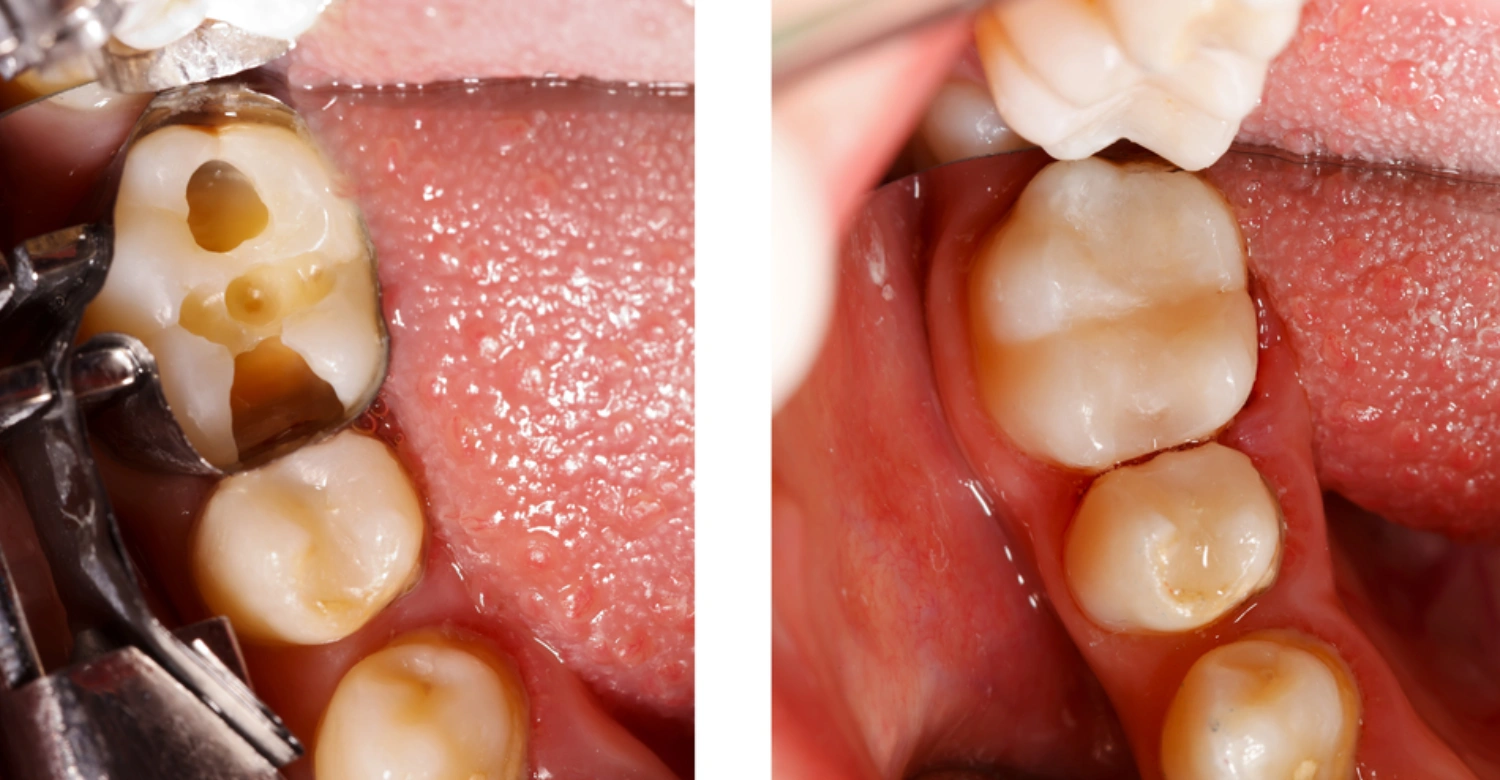
Root Canal for Broken Tooth vs Cracked Tooth
Both broken and cracked teeth may require intervention. Their treatment approaches can differ. A broken tooth often has a visible portion missing. Cracked teeth may have fractures that are harder to see. A root canal is performed when the pulp is compromised. It removes infected tissue and relieves pain. Broken teeth may also need a crown or veneer. Understanding the difference helps the dentist determine the most effective treatment. Root canal therapy remains the most reliable method for cracks affecting the pulp.
Cracked Molar Root Canal: Special Considerations
Molars present unique challenges. These back teeth have multiple roots and canals. They are harder to access and visualize. A cracked molar root canal often requires additional imaging. This maps every canal accurately. A missed canal can allow infection to persist. Because molars absorb the greatest chewing force, a crown is almost always recommended. This prevents the weakened tooth from fracturing further. Patients should discuss the crack pattern with their dentist. Some fractures extending below the gumline may limit treatment options.
The Role of an Endodontist Specialist in Cracked Tooth Treatment
An endodontist has advanced training in complex root canal problems. Choosing an endodontist means access to specialized microscopes and 3D imaging. These detect fracture lines invisible to the naked eye. This precision determines whether a tooth can be saved. Seeing an endodontist early increases the chances of preserving the natural tooth.
Benefits of Root Canal for Cracked or Broken Teeth
A root canal for a cracked or broken tooth offers several key benefits. It provides effective pain relief by removing inflamed pulp. It preserves the natural tooth, preventing extraction. It prevents infection by cleaning and sealing the tooth. It restores function, allowing normal chewing. By opting for this treatment, patients protect their smile and avoid more invasive procedures.
Pain Relief
This procedure directly addresses the source of pain. It removes inflamed or infected pulp. Patients often experience significant relief from persistent toothaches. Pain while chewing is drastically reduced.
Tooth Preservation
Preserving the natural tooth prevents extraction. It maintains proper alignment. This reduces bite issues and jaw misalignment. It also avoids complex dental treatments later.
Prevents Infection
A key benefit of a Root Canal for Cracked Tooth is infection prevention. A crack reaching the pulp lets bacteria enter. This causes severe pain, abscesses, and bone loss. Root canal therapy removes the damaged pulp. It disinfects the canals and seals the tooth. This stops bacteria from re-entering. It protects the tooth and prevents spread to other teeth, gums, and jawbone.
Early treatment reduces complication risks. It avoids invasive procedures like extraction or implants. The treated tooth ensures long-term oral health. It preserves normal chewing and biting. Many patients find exploring injuries to front teeth provides reassurance and clarity before dental decisions.
Is It Possible to Save a Cracked Tooth? (Risks and Limitations)
Saving a cracked tooth depends on crack depth and location. Cracks below the gumline or into the root are harder to treat. A Root Canal for Cracked Tooth can preserve many fractures reaching the pulp. But vertical root splits usually cannot be repaired. Dentists use imaging to evaluate the crack before recommending treatment.
Patients comparing cracked tooth crown vs root canal should know: a crown alone cannot fix infected pulp. The root canal treats infection first. The crown is added later for protection. Understanding these limitations helps patients choose between root canal and extraction.
Alternatives If a Root Canal Isn't Possible (Tooth Extraction & Implants)
When saving the tooth is not realistic, alternatives include extraction and a dental implant or bridge. Extraction removes the tooth entirely, eliminating pain and infection risk. A dental implant replaces the root and crown, restoring function and appearance. These options are considered when the fracture extends into the root, the tooth is severely broken, or infection caused bone loss. Discuss all alternatives with your dentist for the best long-term choice.
Vitrin Clinic : Expert Root Canal Treatments
Vitrin Clinic offers advanced dental care for cracked teeth. Their expert endodontists use state-of-the-art technology. They ensure precise cleaning, disinfection, and sealing. Each treatment is personalized based on crack severity and oral health. Patients enjoy a pain-free experience and fast recovery. The clinic prioritizes comfort and patient education. Choosing Vitrin Clinic guarantees high-quality care and lasting results.
Why Choose Vitrin Clinic
Vitrin Clinic offers expert treatments using advanced technology. Experienced endodontists ensure precise cleaning and disinfection. Personalized care plans make treatments effective and comfortable. Patients benefit from pain-free experience and long-lasting results. Choosing Vitrin Clinic preserves your natural smile and prevents complications.
Patient Success Stories
Many patients regained dental health through treatment at Vitrin Clinic. Testimonials highlight immediate pain relief and restored function. Patients praise the clinic's professionalism and technology. Success stories show that even severely cracked teeth can be preserved. The clinic's focus on individualized care ensures optimal results. To ensure the best outcome, review our guide on success rates for cracked teeth so you know what to expect.
The Importance of Prompt Dental Consultation
Untreated cracked tooth complications can escalate quickly. They move from mild sensitivity to severe infection, abscess formation, and eventual tooth loss. Seeking a dental consultation as soon as symptoms appear allows the dentist to assess the crack before it worsens. This often preserves more treatment options, including a root canal instead of extraction. Untreated cracked tooth complications can also affect neighboring teeth and gum tissue if bacteria spread beyond the original site. Prompt evaluation, ideally within days of noticing pain or sensitivity, gives patients the best chance at a straightforward, less invasive treatment outcome.
What We Notice Clinically
According to Dr. Rifat Alsaman, Head of the Medical Team at Vitrin Clinic and a cosmetic dentist, most patients wait too long before seeking care for a cracked tooth. They often mistake early sensitivity for a minor, temporary issue. Dr. Rifat Alsaman observes that cracked molar root canal cases are among the most common he treats, since molars absorb the heaviest bite forces during daily chewing. In his clinical experience, Dr. Rifat Alsaman finds that teeth treated within the first week of symptoms have a significantly higher chance of being saved without needing extraction. Dr. Rifat Alsaman also emphasizes that placing a crown promptly after a root canal for cracked tooth cases is essential. An unprotected tooth can fracture further under normal chewing pressure within weeks.
About Vitrin Clinic
Vitrin Clinic is a cosmetic and general dentistry clinic located in Istanbul, Turkey. It serves patients from around the world who travel for high-quality, affordable dental care. The clinic combines modern technology with a patient-centered approach. It offers treatments ranging from root canals and endodontics to full smile makeovers. Led by Dr. Rifat Alsaman, Head of the Medical Team at Vitrin Clinic and a cosmetic dentist, the clinical team is committed to precise, minimally invasive treatment and long-term results. International patients benefit from multilingual support, personalized treatment planning, and comprehensive aftercare guidance throughout their dental journey with Vitrin Clinic.
Preventing Cracks and Breaks in Teeth
Prevention is the first line of defense against cracked or broken teeth. Avoid chewing hard or sticky foods. Protect teeth during contact sports with a mouthguard. Maintain consistent oral hygiene. Regular dental check-ups allow early detection of small cracks before they worsen. Treating cavities, avoiding teeth grinding, and using a proper diet rich in calcium and vitamin D strengthen teeth naturally. Preventing damage reduces the need for invasive procedures like root canal therapy. This saves time, money, and discomfort. Healthy habits and timely professional care ensure stronger teeth, a lower risk of fractures, and a long-lasting natural smile.
Costs and Insurance Coverage at Vitrin Clinic
The cost of a root canal for a cracked tooth depends on factors like tooth location, complexity, and the type of restoration required. At Vitrin Clinic, patients benefit from transparent pricing, detailed consultations, and assistance with insurance coverage. Investing in timely root canal treatment can prevent more costly dental complications in the future. Many insurance plans cover part or all of the procedure, making it accessible for patients seeking long-term dental health. Choosing a clinic like Vitrin Clinic ensures high-quality treatment, professional care, and peace of mind knowing that your cracked tooth is being preserved and properly restored.
Patients Also Ask
Should I get a root canal on a cracked tooth?
Yes, if the crack has reached the pulp and is causing pain, sensitivity, or swelling, a root canal is usually the best way to save the tooth. Root canal treatment removes the infected pulp, stops the pain, and allows the tooth to function normally again once protected with a crown. Skipping treatment risks the infection spreading, with the tooth eventually needing extraction. Consulting a dentist promptly helps determine whether your specific crack is treatable with a root canal or if the damage is too extensive to save.
Why do you need a root canal for a cracked tooth?
A root canal for cracked tooth cases is needed because once a fracture reaches the pulp, the tooth's nerve and blood vessels become exposed to bacteria. Without treatment, infection spreads inside the tooth and can travel to the surrounding bone, causing an abscess. Root canal therapy removes the damaged pulp, disinfects the canals, and seals the tooth to prevent bacteria from re-entering. This relieves pain immediately and allows the tooth to remain functional for years when properly restored with a crown afterward.
How long can a cracked tooth go untreated?
A cracked tooth should not go untreated for more than a few days once symptoms appear. Bacteria can quickly reach the pulp and cause infection. Some minor cracks may stay stable for weeks without major symptoms. This varies by the crack's depth and location. Delaying treatment raises the risk of abscess, bone loss, and tooth loss. If you feel pain while chewing or sensitivity to temperature, see a dentist soon. This protects your long-term oral health.
What is the best treatment for a cracked tooth?
The best treatment depends on the crack's severity, location, and whether it reaches the pulp. For cracks affecting the pulp, a root canal followed by a crown is typically the most effective way to relieve pain and preserve the tooth. This procedure is known as a Root Canal for Cracked Tooth. Minor surface cracks may only need bonding or a filling. If the crack extends into the root, extraction and a dental implant may be safer. A dentist's evaluation ensures the right treatment for you.
Can a Cracked Tooth Be Treated With a Root Canal? A Vitrin Clinic Guide
Root Canal Can Sometimes Treat a Cracked Tooth
A cracked tooth may be treatable with root canal if the crack is limited and the pulp is affected. A dentist must assess crack location, depth, and tooth structure first.
Crack Type and Extent Decide the Options
Cracks extending below the gumline or splitting the tooth may make root canal unsuitable. Your dentist should confirm whether the tooth can be saved or another treatment is needed.
What to Ask Before Choosing Care, Including Vitrin Clinic
Ask how the crack will be evaluated and whether root canal is appropriate for your tooth. Vitrin Clinic can be researched as a dental tourism option for an in-person assessment.
References:
FAQs
Dr. Rifat Alsaman has more than 5 years of clinical experience in dentistry and currently serves as the Head of the Medical Team at Vitrin Clinic. He is dedicated to providing exceptional patient care, overseeing treatment planning, and ensuring the highest clinical standards across the team. His expertise, attention to detail, and commitment to continuous professional development have helped countless patients achieve healthier, more confident smiles.


