Dental Crowns
August 25, 2026
Zirconia Crowns Cost: Complete Price Guide and What You Should Know ?
 Dr. Rifat Alsaman
The Zirconia Crowns Cost depends on several factors. Material, lab quality, dentist expertise, location, and treatment complexity all play a role. A crown price alone rarely represents the total treatment expense. Patients may also need examinations, X-rays, or tooth preparation. Temporary restorations, root canals, or core build-ups can also shift the final invoice.
In 2026, market guides show substantial differences between countries. Turkey commonly lists zirconia crowns around $120–$300 per tooth. Meanwhile, private UK prices can approach $700–$1,000 or more depending on the practice.
Pricing conversations can get abstract very quickly. Because of this, looking at a simple snapshot helps. The table below summarizes typical ranges across three frequently compared markets in 2026.
Country | Typical Price Range (per tooth) | Approx. in USD | Notes |
Turkey | $120 – $300 | $150 – $380 | Often quoted as part of a package; confirm inclusions |
United Kingdom | $600 – $1,195+ | $760 – $1,510+ | Median around $720; premium clinics charge more |
United States | $1,000 – $2,500 | $1,000 – $2,500 | Wide variation by state, city, and insurance status |
These numbers are market indicators rather than personal quotes, and every patient's actual treatment cost will depend on the clinical findings, the exact zirconia product selected, and whichever additional procedures the tooth requires.
How Much Do Zirconia Crowns Cost?
The Zirconia Crowns Cost depends on the total number of restorations needed. Material quality directly affects laboratory and manufacturing expenses. Digital scanning, CAD/CAM design, milling, sintering, staining, and glazing all influence the final price. Additional procedures can also increase the Zirconia Crowns Cost considerably.
Published 2026 pricing demonstrates large international differences. Turkey guides commonly report approximately $120–$300 per crown. UK private prices vary widely. One 2026 dataset reported a $720 median across 1,758 practices.
Zirconia Crowns Cost per Tooth
The per-tooth price helps when replacing one damaged tooth. However, it does not always represent the full Zirconia Crowns Cost paid. Some clinics quote the crown alone. Others include preparation, temporary coverage, and fitting within one fee. Patients comparing restorative options can also review our dental crowns and zirconia crowns treatment process guide to understand how the treatment is structured.
In Turkey, 2026 guides place zirconia crowns around $120–$300 per tooth. Other Turkish sources list starting prices around $150–$250. In the UK, published private prices range from several hundred pounds to above $1,000. Therefore, comparing price per tooth alone is not enough.
Average Zirconia Crown Price
There is no universal average price. Dental markets differ substantially by region. Geographic location, lab fees, dentist experience, and crown design all influence pricing.
The type of material also changes the Zirconia Crowns Cost. Monolithic zirconia has a different lab workflow than layered or translucent zirconia. Each workflow carries its own unique production cost. Patients comparing materials can also read our E.max vs Zirconia Crowns comparison for a closer look at the differences.
A 2026 UK pricing analysis found a $720 median crown price across 1,758 practices. Another UK source reported typical private pricing around $795. Turkey guides generally report lower prices. However, these figures are market indicators, not individual treatment quotes.
What Is the Cost of a Zirconia Crown?
A zirconia crown is a custom restoration designed to protect a prepared tooth. Its cost reflects multiple professional and laboratory stages. The dentist first evaluates the tooth to confirm a crown is appropriate. Digital or conventional impressions then guide the restoration design. Patients who want to understand the complete fitting process can read our crown fitting procedure guide.
Finishing, staining, glazing, and quality checks follow next. Thus, the quoted price represents more than just a piece of ceramic. It covers clinical expertise, lab production, equipment, and materials. Vitrin Clinic considers all these components when preparing personalized treatment plans.
What the Quoted Price Usually Includes
A crown quotation may include several clinical and laboratory services. These commonly cover exams, preparation, digital scanning, fabrication, fitting, and bite adjustments. However, inclusion policies differ between clinics. Some practices charge separately for X-rays or consultations. Others incorporate these services into a package.
The written quotation should identify the material and restoration type. It should also explain laboratory involvement and follow-up arrangements. If additional treatment becomes necessary, the clinic should explain the expected cost beforehand. A transparent quotation reduces misunderstandings and aids international clinic comparisons.
Why Prices Can Vary Between Dental Clinics
Two clinics can quote different prices for apparently identical crowns. Their materials may differ in strength, translucency, or manufacturing specifications. Laboratory technicians also have varying experience levels and workflows. Furthermore, dentists use different digital systems and treatment protocols.
Complex cases require additional planning and chairside time. Premium aesthetic cases often involve detailed characterization and shade matching. Some clinics also provide extensive follow-up services within the quoted fee. Therefore, the cheapest quotation does not necessarily represent the lowest long-term expense.
Material and Manufacturing Costs
Zirconia is manufactured in specialized dental blocks or discs. Different formulations offer unique combinations of strength and translucency. High-translucency materials require different clinical indications than high-strength zirconia. Manufacturing also demands precision milling equipment and controlled sintering.
These technical differences influence overall laboratory costs. The crown also requires manual finishing and strict quality control before delivery. The Zirconia Crowns Cost represents only one component of the restoration fee. Patients should always ask which zirconia formulation is being proposed.
Digital Scanning and CAD/CAM Technology
Digital dentistry streamlines crown fabrication and improves communication. Intraoral scanners capture three-dimensional information about teeth and surrounding tissues. CAD software then converts this data into a digital design. Finally, CAM equipment mills the crown from a solid zirconia blank. Patients interested in faster digital workflows can also explore our same-day dental crown durability guide.
This technology makes communication between the dentist and laboratory efficient. However, technology does not automatically guarantee a superior clinical result. Accurate scanning, proper preparation, and careful fitting remain essential. The equipment also requires ongoing investment, maintenance, and trained personnel.
Dentist and Laboratory Fees
The dentist manages diagnosis, preparation, fitting, occlusion, and clinical decisions. Meanwhile, the laboratory handles digital design, manufacturing, finishing, and quality control. Both components require specialized training and equipment. Laboratory fees may vary according to the crown design and material.
These professional services contribute significantly to the total price. Patients should ask whether the laboratory fee is included in the quote. They should also ask which laboratory will manufacture the crown. A surprisingly low quotation may exclude essential clinical components.
Zirconia Crowns Cost With Additional Treatment
The crown itself may represent only part of the treatment. A damaged tooth often requires additional procedures before restoration. Root canal therapy becomes necessary when the pulp is infected or damaged. A post or core build-up may also be required if minimal tooth structure remains. Patients who need to understand implant-supported alternatives can also review our dental implant placement guide.
These additional procedures can significantly change the Zirconia Crowns Cost. Patients should always request a complete treatment estimate. The dentist should explain which procedures are mandatory. Optional cosmetic upgrades should also be clearly identified.
Does the Price Include Consultation and X-Rays?
Not every clinic includes diagnostic procedures in the initial quote. Some clinics charge separately for examinations and radiographs. Others include them within a comprehensive treatment package. X-rays evaluate root health, existing restorations, bone levels, and hidden infections. Digital scans provide additional information about tooth structure.
This question is vital when comparing international dental clinics. A lower advertised fee may exclude essential diagnostic services. As a result, the total Zirconia Crowns Cost can become higher than expected. Vitrin Clinic determines diagnostic needs beforehand so patients know costs in advance.
Are Temporary Crowns Included?
Temporary crowns protect prepared teeth while the permanent restoration is made. They help maintain tooth position and protect sensitive dentin. They also support temporary chewing function and appearance. Some clinics include temporary crowns in the main fee, while others charge separately.
The temporary crown should be appropriate for the expected waiting period. Complex cases may require longer temporary treatment. Clear communication prevents unexpected charges. Patients should always receive explicit instructions about temporary crown care.
Does the Zirconia Crowns Cost Include Fitting and Follow-Up Visits?
Final fitting is an essential part of crown treatment. The dentist checks marginal adaptation, contacts, occlusion, and aesthetics before cementation. Minor bite adjustments are often required during this stage. Follow-up visits confirm ongoing comfort and function after treatment. Our dental crown care guide also explains the importance of maintenance after placement.
Patients should clarify the clinic's follow-up policy before starting. They should also ask about adjustments if the crown feels high. International patients must understand what support is available after returning home. Written aftercare instructions help manage common questions.
Zirconia Crowns Cost by Type
Zirconia is not a single uniform product. Different formulations provide varied combinations of strength and optical properties. Monolithic zirconia is manufactured from one solid structure without porcelain. Layered zirconia combines a zirconia framework with veneering ceramic.
Higher-translucency materials prioritize visual appearance over raw strength. The appropriate choice depends on tooth position, load, and aesthetic goals. Costs change according to material and laboratory technique. Patients should avoid selecting a crown type solely because it has the lowest price.
Full Contour Zirconia Crown Price
Full contour zirconia crowns are produced as a single restoration. They do not require a separate veneering porcelain layer. This design simplifies manufacturing and reduces veneer-related complications. Full contour restorations are commonly selected for posterior teeth.
Newer multilayer zirconias provide natural visual transitions. Laboratory characterization further improves final appearance. Cost varies according to the block, lab, design, and finishing process. Patients should ask whether the proposed material is high-strength or highly translucent.
Monolithic Zirconia Crown Price
Monolithic zirconia crowns are fabricated from a single structure. Their design removes the separate veneering ceramic layer entirely. This reduces the risk of veneer chipping over time. A 2026 review reported a five-year survival rate of 96.8% for monolithic crowns.
Price depends on the zirconia formulation, lab workflow, and case complexity. Some monolithic crowns are relatively economical compared to layered options. Others use premium translucent materials. Patients should ask about the exact product rather than requesting "monolithic zirconia."
Layered Zirconia Crowns
Layered zirconia crowns contain a strong core with veneering ceramic over top. This approach provides detailed aesthetic customization. Technicians can reproduce natural translucency, surface anatomy, and shade characteristics. However, the veneering layer adds another technical component to the build.
Layered restorations require careful design and expert laboratory skill. They are appropriate when aesthetic demands are particularly high. Their price can exceed simpler monolithic restorations due to the manual artistry required. The dentist considers functional load before choosing this design.
High-Strength Zirconia Crowns
High-strength zirconia is designed to tolerate substantial chewing forces. It is useful for posterior restorations and patients with heavy bite pressure. Mechanical properties make it attractive when fracture resistance is paramount. However, strength alone does not determine if a restoration is appropriate.
Research shows modern monolithic zirconia performs exceptionally well clinically. A 2022 review found excellent short-term survival for implant-supported restorations. Long-term evidence beyond five years remains limited. Patients should balance clinical evidence with individual treatment requirements.
Which Zirconia Crown Type Is Best for Back Teeth?
Posterior teeth experience substantial chewing forces. Because of this, high-strength or monolithic zirconia is often considered for molars. The exact choice depends on the patient's bite and tooth condition. Bruxism or teeth grinding can also influence material selection.
Recent evidence supports strong five-year performance for monolithic zirconia. However, no material is automatically ideal for every patient. Tooth preparation, occlusal adjustment, and polishing also influence results. A dentist should evaluate the overall bite before finalizing a plan.
Factors Affecting Zirconia Crowns Cost
The final price reflects both restoration characteristics and patient-specific needs. Material selection is only one component of that final figure. The number of crowns changes laboratory and clinical workload. Furthermore, tooth location affects preparation difficulty and aesthetic requirements.
Posts and core build-ups may be needed when minimal tooth remains. Laboratory technology also influences manufacturing expenses. Dentist experience and location affect professional fees. These variables explain why two patients receive different quotations for similar work.
Type and Quality of Zirconia
Zirconia products differ in composition, translucency, strength, and processing. High-strength formulations prioritize mechanical performance. Highly translucent formulations prioritize seamless aesthetic integration. Multilayer zirconia provides graduated optical properties within a single disc.
Patients should ask for the exact material name when comparing quotes. The term "zirconia" alone does not identify a specific product. The material must match the clinical indication. An anterior restoration needs different optical properties than a molar restoration.
Number of Crowns Needed
One crown and twenty crowns involve vastly different treatment workflows. Multiple crowns require additional planning, scanning, design, and fitting. They also require careful management of bite relationships between teeth. Full-mouth cases may need staged treatment to maintain temporary function.
Some clinics offer package pricing for larger treatment plans. However, patients should still verify what the package includes. A low per-unit price might exclude preparatory procedures. The number of crowns also influences overall laboratory turnaround times.
Tooth Location and Complexity
Front and back teeth have different functional and aesthetic demands. Anterior crowns require careful shade matching and optical characterization. Posterior crowns face much greater chewing forces. The tooth's position can also affect visibility and access during the procedure.
Teeth with extensive old fillings may require structural reinforcement. Therefore, the same material can have different costs across different teeth. A personalized assessment identifies these factors. Vitrin Clinic evaluates location, structure, and aesthetics before preparing plans.
Condition of the Existing Tooth
A crown cannot compensate for inadequate underlying tooth structure. The dentist must first determine whether the tooth can be predictably restored. Cracks, extensive decay, old restorations, and structural loss change requirements considerably.
Gum inflammation can also affect the restorative margin. Treating these underlying conditions may increase the Zirconia Crowns Cost. However, addressing disease improves restoration predictability. Patients should consider preparatory treatment as part of a necessary investment.
Need for Root Canal Treatment
Root canal treatment is necessary when the pulp is inflamed or infected. It is not automatically required simply because a tooth receives a crown. The dentist evaluates symptoms, pulp status, and radiographs before making that call.
The tooth may subsequently require a core build-up or post. These additional procedures substantially change the Zirconia Crowns Cost. Patients should ask whether the quoted price assumes a healthy, untreated tooth.
Need for a Dental Post or Core Build-Up
A heavily damaged tooth may lack sufficient structure to support a crown. A core build-up reconstructs lost tooth structure before placement. A post can help retain the core when substantial natural tooth is missing. However, posts are not mandatory for every root-treated tooth.
Additional procedures increase both treatment time and cost. The dentist should explain why a post or core is recommended. Reinforcement addresses structural requirements rather than cosmetic preferences. A complete quotation should separate these procedures from the crown itself.
Dentist's Experience and Qualifications
Dentist experience influences treatment planning, preparation quality, and aesthetic outcomes. Complex restorative cases require careful diagnosis before work begins. Experience with digital workflows also improves communication with dental laboratories. Patients should verify credentials before committing to treatment.
A higher professional fee often reflects additional expertise and clinical time. However, price alone does not prove superior quality. Patients should assess credentials, transparency, and follow-up support. Vitrin Clinic emphasizes individualized planning over generic advertised pricing.
Geographic Location
Dental prices vary considerably between countries and cities. Rent, staffing, laboratory expenses, taxes, and operating costs influence local fees. UK private crown prices can exceed Turkish prices by several multiples. Within the same country, major cities cost more than smaller towns.
Geographic differences do not automatically indicate differences in clinical quality. Patients should compare materials, lab standards, credentials, and aftercare. International treatment requires consideration of travel costs. Travel expenses can narrow apparent savings once calculated.
Why a Single-Crown Price May Not Equal the Final Treatment Cost
A single-crown advertisement usually describes the restoration itself. A patient's actual treatment may require diagnostic or preparatory procedures beyond that baseline. These include X-rays, gum care, temporary crowns, root canals, or core build-ups. Multiple appointments also affect overall professional fees.
Therefore, a headline price should be treated as an initial reference. The complete treatment plan provides a more accurate financial picture. Patients should request every anticipated procedure in writing. They should also ask whether unforeseen findings can alter the Zirconia Crowns Cost.
Zirconia Crowns Price Comparison by Country
International prices vary dramatically because dental markets have different cost structures. Turkey is frequently selected for dental tourism because published prices are lower. UK private prices are higher, especially in major cities. USA prices can be substantially higher due to overhead.
The table below places these three markets side by side, using published 2026 data.
Factor | Turkey | United Kingdom | United States |
Typical zirconia crown price | $120 – $300 per tooth | $600 – $1,195+ per tooth (median ~$720) | $1,000 – $2,500 per tooth |
Package pricing common? | Yes, often bundled with travel/accommodation | Less common; usually itemized per procedure | Less common; often billed per procedure with insurance offsets |
Consultation/X-rays included? | Varies by clinic; confirm in writing | Sometimes separate | Often separate, may be covered by insurance |
Typical laboratory turnaround | Often faster due to on-site labs | Varies, may involve outsourced labs | Varies by practice and lab relationship |
Travel considerations | Flights, accommodation, time off work | Usually local | Usually local |
Aftercare for return patients | Depends on clinic policy; ask before booking | Local follow-up straightforward | Local follow-up straightforward |
Published 2026 guides place Turkish zirconia around $120–$300 per tooth. UK private prices commonly fall higher, and USA guides report $1,000–$2,500. These numbers are indicative and should not replace an individualized quote.
Zirconia Crowns Cost in Turkey
Turkey is a popular destination for international dental treatment. Published 2026 guides commonly report zirconia crowns around $120–$300 per tooth. Another 2026 source reports $150–$250 per tooth. Prices vary according to material, clinic location, and complexity. Patients considering other restorative solutions can also review our dental crowns cost guide for broader price comparisons.
Patients should determine if transport, accommodation, scans, and temporaries are included. A low price is less attractive if important procedures are excluded. Turkey's lower costs reflect local economic factors rather than lower clinical standards.
Zirconia Crowns Cost in the UK
UK private pricing is generally higher than Turkish pricing. A 2026 analysis of 1,758 practices reported a $720 median crown price. Another current UK guide reported a typical price of $795. Zirconia often sits toward the upper end of private pricing.
NHS treatment follows different charging rules and clinical eligibility requirements. Private treatment provides more material choices and lab options. Patients should compare the complete clinical pathway rather than assuming identical services. Two practices in the same city can structure fees differently.
Zirconia Crowns Cost in the USA
USA dental pricing varies by state, city, dentist, and insurance status. Published 2026 guides place zirconia crowns around $1,000–$2,500 per tooth. Metropolitan areas often have higher overheads than smaller cities.
Patients should ask whether diagnostic, temporary, and lab fees are included. They should also confirm if their insurance plan is in-network. Comparing final patient responsibility is more useful than comparing retail prices. A treatment plan should explain all fees before treatment starts.
Zirconia Crowns Cost in Europe
European prices differ considerably between countries. Western European markets have higher professional and laboratory expenses than Eastern European markets. One 2026 comparison reported medians of $200 for Turkey, $230 for Romania, $250 for Bulgaria, and $300 for Poland.
Material brands and packages vary between clinics. Patients should avoid assuming country averages represent every practice. Laboratory choices, dentist expertise, and extra procedures shift the Zirconia Crowns Cost considerably. A detailed plan remains essential when comparing European options.
Cost Comparison Table: Additional Treatment Add-Ons
Because the crown itself is rarely the only expense, the table below shows how commonly required add-on procedures compare across the three markets, based on typical published 2026 ranges.
Procedure | Turkey (approx.) | UK (approx.) | USA (approx.) |
Consultation and exam | Often included | $50 – $150 | $50 – $200 |
Digital X-ray | Often included | $10 – $50 | $25 – $100 |
Temporary crown | Often included | $50 – $150 | $100 – $300 |
Root canal treatment (per tooth) | $100 – $250 | $300 – $900 | $700 – $1,800 |
Post and core build-up | $50 – $150 | $150 – $350 | $250 – $600 |
Follow-up visit | Often included | $30 – $100 | $50 – $150 |
These figures are approximate and should always be confirmed with the treating clinic, since regional and clinic-specific variation can be significant.
What to Compare Besides the Crown Price
Patients should compare materials, lab quality, and dentist qualifications alongside price. Ask whether scans, X-rays, preparation, temporaries, and fitting are included. The exact zirconia formulation should always be identified by name.
International patients must ask how complications are handled after returning home. Treatment timelines should also be confirmed before booking travel. A clinic offering a slightly higher price may provide more comprehensive support. Compare total treatment value rather than headline numbers.
Affordable Zirconia Crowns Abroad: What Patients Should Check
Affordable treatment abroad can provide substantial savings. However, patients should thoroughly investigate the clinic before making a decision. Confirm the dentist's credentials and restorative experience. Ask which zirconia manufacturer and material will be used.
Clarify whether temporary crowns and follow-up appointments are included. Ask what happens if the crown fails after returning home. Travel costs and time off work must be included in the financial comparison. Always allow enough time for proper diagnosis and fitting.
Zirconia vs Porcelain Crown Cost
Zirconia and porcelain restorations differ in composition, strength, and optical behavior. The term "porcelain crown" describes several ceramic systems. Because of this, direct price comparisons require material clarification. Zirconia is a polycrystalline ceramic based on zirconium oxide. Porcelain restorations use glass ceramics or metal bases.
Clinical indication should guide material selection. Posterior teeth require strong restorative materials. Anterior teeth place greater emphasis on translucency and light transmission. Modern zirconia provides improved translucency compared to older formulations. Compare specific materials rather than broad categories when evaluating quotes.
Initial Cost vs Long-Term Value
Initial price represents only part of a restoration's true value. A well-designed crown provides years of function when properly maintained. However, no crown is guaranteed to last forever. Systematic reviews show favorable five-year survival rates for zirconia restorations.
Reviews report five-year tooth-supported zirconia survival between 91.2% and 95.9%. These results demonstrate good clinical performance, not permanent durability. Maintenance, oral hygiene, occlusion, and tooth condition influence outcomes. Long-term value should consider clinical suitability alongside initial purchase price.
Strength and Durability Differences
Zirconia is known for high strength and fracture resistance. This makes it attractive for posterior restorations and high-load situations. Monolithic designs eliminate a separate veneering layer. Recent evidence indicates monolithic zirconia suffers fewer chipping problems than veneered alternatives. Patients can also compare conventional laboratory crowns with our same-day crowns vs lab-made crowns guide.
Clinical success still depends on correct preparation and bite design. Patients should not assume every zirconia crown has identical properties. The specific material and manufacturing method should be explained by the treating dentist.
Aesthetic Considerations
Modern zirconia achieves highly natural-looking results. Translucency has improved significantly compared to early opaque generations. Multilayer zirconia provides gradual shade transitions across the restoration. Individual staining and glazing further refine final appearance.
The best aesthetic material depends on tooth position and adjacent teeth. Shade matching depends on lighting, photography, preparation, and lab communication. Discuss aesthetic expectations before treatment. A mechanically sound crown may still require additional characterization for visual integration.
Which Crown Offers Better Value for Different Teeth?
Posterior teeth benefit from materials that prioritize strength. Monolithic zirconia is particularly useful in these high-pressure areas. Anterior teeth place greater emphasis on optical properties. Selected glass ceramics can be appropriate for some front teeth.
The decision should be tooth-specific rather than material-specific. A patient's bite, tooth color, remaining structure, and expectations all matter. A higher-priced restoration is not automatically better. The best value comes from selecting the material that meets clinical requirements.
Clinical Note
Clinical evidence supports zirconia as a reliable restorative material. However, outcomes vary by design and indication. A recent review found five-year survival of 97.3% for veneered zirconia and 96.8% for monolithic zirconia. Earlier reviews reported tooth-supported zirconia survival around 95.9% at five years.
Monolithic designs reduce chipping compared to veneered options. These statistics support informed material selection rather than automatic preference for every situation.
Are Zirconia Crowns Worth the Cost?
Zirconia offers a combination of durability, aesthetics, and metal-free restoration. Its value depends on whether the material matches clinical needs. A strong crown cannot compensate for poor tooth preparation or gum disease. Long-term success requires appropriate diagnosis and maintenance.
A recent meta-analysis reported 96.8% five-year survival for monolithic zirconia crowns. Other systematic reviews found five-year survival between 91% and 96%. These findings are encouraging but do not guarantee individual longevity. Evaluate treatment quality, material suitability, lab standards, and follow-up support.
Durability and Long-Term Value
Durability is one of zirconia's primary advantages. The material tolerates significant chewing loads when properly designed. Monolithic zirconia avoids a separate veneering layer, reducing the likelihood of chipping over time.
Long-term evidence beyond five years remains limited. Patients should interpret survival statistics carefully rather than assuming permanence. Good oral hygiene, regular examinations, and bite management remain vital regardless of material choice. A durable material still requires proper clinical care.
Aesthetics and Natural-Looking Results
Modern zirconia offers superior optical characteristics compared to earlier generations. High-translucency and multilayer materials create natural visual effects. Laboratories customize shade, surface texture, and anatomy. The final appearance depends on the underlying tooth and cementation.
Digital photography helps laboratories communicate aesthetic requirements accurately. Patients should review realistic examples rather than relying on promotional images. The clinician should explain what the chosen material can realistically achieve.
Biocompatibility and Patient Considerations
Zirconia is a ceramic material without a metal framework, which can appeal to patients seeking metal-free restorations. Its biological performance has been studied extensively in restorative dentistry, but biocompatibility does not eliminate every clinical concern.
Over-contoured restorations can also affect cleaning and gingival health, so the patient's periodontal condition should therefore be assessed before crown placement. Existing decay or infection must also be addressed beforehand, and material choice should consider the entire oral environment rather than the tooth in isolation.
When Zirconia May Be a Cost-Effective Choice
Zirconia may provide strong value when durability and aesthetics are both important, and it can be particularly useful for posterior teeth exposed to high chewing forces. Monolithic designs can reduce some veneer-related complications, and the material can also provide a metal-free restorative option for patients who prefer that.
However, cost-effectiveness depends on clinical indication, and choosing zirconia when another material is more suitable may reduce overall value. Patients should consider the restoration's expected function and maintenance requirements, since the cheapest initial treatment is not always the cheapest long-term option available.
When Another Crown Material May Be More Appropriate
Zirconia is not automatically the best choice for every tooth, and some anterior cases may benefit from highly translucent glass ceramics instead. Certain patients may have specific occlusal or restorative requirements that point toward a different material, and tooth color and remaining structure can influence material selection considerably.
Laboratory capabilities also affect the practical choice, and a material should be selected according to evidence and clinical indication rather than trend. Patients should ask why one material has been recommended over another, since understanding the reasoning is more valuable than simply comparing prices between options.
What We Notice Clinically
Clinically, the most important question is whether the restoration solves the patient's actual dental problem, and a strong material cannot correct an unstable bite or untreated periodontal disease. Preparation quality strongly influences marginal adaptation and restoration retention, and occlusal design becomes especially important for patients with heavy functional forces.
We also consider whether the aesthetic requirements justify a more complex restoration for a given case. At Vitrin Clinic, treatment planning focuses on tooth condition, function, aesthetics, and long-term maintenance, and this approach helps patients understand why two apparently similar crowns may have different treatment costs.
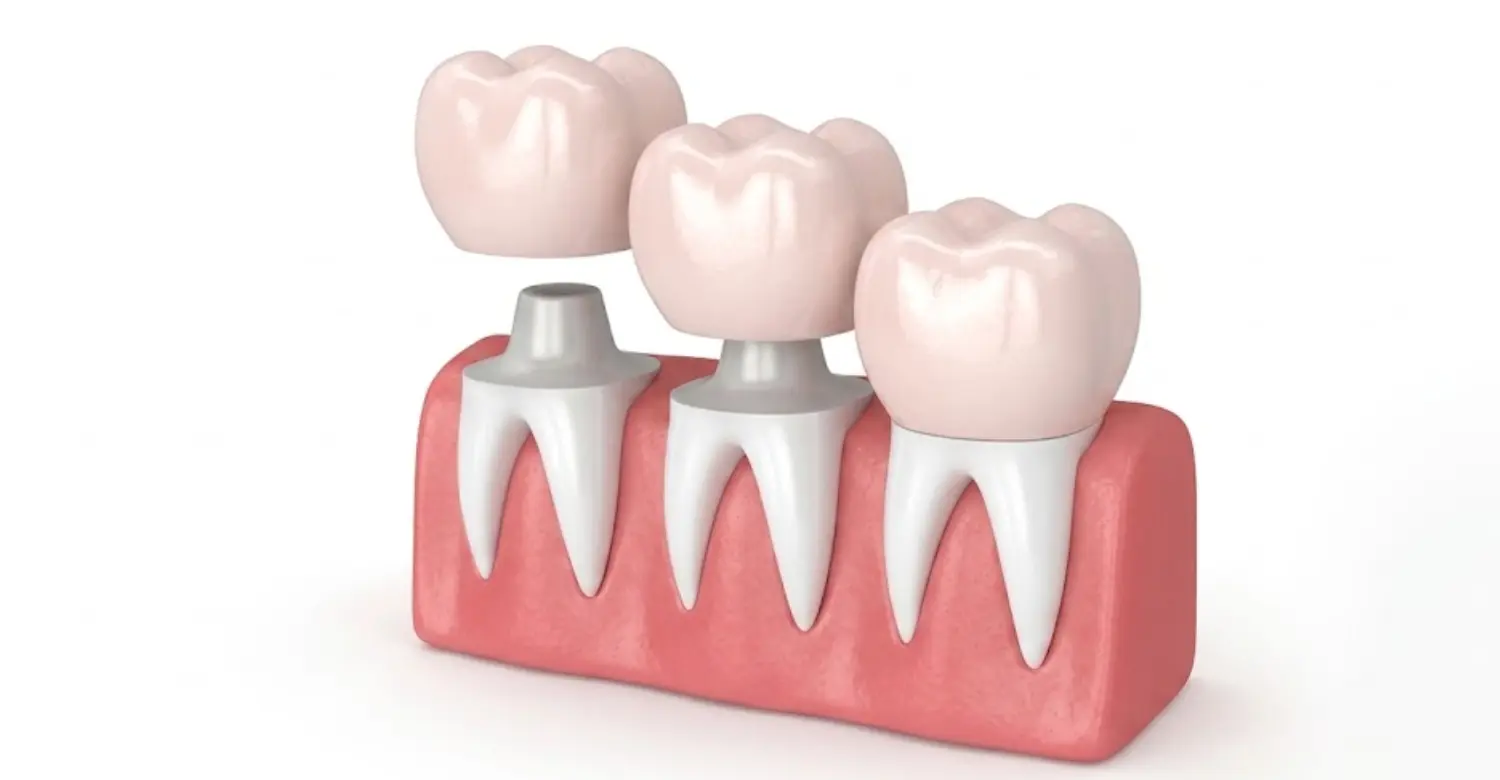
Zirconia Crowns Cost Before and After Treatment
Treatment planning should begin before any crown preparation, and the dentist first evaluates the tooth, surrounding gums, bite, and existing restorations. Imaging may identify hidden pathology or structural concerns, and digital scanning can support accurate treatment planning throughout the process.
At fitting, the dentist checks contacts, margins, occlusion, and aesthetics before final cementation. After cementation, the patient receives maintenance instructions, and follow-up can identify problems before they become more serious.
What Determines the Cost Before Treatment?
The initial assessment determines the complexity of the case, and dentists examine tooth structure, decay, cracks, existing fillings, pulp status, and periodontal health during that assessment. X-rays may reveal root or bone problems, and digital scans can evaluate the tooth and surrounding occlusion in detail.
Multiple crowns require more extensive design and bite management, and aesthetic cases can require additional shade and photographic communication with the laboratory. The dentist may also identify the need for root canal therapy or structural reinforcement during this stage, and these findings influence the Zirconia Crowns Cost considerably.
How the Treatment Plan Can Change the Final Price
Treatment plans can change when clinical findings reveal additional problems, and a tooth initially appearing suitable for a crown may require periodontal treatment instead. Radiographs can reveal an infection requiring endodontic therapy, and extensive structural loss may require a core build-up before the crown can proceed.
These changes should be explained before additional treatment begins, and patients should request updated cost estimates when the treatment plan changes from the original quote. Clear communication helps maintain trust, and a good clinic should distinguish essential procedures from optional aesthetic upgrades.
What Patients Should Expect After Crown Placement
Some sensitivity can occur temporarily after crown placement, and the dentist should evaluate persistent pain or significant discomfort if it continues. The bite may occasionally require minor adjustment, and patients should maintain normal oral hygiene around the crown from the very first day.
Patients should avoid damaging habits such as chewing extremely hard objects, and bruxism may require additional occlusal protection such as a night guard. The crown should be monitored for marginal changes, wear, or biological problems, and follow-up recommendations depend on the patient's overall oral health.
Follow-Up and Maintenance Considerations
Maintenance focuses on both the crown and the natural tooth underneath it, and plaque accumulation around the margin can contribute to gum inflammation over time. Poor hygiene can also increase the risk of decay at vulnerable areas, and regular professional cleaning may be recommended according to individual risk.
Dental examinations allow early identification of complications, so patients should report persistent sensitivity, pain, mobility, or crown damage promptly. A crown should not be considered maintenance-free, since its longevity depends partly on oral hygiene and clinical monitoring.
Potential Additional Treatment Costs
Unexpected costs can arise when clinical problems develop, and root canal treatment may become necessary if pulp disease is identified after the crown is placed. A crown may require replacement if severe fracture or loss of retention occurs, and gum treatment may be necessary when periodontal inflammation affects the restoration.
Patients should ask about these possibilities before beginning treatment, and warranty policies may cover some restoration-related problems under specific conditions. They rarely cover every biological or mechanical issue indefinitely, so understanding these limitations helps patients plan realistically.
Zirconia Crowns Cost Including Dental Treatment
The complete treatment price can include considerably more than the laboratory crown, and tooth preparation is necessary to create appropriate clearance and retention. Temporary restoration may protect the prepared tooth, and root canal therapy may be required in selected cases.
Each procedure has separate clinical objectives, and combining these services into one treatment plan provides a clearer financial picture for the patient. Patients should ask for an itemized estimate, which makes it easier to distinguish restorative fees from additional treatment and to compare different clinics fairly.
Cost of Tooth Preparation
Tooth preparation creates the space and geometry required for the crown, and the dentist removes selected tooth structure while preserving as much healthy tissue as possible. Preparation quality affects marginal adaptation and crown thickness, and complex teeth can require additional clinical time to prepare correctly.
The preparation fee may be included within the Zirconia Crowns Cost, or some clinics list it separately, so patients should ask which approach the clinic uses. Preparation is not simply a cosmetic step, since it directly influences the mechanical and biological performance of the restoration.
Gum Treatment Before Crown Placement
Healthy gums are important for predictable restorative treatment, and inflammation can make margins difficult to evaluate and maintain over time. Bleeding can interfere with digital scanning or conventional impressions, and periodontal disease may also compromise the tooth's long-term prognosis.
This can involve professional cleaning or more advanced periodontal therapy, and treating the gums may increase the Zirconia Crowns Cost accordingly. However, delaying necessary periodontal care can create larger problems later, so a healthy foundation supports better restorative maintenance in the long run.
Why the Full Treatment Plan Matters More Than the Crown Price Alone
A crown is one component of a restorative pathway, and the tooth may require diagnosis, preparation, temporary protection, laboratory fabrication, fitting, and maintenance. Additional procedures can significantly change the Zirconia Crowns Cost, so comparing only the Zirconia Crowns Cost can therefore produce misleading conclusions about the true expense.
The plan should list every expected procedure and identify possible additional charges, and international patients should also consider travel and follow-up logistics as part of the Zirconia Crowns Cost. The cheapest crown may not produce the lowest total treatment cost, and the best value combines appropriate material, competent clinical care, laboratory quality, and reliable follow-up.
Why Are Zirconia Crowns More Expensive?
Zirconia can involve advanced materials and digital manufacturing systems, and laboratories must mill, sinter, finish, and inspect the restoration through multiple quality checkpoints. Complex cases may require detailed characterization and shade matching, and dentists also spend time preparing the tooth and evaluating the final restoration before it is cemented.
These factors increase production costs, but a higher price does not automatically prove better quality. Patients should evaluate what the Zirconia Crowns Cost actually includes, and material documentation, laboratory standards, dentist experience, and follow-up policies matter more than the number itself.
Advanced Zirconia Materials
Modern zirconia includes multiple material categories, and some prioritize strength while others provide greater translucency depending on the intended use. Multilayer materials can combine optical gradients within one restoration, and premium zirconia may require specific milling and sintering protocols that differ from standard blocks.
The dentist should choose according to tooth location and functional demands, and high-translucency zirconia may be appropriate for selected anterior cases while high-strength zirconia can be useful for posterior applications. Patients should request the exact material name, which allows meaningful comparison between quotations rather than relying on the generic term "premium zirconia."
Dental Laboratory Expertise
Dental technicians influence the crown's shape, contacts, color, and surface characterization, and experienced technicians can interpret digital records and clinical instructions effectively. Complex aesthetic restorations require detailed communication between dentist and laboratory, and the laboratory must also understand the chosen zirconia's processing requirements.
Laboratory expertise therefore contributes directly to restoration quality, so patients can ask whether their clinic works with an experienced laboratory. They can also request information about material certification, and Vitrin Clinic emphasizes collaboration between clinical planning and laboratory production at every stage.
Customization and Shade Matching
Customization can increase laboratory time and technical complexity, and dentists may provide photographs, shade information, digital scans, and reference images to guide the process. Technicians can then reproduce individualized tooth anatomy and optical characteristics, and shade matching becomes particularly important for visible anterior teeth.
Glazing and staining may further refine the final appearance, so highly customized restorations can therefore cost more than standard designs. Patients should distinguish between necessary customization and unnecessary upgrades, and the correct level depends on tooth visibility and aesthetic expectations.
Does a Higher Price Always Mean Better Quality?
A higher price does not automatically guarantee better treatment, and price can reflect location, overhead, branding, technology, laboratory fees, or clinician experience rather than clinical superiority alone. A lower price does not automatically indicate poor quality either, so patients should evaluate objective treatment information instead of assumptions.
Review the complete treatment plan before deciding, since clinical suitability should remain the primary consideration throughout. An expensive material is inappropriate if it does not match the tooth's needs, and similarly a cheap crown can become costly if it requires early replacement.
Tips for Patients Comparing Zirconia Crown Prices
Price comparison becomes easier when quotations use the same categories, and patients should request written details from each clinic before making a decision. Confirm the exact zirconia material and restoration design, and ask whether laboratory fees are included in the headline figure.
Verify the dentist's qualifications and relevant experience, and ask about warranty conditions and exclusions in writing. International patients should also understand aftercare arrangements before booking travel, since a comprehensive comparison reduces the risk of selecting a misleading headline price.
Check the Dentist's Qualifications and Experience
Patients should verify professional registration and relevant restorative experience before committing to treatment, and complex crown cases require accurate diagnosis and treatment planning from an experienced clinician. Experience with aesthetic dentistry can be useful for visible teeth, and experience with occlusal management can matter for posterior restorations specifically.
A good clinician should explain why a specific material is recommended for a given case, and reviews can provide useful context but should not replace credential verification. Before-and-after photographs should represent authentic clinical work, and Vitrin Clinic provides treatment planning based on individual dental conditions rather than generic templates.
Understand the Warranty and Follow-Up Policy
Warranty terms differ between clinics, so patients should ask what problems the warranty covers before treatment begins. They should also ask how long coverage lasts, since some warranties exclude trauma, bruxism, poor hygiene, or untreated dental disease.
International patients should ask how claims are managed after returning home, and written warranty documentation is always preferable to a verbal promise. Patients should understand whether laboratory remakes are covered, and they should also clarify whether clinical procedures are separately charged.
Avoid Choosing a Crown Based on Price Alone
The lowest quotation may not represent the best value, and cheap treatment can exclude important diagnostic or restorative procedures that become necessary later. Material quality can also differ between apparently similar crowns, and laboratory expertise and dentist experience influence clinical outcomes considerably.
A crown that fails prematurely can create additional financial and biological consequences, so patients should therefore compare complete treatment plans rather than isolated figures. Ask what the clinic recommends and why, then compare the material, laboratory, qualifications, included services, and aftercare.
Questions to Ask Before Booking Zirconia Crown Treatment
Ask which zirconia material will be used, and ask whether the crown is monolithic, multilayer, or veneered. Ask which laboratory will manufacture it, and ask whether scans, X-rays, temporaries, fitting, and follow-up are included in the quote.
Ask about warranty duration and exclusions, and ask how complications are managed after treatment is complete. Ask how many appointments are required, and ask whether the dentist will provide an itemized treatment plan in writing.
Why Choose Vitrin Clinic for Zirconia Crowns?
Vitrin Clinic focuses on personalized restorative treatment planning, and zirconia should be selected according to tooth condition and functional requirements rather than a fixed package. The clinic can assess aesthetics, occlusion, tooth structure, and surrounding tissues before recommending any restoration.
Treatment is designed around the patient's individual needs rather than a generic crown package, and patients can discuss material choices before treatment begins. The goal is to balance appearance, function, durability, and overall value, and a personalized approach can also identify additional procedures before crown preparation starts.
Personalized Zirconia Crown Treatment Planning
Every tooth presents different restorative challenges, and some teeth have extensive structural loss while others mainly require aesthetic rehabilitation. Posterior teeth may require stronger materials, and anterior teeth may require greater translucency and characterization to blend naturally.
Digital scans can support detailed treatment planning, and radiographs may identify hidden problems that would otherwise go unnoticed. Periodontal evaluation can determine whether the gums are ready for restoration, and the resulting plan can then identify the appropriate material and number of crowns needed.
Digital Dentistry and Modern Crown Workflows
Digital dentistry can connect clinical and laboratory stages seamlessly, and intraoral scanning can capture detailed three-dimensional information without a conventional impression. CAD software supports customized crown design, and CAM systems mill the restoration before sintering finalizes its properties.
The final restoration still requires clinical inspection and adjustment, since technology does not replace professional judgment at any stage. Accurate tooth preparation remains essential, and digital workflows can support efficient treatment when properly integrated into the practice.
Experienced Dental Professionals and Laboratory Collaboration
Successful crown treatment requires coordination between clinician and laboratory, and the dentist controls diagnosis, preparation, fitting, and occlusion throughout the process. The technician controls digital design, manufacturing, characterization, and finishing on their end.
Material selection should also be communicated precisely, and Vitrin Clinic emphasizes coordinated restorative planning across every stage of treatment. Patients can discuss their aesthetic goals before laboratory fabrication begins, and the final crown should meet both functional and visual requirements.
How Vitrin Clinic Evaluates Crown Material and Treatment Needs
Vitrin Clinic can evaluate the tooth's structure, position, occlusion, aesthetics, and surrounding tissues before recommending any restoration. The dentist can determine whether a crown is clinically appropriate for that tooth, and imaging may be used when root or structural problems require investigation.
The material is then selected according to clinical requirements, and posterior teeth may require greater strength while anterior teeth may require greater optical integration. Multiple crowns require additional bite and aesthetic planning, and the final treatment plan can identify expected procedures and associated costs.
Zirconia Crown Treatment at Vitrin Clinic
Treatment generally begins with clinical assessment and digital planning, and the dentist evaluates tooth condition and determines the appropriate restoration from that assessment. Preparation creates the space needed for the crown, and a temporary restoration can protect the tooth during fabrication.
The laboratory manufactures the zirconia restoration according to the treatment plan, and the dentist checks the final crown before cementation to confirm fit and appearance. Bite adjustment ensures appropriate occlusal contacts, and follow-up helps monitor comfort and restoration performance afterward.
Consultation and Digital Assessment
The consultation establishes the clinical foundation for treatment, and the dentist examines teeth, gums, bite, and existing restorations during this first appointment. Imaging may be recommended when clinically indicated, and digital scanning can capture the prepared tooth and surrounding structures accurately.
These records can be shared with the dental laboratory, and the dentist then evaluates whether zirconia is appropriate for the case at hand. Patients can discuss their preferred aesthetic outcome and functional concerns during this stage, and the consultation also provides an opportunity to discuss expected costs.
Customized Treatment Planning
A customized plan identifies the number of crowns and material requirements for the case, and it can also identify preparatory procedures that need to happen first. Root canal treatment may be included when clinically necessary, and core build-ups can be planned for structurally compromised teeth.
The plan should also identify temporary restoration and fitting stages, and patients can then understand the expected treatment sequence from start to finish. Costs can be presented according to individual procedures, which avoids relying on generic package assumptions.
Crown Preparation and Temporary Restoration
Tooth preparation creates sufficient space for the definitive crown, and the dentist aims to preserve healthy tooth structure whenever possible during that process. The prepared tooth may require a temporary crown, and this protects the tooth and maintains function during laboratory production.
Patients should follow instructions for eating and cleaning during this interim period, and if a temporary crown becomes loose, the clinic should be contacted promptly. The preparation stage can influence the final crown's fit, so accurate margins and appropriate reduction are therefore important throughout.
Zirconia Crown Design and Fabrication
The laboratory uses digital records to design the restoration, and CAD software helps determine crown shape and contacts based on those records. The design can incorporate occlusal and aesthetic requirements, and CAM equipment mills the crown from zirconia according to that design.
The laboratory may apply staining, glazing, or additional characterization for aesthetic refinement, and the dentist reviews the restoration before final cementation. Fit and occlusion are checked clinically, and any required modifications should be completed before permanent placement.
Final Fitting and Bite Adjustment
The final appointment evaluates the crown before permanent cementation, and the dentist checks marginal fit and proximal contacts carefully at this stage. The crown's color and shape are assessed against neighboring teeth, and occlusion is evaluated to prevent excessive contact.
The restoration is then cemented when appropriate, and patients may initially notice a change in tooth shape or bite that settles over a few days. Persistent discomfort should be reported to the dentist, and follow-up allows evaluation of adaptation and oral hygiene.
Request a Personalized Zirconia Crowns Cost Treatment Plan
Patients should receive a personalized treatment plan before committing to crown treatment, and the plan should identify the number of crowns and proposed materials clearly. It should also identify necessary diagnostic and preparatory procedures, and costs should be explained clearly at every stage.
Patients can also ask about laboratory manufacturing and warranty terms during this stage, and Vitrin Clinic can assess individual restorative needs and develop a customized treatment pathway. This approach provides more useful information than a generic online price, and patients can then compare treatment options based on complete clinical information.
How to Get an Accurate Zirconia Crowns Cost Estimate
An accurate estimate requires information about the patient's teeth and treatment goals, and the dentist needs to know which teeth require restoration before anything else. Existing fillings, cracks, decay, and root canal status can affect treatment, and gum condition can also change the treatment sequence considerably.
Material selection affects manufacturing costs, and digital scanning and laboratory services may be included differently between clinics. Online prices are therefore useful only as preliminary references, since a clinical assessment produces a more reliable quotation than any website figure.
What Information the Dentist Needs
The dentist needs information about tooth location and condition before preparing any estimate, and clinical examination identifies decay, cracks, restorations, and structural loss. Radiographs may be required to evaluate roots and surrounding tissues, and the dentist also assesses the bite and opposing teeth as part of that process.
The number of planned crowns affects laboratory design, and existing dental work may influence preparation requirements considerably. Medical and dental history can also affect treatment planning, so the dentist uses these findings to determine material suitability.
Zirconia Dental Bridge Cost: What to Compare Before Choosing a Clinic
What a zirconia bridge quote should include
Ask whether the zirconia dental bridge cost includes consultation, impressions, bridge fabrication, fitting, and follow-up. A clear quote separates clinic fees from travel and accommodation.
Why prices vary by clinic and case
The final zirconia dental bridge cost depends on the number of teeth replaced, bridge design, clinic location, and materials used. Compare written treatment plans rather than headline prices alone.
Check Vitrin clinic as a research option
For dental tourism in Turkey, review Vitrin clinic’s zirconia dental bridge information and request an itemized quote. Confirm the total cost, warranty terms, and follow-up plan before deciding.
Final Thoughts
The right crown should balance clinical suitability, aesthetics, durability, and financial value, and zirconia can provide strong performance across many restorative situations. Evidence supports favorable five-year survival for modern zirconia designs, and a recent meta-analysis reported 96.8% five-year survival for monolithic densely sintered zirconia crowns.
Price differences between countries can be substantial, and Turkey commonly advertises significantly lower prices than UK private practices. Patients should compare complete treatment plans rather than individual crown prices, since the most valuable treatment is one that meets the patient's clinical needs.
Choosing Value, Quality, and Long-Term Dental Health
Value involves more than obtaining the lowest quotation, and the restoration should be appropriate for the tooth and patient's functional demands above all else. Quality depends on diagnosis, preparation, material, laboratory production, fitting, and maintenance working together.
Patients should consider how the crown fits into their broader oral health plan, and regular examinations can help identify problems early before they escalate. Bruxism should be addressed when relevant, and patients should also follow professional cleaning recommendations consistently.
Reference
FAQs
Dr. Rifat Alsaman has more than 5 years of clinical experience in dentistry and currently serves as the Head of the Medical Team at Vitrin Clinic. He is dedicated to providing exceptional patient care, overseeing treatment planning, and ensuring the highest clinical standards across the team. His expertise, attention to detail, and commitment to continuous professional development have helped countless patients achieve healthier, more confident smiles.


