.webp&w=3840&q=75)
Table of contents
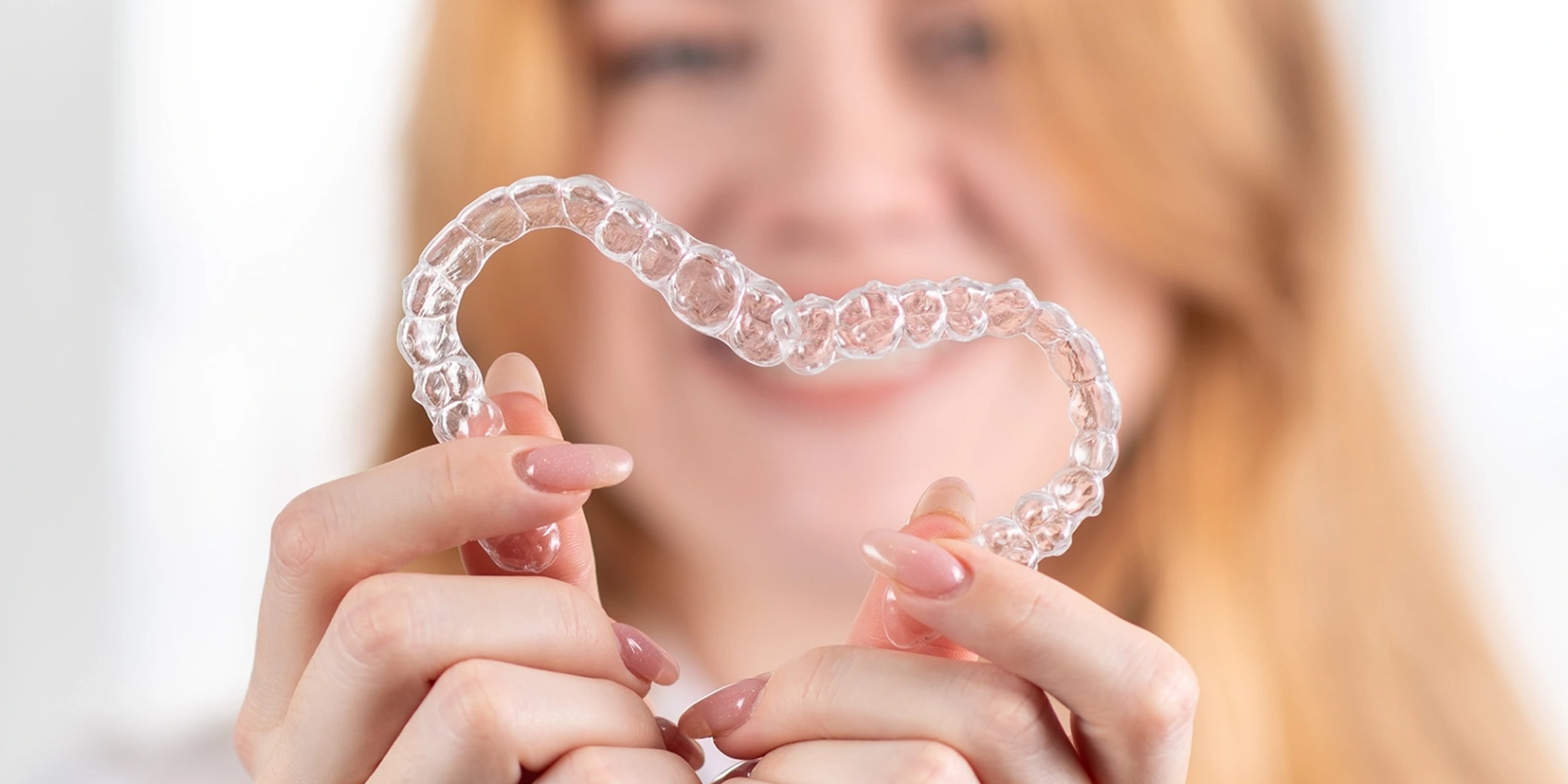
Invisalign moves teeth through a carefully planned, step-by-step process using clear, custom-made aligners. Each aligner is designed with Invisalign technology to apply gentle, consistent pressure on targeted teeth, guiding them into their new positions. Patients wear each set of aligners for about 20–22 hours daily and switch to the next set every 1–2 weeks, gradually advancing the treatment. The process begins with a digital 3D scan of the mouth, which helps orthodontists map the entire movement plan accurately. Small attachments on teeth can be added to improve grip and enable more complex movements. The plastic aligners are flexible yet durable, ensuring effective force distribution without damaging teeth or gums. With this method, Invisalign provides a predictable, comfortable, and nearly invisible way to straighten teeth over time.
Introduction to Invisalign Technology
Invisalign represents a revolutionary approach to orthodontics, using clear removable aligners to straighten teeth without traditional metal braces. Understanding the technology behind clear aligner therapy helps patients appreciate why this system has transformed orthodontic treatment worldwide. The difference between Invisalign and traditional braces extends beyond aesthetics to include treatment mechanics and patient lifestyle considerations. Modern clear aligner technology has made orthodontic treatment more accessible, comfortable, and discreet than ever before for millions. The importance of understanding tooth movement with Invisalign helps patients commit to treatment protocols and maintain realistic expectations. Professional expertise ensures patients receive accurate information about treatment processes and expected outcomes throughout their orthodontic journey.
Brief overview of Invisalign and clear aligner therapy
Invisalign uses a series of custom-fabricated clear plastic aligners that gradually move teeth into desired positions over treatment duration. Each aligner in the series applies controlled pressure to specific teeth, with changes every 1-2 weeks continuing straightening progression. Advanced 3D computer imaging plans tooth movements precisely, creating aligners that achieve predicted results systematically throughout treatment. The aligners must be worn 20-22 hours daily for effectiveness, removed only for eating, drinking, and oral hygiene. Understanding Invisalign basics helps patients appreciate how seemingly simple plastic trays effectively straighten misaligned teeth through biological processes.
Difference between Invisalign and traditional braces
Traditional braces use metal brackets bonded to teeth with wires threaded through, applying continuous pressure for tooth movement. Invisalign employs removable clear plastic aligners changed sequentially throughout treatment, offering aesthetic and lifestyle advantages over fixed appliances. Traditional braces are visible and permanently attached, while Invisalign offers discretion through nearly invisible, removable clear aligners. Invisalign allows patients to eat normally and maintain easier oral hygiene compared to fixed brackets and wires. Understanding differences helps patients recognize why clear aligners have become the preferred orthodontic option for many adults.
Importance of understanding how teeth move with Invisalign
Understanding how do teeth move with invisalign helps patients appreciate the biological processes underlying their orthodontic treatment success. Knowledge about how do teeth move with invisalign promotes realistic expectations about treatment timelines and the gradual nature of changes. Comprehending how do teeth move with invisalign encourages patient compliance with wearing schedules essential for achieving predicted outcomes. Learning how do teeth move with invisalign demonstrates why consistent aligner wear and proper care are critical for treatment effectiveness. Professional education about how do teeth move with invisalign ensures patients become active participants in their orthodontic care journey.
How Invisalign Moves Teeth: The Science Behind It
Invisalign moves teeth using a series of custom-made, clear plastic aligners designed with advanced 3D imaging technology. Each aligner applies gentle, controlled pressure on specific teeth, gradually shifting them into the desired position. The aligners are worn for about 20–22 hours a day and are changed every 1–2 weeks to continue the progression. Invisalign technology maps out the entire treatment plan digitally, allowing precise tooth movement in stages. The plastic material is flexible yet strong, ensuring consistent force on the teeth without causing damage. Minor attachments on teeth can enhance the effectiveness of certain movements. Overall, the combination of personalized aligners and Invisalign technology ensures a predictable, comfortable, and effective way to straighten teeth.
The Role of Custom-Made Aligners
Custom-made aligners play a crucial role in Invisalign treatment by ensuring precise and effective tooth movement. Each aligner is designed using Invisalign technology based on a detailed 3D scan of the patient’s teeth, mapping out the entire treatment plan. These aligners fit snugly over the teeth, applying gentle, targeted pressure to shift them gradually into the desired positions. Worn for 20–22 hours a day, they are replaced every 1–2 weeks to continue progressing the movement. Customization allows for adjustments in force and direction for each tooth, making complex corrections possible. They also enhance comfort compared to traditional braces, as they are smooth and nearly invisible. Overall, custom-made aligners are essential for predictable, controlled, and efficient teeth straightening.
How each aligner is designed for specific tooth movement
Treatment planning software simulates sequential tooth movements, designing each aligner to achieve specific positional changes in the progression. Each aligner moves teeth approximately 0.25mm, with the series collectively achieving comprehensive alignment over months of treatment. Computer-aided design ensures aligners apply forces to specific teeth at specific times according to optimal movement sequences. Understanding how each aligner functions helps patients appreciate why wearing aligners in sequence is essential for success. Professional expertise in aligner design ensures tooth movements occur in biomechanically sound sequences preventing complications.
Gradual pressure applied to shift teeth safely
Aligners apply gentle, sustained pressure to teeth, causing bone remodeling that allows gradual tooth repositioning over time. The gradual nature of pressure prevents damage to tooth roots and surrounding structures that could occur with excessive forces. Controlled force levels ensure tooth movement occurs safely and comfortably throughout treatment without compromising dental health. Understanding gradual pressure principles helps patients appreciate why treatment takes months rather than days or weeks. Professional monitoring ensures pressure levels remain appropriate for safe, effective tooth movement throughout treatment duration.
Stages of Teeth Movement with Invisalign
The stages explaining how does invisalign move teeth include initial alignment, space closure or creation, bite correction, and final refinement. Understanding how does invisalign move teeth through sequential stages helps patients recognize progress even when changes seem subtle initially. Each stage in how does invisalign move teeth addresses specific alignment issues systematically according to comprehensive treatment plans. Professional planning ensures how does invisalign move teeth follows optimal sequences preventing complications and maximizing efficiency throughout treatment. Knowledge about treatment stages helps patients maintain motivation and compliance throughout multi-month orthodontic correction processes.
Sequence of aligners and their incremental adjustments
Patients progress through multiple aligner sets, each making incremental adjustments continuing tooth movement toward final desired positions. The sequence is carefully planned to address priority movements first, establishing foundations for subsequent alignment corrections. Each aligner builds upon changes made by previous aligners, with movements accumulating to achieve comprehensive alignment over time. Understanding sequential progression helps patients recognize why skipping aligners or wearing them out of order compromises results. Professional sequencing ensures tooth movements occur in biomechanically optimal orders preventing complications throughout treatment.
Typical duration for moving teeth in each stage
Initial alignment stages typically take 2-4 months, addressing crowding, spacing, and preliminary tooth positioning for subsequent movements. Major corrections including bite adjustments often require 4-8 months of treatment depending on severity and complexity. Final refinement stages take 2-4 months, perfecting tooth positions and ensuring optimal functional and aesthetic outcomes. Understanding stage durations helps patients maintain realistic expectations about treatment timelines and progress rates throughout orthodontic care. Individual variation means exact timelines differ, but professional experience enables accurate estimates based on case characteristics.
Factors Affecting Invisalign Effectiveness
Multiple factors determine how does invisalign move teeth effectively, with patient compliance representing the most significant variable. Understanding how does invisalign move teeth requires recognizing that biological and behavioral factors both influence treatment outcomes. The effectiveness of how does invisalign move teeth depends on proper case selection matching treatment capabilities to patient needs. Professional assessment of factors affecting how does invisalign move teeth ensures appropriate treatment recommendations for optimal success rates. Knowledge about influencing factors helps patients understand their role in determining how does invisalign move teeth successfully.
Patient compliance (wearing aligners 20–22 hours/day)
Consistent 20-22 hour daily wear ensures aligners apply necessary forces for tooth movement according to treatment predictions. Inadequate wear reduces pressure duration, slowing tooth movement and potentially compromising final alignment quality achieved. Compliance represents the single most important factor determining whether treatment completes within estimated timelines successfully. Understanding compliance importance motivates patients to prioritize aligner wear despite minor lifestyle inconveniences throughout treatment. Professional monitoring identifies compliance issues early through tooth movement assessment, allowing intervention before significant delays.
Complexity of misalignment
Mild crowding and spacing typically respond quickly to Invisalign, while complex cases require longer durations and more aligner sets. Severe rotations, vertical movements, and skeletal discrepancies challenge Invisalign capabilities more than simple horizontal tooth movements. Case complexity affects treatment duration, success probability, and whether Invisalign represents the optimal orthodontic approach available. Understanding complexity factors helps patients have realistic expectations about treatment timelines and potential limitations for their cases. Professional expertise in case selection ensures Invisalign is recommended only when appropriate for individual alignment concerns.
Bone density and dental health
Bone density affects how quickly teeth move through remodeling processes, with denser bone requiring longer treatment durations. Healthy periodontal tissues respond better to orthodontic forces than compromised gums and bone affected by disease. Pre-existing dental issues including cavities or gum disease should be addressed before beginning Invisalign treatment for optimal outcomes. Understanding health factors helps patients recognize why preliminary dental work may be necessary before orthodontic treatment begins. Professional assessment ensures patients begin treatment with optimal oral health supporting efficient tooth movement throughout duration.
Step-by-Step Invisalign Treatment Process
The process demonstrating how does invisalign move teeth follows systematic steps from initial consultation through final retention phase. Understanding how does invisalign move teeth clinically helps patients know what to expect at each treatment stage. Successful treatment showing how does invisalign move teeth requires patient cooperation with professional recommendations throughout duration. The journey of how does invisalign move teeth achieves results through precision planning and consistent aligner wear. Modern treatment processes have streamlined how does invisalign move teeth, making orthodontic care efficient and predictable.
Initial Assessment and 3D Scanning
Comprehensive examination assesses tooth alignment, bite relationships, oral health, and whether Invisalign represents appropriate treatment. Digital scanning using intraoral cameras creates precise 3D models without messy traditional impressions for treatment planning. Advanced software simulates tooth movements, allowing orthodontists to design optimal treatment plans for individual patient needs. Understanding assessment procedures helps patients prepare questions and participate actively in treatment planning discussions. Professional expertise ensures accurate diagnosis and appropriate treatment recommendations based on individual alignment concerns and goals.
Digital scans to map teeth position
Intraoral scanners capture detailed three-dimensional images of teeth and surrounding structures within minutes for precise treatment planning. Digital models allow orthodontists to analyze tooth positions from multiple angles, optimizing treatment design for effectiveness. The scanning process is comfortable and quick, eliminating discomfort associated with traditional impression materials completely. Patients can view their own 3D scans immediately, helping them understand current alignment issues requiring correction. Understanding scanning technology helps patients appreciate the precision foundation underlying their personalized orthodontic treatment plans.
Planning the tooth movement path
Specialized software plans sequential tooth movements, determining optimal paths from current to desired positions for each tooth. Treatment simulation shows predicted outcomes at each stage, allowing adjustments before manufacturing aligners for treatment initiation. The planned movement path accounts for individual anatomy, bite relationships, and aesthetic goals when designing treatment sequences. Patients preview their projected final results through digital simulations, building confidence in treatment effectiveness before beginning. Understanding movement planning demonstrates the precision engineering and biological science behind successful Invisalign orthodontic treatment.
Customizing Your Invisalign Treatment
Customization ensures how does invisalign move teeth follows individualized plans optimized for each patient's unique orthodontic needs. Understanding how does invisalign move teeth through personalized approaches helps patients appreciate treatment precision and predicted outcomes. Professional customization of how does invisalign move teeth maximizes effectiveness while minimizing treatment duration and discomfort. The personalized nature of how does invisalign move teeth distinguishes this system from one-size-fits-all orthodontic approaches. Expert treatment design ensures how does invisalign move teeth achieves optimal functional and aesthetic results for individual patients.
Using Invisalign software to predict movements
ClinCheck software creates virtual treatment simulations showing predicted tooth positions at each stage throughout the entire process. Orthodontists can adjust planned movements virtually before manufacturing begins, optimizing treatment efficiency and effectiveness for patients. The software calculates force requirements and movement sequences ensuring biomechanically sound tooth repositioning throughout treatment duration. Patients can view animated simulations of their treatment, understanding how teeth will move from start to finish. Understanding software capabilities helps patients appreciate the advanced technology enabling precise, predictable orthodontic treatment outcomes.
How attachments and elastics help in precise shifts
Small tooth-colored attachments bonded to teeth provide gripping surfaces helping aligners apply forces for specific tooth movements. Attachments enable complex movements including rotations and vertical adjustments that aligners alone cannot achieve effectively without assistance. Elastics may be used with Invisalign to correct bite relationships requiring forces beyond what aligners alone provide. Understanding attachments and elastics helps patients recognize these additions enhance rather than compromise treatment discretion. Professional application ensures attachments and elastics are used only when necessary for achieving optimal treatment outcomes.
Wearing Aligners and Monitoring Progress
Wearing aligners consistently is key to the success of Invisalign treatment. Patients are advised to wear each set for 20–22 hours daily, removing them only for eating, drinking (except water), and oral hygiene. Regularly monitoring progress is equally important; orthodontists schedule check-ups every 6–8 weeks to ensure teeth are moving as planned. Invisalign technology allows for precise tracking of each stage, and adjustments can be made if any teeth are not shifting correctly. Patients may also use attachments or elastics to assist with specific movements. Keeping aligners clean and properly fitted supports effective force application. Consistent wear combined with careful monitoring ensures predictable, timely, and successful treatment outcomes.
Tips for managing discomfort
Initial discomfort when starting new aligners is normal and typically subsides within 2-3 days as teeth adjust. Over-the-counter pain relievers can help manage mild discomfort during adjustment periods throughout treatment progression. Switching to new aligners before bed allows sleeping through initial adjustment, minimizing daytime discomfort during active hours. Understanding that pressure indicates aligners are working helps patients tolerate temporary discomfort for long-term alignment benefits. Professional guidance distinguishes normal adjustment sensations from problems requiring attention during treatment for tooth movement.
Importance of regular dental check-ups
Regular progress appointments every 6-10 weeks allow orthodontists to assess tooth movements and ensure treatment proceeds as planned. Digital scanning during visits documents actual positions compared to predictions, validating treatment effectiveness and identifying needed adjustments. Monitoring appointments provide opportunities to address patient concerns and reinforce compliance importance throughout treatment duration. Understanding monitoring importance helps patients prioritize appointments and maintain communication with orthodontists throughout orthodontic care. Professional oversight ensures any deviations from planned movements are identified and addressed promptly for optimal results.
Expert Tips for Maximizing Invisalign Results
To maximize Invisalign results, consistency is essential wear aligners 20–22 hours daily without skipping days. Follow the treatment plan carefully, switching to the next set of aligners on schedule as guided by your orthodontist. Maintain excellent oral hygiene by brushing and flossing before reinserting aligners to prevent staining or decay. Avoid eating or drinking anything other than water while wearing the aligners to protect their shape and clarity. Use any prescribed attachments or elastics as instructed to assist with complex tooth movements. Regular check-ups allow your orthodontist to monitor progress and make adjustments if needed. Finally, store aligners properly when not in use to prevent warping or loss, ensuring predictable and efficient Invisalign results.
Maintaining Proper Oral Hygiene
Excellent oral hygiene throughout treatment ensures how does invisalign move teeth occurs without complications from cavities or gum disease. Understanding how does invisalign move teeth includes recognizing that oral health directly affects treatment success and outcomes. Proper hygiene supports how does invisalign move teeth by maintaining healthy tissues that respond optimally to orthodontic forces. Professional emphasis on hygiene ensures how does invisalign move teeth proceeds without delays from dental problems. Patient commitment to hygiene protects both oral health and investment in orthodontic treatment throughout duration.
Cleaning aligners and teeth to prevent staining or cavities
Brushing and flossing after every meal before replacing aligners prevents bacteria and food particles from being trapped against teeth. Cleaning aligners daily with appropriate products maintains transparency and prevents odor or discoloration affecting treatment discretion. Regular professional cleanings during treatment maintain optimal oral health and prevent complications from plaque accumulation around teeth. Understanding hygiene importance during orthodontic treatment prevents cavities and gum problems that could delay or complicate correction. Professional guidance about hygiene practices ensures patients maintain excellent oral health throughout Invisalign treatment for tooth movement.
Following Your Orthodontist's Guidance
Professional recommendations ensure how does invisalign move teeth according to treatment predictions and within estimated timelines. Understanding how does invisalign move teeth requires following orthodontist instructions about wearing schedules and aligner changes. Compliance with guidance determines how does invisalign move teeth successfully versus experiencing delays or compromised results. Expert oversight ensures how does invisalign move teeth proceeds optimally with timely interventions when adjustments become necessary. Patient commitment to following recommendations ensures how does invisalign move teeth achieves desired functional and aesthetic outcomes.
Aligners switching schedule
Changing aligners every 1-2 weeks as prescribed maintains continuous tooth movement preventing stagnation or regression during treatment. Following prescribed change schedules ensures treatment progresses on timeline without delays from premature or delayed aligner changes. Understanding switching schedules helps patients plan ahead ensuring adequate aligner supplies for uninterrupted treatment progression. Professional guidance determines optimal change intervals based on individual tooth movement rates observed during progress monitoring. Consistent adherence to switching schedules represents a critical factor in successful Invisalign treatment outcomes.
Adjustments when needed
Treatment plans may require modifications if teeth don't respond as predicted, necessitating additional aligners called refinements. Mid-treatment adjustments ensure final outcomes meet expectations despite individual variations in tooth movement responses to forces. Understanding that adjustments are normal helps patients remain flexible and committed when treatment plans require modifications. Professional expertise identifies when adjustments are necessary and implements changes ensuring optimal final results despite variations. Open communication between patients and orthodontists facilitates timely adjustments maintaining treatment progress toward desired outcomes.
Common Concerns About Teeth Movement with Invisalign
Addressing concerns helps patients understand how does invisalign move teeth and maintain realistic expectations throughout treatment. Understanding how does invisalign move teeth includes recognizing treatment capabilities and limitations for different alignment issues. Common questions about how does invisalign move teeth reflect patient desires for information supporting informed treatment decisions. Professional answers about how does invisalign move teeth ensure patients feel confident and prepared throughout orthodontic care. Knowledge addressing concerns about how does invisalign move teeth promotes patient satisfaction and treatment adherence.
Does Invisalign Work for All Types of Misalignment?
Invisalign successfully treats mild to moderate crowding, spacing, overbites, underbites, and crossbites in appropriate candidates. Complex cases involving severe skeletal discrepancies may require traditional braces or surgical intervention beyond Invisalign capabilities alone. Professional assessment determines whether specific misalignments respond optimally to Invisalign versus requiring alternative orthodontic approaches. Understanding treatment scope helps patients have realistic expectations about whether Invisalign suits their specific alignment needs. Case selection expertise ensures Invisalign is recommended only when it represents the optimal treatment approach available.
Can Teeth Relapse After Treatment?
Teeth can shift back toward original positions after treatment without proper retention following active aligner therapy completion. Lifelong retainer wear is necessary to maintain alignment achieved during treatment, preventing gradual relapse over time. Initial retention typically requires nightly wear, potentially transitioning to less frequent schedules after several years of stability. Understanding retention importance ensures patients commit to long-term retainer wear protecting their treatment investment for permanence. Professional guidance about retention protocols ensures patients maintain achieved alignment indefinitely after completing active treatment.
How Long Until I See Visible Results?
Visible improvements typically begin within 4-8 weeks of starting Invisalign treatment with consistent wear and compliance. The timeline for noticing changes varies based on misalignment severity and which teeth are being moved initially. Some patients notice differences within weeks while others require several months before changes become obvious to themselves. Understanding realistic timelines helps patients maintain motivation and compliance even when changes seem subtle initially during treatment. Professional experience enables accurate predictions about when visible improvements will likely become apparent for individual cases.
Invisalign Teeth Movement at Vitrin Clinic
Vitrin Clinic demonstrates excellence in explaining how does invisalign move teeth through advanced technology and experienced specialists. Our comprehensive approach to how does invisalign move teeth ensures thorough assessment guiding personalized treatment recommendations. Understanding how does invisalign move teeth, Vitrin Clinic prioritizes quality planning and proper fitting for maximum effectiveness. Expert application of principles showing how does invisalign move teeth ensures patients achieve excellent outcomes efficiently. Patient testimonials highlight satisfaction with both understanding gained and results achieved regarding how does invisalign move teeth.
Why Choose Vitrin Clinic for Invisalign
Vitrin Clinic employs board-certified orthodontists with extensive training and experience in Invisalign tooth movement across diverse cases. State-of-the-art digital scanning and treatment planning ensure precise application of principles explaining how teeth move systematically. Personalized care and attention throughout treatment address individual questions about tooth movement in specific situations effectively. Documented success demonstrates consistent achievement of excellent results meeting patient expectations through proper tooth movement. Professional excellence and patient-centered values make Vitrin Clinic the premier choice for Invisalign orthodontic treatment.
Expertise in Invisalign technology
Vitrin Clinic's specialists possess deep understanding of biomechanical principles underlying successful tooth movement with clear aligners. Years of experience enable accurate treatment planning and effective problem-solving when challenges arise during orthodontic care. Continuing education maintains expertise in latest developments and techniques related to optimizing tooth movement with Invisalign. Patient-centered communication ensures clear understanding of treatment plans and expected tooth movement throughout orthodontic care. Professional dedication to excellence ensures optimal outcomes when patients choose Vitrin Clinic for Invisalign treatment.
Use of advanced 3D scanning and digital planning
Digital impression systems at Vitrin Clinic create accurate models ensuring optimal treatment planning for tooth movement. Advanced software allows patients to preview expected tooth movement outcomes before beginning treatment, building confidence in process. Investment in cutting-edge equipment demonstrates Vitrin Clinic's commitment to providing superior tooth movement treatment. Professional expertise translates advanced technology into predictable, satisfying orthodontic outcomes for all patients seeking care. Custom manufacturing produces aligners specifically designed for individual anatomy, ensuring optimal fit and effective tooth movement.
Patient Success Stories
Vitrin Clinic's portfolio demonstrates consistent success with tooth movement across various alignment concerns and patient ages. Documented results show transformations achievable through expert treatment combined with patient compliance throughout orthodontic care. Testimonials highlight satisfaction with discretion, comfort, and tooth movement outcomes achieved at Vitrin Clinic consistently. Success stories emphasize improved confidence, oral function, and quality of life resulting from successful tooth movement. Professional documentation serves as educational tools and quality assurance evidence for prospective patients considering treatment.
Examples of successful tooth alignment cases
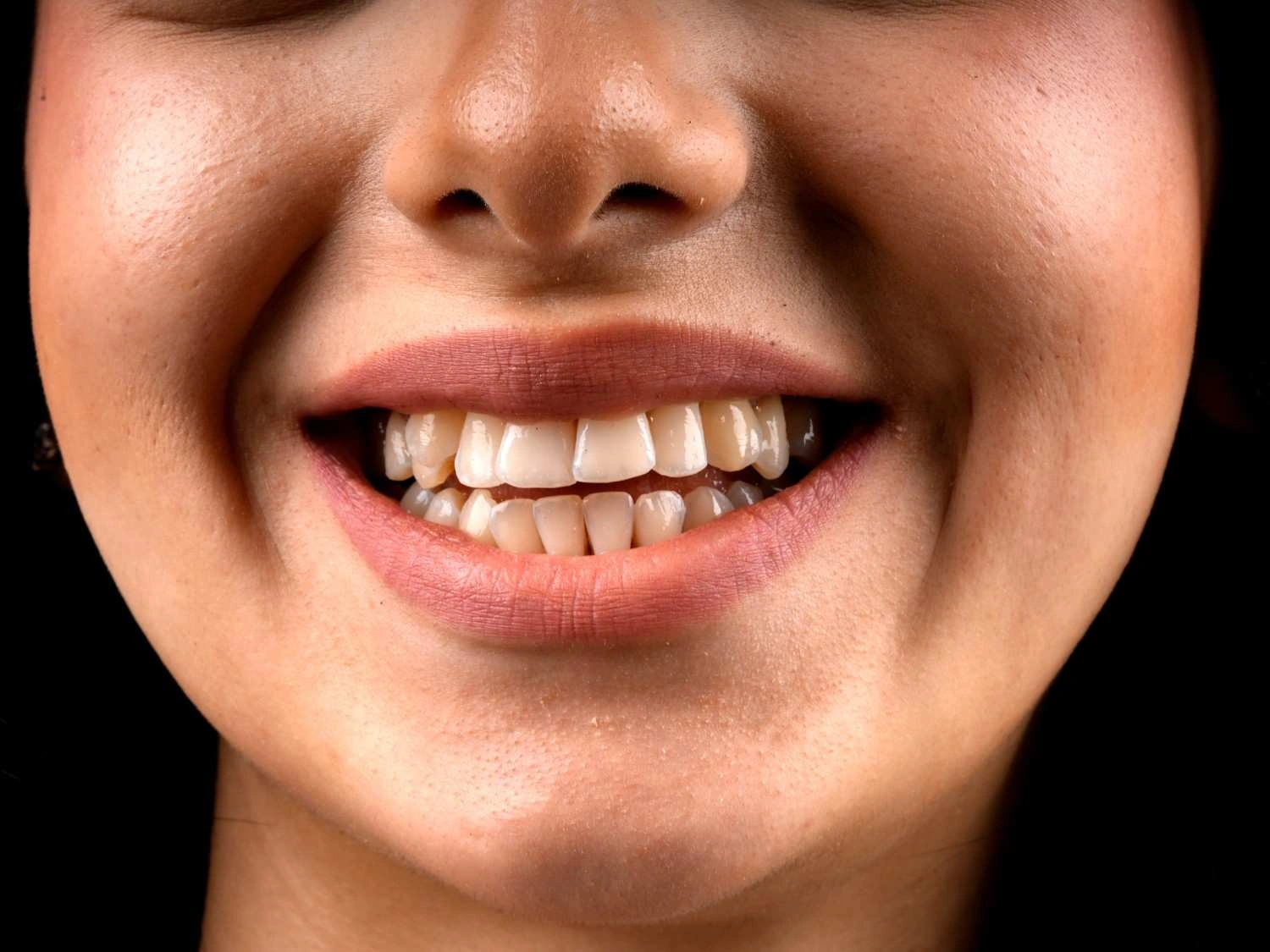
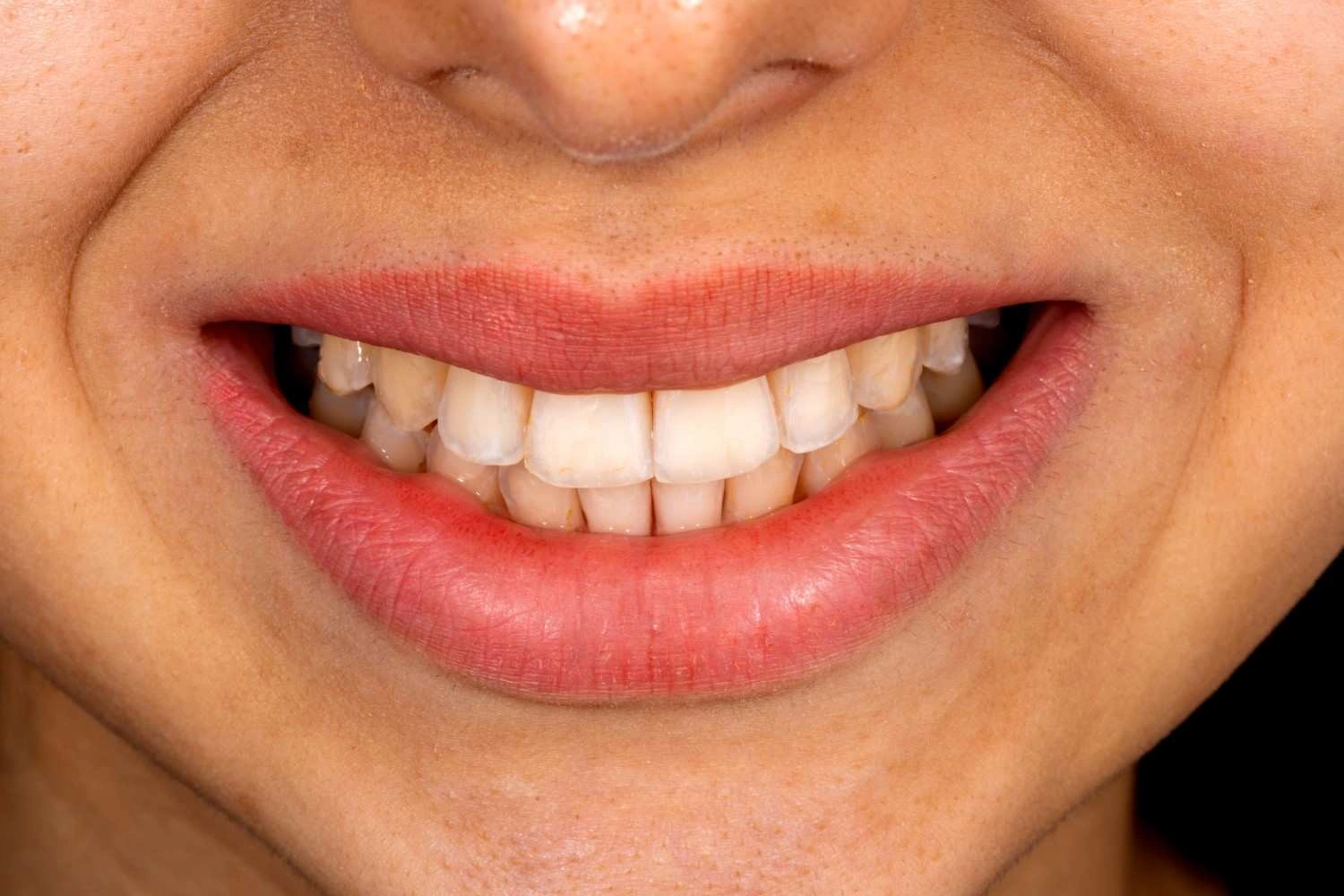
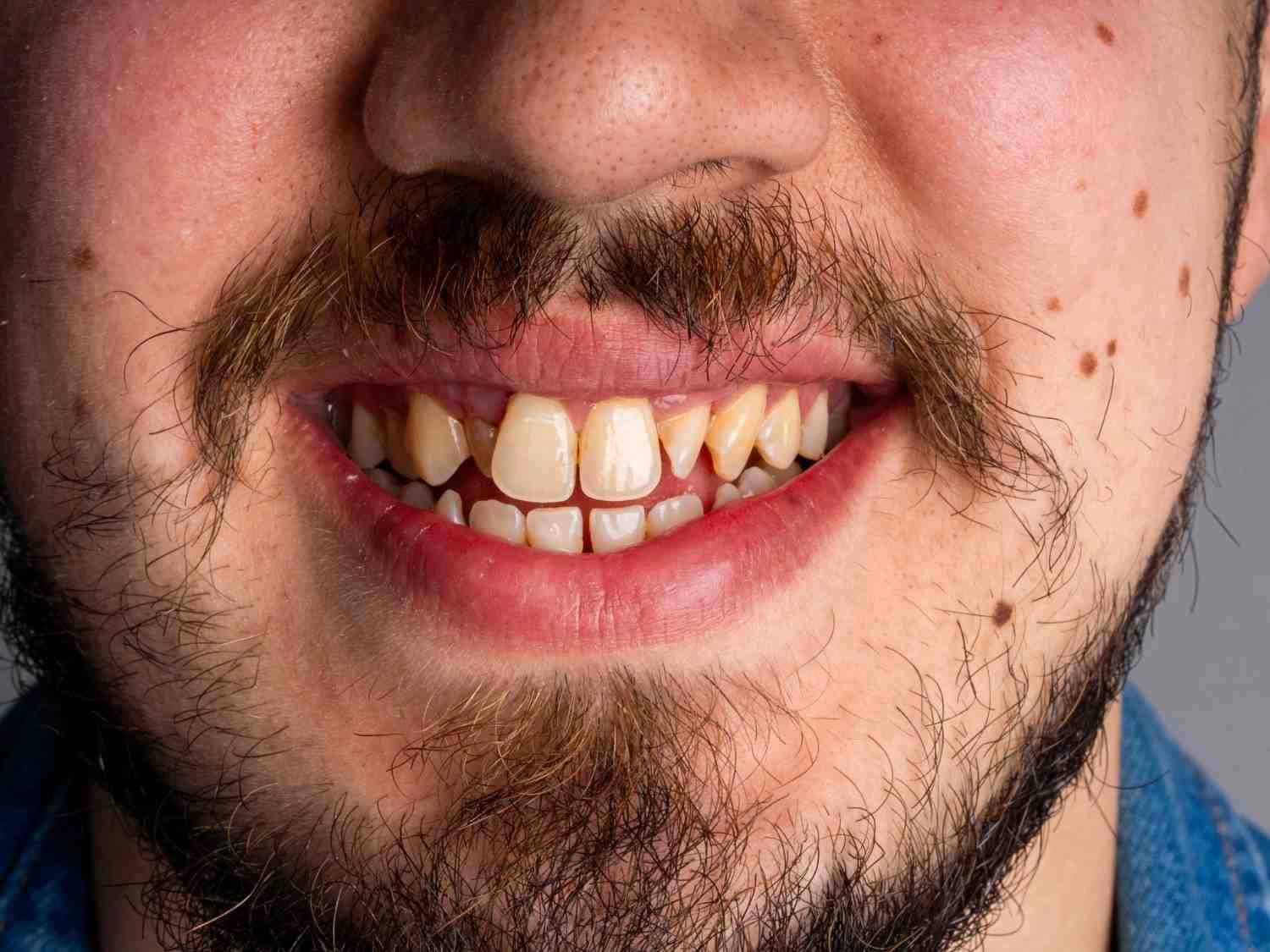
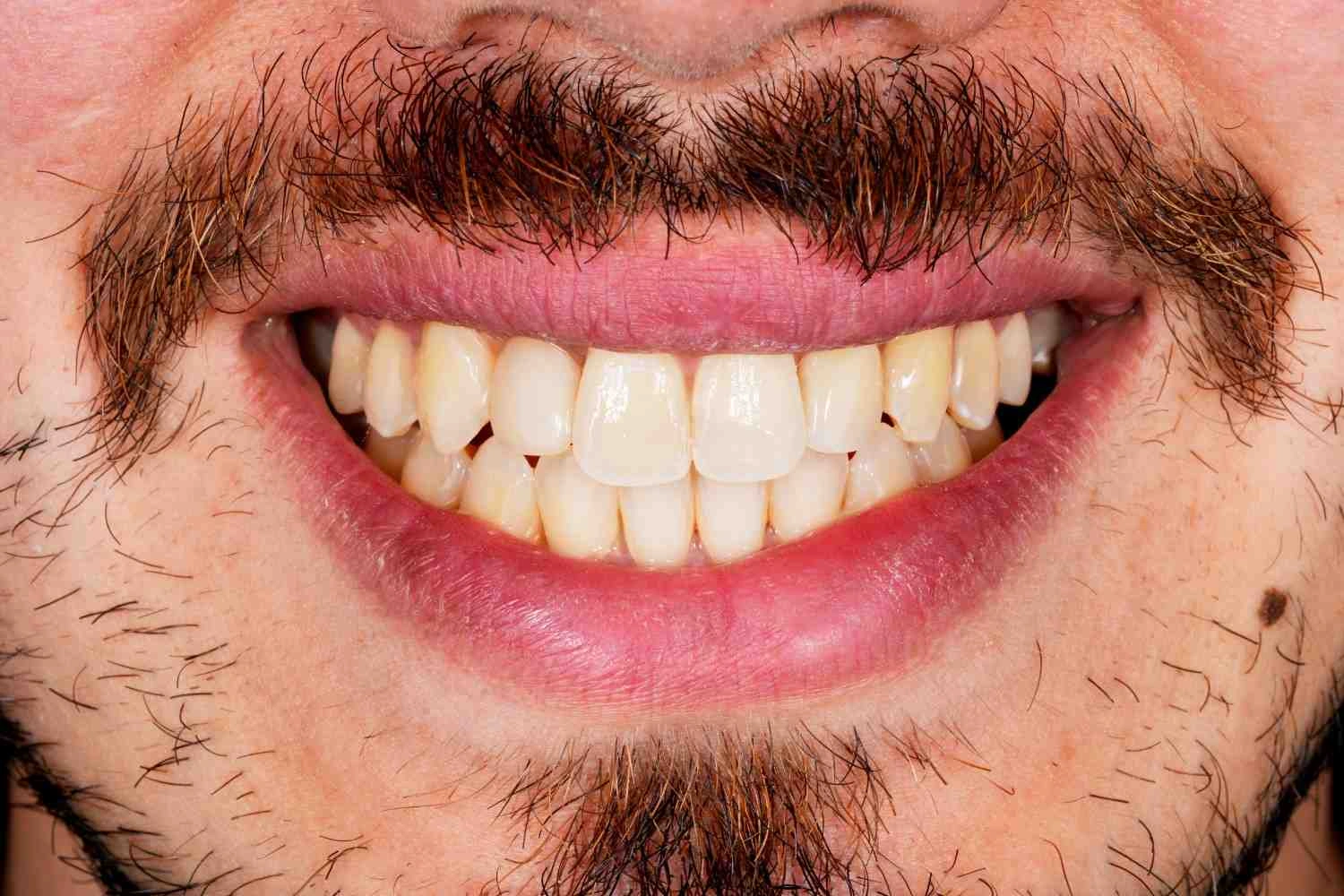
Dramatic before-and-after photos demonstrate effectiveness of tooth movement in correcting diverse alignment issues at Vitrin Clinic. Visual documentation shows progressive improvements throughout treatment, validating predictions made during initial planning for tooth movement. Case examples illustrate how treatment addresses specific concerns similar to those prospective patients may have currently. Understanding typical results helps patients set realistic expectations about tooth movement outcomes achievable through Invisalign. Professional presentation of cases provides transparency about what treatment can accomplish for different alignment situations.
FAQs

Dr. Rifat Alsaman has over 5 years of clinical experience and is currently the Head of the Medical team at Vitrin Clinic.
.webp&w=3840&q=75)


.webp&w=3840&q=75)
.webp&w=3840&q=75)
%20(1).webp&w=3840&q=75)