Blog
September 3, 2026
Inside of Mouth Feels Rough: Causes, Symptoms, and When to See a Dentist?
 Dr. Rifat Alsaman
The inside of mouth feels rough. That is how many people first describe an unexpected change inside the mouth. The sensation can feel dry, bumpy, or even like sandpaper. It can appear on the cheeks, tongue, gums, palate, or other oral tissues. When the mouth feels rough inside, most of the time the cause is temporary irritation. Sometimes, though, it signals something that needs a proper look. This article covers common causes, symptoms, treatment options, prevention tips, and when it is time to see a dentist about a rough feeling inside the mouth.
Inside of Mouth Feels Rough: What Could Be Causing It?
The inside of my mouth feels rough for many reasons. Healthy oral tissue is usually smooth, moist, and comfortable. When that texture changes, it is often the body's way of signalling dryness, friction, or irritation. Some causes are minor and resolve on their own within days. Others build up slowly through habits like poor hygiene or appliance friction. A smaller number point toward inflammation or infection that benefits from professional assessment when the inside mouth feels dry and rough for more than a few days. Understanding where the roughness sits on that spectrum helps patients decide whether to wait it out or book an exam.
Dry Mouth and Reduced Saliva
Saliva keeps oral tissue lubricated and protected. When production drops, the inside mouth feels dry and rough almost immediately. Dehydration, mouth breathing, certain medications, and stress can all reduce saliva flow. Without enough moisture, the cheeks and tongue lose their natural cushioning. Friction increases, and tissue can feel gritty or tight, which is exactly why the inside mouth feels dry and rough during periods of dryness. This is one of the most common reasons the inside of mouth feels rough, and it usually improves once hydration and saliva levels are restored.
Oral Irritation or Minor Trauma
Rough, hot, or sharp foods can scrape delicate oral tissue. Accidental cheek biting does the same thing. Braces, dentures, retainers, and other dental appliances can also rub against soft tissue repeatedly. Over time, this friction changes the surface texture, leaving it uneven or rough to the touch. In most cases where the inside of mouth feels rough due to friction, the roughness settles once the source is removed or adjusted. If friction continues daily, the tissue may not get a real chance to heal properly.
Oral Hygiene and Plaque Accumulation
Inconsistent brushing allows plaque to build up on teeth, gums, and even the tongue. This buildup can leave oral surfaces feeling coated, sticky, or rough. Bacteria thrive in areas that are missed during brushing, which can worsen the sensation over time. Cleaning the tongue, brushing thoroughly, and using interdental tools regularly all help restore a smoother feel. Good hygiene is one of the simplest ways to keep the inside of mouth from becoming a recurring one.
Canker Sores and Other Temporary Oral Changes
Canker sores heal in stages, and the tissue around them often feels uneven while recovering. A healing sore can leave a slightly raised or rough patch for a few days. This is a normal part of the repair process. Most canker sores resolve within one to two weeks without treatment. If a sore lingers well past that window, or keeps returning in the same spot, it is worth having it checked by a dental professional.
Oral Infections and Inflammation
Conditions like oral thrush can inflame oral tissue and change its texture noticeably. White patches, redness, burning, tenderness, or altered taste often accompany this type of roughness. Inflammation from infection tends to feel different from simple dryness or friction, usually more persistent and uncomfortable. These cases benefit from proper diagnosis rather than home remedies, since the underlying cause needs to be addressed directly before the inside of mouth feels rough sensation fully resolved.
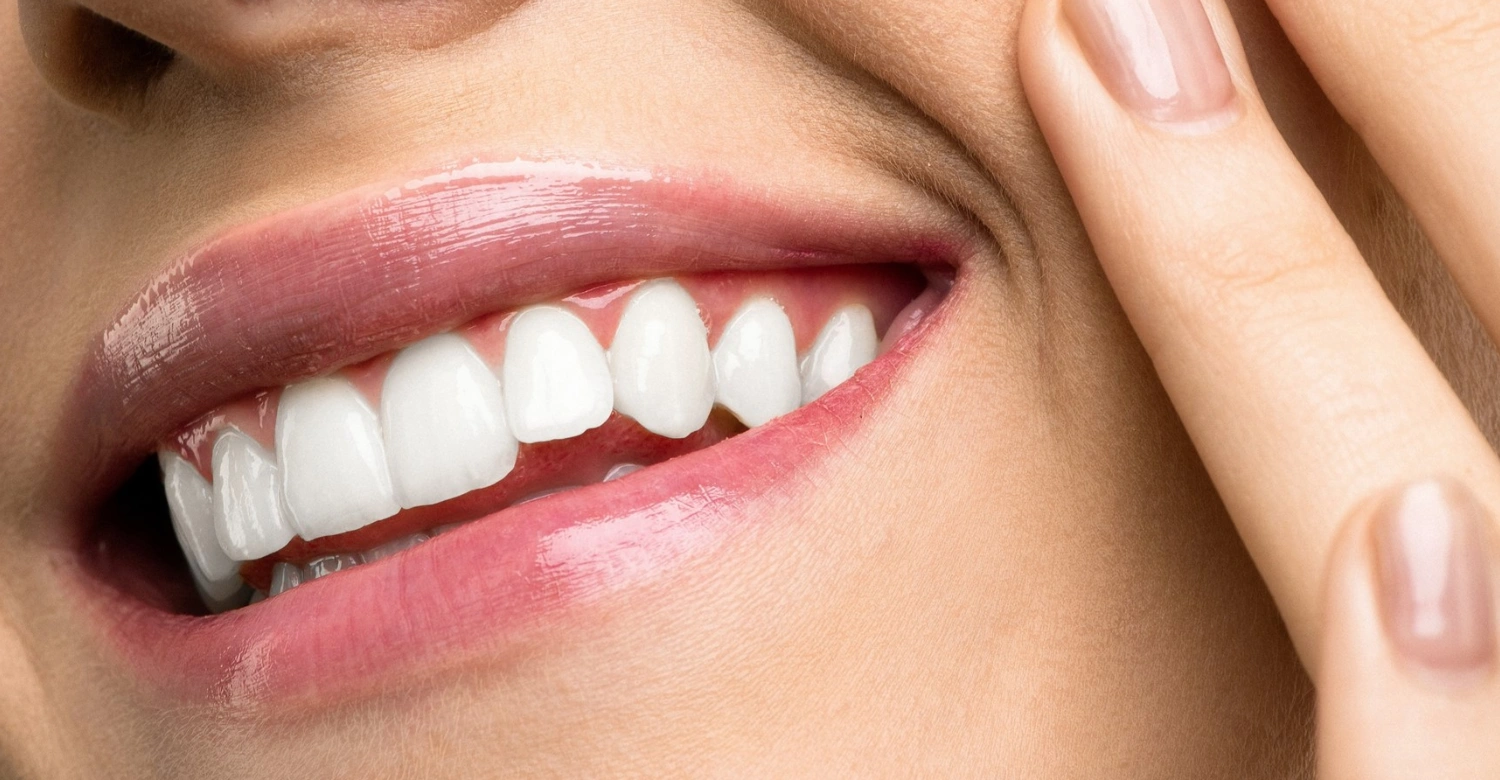
Rough Inside Mouth Feeling: Common Symptoms to Look For
A rough inside mouth feeling is easier to understand when paired with other symptoms. Texture alone rarely tells the full story. Location, duration, and any accompanying discomfort all add useful context. Some patterns point toward simple dryness or friction. Others suggest inflammation or a change worth monitoring closely. Reviewing these common patterns can help patients describe why the inside of mouth feels rough more clearly during a dental visit and decide how urgently to seek care.
Inside of Mouth Feels Rough and Dry
When the inside mouth feels dry and rough and dry at the same time, saliva is usually the missing piece. Reduced moisture leaves tissue without its normal cushioning, so it catches against teeth or other tissue. Hydration and saliva flow directly affect comfort levels throughout the day. Drinking water regularly and reducing mouth breathing often eases dryness within a short period. If the inside of mouth feels rough despite these changes, an underlying cause may need attention.
Inside of Mouth Feels Rough and Bumpy
Bumps or uneven patches can come from several sources, including irritation, healing tissue, or normal anatomy. Some bumps, like natural papillae on the tongue, are simply part of everyday anatomy. Others appear suddenly and feel different from the surrounding tissue. The key difference is change: a new bump that was not there before deserves more attention than a familiar texture that has always been present. Tracking when a bump appears helps guide the next step, especially when the inside of mouth feels dry and rough in that exact spot repeatedly.
Rough Feeling Inside Mouth Cheek
A rough feeling inside mouth cheek is often linked to friction. Cheek biting, chewing habits, or contact with a sharp tooth edge can all irritate this area repeatedly. Braces and other appliances frequently rub against the inner cheek too. Because this tissue sits close to the teeth, it takes more day-to-day contact than other areas. Removing the source of friction, when possible, usually allows the inner cheek to smooth out again, even when the inside of mouth feels dry and rough for several days beforehand.
Skin Inside Mouth Feels Rough
The tissue inside the mouth, called oral mucosa, behaves differently from skin on the outside of the body. It heals faster in some ways but is also more sensitive to dryness and friction. When skin inside mouth feels rough, it often reflects irritation or moisture loss rather than anything happening on external skin. Recognizing this difference helps explain why the inside of mouth feels rough in response to certain foods, habits, or dehydration.
Rough Inside Mouth Feels Like Sandpaper
Some patients describe a rough inside mouth feels like sandpaper sensation, usually during periods of severe dryness or irritation. This description often points to more advanced dryness than a mild rough patch. It can also follow prolonged friction from an ill-fitting appliance. When the inside of mouth feels rough like sandpaper for more than a few days, especially without an obvious cause, it is a reasonable reason to book a dental examination rather than waiting it out.
Why Does the Inside of My Mouth Feel Rough?
Why does the inside of my mouth feel rough is one of the most common questions patients ask. The honest answer is that it depends. Causes range from simple dehydration to friction, infection, or another oral condition entirely. When the inside mouth feels dry and rough, what matters most is not the sensation itself but its pattern. Persistence, recurrence, and any accompanying symptoms all carry more diagnostic weight than the roughness alone, and they help determine whether professional care is needed.
When Is a Rough Mouth Usually Temporary?
Mild irritation after eating hot, spicy, or abrasive foods usually fades within a day or two. Temporary dryness from a busy day, limited water intake, or brief mouth breathing often resolves the same way. Minor trauma, like an accidental bite, follows a similar short recovery. These cases, where the inside of mouth feels rough only briefly, rarely need treatment beyond time and basic care. If the roughness clears up on its own within a few days, it is generally nothing to worry about.
When Could It Indicate an Oral Health Problem?
Persistent texture changes that do not improve after a week deserve more attention. Pain, burning, or bleeding alongside roughness are signals worth taking seriously. Persistent white or red patches, non-healing sores, or unusual swelling and lumps all fall into this category too. None of these symptoms confirm a serious problem on their own, but together they suggest the inside of mouth feels rough situation needs a proper look rather than continued self-monitoring at home.
Tips for Patients
Drink enough water throughout the day and maintain consistent brushing with gentle tongue cleaning. Avoid excessively hot foods and drinks, and limit habits that irritate oral tissue repeatedly. Do not use sharp objects to remove suspected debris, and avoid picking at rough areas. Monitor persistent changes instead of repeatedly self-treating them at home. Attending routine dental examinations catches problems early, and seeking professional advice promptly matters once symptoms persist or worsen.
How a Dentist Diagnoses a Rough Feeling Inside the Mouth
Diagnosing a rough feeling inside the mouth starts with listening to the patient's description. A dentist considers timing, location, and any triggers the patient has noticed. This conversation, paired with a hands-on examination, usually narrows down the likely cause quickly. Some cases are straightforward, like friction from a dental appliance. Others require a closer look at tissue colour, texture, and any visible changes before a clear explanation and treatment plan can be offered.
Medical and Dental History
A dentist typically asks about recent illness, current medications, and hydration habits. Smoking or tobacco exposure, oral habits like nail biting, and recent dental procedures all matter too. The presence of dental appliances, such as braces or dentures, is noted as well. This history helps connect the inside of mouth feels rough complaint to a likely cause before the physical exam even begins, making the rest of the assessment faster and more accurate.
Clinical Examination
The dentist examines the cheeks, tongue, gums, palate, and other oral tissues directly. Colour, texture, symmetry, and any visible lesions, swelling, or tenderness are all assessed carefully. This hands-on step often confirms or rules out several possible causes at once. Because oral tissue changes can look similar on the surface, a careful visual and tactile exam remains one of the most reliable ways to understand what is actually happening.
Additional Tests When Necessary
Further investigations depend entirely on what the clinical exam finds. Not every case of rough oral tissue requires laboratory testing. When infection is suspected, or when a lesion looks unusual, additional testing may be recommended to confirm the cause. These extra steps are used selectively rather than routinely, so patients should not expect every visit to involve testing beyond the standard hands-on examination and history review.
Treatment for a Rough Feeling Inside the Mouth
Treatment for a rough feeling inside the mouth depends entirely on the underlying cause. Dryness, friction, infection, and appliance-related irritation each call for a different approach. Treating the sensation alone rarely solves the problem long term. Once the cause is identified, a dental professional can recommend a targeted plan. This section covers the main treatment categories, from simple hydration adjustments to addressing infections and correcting appliance fit.
Treating Dry Mouth
Improving hydration is usually the first step in treating dry mouth. Addressing contributing factors, like certain medications or habits, can also help where appropriate. A dental professional may discuss saliva-supporting strategies suited to the individual case. Avoiding products or habits that worsen oral dryness, such as excessive caffeine or tobacco, supports recovery too. Most dryness-related roughness improves steadily once these adjustments are made consistently over time.
Managing Oral Irritation
Removing the source of friction or trauma is the priority when treating irritation. This might mean adjusting a habit, changing food choices temporarily, or addressing a sharp tooth edge. Avoiding very hot, spicy, or abrasive foods for a short period gives tissue time to recover. Gentle oral hygiene practices, rather than aggressive brushing, also support healing without adding further friction to already irritated tissue.
Treating Oral Infections
Treatment for oral infections depends entirely on the underlying cause identified during examination. Professional diagnosis should always come before any targeted treatment begins. Self-treating a suspected infection without a clear diagnosis can delay proper care and allow symptoms to persist longer than necessary. Once the specific infection is confirmed, a dental professional can recommend an approach suited to the exact condition affecting the tissue.
Treating Dental or Appliance-Related Irritation
Irritating dental appliances, such as braces or retainers, may need adjustment when clinically appropriate. Sharp edges, defective restorations, or poorly fitting devices are addressed directly at the source. Once the physical cause of friction is corrected, irritated tissue typically has the chance to heal on its own. Regular check-ins during orthodontic or restorative treatment help catch these issues early before they cause lasting irritation.
What Can You Expect After Treatment?
Knowing what to expect makes the process feel less uncertain when the inside of mouth feels rough for an unclear reason. Treatment outcomes depend heavily on identifying the correct cause first, rather than reacting to the sensation alone. Most patients notice a clear before-and-after difference once the right approach is applied. Understanding both stages helps set realistic expectations, since some causes resolve quickly while others take longer to fully settle and stop recurring.
Before Treatment
Before treatment begins, the priority is identifying the actual cause rather than treating the sensation alone. A dentist works to establish whether dryness, irritation, infection, or another problem is involved. This step matters because two cases of a rough feeling inside the mouth can look similar on the surface but need completely different care. Getting this right from the start leads to a more effective and lasting outcome.
After Treatment
Once the underlying cause is addressed, most patients notice reduced roughness or dryness within a reasonable timeframe. Oral comfort typically improves steadily as tissue heals. Patients also come away with a better understanding of preventive care suited to their own habits and risk factors. Recovery time varies depending on the cause, ranging from a few days for minor irritation to longer for infections or appliance adjustments.
How to Prevent a Rough Feeling Inside the Mouth
Preventing a rough feeling inside the mouth starts with consistent daily habits. Maintain good oral hygiene, including gentle tongue cleaning alongside regular brushing. Stay adequately hydrated throughout the day to support saliva production. Manage known dry-mouth triggers, such as excess caffeine or certain medications, where possible. Protect the cheeks and oral tissues from unnecessary trauma by avoiding harsh foods and objects. Maintain regular dental check-ups, replace or adjust poorly fitting appliances promptly, and follow appropriate aftercare after any dental procedure.
When Should You See a Dentist?
See a dentist when symptoms do not improve within a reasonable timeframe. Recurrent roughness in the same location, even after it seems to heal, is another signal worth acting on. Visible patches, sores, lumps, or swelling should never be ignored or self-diagnosed. Persistent pain, burning, or bleeding without an obvious cause also warrants an exam, as does difficulty eating, swallowing, or speaking. Early assessment prevents unnecessary worry and helps identify the correct treatment sooner rather than later.
What We Notice Clinically
Clinical perspective from Dr. Rifat Alsaman, Head of the Medical Team at Vitrin Clinic and a cosmetic dentist: Dr. Rifat Alsaman explains that patients often describe oral tissue changes using words such as rough, dry, bumpy, or like sandpaper. Dr. Rifat Alsaman emphasizes that the sensation itself is not a diagnosis. A proper examination helps determine whether the change is related to dryness, irritation, inflammation, trauma, infection, or another oral condition. Dr. Rifat Alsaman recommends paying attention to how long the sensation has been present and whether it is accompanied by visible changes or discomfort.
Clinical Note
A rough sensation inside the mouth should be evaluated according to its duration, location, appearance, and accompanying symptoms. A temporary rough feeling after irritation may resolve with simple care within a few days. However, persistent or unexplained changes should not be self-diagnosed at home. When the inside of mouth feels rough for longer than expected, a proper dental assessment offers far more clarity than guesswork or repeated home remedies.
Signs That Should Not Be Ignored
A rough area that persists or repeatedly returns in the same spot deserves attention. Persistent white or red patches, unexplained bleeding, and a lump or thickened area all fall into this category. Pain, burning, or significant sensitivity alongside roughness should not be dismissed either. A sore that does not heal normally, or difficulty swallowing, are additional signs that call for a prompt dental examination rather than continued waiting.
Dental Expertise and Technology at Vitrin Clinic
Vitrin Clinic offers patients a setting for comprehensive dental evaluation when a rough feeling inside the mouth needs a closer look. A detailed clinical examination comes before any treatment recommendation, ensuring the plan matches the actual cause. Modern dental technology supports accurate diagnosis and treatment planning where clinically indicated. Patient-focused communication and personalized treatment planning remain central to every visit. Treatment is always based on the individual patient's oral findings, with Dr. Rifat Alsaman leading the medical team, rather than on the symptom alone.
Get Professional Advice for a Rough Feeling Inside Your Mouth
A rough oral sensation can stem from many different causes, ranging from simple dryness to conditions that need professional care. Self-diagnosis rarely tells the full story, since similar sensations can point to very different underlying issues. A professional dental examination is the most reliable way to understand persistent, recurrent, or unexplained symptoms and get a treatment plan suited to the actual cause rather than the surface-level feeling alone.
Book a FREE treatment plan with Vitrin Clinic.
References:
FAQs
Dr. Rifat Alsaman has more than 5 years of clinical experience in dentistry and currently serves as the Head of the Medical Team at Vitrin Clinic. He is dedicated to providing exceptional patient care, overseeing treatment planning, and ensuring the highest clinical standards across the team. His expertise, attention to detail, and commitment to continuous professional development have helped countless patients achieve healthier, more confident smiles.

.webp&w=3840&q=75)

.webp&w=3840&q=75)

