General Dentistry
November 15, 2026
Dental Treatment Abroad: Benefits, Best Countries, Risks
 Dr. Rifat Alsaman

Choosing to receive dental treatment abroad has become an increasingly considered option for people who want access to dental care at a different price point, explore treatment options unavailable locally, or combine their dental care with international travel. From dental implants and crowns to veneers and full-mouth rehabilitation, patients can find clinics offering a wide range of procedures in popular dental tourism destinations.
But is dental treatment abroad actually worth it? Is it better than getting treatment in your home country? And how can you identify a reliable dental clinic overseas?
The answer depends on several factors, including the complexity of your dental condition, the qualifications of your dentist, the total treatment cost, the destination country's healthcare standards, and the availability of follow-up care.
This guide explains how dental treatment abroad works, compares international and local dental care, explores popular countries for dental tourism, and provides practical advice to help you make an informed decision.
Key Takeaways
Travelling to another country for dental care to access different treatments, experienced dentists, or more affordable options.
Dental implants, All-on-4, crowns, veneers, bridges, root canals, and full-mouth rehabilitation.
Depends on the procedure, with implants generally requiring longer healing than crowns or veneers.
Varies by treatment, destination, materials, and clinic, with travel and accommodation costs also to consider.
Smiles Made By Vitrin Clinic


.jpg)

Ready to transform your smile?
Talk to our team and get a FREE treatment plan.
What Is Dental Treatment Abroad?
Dental treatment abroad refers to travelling to another country specifically to receive dental care. It is also commonly known as dental tourism, a form of medical tourism that allows patients to access dental services outside their country of residence.
Patients may consider travelling overseas for different reasons, including:
Lower treatment costs compared with their home country.
Access to experienced dentists and specialist treatment teams.
More treatment options within a particular budget.
Availability of advanced dental technology.
Access to clinics experienced in treating international patients.
Shorter waiting times for certain procedures.
Dental treatment abroad can involve anything from a routine dental procedure to complex restorative and surgical treatment.
Common procedures include:
Dental implants and implant-supported restorations.
All-on-4 and All-on-6 dental implants.
Zirconia and porcelain dental crowns.
Dental veneers and smile makeovers.
Full-mouth rehabilitation.
Dental bridges and dentures.
Root canal treatment and other restorative procedures.
However, travelling abroad for dental care does not automatically mean receiving better treatment. The quality of care depends on the individual dentist, clinic, treatment plan, materials, and follow-up arrangements rather than the destination alone.

Dental Treatment Abroad vs. Local Dental Treatment: What's the Difference?
One of the first decisions patients face is whether to receive dental treatment locally or travel to another country.
Both options have advantages and limitations. The right choice depends on the type of treatment needed, available expertise, affordability, and the patient's ability to attend follow-up appointments.
1. Treatment Cost
Cost is one of the most common reasons patients explore dental treatment abroad.
In countries where dental care is relatively expensive, procedures such as dental implants, crowns, veneers, and full-mouth restorations may represent a substantial financial commitment.
Some international destinations offer lower treatment prices because of differences in operating expenses, labour costs, rent, and healthcare market conditions.
However, a lower initial quote does not necessarily mean a lower overall cost.
Patients should compare the complete financial picture, including:
Dental consultations and diagnostic imaging.
Laboratory and restoration costs.
Flights and accommodation.
Local transportation.
Additional appointments.
Follow-up visits and possible return trips.
Local treatment may be more economical when only one or two straightforward procedures are required, especially when travel expenses are considered.
2. Access to Dental Specialists
Local clinics may offer convenient access to general dentists and specialists without requiring international travel.
However, some patients may prefer to explore overseas clinics with dedicated teams for complex restorative, cosmetic, or implant dentistry.
For example, full-mouth rehabilitation may involve several stages and different areas of expertise, including implant surgery, prosthodontics, restorative dentistry, and periodontal care.
When comparing clinics, focus on the qualifications and experience of the actual professionals who will plan and perform your treatment.
3. Convenience and Accessibility
Local dental care generally offers easier access to routine appointments, emergency visits, adjustments, and long-term maintenance.
Dental treatment abroad requires additional planning. Patients must coordinate flights, accommodation, treatment appointments, recovery time, and communication with the clinic.
For extensive treatment, multiple visits may be necessary, particularly when dental implants require healing before the final restorations can be placed.
4. Follow-Up and Aftercare
Follow-up care is an important consideration when receiving dental treatment overseas.
If a crown needs adjustment or an implant restoration requires maintenance after returning home, the patient may need to contact the original clinic or visit a local dentist.
Local treatment can make these appointments easier to arrange.
Before choosing an overseas clinic, ask how postoperative support works, what happens if complications occur, and whether your dental records can be shared with a dentist in your home country.
Dental Treatment Abroad vs. Local Treatment: Quick Comparison
Factor | Dental Treatment Abroad | Local Dental Treatment |
Treatment costs | May be lower, depending on the destination | Varies by country and clinic |
Dentist selection | Access to international providers | Access to local providers |
Travel requirements | Flights and accommodation may be necessary | Usually no international travel |
Follow-up appointments | Require advance planning | Generally easier to arrange |
Treatment options | Depends on the selected clinic | Depends on local availability |
Communication | May involve language differences | Usually more familiar |
Overall convenience | Requires travel coordination | Often more convenient |
Ready to transform your smile?
Talk to our team and get a FREE treatment plan.
Why Do Patients Choose Dental Treatment Abroad?
The decision to travel for dental care is rarely based on one factor alone. Patients usually consider a combination of financial, clinical, and practical reasons.
More Affordable Dental Procedures
In some destinations, patients can access dental implants, crowns, veneers, and other restorative treatments at lower prices than those commonly quoted in their home countries.
This can be particularly relevant for patients requiring multiple restorations or full-mouth rehabilitation.
However, affordability should never replace clinical suitability or proper treatment planning.
Access to Modern Dental Technology
Some international dental clinics invest in technologies such as:
Cone Beam Computed Tomography (CBCT).
Digital intraoral scanning.
Computer-aided design and manufacturing (CAD/CAM).
Digital smile planning.
Guided implant surgery, where clinically appropriate.
These technologies can support diagnosis, treatment planning, and the fabrication of dental restorations.
Patients should ask which technologies will actually be used in their case and why they are clinically appropriate.
Experience With International Patients
Clinics that regularly welcome international patients may have dedicated teams to coordinate consultations, treatment schedules, travel arrangements, and communication.
This can make the process easier for people unfamiliar with the destination country or its healthcare system.
Combining Treatment With Travel
Some patients combine their dental appointments with time spent exploring another country.
Although this can be convenient, dental care should remain the priority. Patients should not allow sightseeing plans or flight schedules to interfere with clinical appointments or recovery recommendations.

Is Dental Treatment Abroad Worth It?
Dental treatment abroad can be worth considering when the expected clinical benefits, total financial savings, and travel arrangements make sense for the individual patient.
It may be particularly suitable for people who:
Need several dental implants or multiple crowns.
Require extensive restorative treatment.
Have received expensive treatment estimates locally.
Can arrange enough time for treatment and recovery.
Have access to a clinic with qualified dentists and clear aftercare arrangements.
On the other hand, travelling overseas may not be the best decision for patients who need immediate emergency care, frequent adjustments, or ongoing treatment that would be difficult to coordinate internationally.
A useful way to evaluate the decision is to compare the complete treatment cost rather than the advertised price.
Total estimated cost = Dental treatment + Flights + Accommodation + Transportation + Follow-up expenses + Possible additional visits.
Patients should also request a written treatment plan before making travel arrangements.
What Are the Best Countries for Dental Treatment Abroad?
Several countries have developed international dental tourism markets. Their appeal varies according to treatment prices, geographical accessibility, clinic availability, language support, and healthcare regulations.
According to Dental Treatment Abroad's 2026 destination ranking, Turkey ranked first among the leading countries for dental tourism, scoring 9.8/10, ahead of Hungary and Poland.
The following countries are commonly considered by international dental patients.
1. Turkey
Turkey is a recognised destination for dental tourism, particularly in cities such as Istanbul and Antalya.
International patients consider Turkey for procedures including:
Dental implants.
All-on-4 and All-on-6 treatments.
Zirconia crowns.
Porcelain veneers.
Hollywood Smile treatments.
Full-mouth rehabilitation.
One reason Turkey attracts international patients is the combination of a developed private dental sector, international patient services, and treatment prices that may be lower than those in several Western European countries and the United States.
Istanbul is particularly relevant for patients who want access to multiple dental clinics and international travel connections.
However, clinic quality varies. Patients should independently verify dentist qualifications, treatment plans, material information, sterilisation protocols, and aftercare arrangements.
2. Hungary
Hungary, especially Budapest, has a long-standing dental tourism market serving patients from several European countries.
Patients may consider Hungary for:
Dental implants.
Crowns and bridges.
Restorative dentistry.
Complex prosthetic treatment.
Its geographical accessibility within Europe can make it a practical option for patients living in neighbouring countries.
Travel distance, treatment costs, and the ability to return for follow-up appointments are important considerations.
3. Poland
Poland has an established private dental care sector and attracts patients seeking restorative and cosmetic dental procedures.
Patients may explore Polish clinics for implants, crowns, veneers, and other dental treatments.
For people travelling from the UK, Germany, and other European countries, Poland may offer convenient travel connections.
As with any destination, patients should compare individual clinics rather than assuming that treatment quality is consistent across the country.
4. Mexico
Mexico is frequently considered by patients travelling from the United States and Canada.
Cities such as Tijuana, Cancun, and Los Algodones have developed dental tourism services.
Commonly requested treatments include:
Dental implants.
Crowns and bridges.
Dentures.
Cosmetic dentistry.
Geographical proximity can be an advantage for North American patients, although travel arrangements and follow-up care still need consideration.
5. Thailand
Thailand has an established international healthcare and dental tourism sector, particularly in Bangkok and other major cities.
International patients may consider Thailand for restorative, cosmetic, and implant dentistry.
The country's tourism infrastructure and international patient services can be attractive, although long-distance travel may increase the overall cost and make repeat appointments more difficult for patients from Europe or North America.
6. Spain
Spain is another option for patients seeking dental treatment in Europe.
Its private dental sector offers a variety of restorative and cosmetic procedures, and its geographical location can be convenient for patients travelling from other European countries.
Patients should compare clinic credentials, treatment costs, and the availability of follow-up appointments before making a decision.
Comparing Popular Dental Tourism Destinations
Country | Commonly considered treatments | Potential advantages | Important considerations |
Turkey | Implants, crowns, veneers, full-mouth rehabilitation | International patient services and competitive pricing | Verify clinic standards and aftercare |
Hungary | Implants, crowns, bridges | Established European dental tourism market | Travel and repeat visits |
Poland | Restorative and cosmetic dentistry | European accessibility | Compare individual providers |
Mexico | Implants, crowns, dentures | Convenient for some North American patients | Border travel and follow-up |
Thailand | Implants and cosmetic dentistry | International healthcare infrastructure | Long-distance travel for many patients |
Spain | Restorative and cosmetic dentistry | European accessibility | Costs vary by region and provider |
Which country should you choose?
If you live in the UK or elsewhere in Europe, Turkey, Hungary, Poland, and Spain may be practical destinations to compare. For patients living in North America, Mexico may offer geographical advantages, while Thailand may be more relevant to some patients in Asia-Pacific.
The best decision should be based on the individual clinic's clinical standards and the patient's complete treatment requirements, not simply the country's reputation or the cheapest advertised package.
Ready to transform your smile?
Talk to our team and get a FREE treatment plan.
Dental Treatment Abroad Cost: What Should You Budget For?
The cost of dental treatment abroad depends on the procedure, number of teeth involved, materials, diagnostic requirements, and the clinic's pricing structure.
Some treatments require only one appointment, while others involve several stages over multiple visits.
What Affects the Cost of Dental Treatment Abroad?
1. Type of dental procedure
A single dental crown generally involves a different level of clinical work and laboratory expense compared with multiple implants or full-mouth rehabilitation.
2. Materials used
Different restorative materials have different characteristics and costs. For example, zirconia crowns, porcelain restorations, and implant components should not be treated as interchangeable products.
3. Diagnostic requirements
Some patients require additional examinations, X-rays, CBCT scans, or other diagnostic procedures before treatment can be planned.
4. Dentist's experience
The qualifications and clinical experience of the professionals involved may influence the treatment fee.
5. Travel and accommodation
Flights, hotels, transportation, meals, and additional days abroad should all be included in the budget.
What Should a Dental Treatment Package Include?
Before accepting a package, ask for a breakdown of:
Initial consultation.
Diagnostic imaging.
Dental surgery, if required.
Implant fixtures and components.
Temporary and final restorations.
Laboratory fees.
Medication and postoperative instructions.
Follow-up appointments.
Accommodation and transportation, if advertised.
Additional treatment charges.
A package that appears inexpensive may exclude essential components, so always compare equivalent treatment plans.
Which Dental Treatments Are Suitable for Dental Tourism?
Not every dental procedure requires international travel. The suitability of dental treatment abroad depends on the complexity of the case and the amount of follow-up required.
Dental Implants
Dental implants are among the procedures that patients commonly research when considering dental tourism.
Implant treatment involves placing a titanium or other approved implant fixture into the jawbone to support a replacement tooth or dental restoration.
Depending on bone quality, general oral health, and the treatment plan, the process may involve several stages and a healing period before the final restoration is fitted.
Learn more about dental implants and their treatment process.
All-on-4 and All-on-6 Dental Implants
Patients missing most or all teeth in an arch may be assessed for full-arch implant-supported restorations.
All-on-4 and All-on-6 are treatment approaches that use four or six implants, respectively, to support a full-arch prosthesis in appropriately selected cases.
Not every patient is suitable for immediate loading or the same implant configuration. A clinical examination and diagnostic imaging are essential.
Dental Crowns and Veneers
Crowns and veneers may be considered for different restorative and cosmetic concerns.
Crowns cover and protect a tooth when significant structural restoration is required.
Veneers are thin restorations bonded to the front surfaces of suitable teeth to address selected cosmetic concerns.
The amount of natural tooth structure available, existing restorations, bite forces, and gum health should all be evaluated before treatment.
Full-Mouth Rehabilitation
Full-mouth rehabilitation may involve a combination of implants, crowns, bridges, and other restorative procedures.
Because these cases can be complex, patients should receive a comprehensive assessment and a staged treatment plan before travelling.
.jpg)

.jpg)
What Are the Risks of Getting Dental Treatment Abroad?
Dental tourism can provide access to different treatment options, but it also creates challenges that patients should understand before committing.
1. Differences in Healthcare Regulations
Dental licensing, clinic accreditation, professional standards, and regulatory systems differ between countries.
Patients should verify that the dentist is appropriately licensed in the destination country and that the clinic meets applicable local requirements.
2. Inadequate Treatment Planning
A treatment plan based only on photographs or a brief online consultation may not provide enough information for complex procedures.
For example, dental implant treatment requires an assessment of bone volume, gum health, medical history, and other clinical factors.
An online estimate should be treated as preliminary rather than a confirmed diagnosis.
3. Complications After Returning Home
Possible complications may include infection, discomfort, bite problems, restoration damage, or implant-related issues.
These problems can require additional treatment and may involve expenses not included in the original package.
4. Communication Difficulties
Language differences can make it harder to understand treatment options, consent forms, medication instructions, and postoperative recommendations.
Patients should make sure they can communicate directly with the clinical team in a language they understand.
5. Limited Follow-Up Access
Some dental procedures require adjustments, monitoring, or additional appointments.
Returning to the original clinic may involve another international trip, so a clear aftercare agreement is essential.
6. Pressure to Accept Unnecessary Treatment
Patients should be cautious of clinics that recommend extensive procedures without a clear clinical explanation.
A responsible dentist should explain alternative treatments, expected benefits, limitations, possible complications, and the consequences of delaying treatment.
Important: Never choose a clinic based exclusively on an unusually low price, promotional package, or promise of a perfect smile in a very short time.
How to Choose a Safe and Reliable Dental Clinic Abroad
Choosing the right dental clinic is arguably more important than choosing the destination itself.
Before booking your trip, evaluate the following factors.
1. Check the Dentist's Qualifications
Find out who will actually perform your treatment.
Check their professional registration, education, specialist training, clinical experience, and areas of expertise.
Do not rely only on the clinic's general marketing statements.
2. Review the Treatment Plan
Ask for a written treatment plan that explains:
Your diagnosed dental condition.
Recommended procedures.
Available alternatives.
Materials and implant systems.
Number of expected appointments.
Estimated treatment duration.
Possible risks and complications.
You should understand why each procedure is being recommended.
3. Verify Clinic Standards
Ask about sterilisation procedures, infection control, diagnostic equipment, and applicable clinic licensing or accreditation.
If a clinic claims to hold an accreditation or certification, verify it with the issuing organisation.
4. Look for Independent Patient Reviews
Reviews can help you understand the experiences of previous international patients.
Look beyond star ratings and examine detailed feedback about communication, treatment planning, clinical care, aftercare, and how the clinic responds to complaints.
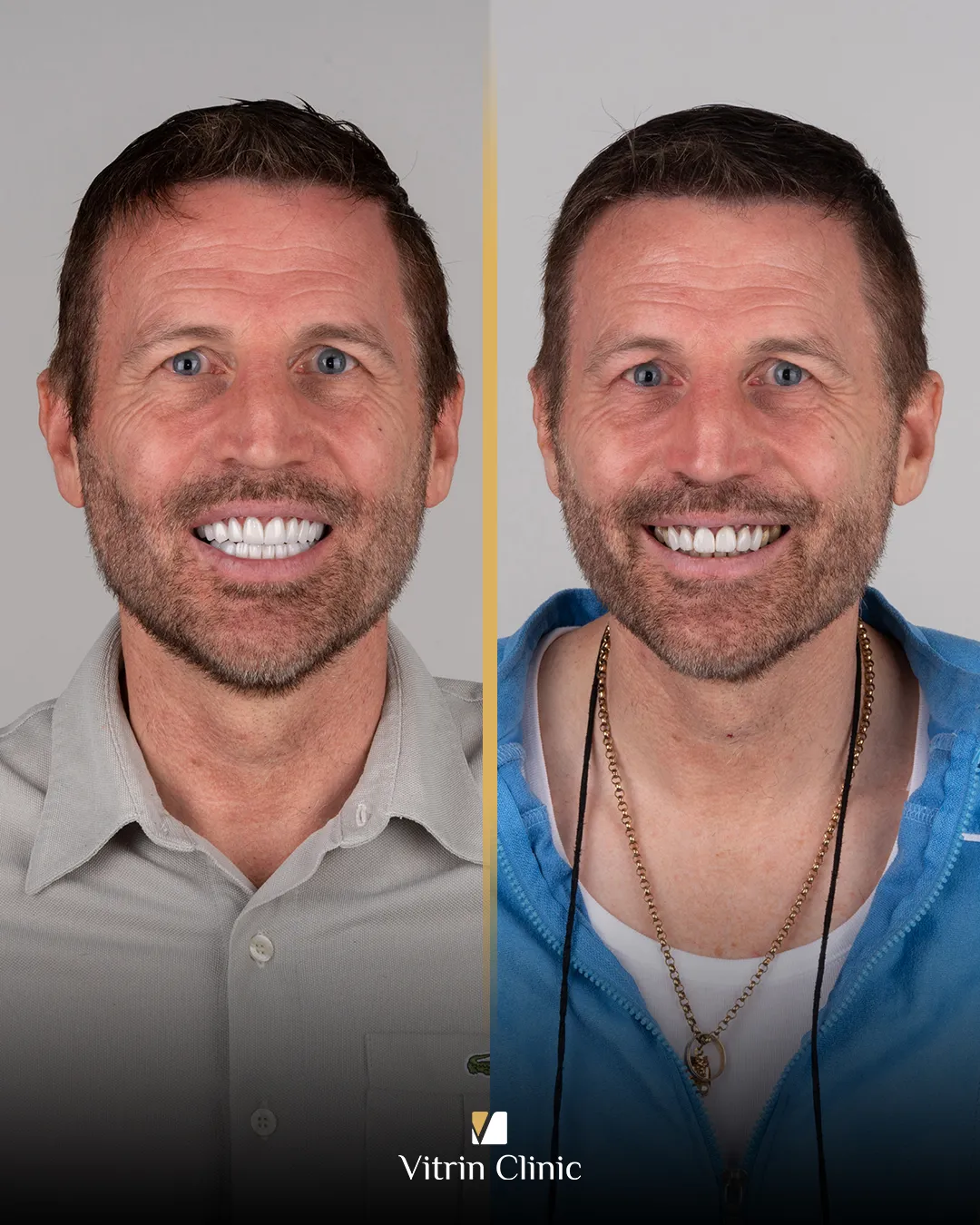
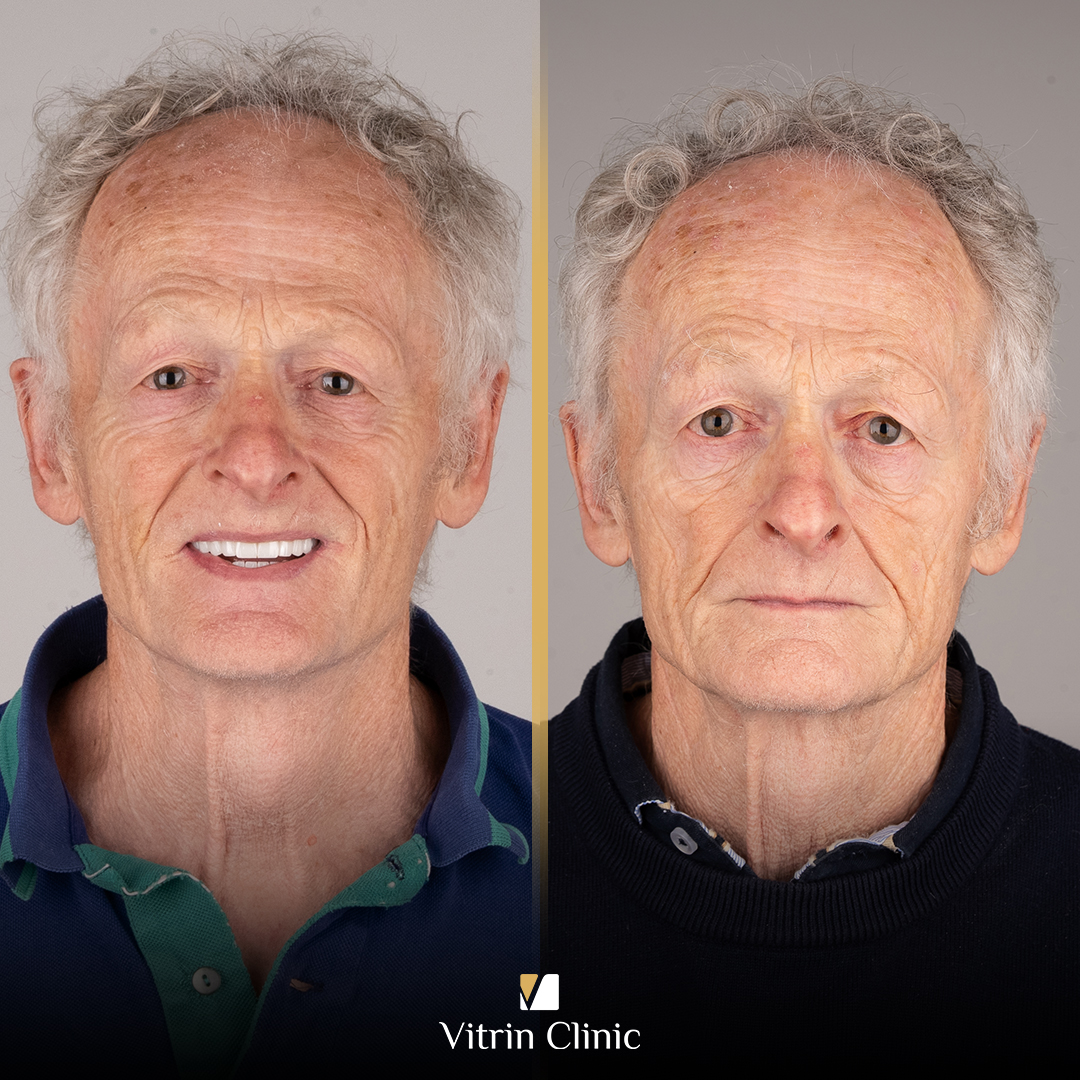
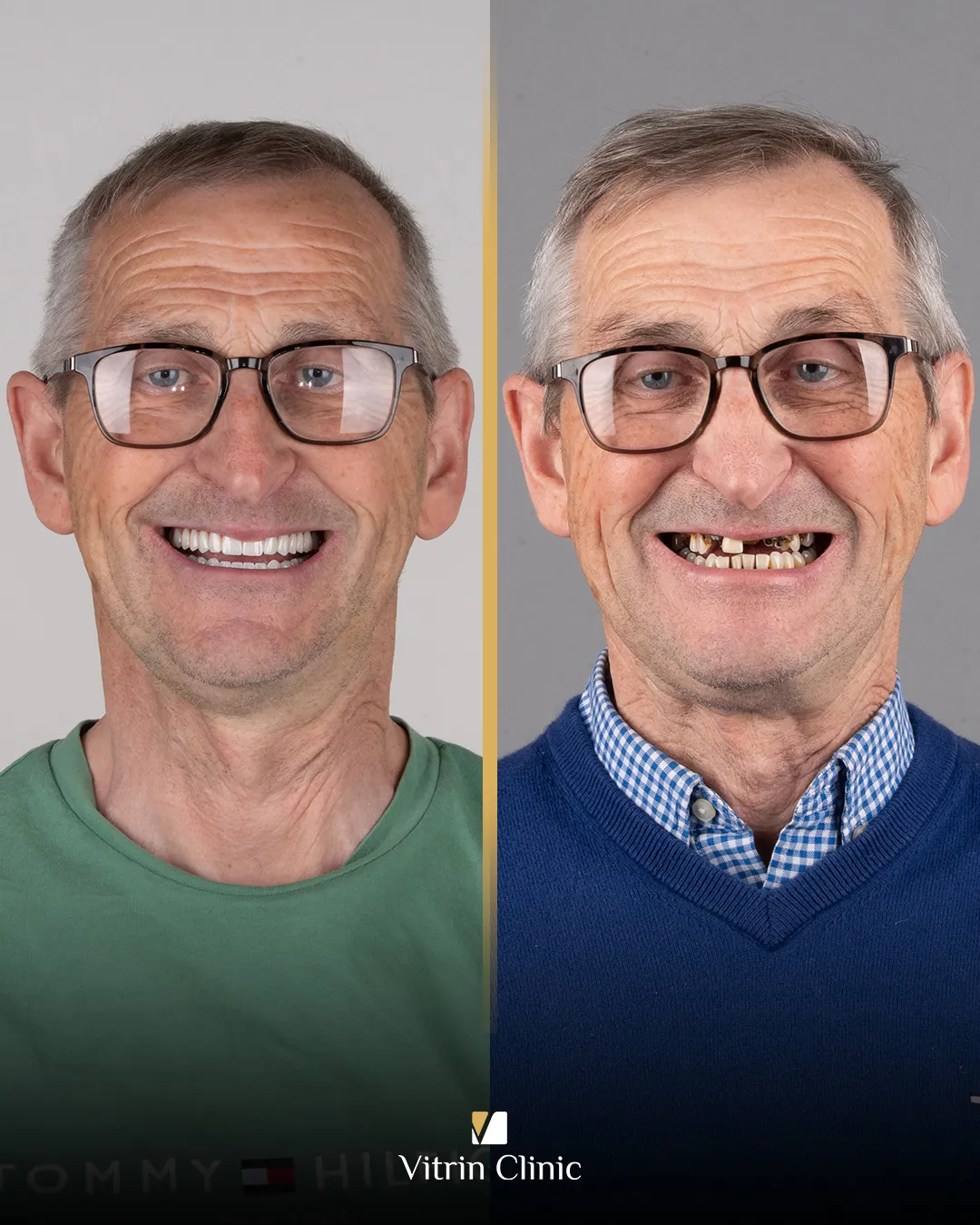
5. Request Genuine Before-and-After Cases
Before-and-after photographs can provide examples of previous clinical work.
However, photographs alone cannot establish treatment quality or prove that the same result can be achieved in your case.
Ask whether the examples involve procedures similar to your own.
6. Understand the Warranty and Aftercare Policy
Ask what happens if a restoration becomes damaged or an implant requires additional attention.
Clarify the conditions, exclusions, time limits, and whether travel expenses are included.
7. Compare the Complete Cost
Request an itemised quotation rather than relying on a headline package price.
Make sure you know what is included, what is excluded, and which additional costs may arise.
.jpg)
How Does Dental Treatment Abroad Work? A Step-by-Step Guide
Planning dental care overseas involves more than choosing a clinic and booking a flight.
A structured process can help reduce uncertainty.
Step 1: Initial Consultation
Contact the clinic and explain your dental concerns.
You may be asked to provide photographs, existing dental records, and recent X-rays if available.
The initial discussion helps the clinical team understand your needs, but it does not replace an in-person examination.
Step 2: Preliminary Treatment Assessment
The dentist reviews the available information and discusses possible treatment options.
For complex procedures, the final plan may change after an examination and diagnostic imaging at the clinic.
Step 3: Receive a Written Quotation
Request a breakdown of the proposed procedures, materials, estimated costs, and treatment duration.
Do not make a financial commitment until you understand the scope of the treatment.
Step 4: Plan Your Travel
Once the treatment plan and schedule have been discussed, arrange flights and accommodation.
Allow enough time for examinations, treatment, recovery, and any required follow-up appointments.
Step 5: Attend the In-Person Examination
The dentist performs the necessary clinical assessments and confirms whether the proposed treatment is appropriate.
If the findings differ from the preliminary assessment, the dentist should explain the revised recommendations and costs before proceeding.
Step 6: Receive Your Dental Treatment
The treatment is carried out according to the agreed clinical plan.
Depending on the procedure, this may involve one appointment or several stages.
Step 7: Review and Aftercare
Before returning home, attend the recommended follow-up appointment and obtain copies of your treatment records.
Ask for written postoperative instructions, medication information where applicable, and contact details for future support.
What Happens If You Need Follow-Up Care After Returning Home?
Aftercare is one of the most important parts of international dental treatment.
Patients should understand that dental work does not necessarily end when they leave the destination country.
Before travelling, arrange a clear follow-up plan with the overseas clinic and identify a local dentist who may be able to provide routine examinations or urgent care if necessary.
You should request copies of:
Your dental diagnosis and treatment plan.
Preoperative and postoperative imaging.
Implant details and product information, where applicable.
Restoration and laboratory specifications, where available.
Medication and postoperative instructions.
Warranty documentation.
The clinic's contact information.
For implant treatment, having the implant manufacturer's name, model, and relevant identification details can be particularly useful for future maintenance.
The overseas clinic should also explain how it handles complications, what support is available remotely, and when an additional visit may be necessary.
Why Consider Turkey for Dental Treatment?
Turkey has become an option for international patients considering restorative and cosmetic dental care.
Several factors contribute to its appeal:
International patient services: Many private clinics have dedicated teams to help international patients coordinate consultations, appointments, and travel arrangements.
A wide range of dental procedures: Patients can explore services ranging from individual crowns and veneers to implant-supported restorations and full-mouth rehabilitation.
Competitive treatment pricing: Depending on the procedure and clinic, treatment costs may be lower than comparable quotes in some Western countries.
International accessibility: Istanbul has extensive international flight connections, making it accessible to patients travelling from different regions.
Nevertheless, patients should assess each provider independently. The destination alone does not guarantee the quality of a dental procedure.
Dental Treatment in Turkey: Why Consider Vitrin Clinic?
For patients exploring dental treatment abroad, choosing a clinic with experience in international patient care, a clear treatment process, and access to different dental services is an important part of the decision.
Vitrin Clinic, based in Istanbul, Turkey, provides dental services for local and international patients and has been operating since 2007.
The clinic welcomes patients from more than 52 countries and provides support in 19 languages, helping international visitors communicate with the team throughout their treatment journey.
A Range of Dental Treatment Options
Vitrin Clinic provides different dental services, including:
Dental Implants and Oral Surgery
Cosmetic Dentistry
Restorative Dentistry
General Dentistry and Oral Health
Orthodontics
Periodontics (Gum Treatment)
Endodontics (Root Canal Treatment)
Prosthodontics
Pediatric Dentistry
Laser Dentistry
Same-Visit Dentistry
Gingival Esthetics
The appropriate treatment depends on each patient's oral health, clinical examination, and individual requirements.
Clinical Assessment and Treatment Planning
A suitable treatment plan should begin with an assessment of the patient's dental condition rather than a predetermined package.
For implant cases, diagnostic tools such as 3D CBCT imaging can help assess jawbone anatomy and support treatment planning when clinically indicated.
Dr. Rifat Alsaman, Director of the Medical Team, is part of the clinic's clinical leadership. Patients can learn more about his professional background through the Dr. Rifat Alsaman profile.
Support for International Patients
Travelling for dental treatment can involve several practical challenges.
Vitrin Clinic's international patient support includes multilingual communication and assistance with coordinating the treatment journey.
Patients are encouraged to discuss their clinical needs, expected treatment stages, travel schedule, and follow-up requirements before confirming an appointment.
Is Vitrin Clinic the Right Choice for Your Dental Treatment Abroad?
The right clinic is one that can explain your diagnosis, provide a clinically appropriate treatment plan, discuss alternatives, and make its pricing and aftercare arrangements clear.
If you are considering dental treatment in Turkey, you can contact Vitrin Clinic to discuss your dental concerns and request an initial assessment.
Get Your Free Treatment Plan in Minutes
Final Thoughts: Is Travelling Abroad for Dental Treatment the Right Decision?
Dental treatment abroad can offer patients access to different providers, treatment options, and potentially more affordable dental care. However, the decision should never be based on price or destination alone.
Before travelling, compare local and international options, verify the treating dentist's qualifications, understand your treatment plan, and make sure that follow-up care is available.
If Turkey is one of the destinations you are considering, Vitrin Clinic in Istanbul can be one of the clinics to explore when comparing international dental care providers.
The most important goal is not simply to find dental treatment abroad at a lower price. It is to find an appropriate treatment plan, a qualified clinical team, and reliable support throughout your dental care journey.






Ready to transform your smile?
Talk to our team and get a FREE treatment plan.
Medical Disclaimer:
This article is for general information and does not replace a personal assessment by a qualified dentist. Prices are approximate 2026 averages, with UK and Turkey figures converted to US dollars, and may vary by clinic and case.
References:
FAQs
Dental treatment abroad can be safe when performed by appropriately qualified professionals in clinics that follow applicable healthcare and infection-control standards. However, safety varies between providers. Patients should verify credentials, understand the treatment plan, and arrange follow-up care before travelling.
Dr. Rifat Alsaman has more than 5 years of clinical experience in dentistry and currently serves as the Head of the Medical Team at Vitrin Clinic. He is dedicated to providing exceptional patient care, overseeing treatment planning, and ensuring the highest clinical standards across the team. His expertise, attention to detail, and commitment to continuous professional development have helped countless patients achieve healthier, more confident smiles.


