General Dentistry
August 31, 2026
Is Diet Soda Bad for Teeth?

Is diet soda bad for teeth? Yes even without sugar, diet soda carries real risk. Most diet sodas have a pH between 2.5 and 3.5, close to lemon juice. Enamel begins to soften once oral pH drops below roughly 5.5. Diet soda falls well within that erosive range, no matter how few calories it has. Nearly half of US adults drink a soda daily, so this is a common exposure, not a rare one. This guide covers enamel erosion, cavity risk, and how Vitrin Clinic helps patients protect their smiles from acidic drinks.
Is Diet Soda Bad for Teeth? The Short Answer
The short answer is yes, but not for the reason most people assume. It isn't about sugar at all. Many patients are surprised that a completely sugar-free beverage can still wear down enamel over time. The real driver is acidity. The sections below break down why that distinction matters for everyday dental health.
Why Sugar-Free Soda Can Still Affect Your Teeth
Diet soda interacts with teeth through acid, not decay-causing bacteria. Most diet sodas carry a pH of 2.5–3.5, well below the 5.5 threshold where enamel demineralizes. So the effects happen through chemistry, not cavities, regardless of a "zero sugar" label. Understanding this distinction helps explain why cutting sugar alone doesn't fully protect a smile.
What Makes Diet Soda Acidic?
Carbonation and flavoring acids give diet soda its acidity, not sugar. The main culprits are phosphoric acid and citric acid. These acids lower oral pH independently of calories, softening enamel on contact with every sip. This is a core reason sugar-free soda still poses a risk. The carbonation and flavoring chemistry stays largely the same across diet and regular formulas.
Does Diet Soda Damage Tooth Enamel?
Yes. Enamel meets acid every time acidic beverages touch tooth surfaces. Repeated contact softens the outer enamel layer, and over time this can thin it permanently. This matters because enamel loss, unlike a cavity, cannot be reversed or regrown. That makes it a lasting concern that tends to build gradually and often goes unnoticed until sensitivity develops.
How Acid Attacks Tooth Enamel
Acid pulls minerals like calcium and phosphate out of enamel, in a process called demineralization. Saliva normally buffers and redeposits some minerals afterward. But if acid exposure is frequent, saliva can't keep pace with the ongoing mineral loss. The enamel surface gradually softens and thins. It becomes more vulnerable to wear, sensitivity, and future decay as this cycle repeats over months and years.
Why Frequent Exposure May Increase the Risk
Sipping soda across the day is riskier than finishing it in one sitting. Frequent small exposures keep oral pH low for longer stretches, overwhelming saliva's natural buffering and remineralization capacity between drinks. This pattern, not the total volume consumed, often determines how much erosion actually occurs. Timing and habits matter just as much as quantity.
Clinical Note
Enamel erosion is a distinct process from bacterial decay. Both can occur in the same mouth at the same time. Patients who assume "diet" means "safe" often skip precautions they'd otherwise take with regular soda. That assumption can let acid-related damage progress unnoticed for a long time before any symptoms appear.
Does Diet Soda Cause Cavities?
When it comes to cavities specifically, the picture is more nuanced than with enamel erosion alone. Removing sugar changes one part of the equation but not the other. Understanding both pathways gives a clearer, more complete answer than a simple yes or no.
Diet Soda and Tooth Decay
Removing sugar cuts off the main fuel oral bacteria use to produce cavity-causing acid. So the decay risk from bacteria is genuinely lower with diet soda than with regular soda. But that doesn't make it harmless. Its own acids still demineralize enamel through a separate, non-bacterial pathway that has nothing to do with sugar. The risk shifts; it doesn't disappear.
Can Sugar-Free Soda Cause Cavities?
Traditional cavities need bacteria feeding on sugar, so diet soda alone rarely causes classic decay that way. However, acid-softened enamel becomes more susceptible to future decay once combined with plaque, poor hygiene, or other dietary sugars. That indirectly raises overall cavity risk, even when the soda itself contains none.
Tips for the Patients
A few consistent steps lower the risk. Avoid sipping soda slowly throughout the day, since prolonged contact gives acid more time to soften enamel. Drink a glass of water afterward to help clear residual acid, and avoid holding soda in the mouth before swallowing. Pairing these habits with regular brushing and flossing rounds out a practical, everyday prevention routine.
Diet Soda and Tooth Enamel: Can It Cause Enamel Erosion?
When it comes to enamel specifically, the evidence points firmly toward caution. Erosion works differently from ordinary decay. Understanding that difference helps explain why sugar-free drinks still deserve attention from a dental health perspective.
What Is Tooth Enamel Erosion?
Dental erosion is the gradual, irreversible wearing away of enamel by acid rather than by bacteria or physical wear. Unlike a cavity, erosion doesn't form a localized hole it thins the entire exposed surface evenly across the tooth. Acidic beverages, including diet soda, are among the most common everyday sources of this kind of chemical wear. Citrus fruits and certain juices are common sources too.
What the Research Shows
Research on enamel erosion from diet soda is genuinely mixed. One laboratory study found diet cola caused more enamel hardness loss than regular cola, due to added acidic flavorings. Another controlled exposure study found diet cola less erosive than sports drinks, energy drinks, and regular cola. Every study agrees on one thing, though: the low pH places diet soda firmly in the erosive category. That holds true regardless of which comparison it comes out ahead in.
Early Signs of Enamel Erosion
Early enamel erosion often shows up as increased tooth sensitivity to hot, cold, or sweet foods and drinks. Tooth surfaces may look unusually smooth or shiny compared with before. Some patients also notice subtle changes in tooth color or overall appearance. Teeth may become more prone to small chips or general wear during this stage.
Advanced Effects of Enamel Loss
As enamel loss progresses, sensitivity tends to become more pronounced and persistent rather than occasional. The risk of structural tooth damage also increases, since thinner enamel offers less protection for the underlying tooth structure. At this stage, teeth become increasingly vulnerable to decay and surface staining, which makes early intervention especially valuable.
Clinical Note
Enamel that has eroded away does not grow back. It's the body's hardest tissue, but it has no regenerative capacity once lost. That's why taking this seriously early matters. Catching enamel changes sooner allows preventive steps that limit how much further acid-related damage can occur down the line.
Is Diet Soda Better for Your Teeth Than Regular Soda?
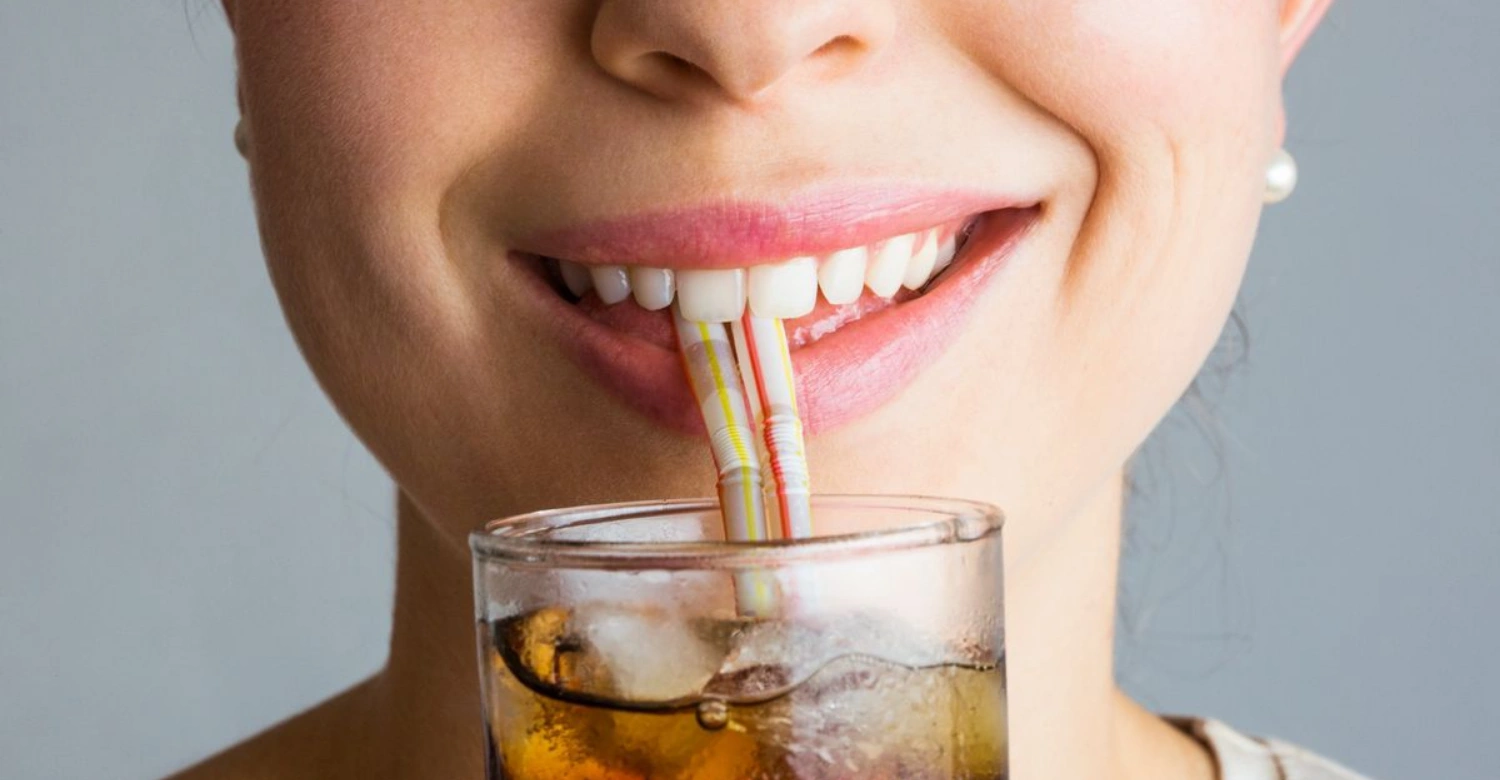
Whether diet soda is "better" than regular soda depends on which risk sugar or acid matters most to you. Both beverages carry meaningful dental considerations, just through somewhat different mechanisms. So the "better" choice isn't as simple as it first appears.
Diet Soda vs. Regular Soda
Regular soda combines sugar-driven bacterial decay risk with acid-driven enamel erosion. Diet soda removes the sugar pathway but keeps the acid pathway intact. One University of Michigan enamel-dissolution study found root beer was the least erosive soda tested, since it lacks phosphoric and citric acid. Diet cola was not among the gentler options identified in that comparison.
Sugar-Free Does Not Mean Acid-Free
A common misconception is that "zero sugar" equals "zero dental risk." In reality, the connection to dental health runs mainly through acidity, not calories. Phosphoric and citric acids soften enamel regardless of sugar content. A sugar-free label doesn't exempt a beverage from erosive potential, even though it does remove one specific risk pathway.
Tips for the Patients
Choosing water more often than soda is one of the simplest ways to reduce overall acid exposure. It's worth limiting acidic beverages generally, whether diet or regular. It also helps to avoid drinking diet soda immediately before brushing, since enamel is temporarily softened right after acid exposure and more vulnerable to abrasion during that window.
How Does Diet Soda Affect Your Teeth Over Time?
The answer shifts depending on whether you're looking at a single exposure or years of habitual drinking. Short-term effects and long-term effects are quite different, and both are worth understanding separately.
Short-Term Effects of Diet Soda on Teeth
A single serving of diet soda temporarily softens the outer enamel layer through acid exposure. This softening is usually reversible if saliva has time to buffer and remineralize the surface afterward. Increased sensitivity right after drinking is common. It typically fades once oral pH returns to normal within a short period.
Long-Term Diet Soda Teeth Damage
Repeated over months or years, this damage can become cumulative and permanent. That includes measurable enamel erosion, lasting sensitivity, and greater susceptibility to wear and decay. In some cases, it also brings visible cosmetic changes to the tooth surface. Enamel that has eroded does not regenerate on its own once it's gone.
Does Daily Use Cause More Harm?
Frequency, quantity, and drinking habits all matter more than occasional consumption alone. Sipping slowly across the day is more damaging than finishing a serving quickly. Prolonged acid contact gives saliva less opportunity to neutralize acid and restore the mouth's natural chemical balance between exposures.
Tips for the Patients
Reducing how often you drink diet soda makes a meaningful difference over time. Drinking it with meals, rather than sipping throughout the day, helps limit prolonged acid contact. Rinsing with water afterward helps clear residual acid. This simple habit fits easily into a daily routine without requiring major lifestyle changes.
How to Protect Your Teeth If You Drink Diet Soda
You don't have to give up diet soda entirely simple habits meaningfully reduce the risk. A few consistent adjustments can go a long way toward protecting enamel while still allowing occasional enjoyment of the drink.
Drink Water After Diet Soda
Rinsing with plain water after diet soda helps dilute and clear residual acid from the mouth. This supports saliva's natural buffering process. It doesn't erase acid exposure, but it can meaningfully reduce how long enamel stays in a softened, vulnerable state after drinking.
Avoid Sipping Diet Soda for Long Periods
Finishing a diet soda in one sitting is gentler on enamel than sipping it slowly for hours. Extended sipping keeps oral pH low continuously, denying saliva the recovery window it needs between exposures. Shorter, less frequent contact is preferable to prolonged, spread-out consumption throughout the day or evening.
Wait Before Brushing Your Teeth
Brushing immediately after diet soda can be counterproductive. Enamel is temporarily softened by acid and more prone to abrasion right after exposure. Waiting roughly thirty minutes allows saliva to help re-harden the surface first, making brushing safer and more effective for the enamel.
Maintain Good Oral Hygiene
Strong daily hygiene helps offset the risk, whatever your own habits look like. Brushing twice daily with fluoride toothpaste remains one of the most effective ways to support enamel strength. It also supports overall oral health. Flossing regularly helps remove plaque between teeth where a toothbrush can't easily reach. Keeping routine dental appointments allows any early enamel changes to be caught and addressed before they progress further.
Clinical Note
Individual risk from diet soda varies with oral hygiene, overall diet, and saliva flow. Existing enamel condition and how often acidic beverages are consumed matter too. This means there's no single universal answer, just a personalized one. It's shaped by each patient's specific habits, history, and current oral health status.
Can You Drink Diet Soda Without Damaging Your Teeth?
Is this risk unavoidable, or can moderate habits meaningfully lower it? For most people, thoughtful habits can reduce cumulative exposure significantly, even if they can't eliminate risk completely. The next sections walk through practical, everyday ways to keep that risk as low as possible.
How Often Is Diet Soda Safe for Teeth?
There's no scientifically supported "safe number" of diet sodas per day. It's best not to treat any specific quantity as a guaranteed safe threshold. What the evidence does support is that less frequent exposure and shorter contact time help. Good follow-up habits also generally reduce cumulative enamel risk over the long run.
Healthier Alternatives to Diet Soda
Switching some servings for gentler options is a practical way to lower cumulative risk. The alternatives below each offer a meaningfully different acid profile worth considering.
Water
Plain water carries no acidity and no erosive risk, making it the most tooth-friendly everyday beverage available. It also supports saliva production and helps rinse away acids from other foods and drinks throughout the day.
Sparkling Water Without Added Acids
Plain carbonated water, without added citric or phosphoric acid flavorings, is generally gentler on enamel than flavored sodas. Carbonation alone can still be mildly acidic compared with still water, but the difference is far smaller than with flavored, acid-enhanced soft drinks.
Unsweetened Beverages
Unsweetened tea and coffee, consumed in moderation, tend to cause less enamel dissolution than soda in comparative studies. This makes them reasonable everyday alternatives for patients looking to cut back on acidic drinks without giving up flavored beverages entirely.
Tips for the Patients
Making water the primary daily beverage is one of the most effective long-term habits for protecting enamel. Keeping diet soda an occasional treat, rather than a daily routine, helps limit cumulative acid exposure. It also helps to avoid swishing acidic drinks around the mouth, since that prolongs direct contact with tooth surfaces unnecessarily.
Vitrin Clinic: Professional Dental Care for Enamel and Tooth Health
This is a question our team at Vitrin Clinic hears often, and it shapes how we approach preventive care for every patient who comes through our doors with concerns about acidic beverages.
Dental Evaluation for Enamel Damage
Answering this question for your specific mouth starts with an evaluation. Vitrin Clinic offers individualized evaluations that assess enamel wear, sensitivity, and early erosion signs before they progress. Each assessment considers a patient's diet, habits, and oral hygiene routine. This gives a clearer picture of how acidic beverages may be affecting their specific teeth over time.
Preventive and Cosmetic Dental Care at Vitrin Clinic
Protecting natural tooth structure supports both long-term oral health and smile aesthetics. When enamel damage has already affected a tooth's appearance, Vitrin Clinic offers appropriate cosmetic and restorative options. These are designed to restore both function and a natural-looking smile, tailored to each patient's specific level of wear.
What We Notice Clinically
The Head of the Medical Team at Vitrin Clinic, a cosmetic dentist, notes that patients who consume acidic beverages frequently often show enamel changes before they notice symptoms themselves. Nearly half of US adults drink a soda daily. Identifying these changes early is a growing part of preventive dental care at the clinic.
Clinical Note
Professional assessment is worthwhile whenever sensitivity, visible enamel changes, or persistent dental concerns develop. Getting a proper evaluation beats guesswork, since individual risk varies considerably from one patient to another.
Resource
In conclusion, is diet soda bad for teeth? Yes. Although diet soda contains no sugar, its acidity can still contribute to enamel erosion when consumed frequently. A study published on PMC highlights the potential dental effects of acidic soft drinks, emphasizing the importance of moderation. Choosing water more often helps protect your enamel. Rinsing your mouth after drinking diet soda supports better dental health too.
https://pmc.ncbi.nlm.nih.gov/articles/PMC4025425/
FAQs

Dr. Rifat Alsaman has more than 5 years of clinical experience in dentistry and currently serves as the Head of the Medical Team at Vitrin Clinic. He is dedicated to providing exceptional patient care, overseeing treatment planning, and ensuring the highest clinical standards across the team. His expertise, attention to detail, and commitment to continuous professional development have helped countless patients achieve healthier, more confident smiles.
.webp&w=3840&q=75)


