General Dentistry
August 31, 2026
Oral Microbiome and Migraine: Can the Oral Microbiome Affect Migraine?

The oral microbiome includes bacteria, fungi, viruses, and other microorganisms living throughout the mouth. Researchers estimate that around 700 microbial species can inhabit the oral environment. The Oral Microbiome and Migraine relationship is an emerging research area involving inflammation and microbial metabolism. Some studies have identified differences in oral microbial functions among people experiencing migraines. One notable study found higher levels of nitrate-related microbial genes among migraine participants. However, these findings demonstrate association rather than definitive causation. Oral health can still influence inflammation, infection risk, comfort, and overall wellbeing. Maintaining healthy gums and teeth remains important for patients experiencing recurrent headaches. Vitrin Clinic emphasizes comprehensive oral assessments alongside appropriate preventive dental care. Patients should also discuss frequent or changing migraines with qualified medical professionals.
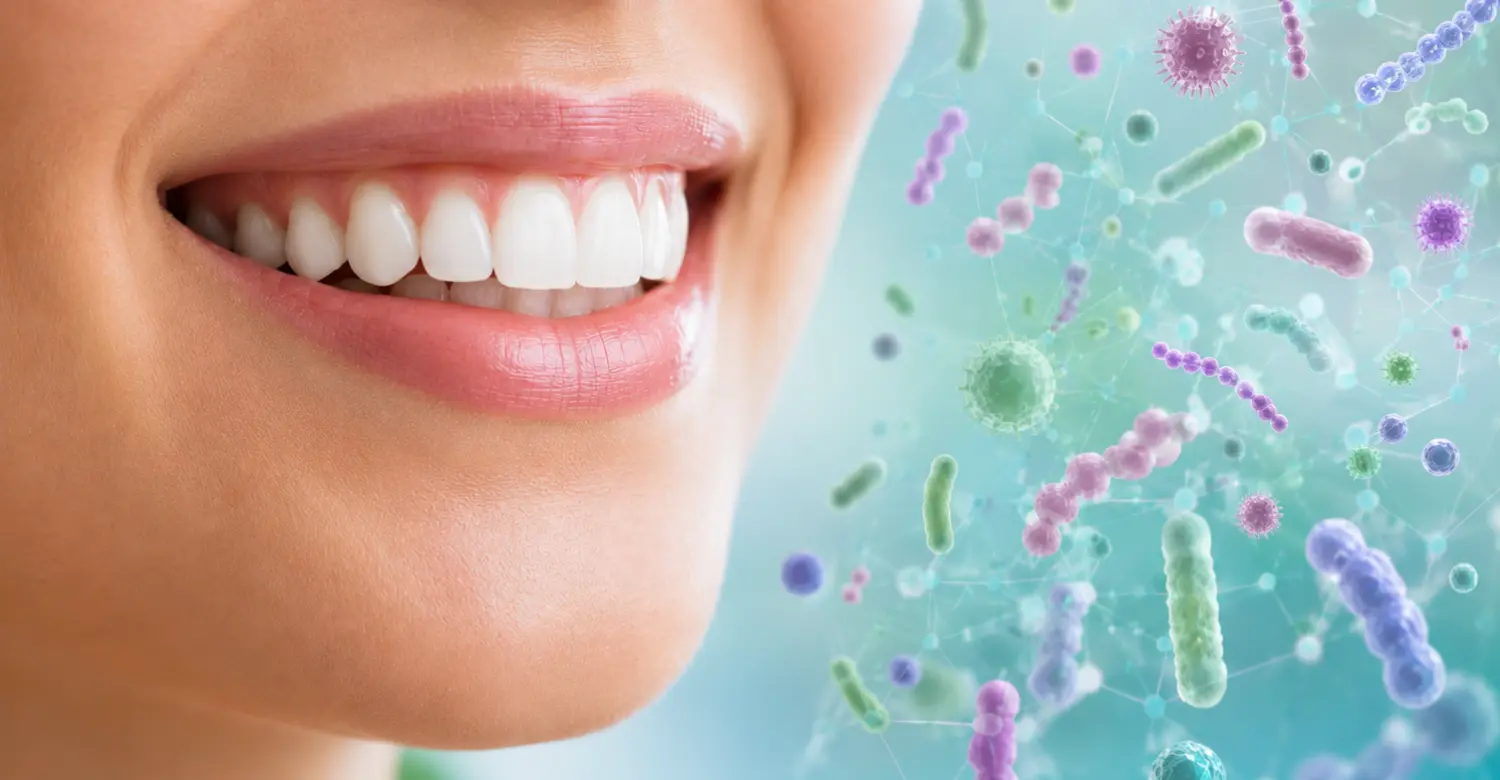
What Is the Oral Microbiome?
The oral microbiome is the community of microorganisms that naturally inhabits the mouth. These organisms live on the tongue, teeth, gums, saliva, and other oral surfaces. Research on the oral microbiome examines whether microbial changes could relate to neurological processes. A healthy microbiome contains many organisms that coexist without causing disease. NIH researchers describe the mouth as a complex microbial environment containing hundreds of microbial species. Microbial balance can change because of diet, hygiene, medications, saliva production, smoking, and disease. These changes may alter plaque development and inflammatory activity. Therefore, microbiome health depends on maintaining a stable oral environment. Regular brushing, interdental cleaning, and professional dental care support this balance.
What Types of Bacteria Live in the Mouth?
The mouth contains numerous bacterial groups occupying different ecological niches. Commonly identified groups include Streptococcus, Neisseria, Haemophilus, Rothia, Actinomyces, Prevotella, and Fusobacterium. Understanding these bacteria involves recognizing that they are not automatically harmful. Many oral bacteria participate in normal microbial communities. Some organisms help compete with potentially harmful microorganisms. Others contribute to plaque formation when environmental conditions change. Bacterial communities differ between the tongue, saliva, tooth surfaces, and gum pockets. Poor oral hygiene can allow plaque communities to become more mature and inflammatory. Sugar exposure can also encourage conditions favoring acid-producing bacteria. Consequently, bacterial composition depends heavily on the local oral environment.
How Does the Oral Microbiome Support Oral Health?
A balanced oral microbiome helps maintain microbial stability throughout the mouth. Beneficial microbial communities can compete with organisms associated with dental disease. They also interact with saliva, dietary compounds, immune defenses, and oral tissues. This research area considers these interactions because oral microbes can influence biological pathways. Healthy microbial communities help prevent excessive colonization by potentially harmful organisms. Saliva also provides antimicrobial proteins, minerals, enzymes, and nutrients supporting oral homeostasis. Regular oral hygiene helps control plaque without attempting to eliminate every microorganism. This distinction matters because a completely bacteria-free mouth is neither realistic nor desirable. Maintaining microbial balance is more appropriate than pursuing excessive antimicrobial treatment.
What Happens When the Oral Microbiome Becomes Imbalanced?
An altered microbial community can create conditions associated with tooth decay and gum inflammation. This imbalance is often described as oral microbial dysbiosis. The potential connection to migraines remains under investigation within this broader inflammatory context. Plaque can become increasingly complex when oral hygiene is inadequate. Bacteria within mature plaque may interact with host tissues and trigger inflammatory responses. Persistent inflammation can contribute to gingivitis and potentially periodontitis. Factors such as smoking, diabetes, medications, diet, and reduced saliva can influence microbial balance. However, dysbiosis does not automatically mean a person will develop migraine. It also does not establish that oral bacteria directly cause neurological disease. Professional assessment is therefore more useful than attempting to diagnose microbial imbalance independently.
What Is the Connection Between the Oral Microbiome and Migraine?
Researchers are investigating whether oral microbial differences could interact with migraine-related biological pathways. The connection includes possible mechanisms involving inflammation and microbial metabolism. One study found greater abundance of nitrate, nitrite, and nitric-oxide-related genes among people with migraines. This finding attracted attention because nitrate metabolism can influence nitric oxide production. Nitric oxide is involved in vascular and neurological signaling. However, microbial gene differences do not prove that bacteria trigger individual migraine attacks. Migraine is a complex neurological condition involving genetic, environmental, sensory, and vascular mechanisms. Oral health may represent one potentially relevant factor among many. More controlled research is needed before dental treatment can be considered a migraine therapy.
How Could Oral Bacteria Affect the Brain?
Oral bacteria may potentially influence systemic biology through immune, metabolic, and inflammatory pathways. The hypothesis considers whether these pathways could indirectly influence neurological sensitivity. Oral tissues interact continuously with immune cells and microbial products. Significant gum inflammation can increase local inflammatory signaling and expose tissues to bacterial components. Some inflammatory mediators can circulate beyond the oral environment. Researchers therefore investigate whether chronic oral inflammation contributes to broader inflammatory conditions. However, reaching the brain involves complex biological barriers and regulatory mechanisms. There is currently insufficient evidence to claim that ordinary oral bacteria directly enter the brain and cause migraines. The strongest interpretation remains that oral health could potentially influence systemic pathways. Patients should avoid replacing established migraine treatment with unproven microbiome interventions.
Oral Microbiota and Migraine Risk
Research suggests a possible relationship between oral microbial characteristics and migraine risk. The Oral Microbiome and Migraine evidence remains limited compared with established migraine risk factors. A notable study identified higher levels of nitrate-related microbial genes among migraineurs. Researchers proposed that oral bacteria could participate in nitrate-nitrite-nitric oxide metabolism. This pathway is biologically relevant because nitric oxide can influence vascular signaling. Nevertheless, microbial composition differs considerably between individuals. Diet, medications, oral hygiene, smoking, and systemic conditions can affect microbial measurements. Therefore, microbial differences may reflect several overlapping influences rather than migraine itself. Future longitudinal studies could clarify whether microbial changes precede migraine development or simply accompany it.
What Does Current Research Say About the Oral Microbiome and Migraine Connection?
Current evidence supports further investigation but does not establish a direct causal relationship. The connection has attracted attention because microbial metabolism may interact with headache pathways. Research has particularly examined nitrate-reducing bacteria and nitric oxide metabolism. Separate research has investigated periodontal inflammation and migraine. A 2023 systematic review found associations involving inflammatory mediators such as interleukin-6 and CGRP. More recent evidence also reports an association between periodontitis and migraine. A 2025 meta-analysis estimated an odds ratio of 1.8 for this association. These findings remain observational and cannot prove that oral disease causes migraines. Larger intervention studies are needed to determine whether treating oral inflammation changes migraine outcomes.
Association vs. Proven Cause
An association means two conditions occur together more frequently than expected. Causation means one condition directly contributes to producing another. The Oral Microbiome and Migraine research currently provides stronger evidence for association than causation. Several studies have reported relationships between periodontal disease and migraine. However, researchers have identified important potential confounding factors. Stress, smoking, metabolic disorders, medications, and lifestyle factors can affect both conditions. A 2023 review specifically emphasized the need for standardized research and stronger clinical evidence. Therefore, patients should not assume that gum disease directly causes their migraines. Likewise, improving oral hygiene should not be presented as a guaranteed migraine treatment. Good dental care remains valuable regardless of migraine status.
Why More Research Is Needed
Existing studies differ in design, participant characteristics, migraine definitions, and periodontal assessments. The Oral Microbiome and Migraine question therefore requires standardized methods and larger patient populations. Researchers also need longitudinal studies tracking microbial changes before and after migraine development. Randomized clinical trials could provide stronger evidence about whether treating oral inflammation changes migraine frequency. A 2023 systematic review highlighted limitations involving small samples and potential measurement bias. Another review noted that only three randomized controlled trials were available within its examined literature. These limitations make strong clinical conclusions premature. Future studies should examine microbial composition, inflammatory biomarkers, medication use, diet, and neurological outcomes together. Such research could clarify whether oral health represents a modifiable migraine-related factor.
Can Oral Bacteria Trigger Migraines?
Current evidence does not establish that oral bacteria directly trigger migraine attacks. The Oral Microbiome and Migraine hypothesis remains biologically interesting but scientifically incomplete. Some research identified differences in nitrate-related oral bacterial genes among migraine participants. These bacteria may participate in biochemical pathways involving nitrate, nitrite, and nitric oxide. Nitric oxide has recognized roles in vascular and neuronal signaling. However, detecting microbial differences does not demonstrate that those microbes initiate migraine attacks. Migraine triggers vary considerably among individuals. Hormonal changes, stress, sleep disruption, dehydration, foods, sensory stimuli, and medications can contribute. Oral infections may create additional discomfort or inflammatory stress. Patients with recurrent migraines should therefore receive appropriate neurological evaluation while maintaining good dental health.
How Oral Bacteria Affect Migraines
Researchers have proposed several mechanisms connecting oral bacteria with migraine biology. The Oral Microbiome and Migraine model includes microbial metabolism, immune signaling, and inflammatory pathways. Oral bacteria can transform dietary and salivary compounds through complex metabolic processes. Nitrate-reducing organisms can participate in the nitrate-nitrite-nitric oxide pathway. Nitric oxide can influence vascular tone and neuronal signaling. Some migraine therapies and triggers also involve nitric oxide pathways. This overlap creates a scientifically interesting hypothesis. However, microbial metabolism does not necessarily produce enough biological change to cause migraine. Individual microbial profiles also vary considerably. Therefore, researchers need controlled studies connecting specific microbial functions with measurable migraine outcomes.
Can Bacterial Inflammation Influence Migraine Pathways?
Persistent bacterial inflammation can activate immune responses within periodontal tissues. Research considers whether systemic inflammatory signaling could influence neurological sensitivity. Periodontal disease involves interactions between microbial communities and host immune responses. Researchers have reported inflammatory biomarkers in people experiencing periodontal disease and migraines. These findings suggest overlapping inflammatory pathways may deserve further investigation. However, inflammation is not specific to either condition. Many systemic diseases can increase inflammatory markers. Migraine itself can also involve inflammatory and neurovascular mechanisms. Therefore, elevated biomarkers cannot identify the original source of inflammation. Treating established periodontal disease remains important for protecting oral tissues and preventing tooth loss.
Could Oral Bacteria Affect Nitric Oxide and Headache Sensitivity?
Nitric oxide is an important signaling molecule involved in vascular and neurological processes. The Oral Microbiome and Migraine hypothesis partly focuses on this biochemical pathway. Certain oral bacteria can convert nitrate into nitrite through microbial metabolism. Further reactions can contribute to nitric oxide production under specific physiological conditions. A study found higher nitrate-, nitrite-, and nitric-oxide-reducing microbial genes among migraine participants. This observation provides a potential biological explanation for further research. It does not demonstrate that microbial nitric oxide production causes migraine attacks. Headache sensitivity depends on multiple neurological pathways and individual susceptibility. Therefore, microbial nitric oxide metabolism should currently be viewed as an investigative mechanism.
The Role of Oral Bacteria in Nitrate Metabolism
Nitrate metabolism is one of the most studied microbial mechanisms connecting oral bacteria with systemic physiology. Oral bacteria can reduce nitrate into nitrite after nitrate enters the mouth through saliva. Research has examined whether this pathway differs in migraine populations. One study reported higher abundance of relevant metabolic genes among participants with migraines. Nitrite can participate in pathways producing nitric oxide under certain physiological conditions. Nitric oxide affects blood vessels and several neurological processes. However, the pathway is complex and influenced by diet, saliva, medications, and microbial composition. Researchers therefore cannot yet determine whether altered nitrate metabolism contributes directly to migraine attacks. More mechanistic and clinical studies are required.
How Does Oral Health Affect Migraine Symptoms?
Oral health may influence general wellbeing through pain, inflammation, infection, sleep, and daily comfort. The Oral Microbiome and Migraine relationship remains an emerging research question rather than an established treatment pathway. Dental pain can create stress and disrupt sleep, potentially affecting people who already experience migraines. Gum inflammation can also produce persistent discomfort and local inflammatory activity. Severe dental infections require prompt treatment because they can progress beyond the original tooth. However, treating dental disease should not be presented as a guaranteed method for reducing migraine frequency. Migraine management should remain coordinated with qualified medical professionals. Dental professionals can address infections, gum disease, plaque accumulation, and other oral conditions. Vitrin Clinic can support preventive oral care through individualized examinations and treatment planning.
Does Poor Oral Health Cause Migraines?
Current evidence does not prove that poor oral health directly causes migraines. Research indicates possible associations requiring further investigation. Periodontal disease has been associated with chronic migraine in several observational studies. One case-control study found chronic periodontitis in 58.8% of chronic migraine cases versus 30.8% of controls. The researchers reported an adjusted association but emphasized that causality remained uncertain. Shared factors could partly explain the relationship. Stress, smoking, systemic diseases, medication use, and lifestyle patterns can influence both conditions. Poor oral health can nevertheless cause established dental problems. These include gingivitis, periodontitis, tooth decay, pain, and infections. Maintaining oral health therefore remains worthwhile regardless of migraine status.
How Gum Inflammation May Influence Systemic Inflammation
Gum inflammation begins locally but can involve broader immune responses when persistent. The Oral Microbiome and Migraine research examines whether inflammatory signals could connect periodontal disease with neurological conditions. Periodontitis involves microbial communities interacting with immune defenses around supporting tooth tissues. Studies have reported elevated inflammatory mediators among patients with both periodontal disease and migraine. These mediators include interleukin-6 and other biologically active molecules. Chronic inflammation can influence systemic physiology through multiple pathways. However, detecting inflammatory markers does not prove that gum inflammation caused neurological symptoms. Researchers must account for age, smoking, metabolic health, stress, and other confounders. Effective periodontal care remains important because untreated inflammation can damage supporting tissues.
How Gum Health Affects Migraine Symptoms
Healthy gums reduce the likelihood of persistent periodontal inflammation and dental discomfort. The Oral Microbiome and Migraine evidence does not yet prove that gum treatment reduces migraine frequency. However, oral health can influence sleep, eating, pain, stress, and quality of life. Periodontal inflammation may also contribute to systemic inflammatory burden. A 2025 meta-analysis reported a statistically significant association between periodontitis and migraine. Researchers still emphasized that several confounding factors may influence this relationship. Therefore, patients should view periodontal care as supportive health management rather than migraine treatment. Regular dental examinations can identify bleeding gums, pockets, infection, plaque, and tartar. Early treatment may prevent oral disease from becoming more advanced.
Is There a Connection Between Periodontal Disease and Migraines?
Research increasingly suggests an association between periodontal disease and migraine. The Oral Microbiome and Migraine field overlaps with periodontal research because both involve microbial and inflammatory mechanisms. A 2025 systematic review and meta-analysis included six studies in its quantitative analysis. It reported an estimated odds ratio of 1.8 between periodontitis and migraine. Another observational study found a positive association between periodontitis and migraine. These findings are scientifically important but do not establish causation. Periodontitis is multifactorial and migraine is neurologically complex. Both conditions can also share behavioral and systemic risk factors. Future intervention studies must determine whether periodontal treatment changes migraine outcomes.
Periodontal Disease and Migraine Connection
Periodontal disease involves chronic inflammation affecting tissues supporting the teeth. The Oral Microbiome and Migraine connection may involve microbial dysbiosis and inflammatory signaling. Several systematic reviews have identified associations between periodontal disease and chronic migraine. A 2023 review found that seven of eight included studies reported an association. Reported biomarkers included leptin, procalcitonin, CGRP, PTX3, and sTWEAK. These findings suggest overlapping biological pathways may exist between the conditions. However, the studies varied considerably in design and methodology. The evidence therefore cannot establish that periodontal disease initiates migraines. Patients should continue following established migraine treatment plans. Dental evaluation remains appropriate when gum bleeding, swelling, pain, or tooth mobility occurs.
How Periodontal Inflammation Can Affect the Body
Periodontal inflammation can produce local tissue damage and systemic immune signaling. The Oral Microbiome and Migraine discussion considers whether these effects could influence neurological conditions. Advanced periodontal disease can damage the periodontal ligament, supporting bone, and surrounding tissues. Inflammatory mediators can also enter circulation and interact with systemic immune processes. Research has identified inflammatory biomarkers shared between periodontal disease and migraine populations. However, systemic inflammation has many possible causes. Therefore, periodontal disease should not automatically be considered the source of migraine inflammation. Treating periodontal disease remains essential for preserving teeth and supporting oral function. Patients should seek professional care when gum inflammation persists despite daily hygiene.
Can Treating Gum Disease Reduce Migraine Symptoms?
It remains unclear whether treating gum disease directly reduces migraine frequency or severity. The Oral Microbiome and Migraine evidence currently lacks sufficient interventional research to make that recommendation. Reviews have repeatedly called for larger longitudinal and randomized clinical studies. Periodontal treatment can clearly improve oral inflammation and protect supporting dental tissues. It may also reduce oral pain and improve chewing comfort. These benefits are important even when migraine outcomes remain uncertain. Patients should not stop prescribed migraine medications after receiving dental treatment. Dentists and physicians can coordinate care when oral and neurological symptoms overlap. A comprehensive approach helps address confirmed dental disease while maintaining evidence-based migraine management.
What Patients Should Know About the Current Evidence
Patients should understand that research findings describe relationships rather than definitive cause-and-effect pathways. The Oral Microbiome and Migraine evidence remains promising but incomplete. A recent meta-analysis found a significant association between periodontitis and migraine. However, the authors identified potential confounding factors, including smoking, stress, obesity, diabetes, and hormonal disorders. These factors can complicate interpretation of observational findings. Current evidence does not justify claiming that oral bacteria directly cause migraine. It also does not establish dental treatment as a migraine cure. Good oral hygiene remains important for preventing dental decay and periodontal disease. Patients with frequent migraines should discuss symptoms with their physician. They should also maintain routine dental examinations.
How Does the Gut Oral Brain Axis Relate to Migraine?
The gut oral brain axis describes potential interactions among microbial communities, immunity, metabolism, and neurological function. The Oral Microbiome and Migraine field may eventually expand through this broader systems-biology framework. Oral and intestinal microorganisms influence host metabolism and immune signaling. Microbial products can interact with epithelial barriers and immune cells. Changes in one microbial environment may also affect another through swallowing, diet, and systemic processes. However, direct pathways connecting oral dysbiosis with migraine remain poorly defined. Current migraine research increasingly considers complex interactions involving inflammation and neurological signaling. These mechanisms should not be interpreted as proof that microbiome changes cause migraine. Maintaining healthy oral and gastrointestinal habits remains a reasonable general health strategy.
What Is the Gut Oral Brain Axis?
The gut oral brain axis represents a proposed network connecting microbial ecosystems with immune and neurological processes. The Oral Microbiome and Migraine hypothesis can be considered within this broader biological framework. Microorganisms in the mouth and gut produce metabolites that interact with host tissues. Immune signaling can also connect local microbial environments with systemic physiology. The nervous system communicates with the gastrointestinal tract through neural, hormonal, and immune pathways. However, the exact role of oral microbes in migraine remains uncertain. Researchers need studies measuring oral microbes, gut microbes, immune markers, and migraine outcomes simultaneously. Such research could reveal whether microbial patterns are predictive, contributory, or simply associated. For now, the gut–oral–brain axis remains a promising research concept.
How the Oral and Gut Microbiomes Interact
The mouth is continuously connected with the gastrointestinal tract through swallowing. The Oral Microbiome and Migraine research may therefore consider microbial movement between these environments. Saliva carries oral microorganisms into the digestive system every day. Most are exposed to stomach acid and intestinal defenses. Some microbial components can nevertheless interact with intestinal ecosystems. Diet strongly influences both oral and gut microbial communities. Antibiotics and other medications can also alter microbial populations. These interactions may influence immune and metabolic pathways. However, scientists cannot currently predict migraine risk from oral or gut microbial composition alone. Healthy nutrition and appropriate dental hygiene support both microbial ecosystems without requiring extreme dietary restrictions.
Could Microbiome Changes Influence Neurological Health?
Microbiome changes may influence neurological health through immune, metabolic, and signaling pathways. The Oral Microbiome and Migraine question explores whether similar mechanisms could affect migraine susceptibility. Microorganisms can produce metabolites that interact with host cells. Microbial changes may also influence inflammatory signaling and barrier function. However, evidence linking oral microbial changes specifically to migraine remains limited. Researchers have identified interesting metabolic differences among migraine populations. These observations require replication in larger and better-controlled populations. Neurological health is influenced by genetics, sleep, stress, hormones, medications, diet, and environmental factors. Therefore, microbiome changes should be considered one potential research factor. They should not be treated as a standalone explanation for migraines.
The Role of Inflammation and Immune Signaling
Inflammation provides one possible bridge between microbial changes and neurological conditions. The Oral Microbiome and Migraine research includes inflammatory signaling as a potential biological pathway. Periodontal disease activates immune responses around infected or inflamed tissues. Research has reported inflammatory biomarkers among people with both periodontal disease and migraine. These findings support continued investigation into shared inflammatory mechanisms. However, migraine biology is highly complex and cannot be explained by one inflammatory pathway. Immune markers can also change because of infections, obesity, stress, medications, and systemic disease. Therefore, inflammation should be considered a possible connecting mechanism rather than definitive proof. Managing established oral inflammation remains an important component of comprehensive dental care.
What We Notice Clinically
Clinically, patients with frequent headaches may also present with common oral health concerns. The Oral Microbiome and Migraine relationship does not mean these findings indicate migraine causation. Dentists may observe plaque accumulation, gingival bleeding, periodontal pockets, dry mouth, or untreated dental infections. These conditions can cause discomfort and may affect eating, sleeping, and daily wellbeing. Oral symptoms should therefore be assessed independently from neurological symptoms. A dental examination can identify conditions requiring treatment before they become more advanced. Vitrin Clinic focuses on individualized oral assessments based on each patient's clinical findings. Patients should also report frequent migraines to their healthcare providers. Coordinated care can help distinguish dental pain from neurological headache symptoms. This approach supports accurate diagnosis without overstating the current microbiome evidence.
Oral Signs That May Indicate Microbiome Imbalance
Several visible oral findings may indicate an unhealthy microbial environment. The Oral Microbiome and Migraine topic should be considered alongside these established oral health indicators. Persistent plaque can encourage bacterial communities associated with gingival inflammation. Bleeding during brushing can indicate gingivitis or more advanced periodontal inflammation. Bad breath may also occur when microbial activity increases around the tongue or gumline. Deep periodontal pockets can provide an environment supporting complex bacterial communities. Tooth decay can develop when acid-producing bacteria repeatedly encounter fermentable carbohydrates. Dry mouth may further change microbial conditions because saliva normally supports oral protection. These findings cannot diagnose migraine or predict migraine attacks. A dentist can determine whether microbial imbalance, inflammation, decay, or infection is present.
Why Gum Health Matters Beyond the Mouth
Healthy gums help protect the tissues supporting teeth and reduce persistent local inflammation. The Oral Microbiome and Migraine research makes gum health especially interesting because inflammation may involve systemic pathways. Periodontitis can progressively damage periodontal tissues when left untreated. Advanced disease may contribute to tooth mobility, bone loss, and eventual tooth loss. Periodontal inflammation also involves complex interactions between bacteria and immune responses. Research has reported associations between periodontal disease and migraine populations. However, association does not establish that gum disease causes migraines. Maintaining healthy gums therefore remains important regardless of migraine status. Regular dental examinations can detect inflammation before substantial tissue damage occurs. Vitrin Clinic can provide personalized periodontal assessments based on clinical findings and individual risk factors.
Clinical Note: Dr. Rifat Alsaman’s Perspective
Dr. Rifat Alsaman emphasizes that oral health should be evaluated independently while considering the patient's overall wellbeing. The Oral Microbiome and Migraine evidence currently supports careful investigation rather than definitive clinical conclusions. Patients with recurrent migraines should not assume that oral bacteria are responsible for their symptoms. However, untreated gum inflammation, infections, and dental pain should never be ignored. A comprehensive dental examination can identify these conditions and determine appropriate treatment. Oral hygiene should remain consistent even when migraine symptoms fluctuate. Patients should also maintain communication with their physician regarding recurring or changing headaches. This combined approach avoids replacing neurological care with unsupported dental claims. At Vitrin Clinic, individualized assessments help identify oral conditions requiring preventive or therapeutic attention.
Oral Health Conditions That May Be Relevant to Migraine Patients
Several oral conditions can influence pain, inflammation, sleep, nutrition, and general comfort. The Oral Microbiome and Migraine connection remains separate from the diagnosis of these established dental conditions. Gingivitis can cause swollen and bleeding gums without permanent supporting tissue loss. Periodontitis can cause deeper inflammation, attachment loss, and bone destruction. Dental abscesses can produce significant localized pain and require prompt professional treatment. Dry mouth can increase the risk of cavities and alter microbial conditions. These problems may worsen overall discomfort in patients already experiencing migraines. However, they should not automatically be considered migraine triggers. Dental professionals can diagnose and manage these conditions appropriately. Vitrin Clinic supports preventive examinations and individualized treatment planning for oral health concerns.
Gingivitis and Gum Inflammation
Gingivitis is inflammation of the gums commonly associated with plaque accumulation. The Oral Microbiome and Migraine research highlights why maintaining healthy microbial conditions may be important. Typical signs include redness, swelling, tenderness, and bleeding during brushing. Gingivitis usually does not involve the bone loss associated with periodontitis. Improved plaque control can often help reduce gingival inflammation. Professional cleaning may be recommended when plaque or tartar cannot be removed effectively at home. Patients should not ignore persistent gum bleeding because it may indicate continuing inflammation. Gingivitis does not prove that a person has migraine-related oral microbial changes. Nevertheless, maintaining healthy gums supports better oral function and comfort. Regular dental visits can help identify and manage inflammation early.
Periodontitis and Chronic Oral Inflammation
Periodontitis is a chronic inflammatory disease affecting the tissues supporting the teeth. The Oral Microbiome and Migraine research frequently examines periodontitis because both conditions involve inflammatory biology. Periodontitis can produce periodontal pockets, attachment loss, bleeding, and supporting bone destruction. Advanced cases may eventually cause tooth mobility or tooth loss. A 2025 meta-analysis found an association between periodontitis and migraine. The reported pooled odds ratio was approximately 1.8 across included studies. This statistic indicates association rather than direct causation. Periodontal disease has multiple contributing factors, including microbial, behavioral, genetic, and systemic influences. Professional periodontal treatment can reduce inflammation and help preserve supporting tissues. Patients should continue appropriate migraine care while addressing diagnosed periodontal disease.
Tooth Infections and Dental Abscesses
Dental infections occur when microorganisms invade damaged or infected dental tissues. The Oral Microbiome and Migraine relationship should not be confused with pain caused by acute dental infections. A dental abscess may cause severe tooth pain, swelling, sensitivity, fever, or difficulty opening the mouth. Some infections can spread into surrounding tissues and require urgent treatment. Dental abscesses should therefore be assessed promptly by a qualified dental professional. Antibiotics may sometimes be appropriate, but definitive dental treatment is often necessary. An abscess does not prove that oral bacteria triggered a neurological migraine. However, severe dental pain can create substantial stress and disrupt sleep. These factors may worsen overall wellbeing in someone already susceptible to headaches. Emergency symptoms require immediate professional medical or dental evaluation.
Dry Mouth and Changes in the Oral Microbiome
Saliva plays an important role in protecting teeth and maintaining oral microbial balance. The Oral Microbiome and Migraine discussion can include dry mouth because reduced saliva changes the oral environment. Saliva helps lubricate tissues and contributes minerals, proteins, and antimicrobial factors. Reduced saliva can increase the risk of cavities, oral irritation, and difficulty swallowing. Certain medications can reduce saliva production, including some medicines used for neurological conditions. Dehydration can also temporarily reduce salivary flow. Patients experiencing persistent dryness should discuss potential causes with their healthcare professional. Drinking water regularly may support comfort when medically appropriate. Dentists can also recommend strategies for protecting teeth when dry mouth persists. Treating the underlying cause remains especially important.
How Can You Support a Healthy Oral Microbiome?
Supporting oral microbial balance focuses on controlling harmful plaque rather than eliminating every microorganism. The Oral Microbiome and Migraine topic reinforces the importance of evidence-based oral hygiene. Brushing twice daily helps remove plaque from accessible tooth surfaces. Cleaning between teeth removes plaque that toothbrush bristles cannot reach effectively. Professional dental examinations can identify tartar, gum inflammation, decay, and infections. Limiting frequent added-sugar exposure can reduce conditions favoring tooth decay. Adequate saliva supports natural oral defense mechanisms and mineral balance. Smoking cessation can also benefit periodontal health and overall wellbeing. These measures support established oral health outcomes regardless of migraine status. Vitrin Clinic can provide individualized preventive recommendations based on clinical examination findings.
Brush Your Teeth Twice a Day
Brushing twice daily is one of the simplest ways to control dental plaque. The Oral Microbiome and Migraine discussion should not distract from these established preventive practices. Plaque contains complex microbial communities that can contribute to tooth decay and gingival inflammation. A fluoride toothpaste can provide additional protection against dental caries. Patients should brush carefully along the gumline without using excessive pressure. Aggressive brushing can irritate gums and contribute to enamel or tissue damage. Replacing worn toothbrushes helps maintain effective plaque removal. Electric and manual toothbrushes can both work effectively when used correctly. Consistent brushing is more important than pursuing excessive antimicrobial routines. Dental professionals can demonstrate appropriate brushing techniques for individual oral conditions.
Clean Between Your Teeth Daily
Toothbrushes cannot effectively clean every surface between adjacent teeth. The Oral Microbiome and Migraine topic makes interdental plaque control especially relevant to overall oral health. Floss, interdental brushes, or other approved tools can remove plaque from these areas. The best option depends on tooth spacing, gum anatomy, and dental restorations. Cleaning between teeth can help reduce plaque accumulation near the gumline. It may also support healthier gingival tissues when performed consistently. Bleeding can occur when inflamed gums are first cleaned regularly. Persistent bleeding should still be evaluated by a dental professional. Patients should avoid forcing floss aggressively into the gums. A dentist or hygienist can recommend the most suitable interdental technique.
Maintain Regular Dental Checkups
Regular dental examinations help identify oral disease before symptoms become severe. The relationship does not replace standard preventive dental recommendations. Dentists can assess plaque, tartar, cavities, gum inflammation, periodontal pockets, and existing restorations. Professional cleaning can remove hardened tartar that cannot be removed through brushing alone. Periodontal measurements may identify areas requiring closer monitoring or treatment. Dental visits can also identify infections that might otherwise remain unnoticed. The appropriate appointment interval varies according to individual risk and oral health status. Patients with periodontal disease may require more frequent supportive periodontal care. Vitrin Clinic can create individualized follow-up plans based on clinical findings. Preventive care supports oral health without claiming to prevent migraines.
Limit Excessive Added Sugar
Frequent exposure to added sugars can increase the risk of dental caries. The Oral Microbiome and Migraine discussion should therefore include dietary habits affecting oral microbial activity. Oral bacteria can metabolize fermentable carbohydrates and produce acids that affect enamel. The frequency of exposure can be important alongside the total amount consumed. Sugary drinks can be particularly problematic when consumed repeatedly throughout the day. Choosing water between meals can reduce repeated sugar exposure. A balanced diet also supports general health and nutritional adequacy. Patients should avoid extreme dietary restrictions based solely on microbiome theories. Migraine-specific food triggers vary considerably between individuals. Any dietary changes should consider established nutritional needs and personal migraine patterns.
Support Healthy Saliva Flow
Saliva provides important mechanical, chemical, and antimicrobial protection within the mouth. The Oral Microbiome and Migraine topic can involve saliva because microbial metabolism depends partly on the oral environment. Adequate hydration may support normal salivary function in healthy individuals. Sugar-free chewing gum can stimulate saliva when appropriate for the patient. Patients with persistent dry mouth should discuss medication effects with their healthcare provider. Dentists can recommend fluoride products or other preventive measures when cavity risk increases. Alcohol-containing mouthwashes may feel uncomfortable for some people with significant dryness. Severe or persistent dry mouth should not be ignored. Identifying the underlying cause can help guide treatment. Supporting saliva flow can improve comfort and reduce preventable oral complications.
Tips for Patients: Supporting Oral and Overall Health
Patients with recurrent headaches can benefit from separating dental symptoms from neurological symptoms. The Oral Microbiome and Migraine evidence does not support diagnosing migraines through oral symptoms alone. Maintaining daily oral hygiene remains important regardless of headache frequency. Patients should record gum bleeding, dental pain, dry mouth, and other oral changes. Migraine diaries can separately track headache duration, severity, triggers, medications, and associated symptoms. This information can help healthcare professionals identify patterns over time. Dental and medical appointments should both be maintained when symptoms persist. Patients should avoid unproven supplements or antimicrobial treatments marketed as migraine cures. Vitrin Clinic recommends individualized dental assessment rather than generalized microbiome treatment. Persistent or unusual headaches require appropriate medical evaluation.
Maintain Consistent Oral Hygiene
Consistency is more important than using complicated oral care routines. The Oral Microbiome and Migraine subject should not encourage unnecessary antimicrobial products. Brushing twice daily and cleaning between teeth provide a strong preventive foundation. Fluoride toothpaste helps strengthen enamel and reduce cavity risk. Patients should also clean the tongue gently when appropriate. Excessive brushing can irritate oral tissues without providing additional health benefits. A dental professional can adapt hygiene recommendations for braces, implants, crowns, or sensitive gums. Patients with periodontal disease may need specialized cleaning techniques. Maintaining routines during migraine episodes can sometimes be difficult. Preparing simple oral care products in accessible locations may improve consistency.
Do Not Ignore Bleeding or Swollen Gums
Bleeding or swollen gums can indicate gingival inflammation requiring attention. The Oral Microbiome and Migraine research does not mean every bleeding episode reflects a systemic condition. Occasional bleeding can occur after aggressive brushing or improper flossing. Repeated bleeding, swelling, tenderness, or bad breath deserves professional assessment. Periodontitis can progress without severe pain during its early stages. Early diagnosis can help prevent avoidable damage to supporting dental tissues. Patients should not stop interdental cleaning simply because gums bleed initially. Gentle, consistent plaque removal may improve inflammation when gingivitis is present. Persistent bleeding requires evaluation rather than self-treatment. Vitrin Clinic can assess gum health and identify whether periodontal treatment is necessary.
Tell Your Dentist About Frequent Migraines
Dentists should know about significant medical conditions and medications affecting dental care. The Oral Microbiome and Migraine topic may be relevant when discussing recurrent headaches and oral symptoms. Some migraine medications can contribute to dry mouth or other oral effects. Medication-related dryness can increase cavity risk in susceptible patients. A complete medication history helps dentists provide safer and more appropriate recommendations. Patients should also mention jaw pain, tooth grinding, or facial discomfort. These symptoms may have dental or muscular causes separate from migraine. Dentists can coordinate with physicians when symptoms overlap or remain difficult to interpret. Patients should never change prescribed migraine medication without medical guidance. Open communication improves the overall safety of dental care.
Track Oral Symptoms and Migraine Episodes
Keeping a symptom diary can help patients identify patterns between different health events. The Oral Microbiome and Migraine relationship cannot be established through personal symptom tracking alone. However, records can provide useful information for clinicians. Patients can document headache timing, duration, severity, sleep, hydration, foods, medications, and stress. They can separately record gum bleeding, dental pain, swelling, ulcers, and dry mouth. Recording symptoms for several weeks may reveal recurring patterns. A diary can also show whether dental symptoms consistently occur before headaches. Such observations do not prove causation but can guide professional assessment. Digital health applications can simplify daily symptom recording. Patients should bring useful records to medical or dental appointments.
Know When a Headache Requires Medical Evaluation
Most headaches are not caused by dental disease and have many possible explanations. The Oral Microbiome and Migraine topic should never delay appropriate neurological assessment. Seek urgent medical care for a sudden, severe headache unlike previous headaches. New neurological symptoms, confusion, fainting, seizures, or significant weakness also require urgent evaluation. Headaches accompanied by high fever or stiff neck may require emergency assessment. New headaches after significant head trauma also deserve prompt medical attention. Pregnancy, cancer history, immune suppression, or older age can change the evaluation threshold. Dental pain should be assessed separately when tooth or gum symptoms occur. A dentist can evaluate oral causes of facial pain. A physician can evaluate neurological causes of recurrent headaches.
What Can Dentists Do to Support Oral Microbiome Health?
Dentists can evaluate the oral environment without attempting to eliminate normal microorganisms. The Oral Microbiome and Migraine topic requires a balanced approach because healthy mouths naturally contain diverse microbial communities. A comprehensive examination can identify plaque, tartar, cavities, periodontal disease, and infection. Professional cleaning can remove hardened deposits that support persistent plaque accumulation. Periodontal assessment can measure gum health and supporting tissue changes. Dental infections can be treated according to their underlying cause. Dentists can also provide individualized hygiene and dietary guidance. Microbiome testing is not routinely required for ordinary preventive dental care. Vitrin Clinic can develop treatment plans based on clinical findings and established dental principles. Patients should be cautious about commercial tests making unsupported migraine claims.
Comprehensive Oral Examination
A comprehensive oral examination evaluates teeth, gums, oral tissues, bite, restorations, and other relevant structures. The Oral Microbiome and Migraine connection does not replace this standard diagnostic process. Dentists may inspect gum color, swelling, bleeding, recession, and plaque accumulation. Periodontal probing can identify abnormal pocket depths around teeth. X-rays may be recommended when hidden decay or bone changes require assessment. Existing crowns, fillings, implants, and other restorations can also be evaluated. The examination can identify dental sources of facial or oral pain. It cannot determine whether a person has migraine based on oral findings. Migraine remains a neurological diagnosis requiring appropriate medical assessment. Vitrin Clinic uses individualized examination findings to guide preventive and restorative dental decisions.
Professional Plaque and Tartar Removal
Professional cleaning removes plaque and hardened tartar from areas that are difficult to clean at home. The Oral Microbiome and Migraine discussion should distinguish plaque control from attempts to sterilize the mouth. Tartar provides a rough surface where plaque can accumulate more easily. Dental professionals can use appropriate instruments to remove deposits safely. Cleaning can improve gingival health when combined with effective daily home care. Patients with periodontal disease may require deeper periodontal treatment rather than routine cleaning alone. The treatment approach depends on pocket depth, attachment loss, inflammation, and individual risk. Professional cleaning does not constitute a proven migraine treatment. Its primary purpose remains prevention and management of oral disease. Regular maintenance can help preserve healthier gums and supporting tissues.
Periodontal Disease Assessment and Treatment
Periodontal assessment determines whether inflammation has progressed beyond superficial gingivitis. The Oral Microbiome and Migraine research makes this evaluation relevant when studying systemic inflammatory associations. Dentists can measure periodontal pockets and evaluate attachment and supporting bone. Treatment may include professional debridement, improved home care, and ongoing periodontal maintenance. More advanced disease may require additional periodontal procedures. The appropriate approach depends on disease severity and individual clinical findings. Successful periodontal treatment can reduce local inflammation and slow disease progression. However, it should not be marketed as a guaranteed method for treating migraines. Patients with both conditions should maintain separate dental and medical treatment plans. Regular periodontal monitoring helps detect recurrence or progression early.
Managing Dental Infections
Dental infections require diagnosis because untreated infections can progress and damage surrounding tissues. The Oral Microbiome and Migraine relationship does not explain the acute symptoms caused by dental infection. Dentists determine whether treatment requires drainage, root canal therapy, extraction, restoration, or other intervention. Antibiotics are sometimes indicated when systemic involvement or spreading infection is present. They are not a substitute for definitive treatment of the infected tooth. Facial swelling, fever, difficulty swallowing, or breathing problems require urgent attention. Patients should not attempt to manage significant dental infections solely with home remedies. Treating infection can resolve dental pain and protect surrounding tissues. However, improvement in dental pain does not prove a migraine mechanism. Prompt professional care remains the safest approach.
Why Choose Vitrin Clinic for Comprehensive Oral Health Care?
Comprehensive oral care should focus on accurate diagnosis, prevention, and individualized treatment. The Oral Microbiome and Migraine evidence supports addressing established oral conditions without making unsupported neurological claims. Vitrin Clinic provides dental care focused on evaluating teeth, gums, and overall oral health. Individualized examinations can identify inflammation, plaque, tartar, decay, infections, and periodontal concerns. Preventive recommendations can then be adapted to the patient's specific needs. Patients can discuss recurring headaches and relevant oral symptoms during their consultation. Dental findings can be addressed while migraine symptoms continue to receive appropriate medical evaluation. This coordinated approach supports responsible patient care. The goal is healthier gums, stronger teeth, and better long-term oral function. Microbiome research can inform future care as stronger evidence becomes available.
Personalized Dental and Gum Health Assessment
Every patient's oral condition has different risk factors and treatment requirements. The Oral Microbiome and Migraine topic should therefore be approached through individualized clinical assessment. Dentists can evaluate gum inflammation, plaque accumulation, periodontal pockets, tooth decay, and existing restorations. Medical history and medications can also influence oral health recommendations. Patients with dry mouth may require additional preventive measures. Those with periodontal disease may require structured maintenance appointments. Personalized assessment avoids unnecessary treatments based on generalized microbiome theories. Vitrin Clinic can tailor dental recommendations according to examination findings and patient needs. This approach supports evidence-based oral care while recognizing ongoing microbiome research. Patients should receive clear explanations before beginning recommended dental treatment.
Evidence-Based Preventive Care
Evidence-based prevention focuses on interventions proven to improve oral health outcomes. The Oral Microbiome and Migraine evidence remains insufficient to support microbiome treatment as standard migraine care. Established preventive measures include effective brushing, interdental cleaning, fluoride use, and professional examinations. Dietary habits and tobacco exposure should also be considered during preventive planning. Patients with higher periodontal risk may need closer professional monitoring. Prevention aims to reduce cavities, gingivitis, periodontitis, and avoidable dental infections. Vitrin Clinic can provide personalized recommendations according to clinical findings. Patients should be cautious about products claiming to manipulate oral bacteria for migraine prevention. Stronger evidence is needed before such approaches can become routine clinical recommendations.
Personalized Treatment Planning
Treatment planning should reflect disease severity, patient goals, medical history, and clinical findings. The Oral Microbiome and Migraine topic should remain a supporting research consideration rather than the sole treatment rationale. Dentists can prioritize urgent infections and active periodontal inflammation first. Preventive care can then support long-term oral stability. Restorative or periodontal procedures may be recommended when clinically indicated. Patients should understand the expected benefits, limitations, risks, and maintenance requirements. Vitrin Clinic can structure treatment recommendations around individual oral health needs. Communication between dental and medical professionals may be useful when symptoms overlap. Personalized planning helps prevent unnecessary procedures while addressing confirmed oral disease. The ultimate goal is sustainable oral health and patient comfort.
Vitrin Clinic: Supporting Healthier Gums and a Healthier Smile
Healthy gums provide an important foundation for comfortable and functional oral health. The Oral Microbiome and Migraine research adds scientific interest but does not replace established periodontal care. Vitrin Clinic focuses on identifying oral conditions through comprehensive clinical assessment. Gum inflammation can be evaluated before it progresses to more advanced periodontal disease. Treatment recommendations are based on clinical findings rather than unsupported microbiome claims. Patients can receive individualized hygiene guidance and appropriate follow-up recommendations. Long-term maintenance is particularly important for people with previous periodontal disease. Patients experiencing migraines can discuss relevant oral symptoms during dental consultations. Their neurological symptoms should still be managed by appropriate medical professionals. This integrated perspective supports responsible oral healthcare without overstating current scientific evidence.
Identifying Signs of Gum Inflammation
Gum inflammation can present with redness, swelling, tenderness, bleeding, or changes around the teeth. The Oral Microbiome and Migraine topic should not cause patients to overlook these established periodontal signs. Persistent bad breath can also accompany plaque accumulation and gum disease. A dentist can distinguish temporary irritation from clinically significant periodontal inflammation. Periodontal probing may help identify deeper pockets requiring additional treatment. Early intervention can reduce the risk of progressive supporting tissue damage. Patients should not rely solely on pain because periodontal disease can progress with limited discomfort. Vitrin Clinic can assess gum health and recommend appropriate treatment when inflammation is detected. Regular monitoring helps maintain healthier periodontal tissues over time.
Individualized Periodontal Care
Periodontal treatment should be selected according to disease severity and individual risk. The Oral Microbiome and Migraine evidence does not justify identical treatment for every patient. Mild gingivitis may improve with better plaque control and professional cleaning. Periodontitis may require more comprehensive periodontal therapy and maintenance. Risk factors can include smoking, diabetes, genetics, oral hygiene, and previous periodontal disease. Dentists can explain treatment stages and expected maintenance requirements. Vitrin Clinic can develop individualized periodontal care based on clinical examination findings. The objective is controlling inflammation and preserving teeth and supporting structures. Any potential effect on migraine symptoms remains an area for research. Patients should continue evidence-based neurological care alongside periodontal treatment.
Long-Term Oral Hygiene Guidance
Long-term oral health depends on habits maintained between professional appointments. The Oral Microbiome and Migraine topic should complement rather than replace these established preventive principles. Patients should brush twice daily and clean between teeth consistently. Fluoride exposure should be appropriate to the individual's cavity risk. Dietary habits should minimize frequent exposure to added sugars. Patients with dry mouth may need additional preventive measures. Periodontal patients often benefit from structured supportive maintenance. Dental professionals can adjust recommendations as oral conditions change. Vitrin Clinic can provide personalized guidance designed around the patient's routine and clinical needs. Consistent home care helps maintain healthier microbial and periodontal conditions. It also reduces the likelihood of preventable dental complications.
Oral Microbiome and Migraine: What Should Patients Remember?
The evidence suggests an interesting relationship between oral microbial biology and migraine research. The connection remains scientifically promising but clinically unproven as a causal pathway. Studies have identified microbial and inflammatory differences among some migraine populations. Research has also reported associations between periodontal disease and migraine. However, observational evidence cannot establish that oral bacteria cause neurological migraine attacks. Patients should continue established migraine treatment under qualified medical supervision. They should also maintain regular dental care and address oral disease promptly. Healthy gums, clean teeth, adequate saliva, and preventive examinations remain important. Future research may clarify whether microbial metabolism contributes to migraine susceptibility. Until then, patients should avoid unsupported microbiome-based cures.
Is the Connection Scientifically Proven?
No, a direct causal relationship has not been scientifically established. The Oral Microbiome and Migraine research currently provides associations and biological hypotheses. One study reported differences in nitrate-related microbial genes among migraine participants. Reviews have also reported associations involving periodontal disease and migraine. A 2025 meta-analysis reported an odds ratio of approximately 1.8. These results are scientifically interesting but cannot prove causation. Researchers must control for smoking, stress, medications, metabolic conditions, and other factors. Randomized clinical trials would provide stronger evidence about potential treatment effects. Patients should therefore interpret microbiome findings as emerging research rather than established migraine guidance. Oral health should still receive appropriate preventive and therapeutic care.
Why Maintaining Oral Health Still Matters
Good oral health provides benefits regardless of whether it influences migraine symptoms. The Oral Microbiome and Migraine research should not be the sole reason for maintaining dental hygiene. Healthy oral tissues reduce the risk of cavities, periodontal disease, infections, and tooth loss. Good oral health can also support comfortable eating, speaking, and sleeping. Untreated dental pain can negatively affect daily quality of life. Preventive care can identify problems before they become more complex. Regular examinations allow dentists to monitor changes and provide timely treatment. Vitrin Clinic can support patients through individualized preventive and restorative dental care. Maintaining oral health remains valuable even if future research finds no migraine connection. Evidence-based dental care should therefore remain the priority.
When Should You See a Dentist or Doctor?
Patients should see a dentist when they experience persistent bleeding, swelling, dental pain, or bad breath. The Oral Microbiome and Migraine topic should never delay evaluation of significant oral symptoms. Dental infections, facial swelling, or tooth sensitivity may require prompt professional treatment. Patients should see a physician for recurrent, severe, or changing headaches. Sudden severe headaches require urgent medical evaluation, especially when accompanied by neurological symptoms. Fever, confusion, weakness, seizures, or stiff neck can indicate serious conditions. Dental and neurological symptoms can occur together without sharing the same cause. Appropriate evaluation helps determine whether symptoms are dental, neurological, or unrelated. Coordinated professional care provides the safest approach for patients experiencing both oral and headache concerns.
Additional Section: Can Improving the Oral Microbiome Prevent Migraines?
Current evidence does not show that deliberately changing the oral microbiome prevents migraines. The Oral Microbiome and Migraine research remains focused on identifying possible biological associations. Oral hygiene can improve established dental outcomes by reducing plaque and inflammation. However, routine dental care should not be marketed as a proven migraine-prevention strategy. Microbiome-directed interventions require stronger evidence before becoming standard migraine management. Researchers must determine whether specific microbial patterns predict migraine development. They must also establish whether changing those patterns produces measurable clinical benefits. Until such evidence exists, patients should avoid unnecessary antimicrobial products or restrictive diets. Maintaining healthy gums remains beneficial regardless of future migraine findings. Vitrin Clinic focuses on established preventive dental principles while scientific research continues developing.
Reference
FAQs

Dr. Rifat Alsaman has more than 5 years of clinical experience in dentistry and currently serves as the Head of the Medical Team at Vitrin Clinic. He is dedicated to providing exceptional patient care, overseeing treatment planning, and ensuring the highest clinical standards across the team. His expertise, attention to detail, and commitment to continuous professional development have helped countless patients achieve healthier, more confident smiles.
.webp&w=3840&q=75)


