Orthodontics
April 14, 2026
Overbite Correction: How to Correct an Overbite Effectively?
 Dr. Rifat Alsaman
%20(1).jpg&w=3840&q=75)
Overbites happen when upper teeth cover lower teeth too much. This can cause chewing problems and jaw pain. It also affects smile appearance. Getting overbite correction fixes these issues. Treatment options include braces, Invisalign, and sometimes surgery. An orthodontist can design a plan after early diagnosis. Benefits last a lifetime for both children and adults.
Understanding Overbite Correction
Overbites are not merely cosmetic concerns; they can affect chewing, speech, and jaw health if untreated. Early evaluation helps determine the severity and the best treatment approach. Dental specialists use imaging, impressions, and visual assessments to identify misalignment patterns. Treatment may include braces, Invisalign, or corrective devices. Children benefit most from early intervention, but adults can also achieve results with appropriate methods.
Recognizing overbites early allows for a targeted approach that prevents long-term complications while improving functionality and appearance. Proper management ensures balanced jaw alignment, reduces stress on teeth, and promotes lasting oral health for patients of all ages. While upper protrusion is common, it requires different mechanical approaches compared to lower jaw protrusion or underbite correction.
Overbite Correction Explained
An overbite occurs when the upper front teeth significantly extend over the lower teeth. Mild cases are often normal, but excessive overlap can lead to discomfort, misalignment, or speech difficulties. Dental professionals assess severity through Xrays, impressions, and visual exams to plan treatment effectively. Options may include braces, Invisalign, or corrective devices, with severe cases sometimes requiring surgery. Addressing an overbite early restores proper bite function, reduces wear on teeth, and prevents jaw strain. Functional improvements combined with aesthetic enhancement lead to healthier teeth, more efficient chewing, and improved confidence in the smile. Comprehensive evaluations also check for vertical alignment issues, ensuring that the need for open bite correction is not overlooked.
Overbite Correction and How Deep Is Too Deep
Not every overbite requires correction. Dentists measure the vertical overlap between the upper and lower front teeth to determine whether intervention is needed. A mild overlap of 1–2 mm is considered within normal range for most adults. When the overlap reaches 2–4 mm or more, the bite is classified as a deep bite. This misalignment can strain the jaw, wear down enamel, and affect soft mouth tissues.
In severe cases, the upper front teeth may cover the lower teeth almost entirely when the mouth is closed. At this level, both functional problems (chewing difficulty, jaw pain) and aesthetic concerns become clinically significant. Understanding this threshold helps your orthodontist choose the right treatment. Options include aligners, braces, or corrective jaw surgery for complex cases.
Overbite Correction vs Underbite
Overbite and underbite are distinct misalignment issues. An overbite features upper teeth overlapping lower ones. An underbite occurs when lower teeth protrude past upper teeth. Both can cause uneven tooth wear, jaw discomfort, and cosmetic concerns. Treatment strategies differ, and overbite correction focuses on aligning the upper and lower teeth for proper bite and aesthetics. Understanding the differences helps patients choose the most suitable approach. Properly managed, these treatments improve oral health and restore function. They also enhance facial symmetry. Options include braces, Invisalign, devices, or surgery in some cases.
Overbite Correction: Understanding the Causes
Various factors contribute to developing an overbite, a common malocclusion. Genetics often dictate jaw shape and dental alignment. Childhood habits like thumbsucking or pacifier use can worsen the condition. Misaligned teeth or irregular jaw growth also play a role. Age-related changes, including shifting teeth and gum recession, can exacerbate the overlap. Addressing the underlying cause ensures effective, long-lasting treatment. Orthodontists identify contributing factors and create a tailored plan. The plan may include braces, Invisalign, devices, or surgery. It restores proper bite function and prevents future complications. Early intervention often results in simpler, faster correction.
Genetic Factors
Inherited jaw structures and teeth alignment play a key role in overbite development. Children whose parents have misaligned teeth face a higher risk. Understanding genetics helps orthodontists design personalized correction strategies. Early monitoring prevents extensive procedures later. Severe cases may require braces or Invisalign combined with jaw surgery. Treatment plans consider genetic factors for functional and aesthetic outcomes. This provides a balanced smile and long-term dental health. Patients with hereditary overbites benefit from comprehensive planning. Lasting correction is the goal.
Childhood Habits
Thumbsucking, prolonged pacifier use, or tongue thrusting during childhood often contribute to misalignment. These habits push teeth forward. They increase the upper-to-lower teeth overlap. Corrective treatment begins with behavior modification. It may include braces or devices for younger patients. Addressing these habits early simplifies overbite correction and improves outcomes. In older children and teens, treatment may be more complex. Tailored strategies remain effective. Consistent monitoring ensures proper alignment and long-term dental health. Early interventions reduce the need for surgical procedures later in life.
Dental Issues and Misalignment
Crowded or misaligned teeth frequently lead to overbites. Untreated dental irregularities worsen over time. They cause discomfort and enamel wear. Braces, Invisalign, and specialized devices gradually realign teeth. This improves bite efficiency. Treatment plans address both cosmetic and functional concerns. Correcting dental misalignment enhances smile aesthetics. It also prevents cavities, jaw pain, and uneven enamel wear. Timely intervention ensures proper teeth and jaw function. It improves overall oral health. It also reduces the risk of complex procedures later.
Age-Related Changes
Over time, natural tooth movement and jaw structure changes may worsen overbites. Gum recession, tooth wear, and shifting teeth affect bite alignment. Children respond faster to treatment. Adult treatment remains effective with modern orthodontic techniques. Braces, Invisalign, or corrective devices address these changes. Severe cases might require jaw surgery. Proper assessment of age-related factors tailors treatment to the patient’s needs. This approach restores bite function and reduces discomfort. It enhances facial aesthetics. Adults can achieve a healthy smile despite age-related dental shifts.
Overbite Correction Following Tooth Loss
Missing teeth play an underappreciated role in overbite development. This is especially true for molars and premolars at the back of the mouth. These posterior teeth act as vertical pillars. They keep the jaws at the correct distance. When one or more are lost, that support disappears.
Without the back teeth to maintain bite height, the upper and lower jaws drift closer together. The front teeth then bear load they were never designed for. This causes them to erupt further downward, a process dentists call over-eruption. The result is an increased vertical overlap a deep bite. It may worsen progressively if the missing teeth are not replaced.
Neighbouring teeth tilt or shift toward the gap. This disturbs bite alignment. For patients who already have a mild overbite, tooth loss can accelerate it significantly. Replacing missing back teeth is crucial for long-term bite management. Options include implants, bridges, or partial dentures.
Preventing Relapse After Overbite Correction
Teeth can shift back after this treatment. This is called relapse. Retention strategies are vital to prevent it. Most orthodontists recommend wearing a retainer full-time at first. Then nightly for life. Fixed retainers, bonded behind teeth, offer constant protection. Dr. Rifaat Al-Samman warns that skipping retainer wear is the main cause of relapse. Other risk factors include age and growth changes. Untreated habits like tongue thrusting also contribute. Periodic follow-ups with your dentist monitor stability. Consistent retainer use safeguards the results of overbite correction. It preserves the new bite alignment.
Symptoms and Complications of Overbite Correction
Noticeable symptoms and potential complications often make this treatment necessary. Many patients experience jaw discomfort, headaches, difficulty chewing, and uneven tooth wear. Speech issues or aesthetic concerns may also arise. These affect confidence and social interactions. Severe overbites can lead to TMJ disorders or enamel erosion if untreated. Recognizing symptoms early helps patients seek timely intervention. Orthodontists evaluate bite function, jaw alignment, and dental health. They design personalized treatment plans. Proactive overbite treatment prevents long-term problems. It improves functionality and enhances smile aesthetics. Proper correction is essential for oral health and quality of life. For severe cases in growing teens, orthodontists frequently utilize specialized jaw advancers to encourage forward lower jaw growth.
Physical Symptoms of Overbite Correction
Excessive overlap of the upper teeth can cause jaw pain, headaches, and difficulty chewing. Misaligned bites may lead to uneven wear on teeth, tooth sensitivity, and gum irritation. Overbite correction alleviates these physical issues by gradually repositioning teeth and distributing bite forces evenly. Treatments like braces, Invisalign, or functional devices guide teeth into proper alignment, reducing strain on the jaw muscles. In severe cases, jaw surgery may be necessary to restore full function. Properly addressing physical symptoms improves comfort and prevents further complications. This allows patients to enjoy normal chewing, speaking, and oral health.
Aesthetic Concerns
Overbites can noticeably affect facial aesthetics. Protruding upper teeth or a recessed chin may impact smile symmetry and overall facial balance. This treatment enhances appearance by aligning teeth and improving jaw positioning. Even mild adjustments can create dramatic improvements in facial harmony and boost self-confidence. Treatments such as braces, Invisalign, or jaw surgery are customized to the patient’s facial structure, ensuring a natural look. Correcting an overbite improves functional bite and cosmetic appeal. This helps patients smile confidently. It brings a harmonious balance between dental alignment and facial features. In extreme skeletal discrepancies, wearing headgear for braces might be prescribed. It restricts the forward growth of the upper maxilla.
Long-Term Dental Complications
If left untreated, overbites may result in serious dental complications. Uneven enamel wear, gum recession, and increased cavity risk are common consequences. Chronic jaw strain can also lead to temporomandibular joint disorders, causing persistent pain. Overbite correction restores proper alignment, reducing stress on teeth and gums. Early intervention prevents the need for complex dental procedures later in life. Patients who undergo timely treatment experience improved chewing efficiency, reduced risk of jaw disorders, and enhanced long-term oral health. Correcting an overbite ensures a more stable and functional bite while preserving teeth and gums for the future.
Gum and Palate Damage
One complication often goes unnoticed until it becomes painful. This is the direct impact a deep overbite has on soft tissue. When the upper front teeth overlap the lower teeth excessively, the lower teeth no longer close in a neutral space. Instead, they press against the gum tissue and the roof of the mouth (the palate) of the upper jaw.
Over time this repeated contact causes:
Gum recession at the upper palate: the lower teeth chronically traumatise the gum tissue on the inside of the upper arch. This leads to redness, soreness, and gradual recession.
Palatal sores and ulcerations: in more severe overbites, the lower incisors can puncture or repeatedly irritate the palate. This produces painful sores that are slow to heal.
Inflammation and periodontal risk: chronic soft-tissue trauma elevates local inflammation. Over time, this raises the risk of periodontal (gum) disease in the affected areas.
Correcting the overbite relieves this pressure entirely. Patients often see quick relief. Palate soreness and gum sensitivity resolve within weeks of bite repositioning.
Bruxism (Teeth Grinding) and Overbite
A deep overbite can trigger or worsen bruxism. This is the habit of grinding or clenching the teeth. It often happens during sleep. When the bite is misaligned, the jaw muscles work harder to find a comfortable resting position. This constant muscular tension often manifests as grinding. It places extreme pressure on both the teeth and the temporomandibular joints (TMJ).
Bruxism accelerates enamel wear, increases tooth sensitivity, and can fracture dental restorations. It also contributes to chronic jaw pain, earaches, and morning headaches. These symptoms are often attributed to unrelated causes before the underlying overbite is diagnosed. Correcting the bite alignment reduces the mechanical stress that drives grinding. This often provides significant relief without the need for a separate bruxism intervention.
If you suspect teeth grinding with an overbite, tell your orthodontist. Do this at your initial assessment. A night guard may be recommended to protect your teeth during treatment. It helps while the bite is corrected.
Non-Surgical Overbite Correction Options
Many overbite cases can be treated without surgery. Braces, Invisalign, and devices gradually reposition teeth for improved bite and alignment. Braces are ideal for severe misalignments, while Invisalign offers a discreet alternative for mild to moderate cases. Devices like retainers, bite plates, or functional appliances support proper jaw positioning and maintain results. Orthodontists evaluate each patient’s condition to determine the most effective non-surgical option. These approaches are less invasive than surgery and provide long-term benefits, including improved function, aesthetics, and oral health. Non-surgical overbite correction is often the first recommended step before considering surgical intervention.
Braces for Overbite Correction
Braces are a reliable way to correct an overbite. They use brackets, wires, and elastics. These gradually shift teeth into alignment. This solution suits children, teens, and adults. It works for mild and severe cases. Regular adjustments ensure precise movement. This approach improves chewing function. It reduces jaw strain and enhances facial aesthetics. When combined with elastics, results are faster. Braces provide a comprehensive approach. They balance cosmetic and functional benefits. Patients enjoy lasting improvements.
How Braces Correct an Overbite
Braces use brackets bonded to teeth. Archwires apply continuous pressure. This moves teeth and adjusts the bite. Elastic bands connect upper and lower jaws. They correct the overlap. Regular adjustments ensure proper movement. This approach restores bite function. It reduces enamel wear and jaw strain. For severe overbites, headgear may be used. It attaches to braces and a strap. This applies backward force, reducing overjet. Palatal expanders widen the upper jaw. They create space and improve bite. These devices stimulate bone remodeling. This allows safe tooth movement. Treatment duration depends on severity and compliance. It also depends on the patient's age. Good oral care enhances effectiveness. It prevents complications. This method addresses function and aesthetics. You get a balanced, healthy smile. It improves chewing, speech, and dental health.
Overbite Correction Braces: Before and After
Before braces, patients may have excessive tooth overlap. They might feel jaw discomfort. Their facial proportions can appear uneven. After treatment, teeth align properly. Bite function improves. Facial symmetry is enhanced. Braces deliver predictable results. Patients must follow care instructions. Orthodontists use photos and X-rays to track progress. The transformation boosts function and looks. It shows how well braces work. Patients often gain confidence. They feel less jaw strain. Their oral health improves. Before-and-after results reveal dramatic changes. Professional treatment for overbites yields great benefits. Resolving this deep bite unlocks many Benefits of Orthodontic Treatment. These include better chewing and less jaw pain.
Invisalign Overbite Correction
Invisalign offers a modern, discreet way to correct an overbite. Clear, removable aligners reposition teeth gradually. They avoid the look of traditional braces. The system works well for mild to moderate cases. It allows easier oral hygiene. You wear a series of aligners for 20–22 hours daily. Periodic check-ups monitor progress. This treatment provides comfort and convenience. It also looks great. You can eat normally. Oral hygiene is simple. The treatment is nearly invisible. With careful use, Invisalign delivers effective improvements. It subtly enhances your smile over time.
Can Invisalign Correct Overbite?
Yes, Invisalign can correct mild to moderate overbites. The aligners apply gentle, controlled pressure. They gradually reposition teeth. Each tray is worn for 1-2 weeks. This improves alignment and bite function. For more severe cases, doctors may recommend extra elastics. Invisalign is popular among adults. It offers a discreet look and comfort. Orthodontists use 3D imaging for precise planning. This ensures accurate tooth movement. The method improves chewing and jaw alignment. It also enhances smile aesthetics. Proper aligner wear is essential. It leads to predictable, lasting results.
Does Invisalign Work for Adults?
Invisalign works well for adults. Their teeth and jaws are fully developed. So treatment may take longer. Yet results are achievable. Aligners are removable and comfortable. They are nearly invisible. Adults face fewer dietary limits. Maintenance is easier than with braces. Correcting an overbite in adults may require extra tools. Elastics or devices can boost results. Regular monitoring ensures precise alignment. With good compliance, adults see better bite function. They also enjoy improved facial aesthetics. Their oral health gets better. Invisalign is a versatile option for mature patients.
Invisalign vs Traditional Braces
Both options correct overbites effectively. They differ in comfort, visibility, and ease. Braces handle severe cases with precision. Their success rate exceeds 90% for proper alignment. Invisalign is more discreet and removable. It suits adults and mild-to-moderate cases. With strict wear, its success rate is 85–95%. Invisalign allows easier cleaning. It has fewer dietary limits. Braces need stricter care. Treatment times are similar. Complex cases may take longer with aligners. A 2020 meta-analysis found similar long-term stability. The best method depends on your needs. It also depends on bite severity and lifestyle. Both approaches yield lasting results. They improve function and aesthetics.
Overbite Correction Devices
Specialized devices complement braces or Invisalign. Retainers, functional appliances, and bite plates guide teeth and jaws. They prevent relapse after treatment. Each device is tailored to the patient’s age and severity. They support both children and adults. Consistent use gives the best results. It speeds progress when combined with other methods. These tools improve bite function and relieve discomfort. They also enhance facial symmetry. Proper care keeps the device effective throughout treatment.
Types of Devices
Common devices include retainers, palate expanders, and functional appliances. Retainers keep teeth aligned after braces. Functional appliances adjust jaw growth in children and teens. Bite plates relieve pressure and correct occlusion. Devices are chosen based on age and severity. They often pair with braces or Invisalign. Consistent use and proper care are critical. Orthodontists assess each patient individually. They ensure the device supports functional and cosmetic improvements. The goal is better bite alignment and oral health.
How to Use Devices Effectively
Strict adherence to instructions is vital. Wear devices consistently for the recommended hours. Clean them and check the fit often. This prevents treatment delays and ensures alignment. Combining devices with braces or Invisalign speeds results. Regular follow-ups allow for timely adjustments. Compliance is crucial, especially for younger patients. Proper use enhances bite function and aesthetics.
Surgical Options for Overbite Correction
Severe overbites may need surgery for proper alignment. Surgery repositions the upper jaw, lower jaw, or both. It improves bite function and facial aesthetics. Doctors recommend it when braces or devices fall short. Orthodontists and surgeons plan treatment together. They combine surgery with pre- and post-surgical care. Surgical Overbite Correction boosts chewing and reduces pain. It prevents future dental problems. This approach provides lasting results for complex cases.
Overbite Corrective Jaw Surgery
Jaw surgery realigns the jaws for better bite and symmetry. Patients with severe skeletal issues benefit most. The surgery moves the upper jaw forward or lower jaw back. This treatment restores proper occlusion. It improves appearance and prevents future issues. Surgeons use advanced imaging for precision. Post-surgical orthodontics fine‑tune the teeth. This ensures a balanced, functional bite. The method addresses both aesthetics and long‑term health.
When Surgery Is Recommended
Surgery is recommended when other treatments fail. Severe skeletal issues or chronic pain may indicate the need. Orthodontists assess cases with X‑rays and 3D imaging. They may combine surgery with braces or Invisalign. Patients with TMJ disorders or chewing difficulties also benefit. Surgery provides a permanent fix for complex cases. It improves both structure and appearance. Each case undergoes a careful evaluation.
Jaw Surgery to Correct Overbite: Process
The process starts with pre‑surgical orthodontics. This aligns teeth with the planned jaw position. During surgery, the jaws are repositioned and secured. Recovery involves managing swelling and eating soft foods. Good oral hygiene is vital. Orthodontic adjustments continue for months. This surgery restores bite function and facial balance. It relieves pain. Collaboration between surgeon and orthodontist ensures lasting results. Patients chew and speak better, and their appearance improves. This solution is permanent for severe overbites.
Patient Journey: A Case Study
Consider a 28-year-old male patient. He had a 10mm overbite with jaw pain. Chewing was difficult. He was diagnosed with skeletal Class II malocclusion. The treatment plan used a multidisciplinary approach. He wore pre-surgical braces for 12 months. Then he underwent bilateral sagittal split osteotomy. This surgery repositioned his jaws. Post-surgical braces followed for 6 months. Total treatment took 18 months. His overbite reduced to a healthy 2mm. Jaw pain resolved completely. He achieved a functional bite. The patient reported improved confidence. Dr. Rifaat Al-Samman supervised the orthodontic phase. He coordinated closely with the oral surgeon.
Corrective Jaw Surgery Before and After Overbite
Before surgery, patients may have tooth overlap and jaw misalignment. After surgery and orthodontics, teeth align properly. The jaws balance and facial symmetry improves. Pain decreases and chewing gets better. Visual results demonstrate the surgery’s success. This correction restores function and boosts confidence. Patients often report life‑changing transformations. Surgery is essential when braces or Invisalign alone cannot fix the problem.
Recovery and Risks
Recovery from Overbite Correction surgery typically lasts several weeks. Patients may experience swelling, bruising, and temporary discomfort. These symptoms improve gradually. A soft diet, careful oral hygiene, and follow-up visits support proper healing. Although risks like infection or nerve injury exist, skilled surgeons keep complications low. The surgery has a high success rate. It provides permanent functional and aesthetic benefits. Following post-surgical instructions ensures optimal results. Proper recovery enhances jaw alignment and bite function. It also boosts smile aesthetics, making surgery a reliable option for severe overbites.
Non-surgical treatments also come with risks. Poor oral hygiene can cause tooth decay. Root resorption is a rare but possible outcome. Gum irritation is common but usually mild. Clear aligners may not correct complex rotations. Large overjets sometimes require surgery. Always discuss risks with your orthodontist.
Cost and Treatment Duration
Cost for overbite correction varies widely by method. Traditional braces cost $3,000 to $7,000. Clear aligners range from $4,000 to $8,000. Surgical correction can cost $10,000 to $30,000. Many insurance plans cover part of orthodontic treatment. Adults may have limited coverage. Financing and payment plans are often available. Some clinics, like Vitrin Clinic in Istanbul, include accommodation in their packages.
Treatment duration depends on the method. Braces typically take 18 to 36 months. Clear aligners need 12 to 18 months. Surgery plans last 1.5 to 3 years total. Dr. Rifaat Al-Samman advises consistent wear of aligners or elastics. Regular check-ups help keep treatment on schedule.
Method | Typical Duration | Cost Range (USD) | Success Rate |
|---|---|---|---|
Traditional Braces | 18–36 months | $3,000–$7,000 | >90% |
Clear Aligners | 12–18 months | $4,000–$8,000 | 85–95% |
Surgery (severe cases) | 18–36 months total | $10,000–$30,000 | >90% |
Note: Success depends on compliance and retention. Consult an orthodontist for personalized estimates.
Can Veneers Correct an Overbite?
Dental veneers are a popular cosmetic solution. They handle many aesthetic issues, including minor chips, discolouration, and small gaps. Because veneers transform the look of teeth, patients often wonder if they can fix an overbite too. The short answer is no.
Veneers are thin porcelain or composite shells bonded to the front of teeth. They change appearance, not bite mechanics. Placing veneers on misaligned teeth exposes them to excessive bite forces. These forces caused the overbite issues. They also raise the risk of chipping, debonding, or early wear.
When Veneers Are Appropriate
Veneers become a valid option after orthodontic or surgical overbite correction. Once the bite is stable and aligned, veneers can address cosmetic damage. This damage comes from years of deep bite, like:
Enamel wear and shortening of the front teeth
Chipping or micro-fractures caused by excessive overlap
Discolouration resulting from enamel erosion
Minor shape irregularities that braces alone did not fully resolve
In this sequence—orthodontic correction first, then cosmetic refinement—veneers deliver lasting results. The corrected bite no longer works against them. Your Vitrin Clinic specialist can determine if veneers suit your post-treatment plan.
What to Discuss with Your Orthodontist
If you want veneers along with Overbite Correction, discuss this at your first consultation. Sharing your cosmetic goals early helps the treatment team plan optimal tooth movement. They can adjust tooth angle, spacing, and bite depth. This enhances the final result for veneer placement.
Overbite Correction Before and After
Before-and-after photos highlight the benefits of orthodontic and surgical treatments. Patients with large overbites often gain better bite function and facial symmetry. Jaw discomfort reduces after treatment. Non-surgical options like braces, Invisalign, and This treatment devices slowly realign teeth. Severe cases may need corrective jaw surgery. Visual comparisons show dramatic improvements in alignment, jaw position, and smile aesthetics. Seeing real results helps new patients understand what The procedure can achieve. It provides reassurance and motivation. Consistent follow-ups and proper care keep results long-lasting, functional, and appealing.
Braces Results
Braces are highly effective for Overbite Correction. They gradually move teeth into proper alignment. Noticeable changes often appear within months. Full correction typically takes 12 to 36 months, depending on severity. Braces improve chewing and reduce jaw strain. They also prevent uneven enamel wear. Custom treatment plans suit children, teens, and adults. Elastics or extra devices may boost results. Regular orthodontic check-ups and good oral hygiene lead to optimal outcomes. Before-and-after comparisons show transformations in bite function and facial aesthetics. Braces remain a reliable method for lasting improvement and better dental health.
Surgery Results
For severe jaw misalignment, surgical This treatment produces dramatic changes. It restores proper occlusion and improves facial symmetry. Chewing becomes more efficient. Post-surgical orthodontics fine-tune tooth positioning for a great smile. This surgery eases jaw pain and reduces TMJ problems. It also prevents future dental issues. Before-and-after photos show big shifts in alignment, jaw structure, and facial balance. Recovery and follow-up care are key for the best results. Surgery offers a permanent fix for complex overbites. It delivers functional and cosmetic gains that non-surgical methods may not fully provide.
Adult vs Teen Correction
Treatment for overbites varies between adults and teens due to jaw growth and bone density. Teens respond faster to braces or devices because their jaws are still developing. This makes correction more efficient. Adults may need longer treatment. They sometimes require surgery for severe cases. Yet, it improves function, aesthetics, and oral health for all ages. Specialists customize treatment to each person’s severity, age, and lifestyle. Adults often choose options like Invisalign. Teens may use traditional braces or functional appliances. With proper care, both groups achieve lasting alignment and smile confidence.
Overbite correction is achieved through orthodontic methods such as braces, clear aligners, or jaw surgery. The most effective approach depends on severity, age, and cause. A personalized plan from a qualified orthodontist ensures optimal results.
Vitrin Clinic: Expert Overbite Correction
Vitrin Clinic specializes in correcting overbites, combining orthodontic and surgical expertise for optimal outcomes. The clinic provides personalized treatment plans, advanced technology, and a team of experienced specialists to ensure effective results. Vitrin Clinic addresses both functional and aesthetic concerns. It helps patients improve bite, facial symmetry, and overall dental health. Treatments include braces, Invisalign, specialized devices, and corrective jaw surgery. Patients benefit from thorough evaluations, precise planning, and follow-up care. This makes the clinic a trusted choice for all ages. Success stories reflect the clinic’s commitment to lasting, high-quality results.
Experienced Orthodontists and Surgeons
Vitrin Clinic employs highly skilled orthodontists and oral surgeons with extensive experience in overbite correction. Dr. Rifaat Al-Samman, Director of the Medical Team, is a general and aesthetic dentist with extensive experience. He emphasizes that accurate diagnosis using digital imaging and 3D models is crucial for planning every case. Dr. Al-Samman holds a Doctor of Dental Surgery from Izmir Katip Celebi University and has treated thousands of international patients. Their expertise ensures accurate diagnosis, tailored treatment planning, and precise execution of braces, Invisalign, or surgical procedures. Specialists coordinate care to address both bite function and cosmetic improvement, optimizing patient outcomes. Experienced teams monitor progress closely, making necessary adjustments to ensure treatment effectiveness. Patients receive professional guidance throughout the entire process, achieving predictable, long-term results. The clinic’s dedication to skill, teamwork, and patient-focused care ensures success across all treatment types.
Advanced Technology for Overbite Treatment
Vitrin Clinic utilizes advanced technology for this treatment, including 3D imaging, digital planning, and modern orthodontic devices. Precise imaging helps assess jaw structure, teeth alignment, and bite function. Advanced braces and Invisalign systems enable controlled, gradual tooth movement. Surgical procedures are guided with state-of-the-art tools for accuracy and safety. Technology integration enhances treatment efficiency, predictability, and comfort. Outcomes improve with digital planning, allowing customized care for each patient. Patients benefit from a more precise, comfortable, and streamlined treatment experience, ensuring both functional improvements and enhanced aesthetics.
Patient Success Stories
Vitrin Clinic highlights numerous patient success stories in overbite correction. Individuals report improved smiles, better bite function, and increased confidence after treatment. Braces, Invisalign, and surgical options have transformed lives by resolving dental discomfort and aesthetic concerns. Before-and-after images showcase teeth alignment, facial symmetry, and smile improvements. Patients praise the clinic’s personalized approach, professional guidance, and successful outcomes. These stories inspire new patients to pursue treatment, demonstrating the tangible benefits of professional orthodontic care. Real-life results underscore the clinic’s expertise and the lasting impact of comprehensive treatments.
“After 22 months of clear aligners, my overbite is completely corrected. My teeth fit perfectly now, and I have no jaw pain.” – Maria, 34. “I had traditional braces for two years, including elastics. My overbite reduced from 8mm to 2mm. The process was worth it.” – James, 29. “I traveled to Vitrin Clinic for surgical correction. Dr. Al-Samman and his team planned my case thoroughly. Six months post-surgery, my bite is stable and my smile transformed.” – Lisa, 41. Note: Individual results vary. Consult an orthodontist for a personalized assessment.
Overbite Correction in Adults
Adults seeking treatment face unique considerations. Their teeth and jawbones are fully developed. Unlike younger patients, adults may have worn enamel, gum recession, or previous dental work. These issues require careful planning. Treatment often involves braces, clear aligners, or specialized devices. These gradually realign teeth and improve bite function. In severe cases, surgical intervention may be necessary. It repositions the jaw for optimal alignment. Addressing these issues enhances aesthetics. It also improves chewing efficiency, reduces jaw strain, and prevents future dental complications. Proper evaluation ensures a tailored approach suited to each patient’s needs.
Challenges in Adult Overbite Correction
Adult patients often encounter slower tooth movement. Denser jawbones and fully developed skeletal structures cause this. Pre-existing dental issues can complicate treatment planning. Examples include missing teeth, restorations, or enamel wear. Severe misalignment may require surgical intervention. Orthodontic appliances may also be needed. Compliance with treatment instructions is critical for effective results. This includes wearing elastics or aligners consistently. The process can be more time-consuming than for teens. Yet modern techniques and customized plans help adults achieve lasting improvements. These include better bite function and facial balance. Overcoming these challenges requires professional guidance, patience, and dedication.
How Do You Correct an Overbite as an Adult?
Correction in adult patients begins with a comprehensive assessment of jaw alignment, dental health, and bite functionality. Non-surgical options include braces, clear aligners, or functional appliances, while more severe cases may require jaw surgery. Treatment planning involves diagnostic imaging, such as X-rays or 3D scans, to ensure precise adjustments. Adult treatments generally progress more slowly than in children, requiring controlled, gradual movement. Combining elastics or auxiliary devices with aligners or braces can improve efficiency. With careful monitoring, adherence to instructions, and follow-up visits, adults can achieve functional improvement, reduced discomfort, and enhanced aesthetics.
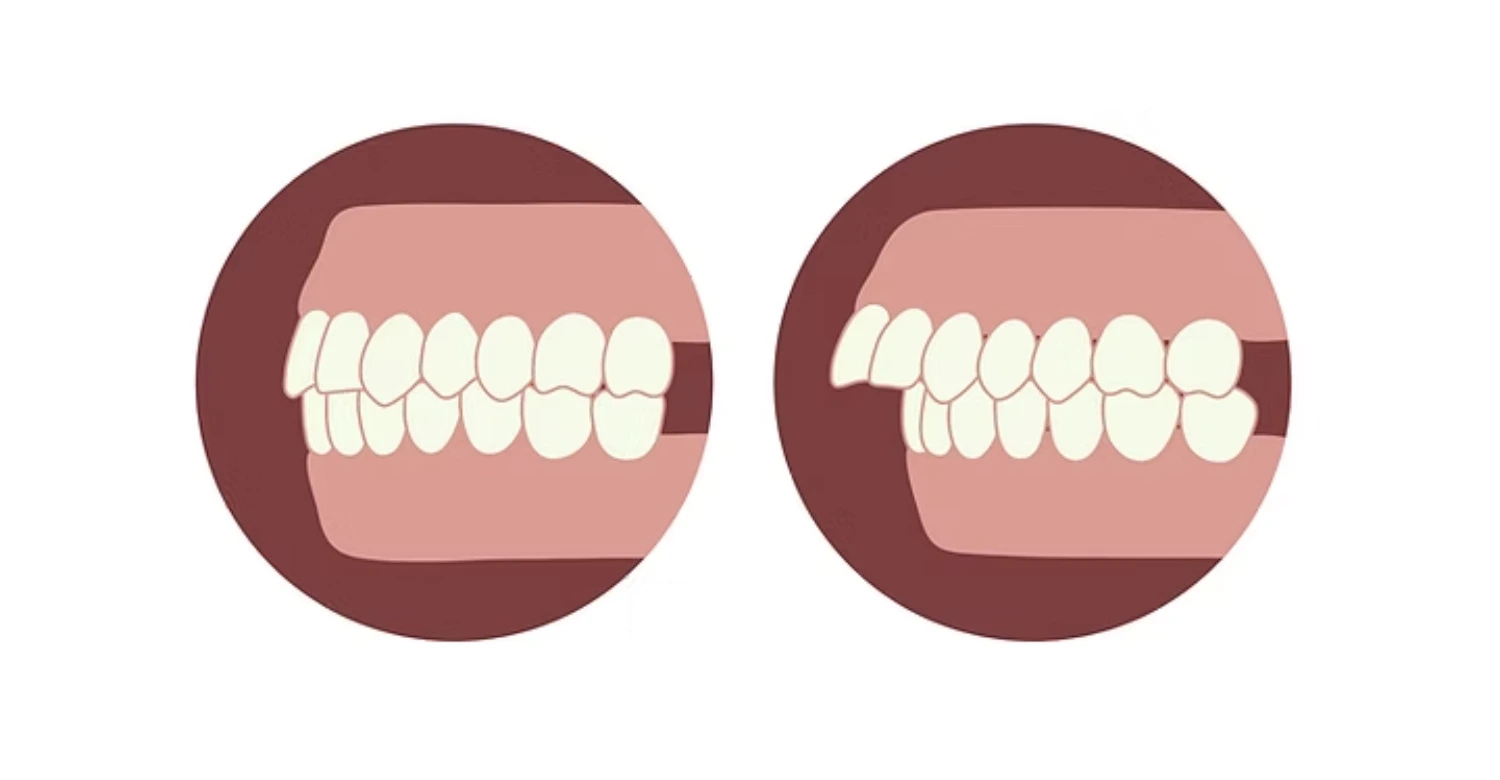
Benefits of Correcting Overbite in Adults
Proper alignment offers multiple benefits for adult patients. It improves bite function, reducing strain on the jaw and preventing temporomandibular joint disorders. Teeth experience less uneven wear, decreasing the risk of cavities and gum issues. Aesthetic improvements enhance smile symmetry, boost confidence, and contribute to overall facial balance. Functional benefits include improved chewing efficiency and clearer speech. Long-term advantages include better oral health stability, reduced future complications, and a healthier bite. Treatments such as braces, clear aligners, or surgical interventions can achieve both cosmetic and functional outcomes. Patients experience lasting improvements in appearance, comfort, and dental well-being.
Tips for Managing Overbite Correction
Proper management during Overbite Correction is essential. It ensures comfort, hygiene, and successful outcomes. Orthodontic appliances can cause soreness or irritation. Appropriate care can minimize this. Patients should follow instructions for wearing devices. They should avoid foods that damage braces or aligners. Diligent oral hygiene is also key. Pain relief strategies and dietary adjustments help. Consistent follow-ups enhance progress. Lifestyle considerations support treatment efficiency. They include avoiding habits that strain teeth or devices. Active management leads to smoother treatment. It means fewer complications and better long-term results.
Pain and Discomfort Management
Mild soreness is common after adjustments or new appliances. Over-the-counter pain relievers can help. Orthodontic wax prevents rubbing. Cold compresses reduce swelling. Eating soft foods reduces discomfort during tooth movement. Avoid hard or sticky items. Regular follow-up visits allow adjustments for comfort. Addressing discomfort early improves compliance. It keeps treatment on schedule. Consistent care minimizes interruptions. This helps achieve functional bite alignment. It also yields optimal aesthetic results.
Oral Hygiene Tips
Clean teeth and gums are crucial during orthodontic treatment. Braces create spaces for plaque. This raises the risk of cavities or gum inflammation. Brush after every meal. Floss carefully. Use recommended antibacterial rinses. For clear aligners, clean them daily. Brush teeth before reinsertion to prevent buildup. Regular dental check-ups complement treatment. They ensure teeth stay healthy. Proper hygiene protects appliances and avoids delays. It maximizes therapy effectiveness. This supports long-term oral health and treatment success.
Lifestyle Adjustments
Certain daily habits support treatment progress. They reduce complications. Avoid hard, sticky, or chewy foods. They can damage braces or aligners. Wear clear aligners for 20–22 hours per day. This is essential for efficiency. A 2019 study confirms clear aligners work for mild to moderate overbites. They are less predictable for severe cases. Minimize habits like nail-biting or chewing pens. Teeth grinding should also be avoided. Regular exercise, hydration, and stress management help. These adjustments lead to smoother treatment. They bring faster results and better comfort. By adopting supportive habits, patients ensure effective bite realignment. It leads to optimal aesthetic and functional outcomes.
What We Notice Clinically
At Vitrin Clinic, certain patterns appear consistently across overbite cases. They occur regardless of age, background, or initial concern. Some patients focus entirely on aesthetics. Others have jaw discomfort misattributed for years. Many had a visible bite problem in their teens. It was never formally addressed. Clinical practice shows that overbites rarely exist in isolation. They affect chewing, speaking, sleeping, and jaw tension. The insights below reflect frequent clinical observations. They are not textbook theory. They are patterns from real cases in our clinic.
Many Patients Focus Only on Smile Appearance
At Vitrin Clinic, we see a regular pattern. Patients arrive focused on smile appearance. They notice prominent front teeth. Their lower teeth may seem hidden when smiling. Yet they rarely link this to a bite problem. In most cases, this is the visible result of an untreated overbite. The cosmetic concern is valid. But Overbite Correction addresses more than appearance. Behind the aesthetics, there is often enamel wear. Jaw joint pressure and soft tissue irritation also occur. Patients adapt so gradually they don't notice these issues. Treating only the surface is common. This is why cosmetic results often do not last.
Early Overbite Assessment Helps Create Better Treatment Plans
The earlier an overbite is identified, the more treatment options remain. The path to correction is usually more straightforward. In younger patients with developing jaws, clinicians can guide growth. They do not need to correct a fixed skeletal pattern. In adults, bone density is higher. Tooth movement is slower. Treatment takes more time. Severe cases may need surgical support. At Vitrin Clinic, we emphasise early assessment. The American Association of Orthodontists recommends an initial evaluation by age 7. Malocclusion affects up to 60% of the population. This is according to the National Institute of Dental and Craniofacial Research. It is not to alarm patients. A timely evaluation expands what This treatment can achieve. A brief clinical review often includes X-rays or a 3D scan. This gives the treatment team the full picture. They can design an efficient plan. The plan suits the patient's stage of development.
Every Overbite Case Requires a Personalized Approach
No two patients have the same bite mechanics. Jaw structure and dental history always differ. So a single standard protocol cannot work for Overbite Correction. One patient might have a deep bite from a small jaw. Another develops the problem after losing back teeth. Those teeth once supported the bite height. A third may have childhood habits pushing the upper arch forward. Each origin needs a different mechanical response. Appliances, timelines, and treatment phases all differ.
At Vitrin Clinic, every case starts with a full diagnostic assessment. The plan then reflects that patient's unique anatomy. It is never a generic template. The result is a correction that holds. It was designed for the individual, not applied by default.
Function and Aesthetics Should Be Treated Together
The best overbite treatment outcomes blend function and aesthetics. They should be a single goal, not separate phases. The team must know the patient's goals from the start. They want a stable bite and a confident smile. Then tooth movement can target both. It controls incisor angles, bite depth, and arch symmetry at once. At Vitrin Clinic, orthodontists and restorative specialists collaborate early. They work together from the first visit. This ensures the corrected bite also gives the smile the patient wants. Function provides the foundation; aesthetics completes the result. Neither should be an afterthought of the other.
Reference
An overbite occurs when upper teeth extend too far over lower teeth. Treatment options include braces, clear aligners, or jaw correction. These improve both function and smile appearance.
FAQs
Dr. Rifat Alsaman has more than 5 years of clinical experience in dentistry and currently serves as the Head of the Medical Team at Vitrin Clinic. He is dedicated to providing exceptional patient care, overseeing treatment planning, and ensuring the highest clinical standards across the team. His expertise, attention to detail, and commitment to continuous professional development have helped countless patients achieve healthier, more confident smiles.


.webp&w=3840&q=75)
