.png&w=3840&q=75)
Temporomandibular joint disorders (TMJ disorders or TMD) affect millions of people worldwide, causing jaw discomfort, headaches, and difficulty chewing. Many patients with these symptoms ask an important question: can braces fix TMJ and improve jaw function? Orthodontic treatment is widely known for straightening teeth. It can also correct bite problems that contribute to jaw strain.
Understanding the relationship between bite alignment and jaw health is essential before choosing treatment. When teeth are misaligned or the bite is uneven, the temporomandibular joints may experience unnecessary pressure. Over time, this pressure can cause inflammation, pain, and joint dysfunction.
Orthodontists evaluate each patient carefully to determine whether correcting the bite with braces may help relieve symptoms. While braces are not always the only solution, they can be a valuable part of a comprehensive treatment plan. This plan aims to restore comfort and improve oral health.
Understanding TMJ Disorders
Temporomandibular joint disorders refer to conditions that affect the jaw joint and surrounding muscles responsible for chewing and speaking. These joints connect the lower jaw to the skull. They allow complex movements like opening, closing, and side-to-side motion.
When the joint becomes inflamed or misaligned, it can lead to a wide range of uncomfortable symptoms. Many patients begin researching treatment options and often wonder if braces can fix TMJ by correcting the bite and relieving pressure on the joint.
TMJ disorders can develop due to several factors, including misaligned teeth, jaw injuries, arthritis, teeth grinding, or chronic stress that causes muscle tension. Because these conditions vary widely from person to person, diagnosis usually involves a thorough dental examination, imaging scans, and a detailed discussion of symptoms.
Understanding the underlying cause is the first step in determining the most effective treatment plan. It also helps decide whether orthodontic correction might play a role.
What Is TMJ?
The temporomandibular joint, often abbreviated as TMJ, is one of the most complex joints in the human body. Located on each side of the head just in front of the ears, these joints allow the lower jaw to move smoothly while speaking, chewing, and yawning.
A healthy TMJ works like a sliding hinge that allows controlled movement without pain. However, when the joint becomes strained, inflamed, or misaligned, patients may experience discomfort and limited jaw movement. This condition is commonly referred to as TMJ disorder or TMD.
People experiencing persistent jaw symptoms frequently research orthodontic solutions. They often ask if braces can fix TMJ when the problem may be related to bite alignment. In cases where teeth do not fit together properly, the jaw muscles must work harder to compensate. Over time, this imbalance can increase stress on the temporomandibular joint and lead to chronic discomfort.
Proper diagnosis is essential to determine whether orthodontic treatment, lifestyle changes, or other therapies are required.
Common Symptoms of TMJ Disorders
TMJ disorders can present a wide range of symptoms that vary in intensity from mild discomfort to significant pain. Because the temporomandibular joints play a critical role in everyday activities like chewing and speaking, any dysfunction in these joints can affect quality of life.
Patients may notice symptoms developing gradually, often starting with minor jaw fatigue or occasional clicking sounds. Over time, these signs may become more noticeable and interfere with normal jaw movement. When researching treatment options, many individuals wonder if braces can fix TMJ if their symptoms are related to bite misalignment.
Common symptoms include jaw pain, muscle tension, difficulty opening the mouth fully, headaches, ear discomfort, and clicking or popping sounds when moving the jaw. Some patients also experience facial soreness or uneven wear on their teeth.
Recognizing these symptoms early allows dental professionals to evaluate the cause and recommend appropriate treatment before the condition worsens.
Jaw Pain and Stiffness
Jaw pain and stiffness are among the most common symptoms associated with TMJ disorders. This discomfort typically develops around the jaw joints, cheeks, or temples and may worsen during chewing or speaking. Some patients also experience muscle tightness that makes it difficult to fully open or close the mouth.
These symptoms can occur when the temporomandibular joints are under constant pressure due to an uneven bite or misaligned teeth. In such cases, orthodontists often evaluate whether bite correction may reduce the strain placed on the jaw joints.
People dealing with persistent jaw discomfort frequently search for orthodontic solutions. They ask if braces can fix TMJ when the problem may be related to structural issues in the bite. By gradually repositioning the teeth and improving alignment, braces may help distribute pressure more evenly across the jaw.
However, the effectiveness of braces depends on the specific cause of the TMJ disorder.
Patient Stories and Case Studies
Consider the case of a 28-year-old female patient who presented with chronic jaw pain and clicking sounds. After a thorough evaluation, Dr. Rifaat Al-Samman and his team identified a misaligned bite as the underlying cause. The patient underwent orthodontic treatment with braces for 18 months. Within six months of starting treatment, she reported a significant reduction in pain and clicking. By the end of treatment, her symptoms had resolved completely. She experienced improved chewing function and overall comfort. This case highlights how braces can be an effective solution for TMJ disorders when the cause is related to malocclusion.
Concise Answer for Featured Snippet
Yes, braces can fix TMJ disorders in some cases, particularly when the condition is caused by malocclusion (bite misalignment). By correcting the bite, braces can reduce strain on the temporomandibular joint and alleviate symptoms like pain and clicking. However, braces are not a universal cure for all TMJ issues. A thorough evaluation by a dental professional is essential to determine if orthodontic treatment is appropriate for your specific condition.
Clicking or Popping Sounds
Clicking or popping sounds when opening or closing the mouth are classic signs of temporomandibular joint dysfunction. These sounds occur when the joint's cartilage disc moves out of its normal position or when the jaw joint shifts during movement.
In many cases, the clicking sound may not be painful at first. However, over time it can be accompanied by discomfort, jaw fatigue, or limited movement. When these symptoms appear, dental professionals often investigate whether bite misalignment is contributing to the problem.
Patients experiencing these noises often research orthodontic treatment and ask if braces can fix TMJ when the joint instability is caused by improper tooth alignment. Correcting the bite can sometimes help stabilize the jaw's movement and reduce abnormal pressure on the joint.
While braces may not eliminate all cases of joint noise, they can play a supportive role in improving overall jaw balance.
Difficulty Chewing or Opening the Mouth
Another common symptom of TMJ disorders is difficulty chewing or opening the mouth comfortably. Some patients feel resistance or tightness in the jaw muscles, while others experience sudden locking of the jaw joint.
This condition can interfere with daily activities such as eating, speaking, and even yawning. The discomfort often becomes more noticeable when consuming harder foods that require significant jaw movement.
When bite misalignment contributes to these symptoms, orthodontic evaluation becomes important. Many patients researching treatment ask if braces can fix TMJ when chewing problems appear to be linked to the way their teeth meet.
Braces can gradually shift teeth into proper positions, allowing the upper and lower jaws to function more harmoniously. As the bite improves, the stress on the temporomandibular joints may decrease, potentially improving comfort during chewing and jaw movement.
Can Braces Fix TMJ?
Many patients who suffer from jaw discomfort eventually ask the important question: can braces fix TMJ and provide long-term relief. Orthodontic treatment is designed to correct misaligned teeth and bite problems, both of which can contribute to excessive stress on the temporomandibular joints.
When the upper and lower teeth do not align properly, the jaw muscles may work harder to maintain normal movement. This imbalance can lead to joint inflammation, pain, and abnormal jaw positioning. In such cases, orthodontic treatment can help reposition the teeth gradually, improving the way the bite functions.
However, TMJ disorders have multiple causes, and not all of them are related to tooth alignment. Some cases result from muscle tension, arthritis, injury, or chronic teeth grinding. Because of this, orthodontists perform a detailed evaluation before recommending braces as part of the treatment plan.
When bite problems are involved, braces may significantly improve jaw stability and reduce TMJ symptoms
How Braces Affect Jaw Alignment
Braces work by applying gentle, continuous pressure that gradually shifts teeth into healthier positions. As teeth move into proper alignment, the relationship between the upper and lower jaws can also improve.
When a person has an uneven bite such as overbite, underbite, or crossbite the jaw may be forced to compensate during chewing and speaking. Over time, this compensation can increase strain on the temporomandibular joints.
Patients experiencing these issues often ask if braces can fix TMJ by correcting the bite imbalance that contributes to joint stress. By aligning the teeth and stabilizing the bite, braces can help the jaw function more naturally.
Improved alignment allows chewing forces to be distributed evenly across the teeth and joints. This balanced function can reduce muscle tension and may relieve some of the discomfort associated with TMJ disorders.
Orthodontists carefully monitor jaw movement throughout treatment to ensure that alignment changes support healthy joint function.
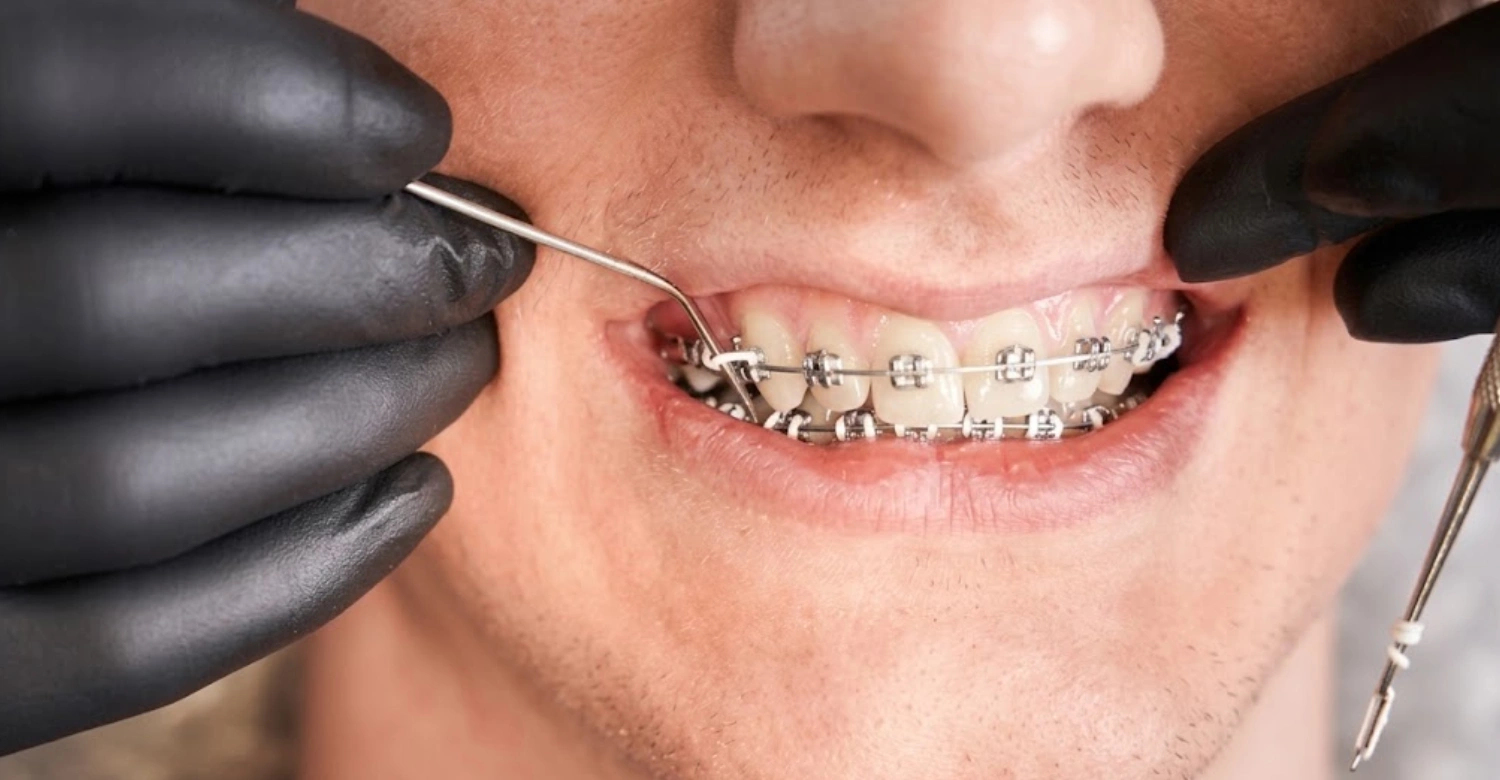
When Braces Can Help Treat TMJ
Orthodontic treatment can be especially beneficial when TMJ symptoms are linked to structural bite problems. Misaligned teeth often create uneven contact points that force the jaw into unnatural positions during movement.
When orthodontists identify bite issues such as severe overbite, underbite, crossbite, or crowded teeth, correcting these problems may help reduce pressure on the temporomandibular joints. In these situations, patients frequently wonder if braces can fix TMJ as part of a broader treatment approach.
By gradually repositioning teeth and improving jaw alignment, braces can help restore balance to the chewing system. This balanced bite can reduce strain on jaw muscles and joints, potentially decreasing pain and improving movement.
However, orthodontic treatment works best when combined with proper diagnosis and monitoring. In some cases, additional therapies such as splints or physical therapy may also be recommended alongside braces.
Risks and Complications of Braces for TMJ
While braces can help correct bite issues that contribute to TMJ disorders, they are not without risks. Some patients may experience temporary discomfort or increased jaw pain during the initial stages of orthodontic treatment. In rare cases, braces can exacerbate TMJ symptoms if the treatment plan is not properly designed.
Additionally, orthodontic treatment can lead to root resorption, gum inflammation, or changes in occlusion that may affect the TMJ. It is essential to work with an experienced orthodontist who can monitor your progress and adjust the treatment as needed to minimize these risks.
What Dental Literature Says
According to a review published in the Journal of Oral Rehabilitation, orthodontic treatment can be effective in reducing TMJ pain and improving function in patients with malocclusion. Another study in the American Journal of Orthodontics and Dentofacial Orthopedics found that while braces alone may not cure all TMJ disorders, they can significantly improve symptoms when the condition is related to bite misalignment.
These findings support the use of braces as a viable treatment option for selected patients.
When Braces May Not Be the Only Solution
Orthodontic treatment can help certain TMJ cases. But braces are not always the sole solution. TMJ disorders may also stem from muscle tension, arthritis, joint degeneration, or chronic teeth grinding.
In these situations, patients often research treatment options. They ask, can braces fix TMJ if symptoms persist despite orthodontic care? When the cause is unrelated to bite alignment, other treatments may be required.
Dentists and orthodontists may recommend a combination of therapies. These include night guards, physical therapy, stress management, medication, or lifestyle changes. Such approaches aim to reduce inflammation and relax the jaw muscles. They also protect the joint from further strain.
TMJ conditions vary widely between individuals. So treatment plans are often customized. Braces may still play a supportive role. But they are usually part of a comprehensive approach. This approach addresses both structural and muscular factors.
How TMJ Braces Work
Orthodontic treatment for TMJ symptoms focuses on the relationship between teeth and jaw joints. When the bite is unbalanced, the jaw may shift slightly during chewing or speaking. This places extra pressure on the temporomandibular joints.
TMJ braces work by gradually moving teeth into positions that promote a healthier bite. This process helps the upper and lower teeth fit together more evenly. As the bite becomes balanced, the jaw muscles no longer need to compensate for misalignment.
Patients exploring orthodontic options frequently ask, can braces fix TMJ by stabilizing jaw movement? In cases where bite problems contribute to joint stress, braces can help create a more natural jaw position.
Treatment typically progresses slowly over several months or years. Throughout this time, orthodontists carefully monitor jaw function. They ensure that alignment improvements support joint health and overall oral comfort.
Orthodontic Treatment for TMJ
Orthodontic treatment for TMJ disorders focuses on correcting structural problems. These problems affect the way the jaw functions. When teeth are crowded, rotated, or positioned unevenly, the jaw joints may experience additional strain during everyday movements.
An orthodontist begins treatment with a detailed examination. This may include digital scans, X-rays, and bite analysis. These diagnostic tools help determine whether bite misalignment is contributing to TMJ symptoms.
Many patients researching orthodontic care ask, can braces fix TMJ when their jaw pain appears connected to bite issues? If the evaluation confirms this connection, braces may be recommended. They gradually correct tooth positioning and jaw balance.
As treatment progresses, improved alignment can allow the jaw to move more smoothly. It can also reduce muscle tension. This process may lead to reduced discomfort and better long-term joint stability.
Types of Braces Used for TMJ
Orthodontists may use several different types of braces to address bite issues associated with TMJ disorders. Each type works by gradually shifting teeth into better alignment. They also maintain proper jaw balance.
Choosing the most appropriate option depends on several factors. These include the severity of misalignment, patient preferences, and the overall treatment plan. Many patients exploring orthodontic solutions often ask, can braces fix TMJ regardless of the brace type used?
Both traditional braces and modern clear aligner systems can be effective. They correct bite problems that contribute to TMJ discomfort. The key factor is not the appearance of the braces. It is their ability to guide teeth into positions that support healthy jaw function.
Orthodontists carefully evaluate each patient's dental structure before recommending a specific treatment option.
Traditional Metal Braces
Traditional metal braces are the most widely recognized orthodontic treatment option. They consist of stainless-steel brackets attached to the teeth. Wires connect the brackets and gradually guide tooth movement.
These braces are highly effective in correcting complex bite problems. They address severe crowding, overbites, underbites, and crossbites. Because they provide precise control over tooth movement, they are often recommended for cases requiring significant alignment correction.
Patients with TMJ symptoms frequently research orthodontic options. They ask, can braces fix TMJ using traditional metal braces? When the disorder is linked to bite misalignment, this treatment method can help reposition the teeth and stabilize the jaw.
Although metal braces are visible, they remain one of the most reliable solutions. They achieve comprehensive orthodontic corrections that support long-term jaw health.
Ceramic Braces
Ceramic braces work like metal braces but use tooth-colored or clear brackets. They blend with the teeth for a more discreet look. This makes them popular for patients who want less visible treatment.
Like metal braces, ceramic braces move teeth through controlled pressure from wires and brackets. They can treat many bite problems linked to TMJ symptoms.
Patients who prefer less noticeable appliances sometimes ask if ceramic braces can fix TMJ. In many cases, results are similar because both systems use the same orthodontic principles.
Ceramic braces offer better aesthetics while still delivering precise tooth movements. These movements correct bite alignment and support healthier jaw function.
Clear Aligners for TMJ
Clear aligners are a popular option for adults and teens seeking discreet treatment. These removable trays are custom-made to gradually shift teeth into better alignment.
Each aligner is worn for a set period before being replaced with the next in the series. Over time, teeth move into positions that create a more balanced bite.
Patients considering modern orthodontic solutions often ask if clear aligners can fix TMJ. In some cases, aligners correct mild to moderate bite issues that contribute to jaw strain.
However, severe alignment problems may still require traditional braces for greater control. Orthodontists evaluate each patient's bite carefully to determine whether clear aligners can support TMJ treatment goals.
Advanced Orthodontic Appliances for Severe Jaw Misalignment
Standard braces cannot always resolve a severe jaw misalignment on their own. Can braces fix TMJ in these harder cases? Sometimes, but only when paired with additional appliances. Significant skeletal discrepancies, a narrow palate, or pronounced jaw displacement often call for tools that go beyond standard brackets and wires. These appliances work alongside braces, and occasionally in place of them, to restore proper jaw position and relieve pressure on the temporomandibular joint.
Jaw Expanders (Palatal Expanders) and Functional Appliances
Jaw expanders for TMJ are used mainly in growing patients whose upper jaw is too narrow to comfortably meet the lower jaw. A palatal expander widens the upper arch gradually, creating room for the teeth and improving how the two jaws fit together. Functional appliances work differently. They guide jaw growth and reposition the lower jaw forward or backward as the patient develops. Together, these tools correct skeletal discrepancies that braces alone cannot address, often easing joint strain before all the permanent teeth have erupted.
Self-Ligating and Lingual Braces for TMJ Relief
Self-ligating braces TMJ relief comes from a bracket system that uses built-in clips instead of elastic ties. This allows teeth to move with lighter, more continuous force, and many patients find it shortens treatment time. Lingual braces jaw pain concerns are addressed differently: these brackets sit behind the teeth, hidden from view, while still correcting the same bite problems that stress the jaw joint. Both options can achieve outcomes similar to traditional braces, giving patients a more discreet path toward a balanced bite.
Orthognathic Surgery (Jaw Surgery) for Extreme Skeletal Cases
Orthognathic surgery TMJ disorder cases involve jaw discrepancies too severe for braces to correct alone. This surgery repositions the upper jaw, lower jaw, or both, to restore proper alignment between the skull, jaw, and teeth. It is generally reserved for adults whose jaw growth is complete, such as those with a pronounced underbite or open bite. Braces are typically used before and after surgery to fine-tune the bite. Surgery is a major step, but for structural cases, it can offer lasting relief that orthodontics alone cannot provide.
Can Braces Help TMJ Symptoms?
TMJ disorders can cause jaw pain, headaches, and difficulty chewing. When these symptoms stem from bite misalignment, orthodontic treatment may provide relief by improving the relationship between teeth and jaw.
Many patients researching treatment options ask if braces can fix TMJ and ease discomfort. In certain cases, improving the bite can reduce pressure on the joints and surrounding muscles.
By gradually aligning the teeth and stabilizing the bite, braces may help the jaw function more naturally. As teeth move into proper positions, chewing muscles become less strained. This can lead to reduced tension and improved comfort.
However, the effectiveness of orthodontic treatment depends on identifying the exact cause of the TMJ disorder.
Can Braces Help With TMJ Pain?
Jaw pain is one of the most common symptoms of TMJ disorders. It can develop in the jaw joints, surrounding muscles, or radiate toward the temples and ears. When the bite is misaligned, jaw muscles work harder during chewing and speaking.
Orthodontic treatment can sometimes help by improving how the teeth meet. As the bite becomes more balanced, the jaw no longer needs to compensate for uneven contact.
Patients with persistent pain often ask if braces can fix TMJ when discomfort is caused by structural issues. When misalignment is the underlying factor, braces can restore balance to the chewing system.
Over time, this improved balance may reduce muscle tension and help relieve jaw pain.
Do Braces Help TMJ Long-Term?
Orthodontic treatment aims to create a stable bite that supports healthy jaw movement over time. When teeth are properly aligned, chewing forces are distributed more evenly across the jaw.
This balanced distribution can reduce strain on the temporomandibular joints and muscles. For patients whose TMJ symptoms are directly related to bite misalignment, orthodontic correction may contribute to long-term improvement.
Many individuals considering orthodontic care ask if braces can fix TMJ in a lasting way rather than providing only temporary relief. Results vary depending on the underlying cause. Correcting structural bite problems can create a more stable foundation for jaw function.
Regular follow-up with dental professionals is important to ensure the bite remains properly aligned and TMJ symptoms continue to improve.
Patient Reviews and Outcomes
Many patients who have undergone orthodontic treatment for TMJ disorders report positive outcomes. One patient shared, "After years of suffering from jaw pain, braces changed my life. My symptoms are gone, and I can eat and speak without discomfort."
Another patient noted, "I was skeptical at first, but my orthodontist explained everything, and the results have been amazing. I no longer have headaches or jaw clicking." These testimonials reflect the potential benefits of braces for TMJ when properly indicated.
Will Braces Help TMJ Caused by Bite Problems?
Bite problems such as overbite, underbite, crossbite, or severe crowding can significantly affect jaw function. When teeth do not meet correctly, the jaw may shift slightly during chewing to find a comfortable position.
Over time, this repeated shifting can stress the temporomandibular joints and contribute to TMJ symptoms. In these situations, orthodontic treatment may help by correcting the underlying structural issue.
Patients with bite-related jaw discomfort often research orthodontic options. They ask, can braces fix TMJ when the problem originates from dental misalignment? By repositioning teeth gradually, braces can establish a more balanced bite.
As the bite improves, the jaw joints may function more smoothly. This can reduce pressure and improve comfort during everyday activities.
Clinical Note
Early cavities frequently cause no pain or visible change, so they are missed during self-checks at home. A dental examination with X-rays detects decay between teeth and under the enamel before it reaches the stage where a patient would feel it.
Can Braces Cause TMJ?
Some patients worry that orthodontic treatment might trigger or worsen TMJ symptoms. Braces are designed to improve bite alignment. However, the adjustment process can temporarily change how the jaw functions.
As teeth move into new positions, the jaw muscles and joints need time to adapt. During this period, some individuals may notice mild jaw soreness or tension. These symptoms are usually temporary and improve as treatment progresses.
Patients who experience discomfort sometimes search for answers. They ask, can braces fix TMJ or whether braces might contribute to the condition? In most cases, orthodontic treatment does not cause TMJ disorders. Instead, it helps correct bite problems that could contribute to them.
Careful monitoring by an experienced orthodontist ensures that treatment supports healthy jaw alignment throughout the process.
Why TMJ After Braces May Occur
Orthodontic treatment is generally safe. However, some patients may experience TMJ symptoms after completing braces treatment. This can happen for several reasons, including incomplete bite adjustment, muscle tension, or habits such as teeth grinding.
In some cases, the jaw may still be adapting to the new bite alignment. If the surrounding muscles are strained or nighttime grinding continues, discomfort may develop even after orthodontic correction.
Patients who experience symptoms after treatment often research solutions. They ask, can braces fix TMJ if the issue appears after orthodontic care? A follow-up evaluation with an orthodontist is important to determine the cause.
Additional treatments such as bite adjustments, retainers, night guards, or muscle therapy may be recommended to restore comfortable jaw function.
Preventing TMJ Issues During Orthodontic Treatment
Preventing TMJ problems during orthodontic treatment involves careful planning and consistent monitoring. Orthodontists analyze each patient's bite, jaw structure, and muscle function before beginning treatment.
Regular checkups help ensure that teeth are moving correctly and the bite remains balanced. If signs of jaw discomfort appear, adjustments can be made early to reduce stress on the joints.
Patients who want to maintain healthy jaw function often research orthodontic care. They ask, can braces fix TMJ while also preventing future joint problems? Good oral habits such as avoiding excessive chewing, managing stress, and protecting teeth from grinding can support healthy outcomes.
Orthodontists may also recommend retainers or protective appliances after treatment to maintain alignment and reduce pressure on the temporomandibular joints.
TMJ and Braces: What Orthodontists Recommend
Orthodontists take a comprehensive approach when treating patients with TMJ symptoms. They evaluate the entire chewing system, including the jaw joints, muscles, and bite relationship.
Diagnostic tools such as digital imaging, bite analysis, and jaw movement tracking help orthodontists understand how the jaw functions. This detailed evaluation allows them to design a treatment plan tailored to each patient's needs.
Patients seeking professional advice often ask, can braces fix TMJ when they experience jaw discomfort related to their bite? Orthodontists may recommend braces if misalignment is contributing to joint strain.
In some cases, they may combine orthodontic treatment with other therapies such as splints, muscle relaxation techniques, or lifestyle changes to achieve the best results.
Braces for TMJ Before and After
Orthodontic treatment designed to address TMJ symptoms can produce noticeable changes in bite alignment and jaw comfort. Before treatment, patients often experience uneven bite pressure, jaw fatigue, or difficulty chewing.
During orthodontic treatment, teeth gradually move into positions that promote a balanced relationship between the upper and lower jaws. As the bite improves, the jaw muscles may become less strained.
Patients researching treatment options frequently ask, can braces fix TMJ and what results they can expect? While outcomes vary, many individuals notice improved bite stability and reduced jaw tension after treatment.
Photographs, digital scans, and bite measurements taken before and after treatment help orthodontists evaluate progress and ensure that alignment improvements support long-term jaw health.
Statistics and Studies on TMJ Prevalence and Treatment Success
TMJ disorders affect an estimated 5% to 12% of the population. Women of childbearing age are the most commonly affected group. Studies suggest that about 50% of patients with TMJ pain improve with conservative treatment, including splint therapy and physical therapy.
When orthodontic treatment is indicated for malocclusion-related TMJ issues, success rates vary. Some research indicates that up to 80% of patients experience improvement in symptoms after comprehensive orthodontic care. However, these numbers depend on the underlying cause and the type of treatment provided.
Timeline & Expectations: How Long Do You Need Braces to Fix TMJ?
How long do you need braces to fix TMJ is one of the first questions most patients ask. There is no single answer. Duration depends on the severity of the bite problem, the patient's age, and whether TMJ symptoms are tied to tooth position or to muscle and joint factors. Most treatment plans aimed at bite-related TMJ symptoms run between 12 and 30 months. Regular checkups let the treatment team track how the bite and the joint are responding as treatment progresses.
Estimated Duration for Bite Correction and Joint Stabilization
Mild bite misalignments contributing to TMJ discomfort may improve within 12 to 18 months of treatment. Moderate to severe cases, especially those involving jaw expanders, functional appliances, or a combination of braces and splints, often need 18 to 30 months for full bite correction and joint stabilization. Symptom relief and tooth movement do not always follow the same timeline. Some patients notice less jaw pain within months, while joint stabilization takes longer. Retainers and continued monitoring after braces come off help preserve the corrected bite and support lasting comfort.
Transparency About Conflicts of Interest
This article is for informational purposes only and does not constitute medical advice. The author, Dr. Rifaat Al-Samman, is a practicing dentist and may have a professional interest in promoting dental treatments. However, the content is based on evidence-based research and clinical experience. There is no financial conflict of interest that would bias the information presented. Always consult with a qualified healthcare professional for personalized advice.
How Bite Correction Improves TMJ
Correcting bite misalignment plays a major role in improving temporomandibular joint function. When teeth meet properly, chewing forces spread evenly across the dental arches and jaw joints.
An uneven bite can cause the jaw to shift slightly during movement. This places extra stress on the joints and surrounding muscles. Over time, repeated strain may contribute to TMJ symptoms.
Patients exploring orthodontic solutions often ask if braces can fix TMJ when discomfort relates to bite problems. By aligning teeth and correcting structural imbalances, braces help stabilize the jaw.
A balanced bite allows the jaw to move more naturally during chewing and speaking. This may reduce pressure on the joints and support improved comfort in daily activities.
Expected Changes After TMJ Braces Treatment
After completing orthodontic treatment, many patients notice improvements in how their teeth fit together and how their jaw moves. Proper alignment creates a more stable bite that supports healthy jaw function.
Some patients experience reduced jaw tension, improved chewing ability, and fewer headaches related to muscle strain. These improvements often occur gradually as jaw muscles adapt to the new bite alignment.
Individuals considering orthodontic care frequently ask if braces can fix TMJ and what physical changes they might notice afterward. While every case is unique, improved bite balance can lead to better jaw coordination and reduced stress on the temporomandibular joints.
Maintaining these results requires consistent use of retainers and regular dental checkups to ensure alignment remains stable.
Realistic Results From Braces for TMJ
Orthodontic treatment can produce meaningful improvements for patients whose TMJ symptoms are linked to bite misalignment. However, it is important to maintain realistic expectations about the results.
Braces can correct structural issues in the teeth and bite, but they may not resolve TMJ disorders caused by muscle tension, arthritis, or joint degeneration. In such cases, orthodontic treatment may still contribute to overall jaw stability but may need to be combined with other therapies.
Patients researching treatment outcomes frequently ask if braces can fix TMJ and whether orthodontic care guarantees complete symptom relief. While many individuals experience improvement, success depends on identifying and addressing the underlying cause of the disorder.
A personalized treatment plan developed by experienced dental professionals offers the best chance of achieving long-term comfort and jaw function.
Alternative Treatments Alongside Braces for TMJ
While orthodontic treatment can correct bite problems, many TMJ cases require a combination of therapies to achieve the best results. The temporomandibular joint is influenced not only by tooth alignment but also by muscles, ligaments, and daily habits such as teeth grinding or jaw clenching.
Because of this complexity, dentists often combine orthodontic care with supportive treatments that help stabilize the joint and relieve muscle tension. Patients exploring comprehensive treatment plans frequently ask if braces can fix TMJ or whether additional therapies are necessary.
Combining braces with other treatment approaches can improve outcomes by addressing both structural and muscular causes of TMJ disorders. These complementary therapies may include supportive jaw braces, night guards, physical therapy, and lifestyle adjustments.
A multidisciplinary approach ensures that patients receive balanced care that focuses on restoring comfort, improving jaw movement, and protecting long-term joint health.
Jaw Brace for TMJ Support
A jaw brace, sometimes called a TMJ support brace, is designed to stabilize the jaw and reduce excessive movement during daily activities. These supportive devices are typically worn around the head and chin to provide gentle pressure that helps maintain proper jaw positioning.
Jaw braces can be helpful for patients who experience muscle fatigue or instability in the temporomandibular joint. By supporting the jaw muscles and reducing strain, these devices may help relieve discomfort during chewing or speaking.
Patients who are already considering orthodontic care often wonder if braces can fix TMJ while also benefiting from supportive appliances like jaw braces. In some treatment plans, orthodontists may recommend using both approaches together.
While a jaw brace does not permanently correct bite alignment, it can help reduce strain on the jaw joints during the healing process and support overall TMJ management.
Braces vs. Splints for TMJ
When considering treatment for TMJ disorders, patients often wonder whether braces or splints are more effective. Splints, also known as occlusal appliances, are custom-made oral devices that help reposition the jaw and reduce muscle tension. They are typically used for short-term relief and can be effective for managing acute symptoms.
Braces, on the other hand, are designed to correct long-term bite alignment issues. While splints provide immediate symptom relief, braces address the underlying structural problems that may be causing the TMJ disorder. In many cases, a combination of both may be recommended: splints to manage symptoms initially, followed by braces to achieve a stable bite.
Patients often ask if braces can fix TMJ permanently, while splints offer only temporary relief. The choice depends on the root cause of the disorder and the patient's long-term goals.
What Happens When Orthodontics Is Not Enough?
Orthodontics cannot resolve every TMJ case, even with the best treatment plan. When jaw pain persists despite a well-corrected bite, or imaging reveals joint degeneration, arthritis, or a severe skeletal discrepancy, braces alone are unlikely to bring lasting relief. Recognizing this point early keeps patients from prolonging orthodontic treatment without addressing the true source of their discomfort. Multidisciplinary TMJ treatment becomes especially important here, since the joint itself, not tooth position, may be driving the symptoms.
Multidisciplinary Care: When to Consult an Oral Surgeon or TMJ Specialist
Patients should consider a referral to an oral surgeon or TMJ specialist when jaw locking, severe pain, or limited mouth opening does not improve after several months of orthodontic care. A specialist can order dedicated joint imaging, assess cartilage and bone health, and determine whether orthognathic surgery or joint-specific therapy is needed. Multidisciplinary TMJ treatment brings orthodontists, oral surgeons, and physical therapists together so the structural, muscular, and joint-related sides of the disorder are treated as one plan, not separately.
Clinical Experience in TMJ Treatment
With over a decade of experience in comprehensive dentistry, Dr. Rifaat Al-Samman has treated numerous patients with TMJ disorders. He has successfully integrated orthodontic treatment into multidisciplinary care plans, coordinating with orthodontists and other specialists to achieve optimal outcomes.
His clinical experience underscores the importance of a personalized approach. Each TMJ case is unique and requires careful diagnosis and treatment planning. This tailored strategy helps determine whether braces can fix TMJ for a specific patient or if other therapies are needed first.
Braces can be an effective treatment for TMJ disorders when the root cause is a misaligned bite. By realigning the teeth and jaws, braces help distribute bite forces evenly, reducing pressure on the temporomandibular joint. Many patients experience significant relief from jaw pain, clicking, and headaches after orthodontic treatment.
However, braces are not suitable for every TMJ patient. A comprehensive evaluation is necessary to determine the best course of action. This evaluation helps clarify whether braces can fix TMJ or if a combination of treatments will yield better results.
Night Guards and Splints
Night guards and occlusal splints are commonly used to manage TMJ disorders, especially for patients who grind or clench their teeth during sleep. These custom-made appliances are worn over the teeth to create a protective barrier and reduce excessive pressure on the jaw joints.
Teeth grinding, also known as bruxism, can significantly increase stress on the temporomandibular joints. Over time, this repeated pressure may worsen TMJ symptoms and cause tooth wear.
Patients dealing with nighttime grinding often research orthodontic solutions and ask whether braces can fix TMJ if their bite contributes to the problem. While braces can correct alignment issues, night guards protect the teeth and joints from grinding forces.
When used together, orthodontic treatment and protective splints can help stabilize the bite, reduce muscle tension, and support healthier jaw function over the long term.
Physical Therapy and Lifestyle Changes
Physical therapy can play an important role in managing TMJ disorders, particularly when muscle tension contributes to jaw pain. Specialized exercises may help strengthen the jaw muscles, improve flexibility, and promote more balanced jaw movement.
Therapists often guide patients through stretching exercises, posture correction, and relaxation techniques that reduce strain on the temporomandibular joints. These techniques can help relieve symptoms such as jaw stiffness, headaches, and muscle fatigue.
Patients seeking long-term solutions sometimes ask if braces can fix TMJ while also exploring supportive therapies that address muscle function. In many cases, combining orthodontic treatment with physical therapy produces better results.
Lifestyle changes such as reducing stress, avoiding excessive chewing, and maintaining good posture can also help protect the jaw joints and support ongoing TMJ recovery.
TMJ Treatment with Braces at Vitrin Clinic
At Vitrin Clinic, TMJ treatment is approached with a comprehensive strategy that focuses on identifying the underlying cause of jaw discomfort. The clinic's specialists evaluate each patient's bite alignment, jaw movement, and muscle function before recommending a treatment plan.
Patients experiencing jaw pain often search for professional guidance and ask whether braces can fix TMJ when they suspect their symptoms may be related to bite misalignment. The orthodontic team at Vitrin Clinic carefully assesses whether braces can help improve jaw balance and relieve pressure on the temporomandibular joints.
By combining advanced diagnostic tools with modern orthodontic techniques, the clinic provides personalized care designed to improve both dental alignment and overall jaw function.
This patient-focused approach helps ensure that TMJ treatment addresses both the symptoms and the root cause of the disorder.
Expert Orthodontic Care for TMJ and Braces
The orthodontic specialists at Vitrin Clinic have extensive experience treating patients with both dental misalignment and TMJ disorders. Their expertise allows them to evaluate complex bite problems that may contribute to jaw discomfort.
Orthodontists carefully analyze how the teeth come together during chewing and speaking, identifying imbalances that could place stress on the temporomandibular joints. Through detailed examination and digital imaging, they design treatment plans that improve alignment while protecting jaw health.
Many patients visiting the clinic ask if braces can fix TMJ when their symptoms appear connected to bite problems. The orthodontic team provides clear explanations of treatment options and guides patients through each step of the process.
This expert care ensures that orthodontic treatment not only improves the appearance of the smile but also supports healthier jaw function.
Advanced Diagnostic Technology at Vitrin Clinic
Accurate diagnosis is essential when treating TMJ disorders. At Vitrin Clinic, advanced technology is used to analyze jaw function, bite alignment, and tooth positioning with exceptional precision.
Digital scans, 3D imaging, and bite analysis tools allow orthodontists to visualize how the jaw joints interact with the teeth during movement. These technologies help identify structural issues that may contribute to TMJ symptoms.
Patients exploring modern orthodontic care frequently ask if braces can fix TMJ when diagnostic results show bite misalignment. With advanced imaging systems, orthodontists can determine whether braces may help restore proper alignment and reduce joint stress.
Using technology-driven insights, Vitrin Clinic creates personalized treatment plans designed to improve both dental aesthetics and jaw health.
Personalized Treatment Plans for TMJ Disorders
Every TMJ case is unique, which is why personalized treatment planning is essential. At Vitrin Clinic, orthodontists carefully evaluate each patient's symptoms, dental structure, and jaw movement before recommending therapy.
Some patients benefit primarily from orthodontic treatment, while others require a combination of braces, splints, and supportive therapies. This individualized approach ensures that each treatment plan addresses the specific causes of the disorder.
Many patients visiting the clinic want to know if braces can fix TMJ in their particular case. Through comprehensive evaluation and consultation, orthodontists provide realistic expectations and clear treatment strategies.
Personalized care helps improve treatment success by addressing both structural bite issues and lifestyle factors that may contribute to TMJ discomfort.
What We Notice Clinically
Dr. Rifat Alsaman, Head of the Medical Team at Vitrin Clinic and a cosmetic dentist, notes that patients often arrive assuming braces alone will resolve their jaw pain, when the joint and the bite actually need to be evaluated separately. Dr. Rifat Alsaman explains that the clearest cases for orthodontic success are ones where the clicking and discomfort clearly track a specific bite problem, such as a deep overbite or crossbite. When symptoms do not track the bite, Dr. Rifat Alsaman recommends involving a TMJ specialist early rather than extending orthodontic treatment on its own. In his experience, this distinction is what most often separates patients who find lasting relief from those who need a broader treatment plan.
Why Choose Vitrin Clinic for Braces and TMJ Treatment
Choosing the right dental clinic plays an important role in successful TMJ treatment. Vitrin Clinic is known for its patient-centered approach and commitment to advanced orthodontic care.
The clinic focuses on combining modern technology, expert knowledge, and personalized treatment planning to address complex dental and jaw conditions. Patients receive detailed evaluations that consider both aesthetics and functional health.
Individuals researching orthodontic treatment frequently ask can braces fix tmj before deciding where to seek care. At Vitrin Clinic, the orthodontic team provides thorough consultations that help patients understand the relationship between bite alignment and jaw health.
By offering comprehensive orthodontic and TMJ care in one location, the clinic ensures that patients receive coordinated treatment designed to improve comfort, function, and long-term oral health.
Experienced Orthodontists Specializing in TMJ
The orthodontists at Vitrin Clinic have extensive experience diagnosing and treating TMJ-related bite problems. Their expertise allows them to identify subtle alignment issues that may contribute to jaw discomfort.
Through years of clinical practice, they have treated patients with a wide range of TMJ symptoms, from mild jaw tension to more complex joint disorders. Their goal is to create treatment plans that restore both bite stability and jaw comfort.
Patients seeking specialized orthodontic care often ask can braces fix tmj when they experience persistent jaw pain. With careful evaluation and professional expertise, the orthodontists at Vitrin Clinic guide patients toward the most effective treatment solutions.
This specialized knowledge helps ensure that orthodontic care supports long-term jaw health.
Modern Orthodontic Solutions
Modern orthodontic technology has significantly improved the way dentists treat bite misalignment and TMJ-related issues. Vitrin Clinic offers a range of advanced orthodontic solutions designed to meet the needs of different patients.
These options include traditional braces, ceramic braces, and clear aligner systems that provide discreet and effective treatment. Each method is carefully selected based on the patient's dental condition and treatment goals.
Patients exploring these options often ask can braces fix tmj using modern orthodontic techniques. With advanced tools and digital planning, orthodontists can guide teeth into healthier positions with greater accuracy than ever before.
These modern solutions allow patients to achieve improved dental alignment while also supporting better jaw function and comfort.
Comprehensive TMJ Evaluation and Care
A complete evaluation is essential for diagnosing TMJ disorders accurately. At Vitrin Clinic, patients undergo a thorough examination that includes bite analysis, jaw movement assessment, and digital imaging.
This detailed process helps orthodontists identify the specific factors contributing to TMJ symptoms. By understanding the root cause of the disorder, they can recommend treatments that address both structural and muscular components.
Patients visiting the clinic frequently ask can braces fix tmj when their symptoms appear related to bite misalignment. Through comprehensive evaluation, the orthodontic team determines whether orthodontic correction may improve jaw function.
This careful approach ensures that treatment plans focus on long-term relief, improved bite balance, and healthier jaw movement.
Tips for Patients
Use a toothpaste with 1,450 ppm fluoride, and after brushing spit rather than rinse with water, so the fluoride stays on the teeth longer. If you snack on something sugary, have it with a meal instead of spreading sweets across the day, since it is the frequency of acid attacks, not the total amount, that drives a tooth cavity.
For more information on TMJ disorders and treatment options, you can refer to the following authoritative sources: the American Association of Oral and Maxillofacial Surgeons (AAOMS) provides guidelines on TMJ treatment, and the National Institute of Dental and Craniofacial Research (NIDCR) offers comprehensive resources on TMJ disorders. Additionally, the American Association of Orthodontists (AAO) has patient education materials on how orthodontic treatment can impact jaw health.
About Vitrin Clinic
Vitrin Clinic is an Istanbul-based dental clinic that welcomes international patients seeking comprehensive, personalized dental care. The clinic combines modern diagnostic technology with a multidisciplinary team, including orthodontists and specialists in restorative and cosmetic dentistry, to treat both the appearance and the function of a patient's smile. From the first consultation through follow-up care, Vitrin Clinic supports patients with multilingual assistance and coordinated treatment planning, making it a practical choice for patients addressing TMJ concerns alongside their broader dental health.
References:
FAQs

Dr. Rifat Alsaman has more than 5 years of clinical experience in dentistry and currently serves as the Head of the Medical Team at Vitrin Clinic. He is dedicated to providing exceptional patient care, overseeing treatment planning, and ensuring the highest clinical standards across the team. His expertise, attention to detail, and commitment to continuous professional development have helped countless patients achieve healthier, more confident smiles.


.webp&w=3840&q=75)
