Dental Care Guide
September 17, 2026
Salivary Gland Stones: What Are They, What Causes Them, and How Are They Treated?
 Dr. Rifat Alsaman
Salivary gland stones are hardened mineral deposits. They form inside the salivary glands or their ducts, and they can partially or fully block the normal flow of saliva. This condition is also known medically as sialolithiasis. It often causes swelling and discomfort that becomes more noticeable around mealtimes, when saliva production naturally increases. These stones are not usually dangerous. However, they can lead to recurring pain, infection, or reduced saliva flow if left untreated. This guide explains what causes this condition and how it is diagnosed. It also covers the available treatment options and when a dental evaluation is needed.
What Are Salivary Gland Stones?
These are small, hardened deposits made mostly of calcium. They form within the salivary glands or the ducts that carry saliva into the mouth. Sometimes they partially or completely block the normal flow of saliva.
What Are Salivary Stones?
Salivary stones, also called sialoliths, are mineral formations. They develop when substances naturally present in saliva crystallize and build up over time, eventually forming a hardened mass that can obstruct the duct. When this buildup restricts flow, it is often described as a case of salivary gland stones.
What Is Sialolithiasis?
Sialolithiasis is the medical term for the condition in which salivary gland stones form and cause blockage within the salivary system. It is considered one of the most common disorders affecting the salivary glands.
Where Do Salivary Gland Stones Usually Form?
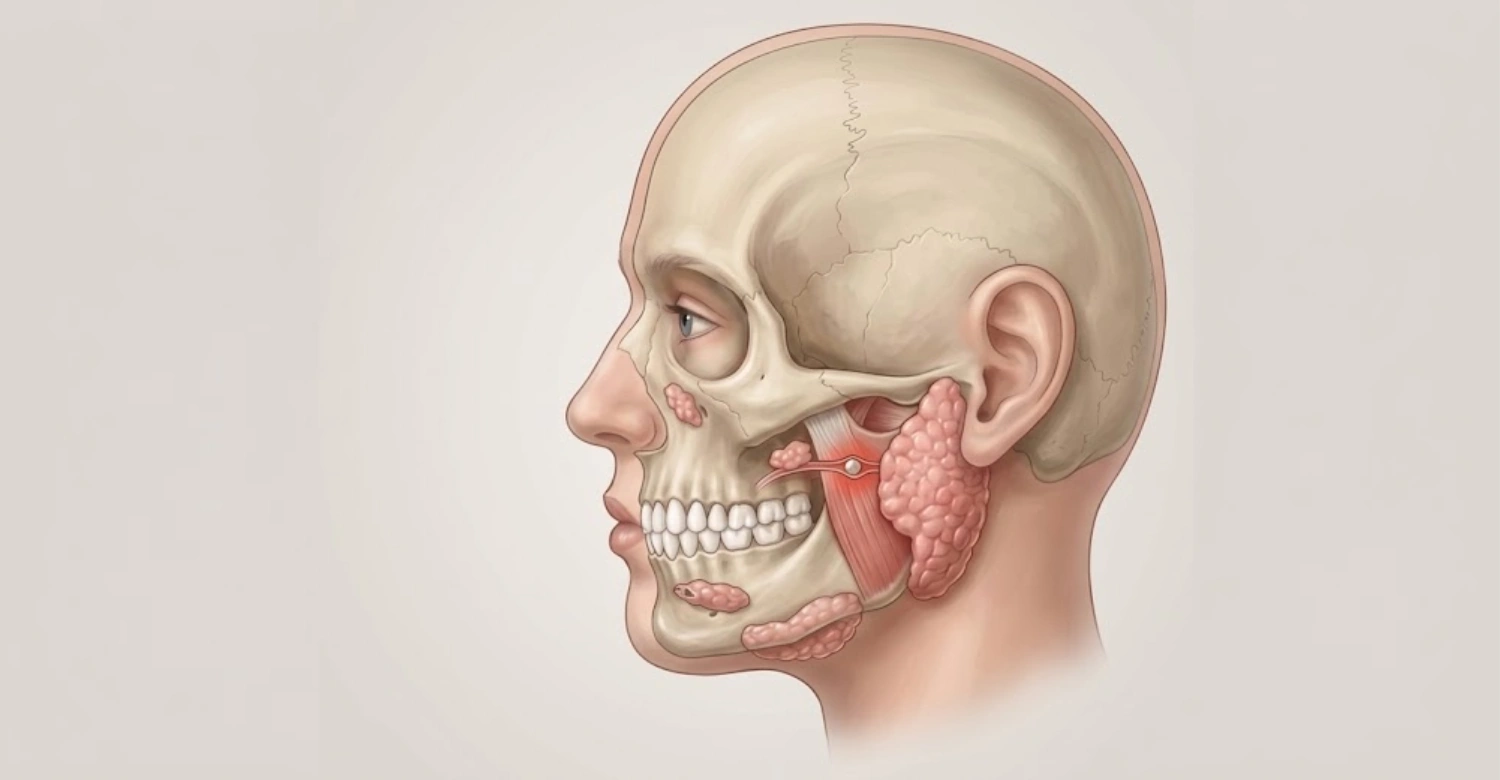
These stones usually form in the ducts connected to the two major pairs of glands responsible for most saliva production. The exact location can influence both the symptoms experienced and the approach to treatment.
Submandibular Gland Stones
Submandibular gland stones are the most common type of salivary gland stones. This is largely because the saliva produced by this gland is thicker, and the duct itself curves upward. That curve makes it easier for mineral deposits to collect and harden.
Parotid Gland Stones
Parotid gland stones are less common, but they can still cause noticeable swelling and discomfort. This is particularly true since the parotid duct runs along the cheek and empties near the upper back teeth.
How Do Salivary Duct Stones Block Saliva Flow?
A salivary duct stone blocks saliva flow by physically obstructing the narrow passage saliva normally travels through. This causes fluid to build up behind the blockage, which leads to swelling that often worsens when eating.
What Causes Salivary Gland Stones?
Several factors can contribute to the formation of these stones. Most relate to changes in saliva flow, composition, or overall hydration.
Decreased Saliva Flow
Decreased saliva flow allows minerals naturally present in saliva more time to settle and concentrate within the duct. This increases the likelihood that a stone will begin to form.
Dehydration and Dry Mouth
Dehydration and dry mouth reduce the amount of saliva produced. This can thicken the remaining saliva and make it more prone to forming deposits that eventually harden into a stone.
Changes in Saliva Composition
Changes in saliva composition, including higher concentrations of calcium or other minerals, can make crystallization more likely. This contributes to stone formation over time.
Poor Oral Hygiene and Other Contributing Factors
Poor oral hygiene and other contributing factors, such as certain medications that reduce saliva production, can increase the risk of mineral buildup within the salivary ducts.
Clinical Note
Salivary gland stones are usually related to obstruction of normal saliva flow rather than a problem with the teeth themselves. Persistent or recurrent swelling should be professionally evaluated to identify the cause of the blockage.
Note: All images used are for editorial and illustrative purposes only and may not originate from the original news provider or associated company.
What Are the Symptoms of Salivary Gland Stones?
Symptoms of this condition often develop gradually. They can vary depending on the size and location of the stone, as well as how much it obstructs saliva flow.
What Are the Most Common Salivary Gland Stone Symptoms?
Common salivary gland stone symptoms include swelling in the affected area and pain that worsens when eating. Other signs include a dry sensation in the mouth and, occasionally, a noticeable lump felt beneath the jaw or tongue.
Can Salivary Gland Stones Cause Pain?
Yes, salivary gland stones can cause pain, particularly when eating or anticipating a meal. These activities stimulate saliva production that has nowhere to go if the duct is blocked.
Why Does Swelling Get Worse When Eating?
Swelling gets worse when eating because the body increases saliva production in response to food. When a stone blocks the duct, this extra fluid has no way to drain, and pressure builds up.
Can a Blocked Salivary Gland Cause Dry Mouth?
Yes, a blocked salivary gland can contribute to dry mouth. Obstructed saliva flow reduces the amount of fluid reaching the mouth, particularly if more than one duct or gland is affected.
Can Salivary Stones Cause Infection?
Yes, salivary stones can lead to infection when trapped saliva allows bacteria to multiply behind the blockage. This may result in increased pain, redness, and sometimes fever.
How Are Salivary Gland Stones Diagnosed?
Diagnosing this condition typically involves a physical examination. Imaging is added when needed to confirm the size, location, and extent of the blockage.
Dental and Medical Examination
A dental and medical examination often includes checking for swelling and tenderness. The doctor may also gently press along the duct to feel for a hardened stone beneath the surface.
How Is a Salivary Duct Stone Detected?
A salivary duct stone is often detected through a combination of physical examination and imaging. Smaller stones may not always be felt directly, but they can still be causing symptoms.
When Are Imaging Tests Needed?
Imaging tests are needed when the stone cannot be felt during examination. They are also used when its exact location is unclear or when a more detailed view is required to plan treatment.
Ultrasound
Ultrasound is often the first imaging option used. It can identify many stones without exposing the patient to radiation, and it can also show associated swelling.
X-Ray and Other Imaging Tests
X-ray and other imaging tests, such as a CT scan, may be used when a stone is not clearly visible on ultrasound. They are also used when more detail is needed about its exact position.
How Can Doctors Tell a Salivary Stone From an Infection?
Doctors distinguish a salivary stone from an infection by considering symptom patterns, such as whether swelling worsens specifically with eating. Imaging findings and, when needed, laboratory tests to check for signs of infection also help confirm the diagnosis.
Can Salivary Gland Stones Affect Your Oral Health?
Salivary gland stones can affect oral health indirectly. This happens primarily by reducing saliva flow, which plays an important protective role for the teeth and soft tissues of the mouth.
Can a Blocked Salivary Gland Increase the Risk of Oral Problems?
Yes, a blocked salivary gland can increase the risk of oral problems. Reduced saliva flow allows bacteria and food particles to linger longer, which can contribute to decay or gum irritation over time.
How Does Reduced Saliva Affect the Teeth and Gums?
Reduced saliva affects the teeth and gums by limiting the natural rinsing and buffering action saliva normally provides. This can make the mouth more vulnerable to acid and bacteria.
Can Salivary Gland Blockage Cause Bad Breath?
Yes, salivary gland blockage can contribute to bad breath. Reduced saliva flow allows bacteria to build up more easily, and trapped saliva behind a blockage can sometimes have an unpleasant odor.
Why Is Normal Saliva Flow Important for Oral Health?
Normal saliva flow is important for oral health because it helps wash away food debris and neutralize acids. It also delivers minerals that support strong teeth, all of which are disrupted when flow is blocked.
Tips for the Patients
Maintaining good hydration and oral hygiene can support normal saliva flow and overall oral health. Patients with recurring swelling, pain, or signs of infection should seek professional evaluation rather than repeatedly treating the symptoms at home.
What Is the Treatment for Salivary Gland Stones?
Treatment for salivary gland stones depends on the size and location of the stone. It also depends on how much it is affecting saliva flow and whether infection is present.
What Is Salivary Stone Treatment?
Salivary stone treatment ranges from simple home measures, such as hydration and gentle massage, to procedures aimed at removing the stone when it does not pass on its own.
Can Small Salivary Stones Pass Naturally?
Yes, small salivary stones can sometimes pass naturally. This is particularly true with increased fluid intake, sour candy or citrus to stimulate saliva flow, and gentle massage of the affected area.
How Can Salivary Gland Stones Be Removed?
Salivary gland stones can be removed through a minor in-office procedure when they are close to the duct opening. A more involved technique is used when the stone is located deeper within the gland.
When Is a Procedure Needed?
A procedure is needed when a stone does not pass on its own or continues to cause symptoms. It is also needed when the stone is large enough that home measures are unlikely to resolve the blockage.
What Happens if a Salivary Gland Stone Is Left Untreated?
If a salivary gland stone is left untreated, it can lead to recurring swelling and ongoing discomfort. There is also a higher risk of infection, particularly if saliva continues to be trapped behind the blockage.
Clinical Note
The appropriate treatment depends on factors such as the stone's size, location, and symptoms, and on whether infection or significant obstruction is present. Treatment should therefore be based on an appropriate clinical assessment.
Can You Prevent Salivary Gland Stones?
Not every case can be prevented. Still, certain habits may help reduce the risk of developing these mineral deposits within the salivary glands.
How Can You Reduce the Risk of Salivary Gland Blockage?
The risk of salivary gland blockage may be reduced by staying well hydrated and maintaining good oral hygiene. Addressing any habits or medications known to reduce saliva flow also helps.
Does Drinking More Water Help Prevent Salivary Stones?
Yes, drinking more water can help prevent salivary stones. Adequate hydration keeps saliva flowing freely and reduces the concentration of minerals that contribute to stone formation.
How Can Oral Hygiene Support Salivary Gland Health?
Oral hygiene supports salivary gland health by reducing the overall bacterial load in the mouth. This may lower the risk of complications if a blockage does occur.
What Habits May Help Maintain Healthy Saliva Flow?
Habits that may help maintain healthy saliva flow include regular hydration and chewing sugar-free gum to stimulate saliva. Avoiding prolonged periods without eating or drinking also helps.
When Should You See a Dentist for Salivary Gland Stones?
A dentist should be consulted when swelling, pain, or other symptoms suggest a blockage. This is especially true when the symptoms have not improved with simple home measures such as hydration and massage.
Persistent or Recurrent Swelling
Persistent or recurrent swelling that does not go away, or that keeps coming back, is one of the clearest signs that a professional evaluation is needed.
Severe Salivary Gland Pain
Severe salivary gland pain, particularly pain that intensifies around mealtimes, often indicates a blockage. Such pain is significant enough to warrant a closer look.
Signs of Infection
Signs of infection, including fever, redness, or pus, should prompt immediate evaluation. Continued attempts to manage these symptoms at home are not advised.
Difficulty Eating or Swallowing
Difficulty eating or swallowing linked to swelling or discomfort in the mouth or jaw area is a clear reason to seek professional assessment.
Symptoms That Do Not Improve
Symptoms that do not improve within a reasonable time despite hydration and gentle home care warrant further evaluation. Further evaluation can help rule out a more significant blockage.
How Does Vitrin Clinic Approach Salivary Gland Stones?
Vitrin Clinic focuses on identifying the underlying cause of swelling and discomfort rather than simply addressing symptoms. Accurate diagnosis guides the most appropriate treatment.
Clinical Assessment and Diagnosis
Clinical assessment and diagnosis at Vitrin Clinic involve a thorough review of symptoms and a physical examination. Imaging is added when needed to confirm the presence and location of a blockage.
Evaluating Salivary Gland Symptoms
Evaluating salivary gland symptoms includes considering when swelling occurs and whether it is linked to eating. The evaluation also looks for any signs suggesting infection.
Personalized Treatment Planning at Vitrin Clinic
Personalized treatment planning at Vitrin Clinic is based on each patient's specific findings, including the size and location of any blockage. This approach replaces a single standard treatment for every patient.
Dr. Rifat Alsaman's Clinical Perspective
Dr. Rifat Alsaman, Head of the Medical team at Vitrin Clinic and a cosmetics dentist, highlights the importance of identifying the underlying reason for persistent salivary gland symptoms. He notes this matters more than focusing only on temporary relief. At Vitrin Clinic, the evaluation is tailored to the patient's symptoms and clinical findings.
What We Notice Clinically
According to Dr. Rifat Alsaman, Head of the Medical team at Vitrin Clinic and a cosmetics dentist, recurring symptoms deserve attention. Repeated salivary gland blockage may indicate an underlying issue that requires proper assessment. Dr. Rifat Alsaman recommends professional evaluation when symptoms persist, worsen, or repeatedly return.
Resource
https://pmc.ncbi.nlm.nih.gov/articles/PMC6529597/
https://pmc.ncbi.nlm.nih.gov/articles/PMC12651031/
https://www.isrctn.com/ISRCTN78711142
FAQs
Dr. Rifat Alsaman has more than 5 years of clinical experience in dentistry and currently serves as the Head of the Medical Team at Vitrin Clinic. He is dedicated to providing exceptional patient care, overseeing treatment planning, and ensuring the highest clinical standards across the team. His expertise, attention to detail, and commitment to continuous professional development have helped countless patients achieve healthier, more confident smiles.


