Dental Care Guide
September 27, 2026
Dental Inlays vs Onlays: What Is the Difference and Which Do I Need?
 Dr. Rifat Alsaman
Dental inlays vs onlays is a common comparison for patients whose tooth needs more protection than a filling can provide. Both are custom-made restorations. However, they differ in how much tooth structure they restore and where they sit. You may be thinking: "My dentist says I need an inlay or onlay, but I do not understand why one is better for my tooth." The choice depends on the extent of damage and the remaining tooth structure. Bite forces and cusp coverage needs also matter. An examination and appropriate imaging may be needed before deciding.
Dental Inlays vs Onlays: What Is the Difference?
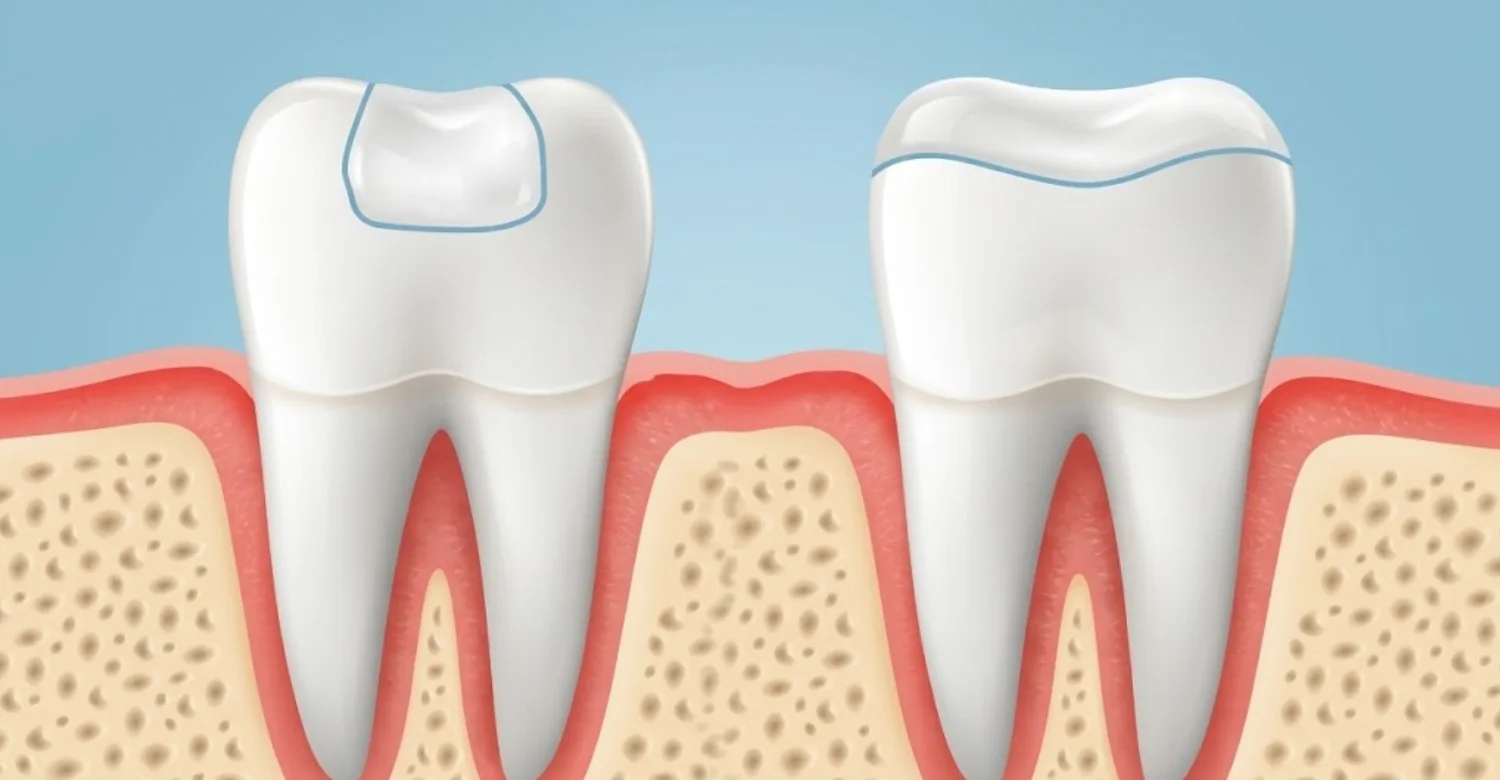
Dental inlays vs onlays differ mainly in how much of the tooth they cover. An inlay generally fits within the cusps of a tooth. An onlay can extend over one or more cusps when more tooth structure needs protection. Neither restoration is automatically "better." In the inlay vs onlay decision, suitability depends on the tooth's condition. Understanding the difference between inlays and onlays helps you follow your dentist's reasoning. It also helps you ask clearer questions during your consultation.
What Is a Dental Inlay?
A dental inlay is a custom-made restoration that sits within the chewing surface of a tooth, between the cusps. It may be considered when a tooth has moderate structural damage that does not require cusp coverage. A conventional filling is shaped directly in the mouth. An inlay, however, is fabricated outside the mouth and then bonded in place. This allows a precise fit and well-defined contours. Common materials include porcelain or ceramic and composite, depending on the clinical situation.
What Is a Dental Onlay?
A dental onlay covers part of the tooth's chewing surface and one or more cusps. Cusp protection matters because weakened cusps can fracture under biting forces. An onlay may be considered for larger cavities, weakened cusps, or teeth with significant existing restorations. In the context of dental inlays vs onlays, the onlay offers broader coverage. In selected cases, it can preserve more natural tooth structure than a full crown, because less of the tooth needs to be reduced.
Inlay vs Onlay: How Does My Dentist Decide?
Choosing a dental inlay or onlay does not follow a one-size-fits-all rule. Your dentist first assesses how much healthy tooth structure remains. The size and depth of the damaged area also matter, as does any weakened cusp. Existing fillings or restorations are reviewed. Bite forces, signs of grinding, and the tooth's location and function are considered too. Digital scans, photographs, X-rays, or other imaging may be used when clinically indicated. Together, these findings guide the dental inlays vs onlays decision.
When Might I Need an Inlay or Onlay?
You may need a dental inlay or onlay when a filling is no longer sufficient. At the same time, a full crown may remove more tooth structure than necessary. Common triggers include decay, a failing filling, or a weakened cusp. The restoration is selected according to the remaining tooth structure, not simply the size of the visible cavity. This is why dental inlays vs onlays are compared after a clinical examination, rather than by looking at the tooth alone.
Moderate Tooth Decay
Decay can remove enough tooth structure to make a conventional filling less suitable. A large direct filling may lack support or be harder to shape precisely. In selected cases, an inlay or onlay offers a more precisely fabricated alternative. However, not every large cavity requires an indirect restoration. Many can still be managed with a well-placed filling. When weighing dental inlays vs onlays for decay, your dentist considers depth, location, and how much sound tooth surrounds the damaged area.
A Large or Failing Filling
Teeth with large existing fillings can become weaker over time. Cracks, leakage around the edges, or recurrent decay under the filling may develop. The surrounding tooth structure can also become thin. These changes affect treatment planning. Before replacing the restoration, the underlying tooth must be assessed once the old filling is removed. Only then can your dentist confirm whether a dental inlay or onlay, a crown, or another option is appropriate. Hidden damage sometimes changes the original plan.
Weakened or Damaged Cusps
A cusp is one of the raised points on the chewing surface of a back tooth. Cusps take much of the force when you bite and chew. When a cusp is thinned by decay, cracks, or a large filling, it may break. A weakened cusp often needs additional protection. This is where dental inlays vs onlays differ most clearly. An inlay does not cover the cusp. An onlay, however, can extend over it and help reinforce it.
Understand the symptoms of Malocclusion of the Teeth
What Can I Expect During an Inlay or Onlay Treatment?
Treatment for dental inlays vs onlays follows a similar general path. However, the number of appointments is not fixed for every case. The exact workflow varies depending on the material, available technology, and the condition of the tooth. It also depends on whether the restoration is made in a dental laboratory or through a same-day workflow. Most treatments include three stages: examination and planning, tooth preparation, and creating and fitting the final restoration.
Examination and Treatment Planning
Treatment begins with a clinical examination of the tooth. Your dentist checks for decay, cracks, and the condition of any existing filling. X-rays or 3D imaging may be considered when appropriate. The bite and surrounding teeth are also assessed, because they affect how the restoration will function. Preserving healthy tooth structure is an important planning consideration. This stage determines whether a dental inlay or onlay is suitable, or whether another treatment is needed instead.
Preparing the Tooth
During preparation, decayed or damaged tissue is removed. Old filling material may also be taken out. The tooth is then shaped to create enough space for the restoration. Throughout this step, the aim is to preserve healthy structure wherever possible. Local anesthetic is usually used for comfort. If the definitive restoration is not completed during the same visit, a temporary restoration may be placed. This protects the tooth while the final inlay or onlay is fabricated.
Creating and Fitting the Restoration
Next, your dentist records the prepared tooth using traditional impressions or digital intraoral scanning. The restoration is then fabricated. This happens either in a laboratory or through a same-day milling workflow when available. Before final bonding or cementation, the dentist checks the fit, contact points, bite, and appearance. Small adjustments may be made at this stage. For both restorations, this careful fitting step helps the tooth function comfortably and keeps the margins well sealed.
Learn how to fix Craze Lines
Tips for Patients
A few focused questions can make your consultation about dental inlays vs onlays more useful:
Ask whether the damaged tooth still has enough healthy structure for an inlay or onlay.
Ask whether any cusp needs protection and why.
Ask which material is being recommended and why it suits your tooth.
Tell your dentist if you grind or clench your teeth.
Ask how your bite will be checked after the restoration is fitted.
Compare materials in Flexible Partial Dentures vs Metal
Inlay vs Onlay Cost: What Can Affect the Price?
Many patients ask about inlay vs onlay cost early in their research. However, there is no universal price for either restoration. The final fee reflects the clinical factors that determine complexity, not just the name of the treatment. Two teeth needing an onlay may require very different work. When comparing dental inlays vs onlays, it helps to separate the treatment price from the clinical reasons behind it. A case-specific assessment gives the most reliable estimate.
Factors That Can Change the Cost
Several factors can influence inlay vs onlay cost:
Restoration material, such as ceramic or composite
Tooth location
Extent of tooth damage
Number of surfaces involved
Digital scanning or other diagnostic requirements
Laboratory versus same-day fabrication
Need for additional restorative treatment
Complexity of bite adjustment
Because these factors vary, costs for dental inlays vs onlays are best discussed after an examination. Your dentist can explain which factors apply to your tooth. This helps avoid surprises once treatment begins.
Is an Onlay More Expensive Than an Inlay?
An onlay can cost more than an inlay in some cases. This is because it may involve greater coverage, more material, and more complex shaping. However, prices can overlap. A small onlay may cost about the same as a large inlay, depending on the material and clinical circumstances. For this reason, a fixed price should not be presented without a case-specific assessment. When comparing dental inlays vs onlays, the right restoration for your tooth matters more than the lower fee.
.jpg)
.jpg)
What Are the Benefits and Limitations of Inlays and Onlays?
Inlays and onlays offer several advantages, but they also have limits. Understanding both sides helps you set realistic expectations. A restoration that suits one tooth may be unsuitable for another. When dental inlays vs onlays are discussed at your consultation, ask about both the benefits and the limitations for your specific situation. The sections below summarize what these restorations can do well. They also explain where another treatment may be more appropriate for your tooth.
Potential Benefits
When planned for the right tooth, inlays and onlays can offer these benefits:
They may preserve more natural tooth structure than a full crown in appropriate cases.
They can restore the chewing function.
They can provide a precise fit when properly planned and fabricated.
They may offer an aesthetic option when tooth-colored materials are appropriate.
They can help protect weakened areas of the tooth.
These benefits depend on accurate diagnosis, careful fabrication, and good daily care at home.
Important Limitations
Inlays and onlays also have limitations:
They are not suitable for every damaged tooth.
Severe cracks or extensive structural loss may require another treatment, such as a crown.
Existing infection may require endodontic treatment before the definitive restoration.
Heavy grinding may influence material selection and treatment planning.
Good oral hygiene and regular dental monitoring remain important.
Knowing these limits helps you understand why your dentist may recommend a different option after assessing your tooth.
Discover treatments for Enamel Hypoplasia
Inlays vs Onlays: What Might the Before and After Feel Like?
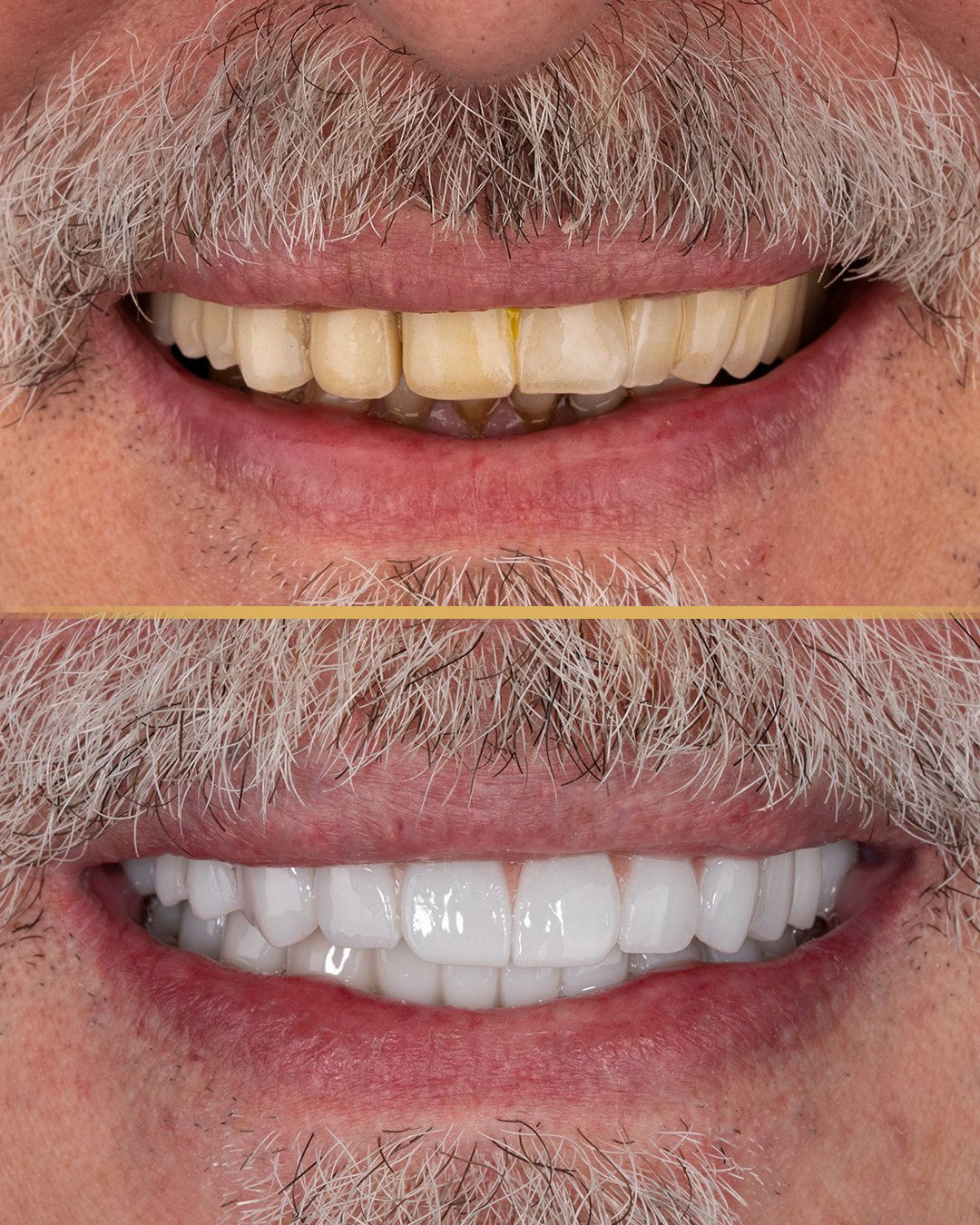
Expectations for dental inlays vs onlays should be realistic rather than cosmetic. Before treatment, you may notice sensitivity, food trapping, difficulty chewing, or discomfort, depending on the underlying problem. After treatment, the tooth may initially feel different while you adjust to the restoration. Temporary sensitivity can occur after restorative treatment. However, persistent or worsening symptoms should be assessed. The goal is to restore function and protect the remaining tooth structure, not simply to change its appearance.
Clinical Note
Dr. Rifat Alsaman, Head of the Medical Team and cosmetic dentist at Vitrin Clinic, notes that an inlay and an onlay should not be treated as interchangeable terms. An inlay generally remains within the tooth's cusps. An onlay can extend over weakened cusps. The dental inlays vs onlays decision should follow an assessment of tooth structure, occlusion, decay, existing restorations, and the overall prognosis of the tooth. Preserving natural tooth structure is often an important restorative goal when clinically possible. However, a crown may still be appropriate when too little structure remains.
Find out how CT Scans Detect Medication-Related Osteonecrosis of the Jaw
How Can You Protect an Inlay or Onlay After Treatment?
Good aftercare helps your restoration last. Once a dental inlay or onlay is fitted, the tooth still needs daily cleaning and protection from excessive force. The margins, where the restoration meets the natural tooth, are especially important. Plaque can collect there easily. Protecting your restoration also means managing habits such as grinding or chewing hard objects. Regular dental reviews complete the picture. The three habits below support long-term success for dental inlays vs onlays alike.
Maintain Daily Oral Hygiene
Brush twice daily with fluoride toothpaste, using a soft-bristled brush. Clean between your teeth every day with floss or interdental brushes. Pay particular attention to the margins around the restoration, where the inlay or onlay meets your natural tooth. Plaque left in these areas can lead to recurrent decay or gum irritation. A restoration can only stay healthy if the tooth around it stays healthy. Your dentist or hygienist can show you the best cleaning technique.
Be Careful With Excessive Bite Forces
Avoid using restored teeth to bite non-food objects, such as pens, nails, or packaging. Very hard foods, like ice, can also place stress on the restoration. You may be grinding at night if you wake with jaw soreness or headaches. Damaged restorations can be another sign. Discuss these signs with your dentist. In selected cases, a protective appliance may be recommended. Managing bite forces helps protect both the restoration and the surrounding natural tooth.
Keep Regular Dental Reviews
Professional examinations help identify recurrent decay, wear, cracks, or bite-related problems before they become serious. Your dentist can check the margins of the restoration and monitor the remaining tooth structure. X-rays may be taken when appropriate. It is important to remember that an inlay or onlay does not make the tooth immune to future dental disease. The natural tooth underneath still needs care. Regular reviews allow small issues to be managed early and simply.
When Should You Have the Tooth Checked?
Rather than waiting for significant discomfort, seek dental assessment if you notice:
Persistent sensitivity to hot or cold
Pain when biting
A filling that feels loose or fractured
A visible crack or chipped cusp
Food repeatedly becoming trapped around the tooth
Increasing sensitivity or discomfort
A restoration that feels unusually high when you bite
Symptoms can have different causes. They should not automatically be attributed to a failed filling or a need for an onlay. An examination helps clarify the real cause.
Read about Vitamin B1 Deficiency and Tooth Damage
What We Notice Clinically
The visible cavity does not always reveal how much structural support a tooth has lost. Dr. Rifat Alsaman, Head of the Medical Team and cosmetic dentist at Vitrin Clinic, emphasizes that treatment planning should consider the remaining healthy tooth structure. The size of the cavity alone is not enough. Dr. Rifat Alsaman, Head of the Medical Team and cosmetic dentist at Vitrin Clinic, also considers the tooth's bite relationship and functional demands. Preserving sound tooth structure may influence whether dental inlays vs onlays, or another restoration, suit the case. A restoration that looks suitable may still need modification after checking the bite.
Vitrin Clinic's Approach to Restorative Treatment
At Vitrin Clinic, treatment planning begins with assessing the tooth rather than selecting a restoration in isolation. Clinical examination, digital intraoral scanning, photography, and imaging are used when clinically indicated. Digital workflows can help assess fit, contacts, and occlusion. Planning is individualized, with preservation of healthy tooth structure where clinically appropriate. Dr. Rifat Alsaman, Head of the Medical Team and cosmetic dentist at Vitrin Clinic, oversees individualized clinical planning within the medical team. If you have a damaged, heavily restored, or painful tooth, arrange a professional assessment to find out which restorative option may be appropriate.
Takeaway: Choosing Between an Inlay and an Onlay
Understanding dental inlays vs onlays comes down to one central distinction. An inlay generally remains within the cusps, while an onlay may extend over one or more cusps. The correct choice depends on the amount of remaining healthy tooth structure. The functional demands placed on the tooth matter too. The inlay vs onlay decision should follow a clinical assessment, not appearance or price alone. If you have a damaged or heavily restored tooth, an examination can show whether an inlay, onlay, crown, or other treatment is appropriate.
References:
FAQs
Dr. Rifat Alsaman has more than 5 years of clinical experience in dentistry and currently serves as the Head of the Medical Team at Vitrin Clinic. He is dedicated to providing exceptional patient care, overseeing treatment planning, and ensuring the highest clinical standards across the team. His expertise, attention to detail, and commitment to continuous professional development have helped countless patients achieve healthier, more confident smiles.


