Dental Care Guide
September 28, 2026
How to Stop Acid Erosion on Teeth and Protect Your Enamel?
 Dr. Rifat Alsaman
Learning how to stop acid erosion on teeth begins with understanding why enamel wears away. Acids from foods, drinks, and reflux slowly soften and dissolve the surface of your teeth. This guide covers the causes, symptoms, prevention, and treatment of enamel erosion. It also explains how Vitrin Clinic helps patients protect their enamel for the long term.
What Is Acid Erosion on Teeth?
Acid erosion is the gradual loss of tooth enamel caused by acid, not bacteria. Understanding this process is the first step in how to stop acid erosion on teeth.
What Is Tooth Enamel Erosion?
Tooth enamel erosion is the gradual wearing away of the hard outer layer of your teeth. Unlike cavities, which bacteria cause, erosion results from direct contact with acid. Over time, the enamel becomes thinner and weaker. Teeth then become more sensitive and more vulnerable to further damage.
How Does Acid Damage Tooth Enamel?
When acids touch your teeth, they dissolve minerals such as calcium and phosphate from the enamel. This temporarily softens the surface. Saliva can repair minor mineral loss, but frequent acid attacks outpace this natural defense. Reducing these attacks is central to protecting your enamel.
Why Is Enamel Vulnerable to Acid?
Enamel is the hardest substance in the body. Yet it is made mostly of mineral crystals that dissolve in acidic conditions. When the mouth's pH drops, these crystals begin to break down. Because enamel has no living cells, it cannot rebuild itself once it is permanently lost.
What Happens When Acid Erosion Progresses?
As erosion advances, the enamel thins and the yellowish dentin underneath becomes more visible. Teeth may become sensitive, discolored, rounded, or chipped at the edges. Without intervention, the damage deepens and may require restoration. This is why early action matters so much.
Clinical Note
Enamel cannot grow back once it is permanently lost, because it has no living cells. This makes early identification essential. Recognizing the first signs of erosion allows patients and dentists to act quickly. Early action prevents further enamel loss and preserves as much natural tooth structure as possible.
What Causes Acid Erosion on Teeth?
Identifying the source of acid is essential when deciding how to stop acid erosion on teeth. Both dietary habits and internal health factors can contribute to enamel loss.
Causes of Acid Erosion on Teeth
The main causes of acid erosion on teeth fall into two groups. External acids come from foods and drinks. Internal acids come from the stomach, such as those brought up by reflux. Frequent snacking, dry mouth, and certain habits can also increase acid exposure.
Enamel Erosion From Acidic Foods and Drinks
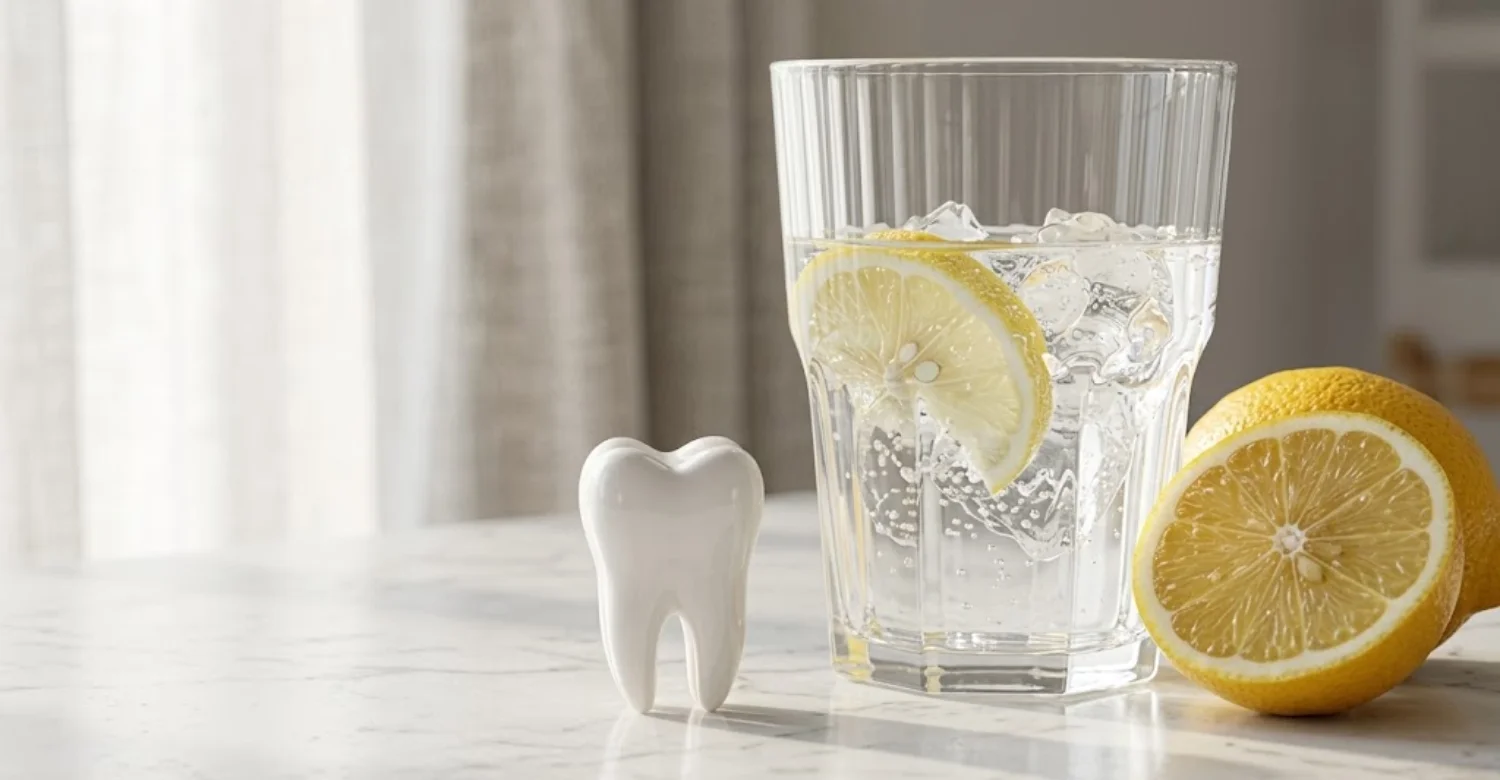
Enamel erosion from acidic foods is one of the most common problems dentists see. Soft drinks, sports drinks, fruit juices, citrus fruits, wine, and vinegar-based foods can all lower the mouth's pH. Consuming them often, especially between meals, gives enamel little time to recover.
Acid Reflux and Tooth Erosion
The link between acid reflux and tooth erosion is well recognized. Stomach acid is highly acidic and can damage enamel when it rises into the mouth. The inner surfaces of the teeth are often affected most. Managing reflux is therefore a key part of protecting your teeth.
How Frequent Acid Exposure Affects Enamel
How often acid touches your teeth matters as much as how acidic it is. Each exposure softens the enamel. Saliva then needs time to neutralize the acid and restore minerals. Sipping acidic drinks all day keeps teeth under constant attack and speeds up erosion.
Other Dietary and Oral Factors That Can Increase Acid Exposure
Dry mouth increases acid exposure because it reduces saliva's protective effect. Holding acidic drinks in the mouth has a similar effect. Frequent snacking on acidic foods also raises the risk. Brushing too hard after acid exposure can further damage softened enamel.
Tips for the Patients
These simple habits help protect your enamel in daily life:
Reduce frequent exposure to highly acidic foods and beverages.
Avoid prolonged sipping of acidic drinks throughout the day.
Rinse your mouth with water after acidic foods or drinks.
Do not brush immediately after significant acid exposure.
Understand the details of Folate Deficiency and Oral Health
What Are the Symptoms of Acid Erosion on Teeth?
Recognizing the warning signs early helps you act before the damage becomes severe and harder to treat.
Acid Erosion Teeth Symptoms
Common acid erosion teeth symptoms include sensitivity to hot, cold, or sweet foods. Other signs are yellowing, smooth or shiny surfaces, transparent edges, and small chips or cracks. These changes often develop slowly. Many people notice them only after the enamel has thinned significantly. Regular checkups help detect them sooner.
Increased Tooth Sensitivity
As enamel thins, the dentin beneath it becomes exposed. Dentin contains tiny channels leading toward the nerve. Hot, cold, sweet, or acidic foods can then trigger sharp discomfort. Sensitivity is often one of the earliest warning signs of erosion.
Yellowing or Changes in Tooth Appearance
Enamel is naturally translucent, while dentin is yellow. As enamel thins, more dentin shows through, making teeth look yellow or dull. This discoloration is not surface staining, so whitening products may not help. They can even increase sensitivity in teeth that are already eroded.
Smooth, Thin, or Transparent Enamel
Eroded teeth often develop a smooth, glossy appearance as natural surface features wear away. The biting edges of the front teeth may look slightly transparent or glassy. This happens because the enamel has become very thin. Report these subtle changes to your dentist, as they indicate ongoing enamel loss.
Changes in Tooth Shape and Edges
Advanced erosion can change the shape of teeth. Edges may become rounded, uneven, or chipped, and small dents may appear on chewing surfaces. Fillings may seem to stand above the surrounding tooth. These signs show that acid damage has progressed and needs prompt professional attention.
 Note : All images are for editorial and illustrative purposes only. They may not originate from the original news provider or associated company.
Explore Electrolyzed Saline and Airborne Bacteria in Dental Procedures
How to Prevent Acid Erosion on Teeth?
Prevention is the foundation of how to stop acid erosion on teeth. It starts with small daily changes that reduce acid contact and support your natural enamel.
How to Protect Tooth Enamel From Acid
Learning how to protect tooth enamel from acid means limiting acid exposure and supporting saliva. It also means strengthening the enamel you still have. Simple habits can make a meaningful difference. These include drinking water, using fluoride toothpaste, and timing your brushing correctly.
Limit Acidic Foods and Drinks
Reducing how often you consume acidic foods and drinks is one of the most effective steps. Enjoy them with meals rather than between them. Use a straw for acidic beverages, and avoid sipping them slowly over long periods.
Drink Water After Acidic Foods
Rinsing with water after acidic foods and drinks washes away acid and restores a more neutral pH. This simple habit supports saliva's natural protective role. Choosing water instead of acidic beverages also reduces the total number of daily acid attacks.
Use Fluoride Toothpaste
Fluoride strengthens enamel and makes it more resistant to acid. Brushing twice daily with fluoride toothpaste supports the remineralization of early, weakened areas. Your dentist may recommend a specific toothpaste for sensitivity or enamel protection.
Avoid Brushing Immediately After Acid Exposure
After acid exposure, enamel is temporarily softened. Brushing right away can wear this weakened surface more easily. Instead, rinse with water and wait before brushing, giving saliva time to neutralize the acid. Use a soft-bristled brush and a gentle technique to avoid extra mechanical wear.
Manage Acid Reflux When It Affects Your Teeth
Heartburn, regurgitation, or a sour taste in your mouth may mean reflux is affecting your teeth. Controlling reflux through medical advice and lifestyle changes reduces the stomach acid reaching your enamel. For many patients, this step is crucial.
Clinical Note
Prevention focuses on two goals: reducing acid exposure and strengthening the remaining enamel. Dietary adjustments, better timing, and fluoride all contribute. However, persistent reflux may require medical evaluation in addition to dental care. Dental treatment alone cannot control the underlying source of stomach acid.
How to Stop Acid Erosion on Teeth From Getting Worse?
Once erosion has started, the goal is to halt its progression. Knowing how to stop enamel erosion is the practical, day-to-day side of protecting your teeth.
How to Stop Enamel Erosion
How to stop enamel erosion depends on removing the cause and protecting what remains. This means identifying the acid source and adjusting daily habits. It also means improving oral hygiene and attending regular dental visits. Together, these steps slow further damage and preserve natural tooth structure.
Identify and Control the Source of Acid Exposure
Every effective plan for how to stop acid erosion on teeth begins by finding the source. It may be diet, reflux, dry mouth, or a combination of factors. A simple food and drink diary can help you and your dentist spot patterns. It also helps target the most damaging habits.
Improve Daily Oral Hygiene
Good oral hygiene supports eroded enamel. Brush gently twice a day with fluoride toothpaste and a soft-bristled brush. Clean between your teeth daily, and avoid abrasive whitening products. Gentle, consistent care protects weakened enamel from extra wear while fluoride strengthens the remaining surfaces.
Protect Teeth From Repeated Acid Attacks
Limiting the number of daily acid attacks matters more than avoiding acid completely. Group acidic foods with meals, and finish meals with water or a neutral food. Avoid holding acidic drinks in your mouth. These habits reduce the time your enamel spends in an acidic environment.
Schedule Regular Dental Examinations
Regular dental examinations allow early detection of erosion and monitoring of its progress. Your dentist can compare changes over time and recommend fluoride or sensitivity products. Routine visits also help you avoid restorative treatment whenever possible.
Tips for the Patients
Small, consistent actions help keep erosion from progressing:
Maintain consistent, gentle oral hygiene every day.
Choose enamel-friendly foods and drinks more often.
Follow your dentist's recommendations for fluoride or sensitivity products.
Seek professional evaluation if sensitivity or visible enamel changes continue.
What Is the Treatment for Acid Erosion on Teeth?
Treatment aims to protect the remaining enamel, relieve symptoms, and restore damaged teeth when needed.
Acid Erosion Teeth Treatment
Acid erosion teeth treatment depends on how much enamel has been lost. Early cases may need only preventive care and fluoride. Moderate cases may require sensitivity management, while advanced cases may call for restorations. In every case, treatment works best when the source of acid is controlled.
Tooth Enamel Erosion Treatment
Tooth enamel erosion treatment usually combines prevention, protection, and repair. Dentists assess the severity and identify the cause. They may then recommend professional fluoride, desensitizing products, or restorations. Restorations include bonding, veneers, and crowns. Knowing how to stop acid erosion on teeth protects these results from further damage.
Can Fluoride Help Protect Eroded Enamel?
Yes. Fluoride strengthens weakened enamel and makes it more resistant to future acid attacks. Dentists may apply professional fluoride varnish or recommend a high-fluoride toothpaste. Fluoride cannot replace enamel that is permanently lost. However, it helps protect and remineralize the remaining enamel, slowing further erosion.
How Dentists Manage Tooth Sensitivity
Dentists manage sensitivity by protecting exposed dentin. Options include desensitizing toothpaste, fluoride applications, and protective coatings or sealants. In more advanced cases, bonding can cover exposed surfaces. Reducing sensitivity improves comfort while treatment addresses the underlying erosion and its causes.
Restorative Options for Significant Enamel Loss
When enamel loss is significant, restorative treatment can rebuild tooth shape, strength, and appearance. Options include dental bonding, veneers, and crowns, depending on the extent of damage. These treatments succeed best when paired with a clear plan to control acid exposure.
Learn more about Rodent-Borne Disease and Dental Health
How to Repair Enamel Erosion and Restore Damaged Teeth?
Repair focuses on strengthening weakened enamel and restoring areas already lost. It works best alongside the steps that stop further acid damage.
How to Repair Enamel Erosion
How to repair enamel erosion depends on the stage of damage. Early softening can be strengthened through remineralization with fluoride. Permanently lost enamel must be replaced with materials such as bonding, veneers, or crowns. A dentist chooses the right approach for each tooth after a careful examination.
Can Lost Tooth Enamel Grow Back?
No. Once enamel is permanently lost, it cannot grow back because it contains no living cells. However, early mineral loss can be partly reversed through remineralization. This is why early action is so important for preserving your natural enamel.
Remineralization of Early Enamel Damage
Remineralization restores minerals to enamel that is weakened but not completely lost. Fluoride toothpaste, professional fluoride treatments, and healthy saliva flow all support this process. It works best in the early stages of erosion. It also makes the enamel surface stronger and more resistant to future acid attacks.
Dental Bonding for Enamel Loss
Dental bonding uses tooth-colored resin to cover areas of enamel loss. It can protect exposed dentin, reduce sensitivity, and restore the appearance of worn edges. Bonding is a conservative option that often needs little or no removal of natural tooth structure. This makes it suitable for mild to moderate erosion.
Veneers and Crowns for Advanced Tooth Damage
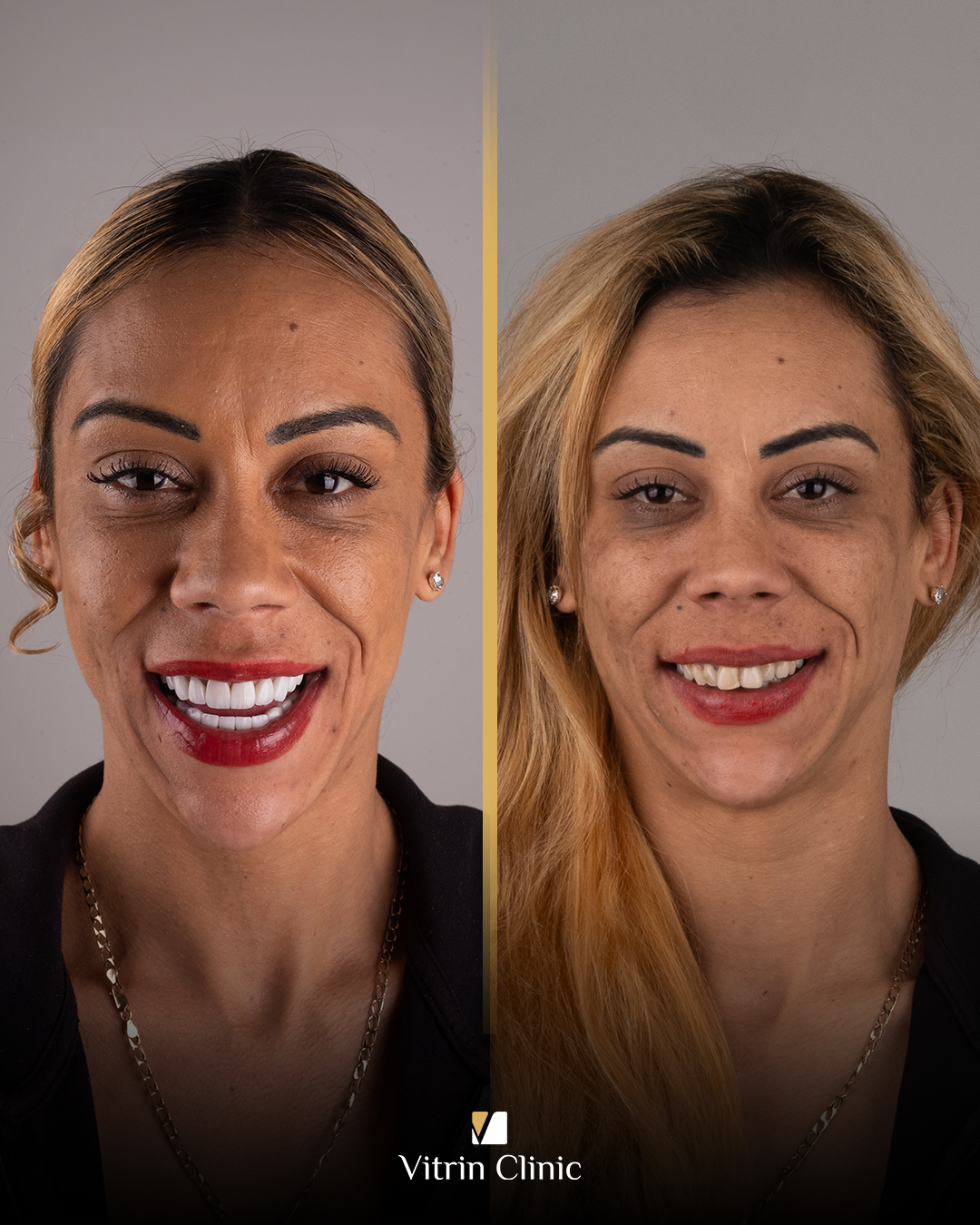
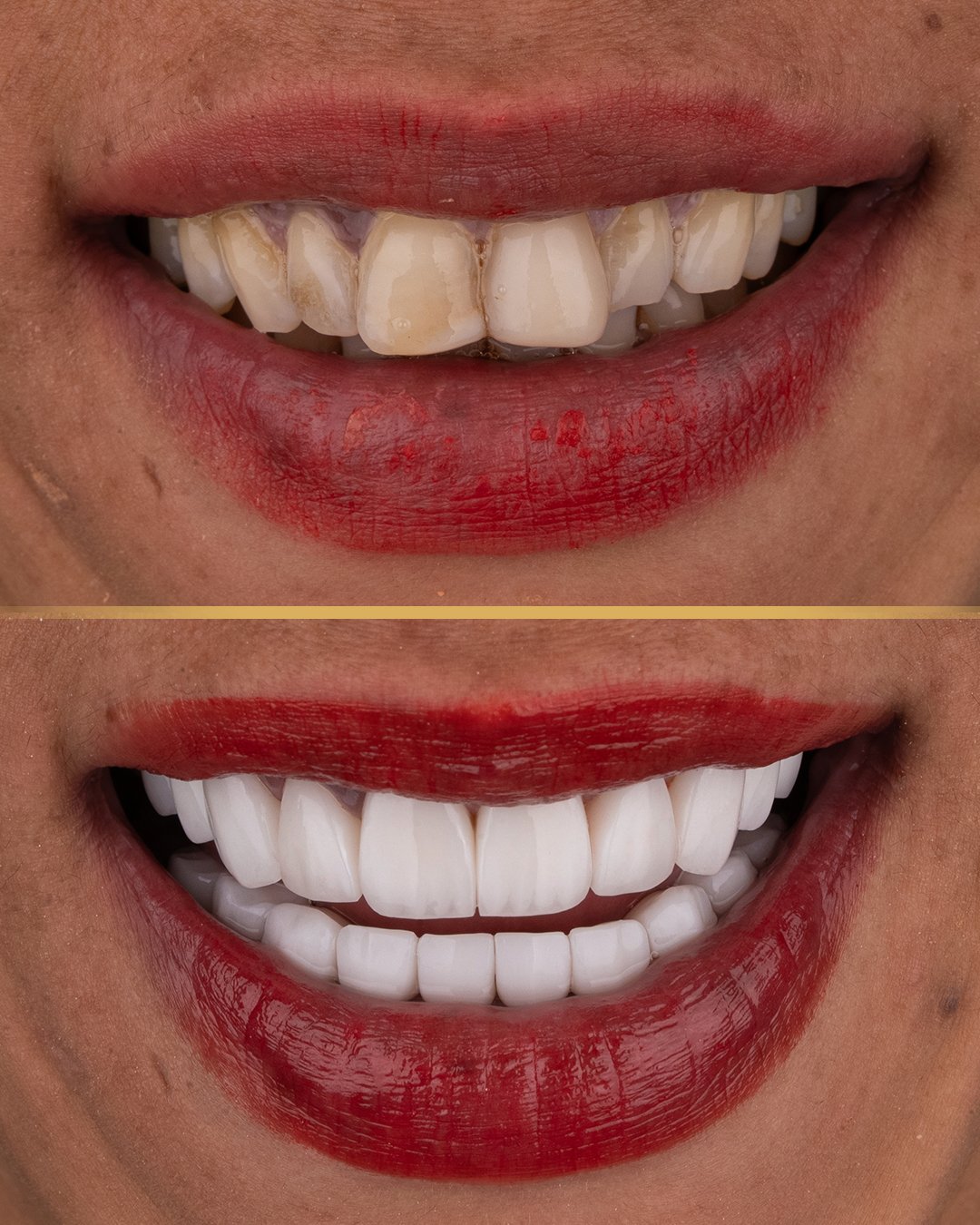
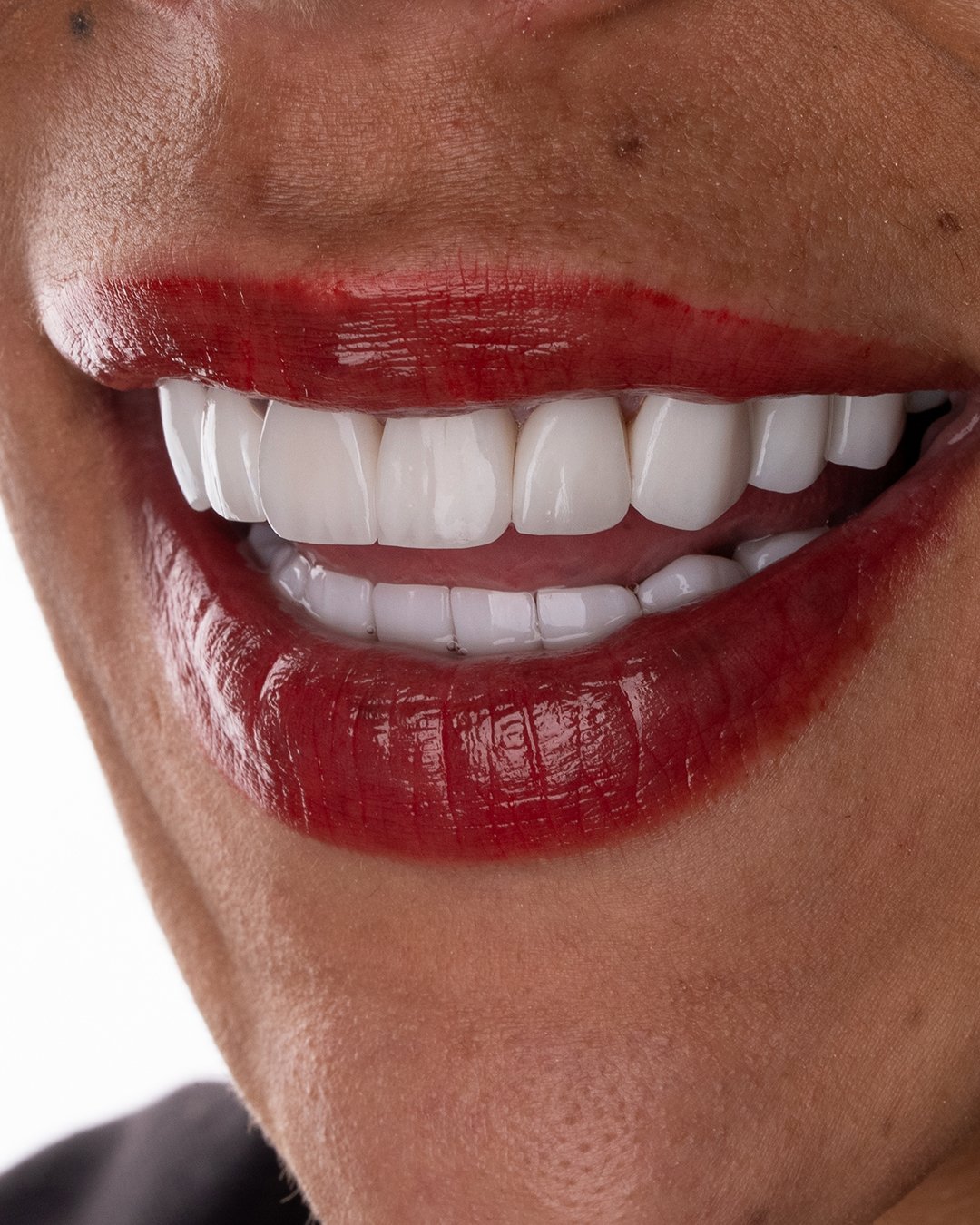
For advanced damage, veneers and crowns provide stronger, longer-lasting coverage. Veneers cover the front surfaces of visible teeth. Crowns encase the entire tooth to restore strength and shape. Both suit teeth with significant structural loss, but their success still depends on controlling acid exposure.
Choosing Treatment Based on the Severity of Erosion
Treatment choice follows the severity of erosion. Mild cases focus on prevention and remineralization. Moderate cases may need bonding to protect sensitive areas. Advanced cases may require veneers or crowns. A thorough assessment ensures each patient receives the least invasive effective treatment.
Clinical Note
Remineralizing weakened enamel is different from replacing enamel that is permanently lost. The first strengthens existing tooth structure, while the second requires restorative materials. Cosmetic and restorative treatment should follow only after ongoing acid exposure is addressed. Otherwise, the same acids can keep damaging both teeth and restorations.
How Does Vitrin Clinic Treat Teeth Affected by Acid Erosion?
Vitrin Clinic follows a structured approach that addresses both the damage and its causes. This gives patients a clear path for how to stop acid erosion on teeth.
Comprehensive Enamel and Tooth Assessment at Vitrin Clinic
At Vitrin Clinic, treatment begins with a detailed examination of the enamel and overall tooth condition. The team evaluates the extent of erosion, sensitive areas, changes in tooth shape, and existing restorations. This assessment supports an accurate diagnosis and an appropriate treatment plan.
Identifying the Cause of Enamel Erosion
Vitrin Clinic places strong emphasis on finding why erosion is happening. The team reviews diet, drinking habits, reflux symptoms, and oral hygiene routines. This helps pinpoint the main sources of acid exposure. Addressing the cause is essential for effective, lasting results.
Personalized Acid Erosion Teeth Treatment
Every patient at Vitrin Clinic receives an individual plan based on the severity and causes of erosion. This may include fluoride treatments, sensitivity management, dietary guidance, and restorative care. A personalized approach meets each patient's specific needs instead of offering a one-size-fits-all solution.
Restorative and Cosmetic Options at Vitrin Clinic
When enamel loss affects function or appearance, Vitrin Clinic offers bonding, veneers, and crowns. These treatments rebuild damaged teeth and improve their appearance. They are recommended once the acid source has been evaluated and a protection plan is in place.
Long-Term Protection of the Remaining Enamel
Protecting the remaining enamel is an ongoing process. Vitrin Clinic supports patients with preventive guidance, fluoride recommendations, and regular follow-up visits. This long-term focus helps maintain treatment results. It also gives patients lasting confidence in how to stop acid erosion on teeth.
What We Notice Clinically
At Vitrin Clinic, the focus is on assessing the enamel, identifying contributing factors, and building an individual treatment plan. Dr. Rifat Alsaman is Head of the Medical Team at Vitrin Clinic and a cosmetic dentist. Dr. Alsaman emphasizes evaluating the cause of enamel loss before choosing restorative or cosmetic treatment. This protects results from ongoing damage.
Tips for the Patients
To protect your results after treatment:
Follow the recommended preventive routine after treatment.
Continue regular dental checkups at Vitrin Clinic.
Address ongoing acid exposure to help protect the results of your treatment.
Compare options in Traditional Bridge vs Cantilever Bridge
About Vitrin Clinic
Vitrin Clinic is a dental clinic dedicated to healthy, confident smiles through careful diagnosis and personalized care. The clinic is led by Dr. Rifat Alsaman, Head of the Medical Team and a cosmetic dentist. The team identifies the root cause of every dental problem before recommending treatment. The clinic offers preventive, restorative, and cosmetic services. These include fluoride treatments, sensitivity management, dental bonding, veneers, and crowns. Each plan is tailored to the patient's condition and goals. Through regular checkups and ongoing guidance, the clinic protects results and supports long-term oral health.
Resource:
https://pubmed.ncbi.nlm.nih.gov/31610535/
FAQs
Dr. Rifat Alsaman has more than 5 years of clinical experience in dentistry and currently serves as the Head of the Medical Team at Vitrin Clinic. He is dedicated to providing exceptional patient care, overseeing treatment planning, and ensuring the highest clinical standards across the team. His expertise, attention to detail, and commitment to continuous professional development have helped countless patients achieve healthier, more confident smiles.


