Dental Implant
September 25, 2025
Is a Single Tooth Implant the 1 Life-Changing Solution for Missing Teeth?
 Dr. Rifat Alsaman
Losing a tooth can affect more than your smile. It can also impact chewing and confidence. A single tooth implant restoration offers a permanent, natural-looking way to replace one missing tooth. Unlike bridges, this approach does not require altering adjacent healthy teeth. It preserves your natural dental structure while providing durability and aesthetics.
What Makes a Single Tooth Implant Unique?
All dental implants share the same basic principle: replacing the tooth root. However, this type of implant is unique in its application. Other types, such as implant-supported bridges or full-arch implants, are designed to replace multiple missing teeth.
This solution is specifically customized for one missing tooth. This specialization often means a less complex procedure. It requires less surgical intervention and has a shorter recovery time compared to more extensive implant work.
The focus is entirely on restoring one tooth, from a front tooth to a molar, with minimal disruption to the rest of the mouth.
Why Do People Choose This Instead of a Bridge?
Many people opt for this over a traditional dental bridge for several reasons. The primary advantage is the preservation of healthy adjacent teeth.
A bridge requires the dentist to file down the enamel of neighboring teeth. This creates a foundation for the bridge, which can weaken them over time. This implant, however, is self-supporting.
It is a more conservative treatment option. Additionally, a dental implant stimulates the jawbone. This prevents the bone loss that often occurs when a tooth is missing. A bridge does not provide this benefit.
The longevity of this option is also a major factor. With proper care, they can last a lifetime. Bridges typically need replacement after 10–15 years.
Clinical Honesty: What’s The Catch with Single Tooth Implants?
This treatment is considered one of the most advanced solutions for replacing a missing tooth. However, understanding its limitations is important before making a decision. Although these implants offer excellent stability, natural appearance, and long-term function, they require sufficient bone volume, healthy gums, proper oral hygiene, and a carefully planned treatment process.
Some patients may experience challenges such as longer healing periods, the need for bone grafting, or higher initial costs compared with traditional bridges. However, with modern implant planning and experienced dental teams, these concerns can often be managed successfully.
At Vitrin Clinic, every implant case begins with a detailed examination and digital planning process. This helps determine whether an implant is the right solution for each patient. Dr. Rifat Alsaman, Head of the Medical Team at Vitrin Clinic and a cosmetics dentist, explains that successful implant treatment is not only about placing the implant. It also involves evaluating bone health, gum condition, bite balance, and long-term patient expectations.
The Long-Term Numbers: Global Success Rates of Single Implantology
These implants are among the most predictable solutions for replacing missing teeth. Global studies show high long-term success rates when proper planning, placement, and maintenance are followed. The success of this treatment depends on several factors, including bone quality, gum health, implant design, surgical accuracy, and the patient’s oral hygiene routine.
At Vitrin Clinic, implant treatments are planned using detailed assessments to improve accuracy and achieve natural-looking results. Dr. Rifat Alsaman, Head of the Medical Team at Vitrin Clinic and a cosmetics dentist, explains that implant success is not only measured by survival of the implant. It also involves restoring proper function, comfort, and smile aesthetics. With professional follow-up care and good daily hygiene, many patients can enjoy their implants for many years.
What Are the Success Rates for This Treatment?
Research shows that this type of implant has some of the highest success rates among dental replacement options. Many studies report success rates above 90% over long-term follow-up periods. The final outcome depends on several factors, including implant quality, surgical technique, bone condition, oral hygiene, and regular dental maintenance.
Unlike bridges, these implants replace the missing tooth root without affecting neighboring teeth. This helps preserve natural tooth structure and support jawbone health.
According to Dr. Rifat Alsaman, Head of the Medical Team at Vitrin Clinic and a cosmetics dentist, the key factor behind successful implants is personalized treatment planning. Dr. Alsaman brings extensive experience in implant dentistry, with a career spanning academic hospitals and leading dental tourism clinics. He has successfully completed thousands of complex rehabilitation cases. At Vitrin Clinic, advanced diagnostic tools are used to evaluate every patient’s individual condition before treatment. This approach helps achieve predictable and natural-looking results.
What Dental Problems Can a Single Tooth Implant Solve?
A a solitary implant can effectively solve a range of dental problems. The most obvious is replacing a missing tooth, whether lost due to decay, trauma, or gum disease.
Beyond aesthetics, it restores chewing function, prevents adjacent teeth from shifting into the gap, and maintains jawbone integrity.
This is particularly important for a front tooth replacement, where the visual impact of a missing tooth can be significant. It’s an effective solution for anyone looking to restore their smile’s beauty and function without compromising the health of their remaining teeth.
Compare your options in Types of partial dentures.
How Does the Single Tooth Implant Procedure Work?
The procedure for replacing a single missing tooth is a well-established, multi-stage process designed to ensure the best possible outcome. It begins with a thorough examination and treatment planning, followed by the surgical placement of the implant, and finally, the attachment of the new tooth.
This comprehensive approach ensures that the new tooth is perfectly aligned, stable, and aesthetically pleasing. Understanding the step-by-step process helps patients feel more comfortable and prepared for the journey ahead.
What Are the Main Steps in Getting a Single Tooth Implant?
Consultation & planning – exam, X-rays, treatment plan.
Tooth extraction/bone graft (if needed).
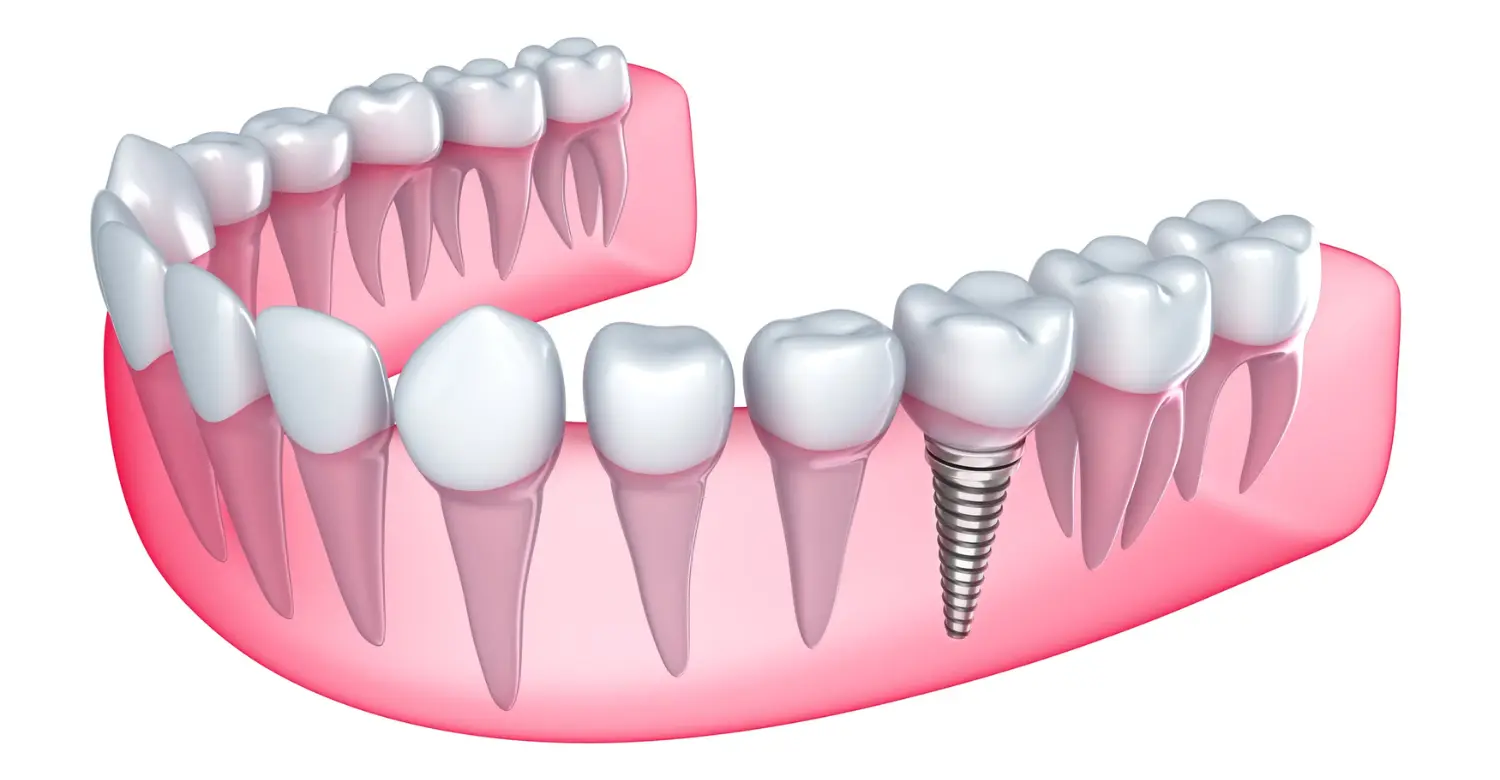
Implant placement surgery – screw placed in jawbone.
Healing (osseointegration) – implant fuses with bone.
Abutment placement – connector added.
Crown fabrication & placement – custom crown attached.
Follow-up care – checkups and proper oral hygiene.
What Happens During the Initial Consultation?
Your dentist performs a comprehensive examination, including medical history review, clinical assessment, and discussion of your goals and concerns.
This appointment establishes whether you’re a suitable candidate and addresses any preliminary questions about the procedure.
What Scans or Tests Are Required Before the Implant?
Advanced 3D imaging, including CBCT scans, provides detailed information about your jawbone density, nerve locations, and optimal implant positioning. These scans ensure precise treatment planning and minimize procedural risks.
How Is the Implant Placed into the Jawbone?
Under local anesthesia, your surgeon creates a precise opening in the jawbone and carefully places the titanium implant. The site is then sutured, and a temporary restoration may be placed for aesthetics during healing.
What Happens After the Implant Is Placed?
The healing period allows osseointegration to occur, where your bone grows around and bonds with the implant surface. This process typically takes 3-6 months, depending on your healing capacity and bone quality.
Learn the basics in Partial dentures overview.
How Long Does the Whole Single Tooth Implant Process Take?
The duration of the entire treatment can vary, but typically spans from three to six months. This timeframe is largely dependent on the healing period required for osseointegration. For some patients, additional procedures like bone grafting may be necessary, which can extend the timeline.
It’s important to remember that this process ensures a successful and lasting result. How long does a single tooth dental implant take? The surgical part is quick, but the overall process takes time for proper healing.
What Materials Are Used in a Single Tooth Implant?
The materials used for this tooth replacement are carefully selected for their biocompatibility and strength. The implant screw is most commonly made from titanium, and the crown is typically made from porcelain or ceramic. These materials are chosen for their durability, resistance to corrosion, and ability to seamlessly blend with natural teeth.
What Is the Role of Titanium in Dental Implants?
Titanium is the gold standard for dental implants due to its unique properties. It is a biocompatible material, meaning the body does not recognize it as a foreign object, allowing it to fuse with the jawbone without rejection.
This process, known as osseointegration, is the foundation of a successful a single-unit implant. Titanium is also incredibly strong and lightweight, providing a durable base for the new tooth.
Are Ceramic Implants Better Than Titanium Implants?
While titanium has been the traditional material, ceramic implants, particularly those made from zirconia, are becoming a popular alternative. Ceramic implants offer superior aesthetics, as they are white and can look more natural, especially in patients with thin gum tissue.
They are also hypoallergenic, making them an excellent choice for individuals with metal sensitivities. However, titanium is generally considered to be stronger and has a longer track record of success.
Explore top solutions with Best dental implants in Turkey.
Pre-Surgical Candidacy Check: Who Might Not Be Ready Yet?
Not every patient is immediately ready for a that dental implant. Some individuals may need additional preparation before implant surgery to achieve the best possible outcome. Patients with uncontrolled gum disease, insufficient bone volume, poor oral hygiene, or certain health conditions may require treatment before implant placement.
However, being unsuitable at the first evaluation does not always mean implants are impossible. Many patients can become suitable candidates after improving gum health, completing bone grafting procedures, or following a personalized dental care plan.
At Vitrin Clinic, a complete examination is performed before treatment begins. Dr. Rifat Alsaman, Head of the Medical Team at Vitrin Clinic and a cosmetics dentist, believes that careful patient selection is one of the most important steps for achieving safe, predictable, and long-lasting implant results.
Who Is Not a Candidate for Dental Implants?
Not every patient can receive a dental implant immediately. Some conditions may require preparation or additional treatment before implant placement. Patients who may not be ready yet include those with:
Severe gum disease that is not controlled
Insufficient jawbone volume without additional procedures
Poor oral hygiene habits
Certain uncontrolled medical conditions
Heavy smoking habits that may affect healing
Being temporarily unsuitable does not always mean implants are impossible. Many patients can become good candidates after improving oral health, completing periodontal treatment, or undergoing bone preparation procedures.
Dr. Rifat Alsaman, Head of the Medical Team at Vitrin Clinic and a cosmetics dentist, highlights that proper patient selection is one of the most important steps for implant success. At Vitrin Clinic, every patient receives a comprehensive assessment to create a safe and customized treatment plan before starting the procedure.
Who Is a Good Candidate for a Single Tooth Implant?
The ideal candidate for a the implant for one tooth is generally in good overall health and has sufficient jawbone density to support the implant. However, the best way to determine eligibility is through a consultation with an experienced dentist.
They can assess your specific situation and create a personalized treatment plan. Can you implant just one tooth? Yes, and it’s an excellent option for most people with a single missing tooth.
What Are the Age Requirements for a Single Tooth Implant?
While there is no upper age limit for a a standalone tooth replacement, there is a lower age limit. The patient’s jawbone must be fully developed, which typically occurs in the late teens or early twenties.
For this reason, a single dental implant is not usually recommended for children or adolescents. The focus is on a fully matured bone structure to ensure long-term stability and success of the implant. World-class care, advanced technology, and savings of 50-70%. Know more about dental tourism in Turkey.
How Does Jawbone Health Affect Eligibility?
Jawbone health is a critical factor for a one-tooth restoration. The implant needs a strong, healthy foundation to fuse with. If there has been significant bone loss due to a long-missing tooth, gum disease, or trauma, a bone grafting procedure may be necessary before the implant can be placed. A an individual implant procedure can sometimes require this preparatory step to ensure the implant’s success.
Can Smokers Get a Single Tooth Implant?
Smoking is a known risk factor for dental implant failure. It constricts blood flow, which can impair the healing process and osseointegration.
While not an absolute contraindication, dentists often recommend that smokers quit or significantly reduce their habit before and after the the prosthetic for a missing tooth procedure to increase the chances of success.
What Medical Conditions Can Prevent Getting an Implant?
Certain medical conditions, such as uncontrolled diabetes, severe osteoporosis, or a compromised immune system, can affect a person’s eligibility for an effective tooth implant.
These conditions can hinder the healing process and increase the risk of complications. It is crucial to have a thorough discussion with your dentist and physician about your health history before pursuing a one-tooth restoration.
Understand this restoration method in The Maryland bridges.
What Are the Benefits of a Single Tooth Implant?
A a solitary implant provides a strong, natural-looking replacement that restores full chewing and speaking ability. Unlike bridges, it doesn’t require altering healthy neighboring teeth, making it a more conservative solution.
It also helps preserve jawbone density by stimulating the bone, preventing future bone loss. Beyond function, it greatly improves appearance and boosts confidence by blending seamlessly with natural teeth.
How Does a One-tooth restoration Improve Oral Health?
Single tooth implants before and after comparisons consistently show improved oral health outcomes. Implants allow normal brushing and flossing, unlike bridges that require special cleaning techniques. This accessibility promotes better long-term gum health and reduces decay risk in adjacent teeth.
What About the Cost and Insurance?
The cost of a a single-unit implant can be a concern for many patients. Dental insurance often covers the crown portion, but the implant itself may be considered a surgical procedure. Many plans cover 50% or less, so it's essential to check your specific benefits.
For those without adequate insurance, many dental clinics offer financing plans, such as monthly payment options through third-party companies. Some clinics also provide in-house membership plans with discounts. At Vitrin Clinic, we offer transparent pricing and can guide you through payment options, including financing for international patients. We recommend discussing the total cost upfront, including any additional procedures like bone grafting, to avoid surprises.
Why Is a That dental implant Better for Bone Preservation?
The titanium post stimulates jawbone through normal chewing forces, preventing the bone resorption that occurs with missing teeth. This preservation maintains facial structure and prevents the sunken appearance that can develop over time. Simple daily habits to protect your implant and make it last a lifetime. Know more about implant aftercare.
Can a The implant for one tooth Improve Confidence and Aesthetics?
Replacing one tooth before and after results demonstrate significant improvements in patient confidence and quality of life. The natural appearance and function of implants allow patients to eat, speak, and smile without self-consciousness.
How Does a A standalone tooth replacement Compare to a Dental Bridge?
Implants typically last longer than bridges, don’t require replacement every 10-15 years, and maintain better oral hygiene access. While initial costs may be higher, the long-term value often favors implant treatment.
Decide wisely with Root canal vs tooth extraction in Turkey 2025.
What Risks or Complications Can Happen with a An individual implant?
Possible risks of a the prosthetic for a missing tooth include infection at the implant site, which can delay healing or compromise success. In some cases, the implant may fail to integrate with the bone, leading to loosening or the need for replacement.
Nerve or sinus issues can occur if the implant is placed too close to surrounding structures. Long-term risks, such as gum recession or implant fracture, are rare but highlight the importance of good oral hygiene and regular dental checkups.
How Common Are One-tooth restoration Failures?
A solitary implant failure is uncommon, with success rates often cited at 95% or higher. Failure can occur if the implant does not properly fuse with the jawbone (osseointegration), or due to poor oral hygiene, smoking, or certain medical conditions. In most cases, a failed implant can be removed, and a new one can be placed after a period of healing.
What Are the Possible Side Effects After Implant Surgery?
After the one-tooth restoration procedure, some patients may experience minor and temporary side effects. These can include swelling, bruising, minor bleeding, and discomfort.
Tooth implant side effects are typically managed with over-the-counter pain medication and cold compresses. Serious complications like infection or nerve damage are rare but possible.
How Can Patients Minimize Risks After Implant Placement?
Minimizing risks after implant placement largely depends on following the dentist’s post-operative instructions. This includes maintaining excellent oral hygiene, avoiding certain foods, and refraining from smoking.
Regular follow-up appointments are also essential to monitor the healing process and ensure the a single-unit implant is healing correctly. Metal-free, incredibly strong, and beautifully natural-looking. Know more about zirconia crown.
What Is the Role of Oral Hygiene in Success Rate?
Excellent oral hygiene is paramount to the long-term success of an effective tooth implant. Plaque buildup around the implant can lead to peri-implantitis, a form of gum disease that can cause implant failure.
Brushing twice a day, flossing, and using an antibacterial mouthwash are crucial steps to keep the implant and surrounding tissues healthy.
How Important Is Regular Dental Check-up After Implant?
Regular dental check-ups are vital for the longevity of a one-tooth restoration. During these visits, the dentist will clean the implant and surrounding areas, check for any signs of complications, and ensure the implant is stable. These check-ups are a key part of the that dental implant process, ensuring the implant lasts for years to come.
Compare treatment options using Dental implants vs veneers.
How Much Does a The implant for one tooth Cost in Turkey?
The cost of a a standalone tooth replacement is a major consideration for many patients. Turkey has emerged as a popular destination for dental tourism, offering high-quality treatments at a fraction of the price found in many Western countries. The Dental Implants Cost in Turkey is significantly lower, making it an attractive option for people seeking affordable care without compromising on quality.
What Factors Influence the Cost of a An individual implant?
The cost of a one-tooth restoration can vary based on several factors. The type of implant material used, the need for additional procedures like bone grafting or tooth extraction, the location of the clinic, and the experience of the dentist all play a role. The cost of a a solitary implant in Turkey is generally more affordable due to lower operational costs.
How Does the Cost in Turkey Compare to Other Countries?
The cost of a the prosthetic for a missing tooth in Turkey is substantially lower than in countries like the UK, USA, or Germany. This price difference is not a reflection of lower quality but rather lower overheads, labor costs, and living expenses. Patients can often save up to 70% on their treatment while still receiving world-class care.
Why Is Turkey Popular for One-tooth restoration Treatments?
Turkey’s popularity for this treatment is driven by a combination of affordability, high-quality care, and experienced dental professionals.
The country’s dental clinics are equipped with modern technology and adhere to international standards, making it a reliable choice for patients from around the world. The chance to combine treatment with a vacation is also an attractive bonus. Rebuild lost jawbone to create a strong foundation for your implant. Know more about bone graft for implants.
What Role Do Experienced Dentists in Turkey Play?
Turkish dentists are highly trained and often specialize in implantology. Many have international certifications and extensive experience performing complex procedures, including the a solitary implant.
This expertise ensures a high success rate and excellent patient outcomes. The step-by-step process is handled with meticulous care by these professionals.
How Do Turkish Clinics Maintain International Standards?
Many Turkish dental clinics are accredited by international organizations and use state-of-the-art technology and materials. They often work with leading global suppliers of dental implants, ensuring the quality of the products used. This commitment to international standards provides peace of mind for patients seeking a lasting solution.
Check pricing options in Dental implants cost in Turkey.
How Long Does a A single-unit implant Last?
A that dental implant is designed to be a permanent solution. Its longevity is one of its most significant advantages over other tooth replacement options.
While the crown may need to be replaced after 10-15 years due to wear and tear, the implant itself is built to last a lifetime with proper care. This is a key reason why so many people choose this option.
What Is the Average Lifespan of a The implant for one tooth?
With proper care, a a standalone tooth replacement can last for decades, and often, for the rest of a person’s life. Its success depends heavily on the patient’s oral hygiene habits and regular dental check-ups. The implant itself, being made of titanium, is incredibly durable and resistant to decay.
How Do Daily Habits Affect Implant Longevity?
Daily habits such as smoking, excessive alcohol consumption, and teeth grinding can negatively impact the longevity of a one-tooth restoration. Maintaining good oral hygiene, including regular brushing, flossing, and using a non-abrasive toothbrush, is crucial for keeping the implant and surrounding tissues healthy.
Can a An individual implant Last a Lifetime with Proper Care?
Yes, a the prosthetic for a missing tooth can last a lifetime with diligent care. This involves a commitment to oral hygiene and regular visits to the dentist for professional cleanings and check-ups. The investment in a lasting implant is a long-term commitment to your oral health and well-being.
Plan smartly with Dental implant cost in Turkey 2025.
How to Care for a One-tooth restoration After Surgery?
After a a solitary implant surgery, start by keeping the area clean with gentle rinsing using an antibacterial mouthwash or saltwater solution.
Avoid hard, sticky, or hot foods for the first few days, choosing soft foods instead. Maintain excellent oral hygiene by brushing carefully around the implant and flossing as advised by your dentist. Regular checkups are also crucial to monitor healing and ensure the implant integrates properly with the bone.
What Are the Best Oral Hygiene Practices for Implant Care?
Caring for an effective tooth implant is similar to caring for your natural teeth. Brushing at least twice a day with a soft-bristled toothbrush and a non-abrasive toothpaste is recommended. Flossing around the implant is also crucial to remove plaque and food debris. Specific interdental brushes or floss may be advised by your dentist.
What Foods Should Be Avoided After a A single-unit implant?
Immediately after the that dental implant procedure, it’s best to stick to a soft food diet to avoid putting pressure on the implant site. Foods to avoid include hard, crunchy, and sticky items like nuts, hard candy, and caramel. Gradually reintroduce normal foods as advised by your dentist.
How Often Should Patients Visit the Dentist After Implant?
After the initial healing period, patients should continue to visit the dentist for regular check-ups and cleanings, typically every six months. These visits allow the dentist to monitor the health of the one-tooth restoration and ensure that the surrounding gum tissue and bone are in good condition.
What Alternatives Exist to a The implant for one tooth?
Alternatives to a a standalone tooth replacement include a dental bridge, which uses neighboring teeth as support to fill the gap. A removable partial denture is another option, offering a more affordable but less stable replacement. In some cases, resin-bonded bridges can be used for front teeth, requiring minimal alteration of surrounding teeth. The best choice depends on oral health, aesthetics, and budget, and should be discussed with your dentist. The connector piece that links your implant to the crown for a stable, natural-looking tooth. Know more about dental implant abutment.
How Does a Dental Bridge Compare to a An individual implant?
A dental bridge is a traditional alternative to a one-tooth restoration. It consists of two crowns placed on the healthy teeth on either side of the gap, with a false tooth (pontin) in between. While a bridge can restore the appearance of a smile, it requires the grinding down of healthy teeth and does not prevent jawbone loss. The a solitary implant vs bridge decision often comes down to long-term health and preservation of natural teeth.
Can a Dental Bridge Be Replaced with an Implant Later?
Yes, in many cases, a dental bridge can be replaced with a the prosthetic for a missing tooth, but the possibility depends on the condition of the surrounding teeth, gums, and jawbone. Some patients choose to replace their bridge with an implant because implants provide an independent solution that does not require support from neighboring teeth.
Before replacing a bridge, a dentist must evaluate bone volume, gum health, and the condition of the previous restoration to determine the best approach. At Vitrin Clinic, each case is carefully assessed to create a personalized treatment plan.
Dr. Rifat Alsaman, Head of the Medical Team at Vitrin Clinic and a cosmetics dentist, highlights that replacing a bridge with an implant requires detailed planning to ensure the final result provides both long-term stability and a natural appearance.
Replacing Dental Bridge with Implant: Is It Possible?
In many cases, replacing a dental bridge with an implant is possible, but the decision depends on the condition of the surrounding teeth, gums, and available jawbone. Some patients choose implants later because they want a more independent solution that does not require support from neighboring teeth.
Before replacing a bridge, dentists evaluate factors such as bone volume, previous dental work, gum health, and the condition of the area where the missing tooth is located.
At Vitrin Clinic, patients considering implant replacement after a bridge receive a complete evaluation to create the safest treatment pathway. Dr. Rifat Alsaman, Head of the Medical Team at Vitrin Clinic and a cosmetics dentist, emphasizes that every replacement case requires careful planning because the goal is not only to restore the missing tooth but also to protect overall oral health and achieve a natural smile appearance.
Can a Partial Denture Replace a Single Missing Tooth?
A removable partial denture is another alternative. It is a plate with a false tooth that clips onto the surrounding teeth. While it is a less expensive option, it can be less stable, may feel less natural, and needs to be removed for cleaning. A partial denture does not prevent bone loss and can sometimes place stress on the anchor teeth.
When Is Orthodontic Treatment a Better Alternative?
In some cases, if the gap is small, orthodontic treatment like braces or clear aligners may be an option to close the space. This is a lengthier process and may not be suitable for all patients, but it avoids the need for a prosthetic tooth and can correct other alignment issues.
Choose the right restoration in Implant vs bridge.
What Do Patients Say About Their One-tooth restoration Experience?
Patients often report that their a solitary implant experience is smoother and less painful than they initially expected.
Many note that the healing period requires patience, but the stability and natural feel of the implant make it worthwhile. They appreciate that the implant looks and functions like a real tooth, restoring both confidence and comfort. Overall, most describe it as a life-changing investment in their oral health and smile.
How Do Patient Testimonials Reflect the Success of Implants?
Patient testimonials consistently highlight the positive impact of a a single-unit implant on their quality of life. Many report a significant boost in confidence, improved ability to chew and speak, and the feeling that their new tooth is just like a natural one. The before and after photos of replacing one tooth before and after are often dramatic and inspiring.
What Are the Common Concerns Shared by Patients?
Common concerns before the procedure often include fear of pain, the duration of the process, and the cost. However, most patients report that the procedure is less painful than they anticipated and that the final result makes the investment of time and money worthwhile. The side effects are usually mild and manageable.
How Do Patients Feel About Getting Implants in Turkey?
Patients who travel to Turkey for this treatment often express satisfaction with the high level of care, the professionalism of the dentists, and the significant cost savings. Many are impressed by the state-of-the-art facilities and the smooth, hassle-free experience provided by the clinics.
Ready to restore your smile with a that dental implant? The experienced dental professionals at vitrinclinic.com combine advanced techniques with personalized care to deliver exceptional results. Our state-of-the-art facilities and international standards ensure your comfort and success throughout the treatment process.
Schedule your Free Consultation today and discover how this procedure can transform your oral health and confidence. Take the first step toward a complete, beautiful smile that lasts a lifetime.
The implant for one tooth Checklist: What Patients Should Know Before Treatment
Before choosing this treatment, patients should consider the following checklist:
Dental Health Evaluation
A complete examination of teeth, gums, and jawbone is necessary to confirm implant suitability.
Bone Assessment
Digital scans help determine whether enough bone exists to support the implant.
Treatment Planning
Patients should understand the timeline, healing stages, implant placement, and final crown restoration.
Long-Term Maintenance
Successful implants require regular cleaning, professional checkups, and good daily oral hygiene.
At Vitrin Clinic, the implant journey is designed around patient education and comfort. Dr. Rifat Alsaman, Head of the Medical Team at Vitrin Clinic and a cosmetics dentist, believes that informed patients achieve better long-term results because they understand every step of their treatment journey.
Why Choose Vitrin Clinic for Your A standalone tooth replacement Treatment?
Choosing the right dental clinic is one of the most important decisions when considering this type of implant. At Vitrin Clinic, every implant case is approached with a combination of advanced technology, medical expertise, and personalized care to provide patients with safe and natural-looking results.
The implant journey at Vitrin Clinic starts with a detailed consultation, digital examination, and customized treatment planning to evaluate bone condition, gum health, bite function, and aesthetic expectations. The clinic focuses not only on replacing the missing tooth but also on creating a restoration that blends naturally with the patient’s smile.
Dr. Rifat Alsaman, Head of the Medical Team at Vitrin Clinic and a cosmetics dentist, explains that successful implant treatment requires careful diagnosis, precise planning, and attention to every small detail. Dr. Rifat Alsaman believes that combining clinical experience with modern dental techniques helps patients achieve comfortable, functional, and long-lasting results.
Your An individual implant Journey at Vitrin Clinic
At Vitrin Clinic, patients experience a complete and organized implant journey designed around comfort, safety, and predictable outcomes. From the first consultation to the final restoration, each step is carefully managed by the medical team to ensure a smooth treatment experience.
The process includes comprehensive examination, personalized implant planning, precise implant placement, and the final crown restoration designed to match the natural shape, color, and function of the surrounding teeth. Patients also receive detailed aftercare instructions and continuous follow-up support to maintain their implant health.
Dr. Rifat Alsaman, Head of the Medical Team at Vitrin Clinic and a cosmetics dentist, highlights that every patient deserves a treatment plan created specifically for their needs. Dr. Rifat Alsaman focuses on achieving a balance between dental function and smile aesthetics, helping patients restore not only their missing tooth but also their confidence.
What We Notice Clinically About Single Tooth Implants
From a clinical perspective, successful cases usually depend on more than just implant placement. We notice that patients who receive treatment after proper diagnosis, maintain good oral hygiene, and follow their dentist’s instructions often achieve more predictable and long-lasting results.
At Vitrin Clinic, clinical evaluation focuses on important factors such as bone condition, gum health, bite balance, and aesthetic harmony with the surrounding teeth. Every implant case is carefully planned to ensure the replacement tooth looks natural and functions comfortably.
Dr. Rifat Alsaman, Head of the Medical Team at Vitrin Clinic and a cosmetics dentist, explains that the most successful implant outcomes come from combining advanced technology with personalized treatment planning. Dr. Rifat Alsaman emphasizes that every patient has unique dental needs, so the implant design should be customized to achieve both functional stability and a natural smile appearance.
Aesthetic Challenges with Front Tooth Implants
Replacing a front tooth with an implant presents unique aesthetic challenges. The primary goal is to achieve a natural-looking result that blends seamlessly with adjacent teeth. One common issue is soft tissue recession, which can expose the implant margin or create an unnatural 'long tooth' appearance. To mitigate this, proper 3D positioning is crucial, and sometimes a connective tissue graft is needed to augment the gum tissue.
Another challenge is achieving the correct emergence profile—the contour of the crown as it exits the gum—which requires a well-designed temporary restoration to shape the soft tissue. Additionally, the final crown must match the color, translucency, and surface texture of neighboring teeth. In cases of thin gingival biotype, a zirconia implant might be considered to avoid a grayish tint through the gum. Dr. Rifat Alsaman emphasizes that meticulous planning and execution are essential for predictable aesthetic outcomes in the anterior zone.
Vitrin Clinic: Accredited for Excellence
Vitrin Clinic is accredited by the Turkish Ministry of Health and adheres to international standards of patient safety and care. Our facility is equipped with state-of-the-art technology, including 3D imaging and CAD/CAM systems. We are proud to be a trusted destination for dental tourism, with certifications in infection control and quality management. Our team is dedicated to providing a safe, comfortable, and exceptional patient experience.
Transparency: Our Relationships with Implant Manufacturers
At Vitrin Clinic, we maintain transparency regarding our affiliations. We are not owned by any implant manufacturer, and we choose implant systems based on clinical evidence and patient needs. We do not receive financial incentives for recommending specific brands. Our priority is to provide you with the best possible treatment, free from bias.
Tips for Patients After Getting a The prosthetic for a missing tooth
After receiving this type of implant, proper care plays an essential role in protecting it and supporting long-term success. Patients should follow their dentist’s instructions carefully during the healing period and maintain excellent oral hygiene habits.
Maintain Daily Oral Hygiene
Regular brushing, flossing, and proper cleaning around the implant area help prevent gum problems and protect the surrounding tissues.
Attend Regular Dental Checkups
Routine visits allow your dentist to monitor the implant condition and identify any concerns at an early stage.
Avoid Excessive Pressure During Healing
Patients should avoid chewing hard foods directly on the implant area until complete healing is confirmed.
Follow a Healthy Lifestyle
Avoiding smoking and maintaining good overall health can support better healing and implant longevity.
At Vitrin Clinic, patients receive complete guidance before, during, and after their implant treatment to ensure a comfortable experience. Dr. Rifat Alsaman, Head of the Medical Team at Vitrin Clinic and a cosmetics dentist, advises patients that maintaining their implant is a long-term commitment. Dr. Rifat Alsaman highlights that professional follow-up and daily care are key factors in preserving the function and beauty of the new smile.
Conclusion: Is a One-tooth restoration the Right Solution for Missing Teeth?
A a solitary implant is one of the most advanced and reliable options for replacing a missing tooth, offering a combination of natural appearance, strong function, and long-term stability. While not every patient is immediately ready for implant treatment, proper evaluation and preparation can help many individuals become suitable candidates.
Choosing the right dental team is an important step toward achieving successful results. At Vitrin Clinic, every such procedure is planned with attention to both health and aesthetics, ensuring that each patient receives a personalized treatment approach.
Dr. Rifat Alsaman, Head of the Medical Team at Vitrin Clinic and a cosmetics dentist, believes that the ideal implant result is not only about replacing a missing tooth but also about restoring confidence, comfort, and a natural-looking smile. With expert planning and proper aftercare, this dental solution can become a long-lasting investment in your oral health.
Reference
A single-unit implant is a modern restorative dentistry solution used to replace a missing tooth with a dental implant, abutment, and crown that closely mimic the function and appearance of a natural tooth. It helps restore chewing ability, smile aesthetics, and oral health while preserving surrounding teeth. The following references provide more information about single tooth implants, treatment steps, benefits, eligibility, materials, and long-term clinical considerations:
FAQs
Dr. Rifat Alsaman has more than 5 years of clinical experience in dentistry and currently serves as the Head of the Medical Team at Vitrin Clinic. He is dedicated to providing exceptional patient care, overseeing treatment planning, and ensuring the highest clinical standards across the team. His expertise, attention to detail, and commitment to continuous professional development have helped countless patients achieve healthier, more confident smiles.


