Endodontics
June 3, 2026
What Are the Different Stages of RCT and How Can They Protect Your Smile?
 Dr. Rifat Alsaman
Understanding the stages of RCT is essential for anyone dealing with tooth infection or severe dental pain. Root canal therapy is one of the most misunderstood dental procedures, yet it remains one of the most effective ways to save a natural tooth. By knowing exactly what happens at each phase, patients feel more confident, less anxious, and far better prepared. It guides the dentist from initial diagnosis all the way through to full tooth restoration, offering lasting protection for your smile and overall oral health.
What Are the Stages of Root Canal Treatment?
Root canal therapy matters because it addresses infection at its source deep within the tooth's pulp chamber and root canals. When bacteria invade this inner layer, the result is intense pain, swelling, and eventual tooth loss if left untreated. The phases of this treatment systematically eliminate infection, relieve discomfort, and restore the tooth's full function. Choosing to complete root canal therapy rather than extract the tooth helps maintain bite alignment, preserves jawbone density, and keeps your smile looking natural and healthy for the long term.
What Are the Stages of a Root Canal Treatment?
Several warning signs suggest that you may need to go through the stages of RCT. Persistent toothache, especially when biting or applying pressure, is a primary indicator. Prolonged sensitivity to hot or cold temperatures that lingers after the stimulus is removed, swollen or tender gums, tooth discoloration, and a recurring pimple-like bump on the gum are all serious red flags. In some cases, there may be no pain at all, which is why regular dental check-ups remain critical for early detection and timely treatment before infection progresses further. Before the procedure begins, many wonder what needing a root canal feels like and if it hurts.
How Root Canal Infections Progress: The Stages of Root Canal Infection
The stages of root canal infection follow a predictable pattern that worsens without treatment. It begins when bacteria enter through a cavity, crack, or damaged filling, irritating the pulp tissue. In the early stage, mild inflammation develops inside the tooth. As the infection advances, the pulp becomes necrotic and bacteria multiply rapidly. Pus accumulates, forming an abscess at the root tip. Without intervention, these stages of root canal infection allow bacteria to spread to the surrounding bone and tissue, posing severe health risks beyond the tooth itself.
Breaking Down the Stages of RCT
Breaking down the stages of RCT helps demystify the procedure and prepares patients for what lies ahead. Root canal therapy is not a single-appointment event in most cases; it unfolds across carefully planned phases, each designed to address a specific aspect of the infection and repair process. From the initial examination to the final restoration, every stage of RCT serves a distinct clinical purpose. Understanding each phase builds trust in the treatment plan and encourages patients to complete all necessary visits without hesitation, fear, or avoidance. After the final step is completed, the root canal recovery timeline typically lasts a few days.
What Happens in the First Stage of RCT
The first of the phases of the trial is a thorough diagnosis. Before any treatment begins, the dentist must confirm that root canal therapy is the appropriate course of action. This involves reviewing the patient's symptoms, conducting a physical examination of the affected tooth, and evaluating the surrounding gum tissue for swelling or tenderness. Diagnostic imaging, particularly dental X-rays or CBCT scans, provides a clear picture of the infection's extent, the shape of the root canals, and any structural damage present. An accurate diagnosis at this stage of RCT lays the foundation for an effective, personalized treatment plan.
Comprehensive Examination and X-rays
During this phase of the phases of the trial, the dentist conducts a detailed clinical examination alongside digital X-rays or cone-beam computed tomography imaging. These tools reveal the number of root canals, the curvature of the roots, the precise location of infection, and any bone loss surrounding the tooth. Advanced imaging allows for accurate measurement of canal length, reducing the risk of complications during treatment. Understanding the tooth's internal anatomy in full detail is absolutely critical before proceeding with the cleaning and shaping steps of the subsequent stages of R-C-T.
Identifying the Infection Severity
Identifying how severe the infection is determines the complexity and duration of the phases of the trial required. A mild infection confined to the pulp chamber may resolve in fewer sessions, while an advanced infection involving the periapical tissues around the root tip may require additional appointments and medication. The dentist assesses whether an abscess is present, whether bone has been affected, and whether systemic antibiotics are needed. This thorough evaluation directly influences the treatment approach, the materials selected, and the overall prognosis for the tooth throughout the remaining steps in the randomized controlled trial. Specialists use precise endodontic tools to clean and shape the canals during the treatment.
Potential Risks and Complications of RCT
While root canal treatment is highly successful, it is not without potential risks. As with any medical procedure, complications can arise, though they are relatively rare. Some possible risks include instrument fracture, missed canals, perforation, and post-operative pain. Choosing an experienced endodontist or dentist can significantly reduce these risks. Thorough diagnosis and advanced imaging techniques help minimize such complications.
Stage 2 : Cleaning and Shaping the Root Canal for stages
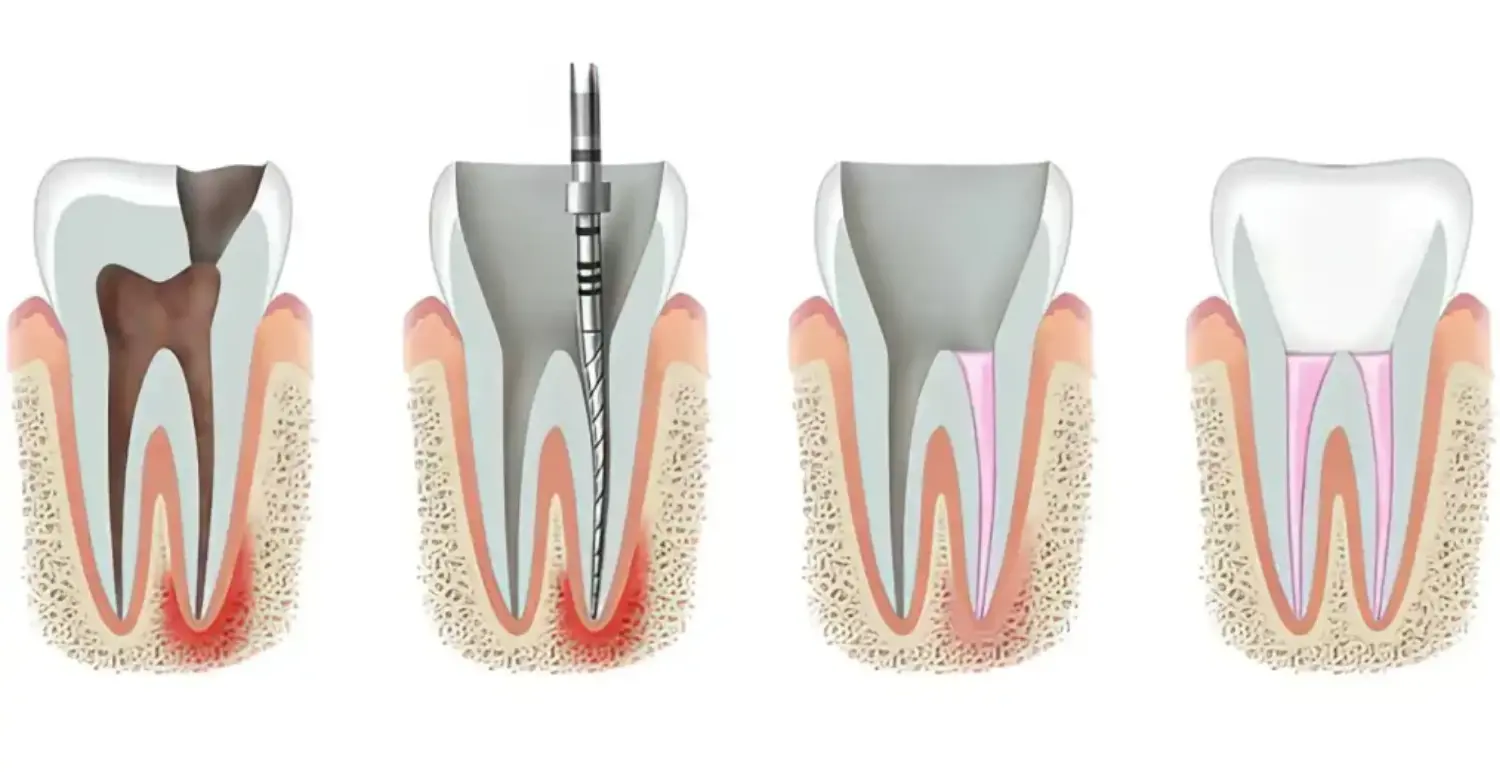
Stage 2 is among the most technically demanding of all the stages of RCT. After administering local anesthesia to ensure patient comfort, the dentist creates an access opening in the crown of the tooth. Specialized instruments called endodontic files are used to carefully navigate the root canal system. The goal at this stage is to remove all infected pulp tissue and bacteria. Simultaneously, the dentist shapes the canal walls to prepare them for effective disinfection and filling. Precision during this phase is critical to the success of all subsequent stages.
Removing Infected Pulp Tissue
Removing infected pulp tissue is a critical step within the root canal treatment process. The dental pulp contains nerves, blood vessels, and connective tissue. Once infected, it becomes a breeding ground for bacteria. Using fine hand files and rotary instruments, the dentist carefully removes the inflamed or necrotic pulp from the entire length of each canal. Irrigation solutions such as sodium hypochlorite are simultaneously flushed through the canal. These solutions dissolve organic matter, kill remaining bacteria, and begin the disinfection process. This process continues through the later stages with increasing thoroughness.
Shaping the Canal for Treatment
Shaping the canal is equally vital in this phase. Canal shaping creates a smooth, tapered form. This form allows irrigating solutions and medicated pastes to penetrate deeply into the canal system. Rotary nickel-titanium files are favored for their flexibility and efficiency, especially in curved or narrow canals. The dentist works to achieve a standardized taper while preserving as much natural tooth structure as possible. Proper shaping ensures that the canal can be thoroughly disinfected and filled with a hermetic seal during the subsequent stages. This optimizes long-term outcomes. The integration of lasers in endodontics has made the disinfection stage much more effective.
Disinfection and Medication in RCT Stages
Disinfection is one of the most decisive stages because it targets the bacteria responsible for the infection. Even after pulp removal, microscopic bacteria may remain within the dentinal tubules and canal irregularities. At this stage, the dentist applies powerful irrigating solutions—sodium hypochlorite and EDTA—to flush and disinfect the entire canal system. Ultrasonic activation may be used to enhance irrigant penetration into difficult-to-reach areas. Thorough disinfection at this stage significantly reduces the risk of re-infection and treatment failure over time.
Eliminating Bacteria and Preventing Re-Infection
Eliminating bacteria thoroughly is the cornerstone of this phase. The dentist uses a combination of chemical irrigants and, in some cases, photodynamic therapy or laser disinfection. These methods target even the most persistent bacterial colonies hidden within canal walls. EDTA solution removes the smear layer, a debris film that can harbor bacteria and interfere with the bonding of filling materials. Achieving a genuinely bacteria-free environment before sealing is what makes this one of the most consequential stages for ensuring durable, long-term success.
Temporary Filling Placement
In cases where treatment spans multiple visits—common in severe infections—a temporary filling is placed at this stage. This filling seals the access opening between appointments, preventing contamination from saliva and oral bacteria. A calcium hydroxide or antibiotic paste may also be placed inside the canal itself to continue disinfecting the area over several days or weeks. The temporary nature of this filling is important. Patients should avoid chewing hard foods on the treated side until the final stages are successfully completed. The primary objective of these steps is to remove the infected tooth pulp completely.
Stage 4 : Filling and Sealing
Stage 4 is the definitive filling phase among the stages of RCT. Once the dentist confirms the canal is clean and infection-free, the canal is filled with a biocompatible material called gutta-percha. This rubber-like material is compacted with a sealing cement to fill every space. This prevents bacteria from re-entering. The goal is a complete three-dimensional hermetic seal. It extends from the access opening down to the root tip. This stage locks out future infection and preserves the tooth's internal structural integrity permanently.
Materials Used for Long-Lasting Seals
The primary material used in this stage is gutta-percha. It is a natural thermoplastic substance well-tolerated by the body and resistant to bacterial infiltration. It is used alongside root canal sealers. These include zinc oxide eugenol-based, resin-based, or bioceramic options. They achieve a fluid-tight seal. Bioceramic sealers are increasingly preferred for their superior biocompatibility and sealing ability. Selecting the appropriate material based on canal anatomy and infection severity is key. This ensures durable results throughout all the phases of the trial and lasting protection for the tooth.
Ensuring Structural Stability
Filling the root canal provides an internal seal. However, ensuring the overall structural stability of the tooth is equally critical at this stage. A tooth that has undergone root canal therapy is more brittle than a healthy tooth. The pulp, which nourishes the dentin, has been removed. A post and core buildup may be placed within the canal to strengthen the tooth from within. This internal support serves as the foundation for a crown or other restoration placed during the final stage. It ensures the tooth withstands normal biting forces.
Stage 5 : Restoration and Final Protection
The fifth and final stage focuses on fully restoring the tooth's form, function, and aesthetics. A tooth treated endodontically must be protected with a final restoration. This prevents fracture and bacterial re-contamination. Without this step, the tooth remains vulnerable to cracking or re-entry of bacteria through microleakage around the access cavity. The type of restoration selected depends on how much healthy tooth structure remains. It also depends on the tooth's location in the mouth and the patient's bite forces. This stage transforms a treated tooth back into a fully functional, protected one.
Crowns, Onlays, or Fillings to Strengthen the Tooth
After completing the core stages, the dentist recommends the most appropriate final restoration. For posterior teeth—molars and premolars that endure significant chewing forces—a full ceramic or porcelain-fused-to-metal crown is the most reliable option. For teeth with moderate damage, an onlay may suffice. Where substantial natural tooth structure remains, a composite resin filling may be adequate. Each restoration option is designed to seal the access cavity. It also protects the tooth from fracture and restores its appearance to blend seamlessly with surrounding natural teeth.
Expected Results and Timeline
Patients who complete all the stages of RCT can expect excellent long-term outcomes. Most treated teeth function normally for decades with proper care. The timeline varies. A straightforward case may be resolved in one to two appointments. Complex cases involving severe infection or multiple canals may require three or more visits spread over several weeks. Once the final crown or restoration is placed, the tooth is fully functional. Mild soreness in the days following each stage is normal. It is typically managed easily with over-the-counter pain relievers.
Benefits of Completing Root Canal Therapy
The benefits of completing all the phases of the trial extend well beyond relieving tooth pain. Root canal therapy preserves the natural tooth. It maintains the surrounding bone and prevents the spread of infection to adjacent teeth. It also avoids more invasive and costly replacement options such as implants or bridges. Patients who follow through with every stage consistently report significant improvements in their quality of life. They eat comfortably, speak clearly, and smile confidently. They know their natural tooth has been saved, protected, and fully restored for years to come.
Relief from Pain and Sensitivity
One of the most immediate benefits patients notice after completing the steps in the randomized controlled trial is relief from persistent, often debilitating tooth pain. Before treatment, even mild pressure or temperature changes can trigger intense discomfort. After root canal therapy, the nerve tissue is removed, eliminating the pain source entirely. Most patients report that the discomfort following treatment is far less intense than what they experienced beforehand. Any post-treatment sensitivity typically resolves within a few days. This leaves behind a comfortable, pain-free tooth that functions exactly like a healthy natural tooth.
Comparing RCT with Alternatives: Extraction and Implants
When a tooth is severely damaged or infected, patients may consider alternatives to root canal treatment. The two main options are tooth extraction followed by a dental implant, or a fixed bridge. Here is a comparison:
- Root Canal Treatment: This procedure saves the natural tooth, which is always the preferred option when possible. It preserves the natural bite and jawbone. It is generally less invasive and more cost-effective than implants.
- Tooth Extraction and Implant: If the tooth cannot be saved, extraction may be necessary. A dental implant can replace the missing tooth. This involves surgery, a longer treatment time, and higher costs. Implants have a success rate of about 95% over 10 years. They require adequate bone density and healthy gums.
- Fixed Bridge: A bridge is another option. It requires grinding down adjacent healthy teeth. This can compromise their integrity.
Dr. Rifaat Al-Samman advises that saving the natural tooth with root canal treatment should be the first choice. It maintains the natural structure and function. However, each case is unique. A thorough evaluation is essential to determine the best course of action.
Preserving Natural Teeth and Preventing Extraction
A primary goal of root canal therapy is to save the natural tooth. Tooth extraction may seem simpler, but it has serious long-term consequences. These include bone loss at the extraction site, shifting of adjacent teeth, and bite changes. It also leads to costly prosthetic replacements. Preserving the natural tooth through root canal therapy maintains the jawbone's structure. It keeps neighboring teeth properly positioned. It also supports better long-term oral health. Natural teeth, even after root canal treatment, almost always outperform artificial replacements in function and longevity.
Improving Oral Health and Preventing Complications
Leaving a tooth infection untreated puts far more than the tooth at risk. Bacteria from an untreated dental abscess can spread to the jawbone and neighboring teeth. In severe cases, it can enter the bloodstream, creating systemic health risks. Completing all the stages of RCT eliminates the infectious source. It halts this dangerous progression. Patients who undergo timely root canal therapy experience improved overall oral health. They also have a reduced risk of serious complications. Their gum tissue around the treated tooth becomes healthier. Preventing complications through prompt treatment is always preferable to managing advanced disease later.
Before-and-After Expectations for Patients
Before undergoing root canal therapy, patients often feel anxious about pain, duration, and results. In reality, modern root canal therapy is performed under local anesthesia. It is comparable in discomfort to a routine filling. Afterward, patients experience complete relief from the throbbing pain that drove them to seek care. The tooth may feel slightly sensitive for a few days, but this passes quickly. Once the final restoration is placed, the tooth looks and functions like any other. Most patients are pleasantly surprised by how manageable the entire process was.
Preventive Dental Care to Support Root Canal Health
Preventive care plays a crucial role in supporting the long-term success of root canal therapy. Once a tooth has been treated and restored, maintaining excellent oral hygiene is essential. Regular dental appointments ensure the restoration remains intact and the surrounding teeth stay healthy. Preventive measures also reduce the likelihood of needing root canal therapy on other teeth in the future. Patients who adopt consistent dental care habits after treatment enjoy stronger teeth and healthier gums. They also have a significantly lower risk of experiencing root canal infection again.
Daily Oral Hygiene Practices
Supporting the results of root canal therapy begins with consistent oral hygiene habits at home. Brushing twice daily with fluoride toothpaste removes plaque from tooth surfaces. Flossing once daily clears food debris and bacteria from between teeth and along the gumline. Using an antibacterial mouthwash further reduces bacterial load throughout the mouth. For teeth restored with a crown, brushing carefully along the crown margins helps prevent bacteria from infiltrating beneath the restoration. These simple daily practices protect the treated tooth and all surrounding teeth equally.
Foods and Habits That Can Impact Tooth Health
Certain foods and lifestyle habits can threaten the results of root canal therapy. Hard and crunchy foods like ice, hard candies, and raw nuts place excessive force on a restored tooth. They may crack a crown or weaken a filling. Sugary foods promote bacterial growth and increase decay risk in adjacent teeth. Smoking impairs healing and raises re-infection risk. Acidic beverages erode enamel and weaken tooth structure over time. Modifying these habits after completing root canal treatment helps safeguard lasting results. It also contributes meaningfully to overall oral wellness.
Regular Dental Check-Ups and Early Detection
Scheduling dental check-ups every six months is one of the most effective ways to protect your investment in root canal therapy. During these visits, the dentist monitors the restoration for signs of wear, leakage, or damage. Periodic X-rays confirm that the surrounding bone is healthy and show no evidence of re-infection. Early detection of any emerging issue, such as a loose crown or a new cavity near the treated tooth, allows for prompt intervention. This prevents minor problems from evolving into complex root canal infection once more. Prevention through monitoring ensures treatment remains permanently successful.
Why Choose Vitrin Clinic for Your RCT
Choosing the right dental clinic for root canal therapy makes a meaningful difference in comfort, precision, and success. Vitrin Clinic is committed to providing patients with an exceptional experience throughout every stage of treatment. From the first diagnostic consultation through to the final restoration appointment, the team prioritizes accuracy, patient comfort, and long-term outcomes. With a reputation built on clinical excellence and compassionate care, Vitrin Clinic is a trusted destination for high-quality root canal therapy and comprehensive dental treatment in a professional, welcoming environment.
Experienced Dental Specialists and Personalized Care
At Vitrin Clinic, skilled dental specialists perform every stage of RCT. Each patient receives an individualized treatment plan. The plan reflects their specific clinical needs, infection severity, and tooth anatomy. The team explains each step clearly. They answer questions thoroughly. Patients feel informed and at ease before, during, and after treatment. No two treatment plans are identical. Each one reflects the unique condition and goals of the individual patient.
State-of-the-Art Technology for Accurate Diagnosis
Vitrin Clinic uses advanced dental technology. This enhances precision and safety throughout every stage of RCT. Digital X-rays and cone-beam CT imaging provide detailed 3D views of the root canal system. They enable accurate diagnosis and treatment planning. Electronic apex locators measure canal length with exceptional accuracy. Nickel-titanium rotary systems and ultrasonic irrigation devices ensure thorough cleaning and shaping. This technology reduces treatment time and minimizes discomfort. It also improves the predictability of outcomes.
International Patient Support: Comfort, Transfers, and Follow-Up
Vitrin Clinic welcomes international patients seeking expert dental care. A dedicated support team assists with every detail. They schedule initial consultations and coordinate airport transfers. They arrange accommodation and ensure seamless communication throughout all the stages of RCT. Follow-up care is available remotely for patients who return home between visits. This ensures continuity of treatment and peace of mind. International patients receive the same high standard of personalized, compassionate care as local patients. The entire experience is smooth and professionally managed.
How Successful Is Root Canal Treatment?
Root canal treatment has a high success rate. Clinical studies report success rates from 85% to 97%. The rate depends on several factors. These include the tooth's condition, the dentist's skill, and the patient's oral hygiene. A study in the Journal of Endodontics found a 92% success rate after 10 years. With proper care and restoration, many treated teeth can last a lifetime. At Vitrin Clinic, success rates align with these global standards. Advanced technology and meticulous planning contribute to these outcomes.
Cost and Insurance Considerations
The cost of root canal treatment varies. It depends on the tooth's location and case complexity. On average, a root canal costs $300 to $2,000 per tooth. Molars are the most expensive. Many dental insurance plans cover a portion of the cost. Typically, they cover 50% to 80% after the deductible. Coverage varies widely, so check with your provider. Vitrin Clinic offers transparent pricing. We provide a detailed treatment plan with costs upfront. We also assist international patients with insurance claims. Financing options are available to make treatment more accessible.
A Patient's Journey: From Pain to Relief
Meet John, a 45-year-old teacher. He visited Vitrin Clinic with a severe toothache. After a thorough examination, Dr. Al-Samman diagnosed an infected root canal. John was hesitant. The team explained the procedure and eased his concerns. Treatment was completed in two visits. John was amazed at how comfortable he felt. "I had heard horror stories about root canals," he said. "But this was nothing like that. The pain was gone, and I was back to work the next day." John's case shows how modern root canal treatment can be smooth and painless.
Evidence-Based Practice
Root canal treatment is supported by extensive scientific research. The American Association of Endodontists (AAE) provides guidelines. These guidelines emphasize thorough cleaning and sealing of the root canal system. Studies show high success rates under proper conditions. A systematic review in the International Endodontic Journal reported success rates of 86% to 98%. Vitrin Clinic adheres to these evidence-based guidelines. This ensures the best outcomes for our patients.
Trusted Resources for Further Reading
For more information on root canal treatment, visit these authoritative sources:
These organizations provide reliable information on dental procedures. They help you make informed decisions about your oral health.
Your Privacy Matters
At Vitrin Clinic, we take patient privacy and data protection seriously. We comply with the General Data Protection Regulation (GDPR) and other applicable laws. Your personal and medical information is kept confidential. We use secure systems for storing and processing data. We never share your information without your explicit consent. Your trust is important to us. We are committed to protecting your privacy.
Take the Next Step: Schedule Your FREE Consultation Today
If you are experiencing tooth pain, sensitivity, or any warning signs, do not wait. Schedule a free consultation at Vitrin Clinic. This is the first step toward understanding whether root canal therapy is right for you. During this no-obligation visit, the dental team will assess your condition. They will explain the relevant stages of RCT that apply to your case. They will outline a fully personalized treatment plan. Early intervention leads to simpler treatment, faster recovery, and better outcomes. Contact Vitrin Clinic today and take confident control of your dental health.
Patient Education: What You Should Know Before, During, and After RCT
Being well-informed about the phases of the trial empowers patients. They approach treatment with confidence rather than anxiety. Understanding what to expect before, during, and after root canal therapy eliminates fear of the unknown. It ensures that patients take the necessary steps to support their recovery. Patient education is a core value at Vitrin Clinic. An informed patient is better equipped to make decisions. They adhere to post-treatment instructions and achieve the best possible long-term outcomes. This section covers essential things every patient should know.
Preparing Mentally and Physically for Treatment
Preparing for the stages of the randomized controlled trial involves mental and physical readiness. Mentally, understand that modern root canal therapy is performed under effective local anesthesia. The procedure itself is not painful. This significantly reduces anxiety. Patients are encouraged to ask questions before treatment begins. They should communicate any concerns to the dental team openly. Physically, eating a light meal before the appointment is advisable. Anesthesia may leave the mouth numb for several hours afterward. Plan for some rest following the first major stage of RCT to support comfort and healing.
Post-Treatment Care Tips for Faster Recovery
Recovery following each stage of RCT is generally smooth and manageable. In the first 24 to 48 hours, the treated area may feel tender, particularly when biting. Over-the-counter anti-inflammatory medications manage discomfort effectively. Take them as directed by the dentist. Avoid chewing on the treated side until the final restoration is placed. Maintain excellent oral hygiene. Gentle brushing, flossing, and warm salt-water rinsing support healing. Cold compresses applied to the outside of the cheek can reduce mild swelling. Most patients return to normal daily activities the day following each completed stage of RCT.
When to Contact Your Dentist
Some discomfort after root canal treatment is normal. But certain symptoms need quick attention. Call your dental clinic right away if you have severe pain that does not improve with pain relievers.
Also contact your dentist if you notice significant swelling of the face or jaw. A high fever is another warning sign. The return of symptoms that had gone away is also a concern.
These signs may mean the infection is not fully cleared. Or a complication may have developed. Timely communication with your dental team is important. It helps protect the long-term success of your treatment.
FAQs
Dr. Rifat Alsaman has more than 5 years of clinical experience in dentistry and currently serves as the Head of the Medical Team at Vitrin Clinic. He is dedicated to providing exceptional patient care, overseeing treatment planning, and ensuring the highest clinical standards across the team. His expertise, attention to detail, and commitment to continuous professional development have helped countless patients achieve healthier, more confident smiles.


