
Root canals are among the most common dental procedures today. They relieve pain, clear infection, and save teeth for millions of patients every year. Still, like any clinical procedure, complications can happen. One of the most talked-about concerns is nerve injury. Recognizing the symptoms of nerve damage after a root canal treatment early lets patients get timely care and recover with confidence.
Understanding the Symptoms of Nerve Damage After a Root Canal Therapy
Root canal therapy removes infected or inflamed pulp tissue from inside a tooth. The goal is to stop pain and save the natural tooth. But the procedure works close to sensitive nerve pathways. In some cases, patients feel nerve responses that last longer than expected. Learning to spot the symptoms of nerve damage after a root canal treatment helps ensure fast intervention. Catching these signs early improves outcomes and helps patients avoid needless, prolonged discomfort.
How Root Canal Procedures Can Affect Nerve Tissue
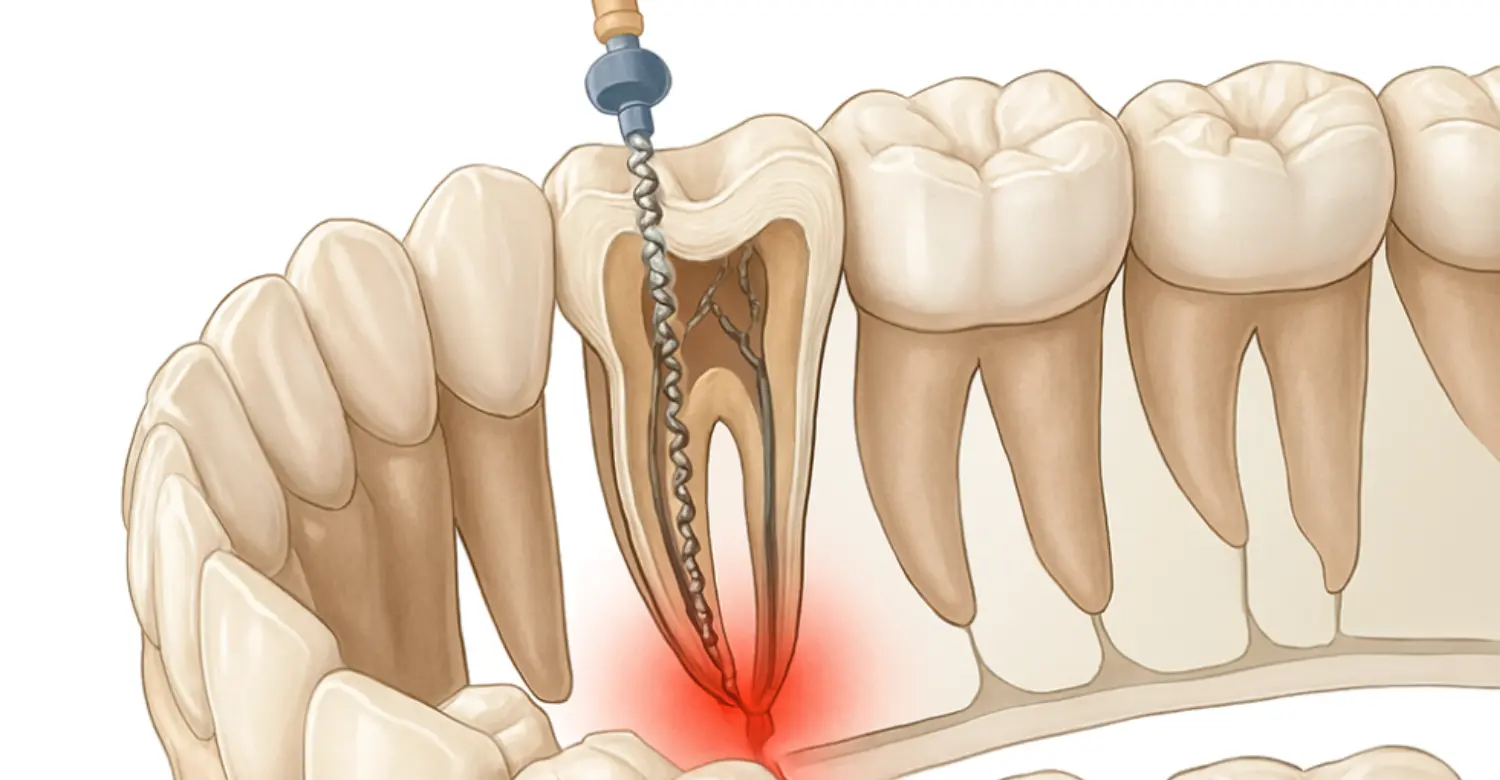
During a root canal, the dentist removes the dental pulp. This soft tissue holds nerve fibers, blood vessels, and connective tissue. It's removed from the root canals and pulp chamber. The process is precise and guided by modern tools. Even so, it places mechanical and chemical stress on nearby tissue. Nerves in the jawbone, including branches of the inferior alveolar nerve, can sometimes be affected. This can happen from instrumentation, irrigants, or filling materials. That's why some patients notice the symptoms of nerve damage after a root canal work. Prolonged numbness can disrupt your expected root canal recovery timeline and is worth a checkup.
Differentiating Normal Post-Treatment Sensitivity from Nerve Complications
Not every sensation after a root canal points to nerve damage. Mild soreness and minor swelling are a normal part of healing. These symptoms usually fade within a few days to two weeks. But the symptoms of nerve damage after a root canal treatment are different. They tend to persist, get worse, or bring odd sensations like numbness, tingling, or burning. Knowing the difference helps you decide when to call your dentist.
Short-Term vs. Long-Term Nerve Responses
Short-term nerve responses usually involve mild soreness and temperature sensitivity. These typically resolve within one to two weeks with home care and medication. Long-term responses are different and need closer attention. Persistent numbness, ongoing tingling, burning, or recurring pain that lasts beyond several weeks calls for a full evaluation. Telling these two phases apart helps your dentist choose the right next step.
Common Symptoms Patients Report After Root Canal Treatment
Patients with nerve-related complications often describe a specific set of experiences. These differ from standard post-procedure discomfort. The symptoms of nerve damage after a root canal treatment vary in type, intensity, and duration. This depends on which nerve structures were affected. Knowing these patterns helps patients seek care before a minor issue becomes a bigger one. It also helps tell nerve injury apart from a root canal reinfection causing similar pain.
Persistent Pain or Tingling
Persistent pain that doesn't follow a normal healing pattern is one of the most common signs. Instead of easing off over a few days, the pain may stay constant. It can throb without a clear trigger, or feel like burning or tingling along the jaw or gums. Tingling in particular can point to irritation of a nearby nerve branch. This kind of pain feels different from ordinary soreness. It should be watched closely and checked by a dentist if it doesn't improve.
Numbness in the Affected Tooth or Surrounding Areas
Numbness is one of the more alarming signs. Patients may lose some or all feeling in the treated tooth. This can spread to nearby teeth, gums, the lip, chin, or tongue, depending on which nerve is involved. It can be mild and localized, or more widespread across the lower face. Temporary numbness may resolve on its own. But numbness that persists or spreads needs urgent evaluation. Left unchecked, nerve issues can even be mistaken for tooth necrosis symptoms, which complicates diagnosis.
Sensitivity to Hot, Cold, or Pressure
Some sensitivity is normal after any root canal. But sensitivity that is stronger or lasts longer than expected can signal a problem. Patients may notice a sharper response to hot or cold, or pain that appears without any trigger. If this lasts beyond two to three weeks, it may point to nerve irritation, leftover inflammation, or an incomplete treatment. These cases need a targeted dental check and possibly a new treatment plan.
Swelling or Unusual Discomfort Beyond Expected Healing
Swelling that appears or worsens several days after treatment, instead of fading, is an important warning sign. This can include facial swelling, a feeling of pressure in the jaw, or discomfort that doesn't respond to normal medication. Swelling like this often means an active infection, unresolved inflammation, or nerve trauma is present. It needs further clinical review before it gets worse.
Causes of Nerve Damage After Root Canal
Understanding what causes nerve injury helps both patients and dentists prevent and manage it. Modern endodontic techniques are precise and guided by advanced imaging. Still, several factors can lead to unintended nerve involvement. Knowing these causes supports better planning, clearer consent conversations, and closer follow-up. If complications appear, your general dentist may provide an endo referral for specialist care.
Procedural Factors Contributing to Nerve Trauma
Several technical factors can affect nearby nerve tissue during treatment. Over-instrumentation happens when endodontic files extend past the root tip. This can irritate or compress the inferior alveolar nerve. Excess irrigant reaching the area around the root tip, overfilled canal material, or pressure from instruments can also cause trauma. These are some of the most preventable causes, avoided through careful technique and precise imaging.
Infection or Inflammation That Affects Nerve Tissue
Leftover infection after a root canal can cause significant inflammation nearby. This can irritate or slowly damage nearby nerve pathways. Bacterial toxins from a lingering infection can keep this inflammation active. Nerve tissue, already sensitized by the original infection, may react strongly to these irritants. This produces symptoms that outlast the expected recovery window. Thorough cleaning and complete infection removal are key to preventing this.
Preexisting Dental Conditions Increasing Risk
Certain conditions raise a patient's risk of nerve complications. Complex root anatomy, such as sharply curved roots or calcified canals, makes treatment harder. This raises the risk of accidental nerve contact. Patients with diabetes, autoimmune disorders, or weaker immune function may also heal more slowly. This makes nerve symptoms more likely. Spotting these risk factors before treatment allows for closer monitoring afterward.
Diagnosis and Professional Evaluation
Accurate, timely diagnosis is essential to managing nerve damage well. When symptoms are unusual, persistent, or worsening, a full clinical evaluation is needed. These symptoms can look like other dental problems, including cracked teeth or new infections. Precise diagnostic tools and clinical judgment matter here. Prompt evaluation ensures patients get targeted treatment, not just pain relief that masks a deeper issue.
How Dentists Assess Nerve Health Post-Procedure
Dentists combine patient history, symptom description, and hands-on exams to assess nerve health. Sensory mapping, percussion testing, and thermal response tests all help pinpoint the source of symptoms. The character and duration of symptoms guide which diagnostic tools are used next. A thorough consultation also rules out other causes before reaching a diagnosis.
Imaging and Sensory Tests for Accurate Detection
Advanced imaging, including periapical X-rays and cone beam CT (CBCT), gives detailed views of the roots and surrounding bone. These tools help spot overfilled canals, root perforations, or anatomical issues linked to nerve symptoms. Sensory tests, such as electric pulp testing and cold or heat response checks, add more detail. Together, these tools support accurate, evidence-based treatment planning.
When to Seek Immediate Professional Advice
Patients should seek prompt care when specific warning signs appear. These include severe pain that doesn't respond to medication, spreading numbness in the lip, tongue, or chin, visible swelling, fever, or discharge from the treated site. These may point to serious complications that need urgent attention. Delaying care can let nerve damage or infection progress, making full recovery harder to achieve.
Treatment Options for Nerve Damage After Root Canal
Treatment depends on symptom severity, the underlying cause, and how much nerve tissue is involved. Mild cases may resolve with monitoring alone. More complex cases need targeted procedures. Understanding the full range of options helps patients make informed decisions. Catching symptoms early keeps more treatment options open and improves the overall outcome.
Conservative Approaches for Mild Symptoms
Mild symptoms, such as brief tingling or low-grade discomfort, usually respond to conservative care first. This can include anti-inflammatory medication, pain control, and scheduled follow-ups to track progress. In many mild cases, nerve tissue heals naturally as inflammation fades over a few weeks. Regular monitoring catches any worsening early, before it becomes a bigger problem.
Endodontic Retreatment or Minor Interventions
If conservative care doesn't resolve symptoms in a reasonable time, retreatment may be the next step. This means removing the old filling material, re-cleaning the canal, and resealing it with better precision. Minor surgery, like an apicoectomy, may also help. This removes the root tip and any infected tissue around it. These steps address the mechanical or infectious causes keeping the nerve irritated.
Advanced Procedures for Severe Nerve Complications
Severe cases, involving major nerve compression or structural injury, may need advanced care. Microneurosurgery, guided by high-resolution imaging and magnification, can treat inferior alveolar nerve injuries with precision. In complex cases, endodontists and oral surgeons work together for full, coordinated care. The goal is to restore as much sensation as possible and prevent further nerve damage.
Expected Recovery and Results
Recovery depends on how much nerve tissue was involved, the patient's age and health, how quickly the issue was caught, and the treatment chosen. Most patients with mild to moderate symptoms recover fully with the right care and follow-up. Setting realistic expectations helps patients stay confident and patient through the healing process. Clear, ongoing communication with your dental team supports every stage of recovery.
Typical Timeline for Nerve Healing
Healing time varies a lot between patients. Minor nerve irritation from local inflammation usually resolves within a few weeks. More significant nerve involvement can take two to six months to show real improvement. Structural nerve injury may take six months to a year, or longer, for full or partial recovery. Regular follow-ups let your dental team track progress and adjust the care plan as needed.
Before and After: What Patients Should Expect
Before treatment, patients often deal with ongoing discomfort, unusual sensations, and uncertainty about the cause. After proper diagnosis and treatment, most patients see real improvement in comfort and daily function. Symptoms addressed early tend to resolve more fully than those left untreated. Setting honest expectations, including the chance of gradual rather than instant improvement, keeps patients engaged in their recovery.
Realistic Outcomes and Limitations
Most patients recover fully from nerve complications after a root canal. Still, it's important to note that outcomes aren't guaranteed in every case. Some patients are left with mild numbness or altered sensation, especially after more severe injuries. Cases involving significant nerve trauma may take longer to resolve, or only partly recover. Dental professionals should be transparent about realistic goals and available treatment paths.
Preventive Tips and Home Care After Root Canal
Prevention and good home care play a real role in lowering the risk of nerve complications. Not every case can be prevented. But patients who follow post-treatment guidance closely lower their risk significantly. Good oral hygiene and smart dietary choices during healing both support the body's natural recovery process.
Maintaining Oral Hygiene to Reduce Complications
Good oral hygiene after a root canal helps prevent secondary infections that can irritate nerves. Gentle brushing with a soft toothbrush, careful flossing, and antibacterial mouthwash all support healing. These habits lower bacterial load and reduce infection-related nerve symptoms. During early healing, avoid aggressive brushing or pressure near the treated site.
Dietary Recommendations to Support Healing
Diet plays a supportive but often overlooked role in recovery. Avoid hard, crunchy, chewy, or very hot or cold foods during the first few healing weeks. These can put unnecessary stress on the treated tooth and nearby nerve tissue. Soft, nutrient-rich foods, including leafy greens, lean protein, dairy, and foods rich in vitamins C and D, support tissue repair and reduce inflammation.
Monitoring Symptoms at Home for Early Detection
Patients can play an active role in their own recovery. Keep a simple daily log of pain levels, sensory changes, and swelling patterns. This gives useful information at follow-up visits. Early detection of nerve symptoms lets your dentist step in before a minor issue becomes serious. Contact your provider promptly if symptoms worsen or new sensations appear without explanation.
Vitrin Clinic Expertise in Managing Root Canal Complications
Vitrin Clinic has built a strong reputation for specialized endodontic care with a patient-centered approach. The clinic's team uses advanced diagnostic technology alongside individualized treatment planning to identify and manage nerve-related symptoms. Every patient gets a full clinical evaluation and a care plan built around their specific needs.
Advanced Diagnostic Tools for Nerve Health
Vitrin Clinic uses cone beam CT, high-resolution digital X-rays, and advanced sensory testing to evaluate nerve health. This level of precision helps detect even subtle signs of nerve involvement. Nothing significant gets overlooked during evaluation. Accurate, technology-driven diagnosis is the foundation of every treatment plan at Vitrin Clinic.
Experienced Endodontists and Customized Care Plans
The endodontic specialists at Vitrin Clinic bring deep experience with complex cases, including nerve-related complications. Every care plan is built around the patient's specific presentation, symptom history, and health profile, never a generic protocol. This personalized approach means every patient gets a strategy tailored to their own needs.
Patient-Centered Approach: Comfort, Safety, and Results
At Vitrin Clinic, the patient experience comes first in every decision. From the first visit, the team prioritizes clear communication, gentle care, and honest goal-setting. Safety protocols are followed closely, and patient comfort is monitored at every step. The clinic's approach is built on trust, so every patient leaves informed, supported, and confident in their care.
Nerve Injury Classifications After Root Canal
Not all nerve complications are the same. Understanding the anatomical classification explains why symptoms differ so much between patients. Injuries are grouped by which nerve branch is affected and how badly the fibers are disrupted. This ranges from mild irritation that resolves on its own to structural injury lasting months. In advanced cases, this can overlap with burning or shooting pain. Accurate classification matters for treatment planning.
Trigeminal Nerve Damage Secondary to Endodontic Complications
The trigeminal nerve is the main sensory nerve of the face. Its lower branches run close to the roots of the back teeth, right where most root canals happen. Trigeminal nerve damage occurs when instrumentation, irrigants, or filling material extend slightly past the root tip and irritate a branch. Because this nerve supplies the jaw, lower lip, chin, and part of the tongue, symptoms vary widely by branch involved, from mild tingling to noticeable loss of sensation. Milder cases may only cause brief burning or shooting pain that fades within days. More involved cases can cause long-lasting numbness after root canal treatment that persists for weeks.
Mandibular Nerve Pain and Inferior Alveolar Involvement
The mandibular nerve, and specifically its inferior alveolar branch, runs directly beneath the roots of the lower molars. This makes it the branch most often involved in mandibular nerve pain after a lower root canal. This pain can feel like a dull, constant ache, a burning sensation along the jawline, or persistent pressure that doesn't match normal post-treatment soreness. Because this nerve also supplies the lower lip and chin, involvement here often produces facial numbness after root canal treatment that spreads beyond the treated tooth. Left unaddressed, it can also cause pain or difficulty when eating and drinking, since chewing pressure loads the area directly.
Facial Numbness vs. Highly Localized Long-Lasting Numbness After Root Canal
It's worth telling apart two presentations patients often lump together. Facial numbness after a root canal covers a broader area, typically the lip, chin, or cheek. It usually points to involvement of a larger nerve branch, like the inferior alveolar or mandibular nerve. Long-lasting numbness after root canal treatment can also appear in a much smaller area, limited to the gum around the treated tooth. Highly localized numbness is generally a better sign. It usually reflects irritation of a small terminal branch rather than a major nerve trunk, and it tends to resolve faster. Either way, numbness that hasn't improved within a few weeks should be checked, not assumed to be temporary.
Pain or Difficulty When Eating and Drinking Post-Procedure
Pain when eating and drinking after a root canal disrupts daily life more than isolated numbness does. It can show up as sharp pain when biting down, burning pain triggered by hot or cold drinks, or reluctance to chew on the treated side at all.
Mild sensitivity to temperature or pressure is normal and usually settles within two to three weeks. But if it persists well beyond that, gets worse instead of better, or comes with pain radiating toward the ear or jaw, it often means a nerve is still inflamed or the canal treatment needs to be reassessed. Patients who keep avoiding certain foods or notice worsening pain weeks after treatment should get it reevaluated rather than working around it indefinitely.
Will Nerve Damage After a Root Canal Get Better on Its Own?
One of the most common patient questions is whether nerve damage will improve without treatment. The honest answer depends on the type and severity of the injury. Mild nerve irritation, from inflammation or temporary compression, often improves on its own as swelling subsides over a few weeks.
The picture is less certain with more significant nerve fiber involvement, such as trigeminal nerve damage or mandibular nerve pain from direct trauma during treatment. Spontaneous improvement can still happen, but it's often slower and can take several months. Some patients are left with a degree of permanent altered sensation. Persistent burning or shooting pain is one of the least likely symptoms to resolve without professional care. Because spontaneous recovery is hard to predict from symptoms alone, professional evaluation is the safer path rather than simply waiting to see.
How to Stop Throbbing Pain After Root Canal
Patients dealing with throbbing pain usually want relief right away. A dentist visit is still the right long-term step, but a few immediate measures can help in the meantime. Managing pain well in the first 24 to 48 hours makes the rest of healing more comfortable.
Take anti-inflammatory medication as directed — an over-the-counter NSAID, when appropriate, reduces the inflammation often driving throbbing pain.
Apply a cold compress to the outside of the jaw in short intervals during the first 48 hours to limit swelling.
Avoid chewing on the treated side until the throbbing settles, since pressure tends to worsen nerve-related discomfort.
Sleep with your head slightly elevated to reduce blood flow pressure to the area overnight.
Rinse gently with warm salt water rather than vigorous swishing, to keep the area clean without irritating healing tissue.
If these steps don't meaningfully reduce pain within 24 to 48 hours, or if pain comes with swelling, fever, or burning pain radiating toward the ear, that's a sign you need a clinical evaluation. Home care helps manage discomfort, but it isn't a substitute for finding the underlying cause.
Long-Term Side Effects of Root Canal Treatment
Most patients heal fully without incident. Still, it's worth being upfront about the long-term effects a small subset of patients experience. These aren't common, but understanding them helps set realistic expectations.
Persistent or long-lasting numbness, particularly when a larger nerve branch such as the inferior alveolar nerve was involved.
Chronic altered sensation in the lip, chin, or tongue that doesn't fully resolve even after the tooth has healed.
Occasional burning or shooting pain that flares intermittently, sometimes described as neuropathic rather than dental.
Reduced structural strength of the treated tooth over time, which is why a crown is often recommended for back teeth.
Rare tooth discoloration as the tooth ages following pulp removal.
These long-term effects are far less likely when the procedure is done with precise imaging and careful technique from the start. Lingering facial numbness and chronic altered sensation are the two effects that most often prompt patients to seek a second opinion.
Vitrin Clinic's Perspective on Nerve-Related Root Canal Complications
Vitrin Clinic treats nerve-related complications as a distinct clinical category, not a "wait and see" issue. Every patient with numbness, throbbing pain, or altered sensation gets the same structured process: detailed symptom history, targeted imaging, and sensory testing before any treatment plan is proposed. This standard applies across every endodontic case, not just the visibly severe ones.
This is also why Vitrin Clinic emphasizes early evaluation rather than waiting to see if nerve damage improves on its own. Catching mandibular nerve pain, facial numbness, or persistent burning pain early keeps more treatment options open and leads to better outcomes.
What We Notice Clinically
"A lot of patients who come to us with lingering symptoms after a root canal were told their pain was 'just normal healing' for weeks longer than it should have been," says Dr. Rifat Alsaman, Head of the Medical Team at Vitrin Clinic and a cosmetic dentist. "Mild soreness is expected, but throbbing pain that isn't improving, or numbness that keeps spreading, isn't something patients should just sit with. Patients often ask if nerve damage will get better on its own, and the truthful answer is: it depends on what's actually going on, not on how long they wait."
Dr. Alsaman also notes that patients often underestimate how differently nerve symptoms can present. "Facial numbness and a small patch of localized numbness right around the tooth are not the same thing clinically, even though patients describe them the same way at first. The same goes for mandibular nerve pain versus general soreness — they can feel similar early on but mean very different things," he explains. He emphasizes that a hands-on evaluation, rather than guesswork over the phone, is what determines whether a symptom will resolve on its own or needs active treatment.
Clinical Note
Nerve-related symptoms don't always match how severe the underlying injury actually is. A patient with only mild tingling can sometimes have more significant nerve involvement than a patient with pronounced numbness. Nerve fibers vary in how they signal irritation versus injury. This is why sensory testing and imaging, not symptom description alone, guide an accurate diagnosis.
Tips for Patients
Avoid chewing on the treated side and skip very hot, cold, or hard foods for the first couple of weeks. Temperature and pressure are the two triggers most likely to aggravate an irritated nerve. If you notice numbness, tingling, or throbbing pain that isn't easing up after the first week, don't wait for your next scheduled check-up — call your dental provider sooner. Nerve-related symptoms respond best when addressed early.
When to Contact a Dentist After a Root Canal: Vitrin clinic Guide
Warning Signs After a Root Canal
Contact a dentist if severe pain, worsening swelling, fever, or unusual discharge occurs. Also seek advice for persistent numbness or a loose tooth.
Contacting Vitrin clinic
If you had a root canal and notice concerning symptoms, contact Vitrin clinic for guidance. For patients considering dental tourism in Turkey, Vitrin clinic can help with care questions.
Follow-Up and Recovery Checks
Keep scheduled follow-up appointments with Vitrin clinic even if symptoms improve. Ask what to expect and when to return if problems persist.
References
Recognizing the symptoms of nerve damage after a root canal treatment persistent numbness, tingling, burning pain, or altered sensation and seeking prompt evaluation can significantly improve recovery. Recent clinical evidence also shows that accurate CBCT imaging, careful treatment planning, and timely specialist care play a key role in preventing long-term nerve complications.
https://pmc.ncbi.nlm.nih.gov/articles/PMC12554236/
https://pubmed.ncbi.nlm.nih.gov/17197403/
https://www.jendodon.com/article/S0099-2399(23)00247-9/fulltext
FAQs

Dr. Rifat Alsaman has more than 5 years of clinical experience in dentistry and currently serves as the Head of the Medical Team at Vitrin Clinic. He is dedicated to providing exceptional patient care, overseeing treatment planning, and ensuring the highest clinical standards across the team. His expertise, attention to detail, and commitment to continuous professional development have helped countless patients achieve healthier, more confident smiles.


