
Root canal reinfection is a condition that can affect any tooth that has undergone root canal therapy, even if the procedure was performed perfectly. A root canal is intended to remove infected or damaged pulp, clean and shape the canals, and seal the tooth to prevent future bacterial invasion. However, in some cases, reinfection can occur due to various factors, including procedural errors, new decay, fractures, or compromised dental work.
Root canal reinfection is particularly concerning because many patients assume that a tooth treated with a root canal is permanently immune to infection.
introduction
This assumption can delay the recognition of symptoms, allowing bacteria to proliferate within the canal system. Over time, this can lead to persistent pain, swelling, abscess formation, and in severe cases, the loss of the tooth. Patients may notice symptoms such as discomfort when biting or chewing, heightened sensitivity to temperature, or subtle swelling around the gums.
Specialized dental clinics, like Vitrin Clinic, emphasize early detection and intervention to prevent minor reinfections from becoming serious problems.
Through advanced diagnostic techniques, including high-resolution imaging and pulp vitality tests, dentists can pinpoint areas of bacterial persistence or new infection. Understanding the causes of root canal reinfection is essential for both patients and dental professionals to ensure the long-term success of root canal treatments. By combining proper technique, high-quality restorations, and diligent oral hygiene, the risk of reinfection can be minimized, allowing patients to maintain healthy, functional teeth for many years.
Understanding Root Canal Reinfection
Understanding this condition requires knowing how the inside of a tooth functions. The pulp contains nerves and blood vessels that nourish the tooth. When it becomes infected, it can cause severe pain, sensitivity, and inflammation. The treatment removes this infected pulp, cleans the canals, and seals the space to prevent further infection. However, even after proper treatment, issues can arise if bacteria find a way back into the canals.
Several factors contribute to post-treatment issues, including cracks, decay, or leakage in dental restorations. Patients may experience subtle symptoms, such as mild discomfort when biting, or more obvious signs, like swelling and persistent pain. Recognizing these symptoms early is essential for timely intervention and long-term tooth preservation.
Dentists emphasize monitoring treated teeth through regular checkups, X-rays, and clinical evaluations. Early detection allows non-invasive treatments to address the problem before it escalates into severe infections or tooth loss. Patient education, combined with high-quality dental work, ensures that treated teeth remain functional, healthy, and comfortable for years after the initial procedure. Sometimes persistent pain is confused with symptoms of nerve damage after a root canal.
What is Root Canal Reinfection?
Root canal reinfection occurs when bacteria re-enter a tooth that has previously undergone root canal therapy, leading to a recurrence of infection within the tooth or surrounding tissues. Even though the tooth has already been treated, several factors can contribute to reinfection. Microscopic canals that were not fully cleaned during the initial procedure can harbor bacteria. Additionally, a failing dental restoration, such as a cracked crown or leaking filling, can provide a pathway for new bacterial invasion.
Patients often misunderstand the concept of reinfection. Many assume that once a tooth has had a root canal, it is “immune” to future problems. However, root canal-treated teeth are still susceptible to bacterial contamination if the protective restoration is compromised or if new decay develops. Root canal reinfection can also result from trauma, causing cracks that allow bacteria to enter previously sealed canals.
Symptoms of reinfection vary, from mild discomfort to severe pain, swelling, or sensitivity. Early detection is crucial, as delayed treatment can lead to complications such as abscess formation, bone loss, and eventual tooth loss. At Vitrin Clinic, specialized endodontists utilize modern technology, including magnification, digital imaging, and pulp vitality tests, to detect reinfections at the earliest stages. Understanding what root canal reinfection is allows patients to recognize symptoms and seek professional care promptly, protecting the health and longevity of their teeth. A delayed root canal recovery timeline could be an early indicator of a returning infection.
Can a Root Canal Get Reinfected?
Yes, a root canal can get reinfected, and this is one of the most common concerns for patients who have undergone this procedure. While root canal therapy is highly effective, it is not infallible. The treated tooth remains susceptible to reinfection if bacteria re-enter the canal system. This can occur due to several factors, including incomplete cleaning during the original procedure, cracks in the tooth structure, leaking fillings, or new cavities.
It is important to note that even a perfectly executed root canal is not a guarantee against future infection. Microscopic canals that were not fully accessible during the initial treatment may harbor bacteria that can multiply over time. Additionally, dental restorations like crowns and fillings are subject to wear and tear, and even minor gaps can provide pathways for bacteria. Poor oral hygiene and trauma are also contributing factors.
Patients who experience recurrent pain, swelling, sensitivity, or discomfort in a previously treated tooth should suspect reinfection. Dentists can confirm the diagnosis using comprehensive clinical examination, X-rays, or advanced imaging like CBCT scans. At Vitrin Clinic, patients are educated about the importance of regular dental checkups and maintaining restorations to prevent reinfection. Early detection and prompt treatment increase the chances of preserving the tooth and avoiding more invasive procedures such as surgical intervention or extraction.
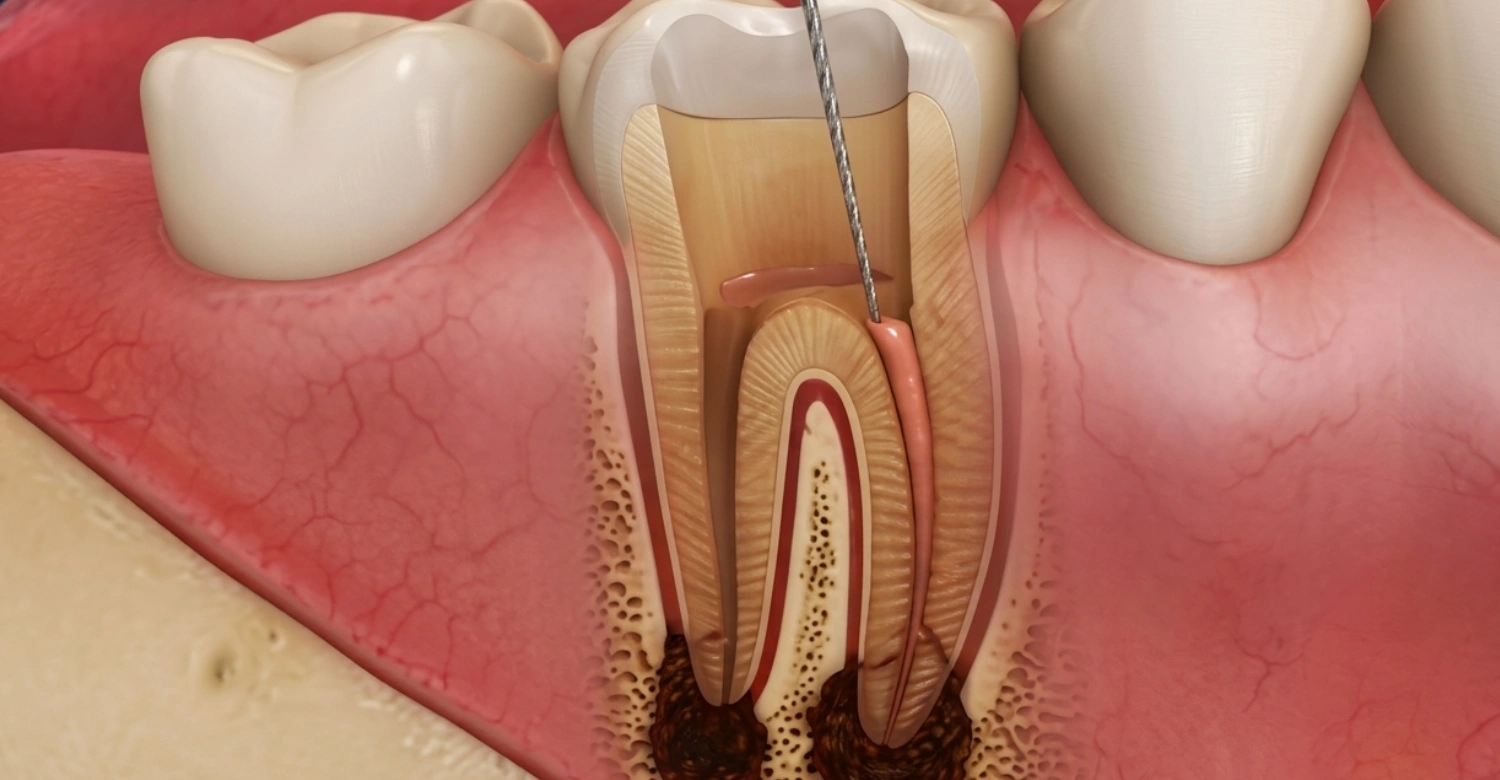
Causes of Root Canal Reinfection
Post-treatment issues can occur due to a variety of reasons, each linked to either the initial procedure or subsequent dental challenges. One of the primary causes is incomplete cleaning or filling during the initial treatment, leaving small areas where bacteria can thrive. Additionally, new decay or fractures in the tooth structure can create pathways for bacteria to enter.
Dental restorations, such as crowns or fillings, may deteriorate over time. Leaks or poor fits allow contaminants to reach previously treated canals. Trauma to the tooth, such as a crack from grinding or biting hard foods, can also compromise its integrity. Poor oral hygiene or delayed dental visits can further increase the risk.
Understanding these causes helps patients and dentists focus on preventive strategies. Maintaining restorations, attending routine checkups, and practicing good oral hygiene significantly reduce the likelihood of complications. Clinics with advanced diagnostic tools can identify potential vulnerabilities early, ensuring timely and effective intervention to preserve the tooth.
Incomplete Cleaning and Filling
One of the primary causes of root canal reinfection is incomplete cleaning and filling of the tooth during the initial procedure. Root canals are intricate structures with numerous small branches and canals that can be difficult to access. If any pulp tissue, bacteria, or debris remains in these areas, it can serve as a reservoir for infection. Similarly, if the filling material does not fully seal the canal system, bacteria may re-enter and cause reinfection.
Modern endodontic techniques have improved the success rates of root canal therapy. Tools such as rotary instruments, ultrasonic cleaners, and microscopes allow dentists to access previously unreachable canals and ensure thorough cleaning. However, procedural errors or limitations can still leave areas untreated. The quality of the final seal is equally important; even a tiny gap can compromise the integrity of the treatment.
Patients should also be aware that the type and timing of the final restoration can impact reinfection risk. Temporary fillings left too long or poorly fitted crowns can increase bacterial exposure. Clinics like Vitrin Clinic prioritize meticulous cleaning, precise filling, and immediate placement of high-quality restorations to minimize the likelihood of reinfection and maximize the longevity of root canal-treated teeth. If left untreated, reinfection can lead to severe tooth necrosis symptoms and eventual tooth loss.
New Decay or Tooth Fracture
Another common cause of root canal reinfection is the development of new decay or a fracture in the tooth. While the internal pulp has been treated, the external structure of the tooth remains vulnerable. New cavities can create a pathway for bacteria to penetrate the sealed canals, leading to reinfection. Cracks or fractures, whether caused by trauma, grinding, or natural wear, can similarly compromise the seal and allow bacterial invasion.
Even teeth that have been treated with root canal therapy require regular maintenance to protect against reinfection. Preventive measures such as high-quality crowns, dental bonding, or protective night guards can strengthen vulnerable teeth and minimize the risk of cracks. Patients should promptly report any sensitivity, pain, or visible fractures, as early intervention can prevent more serious damage and the need for extraction.
High-quality dental clinics, such as Vitrin Clinic, emphasize both treatment and preventive care. By combining precise root canal therapy with durable restorations and regular checkups, the risk of reinfection due to new decay or fractures can be significantly reduced, preserving the natural tooth for many years.
Compromised Dental Work
Compromised dental work, including cracked or leaking fillings and crowns, is a significant contributor to root canal reinfection. Even well-performed root canal therapy can fail if the tooth is not adequately protected. When a restoration deteriorates, bacteria can re-enter the canals, causing reinfection and inflammation.
Factors leading to compromised dental work include aging restorations, poor fit, improper placement, or repeated stress on the tooth. Dental restorations are subject to wear and tear, and minor defects may not be immediately noticeable but can still allow bacterial contamination. Ensuring restorations are checked and replaced as needed is crucial for long-term tooth preservation.
Specialized clinics like Vitrin Clinic focus on the quality and durability of dental work. Using advanced materials and precise techniques, their endodontists and prosthodontists ensure restorations create a perfect seal and restore both function and aesthetics. Regular monitoring of treated teeth helps detect potential issues early, reducing the risk of root canal reinfection and ensuring the long-term success of dental treatments.
Symptoms of Root Canal Reinfection
Symptoms vary depending on the severity and location of the infection. One of the most common indicators is pain or sensitivity, often noticeable when biting or chewing. Temperature changes, like consuming hot or cold foods and drinks, can also trigger discomfort.
Swelling of the gums or face is another sign. This occurs when the body responds to bacterial presence in the tooth, causing inflammation in surrounding tissues. Swelling can range from mild puffiness to more pronounced enlargement, sometimes accompanied by redness or tenderness.
Other subtle indicators include persistent bad taste, bad breath, or changes in tooth coloration. Occasionally, the tooth may feel slightly loose, or the surrounding gum tissue may appear inflamed. Early recognition and intervention are critical to prevent the progression of infection and maintain the structural integrity of the tooth.
Pain and Sensitivity
Pain and sensitivity are often the first signs of root canal reinfection. Patients may notice persistent or intermittent pain when biting or chewing, which can range from mild discomfort to sharp, throbbing pain. Temperature changes, such as exposure to hot or cold foods and beverages, may trigger heightened sensitivity. This occurs because bacteria and toxins in the reinfected canals cause inflammation at the root tip, irritating surrounding tissues.
In some cases, patients may not immediately associate their discomfort with a previously treated tooth. Pain may radiate to adjacent areas, including the jaw or ear, complicating diagnosis. Dental professionals use careful examination to distinguish between reinfection and other oral conditions such as periodontal disease or sinus-related pain.
Delayed attention to symptoms can worsen the infection, potentially leading to abscess formation, swelling, and bone loss around the tooth. Early detection and prompt treatment, such as retreatment or surgical intervention, can relieve pain and save the tooth. Clinics like Vitrin Clinic emphasize patient education so that subtle signs of root canal reinfection are not ignored, ensuring timely professional evaluation and care. In stubborn cases of recurring bacteria, endodontic surgery may be the only way to save the tooth.
Swelling and Discomfort
Swelling around the gums, jaw, or face can be a clear indicator of root canal reinfection. When bacteria infiltrate the treated canals, the body responds with inflammation, which can cause noticeable puffiness and tenderness. Discomfort may extend to nearby tissues, creating a persistent ache or pressure sensation. In some cases, swelling is accompanied by redness or warmth in the affected area.
Swelling often signals that the infection has progressed beyond the root system into surrounding tissues. Ignoring swelling can lead to serious complications, including abscesses that may spread to other parts of the mouth or face. Patients should seek dental evaluation as soon as swelling appears, especially if it is associated with pain, fever, or difficulty opening the mouth.
At Vitrin Clinic, early detection of swelling allows for targeted treatment, such as non-surgical retreatment or surgical procedures like apicoectomy. By combining advanced diagnostic tools with clinical expertise, dentists can manage reinfections effectively, reduce discomfort, and preserve the affected tooth. Patient education on recognizing swelling as a symptom of root canal reinfection is an essential part of preventive dental care.
Other Indicators
Beyond pain and swelling, root canal reinfection can manifest through other subtle indicators. Patients may notice a persistent bad taste in the mouth or chronic bad breath, both of which suggest bacterial activity within the tooth. Discoloration of the tooth or surrounding gums, as well as the presence of pus, are also warning signs.
Some individuals may experience mild tenderness or pressure that worsens over time. These subtle symptoms are often overlooked, which is why routine dental checkups are crucial for early detection. Regular examinations can reveal changes that patients might not notice, including microfractures, minor decay, or compromised restorations that could allow bacterial entry.
Advanced diagnostic methods, including digital imaging and pulp vitality tests, help clinicians confirm the presence of Root Canal before severe symptoms develop. Early recognition and treatment not only alleviate discomfort but also prevent the need for more invasive procedures. Vitrin Clinic emphasizes comprehensive evaluation and patient awareness to ensure subtle indicators are addressed promptly.
Diagnosis of Root Canal
Accurate diagnosis begins with a thorough dental examination. Dentists visually inspect the tooth and surrounding tissues for swelling, tenderness, or discoloration. They may use percussion tests to assess pain response or probe for subtle signs of compromised restorations.
Imaging is essential for confirming the presence of infection. Standard X-rays reveal bone changes, abscesses, or missed canals, while advanced 3D imaging like CBCT scans provides detailed views of complex tooth structures. This allows for precise planning of treatment and ensures no areas are overlooked.
Pulp vitality tests may also be used to assess whether any nerve tissue remains viable or if the infection has spread. Combined with patient history and symptom reporting, these diagnostic tools allow clinicians to accurately identify the source and severity of the problem, guiding effective intervention strategies.
Dental Examination
A thorough dental examination is the first step in diagnosing Root Canal . Dentists will carefully inspect the treated tooth and surrounding tissues for signs of infection, including swelling, tenderness, or discoloration. Percussion and palpation tests may be used to evaluate pain response, while visual inspection can reveal cracks, compromised restorations, or other anomalies.
During the examination, the dentist will also review the patient’s dental history, noting previous root canal procedures, restorations, and any prior complications. This information helps identify potential factors contributing to reinfection, such as procedural errors, poor restoration fit, or new trauma. Comprehensive evaluation is essential for accurate diagnosis and planning effective treatment.
Clinics like Vitrin Clinic utilize both traditional examination methods and advanced diagnostic technology to ensure accuracy. By combining clinical observation with patient history and imaging, dental professionals can identify subtle signs of reinfection early, providing a higher likelihood of successful intervention and tooth preservation.
X-Rays and Imaging
X-rays and other imaging techniques are crucial for detecting Root Canal . Radiographs allow dentists to visualize the internal structure of the tooth and the surrounding bone, revealing abscess formation, bone loss, or untreated canal branches. Standard periapical X-rays are often sufficient, but complex cases may require three-dimensional imaging, such as cone-beam computed tomography (CBCT), for a more detailed assessment.
Imaging can identify issues that are not visible to the naked eye, including hidden canals, microfractures, or compromised restorations. By pinpointing the exact source of reinfection, dentists can develop a targeted treatment plan that addresses both the infection and its underlying cause. Early imaging is especially important for detecting reinfections before they progress to severe pain or abscess formation.
At Vitrin Clinic, high-resolution imaging and digital diagnostics are combined with expert interpretation to ensure accurate detection. This approach improves treatment outcomes and increases the likelihood of saving the tooth while minimizing invasive procedures.
Pulp Vitality Tests
Pulp vitality tests assess the health of the nerve tissue within a treated tooth and help confirm Root Canal . These tests involve applying thermal or electric stimuli to measure the tooth’s response. A lack of response may indicate necrotic tissue or bacterial invasion, signaling reinfection.
Pulp vitality testing is particularly useful when symptoms are subtle or unclear. It complements imaging and physical examination by providing functional information about the tooth’s internal health. Early detection through these tests allows for timely intervention, reducing the risk of abscess formation, bone damage, or the need for extraction.
At Vitrin Clinic, pulp vitality tests are part of a comprehensive diagnostic protocol that includes imaging, clinical evaluation, and patient history. By combining multiple diagnostic methods, endodontists can identify Root Canal accurately and develop precise treatment plans that maximize the likelihood of preserving the tooth.
Treatment Options for Root Canal
Treatment depends on the severity of the issue and the condition of the tooth. Non-surgical retreatment is typically the first choice. This involves reopening the tooth, removing old filling material, cleaning the canals thoroughly, and resealing them to eliminate residual infection.
When retreatment is insufficient, surgical options like apicoectomy may be required. This procedure removes the tip of the root and the surrounding infected tissue, sealing the canal from the apex. Surgical intervention preserves the tooth in situations where non-surgical retreatment is not viable.
In rare cases, extraction may be necessary if the tooth is severely compromised or cannot be effectively restored. After extraction, replacement options such as dental implants, bridges, or partial dentures can restore function and aesthetics. Choosing the appropriate treatment ensures long-term oral health and comfort.
Non-Surgical Retreatment
Non-surgical retreatment is the preferred approach for managing the Root Canal . This procedure involves reopening the tooth, removing existing filling material, thoroughly cleaning the canals, and resealing them. Advanced instruments, magnification, and irrigation solutions enhance the effectiveness of cleaning and disinfection.
Non-surgical retreatment preserves the natural tooth and addresses the root cause of reinfection. Success depends on identifying all canals and ensuring no residual bacteria remain. Patients often experience relief from pain and discomfort once the procedure is completed.
Vitrin Clinic employs specialized endodontists to perform retreatment with high precision. Using modern techniques, the clinic ensures minimal discomfort, quick recovery, and long-term tooth preservation. This approach is often the first choice for treating reinfected teeth before considering surgical options.
Surgical Treatment (Apicoectomy)
Surgical treatment, or apicoectomy, is recommended when non-surgical retreatment cannot fully resolve Root Canal . This procedure involves removing the infected root tip and surrounding tissue, then sealing the canal from the apex. Apicoectomy is particularly effective for teeth with complex anatomy, persistent infection, or obstruction that prevents complete canal cleaning.
Surgical intervention eliminates bacteria in hard-to-reach areas and preserves the tooth. Recovery may involve mild swelling and tenderness, but modern anesthesia and techniques minimize discomfort. Postoperative care ensures proper healing and reduces the risk of further reinfection.
Vitrin Clinic offers advanced surgical solutions performed by experienced endodontists. Their expertise ensures a high success rate, allowing patients to retain natural teeth that might otherwise require extraction.
Extraction as a Last Resort
Extraction is considered a last resort when Root Canal cannot be controlled, or the tooth is severely compromised. While preserving natural teeth is ideal, removing the tooth may prevent the spread of infection to adjacent teeth and tissues.
After extraction, restorative options like dental implants, bridges, or dentures can restore function and aesthetics. High-quality care ensures the procedure is safe, minimally invasive, and comfortable for patients.
Vitrin Clinic provides expert extraction services when necessary, followed by guidance on tooth replacement options to maintain oral health and confidence.
Prevention of Root Canal
Preventing post-treatment issues begins with maintaining excellent oral hygiene. Brushing twice a day, flossing daily, and using antibacterial mouth rinses help reduce the risk of new decay and gum disease. Protecting the treated tooth with crowns or bonding also minimizes the chances of cracks or leaks.
Regular dental checkups are critical. Dentists can monitor restorations, detect early signs of problems, and provide preventive care before complications develop. Timely interventions, like replacing worn fillings or repairing microfractures, play a significant role in long-term success.
High-quality dental work is another important factor. Properly sealed canals, durable materials, and precise restorations create a strong barrier against bacterial invasion. Combining preventive care with professional monitoring ensures the treated tooth remains healthy, functional, and comfortable for years.
Proper Oral Hygiene
Proper oral hygiene is one of the most effective ways to prevent Root Canal . Even after a successful root canal, bacteria can accumulate on the tooth surface or around the gums if daily cleaning is inadequate. Brushing at least twice a day with fluoride toothpaste, flossing to remove plaque between teeth, and using antibacterial mouth rinses are essential steps. These habits reduce the chance of new decay, which could compromise the seal of a treated tooth.
Patients should also pay special attention to the treated tooth, ensuring that no food debris or plaque builds up around the restoration. Avoiding habits that stress the teeth, such as chewing hard foods or grinding, also helps preserve the integrity of the dental work. Preventing microfractures and decay reduces pathways for bacteria to enter the root canal system, significantly lowering the risk of reinfection.
Vitrin Clinic emphasizes patient education on proper oral hygiene techniques to ensure that Root Canal is minimized. Dentists provide tailored guidance based on individual oral health needs, helping patients maintain strong, healthy teeth long after their initial treatment.
Regular Dental Checkups
Regular dental checkups are essential for detecting early signs of root canal reinfection and maintaining overall oral health. Even if a treated tooth feels fine, hidden issues may be developing beneath restorations or inside the root canal system. Dentists can identify minor cracks, restoration leaks, or early decay before they escalate into serious infections.
Professional cleanings during checkups remove plaque and tartar that daily brushing cannot reach. Routine monitoring allows dentists to track the condition of the treated tooth, the surrounding gum tissue, and any restorations such as crowns or fillings. Early detection is crucial, as delayed treatment of root canal reinfection may lead to more invasive procedures or tooth loss.
At Vitrin Clinic, regular checkups are part of a proactive approach to dental care. The clinic provides comprehensive examinations, digital imaging, and patient education to ensure long-term success of root canal therapy and reduce the risk of reinfection.
Quality Dental Work
High-quality dental work plays a pivotal role in preventing root canal reinfection. Properly executed root canal therapy, precise fillings, and well-fitted crowns create a barrier that protects the tooth from bacterial invasion. Compromised restorations, gaps, or poorly executed procedures can provide pathways for bacteria, increasing the likelihood of reinfection.
Investing in durable materials and expert dental techniques ensures long-term protection. For example, using modern biocompatible sealers and crowns minimizes micro-leakage, maintaining a strong seal over time. Patients should choose clinics that prioritize both technical precision and long-lasting results.
Vitrin Clinic emphasizes quality dental work with experienced endodontists and prosthodontists who use advanced materials and technology. By combining expert care with patient education, the clinic maximizes the success of root canal therapy and minimizes the risk of reinfection, ensuring patients enjoy functional, healthy teeth for years.
Vitrin Clinic Approach to Root Canal Reinfection
Vitrin Clinic utilizes advanced diagnostic tools to ensure accurate detection of any post-treatment issues. High-resolution imaging, including 3D scans, helps identify areas that may be difficult to access during traditional procedures. These tools allow for precise mapping of canals and surrounding bone structure, guiding targeted interventions.
The clinic also emphasizes skilled treatment by experienced endodontists. Their expertise in retreatment and surgical procedures ensures that even complex cases are managed effectively. By combining technology, clinical experience, and patient-focused care, Vitrin Clinic maximizes success rates while minimizing discomfort and treatment time.
Advanced Diagnostic Tools
Vitrin Clinic employs advanced diagnostic tools to accurately detect root canal reinfection at its earliest stages. High-resolution digital imaging and three-dimensional CBCT scans provide detailed views of the tooth and surrounding tissues, revealing hidden canals, microfractures, or compromised restorations. These technologies allow dentists to identify infection sources that traditional methods might miss.
Using precise diagnostic tools ensures that treatment plans are highly targeted. By identifying the exact location and extent of reinfection, clinicians can decide whether non-surgical retreatment, surgical intervention, or extraction is necessary. Early detection also reduces treatment complexity, improves outcomes, and preserves natural teeth.
Vitrin Clinic combines technology with expert clinical interpretation. Their endodontists use advanced tools not only to treat reinfection effectively but also to educate patients on the condition and preventive measures, ensuring long-term oral health and minimal recurrence risk.
Experienced Endodontists
Experienced endodontists are crucial for successfully managing root canal reinfection. Vitrin Clinic’s team of specialists has extensive training in both conventional and complex root canal procedures. Their expertise allows them to navigate intricate canal systems, remove residual infection, and restore teeth with precision.
These specialists are skilled in modern retreatment techniques and surgical options such as apicoectomy, ensuring that even challenging cases are managed effectively. Their experience minimizes complications and enhances the success rate of preserving natural teeth.
By combining technical expertise, patient-focused care, and ongoing professional development, Vitrin Clinic’s endodontists deliver optimal outcomes. Patients can trust that their root canal reinfection will be treated with the highest standard of care, reducing pain, preventing further infection, and maintaining long-term dental function.
Patient Experience at Vitrin Clinic
Patient comfort and safety are top priorities. The clinic provides modern anesthesia options, sedation, and minimally invasive techniques to reduce stress and pain during treatment. Each step is explained in detail to ensure patients feel informed and confident.
Post-treatment care includes instructions for oral hygiene, diet, and pain management, along with follow-up appointments to monitor healing and restoration integrity. This holistic approach ensures the treated tooth recovers fully, reduces the risk of future complications, and maintains long-term oral health
Comfortable and Safe Treatment
Patient comfort and safety are top priorities at Vitrin Clinic. Modern anesthesia techniques, sedation options, and minimally invasive procedures reduce pain and anxiety during root canal treatment. The clinic’s approach ensures patients feel relaxed and secure throughout the process, even in complex or surgical cases.
Personalized care includes explaining each step of the procedure, discussing treatment options, and addressing patient concerns. By providing a calm, supportive environment, Vitrin Clinic enhances the overall treatment experience, making it as stress-free as possible.
Additionally, modern equipment and sterilization protocols ensure that all procedures meet the highest safety standards. Patients can trust that their reinfection treatment is performed with precision, efficiency, and the utmost concern for their comfort and well-being.
Post-Treatment Care and Follow-up
Post-treatment care is essential to ensure recovery and prevent further root canal reinfection. Vitrin Clinic provides detailed instructions for oral hygiene, diet, and activity restrictions immediately after treatment. Pain management strategies, including medications and supportive therapies, are tailored to each patient’s needs.
Follow-up appointments monitor healing, check for signs of reinfection, and assess the integrity of restorations. These visits allow the dentist to detect any complications early and ensure the treated tooth remains healthy. Patients are encouraged to maintain regular dental checkups and practice excellent oral hygiene to maximize the longevity of their treatment.
Vitrin Clinic’s comprehensive post-treatment approach emphasizes patient education, proactive monitoring, and personalized care. This holistic strategy ensures that root canal reinfection is effectively managed and long-term oral health is maintained.
FAQs

Dr. Rifat Alsaman has more than 5 years of clinical experience in dentistry and currently serves as the Head of the Medical Team at Vitrin Clinic. He is dedicated to providing exceptional patient care, overseeing treatment planning, and ensuring the highest clinical standards across the team. His expertise, attention to detail, and commitment to continuous professional development have helped countless patients achieve healthier, more confident smiles.


