Dental Tourism in Turkey
June 21, 2026
Temporary Veneers: What to Expect Before Your Permanent Veneers ?
 Dr. Rifat Alsaman

Temporary veneers are protective coverings placed over prepared teeth while permanent porcelain veneers are being made. They help reduce discomfort, protect exposed tooth surfaces, and provide an initial preview of your smile. Their appearance and durability differ from the final restorations. Most patients wear them for several days to approximately two weeks, depending on their treatment plan.
Key Takeaways About Temporary Veneers
Materials: Acrylic or other provisional dental materials.
Purpose: Protect prepared teeth and preview the planned appearance.
Typical wear time: Several days to approximately two weeks, depending on the case.
Attachment: Temporary dental cement or another clinician-selected retention method.
Cost: Often included in the overall veneer treatment fee, but this varies.
Important limitation: These restorations are not designed to perform exactly like permanent porcelain veneers.
Ready to transform your smile?
Talk to our team and get a personal FREE treatment plan.
What Are Temporary Veneers?
Temporary Veneers are provisional coverings used between tooth preparation and placement of the final restorations. They protect prepared surfaces and help maintain appearance during the laboratory phase. Preparation may expose sensitive tooth structures, depending on how much enamel is removed. A temporary covering can reduce irritation from temperature changes and contact with food. These restorations also help patients assess the planned tooth shape, length, and overall smile appearance. However, their appearance may differ from the final porcelain restorations. Temporary restorations are generally more fragile than permanent veneers. They require careful eating, brushing, and cleaning throughout the waiting period.
Materials: Acrylic vs Other Provisional Materials
Temporary restorations can be made from acrylic-based materials or other materials designed for provisional dental use. The choice depends on the treatment plan, preparation design, and expected wearing period. Acrylic restorations can provide a temporary appearance while the laboratory prepares the final veneers. Other provisional materials may offer different handling properties, strength, and surface finishes. Neither option automatically reproduces the final restoration's exact colour, translucency, or surface texture. The clinician selects the appropriate material according to the individual case.
Do You Always Need Temporary Veneers?
Temporary Veneers are not necessary for every veneer procedure. Their use depends on the amount of tooth preparation, the material selected, and the treatment design. Patients undergoing conventional porcelain veneer preparation commonly receive temporary coverings. They may be particularly helpful when prepared teeth need protection before final placement. Some minimal-preparation or no-preparation cases may not require them. This depends on the existing enamel, tooth position, planned restoration, and clinical findings.
.jpg)

.jpg)
Temporary Veneers vs Snap-On or DIY Temporary Veneers
The phrase describes two different types of products. Clinician-made provisional restorations protect prepared teeth during treatment. Removable cosmetic products fit over existing teeth and can be taken out.
Feature | Clinical provisionals | Removable cosmetic products |
Who provides them? | Dental team | Commercial manufacturer |
Attachment | Temporary dental retention | Removable fit |
Main purpose | Protect prepared teeth | Change appearance temporarily |
Wearing period | Usually days to two weeks | Depends on product instructions |
Main concern | Breakage or loosening | Poor fit, irritation, or bite problems |
Are Instasmile or To Wave the Same as Dental Temporaries?
No. Instasmile and Towave products are associated with removable cosmetic solutions rather than conventional provisional restorations used during porcelain veneer treatment. Their suitability depends on the product design and the individual's oral health. They should not be assumed suitable for prepared teeth, gum disease, or untreated dental problems. Always check the manufacturer's instructions and seek professional assessment if you have pain, damaged teeth, or existing restorations.
Temporary Veneers for Missing Teeth?
Temporary Veneers generally cover existing teeth rather than replace missing teeth. A missing tooth may require a different temporary restoration, depending on its location and the treatment plan. Removable cosmetic products may conceal a gap, but they do not restore the missing tooth's normal chewing function. They may also fit poorly or place unwanted pressure on neighbouring teeth. A clinical assessment can establish which temporary option is appropriate while definitive treatment is planned.
What Do Temporary Veneers Look Like?
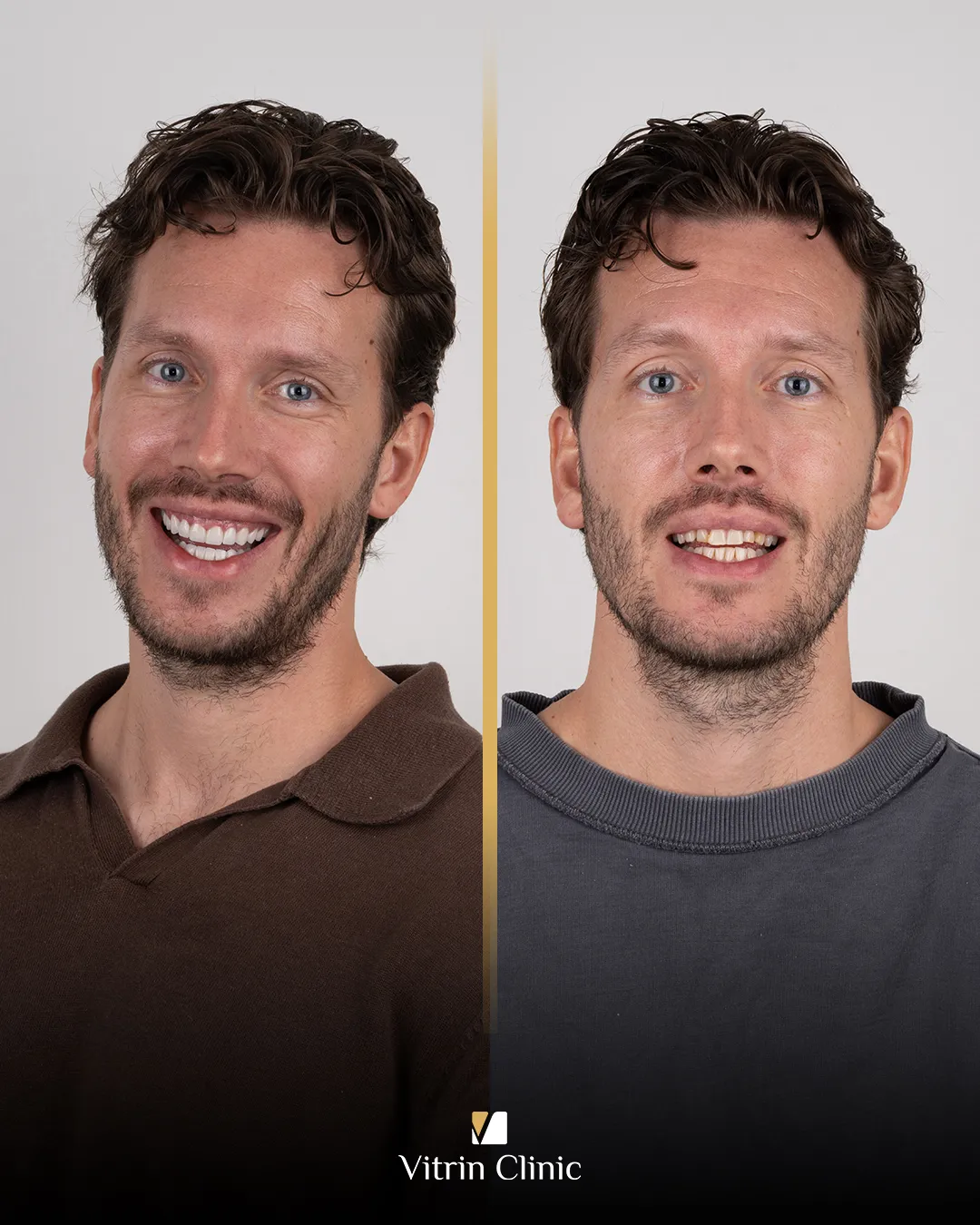
Temporary Veneers usually resemble tooth-coloured coverings placed over prepared teeth. Their shape and colour depend on the preliminary design and the materials used. They may appear less translucent or less individually detailed than the final porcelain restorations. Some patients notice differences in tooth length, spacing, or surface texture. Photographs can help explain these differences, but actual patient photographs should be used only with appropriate consent. Before-and-after images should accurately represent the treatment stages and lighting conditions.
Why Temporaries Look Different From the Final Veneers
Provisional restorations prioritise protection, fit, and practical function. They may not include every aesthetic detail planned for the final porcelain. The temporary stage can still provide useful feedback about the smile design. Patients can discuss visible concerns before the definitive restorations are completed. Differences in thickness, edge shape, or colour do not automatically indicate a problem. However, severe discomfort, poor fit, or persistent bite interference requires assessment.
Ready to transform your smile?
Talk to our team and get a personal FREE treatment plan.
My Temporary Veneers Look Awful: Is That Normal?
Temporary Veneers may look unfamiliar immediately after placement, especially when their shape differs from your previous teeth. Minor aesthetic differences can occur during this stage. However, you do not need to ignore concerns about appearance or comfort. Contact the treating dental team if the restorations seem excessively bulky, uneven, loose, or difficult to close your mouth around. The temporary stage is an opportunity to communicate your preferences. Appropriate adjustments may improve comfort and help clarify the desired final design.
Why Temporary Veneers Look Bulky or Thicker
Temporary restorations can feel bulky because their contours differ from natural teeth. Material thickness, tooth preparation, and the provisional design may contribute to this sensation. Your tongue may also need time to adapt to changes around the teeth. However, persistent difficulty speaking, closing your mouth, or cleaning around the gums deserves professional review. Do not attempt to reshape or file the restorations yourself. Unsupervised adjustments can damage them or affect their fit.
Do Temporary Veneers Look Fake?
Temporary restorations can sometimes appear less natural than expected. Uniform colouring, limited translucency, or simplified tooth shapes may contribute to this appearance. Their purpose includes protection, so they may not reproduce every aesthetic feature of the final porcelain. Lighting and unfamiliarity can also influence how patients perceive their smiles. If the colour or shape concerns you, explain exactly what looks unnatural. Photographs taken under normal lighting may help communicate your observations.
Are Permanent Veneers Smaller and More Natural?
Permanent veneers may look more refined because their design can incorporate individual tooth proportions, translucency, and surface characteristics. However, they are not automatically smaller than temporary restorations. The final result depends on the approved design, available tooth structure, and laboratory fabrication. A natural appearance requires appropriate proportions rather than simply reducing thickness. Discuss the intended final dimensions before definitive placement. Changes should remain compatible with tooth health, bite function, and the clinical plan.
Not Happy With Your Temporaries? What to Tell Your Dental Team
Tell the treating dental team which features concern you. Describe whether the teeth look too long, too wide, too thick, too dark, or uneven. Explain any difficulty speaking, chewing, closing your mouth, or cleaning around the gums. These details help distinguish aesthetic preferences from fit or functional problems. The temporary phase may allow adjustments before the final restorations are produced. However, some changes require a revised design or additional laboratory work. Avoid making independent alterations, even when a small change seems straightforward.
What We Notice Clinically
Temporary veneers play an important role in protecting prepared teeth while the permanent restorations are being made. During this stage, we assess their fit, appearance, gum response, and bite to ensure the teeth remain protected and any necessary adjustments are identified before the final veneers are placed.
How Temporary Veneers Are Placed
The process usually begins with an agreed treatment design, followed by tooth preparation when clinically indicated.
Design review: The proposed shape and proportions are discussed.
Preparation: The planned amount of tooth structure is removed when necessary.
Digital scan or impression: Records guide fabrication of the final restorations.
Provisional fabrication: Temporary coverings are made according to the treatment plan.
Placement: The restorations are fitted and secured using an appropriate temporary retention method.
Final checks: Fit, comfort, and bite contacts are assessed.
Do Temporary Veneers Hurt?
Placement is not necessarily painful, but discomfort can vary with tooth preparation and individual sensitivity. Local anaesthesia may be used when required during preparation. After treatment, some patients experience temporary sensitivity to cold, heat, or pressure. Significant pain, worsening symptoms, or pain when biting should not be dismissed as routine. Contact the treating dental team if symptoms persist or become more severe. The cause may require examination before any treatment changes are considered.
How Long Do Temporary Veneers Last?

How Long Can You Safely Wear Them?
The appropriate wearing period depends on their condition and the clinical plan. A provisional restoration that remains comfortable may still need replacement if the planned treatment is delayed. Longer use can increase the opportunity for wear, loosening, food trapping, or gum irritation. The risks depend on the fit and the underlying teeth. Arrange an assessment if the expected placement date changes. Do not assume that an intact-looking restoration remains suitable indefinitely.
What If Your Permanent Veneers Are Delayed?
Contact the treating dental team as soon as a delay becomes apparent. They can assess whether the existing restorations remain suitable or require repair or replacement. Avoid wearing damaged or loose coverings longer than advised. Exposed prepared teeth may become more sensitive, and a loose restoration can be swallowed accidentally. Ask for a revised schedule and clear instructions for eating and cleaning. Travel arrangements may also need adjustment when additional appointments are required.
Clinical Note
Temporary restorations require careful handling because they are more vulnerable to loosening or damage than definitive porcelain veneers. Patients should report persistent sensitivity, gum irritation, changes in their bite, or any movement of the restorations.
Dr. Rifat Alsaman’s Opinion
Dr. Rifat Alsaman, Head of the Medical Team and Cosmetic Dentist, emphasizes that the temporary phase is an important opportunity to evaluate comfort and smile design. We encourage patients to share concerns about tooth length, shape, thickness, or colour before the permanent veneers are finalized.
Living With Temporary Veneers
Temporary Veneers require gentler handling than definitive porcelain restorations. Good oral hygiene and sensible food choices help reduce avoidable problems.
Do | Don't |
Choose softer foods when needed | Bite directly into hard foods |
Brush gently with a soft toothbrush | Pull or twist at the restorations |
Clean carefully between teeth | Force floss through tight contacts |
Contact the clinic about looseness | Use household glue to reattach them |
What Can You Eat?
Choose foods that are easy to chew, especially during the first few days. Cut firmer foods into small pieces and chew carefully. Avoid biting directly into hard foods, ice, hard sweets, or very sticky foods. These can dislodge or damage provisional restorations. If chewing causes pain, stop and contact the treating dental team. Dietary restrictions may vary depending on the number of teeth treated and the restoration design.
Can You Drink Alcohol or Coffee? Do They Stain?
Coffee and other strongly coloured drinks may affect the appearance of some provisional materials. Rinsing with water after drinking can help clear residue from the mouth. Alcohol may irritate some oral tissues and can affect judgement around careful eating or oral hygiene. Follow any specific restrictions provided for your procedure. Avoid assuming that temporary materials resist staining like definitive porcelain. Report persistent discolouration if ordinary cleaning does not improve the appearance.
Can You Smoke With Temporary Veneers?
Smoking is best avoided during dental treatment and recovery. It can contribute to oral health problems and may affect gum conditions. Smoke can also contribute to surface discolouration and unpleasant breath. Temporary restorations do not eliminate these risks. Ask the treating dental team for advice appropriate to your procedure and healing needs.
Can You Whiten Temporary Veneers?
Whitening products do not reliably change the colour of provisional restorations. Their materials respond differently from natural tooth structure. Whitening during this stage may also create a colour mismatch between natural teeth and the planned final restorations. Discuss the desired shade before definitive fabrication. Do not apply whitening products to the restorations unless specifically advised. Shade selection should account for the intended final appearance.
How to Brush, Floss and Clean Them
Brush gently twice daily using a soft toothbrush and fluoride toothpaste. Clean the gumline carefully without pulling at the temporary coverings. Floss carefully and follow the technique recommended by the treating dental team. If floss catches or lifts a restoration, stop and request instructions. Keep regular oral hygiene appointments and report persistent bleeding or unpleasant odours. Proper cleaning helps protect the gums and underlying teeth during treatment.
Bad Breath or Sore Gums With Temporaries
Bad breath or sore gums can occur when plaque or food collects around provisional restorations. Poor fit, trapped debris, or existing gum inflammation may also contribute. Clean the area gently and monitor whether symptoms improve. Persistent odour, bleeding, swelling, or tenderness requires professional assessment. Do not assume these symptoms are harmless simply because the restorations are temporary. The underlying gums and prepared teeth still require appropriate care.
Sensitivity Under Temporaries
Sensitivity can occur after tooth preparation, particularly when the remaining tooth structure is thin. Cold drinks, hot foods, or pressure may trigger discomfort. Mild symptoms may settle, but sensitivity should not automatically be attributed to the temporary coverings. Persistent or worsening pain requires assessment. Avoid extreme temperatures if they trigger discomfort. Contact the treating dental team if symptoms interfere with eating or sleeping.
Advantages
Temporary Veneers offer several benefits while permanent porcelain restorations are being prepared.
Tooth protection: They cover prepared surfaces and may reduce sensitivity.
Improved appearance: They help maintain the appearance of teeth during treatment.
Smile preview: They provide an initial opportunity to assess tooth shape and proportions.
Comfort: Properly fitted coverings can reduce irritation from food and temperature changes.
Early feedback: Patients can discuss concerns about appearance before final placement.
Disadvantages
Limited durability: They can crack, break, or become loose.
Possible sensitivity: Prepared teeth may react to hot or cold foods.
Appearance differences: They may look thicker, less translucent, or less natural than permanent veneers.
Dietary restrictions: Hard, sticky, and chewy foods may damage them.
Maintenance requirements: Careful brushing and eating habits help prevent complications.
Additional appointments: Delays may require adjustments or replacement.
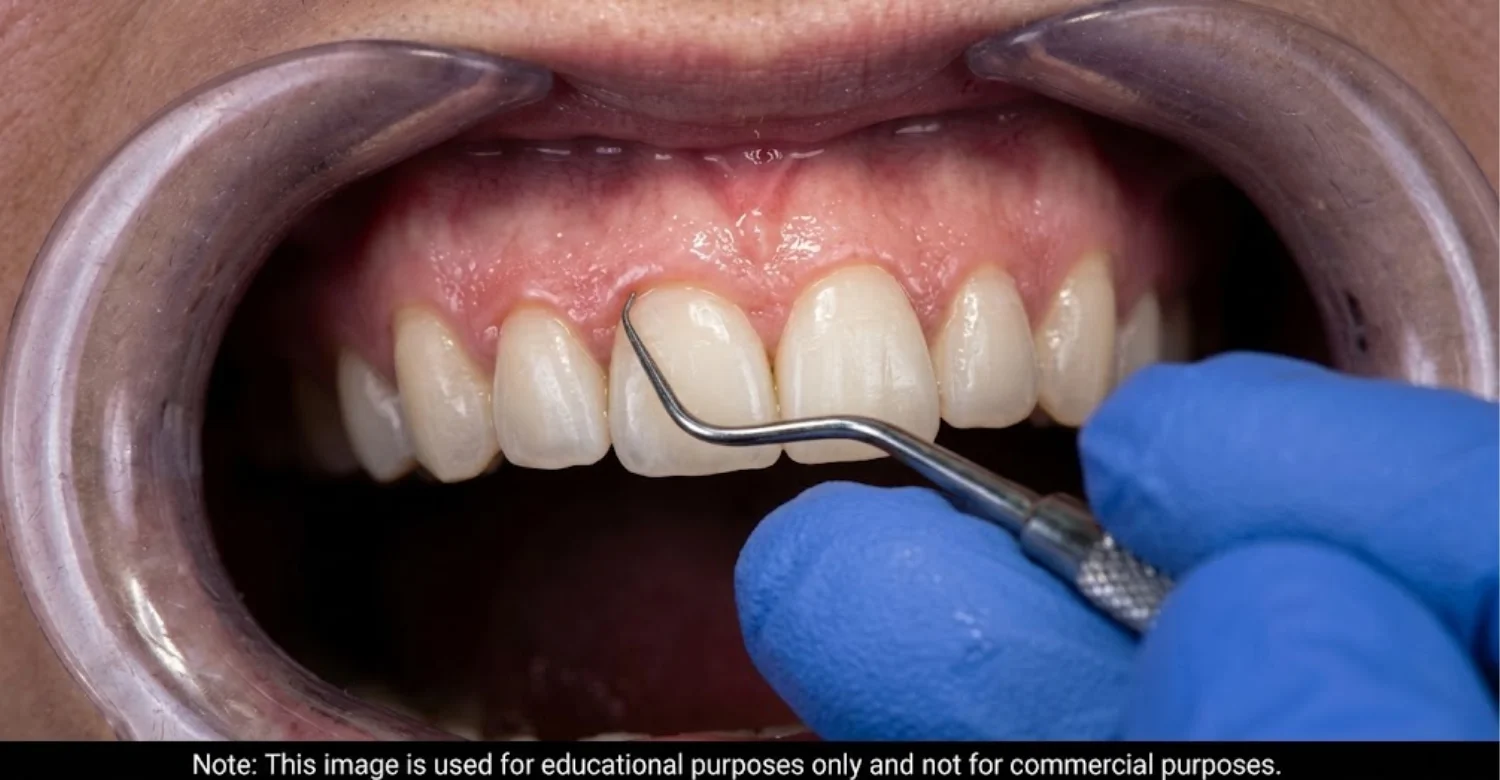
What to Do If a Temporary Veneer Falls Off or Breaks
If a temporary veneer falls off or breaks, contact your treating dental team as soon as possible. The exposed tooth may become sensitive to cold, heat, or pressure, and the prepared surface may need protection until the permanent veneer is fitted.
Remove it carefully: If the veneer is already loose, remove it from your mouth to avoid accidentally swallowing or inhaling it. Do not pull on a veneer that remains firmly attached.
Save the broken veneer: Place any recovered pieces in a clean container and bring them to your appointment.
Protect the tooth: Avoid chewing on that side and choose soft foods. Stay away from very hot, cold, hard, or sticky foods if the tooth is sensitive.
Keep the area clean: Brush gently with a soft-bristled toothbrush and rinse with lukewarm water.
Contact your dentist: Arrange an appointment promptly so the dental team can assess the tooth and determine whether the temporary veneer can be reattached or needs replacement.
Never use superglue or household adhesives to reattach a temporary veneer. Do not force it back into place or use dental cement without professional guidance, as this could damage the tooth or interfere with the final restoration.
If you experience severe or worsening pain, facial swelling, fever, or difficulty swallowing or breathing, seek urgent medical or dental care. Difficulty breathing or swallowing requires emergency assessment.
Ready to transform your smile?
Talk to our team and get a personal FREE treatment plan.
Temporary vs Permanent Veneers
Feature | Temporary restorations | Permanent porcelain veneers |
Main purpose | Protection during treatment | Long-term aesthetic restoration |
Material | Provisional dental material | Dental porcelain |
Appearance | Preliminary design | Definitive approved design |
Stain resistance | Varies by material | Generally good, but surface and margins matter |
Strength | More fragile | Designed for longer-term function |
Lifespan | Usually days to weeks | Often many years with proper care |
The materials, fabrication process, and intended use differ. Permanent veneers still require good oral hygiene and careful handling.
Neither type guarantees a particular cosmetic outcome. Longevity depends on fit, oral health, biting forces, habits, and ongoing maintenance.
Here’s a cost table separating temporary veneer costs from permanent veneer prices, so readers can compare them without confusing the two.
Side Effects of Temporary Veneers
It may cause mild, short-term discomfort, although experiences vary between patients.
Tooth sensitivity: Prepared teeth may react to temperature changes.
Gum irritation: Edges or trapped food may irritate surrounding tissues.
Bite discomfort: Uneven contacts may make chewing uncomfortable.
Speech changes: Temporary changes in tooth shape may briefly affect pronunciation.
Loose or broken coverings: Provisional materials can become detached or damaged.
Bad breath: Plaque or trapped food may contribute to unpleasant odours.
Persistent pain, worsening sensitivity, swelling, or difficulty chewing requires professional assessment. Facial swelling with breathing or swallowing difficulties requires emergency medical attention.
How Much Do Temporary Veneers Cost?
Temporary veneers may be included in the total cost of permanent veneer treatment. If charged separately, the price depends on the material, number of teeth, and whether the restorations are made in a dental laboratory or chairside.
United Kingdom
From $50
Estimated cost per tooth
Estimated cost per tooth: $50–$200
Estimated cost for 6 teeth: $300–$1,200
Estimated cost for 8 teeth: $400–$1,600
Turkey
From $30
Estimated cost per tooth
Estimated cost per tooth: $30–$100
Estimated cost for 6 teeth: $180–$600
Estimated cost for 8 teeth: $240–$800
United States
From $100
Estimated cost per tooth
Estimated cost per tooth: $100–$300
Estimated cost for 6 teeth: $600–$1,800
Estimated cost for 8 teeth: $800–$2,400
Permanent Veneer Costs Compared
United Kingdom
From $700
Estimated cost per tooth.
Estimated cost per tooth: $700–$1,500
Estimated cost for 6 teeth: $4,200–$9,000
Estimated cost for 8 teeth: $5,600–$12,000
Turkey
From $250
Estimated cost per tooth
Estimated cost per tooth: $250–$500
Estimated cost for 6 teeth: $1,500–$3,000
Estimated cost for 8 teeth: $2,000–$4,000
United States
From $900
Estimated cost per tooth
Estimated cost per tooth: $900–$2,500
Estimated cost for 6 teeth: $5,400–$15,000
Estimated cost for 8 teeth: $7,200–$20,000
What Should You Confirm Before Paying?
Ask the clinic whether the quotation includes temporary veneers, permanent veneers, tooth preparation, examinations, imaging, and follow-up appointments. Additional treatments, such as fillings or root canal treatment, may increase the total if clinically necessary.
Important: Temporary veneers are not always required, particularly with no-prep or minimal-prep treatments. Their use depends on the clinical plan and the amount of tooth preparation involved.
Switching From Temporary to Permanent Veneers
The transition begins when the definitive restorations are ready for clinical assessment. The temporary coverings are removed, and the prepared teeth are examined. The final veneers are then checked for fit, shade, shape, and contact with neighbouring teeth. Any necessary adjustments are discussed before definitive placement. After placement, the bite is checked and refined when necessary. Patients receive instructions about sensitivity, eating, cleaning, and follow-up. The first days may involve some adaptation. Contact the treating dental team if pain persists, the bite feels uneven, or the gums become increasingly irritated.
How to Relieve Discomfort From Temporary Veneers
You can reduce mild discomfort by following careful oral hygiene and eating practices.
Avoid temperature extremes: Choose foods and drinks that do not trigger sensitivity.
Eat soft foods: Avoid hard, sticky, or chewy foods that could dislodge the coverings.
Brush gently: Use a soft toothbrush and fluoride toothpaste.
Clean between teeth carefully: Follow the cleaning technique recommended by your dental team.
Avoid self-adjustments: Do not file, cut, or reshape the temporary restorations.
Seek professional advice: Contact the treating dental team if discomfort persists or worsens.
Never use household glue to reattach a loose restoration. Professional assessment helps determine whether it needs repair, replacement, or further treatment.
How Vitrin Clinic Handles the Temporary Phase
At Vitrin Clinic in Turkey, the temporary phase forms part of an individualized veneer treatment plan. The process begins with assessing tooth condition, gum health, bite relationships, and the planned aesthetic changes. Clinical examination and digital scans or dental X-rays may be used when appropriate. A proposed smile design can help patients discuss tooth proportions and their expectations before definitive restorations are produced. Temporary coverings are assessed for fit, comfort, and appearance. Patient feedback can help identify concerns that need review before final placement. Treatment estimates should clarify the planned procedures, included appointments, and possible additional charges. International patients should also discuss laboratory timing, travel dates, follow-up arrangements, and what happens if treatment takes longer than expected.
Ready to transform your smile?
Talk to our team and get a personal FREE treatment plan.
Conclusion: What to Remember About Temporary Veneers
Temporary Veneers protect prepared teeth while permanent porcelain restorations are being made. They also provide an opportunity to assess your preliminary smile's appearance before final placement. These coverings are less durable than permanent veneers and require careful eating, brushing, and cleaning. Their appearance may differ from the final result, so discuss concerns about colour, shape, thickness, or comfort with your treating dental team. If a restoration loosens or breaks, seek professional guidance rather than attempting repairs with household adhesives. Persistent pain, swelling, or increasing sensitivity also requires assessment. Before treatment begins, confirm the expected timeline, included costs, and follow-up arrangements. Individualized planning helps address your dental needs while preparing for the final restorations.
.jpg)
.webp)
Medical disclaimer
This article provides general educational information and does not replace an individualized dental examination. Treatment choices, risks, and expected outcomes depend on the patient's clinical condition. Seek professional advice about persistent pain, damaged restorations, or signs of infection.
References
FAQs
Temporary Veneers are provisional coverings placed over prepared teeth while permanent restorations are being made. They help protect the teeth and provide an initial preview of the planned smile. Their material, appearance, and durability differ from definitive porcelain veneers.
Dr. Rifat Alsaman has more than 5 years of clinical experience in dentistry and currently serves as the Head of the Medical Team at Vitrin Clinic. He is dedicated to providing exceptional patient care, overseeing treatment planning, and ensuring the highest clinical standards across the team. His expertise, attention to detail, and commitment to continuous professional development have helped countless patients achieve healthier, more confident smiles.


