Periodontics
October 4, 2026
What Is Trench Mouth? Symptoms, Causes, Treatment, and Prevention
 Dr. Rifat Alsaman
Trench mouth is a painful gum infection that develops quickly and needs prompt dental care. Understanding what this condition is, how it starts, and how it is treated helps patients act early. This guide explains symptoms, causes, treatment options, antibiotics, recovery, and prevention, with insights from the dental team at Vitrin Clinic.
What Is Trench Mouth?
This condition, medically known as acute necrotizing ulcerative gingivitis (ANUG), is a severe bacterial gum infection. It causes painful, bleeding gums and ulcers between the teeth. Its common name dates back to World War I, when soldiers in the trenches often developed it due to stress and poor hygiene.
What Is Necrotizing Gum Disease?
Trench mouth disease is an advanced form of gingivitis in which gum tissue becomes damaged and begins to break down. It is also called Vincent's disease or Vincent's infection. Unlike mild gingivitis, it develops rapidly, causes significant pain, and requires professional dental treatment to stop tissue damage.
How Does This Infection Affect the Gums?
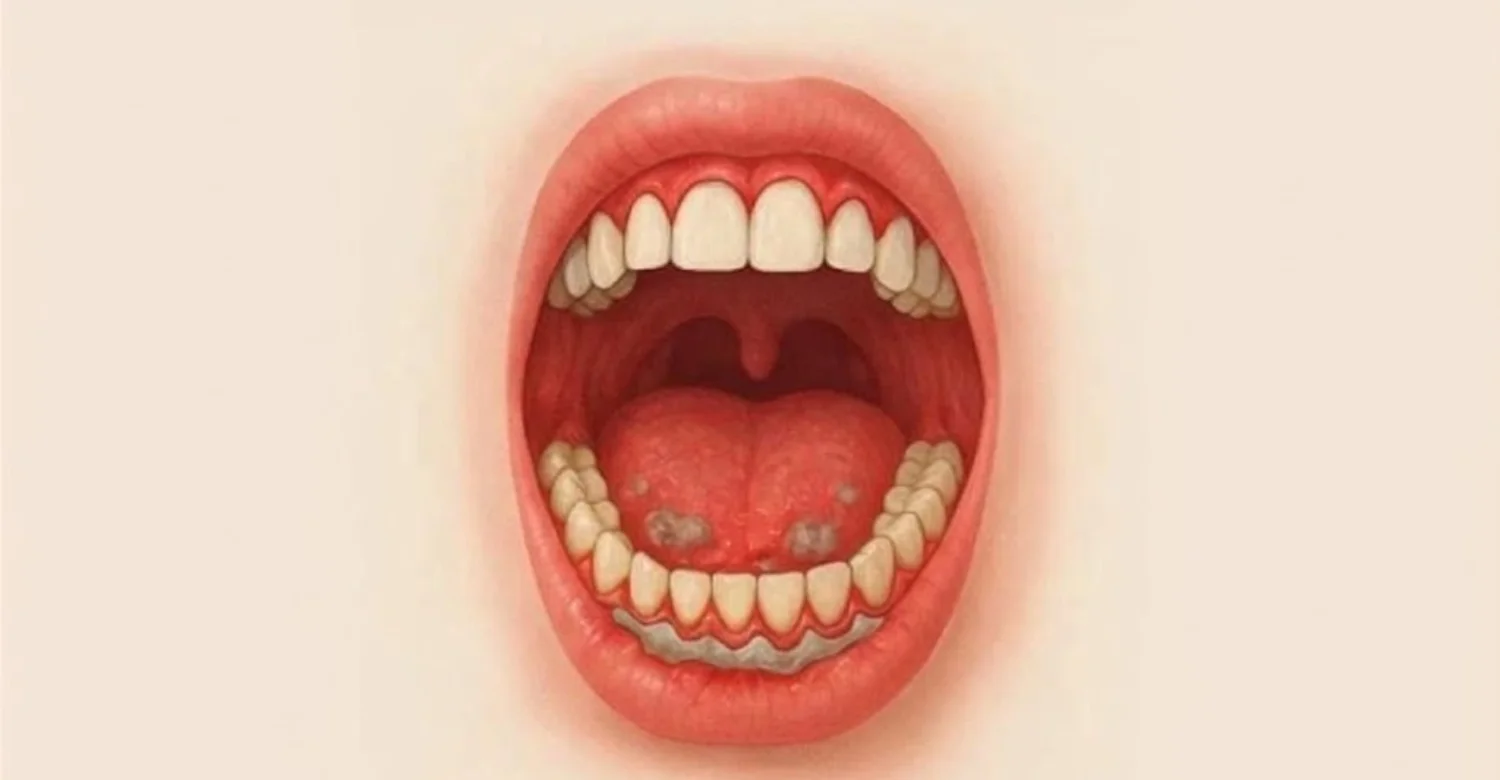
The infection attacks the gum tissue between the teeth, creating crater-like ulcers covered by a grayish film. Gums become red, swollen, and painful, and they bleed easily with light pressure. Without treatment, the damage can spread to the bone and tissues that support the teeth, increasing the risk of tooth loss.
Clinical Note
Although the condition is uncommon in people with good oral health, it can appear suddenly when hygiene, stress, or immunity changes. Early signs are often mistaken for ordinary gum irritation. Recognizing the rapid onset of pain and bleeding is important, because early treatment leads to faster healing and less tissue damage.
What Causes Trench Mouth?
Understanding the cause starts with bacteria. The infection develops when harmful bacteria that normally live in the mouth multiply excessively and invade the gum tissue. This overgrowth usually happens when the gums' natural defenses are weakened by poor oral hygiene, stress, smoking, poor nutrition, or a weakened immune system.
What Causes This Gum Infection?
The main trench mouth causes include poor oral hygiene, existing gingivitis, smoking, emotional stress, lack of sleep, and poor nutrition. These factors allow bacteria to accumulate and overwhelm the gums. Together, they lower the body's ability to control infection, turning a mild gum problem into a painful, destructive gum condition.
How Do Trench Mouth Bacteria Develop?
The bacteria involved, including fusobacteria and spirochetes, are normally present in the mouth in small numbers. When plaque builds up and the immune response weakens, these bacteria multiply rapidly. They then invade the gum tissue, causing inflammation, ulceration, and tissue breakdown, which leads to the characteristic pain and bleeding of the infection.
What Factors Increase the Risk?
Risk increases with smoking, high stress levels, inadequate brushing and flossing, poor diet, lack of sleep, and existing gum disease. People with weakened immune systems, including those with certain illnesses such as HIV, are also more vulnerable. Combining several of these factors raises the risk of a rapid gum infection.
Note : All images used are for editorial and illustrative purposes only. They may not originate from the original news provider or associated company.
Tips for the Patients
Brush twice daily and floss once a day to control plaque.
Avoid smoking and tobacco products.
Manage stress and get enough sleep.
Eat a balanced diet rich in vitamins.
Visit a dentist if your gums become painful or bleed easily.
Find relief and remedies for an ache in mouth
What Are the Symptoms of Trench Mouth?
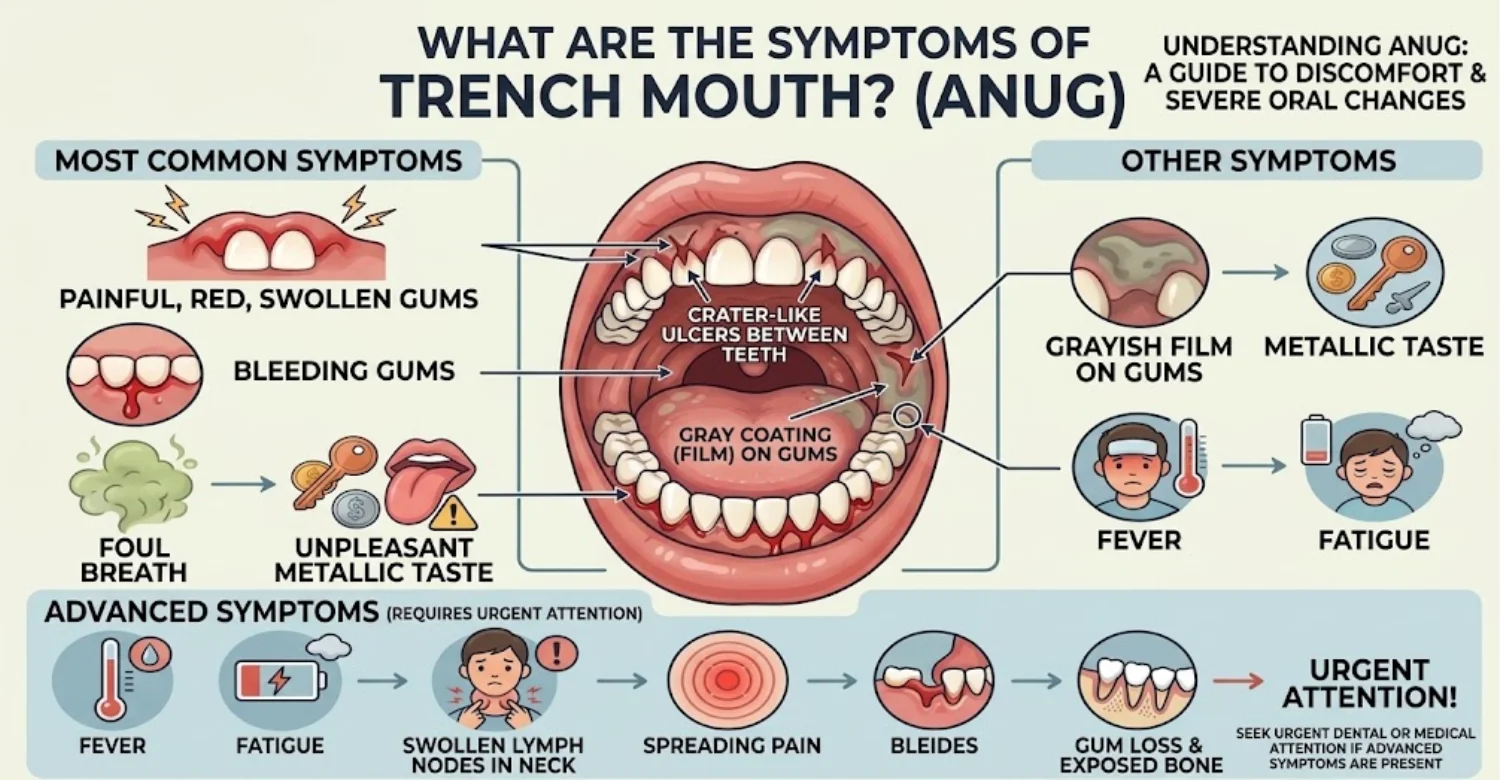
Symptoms usually appear suddenly and can be quite painful. Common trench mouth symptoms include bleeding gums, crater-like ulcers between the teeth, severe bad breath, and a grayish film on the gums. Some patients also notice a metallic taste, fever, or fatigue. Early recognition helps patients seek treatment before the infection progresses.
What Are the Most Common Trench Mouth Symptoms?
The most common signs include painful, red, swollen gums that bleed easily, ulcers on the gum tissue between the teeth, a gray coating over affected areas, foul breath, and an unpleasant metallic taste. Pain often makes eating and brushing difficult, which can further worsen oral hygiene if not addressed.
Can It Cause Bleeding Gums and Bad Breath?
Yes. Bleeding gums and strong bad breath are among the hallmark signs of this infection. Gums may bleed spontaneously or with light pressure, and the breakdown of infected tissue produces a distinctive foul odor. These symptoms are usually more severe than those of ordinary gingivitis and appear more quickly.
What Advanced Symptoms Should Patients Watch For?
Patients should watch for fever, fatigue, swollen lymph nodes in the neck, and spreading pain. Increasing gum loss or exposed bone suggests the infection is progressing. In rare, untreated cases, it can spread to the cheeks and jaw. These signs require urgent dental or medical attention without delay.
Clinical Note
Pain is often the main reason patients seek care, but the rapid onset of symptoms is equally important. Unlike chronic gum disease, which develops slowly, this condition can worsen within days. Any sudden combination of gum pain, bleeding, and bad breath should be evaluated by a dentist promptly.
Discover the signs to help answer should I get a root canal?
How Is Trench Mouth Diagnosed?
A dentist usually diagnoses trench mouth during a clinical examination of the gums and mouth. The diagnosis is based on the appearance of the gums, the patient's symptoms, and how quickly they developed. In most cases, laboratory tests are not needed, although they may be used when the diagnosis is unclear.
What Does a Dentist Look for During Diagnosis?
The dentist checks for crater-like ulcers between the teeth, a grayish film over the gums, bleeding with gentle touch, and inflammation. They also note bad breath, pain levels, and signs such as fever or swollen lymph nodes. Medical history, stress, and smoking habits help confirm the diagnosis.
Can It Be Diagnosed From Gum Symptoms?
Gum symptoms provide strong clues, but a professional examination is needed for an accurate diagnosis. Painful ulcers, bleeding, and a gray coating suggest this infection, yet similar signs may appear in other conditions. A dentist can distinguish between them and, if necessary, recommend X-rays or tests to assess deeper damage.
When Should You Seek Professional Dental Care?
Seek dental care as soon as you notice painful, bleeding gums, ulcers, or persistent bad breath that appears suddenly. Do not wait if you develop fever or swollen glands. Early treatment relieves pain quickly, prevents damage to supporting tissues, and reduces the risk of complications or recurrence.
What Is the Treatment for Trench Mouth?
Treatment aims to stop the infection, relieve pain, and restore gum health. Trench mouth treatment usually includes professional cleaning to remove plaque and damaged tissue, antiseptic mouth rinses, pain relief, and improved home oral care. Antibiotics may be added in some cases, especially when the infection causes fever or spreads.
What Is Trench Mouth Treatment?
It is a combination of professional and home care designed to eliminate infection. A dentist gently removes plaque, tartar, and dead tissue, then recommends antiseptic rinses such as chlorhexidine or diluted hydrogen peroxide. Patients also receive guidance on pain relief, gentle brushing, rest, nutrition, and avoiding smoking during recovery.
How Is It Treated by a Dentist?
A dentist cleans the affected areas carefully, often in stages because the gums are painful. Local anesthesia may be used for comfort. Follow-up visits allow deeper cleaning as healing progresses. If gum or bone damage has occurred, additional periodontal treatment may be planned to restore the supporting tissues.
Can Professional Cleaning Help Treat the Infection?
Yes. Professional cleaning is one of the most important steps in treating this infection. Removing plaque, bacteria, and dead tissue reduces the bacterial load and allows the gums to heal. Many patients feel noticeable relief soon after cleaning, especially when it is combined with antiseptic rinses and good home care.
Tips for the Patients
Use a soft-bristled toothbrush and brush gently.
Rinse with the prescribed antiseptic mouthwash.
Rinse with warm salt water to soothe the gums.
Avoid smoking, alcohol, and spicy foods.
Drink plenty of fluids and rest.
Attend all follow-up dental appointments.
Ready to transform your smile?
Talk to our team and get a personal FREE treatment plan.
Are Antibiotics Used for Trench Mouth?
Antibiotics are not always necessary, but they can be an important part of care. Dentists usually prescribe antibiotics for trench mouth when the infection causes fever, swollen lymph nodes, or spreads beyond the gums, or when the patient has a weakened immune system. Professional cleaning remains the foundation of treatment.
What Are Trench Mouth Antibiotics?
These are medications that target the bacteria responsible for the infection. Metronidazole is commonly used because it is effective against the anaerobic bacteria involved. Penicillin or amoxicillin may also be prescribed. The choice depends on the patient's medical history, allergies, and the severity of the infection.
When Are Antibiotics for Trench Mouth Recommended?
They are recommended when symptoms extend beyond the mouth, such as fever, fatigue, or swollen glands, or when the infection does not respond to cleaning alone. Patients with weakened immunity may also need them. A dentist decides based on examination findings rather than prescribing them routinely for every case.
How Do Trench Mouth Treatment Antibiotics Work?
These antibiotics work by killing or stopping the growth of the bacteria invading the gum tissue. This reduces inflammation and prevents spread. However, antibiotics cannot remove plaque or dead tissue, so they work best alongside professional cleaning, antiseptic rinses, and careful daily oral hygiene at home.
Can It Be Treated Without Antibiotics?
Yes. Many mild cases heal with professional cleaning, antiseptic mouth rinses, pain relief, and improved oral hygiene alone. Avoiding unnecessary antibiotics also helps reduce the risk of resistance. However, patients should follow the dentist's advice, as more severe or systemic infections may still require medication.
Clinical Note
Antibiotics should always be taken exactly as prescribed, including completing the full course. Stopping early can allow bacteria to return. Patients taking metronidazole are usually advised to avoid alcohol during treatment and for a period afterward. Any side effects or allergic reactions should be reported to the dentist promptly.
Understand potential reasons if you have a tooth hurts no cavity
How Long Does Trench Mouth Take to Heal?
With prompt treatment, trench mouth often improves quickly. Pain usually decreases within a day or two after cleaning, and most gum ulcers heal within about one to two weeks. Complete recovery depends on the severity of the infection, how quickly care begins, and how well patients follow home-care instructions.
How Quickly Can Symptoms Improve?
Many patients notice that symptoms begin to improve within 24 to 48 hours of professional treatment. Pain, bleeding, and bad breath typically decrease first. Gum tissue takes longer to heal fully, so continuing rinses, gentle brushing, and follow-up visits is important even after discomfort fades.
What Factors Affect Recovery?
Recovery depends on infection severity, overall health, immune function, smoking, stress levels, nutrition, and consistency with oral hygiene. Patients who stop smoking, rest well, and follow instructions usually heal faster. Delayed treatment or existing gum disease may extend recovery and increase the need for further periodontal care.
How Can Patients Prevent the Infection From Returning?
To prevent recurrence, patients should maintain excellent daily oral hygiene, avoid smoking, manage stress, eat a balanced diet, and get enough sleep. Regular dental cleanings remove plaque before it causes problems. Treating any remaining gum disease is also essential, since damaged gum tissue can trap bacteria and trigger reinfection.
Learn how to care for swollen gum from wisdom tooth
Can Trench Mouth Be Prevented?
Yes, trench mouth can usually be prevented with consistent oral care and healthy habits. Since it develops when bacteria overwhelm weakened gums, controlling plaque and supporting the body's natural defenses greatly lowers the risk. Regular dental visits help detect early gum problems before they progress into a painful infection.
How Can Good Oral Hygiene Reduce the Risk?
Brushing twice daily with fluoride toothpaste and cleaning between the teeth daily removes plaque before bacteria can multiply. Antiseptic mouthwash may provide extra protection when recommended. Healthy, clean gums are far more resistant to infection, making daily hygiene the most effective defense against this condition.
Can Regular Dental Checkups Help Prevent It?
Yes. Regular checkups and professional cleanings remove hardened tartar that brushing cannot, and they allow early detection of gingivitis. Treating mild gum inflammation early prevents it from progressing. Dentists can also identify personal risk factors and provide tailored advice to keep gums healthy and resistant to infection.
What Lifestyle Habits Can Help Protect Gum Health?
Avoiding smoking, managing stress, sleeping well, and eating a diet rich in fruits, vegetables, and vitamins all support healthy gums. Staying hydrated helps maintain saliva flow. These habits strengthen the immune system, helping the body control oral bacteria and reducing the likelihood of the infection developing.
Tips for the Patients
Brush twice daily and clean between your teeth every day.
Quit smoking or avoid tobacco.
Practice stress management and sleep well.
Eat nutritious, balanced meals.
Schedule regular dental checkups and cleanings.
Seek care early if gums become painful.
What Does Trench Mouth Look Like Clinically?
Clinically, trench mouth appears as red, swollen gums with crater-like ulcers at the tips of the gum tissue between the teeth. These areas are often covered by a grayish-white film, and they bleed easily. The gums may look "punched out," and the mouth usually has a strong, unpleasant odor.
How Does It Differ From Other Gum Conditions?
Unlike ordinary gingivitis, which develops slowly and is rarely painful, this infection appears suddenly with significant pain, ulcers, and tissue breakdown. It also differs from viral infections such as herpetic gingivostomatitis, which usually causes small blisters across the mouth. A dentist can distinguish between these conditions through careful examination.
Clinical Note
The ulcers between the teeth are the most characteristic clinical feature. Once this tissue is lost, gums may not fully regain their original shape, even after healing. This is why early diagnosis and treatment are important, as prompt care limits permanent changes to the gum contour
Check safety tips on using peroxide to help with tooth pain
.
How Does Vitrin Clinic Treat Trench Mouth?
Vitrin Clinic treats trench mouth with a careful approach that combines thorough examination, gentle professional cleaning, infection control, and personalized home-care guidance. The dental team focuses on relieving pain quickly, stopping tissue damage, and identifying the underlying factors that contributed to the infection to help prevent it from returning.
.jpg)
.jpg)
.jpg)
.jpg)
.jpg)
Vitrin Clinic's Approach to Treatment
At Vitrin Clinic, treatment begins with understanding each patient's symptoms, health, and lifestyle. The team performs gentle cleaning, recommends suitable rinses, and decides whether antibiotics are needed. Follow-up visits monitor healing, while guidance on hygiene, smoking, and stress supports long-term gum health and recovery.
How Does Vitrin Clinic Evaluate Gum Infections?
The dental team at Vitrin Clinic examines the gums for ulcers, bleeding, swelling, and tissue loss, and reviews symptoms such as fever or swollen lymph nodes. Medical history and risk factors are assessed carefully. This evaluation helps confirm the diagnosis, determine severity, and select the most appropriate treatment plan.
Dr. Rifat Alsaman's Opinion on This Condition
Dr. Rifat Alsaman, Head of the Medical team at Vitrin Clinic and a cosmetics dentist, emphasizes that this condition should be treated as soon as symptoms appear. Early care relieves pain faster and protects gum tissue, while addressing habits such as smoking, stress, and poor hygiene helps prevent future infections.
What We Notice Clinically
At Vitrin Clinic, the dental team notices that many patients delay care, mistaking early symptoms for ordinary gum irritation. Stress, smoking, and irregular oral hygiene are frequently involved. Patients who seek treatment early and follow home-care instructions usually experience faster relief and fewer long-term changes to their gums.
Explore types and benefits of dental prosthesis
Resource:
FAQs
Dr. Rifat Alsaman has more than 5 years of clinical experience in dentistry and currently serves as the Head of the Medical Team at Vitrin Clinic. He is dedicated to providing exceptional patient care, overseeing treatment planning, and ensuring the highest clinical standards across the team. His expertise, attention to detail, and commitment to continuous professional development have helped countless patients achieve healthier, more confident smiles.
.webp&w=3840&q=75)


