Endodontics
May 21, 2026
Type of Dental Abscess: Causes, Symptoms, and Treatment Options
 Dr. Rifat Alsaman
.webp&w=3840&q=75)
Type of Dental Abscess refers to the different forms of bacterial dental infections. These infections develop in specific areas of the tooth or surrounding gum tissue. Understanding each type of abscess is essential for patients experiencing dental infections. It helps them seek an accurate diagnosis and effective treatment. These infections can develop in several distinct locations. Each one causes different symptoms, complications, and treatment requirements. Dental professionals must carefully distinguish between them before proceeding with care. This comprehensive guide explores the full range of dental abscess varieties. It covers common periapical infections and less familiar palatal abscesses. You'll learn their causes, how they progress, and the modern treatment options available. The goal is to eliminate infection and prevent serious complications.
Type of Dental Abscess: Which One Do You Have?
Identifying the correct type of dental abscess is the first step toward effective treatment. A periapical abscess develops at the tip of a tooth's root. It's usually caused by untreated tooth decay or dental trauma that lets bacteria infect the pulp. A periodontal abscess forms in the gums alongside a tooth. It's often linked to advanced gum disease or trapped food particles. A gingival abscess affects only the gum tissue. It does not involve the tooth or its supporting structures. Less common types, such as pericoronal and palatal abscesses, occur around partially erupted wisdom teeth or on the roof of the mouth.
Understanding Dental Abscesses
Every type of dental abscess is a bacterial infection that creates pus in a specific oral location. Understanding these distinctions helps patients recognize their symptoms accurately. It also helps them communicate effectively with dental professionals. Bacteria establish colonies in the mouth's protected spaces and multiply rapidly. This generates the pressure, pain, and tissue destruction seen across all abscess varieties. Without professional intervention, these infections do not resolve on their own. They carry genuine risks of spreading to surrounding structures, the jaw, and the neck. In severe cases, infection can reach the bloodstream, causing life-threatening sepsis. Please learn about why abscesses hurt to properly understand your dental health and prevent further complications.
What Is a Dental Abscess?
A dental abscess is a bacterial infection that creates a pus-filled pocket in teeth or surrounding tissues. It requires immediate professional treatment. Each type of dental abscess develops through a similar mechanism. Bacteria invade, the immune system responds, pus accumulates, and tissue destruction follows. This process will not stop without dental intervention that addresses the infection source directly.
Common Causes of a Tooth Abscess
The common causes of dental abscesses include untreated tooth decay, cracked teeth, gum disease, and dental trauma. Each creates a pathway that lets bacteria penetrate the mouth's natural protective barriers. Recognizing the cause behind a developing infection helps dental professionals identify the specific type of abscess present. It also helps them choose the most efficient treatment approach for complete resolution without recurrence.
The Stages of a Tooth Infection: Identifying a Critical Stage 3 Dental Abscess
A tooth infection rarely appears overnight as a full-blown emergency. It moves through stages, and knowing where an infection sits helps patients judge how urgently they need care. Dentists generally describe three broad stages: early inflammation, localized abscess formation, and a critical stage marked by spreading infection.
Stage 1: Early Inflammation
At Stage 1, bacteria have reached the pulp or gum tissue. The body's immune response is still containing the damage locally. Patients may notice mild sensitivity, slight tenderness, or a faint ache that comes and goes. Pain relievers and prompt dental treatment at this point usually prevent further progression.
Stage 2: Localized Abscess Formation
Stage 2 marks the formation of a defined pus pocket. Swelling becomes more noticeable and throbbing pain intensifies. Pressure builds within the confined space of the tooth or gum. The infection is still generally contained to one area. It still requires prompt drainage and treatment to avoid advancing further.
What Is a Stage 3 Tooth Abscess?
A Stage 3 tooth abscess is a tooth infection that has broken past local containment. It has begun spreading into surrounding tissue, bone, or facial spaces. Recognizing stage 3 tooth abscess symptoms early is critical. This stage carries a genuine risk of dangerous complications requiring urgent intervention.
Stage 3 tooth abscess symptoms typically include pronounced facial or neck swelling, fever, and general malaise. Patients may also have difficulty opening the mouth fully and painful or difficult swallowing. Swollen lymph nodes under the jaw are common too. Any combination of these signs warrants same-day emergency dental evaluation rather than a routine appointment. A Stage 3 dental abscess can progress toward the airway or bloodstream if left unmanaged.
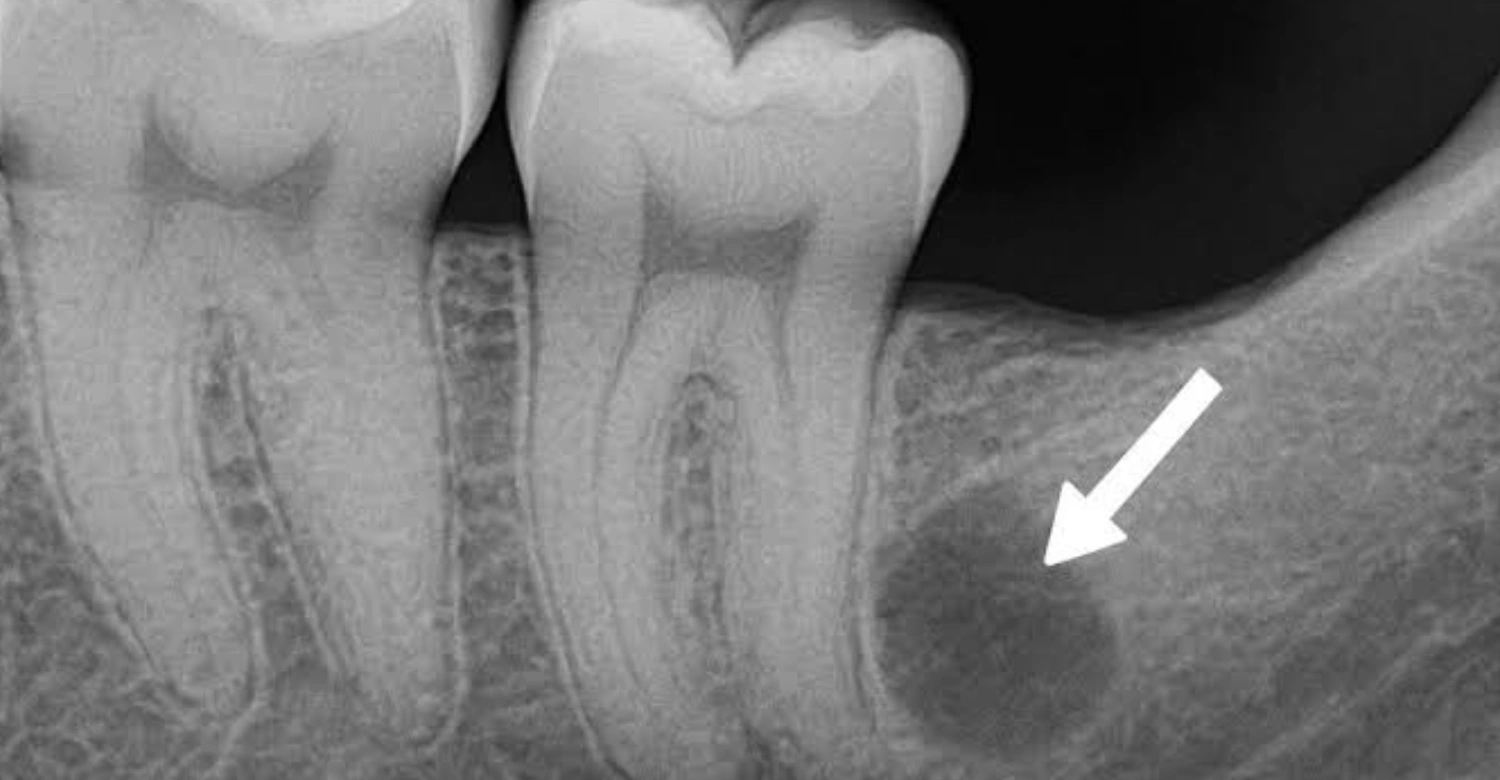
Types of Dental Abscess
Each type of dental abscess develops in a specific anatomical location. Each has distinct characteristics, symptom patterns, and treatment requirements. Accurate identification is essential before any intervention begins. The four primary categories are periapical infections at the root tip, periodontal infections in gum tissues, gingival infections confined to surface soft tissue, and palatal infections on the roof of the mouth. Each requires a fundamentally different treatment approach. They all share the same underlying mechanism: bacterial infection and pus accumulation.
Periapical Abscess
The periapical abscess is the most common type of abscess seen in clinical practice. It forms at the tip of a tooth root as a result of pulp infection. That infection progresses through the root canal system into the surrounding bone. Bacteria typically reach the pulp chamber through deep decay or a crack in the tooth structure. The infection then progresses through the root, creating a pus pocket at the apex. Destroyed bone tissue surrounds it, visible on an X-ray as a characteristic dark area around the root tip.
Definition and Causes
The periapical abscess forms when bacteria from a deep cavity or crack reach the tooth pulp. This kills the tissue and creates an infection. It spreads through the root canal to the surrounding bone, where pus accumulates under significant pressure. This type of abscess originates from untreated decay or traumatic injury. Both allow bacterial access to the previously sterile pulp chamber. Early cavity treatment and prompt management of dental trauma are the most effective prevention strategies available.
Symptoms
Symptoms of periapical abscess include severe throbbing tooth pain and marked sensitivity to temperature and pressure. Visible swelling in adjacent gum tissue is common. Systemic fever can occur too, showing that the infection has begun affecting the broader body. The pain from this type of abscess characteristically worsens at night. Lying down increases blood pressure in inflamed tissues, and chewing or pressure on the tooth makes it worse.
How It Differs From Other Types of Abscesses
The periapical abscess originates inside the tooth itself, at the root tip. This distinguishes it from periodontal abscesses, which develop in gum tissue beside the tooth. It also differs from gingival abscesses, which stay confined to the surface soft tissue without involving bone or root. This specific type of abscess characteristically shows bone destruction on imaging around the root tip. That diagnostic feature isn't present with other abscess varieties. It requires root canal therapy or extraction, rather than the periodontal or surgical treatments used for other categories. You should review tooth infection symptoms to better identify symptoms and seek proper dental care quickly.
Periodontal Abscess
The periodontal abscess forms in the gum tissues alongside a tooth, rather than inside it. It develops within existing periodontal pockets. Advanced gum disease, trapped food debris, or foreign objects create conditions that allow bacterial proliferation. This happens in the space between the tooth and its surrounding gum tissue. This type of abscess affects the supporting structures around teeth, rather than the tooth's internal pulp. It's a distinct clinical entity requiring different diagnostic thinking and treatment compared to pulp-derived infections.
Causes and Risk Factors
The causes of periodontal abscess include advanced gum disease that creates deep, bacteria-harboring pockets. Food impaction in these pockets is another cause, along with foreign objects lodged in gum tissue. Compromised immune function also plays a role, since it reduces the body's ability to control bacteria in the periodontal environment. Patients with established gum disease face elevated risk. So do smokers, diabetics, and people with poor oral hygiene. These populations should prioritize preventive periodontal care and regular professional monitoring.
Signs to Watch For
Signs of periodontal abscess include visible gum swelling adjacent to the tooth, rather than at the root tip. Redness and pus discharge from the gum pocket are common signs too. A persistent foul or bitter taste often appears. Pain when chewing differs in character from pulp-derived toothache. Notable tooth mobility can occur as the infection destroys supporting bone and ligament structures. Distinguishing this type from periapical infection requires professional examination with probing and imaging. The symptom overlap can mislead patients attempting self-diagnosis without clinical tools.
Gingival Abscess
The gingival abscess affects only the superficial gum tissue. It does not involve the tooth structure, periodontal ligament, or underlying bone. This makes it the least structurally destructive type of dental abscess in clinical practice. This infection typically results from trauma to the gum surface, such as a toothbrush injury. It can also come from a foreign object, like a food particle or floss fragment, becoming embedded in the gum. This creates a localized bacterial reaction that produces pus within the confined soft tissue.
Symptoms and Treatment
Symptoms of gingival abscess include localized gum swelling, redness, and tenderness on contact. Visible pus accumulation at the gum surface can occur too. This type does not involve the severe systemic effects or deep bone destruction seen with other categories. Treatment involves professional drainage through a small incision. It also involves thorough removal of any foreign material and irrigation of the area. Healing typically occurs within days after appropriate intervention. This is much faster than the extended timelines required for deeper infection types. We highly recommend exploring root canal on infected tooth for additional insights into maintaining your optimal oral health.
Palatal Abscess
The palatal abscess forms on the roof of the mouth. It develops either from a tooth infection spreading through the palatal bone or from direct infection of the palatal tissues. This creates a distinctive presentation, setting this type apart from varieties that develop in the gum or around tooth roots. The palate's unique anatomy has dense tissue overlying bone, with limited space for swelling to expand. This creates particular discomfort and potential complications. Prompt professional evaluation is especially important for this less common but clinically significant infection.
Overview
The palatal abscess presents as a firm or fluctuant swelling on the roof of the mouth. It causes pain during eating and speaking. Difficulty swallowing can occur when the swelling is significant, along with potential speech changes. This type of abscess requires urgent professional evaluation. Dentists must determine whether the infection originates from an upper tooth whose roots extend toward the palate, or develops primarily in the palatal tissues. This distinction determines the treatment sequence and which specialist should lead care.
Palatal Abscess Treatment
Palatal abscess treatment involves surgical drainage, performed with careful attention to the palate's anatomy. Systemic antibiotic therapy controls bacterial spread. Thorough investigation and management of the underlying infection source is also required, whether dental or directly palatal in origin. This type of abscess requires follow-up monitoring after initial treatment. Incomplete drainage or unresolved source infection can allow rapid recurrence. Untreated palatal infections carry risk of spread to the deeper neck spaces or sinus cavities, where infection management becomes far more complex and dangerous.
The Microbial Profile: The 4 Most Common Bacteria in Oral Abscesses
Behind every type of abscess is a specific bacterial population driving the infection. Identifying the 4 most common bacteria in dental abscess cases helps explain a lot. It shows why some infections respond quickly to treatment, while others prove more stubborn or aggressive.
1. Streptococcus mutans
Streptococcus mutans dental abscess cases typically begin with tooth decay. This bacterium is the primary driver of cavity formation. It thrives on dietary sugars, producing acid that erodes enamel. This opens a pathway for infection to reach the pulp.
2. Porphyromonas gingivalis
Porphyromonas gingivalis periodontal infection is strongly associated with gum disease and periodontal abscesses. This bacterium is particularly destructive to the tissues and bone supporting the teeth. It's frequently implicated in chronic, slow-progressing infections.
3. Fusobacterium nucleatum
Fusobacterium nucleatum is commonly found in mixed bacterial infections. It acts as a bridge organism, helping other bacteria colonize deeper tissue. Its presence often signals a more complex, polymicrobial abscess.
4. Prevotella intermedia
Prevotella intermedia is frequently isolated from periodontal and periapical abscesses alike. Its levels tend to rise during hormonal changes. This makes it a notable factor in some patients' recurring infections.
The 4 Most Common Bacteria by Name for Dental Abscesses
When patients ask what are the 4 most common bacteria by name for dental abscesses, dentists point to four. These are Streptococcus mutans, Porphyromonas gingivalis, Fusobacterium nucleatum, and Prevotella intermedia. Each plays a distinct role. Identifying which is dominant in a given infection can guide antibiotic selection when medication is part of the plan.
Formation and Progression
Understanding how dental abscesses form and progress helps patients recognize early warning signs before infections reach dangerous stages. The formation timeline varies considerably. It depends on the specific type of dental abscess, the bacteria involved, the individual's immune status, and any prior treatment.
How Long Does It Take a Tooth Abscess to Form?
The time it takes a tooth abscess to form varies depending on the type of abscess developing. Acute infections following trauma can form within 24 to 48 hours. Chronic infections from slowly progressing decay may develop gradually over weeks or months. Symptoms only become severe enough to prompt care once the infection has advanced. Acute abscesses typically present with rapid onset of severe pain and visible swelling. Chronic abscesses may cause only intermittent mild discomfort at first. They can suddenly become acutely symptomatic once the infection outpaces the body's local containment. For further information, reading what to take for tooth infection provides essential guidance on managing your dental discomfort effectively.
Early Warning Signs of an Abscessed Tooth
Early warning signs of a developing abscess include increased sensitivity in a specific tooth. Mild localized gum swelling is another common sign. A persistent foul or unusual taste that doesn't resolve with oral hygiene is also worth noting. Mild discomfort when chewing, not present before, is a signal too. Subtle color changes in adjacent gum tissue can appear as well. Recognizing these early indicators and seeking evaluation promptly allows treatment at the earliest, most manageable stage. This prevents progression to severe infection, which requires more extensive intervention and carries greater risk of complications.
Clinical Triage: Distinguishing High-Risk vs. Low-Risk Dental Infections
Not every dental abscess carries the same level of urgency. High risk vs low risk dental abscess triage is a routine part of emergency dental assessment. It helps determine whether a patient needs same-day intervention or standard scheduled treatment.
Low-Risk Presentations
Low-risk infections are typically confined to one tooth or a small area of gum tissue. There's no fever, facial swelling, or difficulty opening the mouth. Pain is present but manageable. The patient's overall health and immune function are unaffected.
High-Risk Presentations (Red Flags)
High-risk infections involve spreading swelling into the face or neck, along with fever. Rapid symptom progression is another red flag, as is difficulty breathing or swallowing. Occurrence in a patient with diabetes or a compromised immune system raises the risk level too. These red-flag features call for immediate evaluation. Delayed treatment raises the risk of the infection tracking into deeper tissue spaces.
Diagnosis and Treatment Options
Accurate diagnosis of the specific type of dental abscess requires comprehensive professional evaluation. This combines clinical examination, radiographic imaging, percussion and palpation testing, and a careful review of symptom history. Together, these distinguish between infection categories and determine the most appropriate treatment for complete, lasting resolution.
How Dentists Diagnose a Dental Abscess
Dentists diagnose dental abscesses through visual examination, identifying visible swelling and tissue changes. Radiographic imaging reveals bone destruction and infection extent. Percussion testing assesses pain responses to gentle tapping, while palpation evaluates tissue consistency and tenderness. A detailed symptom history establishes onset, character, and progression of discomfort. Identifying the specific type of abscess through this process ensures treatment targets the actual infection source. It stops dentists from addressing symptoms alone while the underlying bacterial cause keeps progressing.
Non-Surgical Treatments
Non-surgical treatments for dental abscesses include root canal therapy, which eliminates pulp infection for periapical cases. Professional drainage and deep periodontal cleaning treat periodontal cases. Targeted antibiotic therapy controls bacterial spread across all categories, while definitive dental procedures address the infection source. The right non-surgical approach depends on careful diagnosis of the infection's location, extent, and underlying cause. Treatment selection requires professional judgment, not a standardized protocol applied regardless of the case.
Surgical Procedures for Severe Cases
Surgical procedures become necessary for severe or complex abscesses that don't respond to non-surgical management. Incision and drainage treats large fluctuant swellings. Apicoectomy helps periapical cases where root canal treatment alone can't achieve complete resolution. Tooth extraction is used when a tooth is too damaged to save, and periodontal surgery addresses advanced bone destruction. When any type of abscess has progressed to significant bone destruction, multiple teeth, or spreading soft tissue infection, surgery provides the definitive source control that conservative approaches can't achieve.
What We Notice Clinically
Dr. Rifat Alsaman, Head of the Medical Team at Vitrin Clinic and a cosmetic dentist, observes that patients often underestimate infection speed. A Stage 2 infection can advance into a Stage 3 dental abscess quickly, especially when pain is masked by over-the-counter medication. Dr. Rifat Alsaman notes that swelling extending toward the eye, neck, or floor of the mouth is a clear warning sign. It's one of the first things the team checks for during emergency triage.
Dr. Rifat Alsaman, Head of the Medical Team at Vitrin Clinic, also points out that bacterial testing isn't part of every routine case. It becomes valuable in patients with recurring or antibiotic-resistant infections. Identifying whether Porphyromonas gingivalis or another organism is dominant helps refine the treatment plan.
Expert Tips for Managing and Preventing Dental Abscesses
Preventing dental abscesses requires a comprehensive approach. It must address the multiple pathways bacteria use to access the mouth's protected spaces. This combines excellent daily oral hygiene, regular professional monitoring, prompt treatment of early dental disease, and lifestyle changes that reduce overall infection risk. Prevention consistently proves more effective and less costly than treating recurring infections. Investing in daily preventive habits is one of the most impactful health decisions patients can make, regardless of which type of abscess they may be at risk for.
Daily Oral Hygiene Recommendations
Daily oral hygiene recommendations for abscess prevention include brushing twice daily with fluoride toothpaste, using proper technique. Flossing once daily removes plaque and food debris from between teeth and at the gumline. Antimicrobial mouthwash reduces bacterial populations throughout the mouth. Consistent use of these practices removes the bacterial buildup that, left unchecked, creates the conditions for any type of abscess to develop.
When to See a Dentist Immediately
Patients should seek immediate evaluation for severe dental pain not controlled by over-the-counter medication. Visible facial or neck swelling is another urgent sign. Systemic fever accompanying dental symptoms, difficulty swallowing or breathing, and rapidly worsening symptoms all suggest the infection has progressed beyond local containment. These warning signs mean the infection may be tracking through tissue spaces toward dangerous locations. Delays in treatment can allow progression to genuinely life-threatening complications within hours, not days.
Lifestyle Factors That Reduce Risk
Lifestyle factors that reduce dental abscess risk include avoiding tobacco, which impairs immune function and gum health. Managing systemic conditions like diabetes also helps, since they affect infection susceptibility. Reducing dietary sugar intake cuts down on the fuel for bacterial acid production. Staying hydrated supports saliva's natural antimicrobial function. Managing chronic stress matters too, since it measurably compromises immune defenses. Addressing these modifiable risk factors provides meaningful protection against every type of abscess, alongside good oral hygiene.
Tips for Patients
Do not wait out facial swelling, fever, or difficulty swallowing. These are signs of a high-risk infection needing same-day care.
Avoid applying heat to a swollen area, since it can encourage bacterial spread. A cold compress is safer for temporary comfort.
Finish any prescribed antibiotic course completely, even if pain resolves early. This prevents recurrence and resistant bacteria.
Keep the affected side of the mouth as clean as comfort allows. Use a soft brush and warm salt-water rinses.
Schedule a follow-up visit after drainage or root canal therapy. Incomplete resolution of any type of abscess can let the infection return.
Clinical Note
Dr. Rifat Alsaman, Head of the Medical Team at Vitrin Clinic and a cosmetic dentist, adds a practical note for patients weighing whether to wait out a toothache. Antibiotics alone rarely resolve a dental abscess. Drainage or removal of the infection source is almost always required. Medication controls bacterial spread, but it does not eliminate a sealed pocket of pus.
Vitrin Clinic: Expert Care for Dental Abscesses
Vitrin Clinic provides comprehensive emergency care for every type of dental abscess. Our experienced dental professionals use advanced diagnostic technology and evidence-based treatment protocols. These address both the immediate infection and the underlying causes behind it. Care ranges from same-day emergency drainage, which provides immediate pressure relief, through definitive root canal therapy, periodontal treatment, or surgical intervention. Vitrin Clinic offers coordinated, comprehensive management. Patients receive the right treatment for their specific infection, not a generalized approach applied regardless of abscess category or severity. Understanding the details of specialty dentist is absolutely crucial for maintaining a healthy, pain-free smile.
Why Choose Vitrin Clinic for Tooth Abscess Treatment
Vitrin Clinic offers patients experienced professionals trained in accurately distinguishing between infection categories. Advanced diagnostic technology, including digital radiography and three-dimensional imaging, enables precise treatment planning. Same-day emergency appointments are available, so patients receive care before infections advance to dangerous stages. Comprehensive treatment options cover the full spectrum, from conservative non-surgical management through complex surgical interventions when required.
Services Offered for Dental Infections
Vitrin Clinic's services for dental infections include emergency drainage procedures for immediate relief. Root canal therapy eliminates periapical infections while preserving natural teeth. Comprehensive periodontal treatment addresses gum-derived abscesses. Targeted antibiotic therapy controls bacterial spread, and surgical interventions handle advanced cases requiring more aggressive source control. This comprehensive range ensures that whichever type of abscess a patient has, Vitrin Clinic can provide definitive care without referrals to multiple providers.
Patient Testimonials and Success Stories
Patient success stories at Vitrin Clinic reflect consistent positive outcomes. Accurate diagnosis and appropriately targeted treatment make the difference for every type of abscess. Patients regularly report rapid relief following drainage procedures. Successful tooth preservation through root canal therapy is common too, along with complete resolution of complex infections that hadn't responded to treatment elsewhere. These outcomes reflect Vitrin Clinic's commitment to evidence-based management. We address infection sources comprehensively, rather than offering temporary symptomatic relief that lets underlying infections persist and recur.
References:
FAQs
Dr. Rifat Alsaman has more than 5 years of clinical experience in dentistry and currently serves as the Head of the Medical Team at Vitrin Clinic. He is dedicated to providing exceptional patient care, overseeing treatment planning, and ensuring the highest clinical standards across the team. His expertise, attention to detail, and commitment to continuous professional development have helped countless patients achieve healthier, more confident smiles.


