
Understanding what is endo in dentistry is the first step toward taking control of your oral health. "Endo" comes from the Greek word meaning "inside." In dental care, it refers to diagnosing and treating the inner structures of your teeth. Specifically, it focuses on the pulp, nerves, and root canals. Whether you have unexplained tooth pain or your dentist recommended a root canal, this guide explains everything clearly.
What Is Endo in Dentistry?
Endo in dentistry refers to endodontics. This branch focuses on diagnosing and treating problems inside the tooth. It includes the dental pulp and root canals. The most common endodontic treatment is root canal therapy. It removes infected or damaged pulp. Then it disinfects the root canal system. Finally, it seals the tooth to prevent future infection. Endodontic care aims to relieve pain and preserve natural teeth. It also restores normal function. In many cases, seeing an endodontist saves teeth that might otherwise require extraction.
The Meaning of "Endo" in Dental Care
When patients ask what is endo in dentistry, the simplest answer is this: it is the branch of oral medicine focused on the inside of the tooth. The prefix "endo" literally means within. So endodontics is the study and treatment of what lies beneath the enamel and dentin. That includes the living pulp tissue, blood vessels, and nerve fibers. These keep your teeth healthy and functional. Understanding this foundational meaning makes every other aspect of endodontic care easier to grasp.
Understanding Endodontics in Dentistry
Endodontics is a recognized dental specialty. It focuses on diagnosing, preventing, and treating diseases and injuries of the dental pulp and tissues around a tooth's roots. The word "endodontics" comes from the Greek words endo (inside) and odont (tooth), meaning "inside the tooth." General dentists can perform many routine root canal procedures. However, endodontists receive additional advanced training. They manage complex cases involving severe infections, dental trauma, retreatments, and microscopic root canal anatomy. Modern endodontic treatment combines advanced imaging, specialized instruments, and minimally invasive techniques. It preserves natural teeth whenever possible. Saving the natural tooth instead of removing it helps maintain chewing efficiency, jawbone health, and long-term oral function.
What Does an Endodontist Do in Dentistry
Although all endodontists are dentists, not all dentists are endodontists. After dental school, endodontists undergo an additional two to three years of specialized education. They focus entirely on diagnosing tooth pain and treating root canal infections. They also perform complex endodontic procedures. According to the American Association of Endodontists (AAE), less than 3% of all dentists are endodontists. This makes them one of the most specialized professionals in dentistry. They also perform an average of 25 root canal procedures each week. Many general dentists perform only a few. This extensive experience, combined with specialized equipment such as dental microscopes and CBCT imaging, enables endodontists to manage difficult cases with exceptional precision. They maximize the chances of preserving natural teeth.
Endodontics Definition in Clinical Dentistry
The endodontics definition in clinical dentistry refers to the biological and technical management of the pulp space and surrounding root tissues. To define endodontics formally: it is the dental specialty that prevents, diagnoses, and treats disorders of the dental pulp and the periapical region. The endodontics definition dental professionals use also includes treating teeth that have suffered trauma, repeated dental procedures, or untreated decay. These conditions require specialized care beyond routine dentistry. Understanding what is endo in dentistry starts here. The entire discipline revolves around the health and disease of the internal tooth pulp.
What Does Endodontic Mean for Your Teeth? for endo
Many patients ask what does endodontic mean when their dentist first uses this term during a consultation. In plain terms, endodontic refers to anything related to the inner pulp tissue of a tooth. Endodontic teeth are teeth that have been treated internally. They are cleaned, shaped, and sealed to remove infection and preserve natural tooth structure. Knowing this dental specialty helps patients understand why these treatments are recommended. It is important before pain becomes unbearable or before irreversible damage makes extraction the only option.
What Is Endo in Dentistry and How It Saves Teeth
Dental endodontics plays a critical role in modern preventive and restorative dentistry. When decay, infection, or trauma damages the inner pulp, dental endodontics provides the tools and techniques needed to preserve what remains. Rather than removing the entire tooth, endo for teeth focuses on removing only the diseased tissue while leaving the healthy root and crown intact. This approach protects your bite, prevents bone loss, and maintains the aesthetic integrity of your natural smile. Understanding what is endo in dentistry means recognizing this value.
What Does Endo Mean in Dentistry
Another common question alongside this dental specialty is: what is an endodontist, and how do they differ from a regular dentist? An endodontist is a dental specialist who has completed additional years of postgraduate training specifically in endodontic therapy, root canal procedures, and pulp biology. While general dentists can perform basic root canals, endodontists handle the most complex, severe, and surgically demanding cases. They offer a higher level of precision and expertise. This significantly improves outcomes for patients with advanced pulp disease. A variety of specialized endodontist procedures fall under this branch of dental medicine.
Endodontist Meaning and Professional Training for endo
Endodontist meaning goes beyond a simple professional title. It represents a genuine commitment to specialized clinical learning. After completing dental school, an endodontist undergoes an additional two to three years of advanced residency training focused exclusively on endodontic procedures. This includes mastering microscopic techniques, surgical interventions, pain management protocols, and the management of complex root canal anatomy. The endodontist meaning in practice describes a clinician who has devoted their entire career to the most intricate and precise aspects of dental pulp treatment and tooth preservation.
What Does Endo Mean in Dentistry
The endodontist definition, as recognized by dental specialty boards, is a licensed dentist who has completed an accredited postgraduate program in endodontics. The endodontist definition dental professionals reference describes someone qualified to diagnose complex pulp diseases, perform apicoectomies, manage dental trauma, and handle retreatment cases. Endodontist definition dental boards establish is built on rigorous academic and clinical standards. This ensures patients receive expert-level care when their tooth's inner structures are compromised beyond what routine dental treatment can safely and effectively address.
What Endo in Dentistry Means
Understanding the impact of endodontic care becomes easier when looking at the numbers.
Statistic | Value |
Dentists who are endodontists | Less than 3% |
Additional specialty training | 2–3 years |
Average root canals performed weekly by an endodontist | About 25 |
Average performed weekly by many general dentists | About 2 |
Teeth saved each year through root canal treatment | More than 15 million |
Long-term success rate of root canal treatment | Over 90% |
These statistics highlight why endodontics is considered one of the most successful tooth-saving specialties in modern dentistry. Experience, specialized training, and advanced technology all contribute to predictable outcomes and long-term oral health.
What Is Endo in Dentistry: Endodontist vs Dentist
Both general dentists and endodontists play essential roles in maintaining oral health, but their areas of expertise differ significantly.
General Dentist | Endodontist |
Provides routine dental care | Specializes in diseases inside the tooth |
Performs fillings, cleanings, and preventive care | Focuses primarily on root canal therapy |
Treats common dental conditions | Manages complex infections and retreatments |
May perform routine root canals | Performs advanced and difficult root canal cases |
Uses standard dental equipment | Uses microscopes, CBCT scans, and specialized endodontic instruments |
Many patients begin treatment with their general dentist and are referred to an endodontist when the anatomy is complex, previous treatment has failed, or advanced care is required.
What Does Endo in Dentistry Treat
Understanding what is endo in dentistry helps you recognize when a referral to an endodontist is appropriate. A patient should consider seeing an endodontist when experiencing persistent or severe tooth pain, prolonged sensitivity to temperature, visible swelling, a dental abscess, or when a general dentist identifies extensive pulp infection or complex root anatomy. Cases involving previously failed root canal treatments, traumatic dental injuries, or calcified canals particularly benefit from the specialized skill set and advanced equipment that trained endodontists provide in dedicated clinical settings. Modern practice relies heavily on advanced endodontic tools for precision and success.
What Endodontists Do in Dentistry
While general dentists provide a wide range of oral health services including cleanings, fillings, and straightforward root canals, their scope of practice is broader and less procedurally specialized. Endodontists, by contrast, focus exclusively on endo dental procedures. They treat the inside of the tooth with greater technical depth and precision. General dentists frequently refer patients to endodontists for difficult cases involving curved canals, retreatment scenarios, or surgical endodontics. Collaboration between both ensures patients receive comprehensive, appropriate care at every stage of their dental health journey.
What Does an Endodontist Do in Dentistry
Finding a skilled endodontist is crucial for a successful outcome. Start by checking credentials. Look for a dentist who has completed advanced training in endodontics. This specialty is recognized by dental associations. In many countries, endodontists must complete additional years of education and clinical experience. Ask about their experience. Inquire about the number of root canal procedures they perform annually and their success rates. Review the technology they use. A modern practice should have digital X-rays, operating microscopes, and rotary instruments. These tools enhance precision and outcomes. Read patient reviews. Online reviews and testimonials can provide insight into patient satisfaction and the quality of care. Seek referrals. Your general dentist or primary care physician can often recommend a trusted endodontist.
What Does Endodontics Focus On in Dentistry?
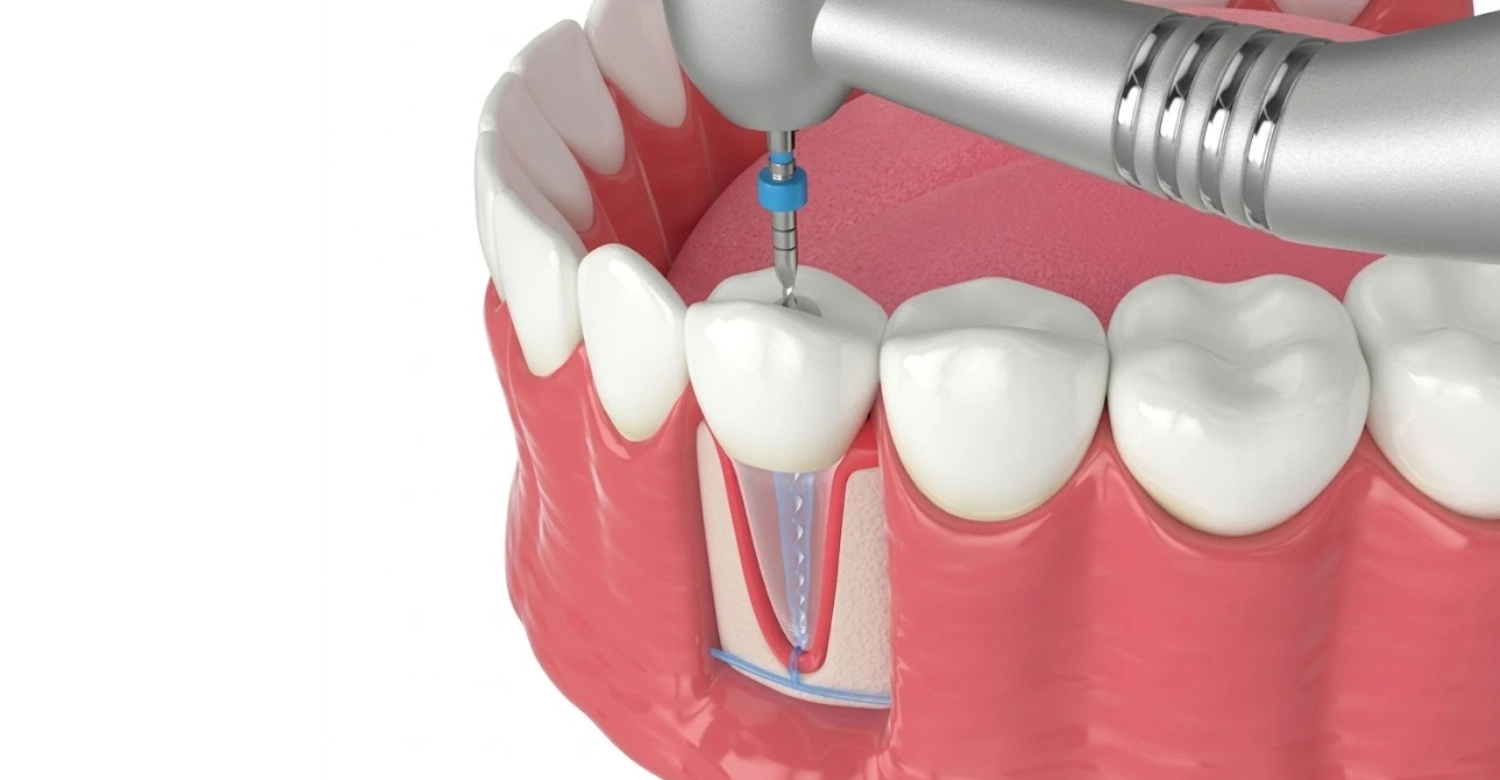
To fully understand what is endo in dentistry, it helps to know what endodontics focuses on anatomically. The tooth is not solid. It has an outer layer of enamel, a middle layer of dentin, and a hollow inner chamber filled with living pulp. Endodontics concentrates on this pulp chamber and the root canal system. This system extends from the pulp down to the tip of each root. This inner anatomy is where infections develop. All endodontic treatment procedures take place here. Anatomical knowledge is central to effective care.
The Structure of Endodontic Teeth for endo
Endodontic teeth have undergone or require internal treatment due to pulp compromise. Understanding their structure is fundamental to appreciating tooth endodontics. Each tooth contains one or more root canals. These canals house the dental pulp, a soft tissue of nerves, blood vessels, and connective tissue. Once the pulp becomes infected or irreversibly inflamed, endodontic treatment becomes necessary. The outer layers of enamel and dentin remain intact. The diseased inner tissue is carefully removed. It is replaced with a biocompatible sealing material to restore function.
Dental Pulp and Root Canal System Explained for endo
The dental pulp is the living core of every tooth. It extends from the crown into each root through the root canal system. During tooth formation, the pulp provides nutrients and sensation. A fully developed tooth can survive without its pulp. Surrounding tissues continue to nourish it through the periodontal ligament. When bacteria invade this pulp through decay, cracks, or trauma, infection spreads through the root canal system into the surrounding jawbone. Endo dental treatment addresses this. It thoroughly cleans, shapes, and seals the entire canal network. This eliminates bacterial contamination completely. The adoption of lasers in endodontics has revolutionized how specialists disinfect root canals.
Understanding Endodontics in Dentistry
Tooth endodontics matters because losing a natural tooth creates long-term consequences. When a tooth is extracted instead of treated, the surrounding bone begins to deteriorate. Neighboring teeth may shift. Bite alignment can be disrupted over time. Knowing what is endo in dentistry means recognizing that saving a natural tooth is almost always the superior option. Endodontic therapy allows patients to maintain their original teeth for decades. It avoids costly replacements. It preserves jawbone density, facial structure, and the natural integrity of the smile.
What Is Endo in Dentistry and When Is It Needed
Patients searching for this dental specialty are often prompted by pain or discomfort they cannot easily explain. Endodontic treatment is typically recommended when the inner pulp of a tooth has been damaged. This damage comes from infection, decay, or trauma beyond what surface-level treatment can resolve. Recognizing the warning signs early can mean the difference between a straightforward root canal and a more complex surgical procedure. Or worse, extraction. The following sections cover the most common clinical scenarios. These scenarios lead patients to seek endo for teeth and professional endodontic evaluation.
Persistent Tooth Pain and Sensitivity for endo
One clear indicator that endodontic treatment may be needed is persistent, unexplained tooth pain. This pain lingers long after eating hot or cold foods. This prolonged sensitivity can indicate that the pulp inside the tooth has become inflamed or infected. Unlike brief, normal sensitivity, endodontic-level discomfort tends to intensify over time. It may begin disrupting sleep or daily activities. If you experience this type of pain, prompt evaluation of the affected tooth's pulp health is essential. This prevents the condition from progressing into a more serious or surgically complex infection.
Deep Decay and Infection Inside the Tooth
When cavities go untreated, bacteria slowly penetrate through enamel and dentin into the pulp chamber. This process may initially cause no symptoms at all. Many patients are genuinely surprised to learn they need a root canal. Deep decay is one of the most frequent reasons dentists recommend dentistry endodontic treatment. Understanding what is endo in dentistry means appreciating that intervention at this stage can still save the tooth entirely. Delaying care allows bacterial infection to spread to the root tip and surrounding bone. This makes treatment significantly more complex and costly.
Trauma or Cracked Teeth Requiring Endodontic Therapy
Physical trauma to the mouth can crack, fracture, or chip teeth. This trauma includes sports injuries, falls, or biting on hard objects. These cracks expose the inner pulp to bacteria. Even hairline cracks that are not immediately visible can allow oral bacteria to infiltrate the pulp gradually over time. Endodontic therapy definition in traumatic cases involves assessing pulp vitality. It also involves stabilizing the affected tooth. Root canal treatment is performed if infection or irreversible pulpitis is detected. Early intervention following dental trauma significantly improves the long-term chances of successfully saving the affected tooth.
Swelling, Abscesses, and Nerve Damage Symptoms
A dental abscess is a pocket of pus from a bacterial infection. It is one of the most urgent signs that endodontic treatment is needed immediately. Symptoms include visible swelling of the face or gums, a persistent bad taste, extreme sensitivity to pressure, and sometimes fever. Endo dental care in these cases addresses both the infection and its source inside the tooth. Nerve damage, whether from infection or trauma, may also cause tooth discoloration, loss of sensation, or spontaneous pain. All of these warrant prompt endodontic evaluation before the infection spreads further.
Dentistry Endodontic Treatment Options Explained Clearly
Once patients understand what is endo in dentistry, they often want to know what treatment actually involves in practice. Dentistry endodontic treatment encompasses several distinct procedures. Each is designed for different levels of pulp involvement, infection severity, and anatomical complexity. From the standard root canal to surgical interventions and emergency procedures, modern endodontics offers a comprehensive toolkit. The goal across all options remains constant: eliminate infection, relieve pain, and preserve the natural tooth structure as completely as possible for long-term function and health.
Root Canal Treatment (Primary Endodontic Therapy)
Root canal treatment is the most well-known and widely performed procedure in endo for teeth. During this treatment, the clinician accesses the pulp chamber and removes all infected or inflamed tissue. Then they carefully clean and shape the root canal system using specialized instruments. Finally, they fill and seal the canals with a biocompatible material called gutta-percha. A dental crown is typically placed over the treated tooth for protection. Despite its fearsome reputation, modern root canal treatment is generally no more uncomfortable than having a routine dental filling completed.
Endodontic Retreatment for Previously Treated Teeth
Not every root canal succeeds on the first attempt. In some cases, the original treatment fails to fully eliminate infection, canals are missed, or new decay allows bacteria to re-enter the sealed tooth. Endodontic retreatment involves reopening the previously treated tooth, removing old filling material, re-cleaning and reshaping the canals, and resealing the space. This is an important part of what is endo in dentistry. It ensures that every possible clinical effort is made to preserve a tooth before extraction is considered as a final, irreversible last resort for a patient's compromised tooth.
Endodontic Surgery (Apicoectomy)
When conventional root canal treatment or retreatment cannot fully resolve an infection, endodontic surgery may be required. The most common form is an apicoectomy. In this procedure, the tip of the tooth's root is surgically removed along with any surrounding infected tissue. A small filling is then placed at the root end to seal it. This microsurgical procedure is performed under local anesthesia and offers excellent success rates. It is typically recommended for cases involving persistent periapical lesions that do not respond to non-surgical endodontic care despite thorough and technically correct treatment.
Emergency Endodontic Treatment for Acute Pain
Acute dental pain from pulp infection is among the most agonizing types of oral discomfort patients experience. It is a leading reason people seek emergency dental care. Emergency endodontic treatment focuses on providing immediate pain relief, draining any abscess present, and beginning the root canal process to halt infection at its source. For patients unfamiliar with what is endo in dentistry, emergency endodontic visits often serve as their first real introduction to this specialty. They arrive in significant pain and leave considerably more comfortable after prompt clinical intervention.
Endo for Teeth With Complex Root Anatomy
Some teeth present unique anatomical challenges that make routine root canal treatment particularly difficult. Extra canals, curved or calcified roots, narrow passages, and unusual branching patterns can all complicate treatment delivery. Endo for teeth with complex anatomy requires advanced three-dimensional imaging, specialized rotary instruments, and typically the use of a dental operating microscope. This helps navigate the root canal system with the necessary precision. Endodontists are specifically trained to manage these complexities. Their involvement is critical in cases where standard techniques would fail to adequately clean and seal the entire root canal network.
Benefits of Endodontic Treatment and What to Expect Before and After
Patients weighing their options often ask about the specific benefits once they understand what is endo in dentistry. The advantages extend well beyond pain relief. Endodontic therapy preserves natural teeth, maintains jawbone structure, prevents the spread of infection, and saves patients from the greater financial and physical demands of tooth replacement. Knowing what to expect before, during, and after treatment significantly reduces anxiety. Modern endodontic procedures are highly predictable, well-tolerated, and associated with excellent long-term outcomes when performed correctly and followed by appropriate restorative care.
Pain Relief and Infection Removal
The most immediate benefit of endodontic treatment is significant, lasting pain relief. By removing the infected or inflamed pulp tissue and eliminating the bacterial source, root canal therapy addresses the root cause of dental pain rather than masking it temporarily. Patients typically notice meaningful improvement within a few days as post-procedural tenderness subsides. Infection removal through endodontic therapy also prevents the spread of bacteria to adjacent teeth, the jawbone, and in severe cases, to other regions of the body. Timely treatment is not just a dental priority but a genuine systemic health concern.
Preserving Natural Teeth Instead of Extraction
One of the most compelling reasons to pursue endodontic care is the preservation of natural teeth. Understanding what is endo in dentistry reveals that your own natural tooth is always the superior option compared to any artificial replacement. Natural teeth maintain the stimulation needed to keep jawbone healthy, provide better chewing efficiency, and integrate seamlessly with surrounding oral structures. Dental implants and bridges, while effective when needed, require additional surgery or preparation of adjacent teeth. Properly timed endodontic treatment can help you avoid these costs and procedures entirely throughout your lifetime.
Root Canal Recovery Timeline
First 24 hours: Mild tenderness or sensitivity is common as the surrounding tissues begin healing.
Days 2–3: Most discomfort gradually improves and can usually be managed with prescribed or over-the-counter pain medication.
Within one week: Many patients return to normal eating and daily activities, although the treated tooth may remain temporarily sensitive.
Long-term: Once the permanent restoration, such as a dental crown, is placed and proper oral hygiene is maintained, the treated tooth can function successfully for many years.
Before Treatment: Diagnosis and Imaging
Before any endodontic procedure begins, a thorough diagnostic process is essential. This includes a detailed clinical examination, assessment of symptoms and dental history, and dental imaging—typically digital X-rays or cone beam computed tomography (CBCT) scans—to visualize the root canal system and surrounding bone. Vitality testing may also be performed to determine the current status of the pulp tissue. This diagnostic phase allows the treating clinician to confirm the diagnosis, plan the appropriate treatment approach, and anticipate any anatomical challenges that may affect the procedure's complexity or duration.
After Treatment: Recovery and Healing Timeline
After endodontic treatment, most patients can return to normal daily activities within 24 to 48 hours. Mild soreness or sensitivity around the treated area is common for a few days and can typically be managed with over-the-counter pain relievers. It is important to avoid chewing on the treated tooth until a permanent restoration, usually a dental crown, has been placed to protect it from fracture. Full healing of the periapical bone and tissues can take several months, but the tooth generally functions normally well before complete radiographic healing is confirmed on follow-up imaging.
What Can You Eat After a Root Canal?
Choosing soft foods during the first few days helps protect the treated tooth while reducing discomfort. Good options include yogurt, mashed potatoes, oatmeal, scrambled eggs, soup, rice, pasta, smoothies, soft fish, bananas, and cooked vegetables. Patients should avoid chewing on the treated side until the permanent restoration is placed. Hard, crunchy, sticky, or very chewy foods including nuts, popcorn, hard candy, ice, caramel, and tough meats should be avoided because they can damage a temporary filling or place unnecessary pressure on the healing tooth. Staying hydrated and maintaining good oral hygiene also support a smooth recovery.
When Should You Contact Your Dentist?
Although mild discomfort is expected after root canal treatment, certain symptoms require prompt evaluation. Contact your dentist or endodontist if you experience severe or worsening pain that does not improve after several days, increasing facial swelling, fever, difficulty swallowing, persistent bleeding, a bad taste or discharge around the treated tooth, or if your temporary filling or crown becomes loose. Early assessment allows potential complications to be treated before they become more serious, helping preserve the long-term success of the tooth.
What Is the Success Rate of Endodontic Treatment?
Root canal treatment has an excellent long-term prognosis when performed correctly and followed by an appropriate restoration. Clinical studies consistently report success rates exceeding 90%, with many treated teeth remaining healthy and functional for decades. Factors that contribute to successful treatment include early diagnosis, complete removal of infection, proper sealing of the root canal system, placement of a well-fitting permanent restoration, and maintaining good oral hygiene. Regular dental checkups further improve long-term outcomes by allowing dentists to monitor healing and detect any potential problems early.
Root Canal vs. Dental Implant: Which Is Right for You?
When a tooth is severely damaged or infected, patients often face a choice between saving the natural tooth with endodontic therapy or extracting it and replacing it with a dental implant. Root canal treatment aims to preserve your natural tooth, which is almost always the preferred option because it maintains your natural bite, chewing efficiency, and jawbone structure. The procedure is typically less invasive, requires less recovery time, and is more cost-effective than implant placement.
On the other hand, if the tooth is too badly decayed or fractured, or if root canal treatment fails, extraction and implant placement may be necessary. Implants offer a permanent, natural-looking replacement but require surgery, a longer treatment timeline (often several months), and a higher upfront cost. According to Dr. Rifaat Al-Samman, "Saving a natural tooth should always be the first consideration, but when that's not possible, implants provide an excellent long-term solution." Your dentist will evaluate the condition of your tooth, bone support, and overall oral health to recommend the best approach.
What Are the Risks and Complications of Endodontic Treatment?
Endodontic procedures are generally safe and highly successful, but like any medical treatment, they carry some risks. Possible complications include:
- Instrument fracture: A small file may break inside the root canal, but it can often be left in place or removed with specialized techniques.
- Perforation: Accidental damage to the root or surrounding structures may occur, but many perforations can be repaired.
- Persistent infection: Bacteria may remain in tiny side canals, leading to a failed root canal. In such cases, retreatment or apicoectomy (surgical removal of the root tip) may be needed.
- Post-treatment pain: Some discomfort or sensitivity is normal for a few days, but severe or prolonged pain should be reported to your dentist.
- Tooth fracture: A tooth that has undergone root canal treatment becomes more brittle and may require a crown to prevent fracture.
Your endodontist will discuss these risks with you before the procedure and take precautions to minimize them. Choosing an experienced specialist, like those at Vitrin Clinic, significantly reduces the likelihood of complications.
What Do Studies Say About Endodontic Success Rates?
Clinical research consistently shows that endodontic treatment has a high success rate, typically ranging from 85% to 97% for initial root canals, depending on the tooth and the skill of the practitioner. A study published in the Journal of Endodontics found that the survival rate of root-canaled teeth after 10 years was over 90% when proper restoration was placed. Another review in the International Endodontic Journal reported that retreatment success rates are slightly lower, around 70-85%, but still favorable compared to extraction and implant placement. These statistics underscore the effectiveness of endodontic therapy in preserving natural teeth. Always consult with your dentist to understand your individual prognosis.
Long-Term Success Rates of Endodontic Therapy
Research consistently shows that endodontic therapy has high long-term success rates, often exceeding 90% when properly performed and restored. Understanding what is endo in dentistry includes appreciating that success depends on the procedure and follow-up care. Regular dental checkups, proper oral hygiene, and timely crown placement are critical. Endodontically treated teeth can remain functional and symptom-free for a lifetime with appropriate care.
Preventive Dental Care to Avoid Endodontic Problems
The best approach to this dental specialty is, ideally, never needing it. While not all endodontic problems can be prevented, many stem from untreated decay, poor hygiene, and delayed care. Proactive prevention dramatically reduces the risk of pulp damage. The following strategies help protect tooth pulp and avoid the need for root canal therapy.
Early Detection of Tooth Decay
Catching cavities early, before they penetrate dentin or pulp, is the most effective way to prevent endodontic treatment. Small cavities can be addressed with simple fillings. Untreated decay progresses deeper over months and years. Regular dental visits allow clinicians to identify decay early using visual exams and X-rays. Patients with frequent cavities or high sugar intake should consider more frequent monitoring.
Importance of Regular Dental Checkups
Routine checkups every six months help prevent conditions that lead patients to ask what is endo in dentistry. Dentists clean teeth, assess gum health, and check for early decay or cracks. They also take periodic X-rays to detect hidden issues. Early identification keeps treatment simple and non-invasive. Regular attendees are far less likely to develop advanced infections requiring endodontic intervention.
Protecting Teeth From Trauma and Cracks
Physical trauma is a leading non-bacterial cause of pulp damage. Athletes should wear properly fitted mouthguards to protect teeth from fracture. Avoid chewing ice, biting hard candy, or using teeth to open packaging. These habits reduce the risk of cracks that allow bacteria to reach the pulp. Promptly addressing chipped or cracked teeth prevents crack propagation and infection.
Oral Hygiene Habits That Protect Tooth Pulp
Consistent oral hygiene is the foundation of long-term pulp protection. Brush twice daily with fluoride toothpaste, floss once a day, and use antibacterial mouthwash. This removes plaque and bacteria responsible for cavities. When bacterial acids cannot penetrate enamel, the risk of deep decay is reduced. Fluoride treatments strengthen enamel against acid attack. Combined with professional cleanings, these habits create a powerful barrier against pulp disease.
Technology and Expertise in Modern Endodontics
Modern advancements have transformed what is endo in dentistry into a precise, predictable, and comfortable procedure. Today's practices use cutting-edge imaging, magnification, and instrumentation. These innovations allow clinicians to visualize anatomy in detail and clean canals thoroughly. Procedures are completed with minimal disruption to patients.
How Common Is Endodontic Treatment?
Root canal therapy is one of the most frequently performed dental procedures worldwide. According to the American Association of Endodontists, more than 15 million teeth are saved every year through endodontic treatment. Millions of patients undergo root canal therapy annually to eliminate infection, relieve pain, and preserve natural teeth. Advances in anesthesia, digital imaging, and specialized instruments have made treatment faster and more comfortable. The widespread success of endodontics reflects its important role in modern dentistry.
Modern Technology Used During Root Canal Treatment
Modern endodontics relies on advanced technology to improve diagnosis, treatment accuracy, and patient comfort. Dental operating microscopes help endodontists locate tiny canals that may otherwise remain untreated. Cone Beam Computed Tomography (CBCT) provides detailed three-dimensional images of the tooth and surrounding bone. This makes it easier to identify hidden infections, fractures, or unusual anatomy. Electronic apex locators determine the exact length of the root canals. Rotary nickel-titanium instruments clean canals more efficiently than traditional hand files. Digital radiographs reduce radiation exposure and provide immediate images during treatment. Together, these technologies improve precision and reduce complications. They also contribute to the high success rates of modern root canal therapy.
Digital Imaging for Accurate Diagnosis
Digital X-rays and cone beam computed tomography (CBCT) have revolutionized endodontic diagnosis. Unlike traditional film-based X-rays, digital imaging provides instant, high-resolution images with reduced radiation exposure. CBCT generates detailed three-dimensional views of the entire root canal system, surrounding bone, and any periapical pathology. This enables clinicians to plan treatment with exceptional accuracy. For patients learning what is endo in dentistry, knowing that diagnosis now relies on three-dimensional imaging rather than approximation offers considerable reassurance. It shows the precision of modern endodontic treatment planning and the predictability of clinical outcomes.
Dental Microscopes in Endodontic Procedures
The dental operating microscope is one of the most transformative tools in contemporary endodontics. It provides magnification of up to 25 times the normal field of view, combined with powerful illumination. This allows endodontists to locate and treat canal systems that would otherwise be invisible to the naked eye. Microscopes are particularly valuable in retreatment cases, surgical procedures, and teeth with calcified or unusually shaped canals. Their use has been shown to improve treatment outcomes and reduce procedural errors. They also increase the likelihood of successful tooth preservation, especially in anatomically challenging and complex endodontic cases.
Rotary Instruments and Advanced Cleaning Systems
Traditional endodontic treatment relied on manual hand files to clean root canals. This was a time-consuming process with significant limitations in curved or narrow passages. Modern rotary instruments are flexible, nickel-titanium files driven by an electric motor. They allow faster, more consistent, and more thorough canal shaping. Advanced irrigation systems using sonic or ultrasonic activation ensure that disinfecting solutions penetrate even the most inaccessible areas of the root canal network. These technologies dramatically improve the thoroughness of canal debridement and disinfection. Both are critical factors in achieving durable long-term success from endodontic treatment.
How Modern Techniques Improve Patient Comfort
A significant concern many patients have when considering what is endo in dentistry is whether treatment will be painful. Modern endodontic techniques have made the procedure far more comfortable than its outdated reputation suggests. Advanced local anesthetic protocols, including supplemental injection techniques for teeth with acute infections, ensure that patients remain thoroughly numb throughout the entire procedure. Combined with efficient rotary instrumentation, precise imaging, and experienced hands, treatment times have shortened considerably.
Professional Guidance: When Should You Consider Endodontic Therapy?
Once a patient understands this dental specialty, the natural follow-up question is: when exactly should treatment be pursued? Timing matters enormously in endodontics. Seeking care at the first signs of pulp involvement dramatically improves outcomes and reduces procedural complexity. Conversely, delaying evaluation in the hope that symptoms will resolve spontaneously almost always leads to worsening infection, additional required procedures, and in some cases, irreversible tooth loss. The sections below provide practical guidance on recognizing when endodontic therapy is no longer optional but genuinely necessary and urgent.
Root Canal Myths vs Facts
Many people delay treatment because of outdated information about root canals. Understanding the facts can help reduce unnecessary anxiety.
Myth | Fact |
Root canals are extremely painful. | Modern anesthesia makes treatment similar to receiving a filling. |
Tooth extraction is always better. | Saving the natural tooth is usually the preferred option. |
Root canals cause illness. | Scientific evidence does not support this claim. |
Every painful tooth requires a root canal. | Some cases can be treated without endodontic therapy after proper diagnosis. |
Every root canal requires a crown. | The need for a crown depends on the tooth's condition and location. |
Modern endodontic treatment is designed to eliminate pain, preserve natural teeth, and restore comfortable function.
Signs You Should Not Ignore
Several symptoms should prompt immediate dental evaluation for potential endodontic involvement. These include severe toothache not relieved by over-the-counter medication, prolonged temperature sensitivity lasting more than 30 seconds, spontaneous pain with no obvious trigger, visible swelling in the gums or face, a recurring pimple-like bump near the tooth, dark discoloration of the tooth, or pain when biting. Any combination of these symptoms suggests the pulp may be infected or dying. In such cases, endo for teeth may be urgently needed to prevent the situation from escalating into a more serious systemic health concern.
Risks of Delaying Endodontic Treatment
Patients who delay treatment after being advised to pursue what is endo in dentistry face serious consequences. An untreated pulp infection does not resolve on its own. Bacteria continue to multiply and spread beyond the root tip into the jawbone. This leads to abscess formation, bone destruction, and possible spread to adjacent areas. Eventually, a tooth that could have been saved with a root canal may require extraction. Delaying endodontic treatment increases both clinical complexity and financial cost.
Maintaining Treated Endodontic Teeth
After successful endodontic treatment, ongoing care is essential. The most critical step is timely placement of a final restoration, typically a dental crown. This prevents fracture of the now-pulpless tooth structure. Regular dental checkups allow the clinician to monitor healing and check restoration integrity. They also detect early signs of reinfection. Consistent oral hygiene, including daily brushing and flossing, remains important. Properly restored and maintained teeth can function comfortably for a lifetime.
Why Do Some Root Canals Fail?
Although root canal therapy is highly successful, failure can occur. Common causes include missed root canals due to complex anatomy, persistent bacterial infection, delayed crown placement, fractures, or leakage from damaged restorations. New decay may also allow bacteria to re-enter the treated tooth. Fortunately, many failed root canals can be managed with retreatment or apicoectomy. This allows the natural tooth to be preserved rather than extracted.
Why Saving Your Natural Tooth Matters
Whenever possible, preserving a natural tooth is preferable to extraction. Natural teeth provide efficient chewing, maintain alignment, preserve jawbone health, and support normal speech. Keeping the original tooth also avoids additional procedures like implants or bridges. Modern endodontic treatment allows many infected or injured teeth to remain healthy for years. Tooth preservation is a primary goal of contemporary dentistry.
What Does the American Association of Endodontists Recommend?
The American Association of Endodontists (AAE) emphasizes preserving natural teeth first. The organization recommends early evaluation of persistent tooth pain. It also advises prompt treatment of infected dental pulp and referral to an endodontist for complex cases. The AAE highlights that modern root canal therapy is safe and effective. Early diagnosis and timely treatment improve the likelihood of saving the tooth.
Cost of Endodontic Treatment and Insurance Coverage
The cost of endodontic treatment varies widely. It depends on the tooth's location, case complexity, and geographic region. A routine root canal on a front tooth may cost between $300 and $1,500. Molars can range from $500 to $2,000 or more. These fees typically cover the procedure itself. Additional costs may include the initial examination, X-rays, and the final restoration.
Most dental insurance plans provide partial coverage for endodontic therapy. They often cover 50% to 80% of the cost after your deductible is met. Coverage limits and exclusions vary, so verify your benefits before proceeding. For those without insurance, many clinics offer payment plans or financing options. At Vitrin Clinic, we provide transparent pricing and can assist with cost estimates and payment arrangements for international patients.
Endodontics at Vitrin Clinic
At Vitrin Clinic, patients receive comprehensive care and expert answers about what is endo in dentistry. The clinic's endodontic services are built on clinical excellence, advanced technology, and a patient-first philosophy. Whether you are experiencing dental pain for the first time or have been advised to seek specialized treatment, Vitrin Clinic offers the expertise and facilities needed. We diagnose your condition accurately and treat it to the highest standard in a welcoming environment.
Specialized Endodontic Expertise
Vitrin Clinic's endodontic team brings advanced training and extensive clinical experience to every case. From routine root canal treatments to complex surgical procedures and retreatments, the specialists are equipped to handle the full spectrum of endodontic needs. Their expertise in endodontist definition dental standards means patients benefit from evidence-based, precision-focused care. Each case is evaluated individually, with treatment plans tailored to the unique anatomy of each patient's teeth. This ensures the highest possible probability of long-term success and satisfaction.
About the Author
This article was written by the medical team at Vitrin Clinic, under the guidance of Dr. Rifaat Al-Samman. Dr. Al-Samman has extensive experience in endodontic treatment and dental tourism. For more information about our team and services, please visit our website or contact us directly.
Trusted Resources for Further Reading
For more information on endodontic treatment, refer to the American Association of Endodontists (aae.org) and the European Society of Endodontology (e-s-e.eu). These organizations provide evidence-based guidelines and patient education materials. At Vitrin Clinic, we align our practices with international standards to ensure the highest quality of care.
Disclosure
This article is for informational purposes only and does not constitute medical advice. The content was created by the team at Vitrin Clinic, and no external funding was received for its production. We have no conflicts of interest to declare. Always consult a qualified dental professional for personalized recommendations.
Advanced Diagnostic Technology
Understanding what is endo in dentistry at Vitrin Clinic begins with precise, thorough diagnosis. The clinic is equipped with state-of-the-art digital imaging systems, including CBCT and high-resolution digital X-rays, giving clinicians a detailed three-dimensional view of the tooth's root canal anatomy and surrounding structures. This diagnostic accuracy allows the team to identify issues that standard two-dimensional imaging might miss and to plan treatment with greater confidence and predictability.
Patient-Centered Treatment Planning
At Vitrin Clinic, every endodontic treatment plan is developed with each patient's individual goals, concerns, and long-term oral health firmly in mind. Clinicians take the time to explain findings clearly, outline all available options, and ensure patients feel fully informed before any treatment begins. This approach reflects the true endodontic therapy definition, not merely technical procedures, but a comprehensive care philosophy oriented toward preserving natural teeth and minimizing discomfort throughout. Patients are never rushed, and their questions about tooth endodontics and expected outcomes are always answered thoroughly, honestly, and without unnecessary clinical jargon.
Comfortable and Minimally Invasive Approach
Comfort is a priority at every stage of endodontic care at Vitrin Clinic. The team uses advanced local anesthetic techniques to ensure complete pain control before and during treatment, and modern rotary instrumentation to minimize procedural time and tissue disruption. For patients whose concern about what is endo in dentistry is largely rooted in anxiety, Vitrin Clinic's calm, supportive clinical environment and experienced team make a meaningful and lasting difference.
Book a FREE Consultation at Vitrin Clinic
If you have been experiencing dental pain or have questions about this dental specialty, now is the right time to take action and seek professional guidance. Vitrin Clinic offers a complimentary initial consultation for patients seeking evaluation of their dental health including a thorough assessment of whether endodontic treatment may be indicated. During this consultation, a qualified clinician will review your symptoms, examine your teeth, and discuss your options in clear, accessible language. Don't let dental discomfort go unaddressed, book your free consultation at Vitrin Clinic today and take the first step toward lasting oral health.
What We Notice Clinically
In clinical practice, one of the most common patterns we see is that many patients delay treatment because they believe tooth pain will eventually disappear. While the discomfort may temporarily subside if the dental pulp dies, the infection can continue spreading to the tissues around the root, leading to an abscess, bone loss, or more complex dental problems. Early evaluation is essential, even if the pain seems to improve.
Another important observation is that teeth treated soon after symptoms appear often have a more predictable prognosis than those with long-standing infections. Modern diagnostic tools such as digital radiographs and CBCT scans help identify hidden canals, fractures, and infections that may not be visible during a routine examination. Combined with specialized endodontic techniques, early diagnosis allows clinicians to preserve more natural teeth and achieve long-term treatment success while minimizing complications.
What Our Patients Say
We are proud of the positive feedback we receive from patients who have undergone endodontic treatment at our clinic. Many have praised our gentle approach, clear communication, and successful outcomes. For example, one patient wrote, "I was terrified of root canals, but the team at Vitrin Clinic made me feel at ease. The procedure was painless, and I'm so glad I saved my tooth!" Another commented, "Professional and caring staff. My root canal was done efficiently, and I had no issues afterward." We encourage you to read more reviews on our Google profile and Trustpilot page.
Dr. Rifat Alsaman's Clinical Perspective
According to Dr. Rifat Alsaman, preserving the natural tooth whenever possible remains one of the most important goals in modern dentistry. Many patients assume extraction is the simplest solution for a painful tooth, but advances in endodontics now allow even severely infected teeth to be treated successfully. With accurate diagnosis, advanced imaging, and specialized techniques, many teeth that once required removal can continue functioning for many years. Seeking treatment early also reduces the risk of complications and often makes treatment less complex and more predictable.
Conclusion
Endodontics plays a vital role in modern dentistry by preserving natural teeth affected by infection, injury, or deep decay. Through advanced diagnostic techniques, specialized training, and modern technology, endodontists can successfully treat complex conditions while helping patients avoid unnecessary tooth extraction. Whether you need a routine root canal or a more advanced endodontic procedure, early diagnosis and timely care greatly improve long-term outcomes. If you are experiencing persistent tooth pain, sensitivity, or swelling, consulting a qualified dental professional as soon as possible offers the best opportunity to save your natural tooth and restore your oral health.
Reference
Endo in Dentistry refers to endodontics, the dental specialty focused on diagnosing, preventing, and treating diseases and injuries affecting the dental pulp and tissues surrounding the roots of the teeth. Common endodontic procedures include root canal treatment and other therapies designed to preserve natural teeth. The following references provide more information about endodontics, root canal procedures, treatment indications, and clinical outcomes:
FAQs

Dr. Rifat Alsaman has more than 5 years of clinical experience in dentistry and currently serves as the Head of the Medical Team at Vitrin Clinic. He is dedicated to providing exceptional patient care, overseeing treatment planning, and ensuring the highest clinical standards across the team. His expertise, attention to detail, and commitment to continuous professional development have helped countless patients achieve healthier, more confident smiles.


