Endodontics
May 20, 2026
What Do Swollen Gums Look Like and When Should You Be Concerned?
 Dr. Rifat Alsaman
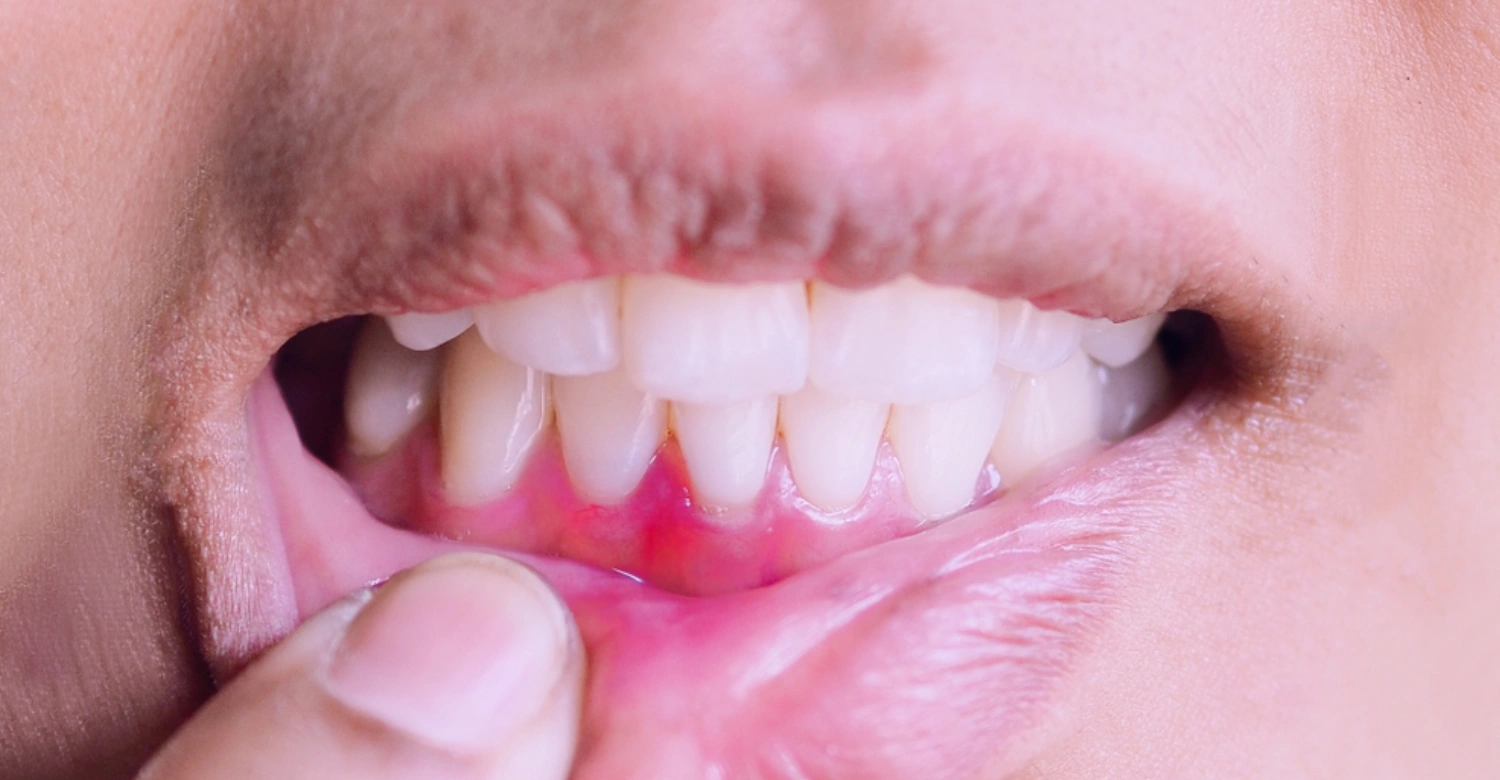
If you've noticed changes in your mouth, you may be asking: what do swollen gums look like, and should I be worried? Swollen gums typically appear redder, puffier, or more prominent than usual. They sometimes bleed easily or feel tender during brushing and eating. Knowing what do swollen gums look like empowers you to act early. This helps stop mild gingival swelling before it progresses into something far more serious. Any visible change in gum color, shape, or texture should always be professionally evaluated without delay.
Understanding Gum Health and Why Changes in Appearance Matter
Gum health is foundational to your entire oral wellbeing. Healthy gums act as a protective barrier around your teeth. They shield roots and bone from bacteria. When gingival swelling begins, it signals that this protective barrier is compromised. Understanding how gums should look and function helps you detect early warning signs. This lets you act before they progress into serious dental conditions. Any visible change in gum color, texture, or size should be taken seriously. It should be evaluated by a dental professional promptly.
The Role of Healthy Gums in Overall Oral Health
Healthy gums should appear firm, pale pink, and tightly fitted around each tooth without bleeding or discomfort. They support teeth structurally and prevent bacteria from reaching deeper tissues. When gums are compromised, the entire oral environment is affected. This includes bone density, tooth stability, and systemic health. Research increasingly links gum disease to cardiovascular conditions and diabetes complications. Maintaining gum health is not just about aesthetics. It directly impacts your overall wellbeing and quality of life.
How Dentists Evaluate Gingival Appearance Clinically
During a clinical examination, dentists assess gingival swelling by evaluating color, contour, consistency, and bleeding response. They look for changes from the healthy pale-pink baseline. Redness, puffiness, or shiny surfaces all indicate active inflammation. Dentists also use probing depth measurements to assess tissue attachment. They check for pockets where bacteria accumulate. This evaluation helps identify whether gingival swelling is localized or generalized. It guides the most appropriate course of treatment for each patient.
What Do Swollen Gums Look Like? Key Visual Signs Patients Should Notice
Understanding what do swollen gums look like empowers patients to seek timely care. Inflamed gums typically appear darker red or deep pink rather than the healthy pale tone. They may look puffy, rounded, or enlarged around the gumline. This is unlike the natural scalloped contour of healthy tissue. Patients often notice gums bleed more easily during brushing or flossing. Gingival swelling can affect one area or spread across multiple teeth, depending on the underlying cause.
Redness, Puffiness, and Changes in Gum Contour
One of the most visible indicators of what do swollen gums look like is a change in gum contour and color. Healthy tissue follows a defined scalloped shape around each tooth. When inflammation sets in, gums lose this contour. They become rounded, bulging, or misshapen. The color shifts from healthy pale pink to a deeper red or even purple in severe cases. Puffiness at the gum margin is often the earliest visual sign patients identify at home.
Glossy or Shiny Gum Surfaces
Another characteristic of what do swollen gums look like is a glossy or shiny surface texture. Healthy gums have a slightly stippled appearance similar to an orange peel. When gingival swelling occurs, tissue stretches and stippling disappears. This leaves a smooth, reflective surface. This texture change is a reliable clinical indicator of inflammation and fluid accumulation. Noticing this alongside puffiness or redness should always prompt a dental evaluation without delay. Learn more about cost of dentures in turkey
Localized vs. Generalized Gingival Swelling
Gingival swelling can appear in two distinct patterns: localized or generalized. Localized swelling affects a specific area, usually around one or two teeth. It often points to a local cause such as infection or food impaction. Generalized swelling spans the entire gumline. It may indicate systemic conditions, widespread plaque buildup, or hormonal changes. Distinguishing between these patterns is essential to understanding the reason for swollen gums. It also guides the most effective targeted treatment.
Swelling Around One Tooth
When gingival swelling appears around a single tooth, it often signals a localized problem. This can include a dental abscess, trapped food debris, a cracked tooth, or a failing dental restoration. The swelling may be accompanied by pain, pressure, or a small bump on the gum surface. Localized swelling like this should never be ignored, as infections spread rapidly to surrounding structures. A prompt dental visit is essential to identify the exact cause before complications develop.
Swelling Along the Entire Gumline
When gingival swelling extends along the full gumline, the cause is typically systemic. It can also relate to widespread plaque accumulation. This pattern is common in generalized gingivitis, certain medications, pregnancy, or nutritional deficiencies. The entire gum margin appears red, puffy, and prone to bleeding. This type of swelling often develops gradually and may be painless in early stages. That makes it easy to overlook until it advances into serious periodontal disease requiring intensive treatment.
Gum Bleeding and Tenderness Indicators
Bleeding during brushing or flossing is one of the most telling signs of what do swollen gums look like in an active inflammatory state. Healthy gums do not bleed during gentle cleaning. When gingival tissues are inflamed, blood vessels become fragile and rupture easily upon contact. Tenderness or soreness when eating is another key indicator. These symptoms together point to active gingival swelling. This warrants professional dental care before the condition progresses further. Discover more about cost of partial dentures
Gum Enlargement Affecting Tooth Proportions
In some cases, gingival swelling becomes significant enough to alter how much of the tooth is visible. Enlarged gums can partially cover the tooth crown, making teeth appear shorter than normal. This is particularly noticeable in gingival hyperplasia, triggered by certain medications or chronic inflammation. Beyond aesthetics, excessive gum tissue creates deeper spaces where bacteria thrive. This increases infection risk. Treatment may require medical management and, in advanced cases, surgical reshaping of the gum tissue.
Common Patient Concerns About Gingival Swelling
Patients experiencing gingival swelling often ask: Why does it happen? Is it serious? Will it resolve alone? These concerns are valid. Understanding the range of symptoms helps patients make informed decisions. Swelling patterns vary. Some are painless, some involve bleeding, and some develop suddenly around a single tooth. Identifying which type you're experiencing is the first step toward finding the true reason for swollen gums. This leads to appropriate, timely professional care.
Swollen Gums Without Pain
Painless gingival swelling is common in early-stage gingivitis, where inflammation is present but nerve involvement is minimal. Patients often overlook this because it causes no discomfort. However, the absence of pain does not mean the condition is harmless. Bacteria continue accumulating beneath the gumline, causing progressive tissue damage. Knowing what do swollen gums look like even without pain helps patients recognize warning signs early. This helps them seek care before the condition advances into serious periodontal disease. Learn more about partial dentures care
Swollen Gums With Bleeding During Brushing
If your gums bleed during brushing, this is your mouth signaling active gingival swelling. Bleeding gums should never be accepted as normal. This symptom typically indicates plaque or tartar irritating gum tissue and triggering an inflammatory response. Consistent bleeding during brushing is one of the most common indicators of gingivitis. It is also an important reason for swollen gums that always requires professional evaluation. Do not ignore it even if it seems minor or infrequent.
Sudden Gum Swelling Around a Single Tooth
Sudden, localized gingival swelling around one tooth is often alarming. It typically has a specific identifiable cause, most commonly a dental abscess, impacted food debris, or a cracked tooth. This type of swelling may develop within hours. It is sometimes accompanied by throbbing pain, fever, or a bad taste in the mouth. Immediate dental attention is essential because dental infections can spread rapidly. This creates serious oral and systemic health risks if left untreated.
Swollen Gums With Bad Breath
The combination of gingival swelling and persistent bad breath often indicates bacterial activity beneath the gumline. As bacteria multiply in inflamed gum pockets, they release volatile sulfur compounds causing unpleasant odors. Mouthwash and brushing may temporarily mask the odor but won't resolve the underlying infection. Patients experiencing both swelling and chronic bad breath should seek professional evaluation. This identifies the specific reason for swollen gums and leads to lasting treatment that addresses the root bacterial cause.
Gum Swelling During Pregnancy or Hormonal Changes
Hormonal fluctuations during pregnancy, puberty, or menopause significantly affect gum tissue. Elevated estrogen and progesterone levels increase blood flow to the gums. This makes them more sensitive and prone to gingival swelling. Pregnancy gingivitis is particularly common during the second trimester. It causes red, puffy, bleeding gums even with good oral hygiene. These hormonal changes make gums more reactive to plaque. Regular dental visits during hormonal transitions are strongly recommended to monitor and manage swelling effectively.
What Is the Reason for Swollen Gums? Understanding the Underlying Causes
Understanding the reason for swollen gums is essential for effective treatment. Gingival swelling rarely develops without cause. It is almost always a response to a bacterial, mechanical, hormonal, or systemic trigger. The underlying cause determines both the treatment required and the urgency of care. Identifying whether swelling stems from plaque buildup, infection, a restoration issue, or a systemic condition allows dental professionals to design a precise, individualized treatment plan. Learn more about dental cosmetics turkey
Plaque Accumulation and Early Gingivitis
The most frequent reason for swollen gums is plaque accumulation along the gumline. Plaque is a sticky film of bacteria that forms continuously on teeth. When not removed through proper brushing and flossing, it triggers an immune response. This causes redness, puffiness, and gingival swelling. This early stage, called gingivitis, is fully reversible with professional cleaning and improved home care. Addressing plaque buildup early prevents progression to more destructive, irreversible periodontal disease.
Periodontal Disease and Advanced Gum Inflammation
When gingivitis is left untreated, it progresses into periodontal disease. This is a more serious form of gingival swelling involving irreversible tissue destruction. Bacteria spread beneath the gumline, destroying supporting bone and connective tissue. Gums pull away from teeth, forming deep pockets that harbor infection. The swelling becomes persistent and resistant to home care alone. Periodontal disease is a leading reason for swollen gums in adults worldwide. It is also the primary cause of adult tooth loss globally.
Food Impaction and Localized Irritation
Food particles trapped between teeth or beneath the gumline can cause localized gingival swelling. Hard foods, seeds, or fibrous materials lodge in gum tissue, introducing bacteria and triggering inflammation. This is a common reason for swollen gums appearing suddenly around one specific tooth. Patients often report sharp pain or pressure in the affected area. Persistent localized swelling should always be evaluated professionally. This rules out more serious underlying causes requiring different treatment approaches.
Dental Abscess or Infection
A dental abscess is a serious cause of acute gingival swelling. It involves a localized collection of pus from bacterial infection. Abscesses can originate from the tooth pulp or the gum tissue itself. Swelling is typically sudden, painful, and accompanied by fever, swollen lymph nodes, or difficulty swallowing. This constitutes a dental emergency. Left untreated, abscesses can spread infection to surrounding bone, adjacent teeth, and in rare cases throughout the body. This creates life-threatening complications requiring urgent care.
Hormonal Changes and Gingival Sensitivity
Hormones play a powerful role in gum tissue behavior. Elevated progesterone and estrogen during puberty, pregnancy, or menopause increase gum tissue sensitivity. This makes gingival swelling more likely even at low plaque levels. Thyroid or adrenal imbalances can also alter gum health. This hormonal reason for swollen gums typically doesn't require special medication in mild cases. Enhanced oral hygiene and regular dental monitoring are usually sufficient to manage swelling through each transition. See everything about dental work in turkey
Ill-Fitting Dental Restorations or Appliances
Dental crowns, bridges, fillings, or orthodontic appliances can cause localized gingival swelling when they don't fit properly. Poorly contoured restorations create spaces that trap food and bacteria. This leads to chronic irritation. This mechanical reason for swollen gums is often overlooked. It is easily addressed by adjusting or replacing the problematic restoration. Regular follow-ups with your dental team ensure appliances remain correctly fitted and minimally irritating to surrounding gum tissue.
Vitamin Deficiencies and Systemic Conditions
Nutritional deficiencies, particularly in vitamin C and vitamin D, can impair gum tissue integrity. This increases susceptibility to gingival swelling. Vitamin C is essential for collagen production, and its deficiency leads to soft, bleeding gums. Systemic conditions including diabetes, leukemia, and certain autoimmune disorders can also manifest as persistent gum swelling. Medications such as calcium channel blockers, anticonvulsants, and immunosuppressants are known to cause gingival hyperplasia. These causes require coordinated management between dental and medical professionals.
Clinical Classification of Gingival Swelling: Acute vs. Chronic
Swollen gums fall into two broad clinical categories: acute and chronic. Acute swelling appears suddenly, often within hours. It is usually linked to infection, trauma, or an abscess. Chronic swelling develops gradually over weeks or months. It is typically driven by long-standing plaque buildup, hormonal shifts, or medication use. This distinction guides how urgently a patient needs care and which treatment approach will be most effective. Acute cases usually demand same-day evaluation, while chronic cases are managed through a longer-term treatment plan.
Distinguishing Between Reversible Inflammation and Non-Reversible Tissue Damage
Not all gingival swelling carries the same prognosis. Early inflammation, such as gingivitis, is fully reversible once plaque and bacteria are removed. Gum tissue returns to its healthy pink color and firm texture within days to weeks. Once inflammation progresses to periodontitis, however, bone and connective tissue loss becomes permanent. Dentists distinguish between these two states using probing depths, X-rays, and attachment levels. Recognizing this line early is the single biggest factor in whether a patient keeps their natural teeth.
Pharmaceutical and Medication-Induced Gingival Hyperplasia
Certain medications cause gum tissue to overgrow, a condition known as medication induced gingival hyperplasia. This swelling looks different from typical gingivitis. It tends to be firmer, less prone to bleeding, and concentrated around the front teeth. It develops gradually, often unnoticed until the gum tissue begins covering a visible portion of the tooth crown. Patients on long-term prescriptions for seizures, high blood pressure, or organ transplants should mention their medication history during any dental evaluation.
Common Prescription Drugs That Trigger Gum Enlargement
Three drug classes are most frequently responsible for gum enlargement. Calcium channel blockers, prescribed for high blood pressure and heart conditions, are one of the most common causes seen in dental practice. Anticonvulsants, used to control seizures, are another leading trigger. Immunosuppressants, prescribed after organ transplants, also carry a well-documented risk. In many cases, switching medications under a physician's guidance reduces the swelling significantly. This decision must always involve the prescribing doctor, not the dentist alone.
Gingival Swelling and How Dentists Diagnose the Problem
Accurate diagnosis of gingival swelling requires more than visual observation alone. Dentists use clinical examination, measurement tools, and imaging to identify the exact cause and extent of the problem. A thorough diagnostic process ensures treatment is appropriately targeted. This applies whether swelling stems from plaque, an abscess, a systemic condition, or a mechanical irritant. Understanding the diagnostic steps helps patients feel informed and confident during dental visits. It also makes them more committed to following through with recommended treatment.
Clinical Gum Examination Techniques
The clinical gum examination begins with a visual assessment of color, contour, texture, and any visible swelling or bleeding. Dentists gently probe tissue to check tenderness and consistency. They evaluate whether gingival swelling is localized or widespread. Whether gums bleed on contact is a reliable indicator of active inflammation. This initial assessment guides the dentist toward additional tests. This happens when the cause of swelling is not immediately apparent from visual inspection alone.
Periodontal Probing and Tissue Assessment
Periodontal probing is a key diagnostic step for evaluating gingival swelling. A calibrated probe is gently inserted between tooth and gum to measure pocket depth. Healthy gums have pockets of 1–3mm; depths beyond this indicate disease progression. Probing also identifies areas of bleeding, bone loss, or attachment loss. This assessment helps dentists classify the severity of gum disease. It distinguishes between gingivitis and periodontitis, and determines whether conservative or more intensive treatment is necessary.
Dental X-Rays for Hidden Causes
Dental X-rays are essential for detecting causes of gingival swelling that aren't visible clinically. Periapical X-rays reveal bone levels around tooth roots, identifying bone loss from periodontal disease or abscesses. Bitewing X-rays detect early interproximal bone changes. Panoramic images provide a comprehensive view of all teeth and supporting structures. X-ray findings combined with clinical data allow dentists to form a complete picture of the reason for swollen gums. This shapes a precise treatment plan.
Evaluating Bite and Oral Hygiene Habits
Bite evaluation and oral hygiene habit assessment are important components of diagnosing gingival swelling. An uneven bite or bruxism can place excessive force on certain teeth. This contributes to localized inflammation. Poor brushing technique, whether too aggressive or infrequent, directly affects gum health. Dentists review home care routines and identify any mechanical or behavioral factors contributing to swelling. Addressing these modifiable habits alongside professional treatment produces better long-term outcomes. Learn more about all on 6 dental implants in turkey
Available Treatments for Swollen Gums Explained Clearly
Treatment for gingival swelling varies widely depending on underlying cause and severity. Mild cases may resolve with professional cleaning alone. More advanced cases require deep cleaning procedures, antibiotic therapy, or surgical intervention. Understanding the available treatment options helps patients make informed decisions and set realistic recovery expectations. Regardless of cause, early treatment is always more effective and less invasive. This holds true compared to addressing gum problems after they have caused irreversible structural damage.
Professional Dental Cleaning for Mild Gingival Swelling
For early-stage gingival swelling caused by plaque and tartar buildup, professional dental cleaning is often the most effective first-line treatment. A dental hygienist removes hardened deposits from tooth surfaces and just beneath the gumline. This eliminates the bacterial trigger and allows inflamed tissue to heal. Patients typically notice a significant reduction in what do swollen gums look like within one to two weeks. This is especially true when paired with consistently improved daily brushing and flossing.
Scaling and Root Planing for Periodontal Inflammation
Scaling and root planing is a deep cleaning procedure designed for more advanced gingival swelling associated with periodontal disease. It involves removing plaque and tartar from below the gumline and smoothing root surfaces to discourage bacterial reattachment. Usually performed under local anesthesia, this procedure effectively reduces pocket depth and controls infection. It also helps gum tissue reattach to tooth surfaces. This significantly improves what do swollen gums look like over the following weeks of recovery.
Treatment for Gum Infection or Abscess
A gum abscess requires prompt professional treatment to prevent infection from spreading. Treatment involves draining the abscess, thoroughly cleaning the affected area, and removing the infection source. Antibiotic therapy is often prescribed to eliminate residual bacteria. If a tooth is the infection source, root canal treatment or extraction may be necessary. Early intervention dramatically reduces recovery time. It also prevents complications affecting surrounding teeth and supporting bone structure that are costly to address later.
Adjusting Dental Restorations or Orthodontic Appliances
When gingival swelling is caused by an ill-fitting crown, bridge, filling, or orthodontic appliance, treatment involves correcting the mechanical irritant directly. Restorations impinging on gum tissue are adjusted or replaced. Orthodontic brackets may be repositioned, and patients receive specialized cleaning tools for better hygiene. Once the source of mechanical irritation is removed, gum tissue heals quickly and effectively. This targeted treatment produces rapid improvement. It prevents swelling from becoming a persistent, recurring problem.
Antibacterial Rinses and Medication When Necessary
Antibacterial rinses and prescribed medications play a valuable role in managing gingival swelling involving infection. Chlorhexidine mouthwash is commonly recommended to reduce bacterial load and support healing after treatment. In cases involving abscess or widespread infection, systemic antibiotics may be prescribed. Anti-inflammatory medications reduce pain and swelling during recovery. These adjunctive treatments work best alongside professional cleaning. Using them alone, without addressing the bacterial cause, will not resolve gingival swelling long-term.
Surgical Gum Therapy in Advanced Cases
When gingival swelling has progressed to advanced periodontal disease with significant bone loss or tissue overgrowth, surgical intervention may be required. Procedures such as flap surgery allow deeper access for cleaning beneath the gumline. Gum grafting restores receded tissue. Gingivectomy removes excess tissue in hyperplasia cases. These procedures are performed under local anesthesia and significantly improve both gum function and appearance. Post-surgical care and ongoing maintenance are essential for lasting, successful outcomes. Learn more about dental implants overseas
At-Home Management and Safe Relief Measures
While professional treatment addresses the underlying reason for swollen gums, patients often look for at home relief for swollen gums while waiting for their appointment. Several safe, temporary measures can ease discomfort without interfering with diagnosis or treatment. These methods do not replace a dental visit. They simply make the days before your appointment more comfortable. Persistent swelling, regardless of home care, still requires a professional evaluation to identify and treat the root cause.
Saltwater Rinses, Cold Compresses, and Over-the-Counter Solutions
A saltwater rinse for gum inflammation is one of the simplest and safest home remedies available. Dissolve half a teaspoon of salt in warm water and rinse gently for thirty seconds, up to three times daily. A cold compress held against the outside of the jaw reduces swelling and numbs discomfort for fifteen minutes at a time. Over-the-counter anti-inflammatory medication and antiseptic mouthwash can also provide short-term relief. Always follow product instructions and consult a pharmacist if you take other medications.
Why You Should Avoid Popping or Puncturing Swollen Gums
The dangers of popping swollen gums are significant, and patients should never attempt this at home. Puncturing swollen tissue with a needle, pin, or fingernail introduces new bacteria into an already compromised area. This can turn a manageable infection into a spreading one, sometimes reaching the jawbone or bloodstream. Swelling that looks like it is "ready to burst" still needs professional drainage under sterile conditions. Attempting to release pressure at home frequently makes the underlying infection worse, not better.
Clinical Note: Early cavities frequently cause no pain or visible change, so they are missed during self-checks at home. A dental examination with X-rays detects decay between teeth and under the enamel before a patient would feel it.
Tips for the Patients: Use a toothpaste with 1,450 ppm fluoride, and after brushing spit rather than rinse with water, so the fluoride stays on the teeth longer. If you snack on something sugary, have it with a meal instead of spreading sweets across the day. It's the frequency of acid attacks, not the total amount, that drives a tooth cavity.
Benefits of Treating Gingival Swelling and What to Expect Before and After
Treating gingival swelling delivers both functional and cosmetic benefits that significantly improve quality of life. Successful treatment restores healthy gum appearance, stops disease progression, and protects underlying bone and tooth roots. Patients who understand what to expect before and after treatment are better prepared for recovery. They also stay more motivated to maintain results. The transformation following proper treatment is often dramatic, both in how gums feel and in what do swollen gums look like.
Reduction in Gum Inflammation and Discomfort
One of the most immediate benefits of treating gingival swelling is the reduction in inflammation and associated discomfort. Tenderness, soreness during eating, and temperature sensitivity typically decrease within days of professional treatment. As bacterial triggers are removed, the immune response subsides and tissue begins to heal. Gums gradually return to a firmer, less reactive state. This reduction in discomfort encourages patients to brush and floss more thoroughly. It creates a positive cycle that prevents recurrence of gingival swelling.
Improved Gum Contour and Natural Appearance
Successful treatment of gingival swelling results in a noticeable improvement in gum contour and appearance. Redness fades, puffiness reduces, and gums begin to regain their natural scalloped shape. Tissue that was stretched, glossy, or misshapen gradually returns to a firm, stippled texture. For patients who had significant changes in what do swollen gums look like, including enlarged gums covering the tooth crown, treatment significantly improves smile aesthetics. It restores natural, healthy-looking gum framing around the teeth.
Decreased Bleeding and Sensitivity
As gingival swelling resolves following treatment, patients consistently notice a dramatic decrease in bleeding during brushing and flossing. Blood vessel fragility within inflamed tissue normalizes, making gums far more resilient to mechanical contact. Sensitivity to cold, heat, and sweet foods also diminishes as tissue tightens around tooth roots. Many patients are surprised by how much more comfortable daily oral hygiene becomes after treatment. This makes it easier to maintain consistent home care and reduce future gingival swelling risk.
Prevention of Tooth Mobility and Bone Loss
Addressing gingival swelling early is one of the most effective ways to prevent the long-term consequences of untreated gum disease, including tooth mobility and bone loss. As periodontal disease advances, the supporting structures of teeth deteriorate. This leads to loosening and eventual tooth loss. Treating swelling before this stage preserves the bone and connective tissue attachments that keep teeth stable. Patients who complete prescribed gum treatment and maintain regular dental visits have significantly better long-term outcomes.
Before and After: Timeline for Gum Healing
The healing timeline after treating gingival swelling depends on severity and treatment type. After professional cleaning for mild gingivitis, visible improvement in what do swollen gums look like typically occurs within one to two weeks. Scaling and root planing results become apparent over four to six weeks as tissue tightens and pocket depths reduce. Surgical procedures may require six to eight weeks for full tissue maturation. Consistent home care throughout recovery accelerates healing and enhances the final outcome.
Preventive Dental Care Tips to Avoid Swollen Gums
Prevention is always preferable to treatment when it comes to gingival swelling. Most cases are entirely preventable with consistent oral hygiene and regular professional care. Simple daily habits combined with a clear understanding of the reason for swollen gums significantly reduce your risk. Establishing these habits early and maintaining them consistently provides the most effective long-term protection. This applies against gum disease, inflammation, and the discomfort of recurrent or untreated gingival swelling. Check out our guide on all on 4 dental implants abroad
Proper Brushing Techniques for Gum Protection
Effective brushing is foundational to preventing gingival swelling. Hold your brush at a 45-degree angle to the gumline and use gentle circular motions. Brush for a full two minutes, twice daily, ensuring you reach all gum margins. Aggressive scrubbing damages gum tissue and causes recession, while insufficient brushing allows plaque to accumulate and trigger swelling. Replacing your toothbrush every three months ensures effective cleaning without causing mechanical trauma to sensitive gum tissue.
Flossing Methods to Prevent Gingival Swelling
Flossing removes plaque and food debris from between teeth and just beneath the gumline, areas that brushing cannot reach. This step is critical in preventing gingival swelling, as interproximal spaces are prime sites for plaque accumulation. Use a C-shape technique, wrapping floss around each tooth and sliding it gently beneath the gumline. Floss at least once daily. Patients who struggle with traditional floss may benefit from interdental brushes or water flossers as equally effective alternatives.
Choosing the Right Toothbrush and Toothpaste
Tool selection matters significantly in gum care. A soft-bristled toothbrush is always recommended over medium or hard bristles, which can traumatize gum tissue and contribute to gingival swelling over time. Electric toothbrushes with pressure sensors provide consistent, effective cleaning with less mechanical risk. Fluoride toothpastes remain the gold standard for oral health, while anti-gingivitis varieties offer additional gum-specific benefits. Consult your dentist before switching products, especially if you show signs of existing sensitivity or active inflammation.
Importance of Regular Dental Checkups
Regular dental checkups every six months allow professionals to detect gingival swelling before it becomes serious. Even patients with excellent home hygiene develop tartar, hardened plaque removable only professionally. Routine checkups include periodontal screenings, X-rays, and personalized hygiene guidance tailored to your risk factors. Consistent professional care is among the most impactful decisions for long-term gum health. Skipping appointments even briefly allows early gingival swelling to progress silently into advanced, costly disease.
Diet and Lifestyle Habits for Healthy Gums
Diet and lifestyle significantly affect the reason for swollen gums. A diet rich in vitamin C, vitamin D, calcium, and antioxidants supports gum tissue integrity and immune function. Sugary and acidic foods feed bacteria and promote plaque formation. Smoking is one of the most damaging habits for gum health; it impairs blood flow and slows healing significantly. Stress also compromises immune response, making gums more vulnerable to infection. Balanced nutrition and tobacco avoidance build a strong foundation for lasting gum health.
Advanced Technology and Professional Expertise in Managing Gum Problems
Modern dentistry offers significant technological advantages for diagnosing and treating gingival swelling more accurately and comfortably than ever before. Digital tools, advanced imaging, and minimally invasive equipment allow practitioners to detect problems earlier and treat them more precisely. They also reduce patient discomfort during procedures. These technologies enhance clinical expertise and deliver more predictable outcomes with less recovery time. Patients benefit from faster diagnosis, gentler treatment, and better long-term results when technology and clinical judgment work together.
Digital Periodontal Assessment Tools
Digital periodontal assessment tools allow dentists to map gum health with precision and document changes over time. Electronic probing devices measure pocket depths accurately and record results digitally. This creates a comprehensive baseline for ongoing comparison. Digital charting identifies areas of gingival swelling, bleeding, and recession that may be difficult to track manually. This data-driven approach enables earlier intervention and more effective monitoring of treatment progress. It gives patients objective evidence of improvement at each follow-up visit.
Ultrasonic Cleaning for Gentle Gum Care
Ultrasonic scalers use high-frequency vibrations to break up tartar deposits along and beneath the gumline. This makes removal of plaque-related gingival swelling more efficient and less traumatic than traditional instruments alone. The continuous water spray also irrigates and flushes bacterial toxins from periodontal pockets during treatment. Patients typically experience less discomfort during ultrasonic cleaning, and treatment time is reduced. This technology is particularly beneficial for patients with sensitive gums or more advanced deposits.
Minimally Invasive Gum Treatment Approaches
Minimally invasive approaches to gingival swelling treatment prioritize tissue preservation, reduced discomfort, and faster healing. Laser-assisted gum therapy allows precise removal of infected tissue with minimal bleeding and shorter recovery. Localized antibiotic delivery systems place medication directly into periodontal pockets without systemic exposure. These approaches are particularly valuable for patients apprehensive about traditional surgical procedures. By targeting only affected tissue while protecting healthy structures, minimally invasive techniques produce excellent clinical results.
Patient Education and Professional Guidance for Long-Term Gum Health
Long-term gum health depends not just on treatment but on education. When patients understand what do swollen gums look like, how gingival swelling develops, and how to respond appropriately, they become active participants in their oral health. Professional guidance empowers patients to recognize warning signs early and adopt effective home care routines. It also helps them seek timely help when needed. Dental professionals who invest in patient education consistently achieve better clinical outcomes and more compliant patients.
When Swollen Gums Require Immediate Dental Attention
Certain presentations of gingival swelling require urgent care rather than a routine appointment. Seek immediate attention if swelling is accompanied by severe pain, fever, facial swelling, difficulty swallowing, or a bad taste suggesting active abscess. These symptoms may indicate infection spreading beyond the gum tissue. Similarly, sudden, rapidly progressing swelling around a single tooth should not be monitored at home. Acting quickly prevents serious complications and ensures the reason for swollen gums is addressed before irreversible damage occurs.
How to Monitor Gum Changes at Home
Monitoring gum health at home requires nothing more than consistent observation. After brushing, check your gums in a mirror. Note their color, firmness, and whether they bleed during cleaning. Knowing what do swollen gums look like allows you to detect early changes that might otherwise go unnoticed until a problem becomes advanced.
Long-Term Risks of Ignoring Gingival Swelling
Ignoring gingival swelling even when mild or painless carries significant long-term risks. Without treatment, early gingivitis progresses to periodontitis, causing irreversible bone loss and eventual tooth loss. Research also links untreated gum disease to increased cardiovascular risk, poorly controlled diabetes, preterm birth, and respiratory infections. The longer gingival swelling is left unaddressed, the more complex and expensive treatment becomes. Recognizing swelling early and acting promptly is always the most effective, cost-efficient protective strategy.
What We Notice Clinically
Dr. Rifat Alsaman, Head of the Medical Team at Vitrin Clinic and a cosmetic dentist, notes that patients frequently delay care for swollen gums simply because the swelling is painless. Dr. Rifat Alsaman explains that the clinical team at Vitrin Clinic often sees painless swelling that has already progressed past the reversible gingivitis stage by the time a patient books a consultation. Dr. Rifat Alsaman advises that any change in gum color, contour, or texture lasting more than a week deserves a professional look, even without pain or bleeding.
How Vitrin Clinic Approaches Gingival Swelling Treatment
At Vitrin Clinic, gingival swelling is approached with a comprehensive, patient-centered philosophy combining clinical precision with compassionate care. Every patient presenting with concerns about what do swollen gums look like receives a thorough evaluation and a fully individualized treatment plan. From mild gingivitis to advanced periodontal disease, Vitrin Clinic applies evidence-based solutions. This ensures patients receive effective treatment and the education they need for lasting gum health.
Comprehensive Gum Health Evaluation
Vitrin Clinic begins every consultation with a detailed evaluation that goes beyond surface-level assessment. Clinicians examine gum color, contour, pocket depths, bone levels, and overall tissue health using clinical tools and digital imaging. This comprehensive approach ensures the true reason for swollen gums is identified, whether plaque accumulation, infection, a restoration issue, or a systemic factor. Understanding the full picture before beginning treatment allows Vitrin Clinic to address root causes rather than simply managing visible symptoms.
Personalized Treatment Planning for Each Patient
No two patients experience gingival swelling the same way. This is why Vitrin Clinic develops individualized treatment plans rather than applying one-size-fits-all protocols. After diagnosis, patients receive a clear explanation of their condition, recommended treatment steps, expected outcomes, and preventive strategies tailored to their lifestyle and history. This personalized approach empowers patients to make informed decisions. It also helps them feel genuinely confident in the care they receive at every stage.
Modern Equipment for Accurate Diagnosis
Vitrin Clinic is equipped with advanced dental technology that supports accurate, efficient diagnosis of gingival swelling. Digital X-rays provide detailed, low-radiation imaging of bone levels and root structures. Intraoral cameras allow patients to visualize what do swollen gums look like from their own perspective. This improves understanding and treatment acceptance. Digital periodontal charting enables precise tracking of gum health over time. This combination of technology and clinical expertise ensures diagnoses based on objective, comprehensive data.
Preventive Care and Long-Term Gum Maintenance
Prevention and maintenance are central to Vitrin Clinic's philosophy of gum care. Beyond treating active gingival swelling, the clinic designs individualized preventive programs. These include professional cleaning schedules, personalized home care instruction, and ongoing monitoring for early signs of recurrence. Patients at risk of recurring gum problems receive more frequent checkup intervals and targeted guidance based on their risk profile. This long-term approach significantly reduces the likelihood of gingival swelling returning.
About Vitrin Clinic
Vitrin Clinic is a cosmetic dental clinic in Istanbul, Turkey, serving patients from around the world. The clinic combines modern diagnostic technology with a personalized, patient-first treatment philosophy. Led by Dr. Rifat Alsaman, Head of the Medical Team and a cosmetic dentist, the clinical team treats everything from routine gum inflammation to complex full-mouth restorations. International patients receive multilingual support throughout their treatment journey, from the first consultation to post-treatment follow-up care.
When to Book Your FREE Consultation
If you've been wondering what do swollen gums look like and whether your symptoms match, there is no better time than now to seek professional advice. Vitrin Clinic offers a FREE consultation where experienced dental professionals assess your gum health comprehensively. They identify any signs of gingival swelling and recommend the most appropriate course of action. Whether your concern is mild redness or significant swelling affecting multiple teeth, early evaluation is always the wisest approach. Book your free consultation at Vitrin Clinic today.
References:
FAQs
Dr. Rifat Alsaman has more than 5 years of clinical experience in dentistry and currently serves as the Head of the Medical Team at Vitrin Clinic. He is dedicated to providing exceptional patient care, overseeing treatment planning, and ensuring the highest clinical standards across the team. His expertise, attention to detail, and commitment to continuous professional development have helped countless patients achieve healthier, more confident smiles.


