Periodontics
March 16, 2026
Scaling and Root Planing: Deep Cleaning Treatment for Healthy Gums and Teeth
 Dr. Rifat Alsaman
Scaling and Root Planing and Deep cleaning is a professional deep dental cleaning procedure used to treat gum disease and improve oral health. It removes plaque, tartar, and bacteria from below the gumline and smooths tooth roots to help gums heal and reattach. This treatment is essential for preventing tooth loss and restoring healthy gums. In the United States, an estimated 47.2% of adults over 30 have some form of gum disease (CDC), making this deep cleaning one of the most commonly needed periodontal treatments today, especially as gum disease often develops silently before patients notice any symptoms.
What Is Scaling and Root Planing?
SRP is a non-surgical deep cleaning procedure. It removes plaque, tartar, and bacteria from below the gumline. It also smooths the tooth root surfaces so gums can reattach and heal. It is the standard first-line treatment for gingivitis and periodontitis. Most patients complete it in one to four visits under local anesthesia. Noticeable gum improvement occurs within one to two weeks. Dentists typically recommend it when periodontal charting shows pockets deeper than 4mm or signs of bone loss on X-rays.
What Is This Deep Cleaning in Dentistry?
This is a non-surgical periodontal treatment that cleans teeth deeply under the gums. Scaling removes hardened plaque and tartar. Root planing smooths the tooth roots to prevent bacteria buildup. Dentists use it to treat gingivitis and periodontitis before advanced surgery becomes necessary. It is typically performed under local anesthesia over one or more visits. It forms the foundation of nearly every periodontal treatment plan.
What Is Periodontal Deep Cleaning
Periodontal deep cleaning is a procedure for patients with gum disease. It targets bacteria and tartar inside periodontal pockets. It helps reduce inflammation and bleeding gums. It also promotes tissue healing and prevents further bone loss. Dentists usually recommend it after periodontal charting reveals pocket depths beyond the normal 1-3mm range. Untreated pockets allow bacteria to keep multiplying below the gumline where a toothbrush and floss cannot reach.
What Is Dental Deep Cleaning vs Regular Cleaning
Dental deep cleaning goes deeper than a regular dental cleaning. Regular cleaning removes surface plaque. This procedure removes bacteria from below the gumline and smooths roots. It is recommended for moderate to severe gum disease. Routine cleanings are for healthy patients. Because it addresses an active infection, it usually requires local anesthesia, more chair time, and a scheduled re-evaluation.
What Is Root Smoothing in Gum Treatment
Root smoothing smooths tooth roots to help gums reattach. It removes infected cementum and bacterial toxins. This reduces pocket depth and inflammation. This step is critical for stabilizing gum tissue and preventing disease progression. Without it, the root surface stays rough and bacteria-friendly. Even thorough scaling above the gumline would not be enough to let inflamed tissue heal and reattach properly.
Scaling vs Root Planing: What's the Difference?
Periodontal scaling are two parts of the same appointment. Scaling removes hardened plaque and tartar from the tooth surface and just below the gumline. Root planing smooths the root surface itself. This prevents bacteria and rough spots from clinging on and irritating the gum again. Together they let inflamed gum tissue reattach to a clean, smooth root. Dentists nearly always perform both steps in the same sitting.
Aspect | Scaling | Root Planing |
What it targets | Plaque and tartar on the tooth crown and upper root | Rough, contaminated root surface below the gumline |
Goal | Removes visible and subgingival deposits | Smooths the root so gum tissue can reattach |
When it's done | First step of the appointment | Immediately after scaling, same visit |
Tools used | Ultrasonic scaler, hand curettes | Fine hand instruments, ultrasonic tips |
Result | Cleaner tooth and pocket | Healthier reattachment and less inflammation |
Deep Cleaning vs Regular Cleaning: What's Different?
Deep cleaning and regular cleaning treat different stages of gum health. A regular cleaning (prophylaxis) only removes plaque and tartar above the gumline. It is recommended for patients with healthy gums. Deep cleaning treats patients who already have periodontal pockets, bleeding, or bone loss. It reaches below the gumline where a regular cleaning cannot. Regular cleanings are preventive. Deep cleaning is a treatment for existing disease. Mixing the two up is a common misunderstanding.
Aspect | Regular Cleaning | Deep Cleaning (SRP) |
Who it's for | Patients with healthy gums | Patients with gum disease or deep pockets |
Depth reached | Above and slightly below the gumline | Well below the gumline, along the root |
Anesthesia | Usually not needed | Local anesthesia commonly used |
Frequency | Every 6 months | As needed, then periodontal maintenance every 3 months |
Purpose | Prevention | Treatment and infection control |
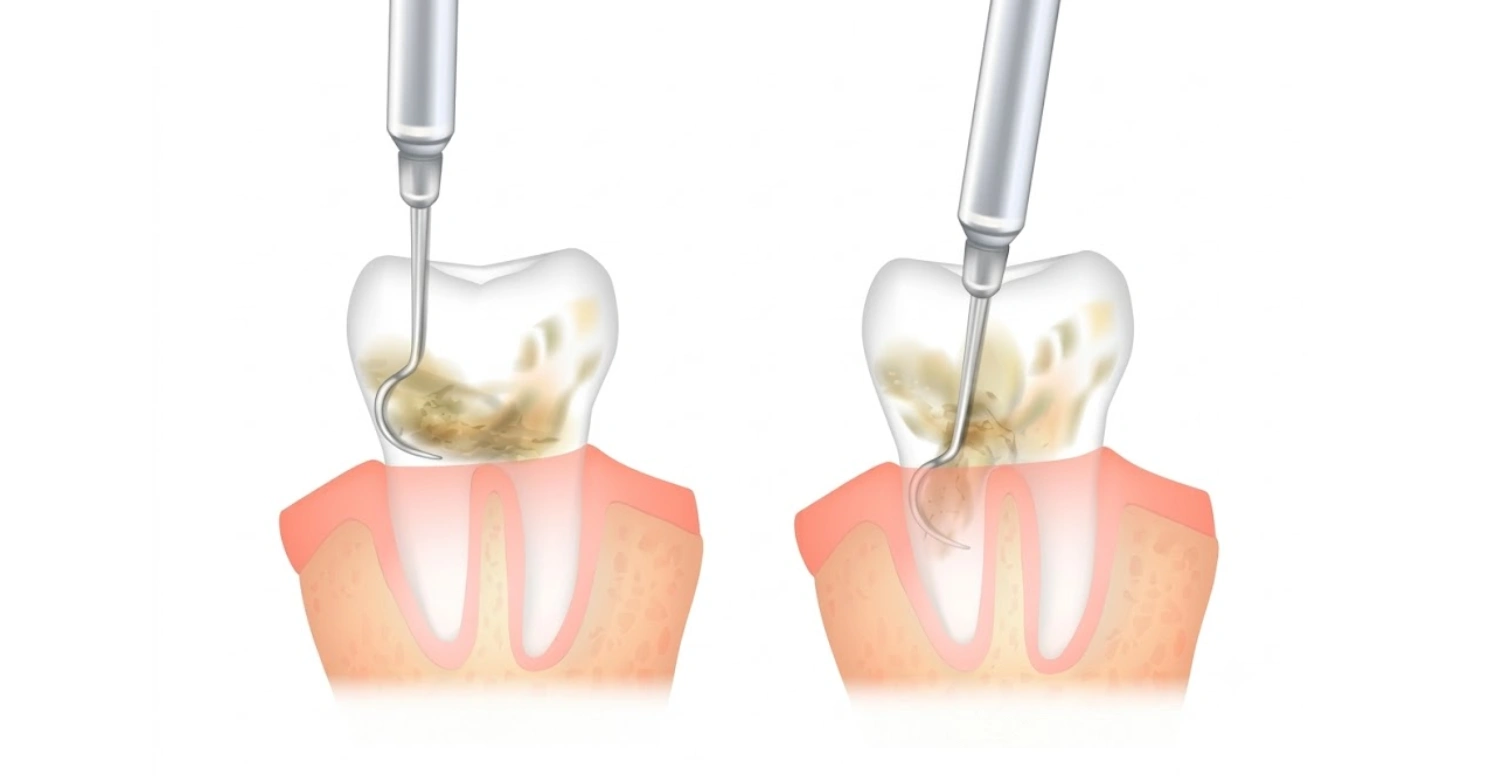
Why Scaling and Root Planing Is Necessary for Gum Health
It is necessary to stop gum disease, reduce infection, and prevent tooth loss. Without treatment, bacteria can destroy bone and tissues supporting teeth. Deep cleaning restores healthy gums, prevents bad breath, and improves overall oral health and systemic health. Left untreated, periodontal infection has also been linked to broader health concerns. These include cardiovascular disease and diabetes complications. That is one more reason dentists urge patients not to delay treatment once pockets are identified.
Scaling and Root Planing for Gingivitis
For gingivitis, this treatment removes plaque and tartar causing gum inflammation. It helps reverse early gum disease, reduces bleeding and swelling, and prevents progression to periodontitis. Early treatment leads to faster healing and better long-term gum health. Because gingivitis is still reversible at this stage, patients who begin early often see their gums return to a fully healthy state within just a few weeks of consistent home care.
Periodontal Scaling and Root Planing for Periodontitis
For periodontitis, this procedure is a critical treatment. It removes deep bacterial deposits and smooths roots to reduce pockets and bone destruction. This therapy slows disease progression and helps preserve natural teeth. Unlike gingivitis, periodontitis involves some permanent loss of bone and attachment. The goal of treatment shifts from full reversal to stabilizing the condition. It prevents any further damage through ongoing maintenance.
ADA Guidelines for Root debridement
The American Dental Association (ADA) recommends this treatment for patients with periodontal pockets and attachment loss. ADA guidelines stress early detection, professional deep cleaning, and ongoing periodontal maintenance to prevent recurrence and tooth loss. The guidelines also emphasize that treatment decisions should be based on documented periodontal charting and radiographic evidence. This ensures the procedure is recommended only when clinically justified.
Scaling and Root Planing Procedure Explained
This procedure is performed by dentists or hygienists using specialized instruments. It may be completed in multiple visits, depending on disease severity. Local anesthesia is often used to ensure patient comfort during deep cleaning. Most clinics divide the mouth into quadrants and treat one or two per visit. Full-mouth treatment in a single longer appointment is also common depending on the patient's tolerance and schedule.
What to Expect: Step-by-Step Procedure
Patients often want to know exactly what happens during the appointment. Here is what a typical visit looks like:
Periodontal exam and charting – the dentist measures pocket depth around each tooth and reviews X-rays.
Local anesthesia – the treated quadrant or side of the mouth is numbed for comfort.
Scaling – an ultrasonic scaler and hand instruments remove plaque and tartar above and below the gumline.
Root planing – the root surface is smoothed to remove bacterial toxins and rough spots.
Irrigation and polishing – the pockets are rinsed, sometimes with an antimicrobial solution, and teeth are polished.
Post-op instructions – the dentist reviews aftercare and schedules the re-evaluation visit.
A re-evaluation appointment 4 to 6 weeks after SRP is essential to remeasure pocket depth and confirm whether the treatment succeeded or whether further care is needed.
Deep Cleaning Root Planing and Scaling Steps
The procedure includes examination, anesthesia, scaling below the gumline, root planing to smooth roots, and polishing. Dentists may treat one quadrant at a time to ensure thorough cleaning. Follow up visits ensure proper healing and periodontal maintenance. Some clinics also apply a topical antimicrobial gel or rinse into deeper pockets right after root planing. This gives the tissue an extra layer of protection while it begins to heal and reattach to the root.
Tooth Scaling and Root Planing Tools and Techniques
Dentists use ultrasonic scalers, hand curettes, and lasers for this deep cleaning. Ultrasonic devices break tartar. Hand tools scrape deposits. Root planing smooths rough root surfaces. This prevents bacteria from reattaching. The choice of instrument depends on tartar buildup, pocket depth, and root shape.
Manual vs Ultrasonic Instruments: Which Is Better?
Both manual and ultrasonic instruments achieve the same clinical result. But they are not identical. Ultrasonic instruments complete scaling 20% to 50% faster. They reach the same clinical outcome, according to comparative research. Ultrasonic tips use vibration and water irrigation. This breaks up tartar and flushes bacteria out of the pocket. Many patients find it more comfortable for larger areas of buildup. Hand curettes give the dentist more tactile control. They are better for fine root smoothing in tight or curved root areas. Most dentists use both in combination during the same visit. This ensures the most thorough result.
Laser vs This procedure Treatment
Laser periodontal therapy can complement this deep cleaning. It reduces bacteria and promotes healing. However, traditional deep cleaning remain the gold standard for deep cleaning. Lasers are used as an adjunctive treatment. Laser therapy is generally added for patients with stubborn bacterial pockets or slower healing. It is not a full replacement for mechanical the treatment. Dentists decide on this option case by case. Not every patient needs the added step to reach a good clinical result.
Full-Mouth vs Quadrant SRP: Which Approach?
Deep cleaning can be done as full-mouth disinfection. This takes one or two long visits. Or it can be divided into four separate quadrant visits over several weeks. A 2024 systematic review found no significant difference in clinical outcomes. But full-mouth treatment requires less total chair time and fewer appointments. Quadrant treatment can be preferable for patients who need more anesthesia recovery time. It also helps those with significant anxiety about longer procedures. The right choice depends on disease severity, patient comfort, and scheduling.
What We Notice Clinically
At Vitrin Clinic, Dr. Rifat Alsaman, Head of the Medical Team, notes that patients frequently underestimate how quickly bacteria can recolonize a treated pocket. This happens without a strict maintenance routine. Clinically, the biggest predictor of long-term success is not the scaling technique itself. It is whether the patient returns for periodontal maintenance visits on schedule. Patients who skip maintenance often see pocket depths creep back up within months. This happens even after a technically excellent SRP procedure. That is why the clinic builds a maintenance calendar into every treatment plan from day one.
Pain, Comfort, and Recovery After Treatment
Subgingival scaling is generally comfortable with local anesthesia. Mild soreness and sensitivity may occur after treatment. Proper aftercare and oral hygiene help speed healing and reduce discomfort. Most patients return to normal eating and speaking within a day. Any lingering sensitivity to hot or cold food typically fades within the first week. Following the dentist's aftercare instructions closely makes a noticeable difference. It helps how quickly this initial discomfort resolves.
Does Scaling and Root Planing Hurt
This deep cleaning usually does not hurt due to anesthesia. Patients may feel pressure or vibration during the procedure. After treatment, mild tenderness is common but manageable. Pain relievers and good oral hygiene help. Patients with sensitive teeth or deep pockets may feel more discomfort. Dentists often check in throughout the appointment. They can adjust anesthesia if needed for full comfort.
Is Scaling and Root Planing Painful or Painless
Most patients describe the procedure as painless with anesthesia. Post-treatment sensitivity is temporary. It decreases within days. Dentists may recommend desensitizing toothpaste and gentle brushing. Some patients also notice mild gum tenderness when eating very hot, cold, or acidic foods. This is normal and not a sign of a problem.
How Long Does Root planing Take to Heal
Healing after this treatment typically takes 1 to 2 weeks. Gums tighten and inflammation reduces during this period. Complete healing and pocket reduction may take several weeks. This requires proper home care and follow-up visits. Patients who maintain gentle brushing, flossing, and any prescribed rinses heal faster. They also see a greater overall reduction in pocket depth. Skipping these habits can slow healing. It can blunt the treatment's long-term results.
Recovery Timeline: What Happens After?
Recovery from deep cleaning follows a predictable pattern:
Day 1: Mild discomfort, tenderness, and possible slight bleeding when brushing near the treated area; numbness wears off within a few hours.
Days 2–3: Sensitivity to hot, cold, or pressure is common; gums may look slightly swollen but discomfort steadily decreases.
Week 1: Most soreness resolves; gums begin to feel firmer and less puffy as inflammation subsides.
Weeks 2–4: Gums continue tightening around the teeth; bleeding on brushing should be minimal to none.
Month 1 (re-evaluation): The dentist rechecks pocket depth around 4 to 6 weeks post-treatment to confirm healing and decide if further therapy is needed.
How Effective Is SRP? The Numbers
Clinical studies consistently show measurable improvement after the procedure:
Patients typically see a reduction in pocket depth of 1 to 2mm in moderate cases after a single round of SRP.
Bleeding on probing (BOP), a key marker of active gum inflammation, drops significantly within weeks of treatment in most patients.
Combining scaling with flap surgery removes more calculus than scaling alone in pockets 4mm and deeper, according to published research, which is why deeper pockets sometimes need a surgical follow-up.
Results are strongest when SRP is followed by consistent periodontal maintenance rather than treated as a one-time fix, since bacteria can and will return without it.
When SRP Is Not Enough: Next Steps
This procedure is highly effective for shallow to moderate periodontal pockets, but it has limits. For pockets deeper than 6mm, this treatment alone is usually not sufficient to fully remove disease-causing bacteria and calculus. Surgical intervention such as flap surgery, bone grafting, or guided tissue regeneration may be recommended. Warning signs that SRP wasn't enough include pockets that remain deep at the re-evaluation visit, continued bleeding, gum recession, or loose teeth. A periodontist can assess whether additional surgical therapy is the right next step. Earlier referral generally leads to better long-term outcomes for the patient.
Bacteria Return After SRP: The Maintenance Schedule
The procedure does not make a patient permanently immune to gum disease. Bacteria can recolonize periodontal pockets within just a few months if periodontal maintenance is skipped. This undoes much of the treatment's benefit. That is why periodontal maintenance is different from a routine six-month cleaning. Dentists typically recommend a maintenance visit every 3 months for at least the first year after SRP. More frequent visits are needed for patients with a history of aggressive gum disease. Sticking to this schedule is the single biggest factor in keeping results long-term. It matters more than the initial procedure itself.
Scaling and Root Planing Before and After Results
The treatment delivers noticeable improvements in gum health, appearance, and breath. Patients often experience reduced bleeding, healthier gums, and improved tooth stability. Many also report that teeth feel less loose and gums look less inflamed within just a couple of weeks. This is often the first visible sign that the treatment is working. Photos taken before and after treatment often make these changes easy to see at a glance.
Root Scaling and Planing Before and After Transformation
Before treatment, gums may be swollen, red, and bleeding. After this deep cleaning, gums become firmer and pinker, with reduced pocket depth. Patients often notice improved confidence and oral comfort. The transformation is usually gradual rather than immediate. The most noticeable improvements appear over the two to four weeks following treatment as inflammation continues to subside. Consistent home care during this window helps lock in the improvement for the long term.
Gum Health Improvements After Deep Cleaning
Deep cleaning improves gum attachment, reduces bacteria, and prevents bone loss. Patients experience less bleeding, fresher breath, and better oral hygiene outcomes. Regular maintenance ensures long-term periodontal health. Many patients also find that daily brushing and flossing become noticeably easier and less uncomfortable once inflammation has resolved and pocket depths have been reduced. Over time, this makes it far simpler to keep bacteria from building back up between visits.
Before and After Root Scaling and Planing Case Outcomes
Clinical cases show significant pocket depth reduction and improved tissue health after treatment. Long term outcomes depend on maintenance, brushing, flossing, and periodontal checkups to prevent disease recurrence. Cases that combine SRP with strict home care and on-schedule maintenance visits tend to show the most stable results years down the line. Inconsistent aftercare often leads to relapse. Reviewing individual case outcomes with a dentist can help set realistic expectations for a specific situation.
Scaling and Root Planing Cost Guide
Costs vary based on severity, location, and insurance coverage. It is usually priced per quadrant. Multiple visits may be needed. Additional costs may apply for X-rays, the initial exam, or antimicrobial treatments. Ask for a full breakdown before starting. Compare quotes across clinics to budget realistically.
How Much Is This Procedure
This procedure typically costs $150 to $300 per quadrant without insurance. Total treatment may range from $600 to $1,200 or more. Prices vary by clinic, region, and disease severity. Advanced cases or added procedures like antimicrobial placement cost more. Get an itemized estimate upfront.
Cost Per Quadrant
Dentists often charge per quadrant, covering one-quarter of the mouth. Each quadrant may cost $150 to $350. Multiple quadrants may be needed. Some clinics offer a reduced full-mouth rate. Ask about bundled pricing during your consultation.
Cost With Insurance vs Without Insurance
With insurance, costs may be reduced by 50% to 80%. Without insurance, patients pay full price. Some clinics offer payment plans or discounts for full-mouth deep cleaning. Check your plan's annual maximum. Call your insurer to confirm coverage.
Cost in Turkey
For international patients, the cost in Turkey is significantly lower than in the US, UK, or Western Europe. At Vitrin Clinic in Istanbul, patients benefit from modern equipment, experienced care, and transparent pricing. Many combine this treatment with a broader smile makeover. Contact Vitrin Clinic for a personalized quote.
Is This Deep Cleaning Always Required?
This deep cleaning is not required for everyone. It is recommended for patients with gum disease, periodontal pockets, and tartar below the gumline. Healthy patients usually only need routine cleanings. A thorough exam determines if it is necessary.
Unnecessary Deep Cleaning Myths
Some myths claim dentists recommend unnecessary deep cleaning. However, charting and X-rays confirm the need. It is evidence-based and recommended only when clinically necessary. Ask to see your charting numbers to verify.
Can a General Dentist Do This
Yes, general dentists and hygienists can perform this procedure. Periodontists handle advanced cases. Many general practices provide deep cleaning as part of therapy. Referral to a periodontist happens for deep pockets or significant bone loss.
When Periodontal Deep Cleaning Is Recommended
Periodontal deep cleaning is recommended when gum pockets exceed 4mm, bleeding occurs, or bone loss is detected. Early intervention prevents surgery. Dentists also consider risk factors like smoking or diabetes.
Local and Search Based Topics
Searches often include local queries. Patients search for nearby clinics, pricing, and insurance. Understanding local SEO helps clinics attract patients online. Many compare reviews and photos before booking.
Periodontal scaling Near Me: What Patients Should Know
Patients searching for this treatment should check dentist reviews, credentials, and periodontal expertise. Choosing a clinic with modern tools and aftercare programs ensures better outcomes and comfort. It also helps to confirm that the clinic offers a clear re-evaluation and maintenance schedule. Ongoing care matters as much as the initial procedure.
Deep Cleaning in Boston, Long Island, Pittsburgh, Henderson
This deep cleaning is widely available in major cities like Boston, Long Island, Pittsburgh, and Henderson. Costs vary by region and clinic reputation. Urban clinics often use advanced technology for periodontal treatment. Patients in these areas have a wide choice of providers. Comparing credentials and technology is worthwhile before committing.
Dental Code for Root debridement and Insurance Claims
Dental insurance uses codes D4341 and D4342 for this procedure. These codes help insurers determine coverage. Accurate documentation and periodontal charting are required for approval. Clinics typically submit pocket depth measurements and diagnostic X-rays alongside these codes. This justifies the treatment and avoids claim denials.
How serious is scaling and root planing?
Scaling and root planing is a routine, non-surgical procedure and is not considered a serious or high-risk treatment. It is the standard first-line therapy for gingivitis and periodontitis, performed under local anesthesia with a well-established safety record. The main concerns are the same manageable risks of deep dental cleaning discussed above, such as temporary sensitivity and mild soreness, rather than any significant medical risk for most patients.
Do gums grow back after scaling and root planing?
Gum tissue can reattach and tighten around the tooth after scaling and root planing, and inflammation-related swelling typically goes down, which often makes gums look and feel healthier. However, if periodontitis has already caused gum recession or bone loss, that lost tissue and bone do not regenerate on their own after this procedure; scaling and root planing stabilizes the condition and allows healthy reattachment where possible, but it does not reverse structural tissue loss that has already occurred.
What Are the Risks or Complications of a Deep Dental Cleaning?
While scaling and root planing is considered a safe, standard treatment, patients should still understand the risks of deep dental cleaning before starting. The most common complications of scaling and root planing are mild, including temporary gum sensitivity, minor bleeding, and short-term tooth sensitivity to hot or cold. Less commonly, deep cleaning dental complications can include localized gum irritation, temporary swelling, or in rare cases a brief flare-up of infection if bacteria are disturbed during instrumentation. Patients on blood thinners, with uncontrolled diabetes, or with weakened immune systems should discuss the risks of deep dental cleaning with their dentist beforehand, since these factors can affect healing time and the likelihood of complications of scaling and root planing after the procedure.
How Often Will I Need Scaling and Root Planing Done?
Patients often ask how often do you need deep cleaning once their initial treatment is complete. For most patients with gingivitis or mild to moderate periodontitis, one round of scaling and root planing followed by periodontal maintenance visits every three months is enough to keep the condition stable. Patients with more aggressive gum disease, or those with risk factors like smoking or diabetes, may need this deep cleaning repeated on a shorter cycle if pockets return to unhealthy depths. The honest answer to how often you need deep cleaning ultimately depends on how well pocket depths hold steady at each periodontal maintenance visit, not on a fixed calendar that applies to every patient equally.
When Should I Call My Healthcare Provider After Treatment?
Most discomfort after scaling and root planing resolves within a few days, but there are specific warning signs that tell a patient exactly when to call the dentist after scaling rather than waiting it out. Contact your dentist if you notice persistent or worsening pain beyond the first week, fever, pus, or a bad taste that doesn't resolve, since these can be periodontal pocket infection signs rather than normal healing. Swelling that increases instead of decreases after the first 48 hours is another reason to know when to call the dentist after scaling promptly. Recognizing periodontal pocket infection signs early, and acting on them rather than waiting for the scheduled re-evaluation visit, helps prevent a minor issue from turning into a more serious complication.
Vitrin Clinic This procedure Treatment
At Vitrin Clinic, this treatment combines advanced technology, expert dentists, and personalized care plans. The clinic focuses on periodontal health, aesthetics, and long-term oral wellness. Every plan begins with a full periodontal exam. The team tailors the number of visits and follow-up schedule to each patient's needs.
Advanced Deep Cleaning at Vitrin Clinic
Vitrin Clinic uses ultrasonic scalers, precision instruments, and modern periodontal protocols. Deep cleaning is performed with comfort-focused techniques. This ensures effective cleaning and minimal discomfort. The international patient team coordinates scheduling. Visiting patients can combine treatment with other dental work during the same trip.
Personalized Periodontal Care and Aftercare Plans
Patients receive customized aftercare plans. These include oral hygiene instructions, maintenance cleanings, and follow-up exams. Personalized care ensures long-term gum health and prevents disease recurrence. The team provides clear guidance on brushing technique and product recommendations tailored to each patient's healing needs.
Why Choose Vitrin Clinic for Periodontal Dental Services
Vitrin Clinic offers expert periodontal specialists, modern technology, and patient-centered care. The clinic provides pain-free treatment, transparent pricing, and comprehensive periodontal maintenance. International patients benefit from coordinated scheduling and clear communication throughout their treatment and recovery.
Vitrin Clinic
At Vitrin Clinic, scaling and root planing is treated as the foundation of long-term gum health rather than a one-time fix. Vitrin Clinic builds every deep cleaning plan around accurate periodontal charting, so treatment targets the exact pockets that need it instead of a generic, one-size-fits-all approach. From the initial exam through the re-evaluation visit, Vitrin Clinic focuses on making the procedure as comfortable as possible while setting patients up with a maintenance schedule that actually keeps results stable. This consistent, structured approach is what patients can expect whenever they choose Vitrin Clinic for periodontal care.
About Dr. Rifat Alsaman:
Dr. Rifat Alsaman has more than 5 years of clinical experience in dentistry. He serves as the Head of the Medical Team at Vitrin Clinic. He is dedicated to exceptional patient care, overseeing treatment planning, and ensuring high clinical standards. His expertise and attention to detail have helped countless patients achieve healthier smiles.
What We Notice Clinically
According to Dr. Rifat Alsaman, Head of the Medical Team at Vitrin Clinic and a cosmetic dentist, one of the most common patterns seen in daily practice is that patients focus almost entirely on the procedure itself and overlook how much the maintenance schedule afterward determines the outcome. Dr. Rifat Alsaman notes that patients who keep their three-month periodontal maintenance visits after scaling and root planing are far less likely to see pockets return to unhealthy depths. Dr. Rifat Alsaman also points out that recognizing early warning signs, such as unusual swelling or persistent discomfort, and reaching out promptly rather than waiting, consistently leads to better long-term results for patients at Vitrin Clinic.
Clinical Note
Periodontal pockets often deepen silently, with little pain even as bacteria and tartar accumulate below the gumline. Periodontal charting, measuring pocket depth at multiple points around each tooth, is what actually reveals how far gum disease has progressed before a patient would feel anything, which is why this measurement guides the decision to recommend scaling and root planing in the first place.
Tips for the Patients
Keep every periodontal maintenance visit after scaling and root planing, even once your gums feel and look healthy, since bacteria can recolonize a treated pocket within a few months if maintenance is skipped. In the days after treatment, brush gently and avoid very hot, cold, or acidic foods around the treated area, since mild sensitivity is normal but unnecessary irritation can slow how quickly the gum tissue reattaches.
References:
FAQs
Dr. Rifat Alsaman has more than 5 years of clinical experience in dentistry and currently serves as the Head of the Medical Team at Vitrin Clinic. He is dedicated to providing exceptional patient care, overseeing treatment planning, and ensuring the highest clinical standards across the team. His expertise, attention to detail, and commitment to continuous professional development have helped countless patients achieve healthier, more confident smiles.


