Periodontics
August 25, 2026
Is Gum Contouring Painful? Understanding Pain, Recovery, and Aftercare
 Dr. Rifat Alsaman
Is Gum Contouring Painful? This is one of the most common questions patients ask before booking treatment. Gum contouring reshapes the gum line to improve tooth proportions and smile symmetry, often for patients with a "gummy smile." Most people asking Does gum contouring hurt really want to know two things: will it hurt during the procedure, and will there be soreness afterward? These are different experiences. During treatment, local anaesthetic controls discomfort. Afterward, mild tenderness during recovery is normal. With realistic expectations and proper aftercare, most patients find the process far more manageable than they anticipated.
Is Gum Contouring Painful?
Is Gum Contouring Painful in practice? For most patients, the answer is no significant pain during the actual procedure, thanks to local anaesthetic. Any gum contouring pain tends to appear afterward, once numbness fades, and is usually mild. Many patients weighing Does gum contouring hurt find real reassurance once they understand how anaesthetic works throughout treatment. Anaesthetic blocks nerve signals in the treated area, so patients typically feel pressure or vibration rather than sharp pain. Discomfort management continues into recovery through simple aftercare steps, which keeps the overall experience far more comfortable than most people expect beforehand.
What Does Gum Contouring Feel Like During the Procedure?
Most patients describe pressure, vibration, or slight movement rather than sharp pain. Local anaesthetic numbs the treated area beforehand, so genuine pain signals shouldn't register. This section addresses is gum contouring painful from the patient's point of view during active treatment. Individual pain sensitivity varies, though, and some patients feel more aware of pressure than others. This is normal and doesn't necessarily indicate inadequate numbing. Effective anaesthesia is essential to a comfortable experience, which is why dentists confirm numbness before beginning any reshaping work.
Does Gum Contouring Hurt After the Procedure?
Does gum contouring hurt once anaesthetic wears off? Some tenderness is expected. Asking is gum contouring painful after the numbness fades is common, and the honest answer is mild discomfort. As numbness fades, soreness, sensitivity, or light swelling around the treated gums is common. This isn't usually severe and responds well to simple aftercare measures. Discomfort tends to peak within the first day or two, then gradually eases. Following aftercare instructions closely during this window helps keep discomfort minimal and supports smoother healing in the days that follow. Patients with existing gum concerns may also benefit from understanding the different types of gum disease before treatment.
What Factors Can Affect Gum Contouring Pain?
Several factors shape the answer to is gum contouring painful for any given patient. The amount of gum tissue reshaped plays a role more extensive reshaping can mean more post-treatment tenderness. The number of teeth treated also matters, as broader treatment areas may feel more noticeable during healing. Individual pain sensitivity varies significantly between patients. Treatment technique affects comfort too, with some approaches being gentler on tissue than others. Existing gum inflammation or sensitivity before treatment can heighten discomfort, which is why a thorough pre-treatment assessment matters. Patients with gum recession can also review the different stages of receding gums to understand why gum health matters before cosmetic reshaping.
What Is the Gum Contouring Procedure?
Understanding the gum contouring procedure helps answer is gum contouring painful with far more confidence. The procedure reshapes excess or uneven gum tissue to improve tooth proportions and smile aesthetics, addressing both cosmetic concerns and, in some cases, functional considerations related to gum health. Before any reshaping begins, proper assessment is essential to confirm the treatment is appropriate. This includes evaluating periodontal health, tooth-to-gum ratios, and the underlying cause of excess gum display, since skipping this step risks unnecessary tissue removal. A professional periodontal cleaning may also be recommended when plaque or calculus affects gum health before cosmetic treatment.
Initial Examination and Gum Assessment
Every gum contouring procedure begins with a detailed examination. This involves evaluating gum health and periodontal tissues to confirm they're suitable for reshaping. Tooth proportions and the smile line are assessed to understand how much tissue, if any, should be adjusted. Identifying the actual cause of excessive gingival display matters too; it may stem from excess tissue, tooth position, or other factors. This assessment stage prevents unnecessary treatment and ensures reshaping decisions are based on individual anatomy rather than assumptions. If gum inflammation or periodontal problems are present, treatments such as non-surgical periodontal therapy may need to be considered first.
Treatment Planning for Gum Reshaping
Once assessment is complete, treatment planning determines exactly how much tissue should be removed. This decision considers gum symmetry and tooth proportions to achieve a natural, balanced result. Conservative treatment is prioritized wherever possible, since removing too much tissue can't easily be reversed. Planning also accounts for individual anatomy, ensuring the approach suits each patient's gum structure. A carefully planned approach reduces complications and supports predictable healing, which is why this stage isn't rushed regardless of how straightforward a case may appear.
Gum Contouring Local Anaesthetic
Gum contouring local anaesthetic is administered directly to the treatment area before reshaping begins. This step is central to why is gum contouring painful and has such a reassuring answer for most patients. Patients typically feel a brief pinch, followed by numbness within a few minutes. Once numb, the area shouldn't register sharp pain, though pressure or vibration may still be felt. The goal of anaesthetic is to minimize pain during treatment, allowing the dentist to work precisely without patient discomfort.
Reshaping and Final Assessment
With the area numbed, the gum line is carefully reshaped according to the treatment plan. Symmetry and proportions are checked throughout to ensure a balanced, natural-looking result. Once reshaping is complete, a final assessment confirms everything matches the intended outcome. Immediate post-treatment instructions are then provided, covering what to expect in the coming hours and how to care for the treated area, tailored to the extent of reshaping performed.
Gum Contouring Recovery: What Should You Expect?
Recovery is often where the question is gum contouring painful becomes most relevant, since anaesthetic has fully worn off by then. Gum contouring recovery generally follows a predictable pattern, though healing time varies between patients. Most people notice mild tenderness in the first day or two, followed by gradual improvement over the following week. Swelling and sensitivity typically decrease steadily rather than suddenly. Full tissue stabilization takes longer than initial healing, so appearance may continue changing subtly for weeks afterward. Maintaining gum health during this period is important, particularly for patients who have previously needed scaling and root planing.
What to Expect During the First 24 Hours
Is gum contouring painful during this first window? Only mildly, for most patients. The first 24 hours after treatment often bring mild tenderness as anaesthetic wears off. Some swelling or sensitivity around the treated gums is common and expected. Eating may require care, favoring soft foods that don't irritate the area. Oral hygiene should continue but with a gentler touch near the treated tissue. Any unusually sharp pain or heavy swelling beyond mild discomfort should be reported to the dentist promptly.
What Happens During the First Few Days?
Over the following few days, discomfort and sensitivity typically begin easing. Gum comfort improves gradually as swelling subsides and tissue starts settling into its new shape. This period benefits from consistent aftercare, including gentle hygiene and food choices that avoid irritating the area. Following aftercare instructions closely during these days supports smoother healing and reduces the risk of complications. Patients who notice worsening rather than improving symptoms should contact their dentist rather than waiting. Ongoing professional care can also be supported through appropriate periodontal maintenance.
How Long Is the Gum Contouring Healing Time?
Gum contouring healing time involves two stages: initial healing and complete tissue stabilization. Is gum contouring painful during this longer stabilization stretch? Not typically most discomfort has resolved well before full healing completes. Initial surface healing often settles within one to two weeks, while full tissue maturation can take several weeks longer. Healing pace depends on the extent of reshaping, individual healing capacity, and how well aftercare instructions are followed. A professional review may be needed if healing seems delayed.
Gum Contouring Aftercare: How Can You Support Healing?
Good gum contouring aftercare plays a major role in comfortable, predictable healing, and it directly affects how is gum contouring painful feels day to day. Simple daily habits, careful oral hygiene, suitable food choices, and avoiding unnecessary irritation make a noticeable difference in recovery comfort. Aftercare isn't complicated, but consistency matters more than intensity. Personalized aftercare guidance from the treating dentist should always take priority over generic advice, since individual healing needs vary between patients.
Oral Hygiene After Gum Contouring
Maintaining oral hygiene after gum contouring requires a gentler approach than usual. Brushing should avoid direct pressure on the treated area, using softer strokes nearby. Dentist-recommended rinses or products may be suggested to support healing without irritating sensitive tissue. Skipping oral hygiene altogether isn't advisable, as it can increase infection risk. The goal is balance keeping the mouth clean while protecting healing gums from unnecessary friction or trauma during this early recovery window.
What Should You Eat After Gum Contouring?
Soft, comfortable foods are best during early healing after gum contouring. Think mashed, blended, or gently cooked options that don't require heavy chewing near the treated area. Hard, crunchy, spicy, or very hot foods may irritate healing gums and should be avoided initially. Staying well hydrated also supports healing and comfort. As sensitivity decreases over the following days, most patients can gradually reintroduce normal foods, following their dentist's specific guidance on timing.
What Activities Should You Avoid During Recovery?
During recovery, avoiding unnecessary trauma to the gums is important. This means steering clear of activities that could bump, rub, or pressure the treated area. Dentist-specific activity recommendations should be followed closely, as these vary based on individual treatment extent. Touching or picking at healing tissue should be avoided entirely, even if it feels tempting. Protecting the area from unnecessary contact supports smoother, faster healing and reduces the risk of irritation or complications.
Tips for Patients
Have your gums professionally assessed.
Ask which technique will be used.
Ask how much tissue may be reshaped.
Discuss local anaesthetic and pain management.
Ask about recovery and healing time.
Confirm follow-up arrangements.
Follow all personalized aftercare instructions.
Maintain appropriate oral hygiene.
Avoid irritating the treated gums.
Choose suitable foods during early healing.
Gum Contouring Side Effects: What Is Normal?
Mild gum contouring side effects are common and expected after treatment, and they're part of why is gum contouring painful has such a nuanced answer. These typically resolve on their own within days as healing progresses. Understanding which symptoms are normal versus concerning helps patients feel more confident during recovery. Most side effects relate to temporary tenderness or sensitivity rather than anything serious. Knowing when a symptom crosses from normal to concerning is important for prompt attention. Patients with persistent periodontal concerns can also learn more about gum disease treatment and why healthy tissues matter before cosmetic procedures.
Common Temporary Side Effects
Common temporary side effects include mild tenderness, sensitivity, and minor swelling around the treated gums. Some patients notice temporary discomfort while eating, particularly with harder foods. Changes in gum appearance during healing are also normal, as tissue settles into its final shape gradually. These effects typically ease within the first week or so. They shouldn't worsen over time, improvement, even gradual, is the expected pattern following gum contouring.
When Should You Contact Your Dentist?
Certain symptoms warrant contacting your dentist rather than waiting them out. Persistent or worsening pain, rather than gradual improvement, is one signal. Significant swelling beyond mild puffiness, unexpected bleeding, or possible signs of infection also warrant prompt attention. Delayed or abnormal healing where the area doesn't seem to be progressing as expected should be reviewed professionally. Reporting these symptoms early allows for quicker resolution and prevents minor issues from becoming more significant complications.
Gum Contouring Before and After: What Results Can You Expect?
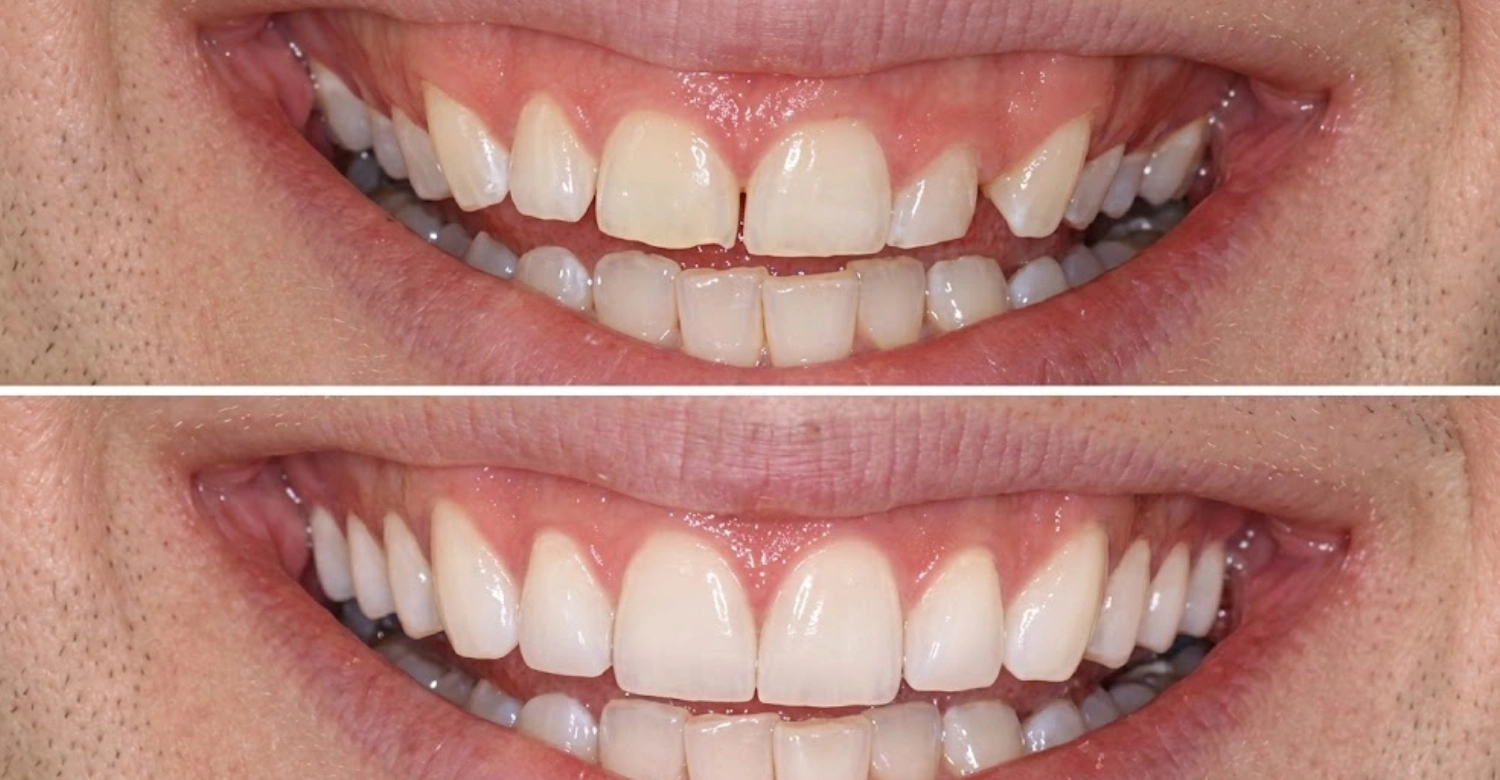
Patients focused on results sometimes forget to ask is gum contouring painful along the way, even though comfort and outcome are closely linked. Gum contouring before and after comparisons typically show improved gum-to-tooth proportions and a more balanced smile. Results vary depending on individual anatomy and treatment extent. Immediately after treatment, some swelling may mask the final appearance, so results aren't always fully visible right away. Understanding this gradual reveal helps set realistic expectations. For patients considering cosmetic changes to tooth shape or colour alongside gum reshaping, porcelain veneers may be discussed as part of a broader smile plan.
How Does Gum Contouring Change the Smile?
Gum contouring can noticeably improve gum-to-tooth proportions, creating a more balanced smile appearance. Where appropriate, it increases visible tooth surface by reducing excess gum tissue. Improved gum-line symmetry is another common benefit, particularly for patients with uneven contours. For those with excessive gingival display, treatment can meaningfully reduce this while preserving natural-looking proportions. The overall effect is typically subtle rather than dramatic, aiming for balance rather than a drastically altered appearance.
Why May the Results Look Different During Early Healing?
Early results often look different from the final outcome due to temporary swelling immediately after treatment. Tissue maturation takes time, meaning the gum line continues settling and refining over several weeks. Immediate post-treatment appearance isn't always representative of the final result, which can be a source of unnecessary concern for patients. Patience during this period is important, as the true aesthetic outcome typically becomes apparent only once swelling fully resolves and tissue stabilises completely.
How Long Do Gum Contouring Results Last?
Gum contouring results are generally long-term once healing is complete, since reshaped gum tissue doesn't naturally regrow. Long-term stability depends heavily on ongoing periodontal health. Good oral hygiene and regular dental care play a significant role in maintaining results over time. Neglecting gum health afterward can affect the appearance and stability of the treated area. Consistent care, combined with routine dental check-ups, helps preserve the improved proportions achieved through treatment for years to come.
What We Notice Clinically
Dr. Rifat Alsaman, Head of the Medical Team at Vitrin Clinic and a cosmetic dentist, often addresses is gum contouring painful directly with patients before treatment even begins. According to Dr. Rifat Alsaman, appropriate diagnosis and conservative treatment planning matter far more than simply removing visible gum tissue. Gum anatomy varies significantly between patients, and aesthetic goals must always be balanced against periodontal health. Dr. Rifat Alsaman emphasizes that pain management and realistic expectations go hand in hand.
Dr. Rifat Alsaman on Patient Expectations
Dr. Rifat Alsaman stresses the importance of discussing recovery in detail before any treatment begins, so patients understand what's typical versus concerning. Individual differences in healing speed mean no two patients recover identically, even with similar treatment. Realistic expectations regarding final results are essential, since early post-treatment appearance isn't the finished outcome. Dr. Rifat Alsaman also highlights that professional follow-up isn't optional; it's a key part of confirming healing has progressed as expected.
Clinical Note
Not every gummy smile is caused by excess gum tissue alone, which matters when patients ask is gum contouring painful without knowing the underlying cause yet. Altered passive eruption, tooth position, lip dynamics, or underlying skeletal factors can all contribute to excessive gingival display. This is why a comprehensive examination matters before assuming gum contouring is the right treatment. Periodontal health and preservation of healthy tissue must always take priority over purely cosmetic goals and quick fixes.
Who Is a Good Candidate for Gum Contouring?
Patients Who May Benefit From Gum Contouring
Good candidates typically have excessive gingival display caused by excess gum tissue rather than skeletal or dental factors. An uneven gum line that affects smile symmetry is another common indicator. Candidacy assessment also touches on is gum contouring painful for that individual's specific gum tissue and sensitivity. Healthy periodontal tissues are essential, since reshaping unhealthy gums carries added risk. A thorough assessment confirms candidacy before any treatment plan moves forward.
When May an Alternative Treatment Be More Appropriate?
Alternative treatment may be more appropriate when a gummy smile stems from skeletal causes rather than excess tissue. Tooth-position problems sometimes require orthodontic treatment instead of gum reshaping. Active periodontal disease must be addressed first, since reshaping inflamed or unhealthy tissue isn't advisable. Insufficient healthy tissue for safe reshaping is another reason gum contouring might not be recommended. In these cases, a different treatment path better addresses the underlying cause of the smile concern.
How Can You Reduce the Risk of Gum Contouring Complications?
Reducing complication risk starts with choosing an appropriately qualified dental professional for treatment. Careful planning also reduces how is gum contouring painful feels overall, since fewer complications mean a smoother recovery. A thorough examination before treatment helps confirm the procedure is genuinely appropriate for the individual case. Following personalized aftercare instructions closely supports smoother healing. Gum contouring shouldn't be treated as a purely cosmetic procedure without properly assessing periodontal health first.
Why Choose Vitrin Clinic for Gum Contouring?
Vitrin Clinic addresses is gum contouring painful concerns from the very first consultation, well before any treatment decision is made. The clinic's approach to cosmetic dentistry emphasizes personalized treatment planning rather than one-size-fits-all solutions. Every patient's gum anatomy, aesthetic goals, and periodontal health are considered individually. This tailored approach reflects a broader philosophy: aesthetic improvements should never come at the expense of long-term dental health and comfort.
Personalized Cosmetic Dental Assessment
A personalized assessment at Vitrin Clinic evaluates gum and tooth proportions in detail before any treatment plan is developed. Smile aesthetics are assessed alongside periodontal health to ensure a balanced approach. An individual treatment plan is then developed based on these findings, tailored to each patient's specific anatomy and goals. Expected outcomes and limitations are explained clearly, so patients understand realistically what treatment can and cannot achieve before proceeding.
Modern Dental Technology and Treatment Planning
Digital treatment-planning tools are used where appropriate to support smile analysis and communication between patient and dentist. These tools can help visualise potential outcomes and clarify treatment goals before reshaping begins. However, technology supports rather than replaces professional clinical judgement. Combining modern tools with experienced assessment ensures decisions remain grounded in sound clinical reasoning, not just visual projections, resulting in more predictable and appropriate treatment planning overall.
Patient Support and Follow-Up
Patient support at Vitrin Clinic begins with pre-treatment guidance, ensuring expectations are clear from the start. Recovery and aftercare instructions are provided clearly, tailored to each individual's treatment extent. Follow-up communication continues after treatment to monitor healing progress. Individualized professional support throughout this process helps patients feel confident at every stage, from initial assessment through complete healing, rather than being left without guidance once treatment is finished.
Additional Dental Considerations
Gum contouring is sometimes considered alongside other cosmetic or restorative procedures when the overall goal is to improve smile proportions. For patients whose teeth also have chips, discoloration, or shape concerns, veneer maintenance should be understood before combining treatments.
Patients considering veneers may also want to compare different pricing factors through guides such as veneer costs. The final treatment plan should always be based on tooth structure, gum health, aesthetics, and long-term function rather than price alone.
When restorative treatment is needed, understanding dental crown materials can help patients discuss suitable options with their dentist. Crown selection depends on factors such as tooth location, bite forces, aesthetics, and remaining tooth structure.
For patients with missing teeth, implant treatment may become part of a broader restorative plan. Articles explaining how dental implants are placed can help patients understand the general treatment sequence before consultation.
Patients who are concerned about implant discomfort can also review information about whether dental implants hurt. As with gum contouring, the experience varies according to the procedure, treatment extent, anaesthesia, and individual sensitivity.
For patients researching restorative options, understanding dental crown lifespan can also help set realistic expectations about long-term maintenance and replacement.
ALSO
Patients interested in veneers may also compare porcelain veneer costs and treatment considerations before deciding which cosmetic approach is appropriate.
Those researching temporary restorations can learn more about temporary versus permanent crowns, particularly when restorative treatment is planned over multiple appointments.
For patients considering veneers during a staged treatment plan, information about temporary veneers during treatment may help explain what to expect between preparation and final restoration.
Patients with missing teeth and gum concerns may also want to understand whether implants are possible when periodontal health is compromised. The article on dental implants with gum disease explains why gum health is an important part of implant planning.
Finally, patients comparing implant treatment options can review how long a dental implant takes to better understand the potential treatment timeline.
References:
FAQs
Dr. Rifat Alsaman has more than 5 years of clinical experience in dentistry and currently serves as the Head of the Medical Team at Vitrin Clinic. He is dedicated to providing exceptional patient care, overseeing treatment planning, and ensuring the highest clinical standards across the team. His expertise, attention to detail, and commitment to continuous professional development have helped countless patients achieve healthier, more confident smiles.


