Periodontics
September 3, 2026
Neurodegenerative Diseases and Gum Disease: Is There a Connection?
 Dr. Rifat Alsaman
Neurodegenerative Diseases and gum disease are increasingly being studied together by researchers and dental professionals. Interest in the relationship between oral health and neurological health has grown in recent years. Periodontal disease is a chronic inflammatory condition that can affect more than just the gums. Scientists are investigating possible associations between gum disease, systemic inflammation, oral bacteria, and conditions such as Alzheimer's and Parkinson's disease. An association, however, does not necessarily mean gum disease directly causes neurodegenerative disease.
Neurodegenerative Diseases and Gum Disease: What Is the Connection?
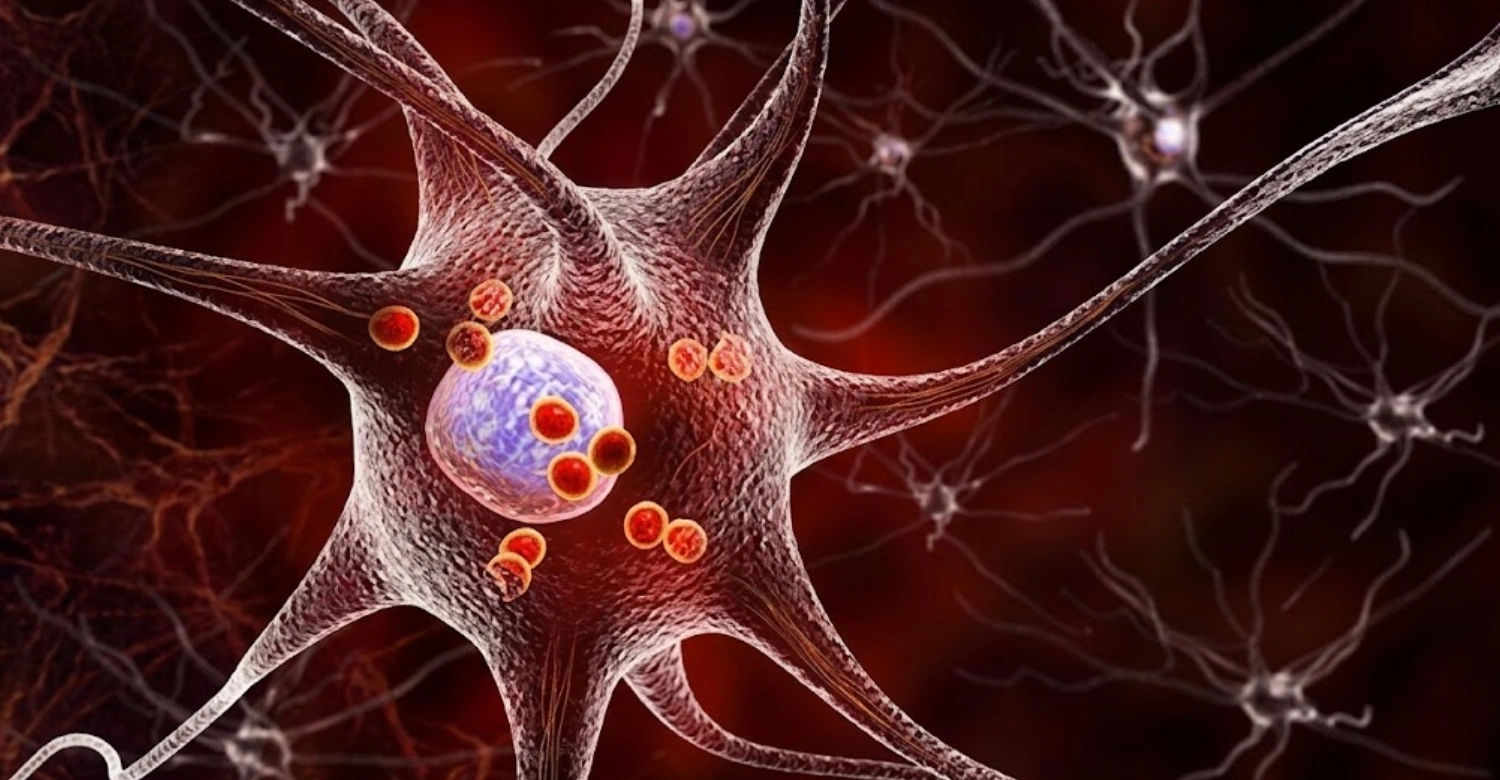
Neurodegenerative Disease and gum disease are being examined together because both involve long-term biological changes in the body. Neurodegenerative diseases are conditions that cause the progressive loss of nerve cell structure and function. Common examples include Alzheimer's disease, Parkinson's disease, and other forms of dementia. Gum disease begins as gingivitis, a reversible inflammation of the gums, and can progress to periodontitis, a more serious condition affecting the tissues and bone supporting the teeth.
How Periodontitis May Affect Overall Health
Periodontitis and neurodegenerative diseases share a possible link through chronic inflammation. When periodontal disease is left untreated, the gums remain persistently inflamed. This triggers the release of inflammatory mediators into the bloodstream. Over time, these mediators may travel beyond the mouth and influence other body systems. Long-term inflammation is relevant to neurological conditions because sustained inflammatory activity has been associated with several chronic diseases. This is one reason periodontitis and neurodegenerative diseases continue to attract research attention, even though the exact mechanisms of Neurodegenerative Diseases and gum disease are still being studied.
Can Oral Inflammation Influence Brain Health?
Gum disease and brain health may be connected through the body's inflammatory response. Researchers have proposed that oral inflammation could influence the brain indirectly, since the blood-brain barrier normally limits what reaches neural tissue. Systemic inflammatory markers produced during periodontitis may still interact with this barrier under certain conditions. This relationship remains under active investigation. It is important to understand that gum disease and brain health research describes a possible association, not proven causation.
Gum Disease and Neurodegenerative Diseases: What Does Research Suggest?
Gum disease and neurodegenerative diseases have been the subject of a growing number of observational studies. Most existing research identifies associations rather than direct causes. An observational study can show that two conditions occur together more often than expected, without proving that one causes the other. Researchers are interested in oral health partly because it is a modifiable factor, meaning it can potentially be improved through everyday care and professional treatment.
Periodontitis and Alzheimer's Disease
Periodontitis and Alzheimer's disease have been investigated because both conditions involve long-term inflammatory processes. Chronic inflammation is considered a possible shared pathway between the two. Some studies have examined whether periodontal bacteria or their byproducts may contribute to neurological inflammation, though findings remain preliminary. Researchers continue to study periodontitis and Alzheimer's disease to better understand whether managing oral bacteria could influence broader inflammatory activity in the body. At this stage, Neurodegenerative Disease and gum disease research should be understood as an area of ongoing scientific interest rather than an established cause.
Gum Disease and Dementia
Gum disease and dementia have appeared together in several research findings suggesting an association between periodontal health and cognitive impairment. Some studies report that people with more advanced periodontal disease also show higher rates of cognitive decline. However, these studies often have limitations, including differences in study design and other contributing health factors. Gum disease and dementia should not be presented as a guaranteed cause-and-effect relationship.
Periodontitis and Parkinson's Disease
Periodontitis and Parkinson's disease have also drawn research interest, partly because Parkinson's disease can affect motor control needed for daily oral hygiene. Inflammation is again considered a potential shared factor between the two conditions. Additionally, patients with Parkinson's disease may experience changes in dental care needs due to tremors, reduced dexterity, or medication side effects.
Oral Health and Neurodegenerative Diseases: Why Dental Care Matters
Oral health and neurodegenerative diseases are closely linked in practical, everyday terms. Maintaining good oral hygiene becomes especially important for patients living with neurological conditions. Neurological symptoms can make daily brushing and flossing significantly harder to manage. Common challenges include reduced manual dexterity, difficulty brushing effectively, reduced ability to attend dental appointments, medication-related dry mouth, changes in diet, and difficulty communicating dental discomfort.
Oral Health Challenges in Patients With Cognitive Decline
Oral health and neurodegenerative diseases intersect closely when cognitive decline affects daily routines. Cognitive impairment can make it harder for patients to remember or correctly perform oral hygiene steps. Tasks that once felt automatic, such as brushing twice daily, may become inconsistent or forgotten. Caregivers and family members often play an important role in supporting these routines where appropriate.
Periodontal Disease and Cognitive Decline
Periodontal disease and cognitive decline are being studied as a possible two-way relationship. Some research suggests periodontal inflammation may relate to cognitive changes, while cognitive decline can also make oral hygiene more difficult, potentially worsening periodontal disease. Regardless of this ongoing research, maintaining periodontal health offers clear, established benefits on its own.
Tips for Patients
Build a Consistent Oral Hygiene Routine
Do Not Ignore Bleeding Gums
Keep Regular Dental Appointments
Tell Your Dentist About Your Medications
Ask for Help When Oral Hygiene Becomes Difficult
Maintaining consistency matters more than perfection. A steady daily routine, even a simplified one, supports gum health over time. Bleeding gums should never be dismissed as normal, since it often signals active inflammation. Regular dental visits allow early detection of problems. Sharing a full medication list helps dentists anticipate dry mouth or other side effects. Finally, asking family or caregivers for help with oral hygiene is a practical, valuable step for patients facing physical or cognitive challenges.
Chronic Inflammation and Neurodegenerative Diseases: Where Does Gum Disease Fit?
Chronic inflammation and neurodegenerative diseases are frequently discussed together in current research. In simple dental terms, chronic inflammation means the body's defensive response stays active for a prolonged period instead of resolving. Periodontitis can maintain this kind of persistent inflammatory state within the gums and supporting tissues. Because sustained inflammation has been linked to various chronic health conditions, researchers are examining it as a potential common pathway connecting gum disease with neurological conditions. Gum disease fits into this picture as one possible contributing source of ongoing inflammation.
Why Long-Term Gum Inflammation Should Not Be Ignored
Untreated periodontitis can progressively damage the tissues and bone that support the teeth. Over time, this may lead to measurable bone loss around the roots. As supporting structures weaken, teeth can become loose or mobile. Beyond these direct oral effects, controlling periodontal inflammation is considered an important part of general health management. Addressing gum inflammation early, rather than allowing it to persist untreated, helps protect the teeth and reflects sound management of Neurodegenerative Disease and gum disease more broadly.
Oral Bacteria and Brain Health: What Should Patients Know?
Oral bacteria and brain health are connected through ongoing scientific investigation of the oral microbiome. The mouth naturally contains a wide range of bacteria, some beneficial and some potentially harmful. Certain bacteria associated with periodontal disease are considered pathogenic when they accumulate below the gumline. Researchers are exploring how these bacteria, or components released from them, may potentially contribute to systemic inflammatory responses. It is important to distinguish these scientific hypotheses from established clinical facts, since much of this research remains exploratory rather than conclusive.
Does Having Oral Bacteria Mean You Will Develop a Neurodegenerative Disease?
This is a common patient concern worth addressing directly. Simply having oral bacteria does not mean a person will develop Alzheimer's disease, Parkinson's disease, or dementia. Everyone's mouth contains bacteria, and their presence alone is not predictive of neurological disease. Neurodegenerative diseases are multifactorial, meaning genetics, age, lifestyle, and many other elements contribute to their development. Oral bacteria may be one small piece of the larger Neurodegenerative Disease and gum disease picture, not a standalone cause patients should feel alarmed about.
How Is Gum Disease Diagnosed?
Diagnosing gum disease begins with a thorough clinical evaluation. Dentists assess the health of the gums, teeth, and supporting structures using established diagnostic methods. This process helps determine whether a patient has gingivitis, periodontitis, or healthy gum tissue. Early diagnosis allows treatment to begin before significant damage occurs. Because Neurodegenerative Diseases and gum disease research continues to evolve, accurate periodontal diagnosis remains a valuable part of comprehensive dental care for every patient, regardless of neurological history.
Comprehensive Periodontal Examination
A comprehensive periodontal examination typically includes a review of medical and dental history. The dentist examines the gums for signs of redness, swelling, or bleeding. Periodontal pocket measurements are taken around each tooth to assess attachment loss. Bleeding and inflammation are documented during probing. Tooth mobility is checked to identify weakened supporting structures. Plaque and calculus accumulation is also evaluated. Together, these steps provide a detailed picture of periodontal health, informed by ongoing Neurodegenerative Diseases and gum disease research, and guide appropriate treatment planning.
Dental Imaging
Dental X-rays may be used when periodontal disease is suspected or being monitored. Imaging helps identify bone loss around the roots that cannot be seen during a visual examination alone. This allows dentists to assess the extent of periodontal damage more accurately. In select cases, advanced imaging such as three-dimensional scanning may be used when clinically indicated, particularly before complex restorative or surgical planning, giving a fuller view of the supporting bone structure.
How Is Gum Disease Treated?
Treatment for gum disease depends on its severity and how far it has progressed. Early gingivitis often responds well to professional cleaning and improved home care. More advanced periodontitis typically requires additional, more targeted treatment. The overall goal is to control infection, reduce inflammation, and preserve the supporting structures of the teeth. Understanding Neurodegenerative Diseases and gum disease research does not change this core treatment approach, which remains focused on established periodontal health outcomes for every patient.
Professional Dental Cleaning
Professional dental cleaning removes plaque and calculus that regular brushing cannot fully eliminate. This procedure is typically appropriate for patients with early-stage gum disease or those maintaining good periodontal health. Routine cleaning helps prevent gingivitis from progressing into more serious periodontitis. It also allows the dental team to monitor gum health closely over time. For most patients, regular professional cleaning forms a foundational part of ongoing periodontal maintenance and general oral hygiene.
Scaling and Root Planing
Scaling and root planing is a deeper periodontal cleaning procedure used for more advanced gum disease. It involves removing bacterial deposits and calculus from below the gumline, along the tooth root surfaces. This helps eliminate the environment where harmful bacteria accumulate. By addressing these deposits directly, scaling and root planing supports gum tissue reattachment and reduces inflammation. It is often a key step in managing moderate to advanced periodontitis, supporting overall goals around Neurodegenerative Diseases and gum disease, before further treatment is considered.
Periodontal Maintenance
Periodontal maintenance involves regular follow-up appointments after initial treatment is complete. These visits allow the dental team to monitor healing and detect any early signs of recurring disease. Periodontitis often requires ongoing management, since it can be controlled but not always fully cured. Consistent maintenance appointments, combined with effective daily home care, help preserve treatment results and support broader efforts addressing Neurodegenerative Diseases and gum disease over the long term.
Advanced Periodontal Treatment
When periodontal disease is more severe, referral to a periodontal specialist may be appropriate. Specialists can offer more advanced diagnostic and treatment options tailored to complex cases. Surgical periodontal treatment is mentioned only when clinically indicated, typically for patients with significant bone loss or deep periodontal pockets that do not respond to non-surgical care. This step is reserved for specific situations rather than being a routine part of general periodontal treatment.
Can Treating Gum Disease Prevent Neurodegenerative Diseases?
This is an important question many patients ask directly. Currently, there is no basis for promising that periodontal treatment prevents Alzheimer's disease, Parkinson's disease, or dementia. Neurodegenerative Diseases and gum disease research has not reached a point where treating one guarantees prevention of the other. That said, treating gum disease offers well-established oral-health benefits on its own. Controlling periodontal inflammation and preserving natural teeth remain worthwhile goals, supported by solid evidence, independent of any neurological outcome.
Benefits of Treating Gum Disease
Treating gum disease provides clear, measurable improvements to oral health and daily comfort. Patients often notice positive changes fairly quickly after treatment begins. These benefits extend beyond the mouth itself, supporting easier eating, clearer speech, and greater confidence. While Neurodegenerative Diseases and gum disease research remains ongoing, the value of periodontal treatment for oral health is already well supported by dental evidence, making it a worthwhile investment regardless of any broader systemic questions still being studied.
What Patients May Notice After Treatment
Less gum bleeding
Reduced swelling
Improved gum health
Fresher breath
Better comfort when eating
Improved ability to maintain oral hygiene
These changes are often noticeable within the weeks following treatment. Reduced bleeding and swelling typically indicate that inflammation is coming under better control. Many patients also report fresher breath as bacterial levels decrease. Eating becomes more comfortable as tender or inflamed gums heal. Overall, improved gum health makes daily oral hygiene easier to maintain, creating a positive cycle relevant to both periodontal stability and Neurodegenerative Diseases and gum disease discussions.
Before and After Expectations
Periodontal improvement is usually measured through clinical indicators rather than appearance alone. Dentists track reduced inflammation, decreased pocket depths, and improved bleeding scores to assess progress. These measurements provide an objective picture of healing that is not always visible to the patient directly. It is also important to understand that existing bone loss may not always be fully reversible. Treatment aims to stabilize periodontal health and prevent further loss, rather than restoring tissue that has already been lost.
What Can Patients Do to Protect Their Oral and Brain Health?
Maintain good periodontal health
Attend regular dental examinations
Manage existing gum disease
Avoid smoking and tobacco use
Maintain a balanced diet
Stay physically active according to medical advice
Follow recommended medical care for neurological conditions
Treat oral infections promptly
Maintain communication between healthcare providers when necessary
Protecting both oral and general health starts with consistent habits. Regular dental examinations catch problems early, before they progress. Avoiding tobacco supports gum healing and reduces inflammation. A balanced diet and appropriate physical activity contribute to overall wellbeing. Patients with neurological conditions should continue following their medical care plans closely. Encouraging communication between dental and medical providers helps ensure oral health, including questions around Neurodegenerative Disease and gum disease, is considered within each patient's broader healthcare picture.
What We Notice Clinically
Dr. Rifat Alsaman emphasizes comprehensive oral assessment rather than focusing only on cosmetic concerns. Healthy gums are considered essential before patients undergo extensive restorative or cosmetic dental treatment. Identifying bleeding gums, periodontal pockets, gum recession, infection, or bone loss early allows treatment planning to address underlying issues first. This approach ensures cosmetic outcomes are built on a stable, healthy foundation, supporting both appearance and long-term periodontal stability for every patient who visits Vitrin Clinic.
What Dr. Rifat Alsaman Looks for During a Dental Assessment
Signs of gingivitis or periodontitis
Persistent gum bleeding
Plaque and calculus accumulation
Gum recession
Tooth mobility
Periodontal pocketing
Bone loss visible through appropriate dental imaging
Difficulty maintaining oral hygiene
Each of these findings helps build a complete picture of a patient's periodontal health. Persistent bleeding or pocketing often signals active disease requiring attention. Visible bone loss on imaging indicates more advanced progression. Noting difficulty with oral hygiene also helps identify patients who may need extra support or simplified home-care routines going forward.
Clinical Note
Clinical Note: Current evidence suggests an interesting association between periodontal disease and several neurodegenerative conditions, but patients should not interpret this relationship as proof that gum disease directly causes Alzheimer's disease, Parkinson's disease, or dementia. Neurodegenerative Diseases and gum disease research is still developing, and conclusions may shift as more studies are published. Patients are encouraged to focus on established, proven periodontal care rather than treating oral treatment as a guaranteed method of preventing neurological conditions.
What Dentists Can Confidently Recommend
Regular periodontal assessments
Effective daily plaque control
Professional dental cleaning when indicated
Periodontal treatment when disease is diagnosed
Management of dry mouth and other oral side effects
Regular monitoring for progression
Communication between dental and medical professionals when a patient has complex health needs
These recommendations rest on well-established periodontal evidence rather than uncertain research. Following them consistently supports strong oral health outcomes for nearly every patient. Dentists can confidently guide patients toward these practices regardless of whether a neurological condition is present, since periodontal benefits hold true independent of any Neurodegenerative Diseases and gum disease findings.
When Should Patients Seek Professional Dental Advice?
Bleeding gums
Persistent bad breath
Swollen or tender gums
Loose teeth
Gum recession
Pain when chewing
Changes in the way teeth fit together
Any of these symptoms warrants a professional dental evaluation. Bleeding or swollen gums often indicate active inflammation that should not be ignored. Loose teeth or noticeable recession can signal more advanced periodontal disease. Changes in bite alignment may also point toward underlying structural changes. Seeking advice early allows dentists to intervene before symptoms progress further.
Vitrin Clinic: Comprehensive Dental Care With a Patient-Centred Approach
Vitrin Clinic provides comprehensive dental care with a strong focus on individualized patient assessment. Detailed evaluation of the gums, teeth, and supporting structures takes place before any cosmetic or restorative treatment begins. Modern diagnostic technology, including digital imaging and three-dimensional tomography when clinically indicated, supports accurate treatment planning. Digital treatment planning tools help patients understand their options clearly. Periodontal health is always considered before extensive cosmetic procedures, ensuring appearance-focused treatment is built on a stable foundation that also reflects awareness of Neurodegenerative Diseases and gum disease at Vitrin Clinic.
Start With a Professional Dental Assessment
Readers experiencing gum bleeding, swelling, recession, or other symptoms are encouraged to arrange a professional assessment rather than waiting for symptoms to worsen. Early evaluation allows problems to be identified and addressed before they progress further. Book a consultation with Vitrin Clinic to discuss your oral health and receive an individualized treatment plan tailored to your specific needs, whether your concerns are cosmetic, restorative, or related to ongoing periodontal care.
References:
FAQs
Dr. Rifat Alsaman has more than 5 years of clinical experience in dentistry and currently serves as the Head of the Medical Team at Vitrin Clinic. He is dedicated to providing exceptional patient care, overseeing treatment planning, and ensuring the highest clinical standards across the team. His expertise, attention to detail, and commitment to continuous professional development have helped countless patients achieve healthier, more confident smiles.


