Endodontics
October 7, 2025
Is Endodontic Retreatment the one Powerful Solution for Lasting Dental Health in 2026?

Endodontic Retreatment is often the most effective solution for saving a tooth when a previous root canal treatment has failed. In 2026, advanced imaging, modern instruments, and improved techniques make retreatment more precise and successful than ever. Rather than extracting the tooth, this procedure removes infection, seals the canals again, and restores long-term function. With proper care and timely treatment, Redo Root Canal can help preserve your natural smile for many years.
What Exactly Does Endodontic Retreatment Mean in Dentistry?
Endodontic retreatment is essentially a second chance to save a tooth. The tooth previously underwent a root canal that failed to heal properly. In this procedure, the dentist or endodontic specialist carefully reopens the tooth. The old filling material is removed. The root canal system is then thoroughly cleaned and disinfected. After sterilization, the canals are reshaped and resealed to stop bacteria from causing further infection. The main goal is to let the surrounding bone and tissue recover. This preserves your natural tooth and a complete, healthy smile.
How Is Redo Root Canal Different from Initial Root Canal Treatment?
Unlike a first-time root canal, retreatment is more complex. The tooth has already been filled and altered. The specialist must carefully remove the previous gutta-percha, fillings, or posts. Any missed canals must also be located. New challenges may have developed too, such as calcifications or anatomical changes over time. Advanced imaging, ultrasonic tools, and precision instruments are often needed to reach hidden spaces. This helps ensure a successful outcome.
Why Might a Root Canal Fail in the First Place?
A failed root canal is not always due to poor technique. Common causes include missed accessory canals or an incomplete, short filling. A hidden crack in the tooth is another cause. A leaky restoration, such as a crown or filling, can also let bacteria re-enter the canal system. Recognizing these factors helps the dentist plan a more effective retreatment strategy.
What Signs Show That a Tooth Needs Retreatment?
Symptoms can appear months or even years after the original procedure. Look for persistent pain, gum swelling, or a pimple-like fistula on the gum near the treated tooth. Any of these may indicate an active infection. In some cases, there are no obvious symptoms at all. Only a dental X-ray reveals a recurrent infection or a new lesion at the root tip. If any of these warning signs appear, prompt evaluation by an endodontic specialist is essential. This can save the tooth and prevent more serious complications.
Why Do Patients in Turkey Need Redo Root Canal?
The need for endodontic retreatment is universal. But patients from around the world, particularly those seeking high-quality, cost-effective care, often turn their attention to countries like Turkey. Many come for Redo Root Canal in Turkey after a failed root canal at home. They need a specialist armed with advanced technology to handle the challenge. Understanding why these failures happen is crucial for a successful second attempt.
What Are the Common Causes of Root Canal Failure?
Root canal failure boils down to persistent or recurring bacteria within the canal system. The initial treatment, while often successful, can sometimes leave tiny pockets of infection. It can also fail to adequately seal the complex anatomy.
Can Incomplete Cleaning Lead to Infection?
Absolutely. The root canal system is a maze of main canals and microscopic side branches, called lateral or accessory canals. A branch that is not fully located, cleaned, and filled during the first treatment can hide bacteria. Over time, that bacteria can multiply. This leads to a recurrent infection, a classic reason for needing Redo Root Canal. The challenge of Retreatment of Root Canals is removing the old filling material without causing further damage. Advanced techniques are then used to find and clean these previously missed anatomical features.
Does Tooth Anatomy Play a Role in Treatment Failure?
Yes, tooth anatomy is often the primary antagonist. Teeth rarely have perfectly straight, round canals. They can have severe curves, bifurcations, or C-shaped cross-sections, particularly in molars. A challenging anatomy can restrict instrument access, leaving cleaning incomplete. This is why an endodontic retreatment procedure often relies heavily on micro-endodontics, using specialized microscopes to visualize these complexities.
How Do Lifestyle and Oral Hygiene Affect the Success of Root Canals?
A root canal can fail if the permanent crown or filling develops a crack or loses its seal. This lets bacteria re-enter the tooth. Poor oral hygiene increases the risk of decay around the restoration, creating a pathway for infection. Habits like bruxism, or teeth grinding, can fracture the treated tooth or restoration, weakening the protective seal. Consistent brushing, flossing, and regular dental checkups are essential to maintain the long-term success of the treatment.
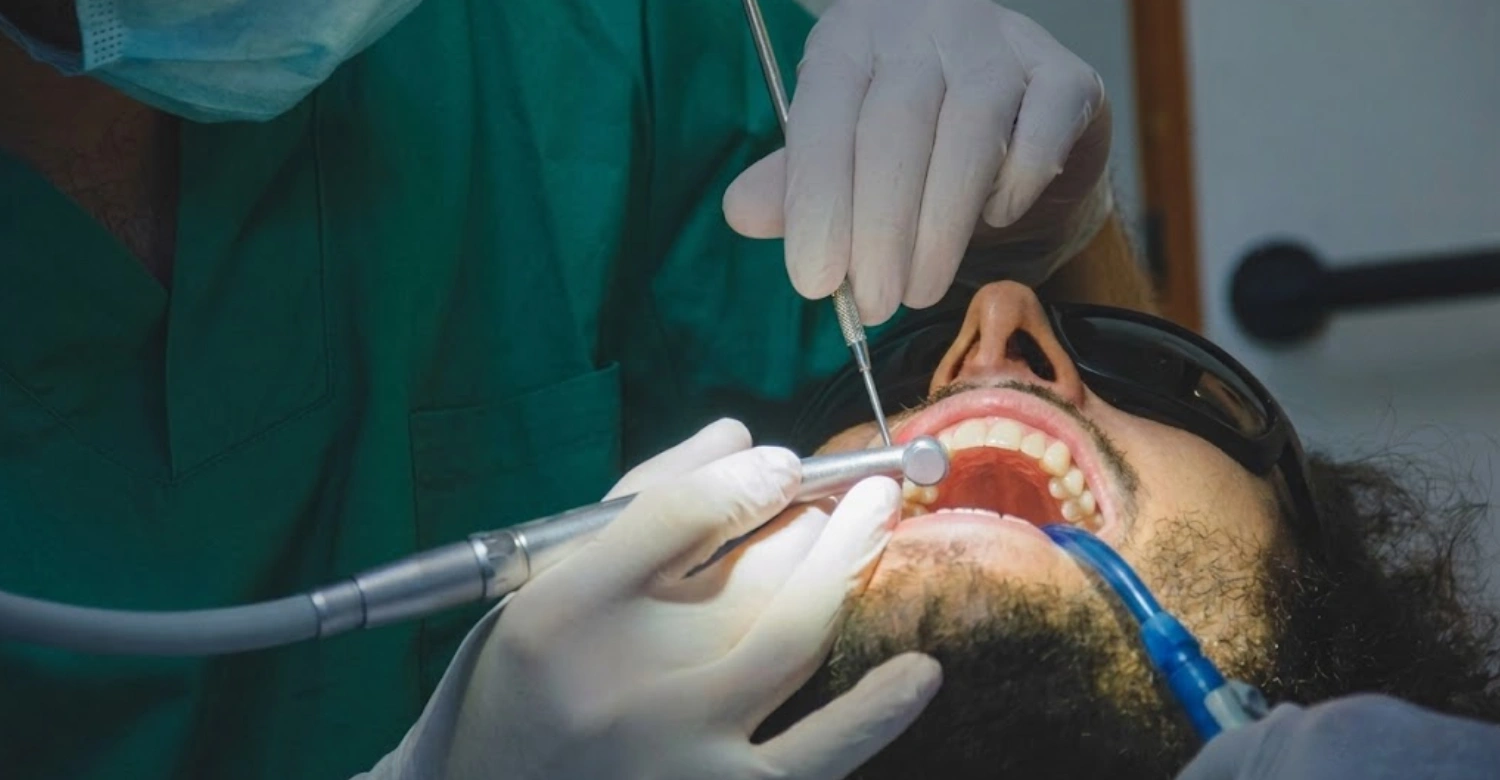
What Are the Main Steps of a Redo Root Canal Procedure?
An endodontic retreatment is a detailed "second chance" procedure designed to correct issues from a previous root canal. It involves carefully undoing the old work, cleaning the root canal system, and resealing the tooth. This eliminates bacteria and restores proper function. The canals have already been filled and altered, so this process is far more intricate than an initial root canal. It requires advanced skills and equipment.
How Do Dentists Reopen the Treated Tooth Safely?
To begin, the dentist creates access to the canals. This means drilling through the existing crown, or removing it entirely if needed. This step is performed slowly to protect the remaining tooth structure. A protective rubber dam is placed around the tooth to keep it dry and isolated from saliva and oral bacteria. This ensures a sterile environment for the subsequent cleaning phase.
What Special Tools Are Used to Remove Old Root Canal Fillings?
Removing the old gutta-percha (the rubber-like filling material) and sealer is the most time-consuming part of Endodontic Orthograde Retreatments. Specialized tools and materials are required, including:
Solvents: Chemicals used to soften the gutta-percha, making it easier to remove.
Ultrasonic Tips: Fine, vibrating instruments that help break up the filling material and any calcified deposits without aggressive drilling.
Specialized Rotary Files: Flexible nickel-titanium instruments designed to navigate the tortuous anatomy, removing the old material layer by layer.
The specialist must work slowly. None of the old material should be pushed beyond the root tip, since this could cause further irritation or pain.
How Do Ultrasonic Instruments Improve Retreatment Results?
Ultrasonic instruments vibrate at extremely high frequencies. This helps loosen posts, dislodge broken instruments, and clear calcified deposits that block access to hidden canals. They also activate irrigating solutions, letting them penetrate deep into microscopic spaces. This allows for more thorough disinfection than traditional methods can achieve.
How Is the Tooth Disinfected and Refilled Again?
After the old material is cleared, the canals are flushed with strong irrigating solutions, such as sodium hypochlorite. This kills remaining bacteria and dissolves tissue remnants. The canals are then dried and refilled with fresh gutta-percha and a sealer that extends precisely to the root apex. Finally, the dentist places a temporary or permanent filling in the access opening. The patient is then referred for a new crown. This provides a long-lasting seal and protects the tooth from future infection or fracture.
Missed Root Canals and Strategic Access Modifications
Endodontic retreatment often starts with missed root canals detection. An undetected side branch is a top reason a first root canal fails. The specialist reopens the access cavity. Magnification helps locate canal openings the original treatment never found.
Strategic access modifications may be needed too. The tooth's anatomy may have shifted, and a crown can also block a straight line to a canal. The dentist widens or repositions the opening with care, keeping as much healthy structure as possible. This reflects the endodontic practice guidelines that specialists follow. The aim is always a conservative and predictable therapy, not aggressive removal of tooth structure.
Removal of Fractured Instruments Left From the Initial Procedure
A broken file left inside the canal is a common obstacle in retreatment. The removal of fractured instruments relies on ultrasonic tips. These tips vibrate the fragment loose without pushing it further into the canal.
Sometimes a fragment cannot be safely removed. The specialist may bypass it instead and seal around it, since forcing removal risks a root fracture. Success depends on the fragment's location, its length, and how tightly it is wedged. Many specialists see this as one of the more delicate parts of Endodontic Orthograde Retreatments. It requires both a microscope and a steady, controlled technique.
Treatment of Root Perforations and Structural Sealing
A perforation is an accidental opening in the root or the floor of the tooth. It can come from the original procedure or from post placement. Treatment of root perforations depends on the size and location of the defect. How much time has passed since it occurred also matters.
Small perforations are often sealed with biocompatible materials, such as MTA or bioceramic cement. These support structural sealing and encourage the surrounding bone to heal. Larger or long-standing perforations carry a less favorable prognosis. They may point toward endodontic surgery alternatives, including an apicoectomy, when the defect cannot be reached from inside the tooth.
Ultrasonic Post Removal Techniques in Retreatment
Many teeth needing retreatment already hold a metal or fiber post under an old crown. Ultrasonic post removal uses fine, vibrating tips to loosen the cement around the post gradually. This lowers the risk of cracking the root compared with older mechanical methods.
The specialist works in short intervals to avoid excess heat, which could damage the surrounding ligament. Once the post is free, the canal below it can be cleaned and reshaped. This precise technique is now standard in the endodontic retreatment protocol at clinics with modern ultrasonic units.
What Modern Technologies Are Used in Redo Root Canal in Turkey?
Leading dental clinics globally, and increasingly in medical tourism hubs like Turkey, achieve a high endodontic retreatment success rate. One key reason is the mandatory use of cutting-edge technology. These tools transform a complex, blind procedure into a highly controlled, predictable one.
How Does Digital Imaging Help Dentists Plan Retreatment?
Planning is half the battle in Endodontic Retreatment. Digital X-rays offer immediate, high-resolution images. The real power, though, comes from Cone Beam Computed Tomography (CBCT). A CBCT scan provides a detailed, 3D image of the entire tooth, the surrounding bone, and the root canal system. This allows the specialist to:
Identify the exact location of the infection.
Pinpoint previously missed canals or unusual anatomy.
Locate any fractured roots or broken instruments left from the initial procedure.
This level of pre-operative analysis is part of the rigorous endodontic retreatment guidelines followed by top practitioners. It is crucial for outlining the most effective Redo Root Canal protocol.
What Role Does a Dental Microscope Play in the Procedure?
A dental operating microscope is arguably the single most important piece of equipment in modern Endodontic Orthograde Retreatments. The microscope magnifies the work area up to 25 times, illuminating the deep recesses of the tooth. This magnification allows the specialist to:
Visualize the access cavity and the canal openings with unparalleled clarity.
Locate hairline fractures that might cause leakage.
Work with minute precision, avoiding accidental removal of healthy tooth structure.
Without a microscope, finding a tiny, calcified, or previously missed canal is often a matter of luck. With one, it becomes a predictable part of the endodontic retreatment procedure.
Can 3D Scans Improve the Success Rate of Retreatment?
Yes. CBCT (3D scans) provide a detailed three-dimensional map of the tooth and surrounding bone. This helps dentists locate hidden canals, detect fractures, and plan the exact angle and depth of their instruments. The imaging reduces guesswork. It also allows safer navigation around metal posts or broken instruments. In advanced cases, the data can even be used to create 3D-printed guides. These direct precise drilling to blocked or calcified canals, improving accuracy and preserving more natural tooth structure.
How Successful Is Endodontic Retreatment Compared to Extraction and Implants?
When faced with a failed root canal, the decision often comes down to two choices. One is endodontic retreatment; the other is extraction followed by a dental implant. For most patients, saving the natural tooth remains the best long-term option. This makes retreatment better than extraction in many cases.
What Factors Influence the Success Rate of Retreatment?
The endodontic retreatment success rate generally falls between 70% and 90%. This depends on the specific cause of the failure and the tooth's overall condition. Key factors influencing success include:
Severity of Infection: Smaller, contained infections respond better than large, chronic lesions.
Presence of Fractures: A significant root fracture often means a poor prognosis, and extraction may be necessary.
Quality of Final Restoration: A prompt, high-quality crown is essential to seal and protect the retreated tooth.
Specialist Expertise: Procedures performed by experienced endodontists using advanced technology have a significantly higher success rate.
Why Might Some Patients Still Choose Dental Implants Instead?
Despite the mantra that retreatment is better than extraction, some teeth are too compromised. Extensive decay, severe bone loss, or a non-repairable fracture can make a dental implant the more predictable option. So can multiple failed Retreatment of Root Canals. Patients seeking a single, well-defined solution with a clear healing timeline may prefer an implant in these cases.
How Do Costs Compare Between Retreatment and Implants?
The endodontic retreatment cost is usually lower than extraction plus bone grafting and a dental implant, at least initially. But if retreatment fails, patients face the combined cost of retreatment and implant. This is why many look for transparent pricing and high-quality care. Redo Root Canal in Turkey is a popular choice, since costs there are significantly more favorable.
What Is the Long-Term Prognosis of Retreated Teeth?
The long-term prognosis is excellent, provided the procedure is successful and the tooth is immediately crowned. A successfully retreated tooth can function normally for decades. It maintains the natural chewing force, bone structure, and alignment that an implant attempts to mimic. The goal is to restore the natural function and health of the tooth. Done well, it can last for the rest of the patient's life.
What Are the Risks and Challenges of Redo Root Canal?
Endodontic retreatment offers an excellent chance to save a natural tooth, but it is a complex procedure with specific risks. Being clear about the Expectations During a Root Canal Retreatment helps patients understand potential outcomes and plan for proper aftercare.
What Complications Can Happen During the Procedure?
Working inside a previously treated and often weakened tooth carries certain risks:
Instrument Separation – A file may break inside the canal. Specialists use ultrasonics and microscopes to remove or bypass fragments.
Perforation – An unwanted hole in the root or tooth base. Careful CBCT planning and microscope guidance reduce this risk.
Root Fracture – Excessive pressure during old filling or post removal can cause a vertical crack. This often requires extraction.
A detailed endodontic retreatment protocol and gentle technique minimize these complications.
How Can Patients Minimize Pain and Discomfort After Treatment?
Is endodontic retreatment painful? No, local anesthesia ensures a pain-free procedure. Mild tenderness or aching for a few days is normal, due to the deep cleaning and manipulation involved. Following the dentist's instructions helps speed healing. This includes avoiding chewing on the treated tooth until the final crown is placed. Over-the-counter pain relievers like ibuprofen and excellent oral hygiene also help.
When Does Retreatment Fail and Extraction Become Necessary?
Retreatment may fail if there is an undetected or non-repairable vertical root fracture. It can also fail if resistant bacteria persist despite thorough cleaning. In these cases, the specialist might recommend extraction. An apicoectomy, a surgery to remove the root tip, is another last effort to save the tooth.
How Do Patients Prepare for Redo Root Canal in Turkey?
Preparation for endodontic retreatment in Turkey begins with thorough research and communication with the chosen dental clinic. Patients should gather all relevant dental records, including recent radiographs and treatment history. This helps Turkish dentists understand their specific situation. Medical history review is crucial before retreatment. This matters most for international patients who may be taking medications or have conditions that could affect treatment.
What Questions Should Patients Ask Their Dentist Before Retreatment?
Being well-informed is essential. Before proceeding, ask your specialist these critical questions:
What is the probable cause of the initial root canal failure?
What is the estimated Redo Root Canal success rate for my specific case?
Will a CBCT scan be performed, and what technology (microscope, ultrasonics) will be used?
What is the total Redo Root Canal cost?
What are the Expectations During a Root Canal Retreatment regarding procedure time and recovery?
What type of final restoration (crown) will be required, and will the clinic provide it?
A professional clinic will provide transparent answers and a detailed treatment plan. This sets clear expectations for the entire endodontic retreatment procedure.
How Should Patients Care for Their Teeth Before the Procedure?
Preparation is generally straightforward. Patients should maintain excellent oral hygiene, focusing on brushing and flossing regularly. If an active infection is present, the dentist may prescribe a course of antibiotics first. This helps reduce the acute inflammation before the endodontic retreatment steps begin. It is also important to notify the clinic of any systemic health issues. This includes medications you are taking, especially blood thinners or diabetes drugs.
Is Any Special Diet or Medication Required Before Treatment?
No special diet is typically required. Patients should have a light meal before the procedure. Local anesthesia means they won't be able to eat comfortably for a few hours afterward. If the dentist has prescribed antibiotics, these should be started as directed. For patients traveling for Endodontic Retreatment in Turkey, travel plans should allow enough time for recovery and follow-up appointments. If you are anxious about the procedure, discussing sedation options with your specialist beforehand can also help.
Clinical Note
Early cavities frequently cause no pain or visible change, so they are missed during self-checks at home. A dental examination with X-rays detects decay between teeth and under the enamel. This happens well before the stage where a patient would feel it.
Tips for Patients
Use a toothpaste with 1,450 ppm fluoride. After brushing, spit rather than rinse with water, so the fluoride stays on the teeth longer. If you snack on something sugary, have it with a meal instead of spreading sweets across the day. It is the frequency of acid attacks, not the total amount, that drives a tooth cavity.
What Is the Cost of Endodontic Retreatment in Turkey?
The endodontic retreatment cost in Turkey typically ranges from 40-60% less than comparable treatment in Western Europe or North America. This makes it an attractive option for international patients. This cost advantage extends beyond the procedure itself, covering related expenses like laboratory fees and materials. Pricing transparency in Turkish dental clinics helps patients understand what is included in their treatment cost. It also clarifies what additional expenses might arise.
How Does Pricing Compare to Europe and the US?
The cost of endodontic retreatment in Turkey can be 50%–70% lower than in Western Europe, the UK, or the US. This difference reflects lower operational expenses and favorable exchange rates, not lower quality. Patients can often access advanced technology, such as CBCT and microscopes, that might be cost-prohibitive at home. This makes it easier to choose retreatment better than extraction instead of an implant.
What Factors Affect the Overall Cost of Retreatment?
Several elements influence the endodontic retreatment cost:
Complexity: Retreatment of a molar costs more than a simple front tooth case. So does removal of a broken instrument or large post.
Additional Procedures: An apicoectomy or a new crown will increase the price.
Location in Turkey: Clinics in hubs like Istanbul or Antalya may have slightly different rates.
Insurance: Even without full coverage, the out-of-pocket cost in Turkey is often less than the deductible in Europe or the US.
Do Clinic Reputation and Dentist Expertise Change Pricing?
Yes. A highly trained endodontic specialist using a dental microscope or advanced techniques typically charges more. But their higher endodontic retreatment success rate often saves money long-term by reducing the risk of failure.
How Do Materials and Technology Affect Treatment Costs?
Clinics that invest in CBCT scanners, dental microscopes, and advanced nickel-titanium files may charge slightly higher fees. These tools follow modern Redo Root Canal guidelines, and they greatly improve treatment accuracy. That makes them a worthwhile investment for the tooth's long-term health.
Why Do International Patients Choose Redo Root Canal in Turkey?
Turkey's rise as a leading dental tourism destination stems from qualified specialists, modern facilities, and competitive pricing. The country has invested heavily in medical tourism infrastructure. This creates an environment that caters specifically to international patients seeking advanced dental care. English-speaking dental teams and international patient coordinators make Turkey accessible to patients who might otherwise hesitate to seek treatment abroad.
How Do Turkish Clinics Provide Affordable Yet High-Quality Care?
Turkish dental clinics maintain strict accreditation and government oversight to meet international standards while keeping costs low. Affordability comes from favorable economic conditions, high patient volumes, and efficient operations, not from compromising quality. Many clinics performing Retreatment of Root Canals use the same advanced equipment found in top US and European centers. This helps maintain a high endodontic retreatment success rate at a fraction of the cost.
What Role Does Medical Tourism Play in Attracting Patients?
Turkey is a global hub for medical and dental tourism, offering all-inclusive packages for treatments like endodontic retreatment. These often include accommodation, airport transfers, and language support, making it easy to combine dental care with a relaxing trip. Clinics are experienced in meeting the specific Expectations During a Root Canal Retreatment for traveling patients. This ensures a smooth, stress-free experience.
Are Multilingual Dental Teams an Advantage for Foreign Patients?
Absolutely. Leading clinics employ multilingual staff and dentists fluent in English, German, Arabic, and other languages. This guarantees clear communication about the diagnosis, the Redo Root Canal protocol, treatment steps, and aftercare. It is essential for international patients seeking advanced dental procedures far from home.
How Can Patients Maintain Oral Health After Redo Root Canal?
Post-retreatment care begins immediately after the procedure and continues throughout the healing period and beyond. Successful retreatment requires the patient's active participation in maintaining oral health and following post-treatment recommendations. The transition from treatment completion to long-term maintenance involves several phases, each with specific requirements. Understanding these phases helps patients know what to expect and how to optimize their outcomes.
What Daily Habits Support Long-Term Success of Retreated Teeth?
The most critical step after endodontic retreatment is protecting the tooth with a full, permanent restoration, typically a crown. A final seal prevents bacteria from re-entering the canal system. Beyond that, daily habits include:
Meticulous Brushing and Flossing: Treat the retreated tooth just like any other natural tooth.
Avoiding Hard Foods: Do not chew on ice or hard candies. Avoid anything that could fracture the crown or the tooth structure beneath it.
Using a Night Guard: If you grind or clench your teeth, a custom-fitted night guard is essential. It prevents fracture and preserves the seal.
The question "How many times can a root canal be retreated?" often comes up. It's theoretically possible to attempt retreatment more than once. But the structural integrity of the tooth diminishes with each procedure. This makes a second endodontic retreatment a last-resort option before extraction is considered.
How Often Should Patients Visit the Dentist After Retreatment?
Regular professional check-ups are non-negotiable. Typically, a patient should return for a follow-up X-ray six months after the procedure. Annual visits follow, for up to four years.
Do Follow-Up Appointments Reduce the Risk of Failure?
Yes, they are vital. Follow-up appointments let the dentist monitor the healing of the bone around the root tip. Bone and tissue healing can take many months. An X-ray check is the only way to confirm the infection is gone. It's the only proof the retreatment was a complete success. Early detection of any recurrent issues, such as crown leakage or a new infection, allows for prompt intervention. This drastically improves the endodontic retreatment success rate.
What Preventive Dentistry Practices Help Protect Treated Teeth?
In addition to regular hygiene, preventive practices include professional cleanings every six months and fluoride treatments. Any signs of gum disease should be addressed promptly. Protecting the seal of the final crown is the primary defense. It guards against needing further Retreatment of Root Canals down the line.
What We Notice Clinically
Dr. Rifat Alsaman, Head of the Medical Team at Vitrin Clinic and a cosmetic dentist, notes a shared pattern in most retreatment cases. An undetected canal or a compromised crown seal often goes unnoticed for years. Dr. Rifat Alsaman explains that a CBCT scan taken before treatment often changes the outcome more than any single instrument used. It shows exactly where the infection and any missed anatomy are located.
Dr. Rifat Alsaman also observes a clear trend. Patients who return promptly for a permanent crown rarely need a second retreatment. Delays in restoring the tooth are the most common reason retreatment has to be repeated.
Ready to Save Your Tooth?
If you're considering endodontic retreatment, or want to explore your options for addressing a failed root canal, visit Vitrin Clinic. Learn more about advanced treatment options available in Turkey. Our experienced team of specialists uses the latest technology and techniques to provide world-class endodontic care at affordable prices. Contact us today for your Free Consultation. Discover how we can help restore your dental health and preserve your natural smile.
Orthograde Protocol for Removing Fractured Instruments
The removal of fractured instruments is one of the most technically demanding steps in any retreatment case. When a rotary file separates inside the canal during a previous procedure, the orthograde approach working through the existing access cavity rather than surgically is always attempted first at Vitrin Clinic. The goal is to preserve as much natural root structure as possible while still achieving full micro endodontic file retrieval where the fragment's position allows it.
Success depends on three factors: the fragment's location within the canal, its length, and how tightly it is wedged against the canal wall. Fragments in the straight, coronal portion of the canal are far more retrievable than those lodged past a curve near the apex. This is why every case involving the removal of fractured instruments at Vitrin Clinic begins with a CBCT scan, so the specialist can map the fragment precisely before touching an ultrasonic tip to the canal.
Micro-Ultrasonic Techniques for Bypassing and Extricating Separated Rotary Files
Under the dental operating microscope, the specialist creates a small "staging platform" around the coronal end of the fragment using micro-ultrasonic tips. These tips vibrate at high frequency, gradually loosening the file segment without driving it further apically. This is the core of modern micro endodontic file retrieval: controlled, incremental vibration rather than force.
Two outcomes are possible. If the fragment loosens, it is extricated in one piece using ultrasonic energy alone or with fine hand instruments under magnification. If the fragment cannot be safely freed often because it sits beyond a sharp curvature the specialist bypasses it instead, cleaning and shaping the canal alongside the fragment and sealing around it. Bypassing is a deliberate clinical decision, not a failure: forcing removal of a well-wedged fragment risks a root fracture, which carries a far worse prognosis than leaving a stable, sealed fragment in place. Many cases referred to Vitrin Clinic after a Columbia endodontics failed root attempt elsewhere involve exactly this scenario a fragment left untouched because the original clinic lacked the ultrasonic and microscope setup needed to attempt safe retrieval.
Surgical Interventions for Iatrogenic Traumas: Treatment of Root Perforations
Not every complication in a previously treated tooth comes from the infection itself. Some result from the mechanics of the earlier procedure: an over-enlarged access cavity, a post drilled off-axis, or a file that strayed through the canal wall. These are classified as iatrogenic dental complications, and the treatment of root perforations they cause is one of the more delicate surgical interventions in endodontic retreatment.
The approach depends on size, location, and how long the perforation has been present. A perforation identified and sealed the same day it occurs has a far better prognosis than one discovered months or years later, once bacteria have had time to colonize the defect and the surrounding bone has started to resorb. This is why prompt root canal perforation repair matters more than almost any other single factor in the outcome of these cases.
Biocompatible Sealing Using Mineral Trioxide Aggregate (MTA) in Complex Mechanical Tears
For small to moderate perforations, Vitrin Clinic's protocol favors biocompatible sealing using mineral trioxide aggregate (MTA) or a comparable bioceramic cement. MTA sets in the presence of moisture, bonds well to dentin, and actively encourages the surrounding periodontal tissue and bone to heal rather than simply plugging the defect. It is placed directly at the perforation site under the microscope, in small increments, to avoid pushing material into the periodontal ligament space.
Larger or long-standing perforations that the team refers to internally as complex mechanical tears carry a less predictable outcome even with MTA. In these cases, treatment of root perforations may need to be paired with a surgical approach from outside the tooth, such as a limited flap procedure to access and seal the defect directly, when it cannot be reached predictably from inside the canal.
Conservative Biomechanics: The Specialized Protocol for Ultrasonic Post Removal
Many teeth referred for retreatment already carry a metal or fiber post placed under an earlier crown. Removing that post without cracking the root requires a conservative biomechanics approach, and ultrasonic post removal is the standard at Vitrin Clinic for exactly this reason. Rather than drilling or using mechanical post pullers that transmit sudden lateral force to the root, fine ultrasonic tips are applied around the circumference of the post in short bursts.
This gradually breaks down the cement layer holding the post in place, allowing it to loosen and be withdrawn with minimal stress on the surrounding dentin. The specialist works in short intervals typically a few seconds at a time to prevent heat buildup, which can damage the periodontal ligament if sustained too long. Once the post is free, the canal beneath it is cleaned, reshaped, and prepared for the same disinfection and filling steps used elsewhere in the retreatment.
Tips for the Patients
If you had a root canal that involved a post or crown, ask for a copy of your X-rays and, if possible, the type of file system used. Having this history on hand speeds up micro endodontic file retrieval planning and treatment of root perforations assessment if a problem is ever found the specialist won't be working blind on a tooth they've never seen before.
Why Patients Trust Vitrin Clinic for Complex Endodontic Retreatment
Cases involving the removal of fractured instruments, the treatment of root perforations, or ultrasonic post removal are not routine retreatments; they require a clinic set up specifically for them. Vitrin Clinic built its endodontic retreatment protocol around this reality: every complex case starts with a CBCT scan, proceeds under a dental operating microscope, and uses ultrasonic instrumentation as the default tool for anything that cannot be reached safely with hand files alone.
This matters most for patients arriving with a history of iatrogenic dental complications from an earlier procedure, including those coming to Vitrin Clinic after a Columbia endodontics failed root treatment abroad. Rather than defaulting to extraction, the team's first question is always whether the tooth can be saved through a conservative, microscope-guided approach reserving mineral trioxide aggregate (MTA) sealing, ultrasonic fragment retrieval, and post removal for the cases where they can meaningfully change the outcome. Vitrin Clinic pairs this technical setup with transparent pricing and coordinated care for international patients evaluating their options after a failed root canal.
What We Notice Clinically
Dr. Rifat Alsaman, Head of the Medical Team at Vitrin Clinic and a cosmetic dentist, points out that the three complications above fractured instruments, root perforations, and posts requiring ultrasonic removal rarely arrive as isolated problems. Dr. Rifat Alsaman notes that a tooth referred to Vitrin Clinic after a Columbia endodontics failed root case often shows two of these issues together, most commonly a retained fragment alongside a post that was never properly assessed before cementation.
Dr. Rifat Alsaman also observes that patients tend to underestimate how much a CBCT scan changes the treatment plan for these specific cases. What looks like a simple retreatment on a standard X-ray can reveal a perforation, a missed canal, or a fragment position that materially changes the approach reinforcing why imaging comes before any ultrasonic instrument touches the tooth.
Clinical Note
Bringing prior treatment records X-rays, CBCT scans, or notes from the original procedure to the first Vitrin Clinic consultation allows the specialist to plan the removal of fractured instruments or root canal perforation repair before the patient is even in the chair, reducing both appointment time and uncertainty.
Tips for the Patients
If a previous root canal involved a post, a crown, or any mention of a "broken file" or "small perforation" in your records, mention it explicitly when booking a Free Consultation at Vitrin Clinic. This lets the team prepare the right ultrasonic and imaging equipment in advance rather than discovering the complication mid-procedure.
References:
Endodontic retreatment offers a valuable second chance to save teeth affected by failed root canal therapy by eliminating persistent infection and restoring oral function. Recent findings highlight that both nonsurgical retreatment and endodontic microsurgery can achieve favorable long-term outcomes when carefully selected for each case, emphasizing the importance of accurate diagnosis and personalized treatment planning for long-term success.
https://pmc.ncbi.nlm.nih.gov/articles/PMC12579770/
FAQs

Dr. Rifat Alsaman has more than 5 years of clinical experience in dentistry and currently serves as the Head of the Medical Team at Vitrin Clinic. He is dedicated to providing exceptional patient care, overseeing treatment planning, and ensuring the highest clinical standards across the team. His expertise, attention to detail, and commitment to continuous professional development have helped countless patients achieve healthier, more confident smiles.


