Orthodontics
April 19, 2026
What Is Accelerated Orthodontics and How Can It Transform Your Smile?
 Dr. Rifat Alsaman
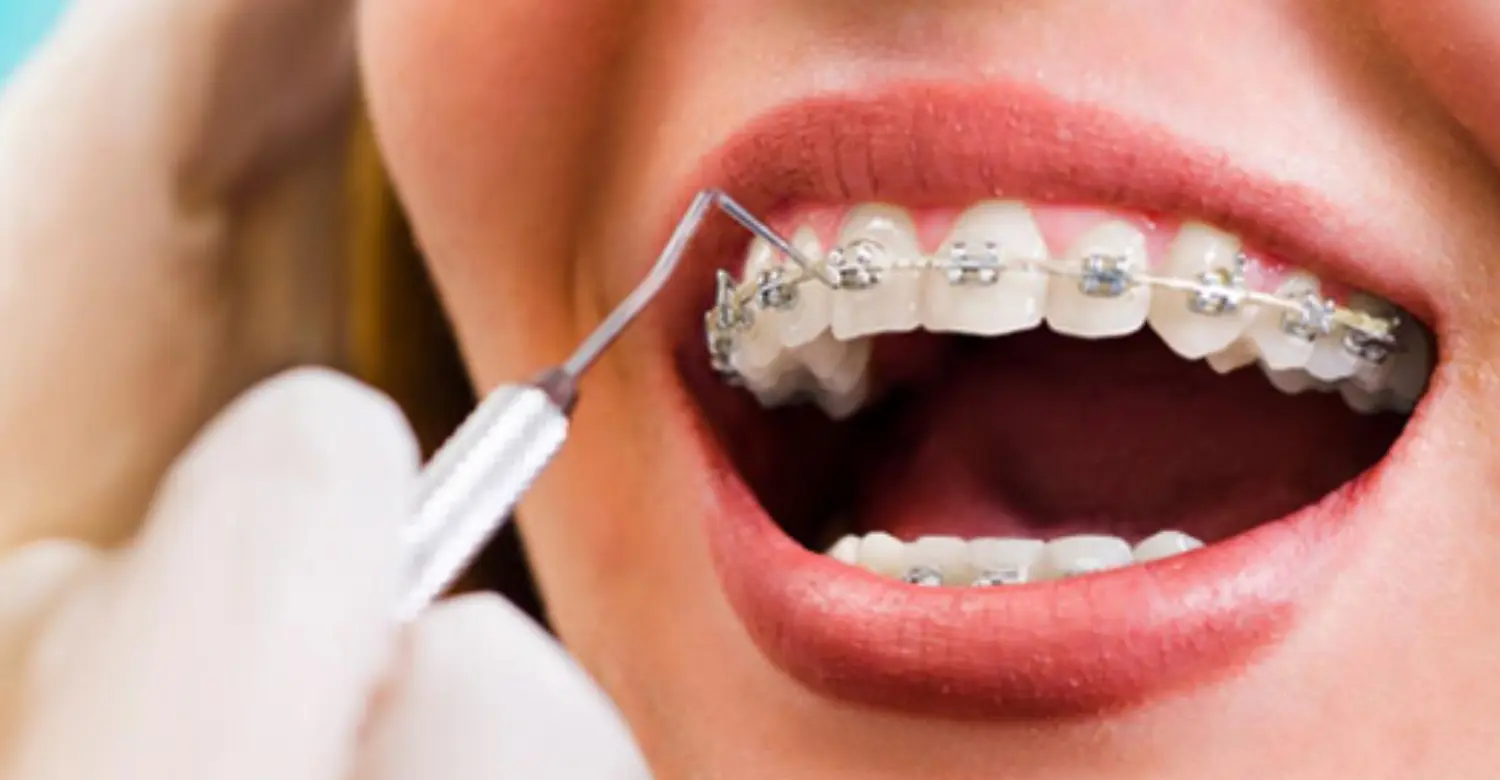
Accelerated orthodontics is a modern approach that helps straighten teeth faster than traditional braces. It uses advanced techniques, like specialized braces or clear aligners, to shorten treatment time. Many patients can see results in months instead of years. This method can correct misaligned teeth and improve your bite efficiently. It often involves technology like 3D imaging for precise adjustments. Suitable for teens and adults, it reduces the number of dental visits needed. The process focuses on comfort while ensuring effective tooth movement. Faster treatment means less disruption to daily life. Patients gain a confident, straight smile sooner. Consulting a qualified orthodontist can determine if this faster option fits your dental needs.
Why Choose Accelerated Orthodontics Over Traditional Braces?
Choosing faster orthodontic treatment over traditional braces offers several benefits. It significantly reduces the time needed to straighten teeth, often cutting treatment from years to months. Patients experience fewer dental visits and adjustments, making it more convenient for busy schedules. Modern techniques used are precise, ensuring effective alignment and bite correction. The approach is comfortable, with less pressure on teeth compared to conventional methods. It suits both teens and adults looking for a quicker smile transformation. Faster results boost confidence sooner and encourage better oral hygiene. Technology like 3D imaging helps customize treatment for each patient. Overall, it combines efficiency, comfort, and predictable outcomes. Consulting an orthodontist can help determine if this option is ideal for your smile goals.
Overview of benefits
Accelerated orthodontics benefits include significantly reduced treatment time, often completing in 6-12 months versus 18-36 months for traditional treatment. Patients experience fewer total appointments due to accelerated tooth movement, reducing time commitment and disruption to busy schedules. The techniques used in accelerated orthodontic treatment may reduce discomfort by promoting more efficient physiological tooth movement through bone. Faster results mean less time wearing visible appliances, important for adults and professionals concerned about aesthetic appearance during treatment. Psychological benefits include increased motivation and compliance, knowing treatment completion approaches quickly rather than extending years into the future.
Comparison of treatment duration with traditional methods
Rapid tooth movement therapy typically reduces treatment duration by 30-50% compared to conventional orthodontic approaches, depending on case complexity and technique. Traditional braces treatment averages 18-24 months for moderate cases, while accelerated orthodontic treatment may achieve similar results in 9-15 months. Severe malocclusions requiring significant tooth movement still benefit from acceleration, though absolute time savings may vary based on individual factors. The comparison demonstrates that fast braces treatment offers meaningful time reduction across diverse case types, from simple to complex orthodontic needs. Understanding realistic timeframes helps patients set appropriate expectations, balancing desire for speed with commitment to quality outcomes and stability.
Ideal candidates for accelerated orthodontics
Ideal candidates for accelerated orthodontics include adults and mature adolescents with healthy periodontal tissues and good oral hygiene habits. Patients motivated to achieve results quickly who can commit to appointment schedules and care protocols benefit most from treatment. Those with mild to moderate malocclusions often experience most dramatic time reductions, though severe cases also benefit from acceleration. Candidates must have adequate bone density and healthy gums, as accelerated orthodontic treatment places enhanced demands on periodontal structures. Vitrin Clinic provides comprehensive evaluation determining candidacy and recommending most appropriate acceleration techniques for individual patient needs successfully.
How Does Accelerated Orthodontic Treatment Work?
Accelerated orthodontic treatment works by stimulating the body's natural bone remodeling processes, enhancing the rate of tooth movement through tissue. Various techniques create controlled micro-trauma or stimulation in bone surrounding tooth roots, triggering increased cellular activity and remodeling. This enhanced biological response allows teeth to move more quickly through alveolar bone while maintaining healthy periodontal attachment. The science behind rapid tooth movement therapy involves understanding and optimizing the regional acceleratory phenomenon that occurs after controlled tissue injury. Combining traditional orthodontic forces with biological enhancement creates synergistic effects, reducing treatment time while maintaining predictable quality outcomes.
Classification of Accelerated Orthodontic Modalities: Surgical vs. Non-Surgical
Accelerated orthodontics can be broadly classified into surgical and non-surgical approaches, depending on how they stimulate or support the biological processes involved in tooth movement. Surgical techniques, such as corticotomy-assisted orthodontics and Wilckodontics, involve controlled procedures to stimulate bone remodeling around the teeth. Non-surgical approaches include vibration, photobiomodulation (low-level laser therapy), and investigational pharmacological agents such as vitamin D, prostaglandins, and PTH. Each method has different indications, benefits, limitations, and levels of supporting evidence. At Vitrin Clinic, treatment is selected according to the patient's orthodontic needs, periodontal health, and overall treatment goals. Dr. Rifat Alsaman, Head of the Medical Team at Vitrin Clinic and a cosmetic dentist, emphasizes that treatment acceleration should improve efficiency without compromising biological safety or long-term stability.
Surgical/Invasive Techniques: Corticotomy-Assisted Orthodontics & Wilckodontics
Corticotomy-assisted orthodontics is an invasive approach designed to stimulate bone remodeling around the teeth and potentially facilitate faster orthodontic movement. Wilckodontics is a related approach that combines orthodontic tooth movement with selective alveolar decortication and bone grafting in appropriate cases. These procedures are intended to create a temporary biological environment that supports more efficient tooth movement rather than simply applying stronger orthodontic forces.
At Vitrin Clinic, treatment selection should begin with a detailed assessment of tooth position, periodontal health, bone anatomy, and overall treatment objectives. Dr. Rifat Alsaman, Head of the Medical Team at Vitrin Clinic and a cosmetic dentist, emphasizes that acceleration should never be pursued at the expense of periodontal health or predictable tooth movement. Surgical approaches should therefore be reserved for carefully selected patients after a comprehensive clinical and radiographic assessment.
Current reviews recognize corticotomy and other invasive techniques as potential acceleration methods, but their effectiveness and protocols vary between studies.
Non-Invasive Biological Options: Pharmacological Agents , Vitamin D, Prostaglandins & PTH
Pharmacological acceleration aims to influence the biological processes responsible for orthodontic tooth movement, particularly bone remodeling and osteoclast activity. Research has investigated substances including vitamin D, prostaglandins, and parathyroid hormone (PTH). Some studies suggest these agents may increase tooth movement, but the available evidence is not yet strong enough to support routine self-directed or generalized use in orthodontic patients.
A 2024 systematic review found that vitamin D was associated with increased tooth movement in human randomized trials, while evidence regarding root resorption remained inconclusive. Other systematic reviews have found promising effects from prostaglandins but emphasized limitations in study quality and clinical protocols.
At Vitrin Clinic, Dr. Rifat Alsaman, Head of the Medical Team at Vitrin Clinic, recommends that biological or pharmacological approaches be considered only within an individualized treatment plan and never as a substitute for proper orthodontic mechanics and monitoring.
The Science Behind Accelerated Orthodontics
The science behind accelerated orthodontics centers on a regional acceleratory phenomenon. Controlled bone injury accelerates healing and remodeling. Mechanical or surgical stimulation is applied to alveolar bone around teeth. This increases cellular activity dramatically. Tooth movement is enhanced. Osteoclasts and osteoblasts become more active in treated areas. These cells handle bone resorption and formation. The heightened activity creates a temporary state of decreased bone density. Teeth move more readily in desired directions. Understanding these principles helps patients see that this approach works with natural processes. It does not force unnatural changes.
Bone remodeling and tooth movement
Bone remodeling and tooth movement occur through coordinated cell action. Osteoclasts remove bone on pressure sides. Osteoblasts form bone on tension sides. During accelerated orthodontic treatment, this natural process is enhanced. Various stimulation techniques increase cellular activity in target areas. The periodontal ligament responds to orthodontic forces. It signals bone cells to initiate remodeling. Teeth move gradually. Enhanced bone turnover creates optimal conditions for efficient movement. Periodontal health and stability are maintained. Despite faster movement, teeth remain healthy and properly supported.
Role of modern technology in speeding up results
Modern technology in accelerated orthodontics includes high-frequency vibration devices. They apply mechanical stimulation. This enhances cellular activity and bone remodeling. Laser-assisted techniques use specific wavelengths. They stimulate cellular metabolism and reduce inflammation. This facilitates more comfortable, efficient tooth movement. Digital treatment planning with 3D imaging allows precise prediction of tooth movement paths. Force application is optimized for maximum efficiency. Advanced bracket systems and wire technologies deliver optimal forces consistently. They work synergistically with acceleration techniques for enhanced results. These innovations make treatment safer, more predictable, and more comfortable.
Steps Involved in Accelerated Orthodontic Treatment
Accelerated orthodontic treatment begins with a comprehensive consultation. The orthodontist evaluates dental health and discusses goals. Appropriate acceleration techniques are determined. Detailed diagnostic records include photographs, radiographs, and digital scans. These provide a foundation for precise treatment planning. The treatment plan integrates traditional orthodontic mechanics with selected acceleration methods. It is tailored to individual patient needs. The active treatment phase involves placement of orthodontic appliances. Chosen acceleration techniques are applied according to specific protocols. Regular monitoring and adjustments ensure treatment progresses optimally. Modifications are made as needed based on individual response patterns.
Initial consultation and assessment
Initial consultation involves a thorough examination of teeth, bite, and jaw relationships. Periodontal health and overall oral condition are assessed. The orthodontist discusses patient goals and expectations. Timeline constraints and concerns about the process are addressed. Medical and dental history review identifies any conditions that might affect candidacy. Patients receive education about accelerated orthodontics options. Benefits, risks, costs, and expected timelines are explained. This comprehensive assessment ensures informed decision-making. It sets the foundation for a successful treatment journey with realistic expectations.
Imaging and treatment planning
Imaging and treatment planning utilize advanced diagnostic tools. Digital radiographs, CBCT scans, and intraoral scanning provide comprehensive assessment. These records allow precise analysis of tooth positions and root orientations. Bone density and anatomical structures are evaluated. Computer-aided treatment planning software enables orthodontists to simulate tooth movements. Final outcomes are predicted with remarkable accuracy. The treatment plan integrates traditional orthodontic force systems with selected acceleration techniques. It is optimized for individual anatomical and clinical characteristics. Vitrin Clinic utilizes state-of-the-art imaging and planning technology. Each accelerated orthodontic treatment is precisely customized for optimal results.
Active treatment phase
The active treatment phase begins with bonding of orthodontic brackets. Initial wires are placed following traditional protocols. Simultaneously or shortly after, the chosen acceleration technique is implemented. This may be surgical, mechanical, or laser-assisted. Patients attend regular appointments for adjustments and monitoring. Acceleration techniques are reapplied as needed throughout treatment. The accelerated orthodontic treatment phase requires patient compliance. Appliance wear, hygiene protocols, and dietary restrictions must be followed. Monitoring progress closely allows orthodontists to modify treatment plans as needed. Efficient movement is ensured while maintaining periodontal health.
Retention and follow-up
Retention and follow-up after accelerated orthodontic treatment follow the same principles as traditional orthodontics. Retainers are required to maintain tooth positions. Patients receive retainers immediately after appliance removal. They must wear them as prescribed to prevent relapse. Initial retention typically requires full-time wear. Transition to nighttime-only wear occurs as teeth stabilize. Regular follow-up appointments monitor stability. Any relapse tendencies are identified and addressed promptly. Long-term retention commitment is essential for maintaining results. This ensures the investment in a beautiful smile lasts a lifetime.
Long-Term Stability: Does It Last?
One common question is whether accelerated orthodontics provides lasting results. Research suggests long-term stability is comparable to traditional orthodontics. This holds true if patients wear retainers as directed. A study in the American Journal of Orthodontics and Dentofacial Orthopedics found no significant difference in relapse rates after two years. However, some experts argue rapid tooth movement may increase relapse risk. This can happen if surrounding bone and gum tissue haven't fully adapted. To ensure lasting results, your orthodontist may recommend an extended retention phase. Regular follow-up appointments are also important.
Important Considerations: Risks and Side Effects
It's essential to be aware of potential risks and side effects. Common side effects include temporary tooth sensitivity and gum irritation. Mild discomfort may also occur. More serious risks are rare but possible. They include root resorption, bone loss, and nerve damage. Surgical methods carry higher risk. To minimize these risks, choose a qualified orthodontist. A thorough evaluation and close monitoring are crucial. Always discuss any concerns with your provider before starting treatment.
Your Privacy Matters
When undergoing accelerated orthodontics, your personal and medical information is handled with confidentiality. Reputable clinics comply with data protection regulations. Examples include HIPAA in the United States and GDPR in Europe. Your treatment records, X-rays, and photos are stored securely. They are only shared with your consent. If you have concerns about data use, ask your orthodontist about their privacy policies.
Tools and Techniques Used in Accelerated Orthodontic Treatment
Tools and techniques vary by approach. They range from minimally invasive to surgical. Micro-osteoperforation creates small perforations in bone. This stimulates a regional acceleratory phenomenon. It enhances tooth movement significantly. High-frequency vibration devices like AcceleDent or VPro apply gentle mechanical stimulation. Patients use them at home. They complement clinical treatments. Laser-assisted methods use specific wavelengths. They stimulate cellular activity and reduce inflammation. They also enhance bone remodeling. Each technique has specific protocols and evidence. Selection depends on patient factors and orthodontist expertise.
Micro-osteoperforation, vibration devices, and laser-assisted methods
Micro-osteoperforation involves small controlled perforations. They go through the gingiva into alveolar bone. Specialized instruments are used under local anesthesia. This minimally invasive procedure triggers the regional acceleratory phenomenon. It increases bone turnover. This allows accelerated orthodontics to progress more rapidly. Vibration devices deliver high-frequency mechanical vibrations. Patients apply them to teeth daily. They stimulate cellular activity and may reduce discomfort. Laser-assisted acceleration uses photobiomodulation. It enhances cellular metabolism and blood flow. It also reduces inflammation. Each method can be used alone or combined. Customized protocols optimize individual patient needs.
How each technique helps reduce treatment time
Each technique reduces treatment time by enhancing biological processes. These processes underlie tooth movement. They make tissues more responsive to orthodontic forces. Micro-osteoperforation creates controlled injury. It triggers intense localized bone remodeling. Teeth move rapidly through softened bone. Vibration devices stimulate mechanoreceptors and cellular activity. They may enhance bone turnover. They reduce resistance to tooth movement. Laser-assisted methods increase ATP production and blood flow. They create an optimal metabolic environment. This supports efficient tooth movement. Understanding these mechanisms helps patients. They see that rapid tooth movement therapy works through biological enhancement. It does not rely on excessive force.
Detailed Comparison of Accelerated Orthodontic Technologies
Accelerated orthodontic technologies use different approaches to support faster tooth movement, including mechanical stimulation, vibration, and light-based photobiomodulation. Propel Orthodontics uses micro-osteoperforation to stimulate the surrounding bone, while AcceleDent and VPro use high-frequency vibration as an adjunct to orthodontic treatment. Low-level laser therapy (LLLT) and photobiomodulation use controlled light energy to influence cellular activity and bone remodeling. The effectiveness of these technologies can vary depending on the treatment method, patient biology, and clinical protocol. At Vitrin Clinic, technology is selected based on each patient's orthodontic needs rather than simply choosing the device marketed as the fastest. Dr. Rifat Alsaman, Head of the Medical Team at Vitrin Clinic and a cosmetic dentist, emphasizes that predictable tooth movement, periodontal health, and long-term stability should remain the priorities when considering accelerated orthodontic technologies.
Propel Orthodontics vs. AcceleDent vs. VPro: Features and Differences
Propel, AcceleDent, and VPro are examples of technologies designed to complement orthodontic treatment rather than replace conventional braces or clear aligners. Propel has been associated with mechanical stimulation through micro-osteoperforation, while AcceleDent and VPro use vibration-based approaches intended to provide mechanical stimulation during orthodontic treatment.
The important difference for patients is that these technologies do not guarantee the same treatment-time reduction for every case. Their usefulness depends on the orthodontic mechanics, treatment complexity, patient compliance, and biological response.
At Vitrin Clinic, the choice of an acceleration technology should be based on the patient's diagnosis rather than selecting a device simply because it is marketed as faster. Dr. Rifat Alsaman, Head of the Medical Team at Vitrin Clinic and a cosmetic dentist, stresses that the objective is controlled and biologically appropriate tooth movement, with speed considered only as one part of the treatment plan.
Low-Level Laser Therapy (LLLT) and Photobiomodulation: How It Works
Low-level laser therapy (LLLT), also called photobiomodulation (PBM), uses controlled light energy to influence cellular activity and biological responses around moving teeth. Researchers have investigated PBM because orthodontic tooth movement depends on coordinated bone remodeling and cellular signaling.
The evidence suggests that PBM may influence the rate of tooth movement and could potentially reduce orthodontically induced inflammatory root resorption, but treatment parameters vary considerably between studies. A recent systematic review found potentially beneficial effects on root resorption while emphasizing that the evidence remains limited and heterogeneous.
At Vitrin Clinic, PBM should therefore be considered an adjunct rather than a guaranteed shortcut. Dr. Rifat Alsaman emphasizes that the correct wavelength, dosage, treatment frequency, and patient selection are important when photobiomodulation is incorporated into an orthodontic plan.
What We Notice Clinically During Accelerated Orthodontic Treatment
Clinically, the most important observation is that accelerated orthodontics does not mean teeth should be moved with excessive force. The objective is to create a favorable biological environment in which controlled orthodontic forces can work efficiently. Patient response can vary according to bone characteristics, periodontal condition, tooth movement required, appliance type, and compliance.
At Vitrin Clinic, clinicians monitor tooth movement, gum health, appliance condition, and patient comfort throughout treatment. Dr. Rifat Alsaman, Head of the Medical Team at Vitrin Clinic and a cosmetic dentist, notes that a successful accelerated treatment plan should balance efficiency with periodontal stability, root health, and long-term retention.
This clinical monitoring is particularly important because faster treatment is not automatically better treatment if biological safety or treatment stability is compromised.
Risks, Drawbacks, and Biological Safety
Accelerated orthodontics aims to shorten treatment time, but increasing the rate of tooth movement must remain within the limits of healthy biological remodeling. Potential concerns may include root resorption, periodontal inflammation, gum recession, discomfort, and complications associated with invasive techniques. The level of risk depends on the acceleration method, orthodontic forces, treatment complexity, bone and gum health, and the patient's individual response. Not every patient is an appropriate candidate for an accelerated approach, and faster movement does not necessarily mean better results. At Vitrin Clinic, patients are assessed carefully before an acceleration method is recommended, with monitoring throughout treatment to protect tooth and periodontal health. Dr. Rifat Alsaman, Head of the Medical Team at Vitrin Clinic and a cosmetic dentist, emphasizes that treatment speed should never take priority over biological safety, controlled tooth movement, and long-term stability.
Balancing Speed and Safety: Root Resorption and Periodontal Risks
Accelerated orthodontics must balance treatment speed with the biological limits of tooth movement. Potential concerns include orthodontically induced inflammatory root resorption, gingival inflammation, periodontal complications, discomfort, and damage associated with invasive procedures. The risk profile varies according to the technique, treatment mechanics, patient anatomy, periodontal condition, and individual biological response.
Importantly, acceleration does not mean that complications are inevitable. Appropriate diagnosis, controlled forces, periodontal monitoring, and radiographic assessment when clinically indicated can help identify potential problems early.
Dr. Rifat Alsaman, Head of the Medical Team at Vitrin Clinic, emphasizes that treatment speed should never override biological safety. At Vitrin Clinic, accelerated orthodontic treatment should be planned around the patient's periodontal and dental condition rather than using a one-size-fits-all acceleration protocol.
Recent research also suggests that photobiomodulation may have a potentially protective effect against orthodontically induced root resorption, although the evidence is still developing.
Expert Tips for a Successful Accelerated Orthodontics Journey
Expert tips emphasize patient compliance and meticulous oral hygiene. Maintain all scheduled appointments consistently. Follow instructions for appliance wear and acceleration device use. Adhere to dietary restrictions. Active participation increases success likelihood. Communication with your orthodontist is key. Report any concerns, discomfort, or challenges. Prompt intervention prevents complications. Vitrin Clinic provides comprehensive patient education and support. You get the tools and knowledge needed for success.
Maintaining Oral Hygiene During Treatment
Maintaining oral hygiene during accelerated orthodontic treatment requires extra diligence. Tooth movement dynamics are faster. Brush after every meal. Use proper technique and specialized orthodontic toothbrushes. Reach all surfaces around brackets and wires. Floss daily with orthodontic floss threaders or water flossers. Remove plaque from between teeth and under wires. This prevents decay. Get professional cleanings every 3-6 months. They remove calculus and monitor periodontal health. Excellent hygiene prevents white spot lesions, gingivitis, and decay. These could compromise treatment outcomes.
Brushing, flossing, and professional cleaning tips
Brushing with braces takes at least two minutes twice daily. Use a systematic approach. Cover all tooth surfaces. Angle the brush at 45 degrees to the gum line. Use gentle circular motions. Clean around brackets above and below. Floss daily with specialized tools. Remove plaque from interdental areas. Toothbrushes cannot reach these spots. Professional cleanings remove hardened calculus. Hygienists may provide fluoride treatments. This strengthens enamel during accelerated orthodontic treatment. Impeccable hygiene ensures healthy teeth and gums. It supports successful outcomes without complications.
Foods to avoid with braces
Avoid hard foods like nuts, candies, and ice. They can break brackets or bend wires. Sticky foods like caramel, gum, and taffy can pull brackets off. They may become lodged in appliances. Chewy foods require excessive force. They can damage orthodontic appliances. Limit acidic and sugary foods. They increase decay risk around brackets. Following dietary guidelines protects appliances. This ensures accelerated orthodontic treatment progresses smoothly. Avoid delays from broken appliances.
Tips for Patients Undergoing Accelerated Orthodontics
Patients can support successful accelerated orthodontic treatment by maintaining excellent oral hygiene, following appliance and device instructions, attending scheduled appointments, and reporting persistent pain or appliance problems promptly. Avoiding hard and sticky foods can also reduce bracket or appliance damage that could delay treatment.
Patients should not attempt to accelerate tooth movement independently by increasing device use, changing appliance wear schedules, or taking supplements or medications without professional guidance. Biological acceleration requires controlled protocols and appropriate clinical supervision.
At Vitrin Clinic, patients receive individualized instructions based on their orthodontic system and acceleration method. Dr. Rifat Alsaman, Head of the Medical Team at Vitrin Clinic, emphasizes that patient compliance is an important part of achieving efficient movement while protecting the teeth, gums, and supporting bone.
Cost and Insurance Coverage
The cost of accelerated orthodontics varies widely. It depends on technique, case complexity, and location. On average, expect to pay $1,500 to $4,000 more than traditional treatment. High-frequency vibration devices like AcceleDent cost around $1,500. Surgical procedures such as corticotomy may add $2,000 to $4,000. Some clinics offer package deals. Get a detailed breakdown before starting.
Most dental insurance plans consider rapid tooth movement therapy cosmetic or elective. They may not cover the additional cost. The underlying orthodontic treatment is often partially covered. This is especially true for children and teens. Some plans may cover a portion of the acceleration device if medically necessary. This is rare. Check with your insurance provider. Many clinics offer flexible payment plans.
Surgical Options: Corticotomy and Beyond
For even faster results, surgical techniques can help. Corticotomy is also known as periodontally accelerated osteogenic orthodontics (PAOO). It involves small incisions in the gum tissue. The underlying bone is lightly scored. This stimulates a healing response. It accelerates tooth movement. Another option is alveolar distraction. It involves cutting and gradually separating bone segments. These methods can reduce treatment time by up to 50%. They are invasive and require longer recovery. They carry additional risks. Your orthodontist can help weigh benefits and drawbacks.
The Science Behind Accelerated Orthodontics
Several clinical studies support effectiveness. A randomized controlled trial in the Angle Orthodontist found that micro-osteoperforation achieved tooth movement 2-3 times faster. Another study in the European Journal of Orthodontics reported corticotomy reduced treatment time by 62% for severe crowding. Research on low-level laser therapy shows it can stimulate bone remodeling. It may accelerate tooth movement by up to 30%. More research is needed for standardized protocols and long-term outcomes.
Lifestyle Considerations
Lifestyle considerations during accelerated orthodontics include managing work, social, and athletic activities around treatment demands. Patients should plan for initial adjustment periods after bonding and acceleration procedures. Discomfort may be more noticeable during these times. Scheduling important events around appointment times protects treatment investment. Avoiding situations where appliances could be damaged is also wise. Athletes should wear protective mouthguards during contact sports. This prevents appliance damage and oral injuries. Maintaining a balanced perspective helps patients stay motivated. Recognizing the temporary nature of restrictions supports the journey to completion.
Managing Discomfort
Managing discomfort during rapid tooth movement therapy involves using over-the-counter pain relievers as recommended. Orthodontic wax applied to brackets or wires protects soft tissues. Eating soft foods for the first few days reduces chewing discomfort. Rinsing with warm salt water soothes irritated tissues. Most discomfort diminishes within days as tissues adapt. Patients should communicate with an orthodontist if pain persists or worsens.
Regular Checkups and Adjustments
Regular checkups and adjustments are essential for successful accelerated orthodontic treatment. Appointment frequency may be higher than traditional treatment initially. Orthodontists monitor response to acceleration techniques and adjust protocols. Each visit includes examination of tooth movement, appliance condition, and periodontal health. Wire changes and reapplication of acceleration techniques occur at scheduled intervals. Missing appointments can disrupt treatment progression. This may negate benefits of accelerated orthodontics and extend overall treatment duration.
Financial Breakdown: Cost of Accelerated Orthodontics vs. Traditional Treatment
The cost of accelerated orthodontics vs. traditional treatment varies depending on the orthodontic system, treatment complexity, treatment duration, and whether additional technologies or procedures are required. Accelerated treatment may involve extra costs when specialized devices, photobiomodulation, vibration systems, or surgical techniques are added to conventional orthodontic care. However, a higher price does not necessarily mean a better or faster result for every patient. At Vitrin Clinic, treatment costs are determined after evaluating each patient's dental and orthodontic needs, with the recommended approach based on clinical suitability rather than speed alone. Dr. Rifat Alsaman, Head of the Medical Team at Vitrin Clinic and a cosmetic dentist, emphasizes that patients should consider the complete treatment plan, including safety, monitoring, expected results, and long-term stability, when comparing accelerated orthodontics with traditional treatment.
Investment Differences and Appliance/Device Technology Costs
The cost of accelerated orthodontics can be higher than traditional orthodontic treatment when additional procedures, specialized devices, laser therapy, or other acceleration technologies are included. The final investment depends on the orthodontic appliance, complexity of tooth movement, treatment duration, diagnostic requirements, and whether an additional acceleration technique is clinically appropriate.
Patients should also consider that the cheapest treatment is not necessarily the most suitable option. A personalized treatment plan may reduce unnecessary procedures by selecting acceleration methods according to the patient's actual needs.
At Vitrin Clinic, treatment costs are determined after a comprehensive assessment rather than applying one fixed price to every accelerated orthodontic case. Dr. Rifat Alsaman, Head of the Medical Team at Vitrin Clinic and a cosmetic dentist, recommends comparing treatment plans based on clinical suitability, expected outcomes, monitoring, and long-term stability—not simply the advertised treatment time.
Accelerated Orthodontics at Vitrin Clinic
Vitrin Clinic specializes in accelerated orthodontics, offering comprehensive services with the latest techniques. The clinic's orthodontists have extensive training in various acceleration methods. State-of-the-art equipment includes advanced imaging, laser technology, and vibration devices. A patient-centered approach emphasizes education, communication, and support. Choosing Vitrin Clinic ensures access to expertise and a dedicated team committed to transforming smiles efficiently.
Why Vitrin Clinic Is a Leader in Advanced Orthodontics
Vitrin Clinic leads in advanced orthodontics through commitment to continuing education and evidence-based practice. The orthodontists regularly attend specialized training. They stay current with the latest research and innovations in accelerated orthodontic treatment techniques. Investment in cutting-edge technology enables a full spectrum of acceleration options. The comprehensive approach integrates traditional excellence with modern acceleration techniques. Success stories and high patient satisfaction demonstrate Vitrin Clinic's expertise in delivering beautiful smiles through rapid tooth movement therapy.
Expertise of Orthodontists
Vitrin Clinic orthodontists possess specialized training in accelerated orthodontic treatment techniques. This includes surgical and non-surgical acceleration methods. Years of clinical experience enable accurate patient selection and treatment planning. Ongoing education through professional organizations and conferences keeps orthodontists at the forefront. A collaborative approach involves discussing cases with peers and specialists when needed. This expertise ensures patients receive the highest quality accelerated orthodontic treatment with predictable outcomes.
Advanced Equipment and Patient Care
Advanced equipment at Vitrin Clinic includes digital imaging, CBCT scanners, intraoral scanners, and laser technology. High-frequency vibration devices and other acceleration tools are available. Treatment rooms are designed for patient comfort. Amenities make appointments pleasant and reduce anxiety. Staff trained in patient communication ensure a welcoming, supportive environment. This combination of technology and compassionate care creates an optimal experience for patients seeking efficient smile transformation.
Success Stories and Testimonials
Success stories and testimonials from Vitrin Clinic patients demonstrate the transformative power of rapid tooth movement therapy. Patients consistently report satisfaction with reduced treatment times and professional care. Before-and-after photos showcase a range of cases from simple to complex. Testimonials highlight aesthetic improvements, functional benefits, and increased confidence. These success stories provide prospective patients realistic expectations and confidence in choosing Vitrin Clinic for accelerated orthodontics care.
Clinical Note
Accelerated orthodontic treatment is not simply a faster version of conventional orthodontics. Tooth movement remains a biological process, so the speed of movement is influenced by bone remodeling, periodontal health, orthodontic mechanics, and individual patient response.
For this reason, not every patient needs an acceleration procedure or device. Some patients may achieve an efficient treatment time with optimized conventional orthodontic mechanics alone, while others may be considered for an adjunctive acceleration method after assessment.
Dr. Rifat Alsaman, Head of the Medical Team at Vitrin Clinic and a cosmetic dentist, recommends evaluating the entire biological and orthodontic picture before selecting an acceleration method. The priority should remain healthy tooth movement, functional bite correction, periodontal stability, and a stable long-term result.
Patient Experience at Vitrin Clinic
Patient experience at Vitrin Clinic begins with a warm, welcoming consultation. Concerns are heard and questions answered thoroughly. A comprehensive examination and diagnostic records collection occur in a comfortable environment. The latest technology minimizes discomfort and time required. Treatment options are presented clearly with visual aids and detailed explanations. This helps patients make informed decisions about care. Throughout active treatment, regular communication, appointment reminders, and accessible staff ensure a smooth experience. They address any concerns promptly. Post-treatment follow-up and retention support demonstrate Vitrin Clinic's commitment to long-term success and patient satisfaction beyond appliance removal.
Consultation process
The consultation process at Vitrin Clinic involves a thorough examination and discussion of goals. It includes a comprehensive evaluation of candidacy for accelerated orthodontics. Orthodontists explain various acceleration options available. They discuss benefits, risks, and expected outcomes for each technique in detail. Diagnostic records, including photos and scans, are reviewed together. This allows patients to visualize their current condition and potential improvements. Customized treatment plans are developed considering patient preferences, timeline constraints, budget, and clinical factors. This ensures realistic, achievable goals. The collaborative consultation process ensures patients feel informed, empowered, and confident in treatment decisions before beginning an accelerated orthodontic journey.
Treatment planning
Treatment planning at Vitrin Clinic integrates advanced digital technology with clinical expertise. This creates a precise roadmap for accelerated orthodontic treatment. Computer simulations predict tooth movements and final outcomes. Patients can visualize expected results before treatment begins. Orthodontists select optimal combinations of appliances and acceleration techniques. They base this on individual anatomy, goals, and clinical considerations. Timelines are established with realistic milestones. This gives patients clear expectations about treatment duration and appointment frequency. Comprehensive planning ensures efficient treatment progression. It minimizes unexpected complications and maximizes the likelihood of achieving beautiful results as projected.
Follow-up and support
Follow-up and support at Vitrin Clinic extends throughout active treatment and into the retention phase. This ensures long-term success and stability. Regular appointments allow monitoring of progress and early problem detection. Timely interventions are provided if any issues arise during treatment. Staff remain accessible between appointments to address concerns and answer questions. They provide guidance on managing any unexpected situations. After appliance removal, the retention phase is carefully managed. Clear instructions and regular monitoring prevent relapse of tooth positions. This comprehensive ongoing support demonstrates Vitrin Clinic's commitment to patient success beyond completing accelerated orthodontics treatment efficiently.
Summary: Is Accelerated Orthodontics Right for You?
Rapid tooth movement therapy offers compelling benefits for appropriate candidates. It provides an efficient smile transformation through advanced, proven techniques. Key considerations include candidacy requirements, financial investment, time commitment, and realistic outcome expectations. Balancing speed with safety remains paramount. Teeth must move efficiently while maintaining periodontal health and long-term stability of results. Consultation with qualified orthodontists like those at Vitrin Clinic provides personalized assessment. It helps determine if accelerated orthodontic treatment aligns with your goals. For motivated patients with healthy periodontal tissues desiring faster results, fast braces treatment represents an excellent investment in a beautiful, confident smile.
Reference
FAQs
Dr. Rifat Alsaman has more than 5 years of clinical experience in dentistry and currently serves as the Head of the Medical Team at Vitrin Clinic. He is dedicated to providing exceptional patient care, overseeing treatment planning, and ensuring the highest clinical standards across the team. His expertise, attention to detail, and commitment to continuous professional development have helped countless patients achieve healthier, more confident smiles.


.webp&w=3840&q=75)
