Oral Surgery
September 21, 2026
Recessed Maxilla: Identifying the Condition and Treating a Receding Upper Jaw
 Dr. Rifat Alsaman
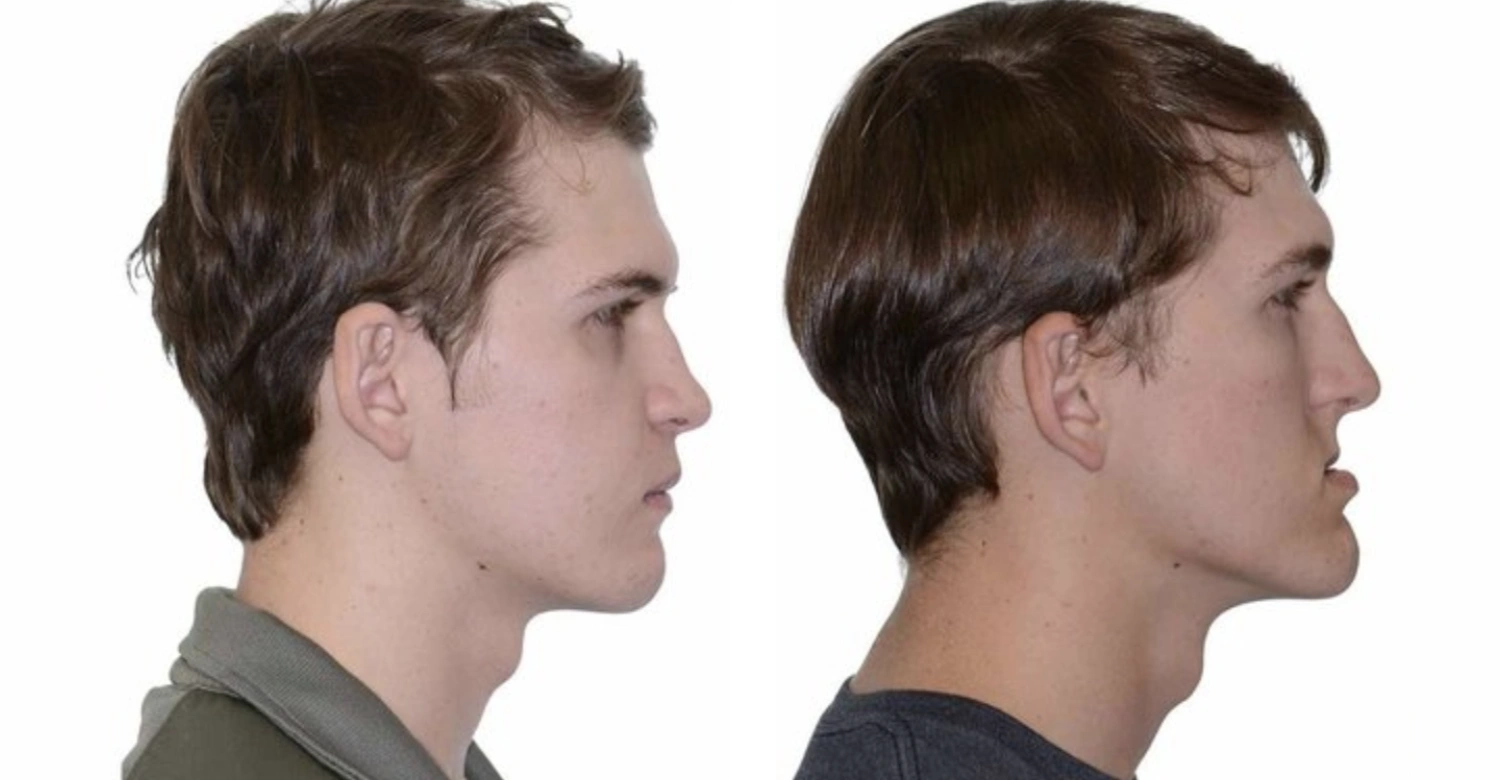
Recessed maxilla is a condition where the upper jaw sits farther back than expected or has not grown forward enough. You may notice a flatter midface, an underbite, trouble closing your lips comfortably, or changes in how your teeth meet. Still, facial appearance alone cannot confirm the condition. A dental examination, facial assessment, bite analysis, and imaging may be needed. These steps show whether the concern involves the maxilla, the teeth, the mandible, or several structures working together.
Recessed Maxilla: What Does a Recessed Upper Jawbone Mean?
A recessed maxilla, or recessed upper jawbone, means the upper jaw sits behind its ideal position. The maxilla forms the upper jaw and supports the upper teeth, the nose, and parts of the midface. A recessed upper jaw and an underdeveloped maxilla are closely related but not identical. Reduced forward growth can change facial proportions and dental function. Skeletal position also differs from dental position. Prominent teeth or an underbite do not always mean the upper jaw itself is recessed.
How a Recessed Maxilla Can Affect Your Face and Bite
You might notice several changes, including:
A flatter or less projected midface
Flat cheekbones or reduced cheek projection
An underbite or misaligned bite
Upper teeth sitting too far back
Difficulty achieving a comfortable lip seal
Changes in facial balance from the side
Mouth breathing or snoring in some cases
These features can have several causes. They do not automatically confirm a recessed maxilla. A single sign is rarely enough for a diagnosis, so a full assessment is important.
Recessed Maxilla Symptoms You Might Notice
Recessed maxilla symptoms often start with a feeling that your upper jaw is set back. You might see that your bite does not meet normally or that your face looks flatter around the cheeks. Some people also report chewing difficulty, speech changes, mouth breathing, snoring, or jaw discomfort. Symptoms vary with severity. They also depend on whether dental, skeletal, airway, or TMJ problems are present at the same time. Each person's combination of symptoms is different, so a personal assessment is helpful.
Note: All images used are for editorial and illustrative purposes only and may not originate from the original news provider or associated company.
Learn about tooth luxation and dental trauma
Recessed Maxilla Causes: Why Does the Upper Jaw Develop Backward?
Recessed maxilla causes range from common developmental and genetic influences to less common medical conditions. Growth patterns are multifactorial. Genetics, facial growth, airway-related habits, dental development, and certain craniofacial conditions may all contribute. No single behavior automatically causes maxillary deficiency. Understanding these layers helps you see why two people with a similar profile may have very different underlying reasons. The sections below move from the most common influences toward the rarest ones, so you can follow each step clearly.
Recessed Maxilla Genetics and Natural Facial Growth
Recessed maxilla genetics can influence facial growth patterns, jaw dimensions, and midface projection. A family tendency may affect how the upper and lower jaws develop together. Inherited facial characteristics do not necessarily indicate disease. Many people simply have a natural variation in their profile. Assessment is needed to separate normal variation from a clinically significant skeletal discrepancy. A clinician compares your measurements with expected growth patterns to make that distinction. This is why family resemblance alone is not a diagnosis.
Underdeveloped Maxilla and Childhood Growth Patterns
An underdeveloped maxilla means the upper jaw has not grown enough forward or vertically compared with expected facial growth. These developmental patterns may affect the bite and the midface. Childhood assessment can be important because growth modification may be considered in selected cases before skeletal growth is complete. An underdeveloped upper jaw is generally easier to guide while a child is still growing. Regular dental and orthodontic checks help detect changes early. Early identification gives families more options. This is why timing matters.
Mouth Breathing, Snoring, and Airway-Related Factors
Persistent mouth breathing, nasal obstruction, and certain airway problems can be associated with altered facial growth, particularly during childhood. However, mouth breathing does not prove that it caused an underdeveloped maxilla. Allergies, enlarged adenoids, or nasal blockage may need their own medical assessment. Snoring in a child or adult can also signal an airway concern. Treating the airway problem separately is often important, whatever the state of the jaw. A doctor can tell you which cause is most likely.
Maxillofacial Dysostosis and Other Craniofacial Conditions
Maxillofacial dysostosis is a group of uncommon craniofacial developmental disorders. These conditions can affect the bones and soft tissues of the face. They often involve more complex skeletal differences than an isolated recessed upper jaw. Suspected syndromic or significant developmental abnormalities may require coordinated assessment by appropriate specialists. Such cases are rare, so most people with a flatter midface do not have one of these conditions. A specialist team can confirm the diagnosis and plan care. This is not a cause for alarm.
Tips for Patients
Consider these practical tips:
Note when your bite, jaw comfort, or breathing symptoms started.
Do not use forceful mewing or face pulling techniques to move your jaw.
Ask whether your concern is skeletal, dental, or both.
Bring photos of your bite and facial profile if your clinician requests them.
Ask whether imaging such as CBCT is clinically indicated for your case.
Ask Dr. Rifat Alsaman, Head of the Medical Team at Vitrin Clinic and cosmetic dentist, how your bite and facial proportions should be assessed together.
Discover the role of fibroblasts around the mouth
What Other Problems Can Occur With a Recessed Maxilla?
This condition rarely causes just one problem. Skeletal development connects closely with dental and functional symptoms, so you may notice several concerns at once. For example, an altered bite can affect chewing, while a flatter midface can change how you look in profile. Breathing and jaw comfort may also be involved. The sections below explain the most common related problems so you can recognize them and discuss them with a professional. Recognizing them early can make treatment planning simpler.
Malocclusion and Underbite
Malocclusion is a bite that does not align normally. An underbite can occur when the lower teeth sit ahead of the upper teeth. A recessed upper jaw can contribute to this relationship, but mandibular position and tooth alignment also matter. A misaligned bite may cause chewing difficulty, uneven tooth wear, or speech changes. Identifying the true source of the bite discrepancy is essential before treatment. Otherwise, you risk treating the visible symptom while the cause remains.
Flat Cheekbones and Changes in Midface Projection
Reduced maxillary projection may make the area beneath the eyes and around the cheeks look flatter. That is why some people describe flat cheekbones. However, facial appearance depends on bone, soft tissue, nose shape, chin position, and overall proportions. One feature is never proof of skeletal deficiency. A professional looks at how all these elements work together before drawing conclusions. Photographs and mirrors can be misleading, so measured assessment is more reliable. Soft tissue can hide or exaggerate the underlying structure.
Mouth Breathing, Sleep Apnea, and Snoring
Jaw structure may be associated with airway function. Even so, sleep apnea and snoring have many possible causes. They should not be blamed on the upper jaw without proper evaluation. Mouth breathing can also come from nasal problems rather than bone position. Seek medical assessment if you notice loud snoring, witnessed breathing pauses, morning headaches, or daytime tiredness. These symptoms deserve attention whatever the cause, because untreated sleep-related breathing problems can affect your general health.
TMJ Symptoms and Jaw Discomfort
TMJ, or temporomandibular joint, is the joint that connects your jaw to your skull. An altered bite can sometimes coexist with jaw clicking, muscle fatigue, tenderness, or restricted movement. However, TMJ symptoms have many causes, including stress, clenching, injury, and arthritis. A recessed maxilla does not automatically cause TMJ disorders. If you feel persistent pain, locking, or difficulty opening your mouth, a professional assessment can identify the cause and guide safe treatment.
Explore angular stomatitis and cheilosis
Can You Improve a Recessed Maxilla at Home?
Home methods cannot reliably reposition an adult upper jawbone. Bone that has finished growing does not respond to simple exercises the way soft tissue does. Trends such as face pulling and mewing are often presented as ways to reshape the maxilla. Be cautious about claims that they can significantly move mature facial bones. Low-risk habits can still support oral and general health, but they should not be expected to change skeletal structure. Professional assessment remains the reliable route.
Face Pulling and Mewing: What Should You Know?
Mewing means consciously placing the tongue against the palate and holding a particular oral posture. Normal tongue posture can be part of healthy oral function. However, there is limited evidence that exercises can substantially reposition an adult maxilla. Face pulling, or manually tugging at facial tissue, has even less support. Avoid excessive pressure or any technique that causes jaw pain, tooth movement, or bite changes. If you notice these effects, stop and speak with your dentist.
Habits That May Support Your Oral and Jaw Health
These habits support your health without reversing skeletal development:
Maintain good oral hygiene and regular dental care.
Address persistent nasal blockage with an appropriate healthcare professional.
Find out more about dental trauma and possible complicationsAvoid deliberately forcing the jaw or teeth into uncomfortable positions.
Follow orthodontic or dental instructions if you already have treatment.
Track changes in your bite, chewing, breathing, or jaw comfort.
They complement professional care rather than replacing it. Small, consistent habits help you notice problems early.
Assistive Options Before Considering Surgery
Treatment depends on your age, growth status, skeletal discrepancy, bite, and symptoms. Not every case needs surgery. Orthodontic appliances may help in selected growing patients, but they are not universal solutions. Your clinician will decide whether a non-surgical approach suits your case after a full assessment. The following sections explain how appliances and orthodontics work, and where their limits lie. Understanding those limits helps you set realistic expectations before any treatment begins. Each option has a specific purpose.
Orthodontic Headgear and Reverse Pull Facemask
Orthodontic headgear and a reverse pull facemask may be used in selected children with maxillary deficiency. These devices apply orthopedic forces that can guide developing facial structures during growth. Effectiveness depends on age, growth potential, diagnosis, appliance design, and compliance. Wearing the appliance as instructed matters greatly. These approaches are not equivalent to moving a fully developed adult maxilla, and they are usually considered only while growth is still active. Your orthodontist will monitor progress at regular visits.
When Orthodontics Alone May Not Be Enough
Braces or clear aligners can move teeth, but they cannot always correct a significant skeletal discrepancy. If the underlying problem is mainly bone position, orthodontic camouflage has limits. It may improve how the teeth meet without changing facial profile. That is why skeletal assessment is needed before deciding whether tooth movement alone can address the bite. In some cases, orthodontics prepares the teeth for jaw surgery rather than replacing it. Camouflage can also create compromises if the jaw discrepancy is large.
Compare dental implants vs. bridges
When Should I See a Doctor or Dentist?
Book an assessment when symptoms persist, affect eating or speaking, or worry you about facial or bite development. Seek help if you notice:
A persistent underbite or significant bite change
Difficulty chewing or biting comfortably
Ongoing jaw pain, locking, or restricted movement
Persistent mouth breathing or significant snoring
Symptoms suggesting sleep apnea
Noticeable facial asymmetry or developmental changes
Difficulty keeping the lips comfortably closed
Progressive dental wear or tooth movement
Urgent care may be needed for severe swelling, trauma, breathing difficulty, or sudden inability to open or close the jaw normally.
Discover the relationship between oral health and overall well-being
Recessed Maxilla Treatment: What Are The Options?
Recessed maxilla treatment depends on the underlying diagnosis and your age. Options range from orthodontic management to surgical correction. The goal is not simply to change appearance. Treatment planning considers bite function, facial proportions, airway concerns, TMJ symptoms, and long-term stability. A clear diagnosis comes first, because the right option for a growing child differs from the right option for an adult. The sections below describe each approach in turn. Knowing the options helps you have a more useful conversation with your clinician.
Orthodontic Treatment for Bite Alignment
Orthodontic treatment may reposition your teeth and improve malocclusion. Dental compensation can be appropriate when the skeletal difference is mild. It may not address the underlying skeletal discrepancy when the difference is larger. Treatment planning should consider the relationship between the upper jaw, lower jaw, teeth, and facial profile. Braces or aligners work best when the plan matches the true source of the problem. Your clinician should explain what tooth movement can and cannot achieve.
Dermal Fillers for Facial Contour
Dermal fillers may add temporary soft-tissue volume to selected facial areas. They do not reposition or enlarge the maxillary bone. When appropriate, fillers can work as a cosmetic contouring option for people who want a subtle change in facial contour. However, they are not a substitute for correcting a significant skeletal discrepancy or malocclusion. Results are temporary, so repeat treatment is needed to maintain them. Discuss expectations honestly with a qualified professional before choosing this route.
Orthognathic Surgery for Skeletal Correction
Orthognathic surgery, also called corrective jaw surgery, repositions the jaws to improve skeletal relationships and bite function. Maxillary advancement may be considered when the upper jaw sits significantly backward. Recessed maxilla surgery involves careful evaluation, orthodontic preparation, imaging, and surgical planning. Healing and realistic expectations matter just as much. Braces often come before and after the operation. Recovery takes time, and final results develop gradually as swelling settles. Your surgeon will explain each stage in detail beforehand.
Maxillary Distraction Osteogenesis
Maxillary distraction osteogenesis is a surgical technique. The surgeon gradually separates bone after an osteotomy so new bone can form between the segments. It may be considered in selected severe maxillary deficiencies, particularly complex cases needing substantial advancement. It is a specialized procedure and not a routine treatment for mild recession. Because the movement is gradual, the soft tissues adapt along with the bone. Your surgeon will decide whether this method suits your anatomy. Recovery involves regular follow-up visits during the lengthening phase.
Learn more about food allergies and oral health
What We Notice Clinically
Facial appearance alone does not tell you whether the maxilla is actually recessed. Dr. Rifat Alsaman, Head of the Medical Team at Vitrin Clinic and cosmetic dentist, emphasizes assessing the entire facial and dental relationship rather than focusing on one feature. He would consider the bite, tooth position, facial proportions, jaw relationship, and relevant symptoms before discussing treatment. CBCT or other imaging may be considered when clinically indicated. The aim is to identify whether the concern is skeletal, dental, functional, or a combination.
Clinical Note
A recessed appearance can sometimes result from lower jaw position, tooth inclination, soft-tissue proportions, or facial growth rather than isolated maxillary deficiency. Dr. Rifat Alsaman, Head of the Medical Team at Vitrin Clinic and cosmetic dentist, would therefore avoid basing treatment decisions on photographs or social-media comparisons alone. Treatment should be individualized. If you have an underbite, airway concern, TMJ symptoms, or significant facial imbalance, these factors may need evaluation together. The plan should address the underlying problem rather than the feature most noticeable in the mirror.
Preventing Problems Associated With a Recessed Maxilla
You cannot prevent inherited facial growth patterns. However, you may reduce complications by identifying developmental and dental problems early. Preventive dental care, growth monitoring, and treatment of persistent airway issues all help. Consider these steps:
Attend routine dental and orthodontic assessments.
Address persistent nasal obstruction or mouth breathing.
Monitor changes in bite during childhood and adolescence.
Avoid unproven forceful jaw or facial exercises.
Treat dental problems before they add bite complications.
Seek assessment if snoring or sleep-related breathing symptoms persist.
Vitrin Clinic and Individualized Dental Assessment
Vitrin Clinic approaches complex dental and facial concerns, including a recessed maxilla, through individualized assessment. It does not treat one facial feature in isolation. Depending on the clinical question, evaluation may include a dental examination, bite analysis, facial assessment, digital scans, and three-dimensional imaging when clinically indicated. Dr. Rifat Alsaman, Head of the Medical Team at Vitrin Clinic and cosmetic dentist, oversees this approach. The right treatment depends on your skeletal relationship, dental alignment, symptoms, age, and goals. No procedure is promised before diagnosis.
Explore the connection between thyroid eye disease and oral health
Takeaway: Understanding Your Recessed Maxilla
A recessed maxilla can affect facial proportions, bite alignment, and sometimes oral or airway-related function. However, a flatter midface or underbite does not automatically mean the upper jaw is underdeveloped. Several skeletal, dental, developmental, and soft-tissue factors can create similar appearances. If you are concerned, the useful next step is a professional assessment. Dr. Rifat Alsaman, Head of the Medical Team at Vitrin Clinic and cosmetic dentist, can help interpret how your facial structure, bite, teeth, and symptoms relate before treatment options are considered.
Discover more about polyarteritis nodosa and oral health
References:
FAQs
Dr. Rifat Alsaman has more than 5 years of clinical experience in dentistry and currently serves as the Head of the Medical Team at Vitrin Clinic. He is dedicated to providing exceptional patient care, overseeing treatment planning, and ensuring the highest clinical standards across the team. His expertise, attention to detail, and commitment to continuous professional development have helped countless patients achieve healthier, more confident smiles.


.webp&w=3840&q=75)


