Orthodontics
August 25, 2026
What Should You Know About Thalassemia Orthodontic Treatment?
 Dr. Rifat Alsaman
Thalassemia orthodontic treatment requires a different level of planning than routine orthodontics. Thalassemia changes bone structure, jaw growth, and facial development in ways that directly affect how teeth align. Bone marrow expansion in thalassemia major can enlarge the maxilla and thin the jaw's cortical bone. This leads to a higher rate of Class II malocclusion, wider spacing, and protruding front teeth compared to the general population. Because most available evidence comes from case reports and observational studies rather than controlled trials, treatment planning depends heavily on individualized, hematology-coordinated evaluation. This guide walks through what causes these dental changes and how they are typically managed.
What Is Thalassemia Orthodontic Treatment?
Thalassemia orthodontic treatment refers to orthodontic care specifically adapted for patients whose jaw and tooth development has been affected by thalassemia-related bone changes. It typically requires closer medical coordination, tailored appliance choices, and realistic timelines that account for the underlying blood disorder.
What Is Thalassemia and How Can It Affect Oral Health?
Thalassemia is an inherited blood disorder that reduces healthy red blood cell production. This prompts the bone marrow to expand in an effort to compensate. The expansion affects facial and jaw bones, changing bite alignment, tooth spacing, and the proportions of the growing jaw. Patients who require orthodontic correction may also benefit from understanding short Invisalign treatment when their clinical situation allows it.
Why Do Thalassemia Patients Develop Dental and Jaw Problems?
Dental and jaw problems mainly develop because marrow expansion enlarges the maxilla while thinning mandibular bone. This disrupts the normal growth balance between the upper and lower jaw. The imbalance commonly produces protruded front teeth, spacing, and a higher rate of malocclusion than in unaffected children. For patients with significant tooth displacement, orthodontic assessment may also include a review of how Invisalign compares with braces.
How Can Thalassemia Affect Tooth and Jaw Development?
Thalassemia can cause an overgrown, protruded maxilla alongside a comparatively underdeveloped mandible. This pattern is central to treatment planning, and is sometimes described clinically as a "chipmunk facies" appearance. Chin dimensions and alveolar bone thickness around incisor roots are also frequently reduced compared to unaffected peers. Where tooth movement is appropriate, treatment duration may be estimated alongside information about how long Invisalign treatment takes.
What Are Common Thalassemia Teeth Problems?
Common teeth problems include spacing between teeth, forward displacement of upper incisors, and anterior open bite. Lip incompetence is also common, caused by proclined front teeth interfering with natural lip closure. These features often appear together, making early dental evaluation valuable for thalassemia patients. When alignment is being considered, clear aligners for teens may be relevant in selected growing patients.
Thalassemia and Orthodontics
Understanding how thalassemia and orthodontics intersect helps explain why treatment planning looks different for these patients. Class II malocclusion is markedly more common in thalassemic children than in the general population. This shapes both diagnosis and appliance selection from the very first visit. Before choosing an appliance, orthodontists may also consider interceptive orthodontic treatment where appropriate.
How Does Thalassemia Affect Orthodontic Treatment?
Thalassemia alters bone density, jaw proportions, and tooth positioning. These changes affect how appliances move teeth and how predictably treatment progresses. Orthodontists often need to adjust force levels and monitor bone response more closely than in typical cases. Patients considering removable orthodontic options can also learn about how Invisalign is installed and monitored.
Can Thalassemia Patients Have Braces?
Yes, thalassemia patients can have braces, but treatment usually requires closer coordination with their hematology team and more frequent monitoring. Bone density and healing capacity can differ from unaffected patients. Because of this, appliance choice and force application are typically planned more conservatively. In selected cases, patients may discuss Invisalign discomfort compared with braces as part of treatment planning.
Is Orthodontic Treatment Safe for Thalassemia Patients?
Generally, treatment is safe when planned individually and coordinated with the patient's medical team. Safety depends on stable disease management and adequate bone health assessment. It also depends on a treatment approach that accounts for the patient's specific skeletal and dental findings. When tooth movement is considered, previous dental procedures such as implants may also need to be evaluated, including how dental implants relate to bone preservation.
What Should an Orthodontist Consider Before Treatment?
Before starting treatment, an orthodontist should review transfusion history, bone density, jaw growth patterns, and any craniofacial changes linked to marrow expansion. Coordinating with the patient's hematologist helps ensure the plan is both effective and medically appropriate. The treatment plan may also need to account for any existing crown attached to a dental implant.
Clinical Note
Vitrin Clinic notes that thalassemia-related bone changes mean orthodontic timelines and force levels often need individual adjustment. A standard protocol used for unaffected patients rarely applies as-is.
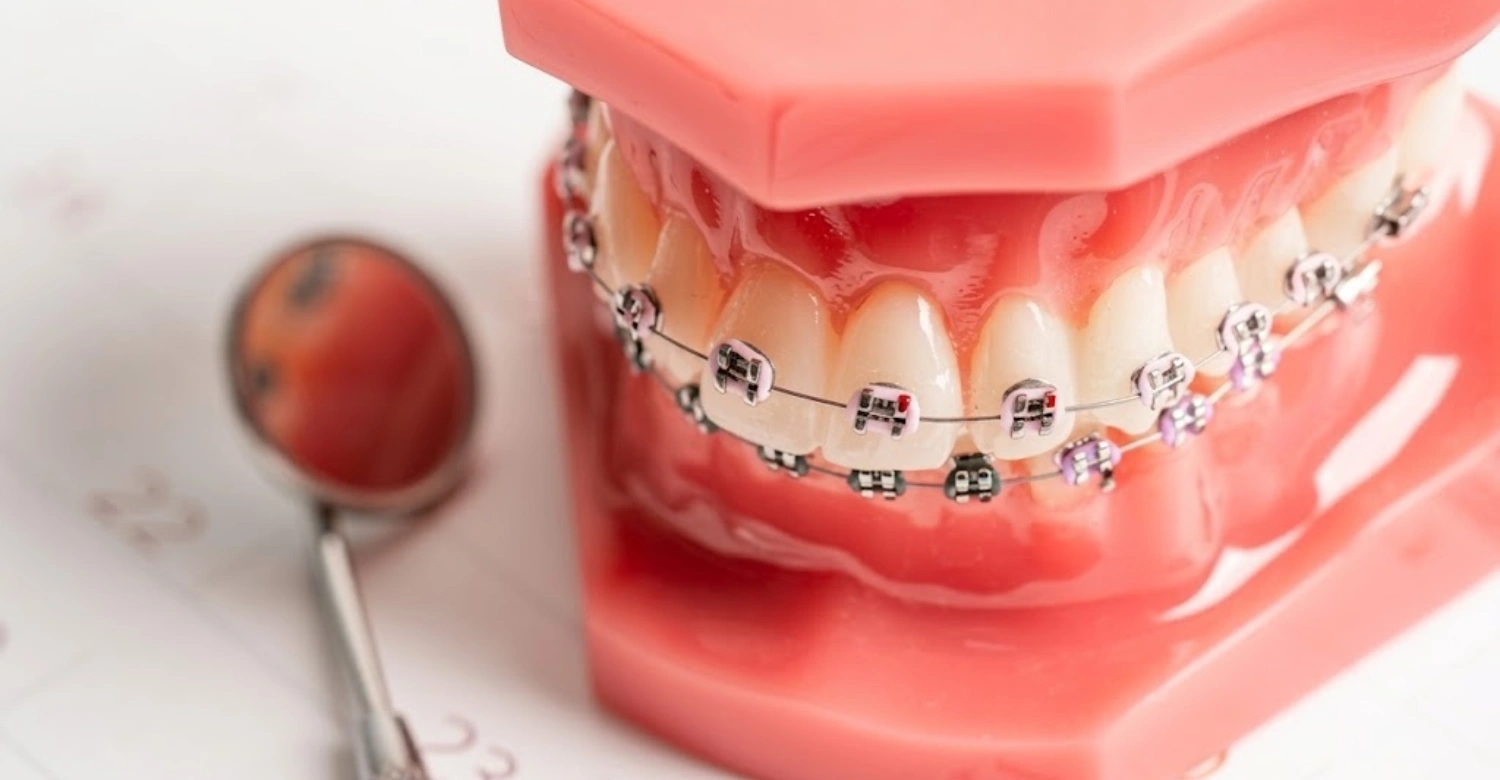
Orthodontic Treatment for Thalassemia Patients
Treatment starts with a thorough evaluation of jaw structure, bone quality, and the severity of malocclusion. These factors directly shape which appliances and timelines will work best for each individual case. For patients considering aligner-based treatment, the expected timeline can be compared with information about six-month Invisalign treatment in suitable cases.
What Evaluation Is Needed Before Orthodontic Treatment?
The first stage of planning is evaluation. It typically includes cephalometric imaging, bone density assessment, and a review of transfusion and chelation history. This helps the orthodontist understand jaw growth patterns and anticipate how bone quality may influence tooth movement. Imaging may also be important when evaluating whether existing or future dental implants are possible with bone loss.
Why Is Medical History Important for Thalassemia Patients?
Medical history matters because transfusion frequency, chelation therapy, and overall disease management can influence bone density and healing capacity. Understanding this history helps orthodontists set realistic expectations and avoid complications during appliance-based tooth movement. If restorative work is needed before orthodontics, the condition of existing crowns should also be assessed, including their expected longevity and maintenance needs.
How Are Braces Planned for Patients With Thalassemia?
Braces are planned around a careful assessment of bone quality and jaw proportions, often using lighter, more gradual forces. Regular monitoring ensures the teeth are responding as expected. It also allows adjustments if bone healing appears slower than typical. In patients who need restorative treatment alongside orthodontics, the dentist may review whether a dental crown is actually needed before proceeding.
Are Clear Aligners an Option for Thalassemia Patients?
In some cases, clear aligners can be an option, depending on the severity of malocclusion and bone condition. Because aligners apply gentler, more controlled forces, they may suit certain patients. A full evaluation is still needed to confirm suitability in each case. Patients should understand that the expected duration varies, and information about short Invisalign treatment options applies only to selected cases.
What Factors Can Affect Orthodontic Treatment Outcomes?
Outcomes are affected by bone density, growth stage, transfusion management, and the severity of maxillary protrusion or malocclusion. Consistent coordination between the orthodontist and hematology team also plays a meaningful role in achieving predictable results. If restorative complications develop during care, articles discussing fractured dental crowns can provide additional background.
Tips for the Patients
Share your full transfusion and chelation history with your orthodontist.
Schedule joint check-ins between your dentist and hematology team when possible.
Expect a more gradual timeline than typical orthodontic cases.
Thalassemia Dental Treatment and Oral Health
Thalassemia dental treatment goes beyond straightening teeth. Patients often need broader oral health support to manage complications linked to altered bone structure and jaw development, before, during, and after orthodontic care. If additional procedures are required, minimally invasive approaches such as dental laser treatment may be considered when clinically appropriate.
What Dental Complications Are Associated With Thalassemia?
Common complications include maxillary protrusion, tooth spacing, anterior open bite, and variations in crown-to-root ratio. Some patients also experience obliteration of the maxillary sinuses linked to marrow expansion, which can further complicate long-term dental maintenance. Where soft-tissue management is necessary, patients may also learn about the laser gum reshaping procedure.
How Can Thalassemia Affect Teeth and Gums?
Thalassemia can affect teeth and gums by altering supporting bone structure. This may influence how well teeth are anchored and how gums respond to orthodontic forces. Patients may also face a higher risk of enamel or dentin changes linked to underlying bone and blood factors. Good oral hygiene remains essential, especially when orthodontic appliances are present.
What Are the Most Common Thalassemia Dental Complications?
The most common complications include Class II malocclusion, increased overjet and overbite, tooth displacement, and lip incompetence from protruded upper teeth. These patterns appear consistently across studies, making them a key focus during evaluation. If restorative needs develop because of structural tooth damage, treatment planning may include options such as how new dental crowns are made.
How Can Oral Health Be Maintained During Orthodontic Treatment?
Oral health can be maintained through consistent brushing around brackets, fluoride use, and regular professional cleanings. For thalassemia patients specifically, closer monitoring helps catch any bone or tissue changes early, keeping treatment on track without unnecessary complications. Laser-based approaches may sometimes be used as an adjunct in dental care, depending on the patient's needs and clinical assessment. Patients can read more about the benefits of laser dentistry for additional context.
Clinical Note
Vitrin Clinic emphasizes that strong oral hygiene habits throughout treatment are especially important for thalassemia patients, given their altered bone and tissue response to orthodontic forces.
Thalassemia Malocclusion and Jaw Problems
Thalassemia malocclusion is one of the most well-documented dental effects of the condition. Studies show a markedly different distribution of malocclusion classes compared to the general population, largely driven by how marrow expansion reshapes the jaw.
What Is Thalassemia Malocclusion?
Thalassemia malocclusion refers to the distinct bite and alignment pattern seen in thalassemia patients, most often Class II with increased overjet and overbite. Research shows this class distribution differs sharply from the typical ratio seen in the general population. For appropriate patients, orthodontic options may include clear aligners, while treatment duration can vary considerably depending on the severity of the bite.
How Can Thalassemia Cause Jaw Problems?
Jaw problems arise through marrow expansion that enlarges the maxilla while thinning mandibular bone, creating an imbalance between upper and lower jaw growth. This imbalance is a central driver of the jaw problems seen in cephalometric and imaging studies. Because bone condition is important when planning tooth movement, patients with existing implants may also need an assessment of dental implant healing.
Why Can Thalassemia Affect Facial and Jaw Development?
The body's compensatory bone marrow expansion reshapes the skull and facial bones during growth. This process can produce nasal bridge depression, malar bone prominence, and the protruded maxilla associated with a "chipmunk facies" appearance.
How Can Orthodontics Correct Thalassemia-Related Malocclusion?
Orthodontics can help correct this malocclusion through carefully planned appliances that guide jaw and tooth positioning over time. Some cases combine orthopedic and functional approaches. Documented cases describe combined treatment achieving maxillary restraint and improved mandibular proportions to support facial balance. The appropriate approach depends on the individual's growth stage, skeletal condition, and treatment goals.
When Are Additional Dental Treatments Needed?
Additional treatments are needed when malocclusion is severe, when supporting bone structure requires reinforcement, or when complications like sinus changes or significant crown-root variation are present. A coordinated plan between dental specialists helps address these needs. If a missing tooth requires replacement, the clinician may also review the dental implant placement process.
Tips for the Patients
Ask for imaging that specifically assesses jaw bone thickness and growth pattern.
Discuss combined orthopedic and orthodontic options if malocclusion is significant.
Keep track of any facial or bite changes to report at checkups.
Beta Thalassemia Orthodontic Treatment
Beta thalassemia deserves particular attention, since beta thalassemia major is most strongly linked to the marrow expansion patterns that drive severe malocclusion. This makes early evaluation especially valuable for this specific patient group.
How Does Beta Thalassemia Affect Orthodontic Treatment?
Beta thalassemia intensifies the skeletal changes that shape jaw growth, often resulting in more pronounced maxillary protrusion and bone thinning than milder forms. This can mean more conservative force application and closer monitoring throughout treatment.
What Are the Dental Effects of Beta Thalassemia?
Dental effects include a higher prevalence of Class II malocclusion, greater tooth displacement, and reduced mandibular alveolar bone thickness around incisor roots. These effects are consistently reported across cephalometric and cross-sectional studies comparing affected and unaffected patients. When a damaged tooth also requires restoration, the choice and longevity of dental crown materials and lifespan may be considered.
Is Orthodontic Treatment Different for Beta Thalassemia Patients?
Treatment is often adjusted for these patients, factoring in reduced bone thickness and more pronounced skeletal imbalance. The overall goals remain similar to standard orthodontics. What changes is the pacing, force levels, and monitoring frequency, which are typically more individualized.
What Should Be Considered Before Starting Treatment?
Clinicians should consider bone density, transfusion and chelation status, growth stage, and the severity of maxillary protrusion before starting treatment. This groundwork helps set a realistic, medically coordinated plan suited to the patient's specific skeletal condition.
How Can Treatment Be Monitored Safely?
Treatment can be monitored safely through regular imaging, close observation of tooth movement, and ongoing communication with the patient's hematology team. Adjusting appliance forces gradually, based on how bone responds, helps reduce risk while keeping progress steady.
Thalassemia Dental Complications During Orthodontic Treatment
Dental complications can arise during active treatment if bone response, oral hygiene, or appliance forces aren't carefully managed. This makes preventive habits and monitoring especially important throughout the entire treatment period.
Can Braces Increase the Risk of Dental Problems?
Braces can increase the risk of dental problems like plaque buildup and enamel demineralization if oral hygiene isn't maintained carefully. For thalassemia patients, this risk may be compounded by altered bone and tissue response, making consistent hygiene and monitoring particularly important.
How Can Patients Prevent Tooth Decay During Orthodontic Treatment?
Patients can prevent tooth decay by brushing thoroughly around brackets, using fluoride toothpaste or rinses, and limiting sugary foods. Regular professional cleanings also help catch early decay signs before they progress into larger complications. Where appropriate, minimally invasive approaches such as laser dentistry may be discussed as part of broader dental care.
How Can Gum Health Be Protected?
Gum health can be protected through careful daily brushing and flossing around orthodontic appliances, along with routine dental visits to monitor tissue response. For thalassemia patients, protecting gum health also supports more stable, predictable outcomes. When clinically indicated, patients can learn about laser gum reshaping as one possible soft-tissue procedure.
Why Are Regular Dental Checkups Important?
Regular checkups allow early detection of bone, gum, or tooth changes that could affect treatment progress. For thalassemia patients, consistent checkups help ensure treatment stays on track and complications are addressed promptly.
Orthodontic Treatment in Beta Thalassemia: Benefits and Considerations
Orthodontic treatment in beta thalassemia offers real functional and aesthetic benefits. It also comes with considerations that patients and families should understand before committing to a long-term treatment plan.
What Are the Potential Benefits of Orthodontic Treatment?
Potential benefits include improved bite function, reduced spacing, better lip closure, and enhanced facial appearance. For thalassemia patients, correcting malocclusion can also ease chewing difficulties linked to significant maxillary protrusion or tooth displacement. If tooth loss is also present, the overall restorative plan may include information about how long dental implants can last.
Can Orthodontics Improve Thalassemia-Related Malocclusion?
Yes. Documented cases show meaningful gains in jaw proportion and facial balance through combined orthopedic and functional approaches. Results vary by severity, so outcomes are typically assessed and planned on an individual basis. For selected patients, clear aligners can also be considered when their skeletal and dental condition allows.
What Are the Potential Challenges of Treatment?
Challenges include slower bone response, the need for more frequent monitoring, and coordinating care around transfusion schedules. Severe skeletal involvement can complicate tooth movement, so plans often require more patience and flexibility than standard orthodontic cases. If implant treatment is part of a wider restorative plan, patients may also want to understand how dental implant infections can develop and why follow-up is important.
How Long Can Orthodontic Treatment Take?
Treatment length varies widely depending on malocclusion severity and bone response. This is an important factor for thalassemia patients, who may need a longer timeline than typical cases. Regular progress reviews help determine whether the pace needs adjusting.
What Factors Determine the Treatment Plan?
Key factors include the severity of malocclusion, bone density, growth stage, and overall disease management. A well-coordinated plan considers all of these elements together, rather than treating the teeth in isolation from the patient's broader health. Where restorative treatment is also needed, the dentist may consider whether a crown, implant, or another option is appropriate.
Tips for the Patients
Set expectations for a potentially longer treatment timeline.
Keep hematology appointments aligned with orthodontic checkups.
Ask your orthodontist to explain how bone response is being tracked.
Vitrin Clinic Approach to Thalassemia Orthodontic Treatment
Vitrin Clinic's approach centers on individualized planning. No two patients experience the same degree of skeletal or dental impact from the condition, and treatment decisions are made accordingly.
How Does Vitrin Clinic Plan Orthodontic Treatment for Thalassemia Patients?
Planning starts with a review of medical history, jaw imaging, and malocclusion severity before selecting an appliance approach. This groundwork helps ensure the plan reflects each patient's actual bone condition rather than a generic template.
Why Is Individualized Treatment Planning Important?
Individualized planning matters because thalassemia affects each patient's bone density and jaw growth differently. A standard orthodontic protocol may not suit every case. Personalized planning helps balance effective tooth movement with the patient's specific skeletal limitations.
How Does Vitrin Clinic Evaluate Thalassemia Teeth Problems?
Vitrin Clinic evaluates these problems through clinical examination, imaging, and a review of malocclusion patterns like spacing, protrusion, or open bite. This evaluation shapes whether orthodontic treatment alone is sufficient or whether additional dental support is recommended.
How Can Vitrin Clinic Monitor Oral Health During Orthodontic Treatment?
Oral health is monitored through regular checkups that track gum condition, bone response, and hygiene around appliances. This ongoing monitoring helps catch potential issues early, supporting steadier progress throughout the full treatment period.
Why Is Communication With the Patient's Medical Team Important?
Communication matters because transfusion schedules, chelation therapy, and overall disease management can influence how the body responds to orthodontic forces. Coordinated communication helps keep care aligned with the patient's broader medical treatment.
What We Notice Clinically
Vitrin Clinic observes that patients often benefit most from early evaluation. Addressing malocclusion patterns sooner tends to simplify later stages of treatment and coordination.
Clinical Note
Vitrin Clinic treats thalassemia-related orthodontic care as an ongoing, coordinated process rather than a fixed protocol. The plan is adjusted as bone response and medical status evolve over time.
Tips for the Patients
Bring recent hematology records to your first orthodontic consultation.
Ask about a monitoring schedule tailored to your bone health.
Stay consistent with hygiene routines to support steady treatment progress.
Resource:
In conclusion, thalassemia orthodontic treatment requires careful planning and close coordination between orthodontists and the patient's medical team. Because thalassemia can affect bone health and overall dental care, treatment should be individualized to ensure safety and stability. Research indexed in PubMed highlights the importance of considering systemic factors when managing patients with thalassemia, reinforcing the need for a multidisciplinary approach to successful orthodontic care.
https://pubmed.ncbi.nlm.nih.gov/27681405/
https://pubmed.ncbi.nlm.nih.gov/25996288/
https://pmc.ncbi.nlm.nih.gov/articles/PMC6699676/
FAQs
Dr. Rifat Alsaman has more than 5 years of clinical experience in dentistry and currently serves as the Head of the Medical Team at Vitrin Clinic. He is dedicated to providing exceptional patient care, overseeing treatment planning, and ensuring the highest clinical standards across the team. His expertise, attention to detail, and commitment to continuous professional development have helped countless patients achieve healthier, more confident smiles.


.webp&w=3840&q=75)
