Orthodontics
September 27, 2026
Fixed Retainers vs Removable Retainers: What Is the Difference?
 Dr. Rifat Alsaman
After braces or clear aligners, teeth tend to drift back toward their original positions, so retainers are essential to protect the results. Choosing between fixed retainers vs removable retainers depends on tooth position, oral hygiene, lifestyle, and commitment to wear. This guide compares both options to help you understand which retention method may suit you.
What Are Fixed Retainers?
Fixed retainers, also called bonded or permanent retainers, are thin metal wires attached to the inner surfaces of the teeth, usually the six lower or upper front teeth. Because they stay in place continuously, they provide constant retention without depending on the patient to remember them. Only a dentist can place or remove them.
How Does a Fixed Retainer Work?
The wire is bonded to the back of each tooth with tooth-colored composite material, holding the teeth together as a unit. This resists the natural tendency of teeth to shift, especially crowding and rotation of the front teeth. Because it works around the clock, it provides continuous retention without any patient effort.
Advantages of Fixed Retainers
Fixed retainers are invisible from the front, cannot be lost or forgotten, and provide continuous retention. They are especially helpful for teeth prone to relapse, such as previously crowded or rotated lower front teeth. When comparing fixed retainers vs removable retainers, their main strength is that they do not depend on patient compliance.
Disadvantages of Fixed Retainers
Fixed retainers make cleaning harder, since plaque and tartar can collect around the wire, raising the risk of gum inflammation and decay. Bonds may loosen or wires may break, sometimes unnoticed. In rare cases, a distorted wire can cause unwanted tooth movement. Regular dental checkups are needed to detect these problems early.
How Long Can a Fixed Retainer Last?
A fixed retainer can last many years, sometimes a decade or more, with careful cleaning and regular monitoring. However, loose bonds and wire breakage are relatively common over time and may require repair or replacement. Its lifespan depends on bite forces, eating habits, oral hygiene, and the quality of placement.
See the risks of Purposely Avoiding Dental Checkups and Tooth Loss
What Are Removable Retainers?
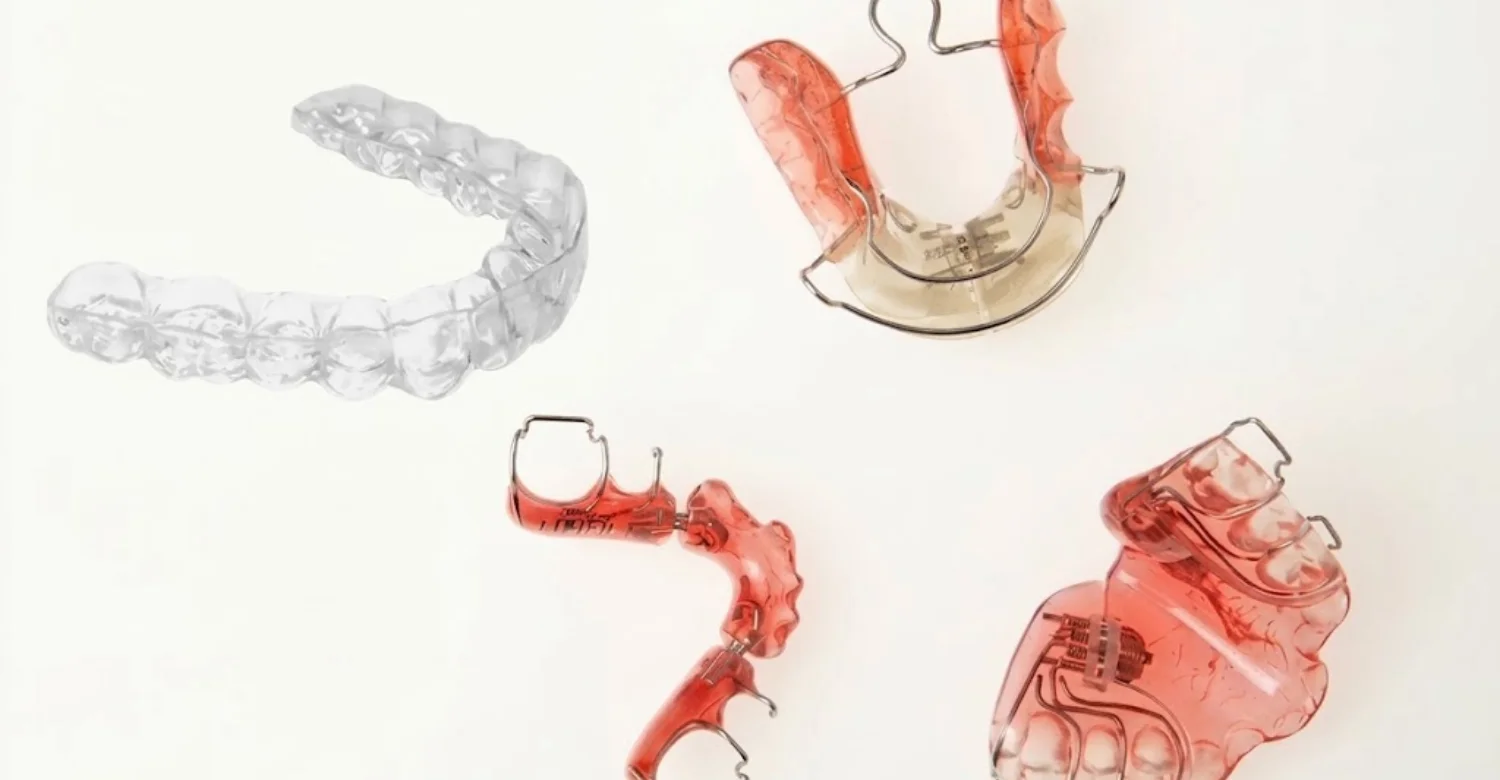
Removable retainers are custom-made appliances that patients can take out for eating, brushing, and cleaning. They are made from dental impressions or digital scans to fit the teeth precisely, and their success depends on wearing them as instructed. This reliance on daily routine is central to comparing the two retention methods.
Note : All images used are for editorial and illustrative purposes only and may not originate from the original news provider or associated company.
How Do Removable Retainers Work?
Removable retainers fit snugly over or around the teeth and hold them in their corrected positions while being worn. They are usually worn full time for an initial period, then mainly at night as advised. Consistent wear prevents teeth from gradually drifting while the supporting tissues adapt.
Types of Removable Retainers
The two main types are Hawley retainers, made of an acrylic plate with a metal wire across the front teeth, and clear thermoplastic retainers, often called vacuum-formed or Essix retainers, which cover the teeth like a thin transparent tray. The types differ in appearance, durability, adjustability, and effect on the bite.
Advantages of Removable Retainers
Removable retainers allow easy brushing and flossing because they can be taken out. Clear versions are nearly invisible, while Hawley retainers can be adjusted and often last longer. Compared with bonded wires, easier oral hygiene and no attachment to the teeth are key benefits.
Disadvantages of Removable Retainers
Removable retainers only work when worn, so forgetting them can lead to relapse. They can be lost, broken, or accidentally thrown away, and clear retainers may crack or wear over time. Some patients notice mild speech changes at first. Regular cleaning is needed to prevent odor, bacteria buildup, and staining.
Understand the effects of Frequent Snacking and Tooth Decay
Fixed Retainers vs Removable Retainers: Key Differences
The key differences between fixed retainers vs removable retainers involve design, daily wear, cleaning, comfort, appearance, maintenance, and risk of loss. Neither type is universally better. Each suits different patients depending on tooth position, orthodontic history, hygiene habits, and willingness to follow a wearing schedule.
.jpg)
.jpg)
.jpg)
Retainer Design and Attachment
A fixed retainer is a wire bonded to the inner surfaces of the teeth and can only be removed by a dentist. A removable retainer is a custom appliance that the patient places and takes out. This basic difference in attachment affects nearly every other factor, including hygiene and compliance.
Daily Wear and Compliance
Fixed retainers work continuously without any effort from the patient. Removable retainers require consistent daily or nightly wear, and research shows that compliance often declines over time. For patients who may forget or lose motivation, this is one of the most important factors when deciding on a fixed vs removable retainer.
Cleaning and Oral Hygiene
Removable retainers come out, allowing normal brushing and flossing, although the retainer itself must be cleaned daily. Fixed retainers require extra effort with floss threaders, interdental brushes, or water flossers to clean around the wire. Hygiene demands differ considerably between fixed retainers vs removable retainers.
Comfort and Convenience
Most patients adapt to fixed retainers quickly, although the tongue may notice the wire at first. Removable retainers can feel tight after a missed night and may briefly affect speech. Fixed retainers need no daily handling, while removable ones must be remembered, cleaned, and stored, which some patients find less convenient.
Appearance
Fixed retainers sit behind the teeth and are invisible from the front. Clear removable retainers are nearly invisible when worn, while Hawley retainers show a visible wire across the front teeth. In terms of appearance, the comparison depends mainly on which removable type the patient chooses.
Maintenance and Repairs
Fixed retainers need regular checks for loose bonds or broken wires, which a dentist can rebond or replace. Removable retainers need periodic fit checks and replacement when worn, cracked, or distorted, and clear retainers usually need replacing more often than Hawley retainers. Both require professional follow-up to stay effective.
Risk of Losing the Retainer
Fixed retainers cannot be lost because they are bonded in place. Removable retainers are commonly lost or damaged when wrapped in napkins, left on trays, or chewed by pets. Losing one can lead to rapid shifting, which is an important practical point when weighing fixed retainers vs removable retainers.
Explore Electrolyzed Saline and Airborne Bacteria in Dental Procedures
Fixed vs Removable Retainer: Which One Is Right for You?
Choosing a fixed vs removable retainer depends on individual orthodontic needs rather than a single rule. The dentist considers the original problem, relapse risk, oral hygiene, gum health, bite, lifestyle, and expected compliance. The final decision in fixed retainers vs removable retainers is best made together with the patient after discussing expectations.
When a Fixed Retainer May Be Considered
A fixed retainer may be considered when front teeth were severely crowded or rotated, when gaps were closed, especially between the upper front teeth, or when long-term compliance is uncertain. Patients should have good oral hygiene and healthy gums, since cleaning around the wire requires extra care.
When a Removable Retainer May Be Considered
A removable retainer may be considered for patients with good compliance, those who prefer easier cleaning, or cases with lower relapse risk. It may also suit patients whose bite needs to settle after treatment, or those with gum problems that would make cleaning around a fixed wire difficult.
Can Patients Use Both Types?
Yes. Many orthodontists recommend dual retention: a fixed retainer on the front teeth plus a removable retainer worn at night. This provides extra security, because the removable retainer holds the whole arch and acts as a backup if a bond fails. It combines the strengths of both retention methods.
Learn more about Rodent-Borne Disease and Dental Health
Permanent vs Removable Retainer: What Is the Difference?
The permanent vs removable retainer comparison is essentially the same as fixed versus removable retention, since permanent retainers are bonded wires. The word "permanent" refers to how the retainer is attached, not to it lasting forever. Understanding this helps patients set realistic expectations about maintenance, repairs, and long-term care.
What Is a Permanent Retainer?
A permanent retainer is another name for a fixed, bonded retainer: a thin wire attached behind the front teeth. It stays in place until a dentist removes it. Despite the name, it may need repair or replacement over time and still requires daily cleaning and regular professional monitoring.
What Is a Removable Retainer?
A removable retainer is a custom appliance, either a Hawley retainer or a clear plastic retainer, that the patient takes out for eating and cleaning. Its effectiveness depends entirely on wearing it as prescribed. Removable retainers also need periodic replacement because of wear, cracks, or changes in fit.
Long-Term Retention Considerations
Teeth can shift throughout life, so many orthodontists now recommend long-term, often lifelong, retention. Both options can provide it: fixed retainers through continuous presence and regular checks, and removable retainers through ongoing nightly wear. In fixed retainers vs removable retainers, long-term success depends on maintenance and follow-up.
Compare options in Traditional Bridge vs Cantilever Bridge
Bonded Retainer vs Removable Retainer
The bonded retainer vs removable retainer comparison focuses on how retention is achieved. A bonded retainer works continuously from behind the teeth, while a removable retainer depends on the patient's routine. Each has benefits and challenges in hygiene, durability, and compliance that should be discussed before choosing between fixed retainers vs removable retainers.
How a Bonded Retainer Is Attached
The teeth are cleaned and prepared, then a precisely shaped wire is positioned against their inner surfaces. Small amounts of tooth-colored composite bond the wire to each tooth, and a curing light hardens the material. The procedure is painless, needs no anesthesia, and usually takes less than an hour.
Benefits of Bonded Retainers
Bonded retainers provide continuous, invisible retention without relying on memory or motivation. They are particularly effective for keeping lower front teeth aligned and preventing previously closed gaps from reopening. Because they cannot be removed or lost, they offer reliable stability that does not depend on daily habits.
Challenges of Bonded Retainers
Bonded retainers make flossing more difficult and can trap plaque and tartar. Bonds may fail or wires may break, sometimes without the patient noticing, allowing teeth to shift. A deformed wire can occasionally move teeth unexpectedly. Regular dental visits are needed to check the bonds, wire condition, and gum health.
Benefits and Challenges of Removable Retainers
Removable retainers are easy to clean around, cover the whole arch, and allow normal oral hygiene. However, they work only when worn, can be lost or damaged, and need periodic replacement. Clear versions may wear through with teeth grinding, while Hawley retainers are more visible but can be adjusted by the dentist.
Fixed Retainer vs Clear Retainer
The fixed retainer vs clear retainer comparison is one of the most common patient questions. Both are discreet options, but they differ in attachment, cleaning, durability, and wearing requirements. Understanding these points helps patients decide between fixed retainers vs removable retainers when a clear appliance is the preferred removable type.
Fixed Retainer
A fixed retainer is a bonded wire behind the front teeth that works around the clock. It is invisible from the front and needs no daily handling. It protects the teeth it is attached to, mainly the front teeth, but it does not cover the back teeth or the biting surfaces.
Clear Removable Retainer
A clear retainer is a thin transparent tray custom-made from a scan or impression. It covers the full arch, holding all teeth in position while worn. It is removed for eating and brushing, which makes hygiene easier, but it can crack, wear, or discolor and usually needs replacing every few years.
Visibility and Appearance
Both options are highly discreet. A fixed retainer is hidden behind the teeth, while a clear retainer is nearly invisible when worn, although it may give the teeth a slight shine. For appearance-focused patients, both options perform well, unlike the visible wire of a Hawley retainer.
Cleaning and Maintenance
Fixed retainers need careful daily cleaning around the wire using floss threaders or interdental brushes. Clear retainers should be rinsed and gently brushed every day, avoiding hot water, which can warp the plastic. Clear retainers also need replacing more often, while fixed retainers need occasional bond repairs.
Wearing Requirements
A fixed retainer needs no wearing schedule because it stays in place. Clear retainers are usually worn full time at first, then nightly as advised. Missed nights can make the retainer feel tight and allow shifting. Wearing requirements are one of the biggest differences in fixed retainers vs removable retainers.
Find the differences in Root Canal vs Apicoectomy
Causes of the Condition
Orthodontic relapse, the tendency of teeth to move back toward their original positions, is the main reason retainers are needed. It results from natural tooth movement, changes in supporting tissues, inconsistent retainer use, damaged retainers, and aging. Understanding these causes explains why choosing between fixed retainers vs removable retainers matters.
Natural Tooth Movement
Teeth are not rigidly fixed in bone; they sit within a periodontal ligament that allows slight movement. Pressure from chewing, the tongue, lips, and cheeks acts on the teeth constantly. After orthodontic treatment, these forces can gradually push teeth away from their corrected positions if nothing holds them.
Changes in Supporting Tissues
After braces, the periodontal ligament needs several months to reorganize, while gum fibers, especially around rotated teeth, can take a year or longer to adapt. These stretched fibers tend to pull teeth back toward their original positions. Retainers hold teeth steady during this adaptation period and beyond.
Inconsistent Retainer Use
Skipping removable retainer wear is one of the most common causes of relapse. Even a few missed nights can allow slight movement, and longer gaps may lead to noticeable shifting. This is a key factor when comparing retainer types, since removable ones rely entirely on consistent patient use.
Broken or Damaged Retainers
A broken wire, detached bond, or cracked removable retainer can no longer hold the teeth properly. With fixed retainers, damage may go unnoticed while teeth shift. With removable retainers, a warped or poorly fitting appliance may not give proper support. Damaged retainers should be repaired or replaced promptly.
Normal Changes With Age
Teeth continue to change throughout life, regardless of orthodontic history. The lower front teeth commonly become more crowded with age because of growth changes, bone remodeling, and soft tissue pressure. This natural process explains why long-term retention is often recommended, even many years after braces or aligners.
Problems Caused by Orthodontic Relapse
Orthodontic relapse can undo years of treatment, causing shifting, crowding, gaps, rotations, and bite changes, and sometimes the need for further orthodontic treatment. Proper retention, whether through fixed retainers vs removable retainers or a combination of both, is the most effective way to protect orthodontic results.
Teeth Shifting
Shifting is often the first sign of relapse. Patients may notice teeth that look slightly out of line, or a removable retainer that feels tight or no longer fits. Early shifting can sometimes be corrected by resuming retainer wear, but more advanced movement usually needs professional treatment.
Crowding
Crowding, especially of the lower front teeth, is one of the most common forms of relapse. Overlapping teeth are harder to clean, which increases plaque buildup and the risk of decay and gum disease. Crowding also affects appearance and may gradually worsen without proper retention.
Gaps Between Teeth
Spaces closed during treatment, particularly a gap between the upper front teeth, can reopen if they are not retained. Gaps may affect appearance and allow food to collect between the teeth. Bonded retainers are often recommended in these cases because closed spaces have a strong tendency to reopen.
Tooth Rotation
Rotated teeth are especially prone to relapse because the gum fibers around them tend to pull them back to their original orientation. Even slight rotation can affect alignment and appearance. Fixed retainers or additional supportive procedures may be recommended when significant rotations were corrected.
Changes in the Bite
Relapse can change how the upper and lower teeth meet, affecting chewing comfort and tooth wear. Bite changes may lead to uneven forces on certain teeth or to jaw discomfort. Any unexpected change in how the teeth fit together should be evaluated by a dentist.
Need for Additional Orthodontic Treatment
When relapse is significant, retainers alone cannot move teeth back. Patients may need clear aligners or braces again, which means extra time and cost. This is why retention is considered a lifelong commitment, and why choosing wisely between fixed retainers vs removable retainers is so important.
See which suits you in Maryland Bridge vs Traditional Bridge
Patient's Perspective
For patients, retainers become part of daily life after orthodontic treatment. Comfort, convenience, cleaning, and appearance all affect satisfaction. Understanding common concerns and everyday experiences helps patients choose the right retainer with realistic expectations about what long-term retention involves.
Common Concerns About Retainers
Retainer discomfort: mild pressure is common at first and usually fades within a few days.
Tight-fitting removable retainer: often a sign of missed wear; persistent tightness should be checked.
Loose fixed retainer: needs prompt rebonding to prevent shifting.
Difficulty cleaning around a fixed retainer: floss threaders and water flossers can help.
Forgetting to wear a removable retainer: a fixed routine and reminders improve consistency.
Concern about teeth shifting: regular checkups detect early changes.
How Retainers Affect Daily Life
Most patients adapt to retainers quickly. Fixed retainers need extra cleaning time but no daily handling. Removable retainers must be taken out for meals, cleaned, stored safely, and worn as instructed, usually at night. Speech may change slightly for a few days, and both types soon become part of routine care.
Doctor's Perspective
From a clinical perspective, retention planning begins before braces or aligners are removed. The dentist reviews the original problem, final results, relapse risk, oral hygiene, and expected compliance. These findings guide the choice between fixed retainers vs removable retainers and set the follow-up schedule needed to protect long-term results.
Reviewing the Orthodontic Results
The dentist compares initial and final records to understand what was corrected, such as crowding, spacing, rotations, or bite problems. Teeth that moved significantly or were corrected from severe positions may carry a higher relapse risk. This review shows where retention is most needed and which type offers the best protection.
Assessing Tooth Position and Bite
The dentist evaluates alignment, contacts between teeth, and how the upper and lower teeth meet. Some bites benefit from settling after treatment, which may favor certain removable designs. The position of the front teeth also determines whether a bonded wire can be placed without interfering with the bite.
Evaluating Relapse Risk
Relapse risk is higher when teeth were severely rotated, crowded, or spaced, or when growth is still ongoing. Patients with a history of gum disease or strong tongue or lip habits may also be at greater risk. Higher-risk cases often benefit from fixed retention or combined fixed and removable retainers.
Checking Oral Hygiene
Good oral hygiene is essential for fixed retainers, since plaque can build up around the wire. The dentist assesses brushing, flossing, and gum health before recommending a bonded retainer. Patients with poor hygiene or gum problems may be better suited to removable retainers until their hygiene improves.
Examining Retainer Condition
At each visit, the dentist checks fixed retainers for loose bonds, broken or distorted wires, and plaque buildup. Removable retainers are checked for fit, cracks, wear, and cleanliness. Detecting damage early allows prompt repair or replacement before the teeth have a chance to shift.
Considering Patient Compliance
The dentist considers the patient's age, lifestyle, and record of following instructions during treatment. Patients who struggled to wear elastics or aligners may find removable retainers difficult. An honest discussion about compliance helps ensure the chosen retention method will actually be used as intended.
Choose your treatment in Professional Teeth Whitening vs At-Home
When Is It Serious and Requires a Checkup?
Retainer problems are rarely emergencies, but they should be addressed quickly to prevent shifting. Whatever your choice in fixed retainers vs removable retainers, contact your dentist if you notice any of the following:
A fixed retainer becomes loose
The retainer wire breaks or bends
Bonding comes off a tooth
A removable retainer no longer fits
Persistent pain or irritation
Noticeable tooth movement
A cracked or damaged removable retainer
Unexpected changes in your bite
Swelling, significant bleeding, or signs of infection, which need prompt professional care
When the Patient Should Rest
Retainers rarely require formal rest, since placement and adjustment are simple, non-surgical procedures, and most patients return to normal activities immediately. However, teeth or gums may feel sensitive for a few days after placement, adjustment, or repair, and small changes in diet and care can make this period more comfortable.
After Retainer Placement
After a fixed retainer is bonded or a removable retainer is fitted, the teeth may feel slight pressure. This is normal and usually settles within a few days. No break from daily activities is needed, but choosing softer foods and avoiding biting hard items with the front teeth can help.
After Retainer Adjustment
Adjusting a Hawley retainer or fitting a new clear retainer may cause temporary tightness. Mild pressure shows the retainer is holding the teeth in position. Keep wearing it as instructed unless the pain is severe. Over-the-counter pain relief may be used if needed, following package directions or professional advice.
After Fixed Retainer Repair
After a fixed retainer is rebonded or replaced, the teeth and tongue may need a short time to adjust. Avoid hard or sticky foods for the first day to let the bond settle, and check that the wire feels smooth. Report any sharp edges or loose areas to your dentist.
When Temporary Tooth or Gum Sensitivity Occurs
Temporary tooth or gum sensitivity may occur after retainer procedures. Using toothpaste for sensitive teeth, avoiding very hot or cold foods, and brushing gently can help. Sensitivity that lasts more than a week, or that comes with swelling, should be evaluated by a dentist.
Read about Lipodystrophy and Dental Health
Rest Tips
Simple habits help your teeth and gums adjust comfortably, whether you use a fixed or a removable retainer. These tips:
Reduce discomfort after placement or adjustment.
Protect the retainer from damage.
Support the long-term stability of your results.
Choose Softer Foods if Teeth Feel Sensitive
Eat soft foods such as pasta, eggs, yogurt, and soups for the first few days.
Avoid biting hard foods like nuts, ice, or crusty bread with your front teeth.
Cut food into small pieces to reduce pressure on sensitive teeth.
Avoid sticky foods that could loosen a newly bonded wire.
Avoid Touching or Pulling the Retainer
Do not push the fixed wire with your tongue or fingers.
Never pull or bend the wire, as this can break the bond or shift your teeth.
Remove removable retainers gently with both hands, evenly on both sides.
Do not chew on your removable retainer.
Follow the Recommended Wearing Schedule
Wear your removable retainer exactly as your dentist instructs.
Wear it even when your teeth feel sensitive, unless advised otherwise.
Build a nightly routine to avoid forgetting it.
If you miss several nights, contact your dentist before forcing a tight retainer back in.
Maintain Good Oral Hygiene
Brush twice daily with fluoride toothpaste.
Clean around fixed retainers with floss threaders, interdental brushes, or a water flosser.
Clean removable retainers daily with a soft brush and lukewarm water, never hot water.
Store removable retainers in their protective case when not in use.
Monitor Persistent Discomfort
Mild pressure usually fades within a few days.
Report pain that lasts more than a week.
Seek care for sharp wire edges, mouth sores, or gum swelling.
Contact your dentist if your bite feels different.
About Vitrin Clinic
Vitrin Clinic provides individualized retention planning after orthodontic treatment. Our team assesses tooth position, bite, oral hygiene, gum health, and lifestyle to recommend the most suitable option. Whether the choice is fixed retainers vs removable retainers or a combination of both, we focus on protecting results through careful monitoring and regular follow-up.
What We Notice Clinically
Dr. Rifat Alsaman, Head of the Medical Team at Vitrin Clinic and a Cosmetic Dentist, emphasizes that long-term retention is essential after orthodontic treatment. Choosing between fixed and removable retention depends on the patient's orthodontic history, oral hygiene, tooth position, and compliance, and should be tailored to each patient to protect results over time.
Clinical Note
Teeth can naturally shift after orthodontic treatment, and retainers help maintain their corrected positions. Fixed retainers still require regular monitoring and careful cleaning, while removable retainers require consistent use according to professional instructions. Neither option in fixed retainers vs removable retainers removes the need for ongoing follow-up care.
Tips for the Patients
Follow the recommended wearing schedule.
Clean removable retainers regularly.
Clean carefully around fixed retainers.
Never bend or modify a retainer yourself.
Store removable retainers in their protective case.
Report loose or damaged retainers promptly.
Attend regular dental or orthodontic checkups.
Resource:
https://pmc.ncbi.nlm.nih.gov/articles/PMC4961661/
https://pmc.ncbi.nlm.nih.gov/articles/PMC10020103/
https://pmc.ncbi.nlm.nih.gov/articles/PMC8087051/
FAQs
Dr. Rifat Alsaman has more than 5 years of clinical experience in dentistry and currently serves as the Head of the Medical Team at Vitrin Clinic. He is dedicated to providing exceptional patient care, overseeing treatment planning, and ensuring the highest clinical standards across the team. His expertise, attention to detail, and commitment to continuous professional development have helped countless patients achieve healthier, more confident smiles.


.webp&w=3840&q=75)

