Endodontics
May 11, 2026
Cavity vs Root Canal: What is the difference between a cavity and a root canal?
 Dr. Rifat Alsaman
.webp&w=3840&q=75)
Dental health is essential for overall well-being, and understanding Cavity vs Root Canal is crucial for making informed treatment decisions. A cavity is the decay of a tooth’s hard surface caused by bacteria, while a root canal is a procedure to treat infection in the tooth pulp. Though related, they represent different stages of dental damage and require distinct approaches. Early recognition of cavities can prevent the need for root canal therapy. Patients who understand Cavity vs Root Canal are more likely to seek timely care, preserve their natural teeth, and avoid complications that could result in pain or tooth loss.
Understanding Cavity and Root Canal
Distinguishing between a cavity and a root canal is key for maintaining oral health. A cavity develops when acid-producing bacteria erode enamel and dentin, creating small holes. Untreated, these cavities may reach the pulp, causing infection and necessitating a root canal. A root canal is a restorative procedure that removes infected pulp to save a tooth from extraction. Being aware of Cavity vs Root Canal allows patients to recognize early warning signs, seek proper dental care, and choose the appropriate treatment, such as fillings, crowns, or root canal therapy, before problems worsen.
What Is a Cavity?
A cavity, or dental caries, is a hole in the tooth caused by bacterial activity. Poor oral hygiene, sugary diets, and infrequent dental visits increase risk. Initial cavities often cause no symptoms, but as decay progresses, sensitivity, pain, or visible holes may appear. Cavities are usually treated with fillings to restore tooth structure and prevent further damage. If left untreated, cavities can worsen and require a root canal. Understanding Cavity vs Root Canal helps patients act promptly to prevent more invasive procedures and maintain oral health. A standard cavity repair is usually sufficient if the bacterial decay has not yet penetrated the inner pulp chamber. Many patients want to learn more about their symptoms, so we highly recommend reading our guide on cavity repair.
What Is a Root Canal?
A root canal is a treatment designed to save teeth with infected or damaged pulp. When decay from a cavity reaches the inner pulp, bacteria can cause severe pain, swelling, and even abscesses. The procedure removes infected tissue, cleans and disinfects canals, and seals the tooth. Modern root canal techniques minimize discomfort, and proper aftercare ensures smooth recovery. Awareness of Cavity vs Root Canal helps patients understand when a simple filling is no longer enough and why timely intervention preserves the natural tooth.
Can a Filling Turn Into a Root Canal Later?
Yes. A tooth that initially only needs a filling can later require root canal treatment if the decay progresses deeper into the tooth or if the existing restoration fails. This usually happens when bacteria leak underneath an old filling due to wear, fractures, or poor sealing. Repeated dental work on the same tooth can also irritate the pulp over time, eventually causing irreversible inflammation or infection.
At Vitrin Clinic, every restoration is carefully evaluated using clinical examination and digital imaging to ensure the remaining tooth structure is healthy enough for long-term success. Dr. Rifat Alsaman, Head of the Medical Team at Vitrin Clinic, explains that preserving the natural pulp whenever possible is always the preferred treatment goal because healthy pulp significantly improves the tooth's long-term prognosis. When a filling is no longer sufficient, timely root canal treatment helps preserve the natural tooth and prevents extraction.
Symptoms: Cavity vs Root Canal
Recognizing symptoms is crucial for effective dental care. The progression from a simple cavity to a tooth requiring a root canal presents very different clinical signs. Mild cavities may only cause occasional sensitivity to sweet or cold foods, whereas pulp infection can result in persistent pain, swelling, and discomfort when chewing. Understanding Cavity vs Root Canal helps patients differentiate early warning signs from more severe issues, allowing timely intervention. Early treatment of cavities can prevent the need for a root canal and reduce pain, infection risk, and the potential for tooth loss.
Teeth Filling vs Root Canal: Which Is Better and More Sustainable?
Neither treatment is universally better; the right choice depends entirely on how far the decay has progressed. A filling is more conservative because it removes only the decayed portion of the tooth while preserving healthy dental tissue. A root canal becomes necessary only after bacteria reach the dental pulp, where simple fillings can no longer eliminate the infection.
At Vitrin Clinic, treatment planning always focuses on saving as much natural tooth structure as possible without compromising long-term health. According to Dr. Rifat Alsaman, Head of the Medical Team at Vitrin Clinic, a properly placed filling can last for many years when decay is detected early, whereas a well-performed root canal combined with a high-quality crown can successfully restore even severely damaged teeth for decades. The most sustainable treatment is always the one performed at the correct stage of disease progression.
Cavity Symptoms
Cavities often begin silently, with minor sensitivity when consuming hot, cold, or sugary foods. Visual signs may include small dark spots or holes in the enamel. Some patients experience intermittent toothache or mild discomfort while chewing. Left untreated, the decay progresses toward the pulp, increasing the risk of infection that would require a root canal. Being aware of Cavity vs Root Canal allows patients to seek care at the early stage of decay, reducing the likelihood of more invasive treatment and preserving their natural teeth. Before committing to the more invasive option, you should research the side effects of endodontic therapy thoroughly with your dentist. If you are currently experiencing severe discomfort, it is very important to understand the details about potential root canal treatment side effects.
Root Canal Symptoms
A tooth requiring a root canal exhibits more intense and persistent symptoms than a simple cavity. Pain may radiate to the jaw or face, sensitivity to hot or cold becomes severe, and swelling or tenderness around the gums is common. In advanced cases, discoloration or abscess formation may occur. Prompt treatment is essential to prevent tooth loss or infection spreading to surrounding tissues. Recognizing Cavity vs Root Canal symptoms helps patients understand the urgency of professional dental care and ensures timely, effective treatment.
Causes and Risk Factors
Dental decay arises from multiple factors, including diet, hygiene, and genetic predisposition. Cavities develop when plaque and acids erode enamel, and if untreated, may reach the pulp, necessitating a root canal. Awareness of risk factors enables preventive measures. Frequent sugar intake, poor brushing habits, smoking, and dry mouth are common contributors. Understanding Cavity vs Root Canal encourages patients to adopt consistent oral hygiene routines and regular dental checkups, preventing minor cavities from escalating into pulp infections requiring more complex treatments.
What Causes Cavities?
Cavities are caused by acid-producing bacteria that metabolize sugars in the mouth, weakening tooth enamel. Poor oral hygiene, infrequent brushing, and sugary diets increase susceptibility. Genetics and low saliva production can also contribute. Early cavities may be asymptomatic, but progressive decay can cause pain, sensitivity, and discoloration. Timely intervention, such as fillings or fluoride treatments, stops the progression. Recognizing Cavity vs Root Canal at this stage helps patients prevent pulp infection and avoid invasive procedures like root canal therapy. To prevent further dental complications and protect your oral health, you should carefully review our article to learn about identifying a canal infection.
When a Cavity Needs a Root Canal
Not all cavities require root canal therapy, but when decay reaches the pulp, infection occurs, causing persistent pain, swelling, and sensitivity. At this stage, a simple filling is insufficient. Root canal therapy removes infected tissue, cleans the canals, and seals the tooth to prevent reinfection. Patients with deep cavities often experience heightened discomfort during chewing or at night. Understanding Cavity vs Root Canal allows timely intervention, preventing tooth loss, minimizing complications, and ensuring long-term oral health.
Treatment Options
Dental treatment depends on the severity of decay. Minor cavities are treated with fillings, while infected teeth with pulp involvement require a root canal. Accurate diagnosis, including X-rays and clinical evaluation, determines the appropriate procedure. Both treatments aim to restore function and prevent further damage. Knowing Cavity vs Root Canal allows patients to make informed decisions and select the best treatment for preserving natural teeth and preventing future complications. Unlike simple fillings, protecting the tooth post-surgery with a custom porcelain restoration is almost always mandatory for long-term success.
Tooth Filling vs Root Canal
A filling addresses minor to moderate cavities by removing decayed tissue and restoring the tooth with composite resin or amalgam. Root canal therapy is necessary when decay reaches the pulp, causing infection. This procedure involves pulp removal, canal cleaning, and sealing the tooth, often followed by a crown. Both aim to restore function and prevent tooth loss. Awareness of Cavity vs Root Canal helps patients understand why some teeth require more invasive intervention and ensures they receive timely, appropriate care.
Deep Cavity Filling vs Root Canal
Deep cavities pose a unique challenge. If decay approaches the pulp, dentists may attempt a deep cavity filling to preserve the tooth. However, infection often necessitates a root canal. Deep fillings require careful removal of decayed material and placement of durable restorative material. Root canals clean out infected pulp and seal canals to prevent reinfection. Understanding Cavity vs Root Canal allows patients to appreciate the difference in treatment complexity and the importance of early intervention for long-term tooth health.
Difference Between Cavity and Root Canal
A cavity is a decayed area of a tooth, while a root canal is a procedure addressing pulp infection. Cavities are often treated with fillings, whereas root canal therapy removes infected tissue to save the tooth. Misunderstanding these distinctions can delay treatment and worsen dental problems. Recognizing Cavity vs Root Canal ensures patients seek timely care, minimizing discomfort and preventing more invasive procedures. If the decay is extremely deep, soothing an exposed nerve at home can keep you comfortable until surgery day. For those seeking additional information on this specific dental issue, please take a moment to explore Vitrin Clinic's intermittent tooth pain article.
Difference Between Root Canal and Filling
Fillings restore tooth structure in minor decay, while root canals are reserved for infected pulp. A root canal involves pulp removal, canal cleaning, and sealing, often followed by a crown, whereas fillings are simpler and quicker. Awareness of Cavity vs Root Canal helps patients understand why some treatments are more complex and the importance of addressing pulp infection promptly.
Technical Decision Parameters: How Dentists Decide Between a Filling and a Root Canal
Dentists rely on several clinical and radiographic factors when determining whether a tooth requires a filling or root canal treatment. These include:
Depth of Tooth Decay
If decay remains within the enamel or dentin without reaching the pulp, a filling is generally sufficient.
Pulp Vitality
Vitality testing determines whether the dental nerve is healthy, inflamed, or irreversibly damaged.
Symptoms
Lingering pain after hot or cold exposure, spontaneous toothache, or night pain often indicate pulp involvement.
Radiographic Findings
Digital X-rays help identify hidden decay, pulp exposure, deep restorations, and infection around the root tip.
Structural Integrity
If too much tooth structure has been lost, root canal treatment followed by a crown may provide better long-term stability.
At Vitrin Clinic, clinicians combine digital diagnostics with comprehensive examinations before recommending treatment. Dr. Rifat Alsaman, Head of the Medical Team at Vitrin Clinic, emphasizes that treatment decisions should always be based on objective clinical findings rather than symptoms alone because some severely infected teeth may produce very little pain.
Pain Comparison
Understanding pain differences between cavities and root canal cases helps patients anticipate treatment needs. Cavities often start with mild, intermittent sensitivity, triggered by sweet, hot, or cold foods. Root canal infections, however, cause intense, persistent pain due to pulp inflammation. Comparing pain levels is crucial in determining whether a tooth can be treated with a filling or requires a root canal. Awareness of Cavity vs Root Canal pain allows patients to seek timely dental care, manage expectations, and avoid worsening infection. Early treatment can prevent minor discomfort from progressing to severe, persistent pain associated with pulp infection.
Cavity Pain vs Root Canal Pain
Cavity pain usually manifests as occasional, localized discomfort when consuming sugary, hot, or cold foods. It may be mild and intermittent, often resolving on its own. Root canal pain, however, is more severe, constant, and may radiate to the jaw or face. The pain typically worsens with pressure or at night, indicating pulp infection. Understanding Cavity vs Root Canal pain patterns helps patients identify when a filling is sufficient or when a root canal is necessary. Timely professional care prevents minor cavities from progressing to a stage that requires more invasive treatment, reducing long-term discomfort and infection risks.
Root Canal vs Filling Pain
Filling procedures are relatively quick, with minimal discomfort during and after treatment. Some mild soreness or sensitivity may occur for a few days. Root canal therapy involves pulp removal and canal cleaning, which can cause temporary tenderness but resolves with proper aftercare. Modern techniques and anesthesia make the procedure virtually painless. Awareness of Cavity vs Root Canal pain differences helps patients plan for treatment, manage expectations, and understand that root canal therapy, while slightly more involved than fillings, prevents severe infection and protects the natural tooth in the long term.
How to Decide: Filling or Root Canal
Deciding between a filling and a root canal depends on decay severity, pulp involvement, and symptoms. Early cavities are often treatable with fillings, whereas pulp infection necessitates a root canal. Dentists use X-rays and clinical examinations to determine the appropriate intervention. Patients should monitor pain, sensitivity, and visible decay while maintaining good oral hygiene. Recognizing Cavity vs Root Canal differences empowers patients to make informed treatment decisions, preserve natural teeth, and prevent complications like abscesses or tooth loss.
Do I Need a Filling or Root Canal?
If tooth discomfort is mild, sensitivity is occasional, and holes are small, a filling may be sufficient. Persistent, severe pain, swelling, or discoloration often indicates pulp infection, requiring a root canal. Dental X-rays and examinations confirm the severity. Understanding Cavity vs Root Canal allows patients to act early, preventing minor cavities from progressing into infections that require more complex, costly procedures. Timely professional care ensures effective treatment, maintains oral health, and reduces long-term pain.
Signs You Need a Root Canal vs Filling
Indicators for a root canal include severe, persistent pain, prolonged sensitivity, swelling, discoloration, and abscess formation. Mild, occasional sensitivity or small visible holes generally indicate a filling is sufficient. Additional signs like jaw pain or bad taste suggest pulp involvement. Awareness of Cavity vs Root Canal helps patients seek timely care, allowing early intervention, reducing complications, and preserving the tooth. Dentists combine symptoms, X-rays, and clinical exams to determine the appropriate treatment. Properly identifying deep decay symptoms like intense pressure sensitivity will help your dentist determine the correct course of action. Understanding your treatment options is crucial for recovery, which is why we suggest reading our post on understanding random sharp pain in tooth.
When Do You Need a Root Canal vs Filling?
A filling suffices when decay is confined to enamel or dentin. A root canal is needed if decay penetrates the pulp, causing severe pain or infection. Early intervention prevents complications like abscesses or tooth loss. Regular checkups allow dentists to monitor cavities and determine whether a simple filling can avoid the need for root canal therapy. Understanding Cavity vs Root Canal ensures patients receive timely, appropriate care, preserving their natural teeth and reducing recovery time.
Vitrin Clinic: Expert Dental Care
Professional expertise matters in complex dental cases. Vitrin Clinic combines advanced diagnostics, experienced dentists, and patient-centered care. They specialize in both cavity treatments and root canal procedures, ensuring individualized treatment plans. Their modern techniques reduce discomfort and improve outcomes. Awareness of Cavity vs Root Canal helps patients understand when specialized care is necessary. Vitrin Clinic emphasizes prevention, early detection, and effective treatment, ensuring long-term oral health while minimizing pain and complications.
About Cavities vs. Root Canal Treatment
Recent global research highlights why early cavity detection is so important. According to the World Health Organization (WHO), untreated dental caries (cavities) in permanent teeth is the most common health condition worldwide, affecting an estimated 2.5 billion people. In primary (baby) teeth, approximately 514 million children experience untreated cavities, making tooth decay one of the leading causes of preventable oral disease.
Clinical studies also show that when cavities are diagnosed early, they can usually be treated with a simple filling. However, once bacteria penetrate the dental pulp, root canal therapy becomes necessary to preserve the natural tooth. Modern root canal treatment has an impressive success rate of approximately 85–97%, while well-maintained composite fillings commonly last 7–10 years or longer depending on oral hygiene, cavity size, and bite forces.
At Vitrin Clinic, these statistics reinforce the importance of preventive dentistry. Dr. Rifat Alsaman, Head of the Medical Team at Vitrin Clinic, explains that the majority of root canal treatments could be avoided if patients attended routine dental examinations and addressed cavities before they reached the inner pulp. Early diagnosis not only preserves more natural tooth structure but also reduces treatment complexity and long-term costs.
Why Choose Vitrin Clinic for Root Canal Treatments?
Vitrin Clinic employs modern endodontic technology, digital imaging, and precise canal cleaning to achieve successful root canal outcomes. Dentists focus on minimally invasive techniques, pain management, and long-term tooth preservation. Personalized care plans and follow-up ensure smooth recovery. Understanding Cavity vs Root Canal helps patients appreciate why early intervention and specialized care at Vitrin Clinic prevent complications, preserve teeth, and reduce recovery time while addressing advanced dental issues effectively.
Vitrin Clinic’s Approach to Cavity Treatment
Cavity management at Vitrin Clinic combines preventive dentistry, digital X-rays, and minimally invasive procedures. Treatments include fillings, deep cavity care, and preventive guidance to reduce recurrence risk. Patients receive education on oral hygiene and diet, ensuring long-term dental health. Recognizing Cavity vs Root Canal allows patients to understand the importance of early intervention, which can prevent cavities from advancing to the stage where root canal therapy becomes necessary. Vitrin Clinic prioritizes preserving natural teeth and promoting overall oral wellness.
What We Notice Clinically
Every week at Vitrin Clinic, we see patients who assume that a painful tooth automatically needs a root canal or that a painless cavity can safely wait. In reality, both situations can be misleading. Some deep cavities cause little or no discomfort until the pulp becomes irreversibly infected, while other teeth may be highly sensitive even though the nerve is still healthy enough to be preserved with a filling.
Dr. Rifat Alsaman, Head of the Medical Team at Vitrin Clinic, notes that the most predictable outcomes occur when treatment is performed early. Clinical examination, pulp vitality testing, and digital X-rays provide far more reliable information than pain alone, allowing dentists to choose the most conservative treatment that will protect the tooth over the long term.
Recovery and Aftercare
Recovery differs based on the procedure. Filling recovery is quick, often involving mild soreness or sensitivity. Root canal recovery is more involved, addressing pulp infection and canal cleaning. Proper aftercare ensures healing, prevents reinfection, and maintains tooth integrity. Understanding Cavity vs Root Canal recovery expectations helps patients manage discomfort, follow dentist instructions, and maintain long-term oral health.
Recovery After a Cavity Filling
After a filling, minor sensitivity or soreness may occur for a few days. Proper oral hygiene, avoiding hard foods, and regular checkups ensure smooth recovery. Early cavity treatment prevents progression to pulp infection and the need for a root canal. Awareness of Cavity vs Root Canal recovery differences prepares patients for proper care and helps maintain healthy teeth while minimizing discomfort.
Recovery After a Root Canal
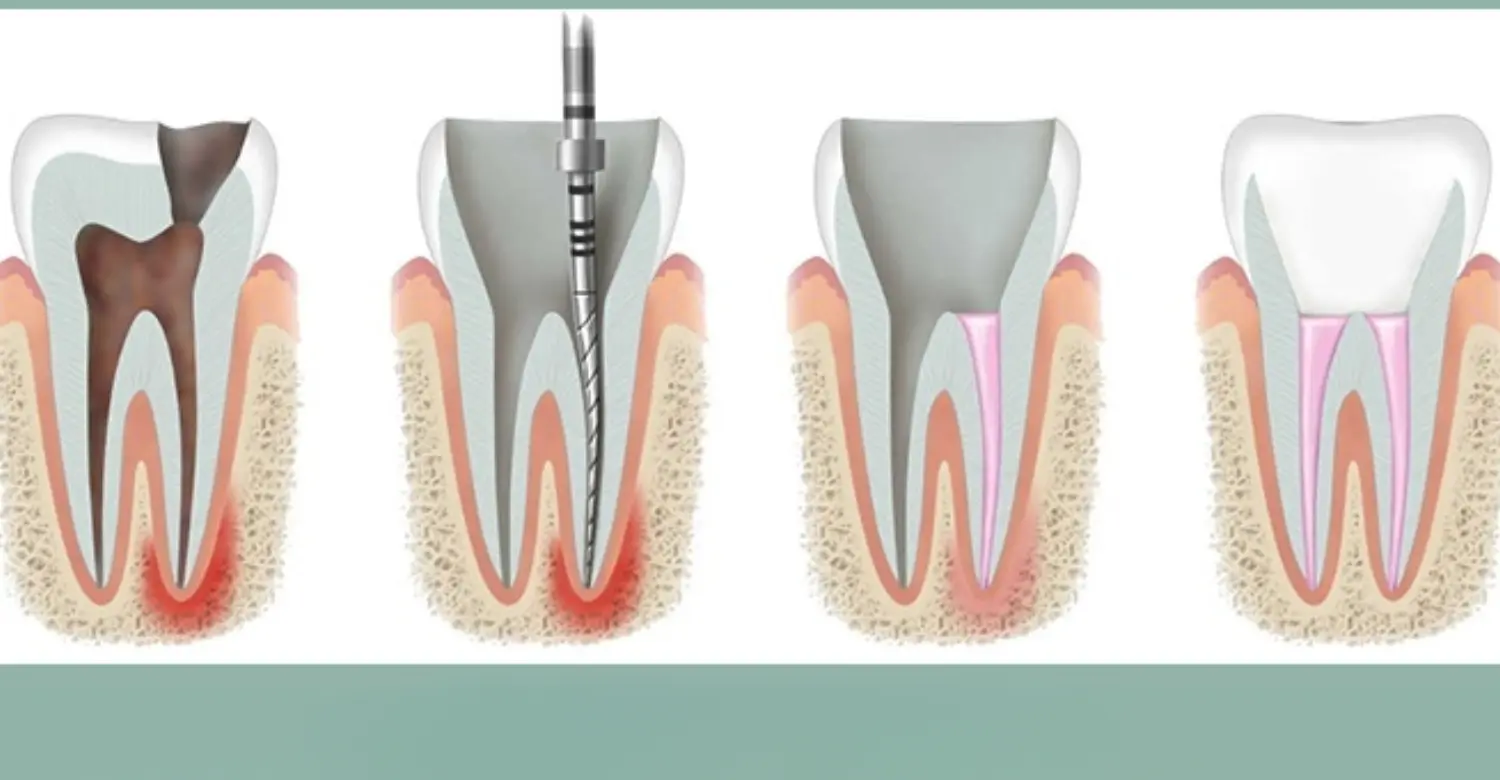
Root canal recovery may involve mild tenderness for several days. Patients should avoid chewing on the treated tooth, follow prescribed medications, and maintain oral hygiene. Temporary crowns may be placed until a permanent crown is installed. Understanding Cavity vs Root Canal recovery allows patients to plan appropriately, ensuring long-term tooth preservation and preventing reinfection or further complications.
Clinical Note
Early cavities frequently cause no pain or visible changes, making them easy to overlook during home self-checks. By the time discomfort appears, decay may have already reached the pulp, increasing the likelihood of needing root canal treatment. Professional dental examinations combined with digital X-rays can detect hidden decay between teeth, beneath existing fillings, or under the enamel before symptoms develop.
At Vitrin Clinic, early diagnosis is a cornerstone of preventive care. Dr. Rifat Alsaman, Head of the Medical Team at Vitrin Clinic, emphasizes that routine checkups often identify problems while they can still be treated conservatively with a simple filling rather than more extensive procedures.
Biological Prophylaxis: Preventing Cavities and Root Canals Long-Term
The best way to avoid both fillings and root canal treatment is to stop tooth decay before it progresses. Preventive dentistry focuses on reducing bacterial activity, strengthening enamel, and detecting decay during its earliest stages.
Long-term prevention includes:
Daily Fluoride Protection
Brush twice daily using fluoride toothpaste to strengthen enamel and reduce acid damage.
Limiting Sugar Frequency
Frequent snacking creates repeated acid attacks that increase cavity risk more than the total amount of sugar consumed.
Professional Dental Examinations
Routine dental visits allow early detection of cavities before they become painful or require complex treatment.
Dental Sealants and Preventive Care
Preventive sealants and professional fluoride applications provide additional protection, especially for high-risk patients.
At Vitrin Clinic, preventive dentistry is considered the most effective way to preserve natural teeth. Dr. Rifat Alsaman, Head of the Medical Team at Vitrin Clinic, encourages patients to maintain regular examinations because early diagnosis almost always results in simpler, less invasive treatment.
Critical Complications: Retention, Retreatment, and Long-Term Oral Health Outcomes
Both fillings and root canals have excellent success rates when performed appropriately, but long-term outcomes depend on proper maintenance and regular follow-up.
Potential complications include:
Filling Failure
Secondary decay around restoration margins
Cracked fillings
Marginal leakage
Tooth sensitivity
Root Canal Complications
Reinfection
Missed canals
Crown leakage
Vertical root fractures
Importance of Retreatment
When problems are detected early, retreatment often saves the natural tooth and avoids extraction.
At Vitrin Clinic, patients receive individualized follow-up care designed to monitor restorations and identify complications before they become serious. Dr. Rifat Alsaman, Head of the Medical Team at Vitrin Clinic, explains that long-term success depends not only on excellent treatment but also on routine maintenance and preventive care.
Tips for Patients
Protecting your teeth from cavities and reducing the risk of root canal treatment starts with small daily habits that make a significant difference over time.
Brush twice a day using toothpaste containing 1,450 ppm fluoride.
After brushing, spit out the toothpaste instead of rinsing with water so fluoride remains on the teeth longer.
Eat sugary foods with meals instead of snacking throughout the day to reduce repeated acid attacks on enamel.
Clean between your teeth daily using floss or interdental brushes.
Schedule regular dental examinations and professional cleanings to detect decay before it reaches the dental pulp.
Replace damaged or leaking fillings promptly to prevent bacteria from reaching the inner tooth.
At Vitrin Clinic, patients receive personalized prevention plans based on their oral health needs. Dr. Rifat Alsaman, Head of the Medical Team at Vitrin Clinic, advises that consistent preventive care is the most effective strategy for preserving natural teeth and avoiding more complex treatments in the future.
Conclusion
Understanding the difference between a cavity and a root canal helps patients make informed decisions before minor dental problems become major ones. A cavity is an early stage of tooth decay that can often be treated quickly with a filling, while a root canal becomes necessary only after infection reaches the tooth's pulp. The sooner decay is identified, the greater the chance of preserving healthy tooth structure with minimally invasive treatment.
At Vitrin Clinic, every treatment plan is designed to preserve natural teeth whenever possible through accurate diagnosis, advanced digital imaging, and evidence-based care. Dr. Rifat Alsaman, Head of the Medical Team at Vitrin Clinic, emphasizes that prevention, routine checkups, and prompt treatment remain the most effective strategies for avoiding complex dental procedures. Whether you need a simple filling or advanced endodontic care, timely intervention provides the best opportunity for maintaining a healthy, functional smile for years to come.
Cavity vs Root Canal: What Is the Difference?
What a cavity is
A cavity is damage from tooth decay that often affects the outer tooth. It is commonly treated with a filling when caught early.
What a root canal is
A root canal treats infection or severe damage inside the tooth. It removes inflamed tissue, cleans the canal, and seals the tooth.
Key difference and where to research care
The key difference is where treatment is needed: a filling repairs decay, while a root canal treats the tooth’s interior. For dental tourism in Turkey, Vitrin Clinic is a research option to compare care.
Filling or Root Canal: How Do You Know Which You Need?
Key Symptoms That Point to Each Treatment
Sharp pain with chewing or sensitivity to sweets often suggests a filling may be enough. Pain that lingers, wakes you, or worsens with heat can point toward nerve involvement and a root canal.
What a Dentist Checks Before Deciding
A dentist compares symptoms with an exam and dental X-ray to see how deep decay or infection reaches. The filling versus root canal choice depends on whether the tooth's nerve is affected.
When to Research a Clinic Like Vitrin Clinic
If symptoms persist or X-rays are unclear, ask how a clinic diagnoses filling versus root canal needs. Vitrin Clinic can be one research option when checking how a dentist explains that choice.
Reference
Mannocci, F., Bitter, K., Sauro, S., Ferrari, P., Austin, R., & Bhuva, B. (2022). Present status and future directions: The restoration of root filled teeth. International Endodontic Journal, 55(S4), 1059–1084. https://doi.org/10.1111/iej.13796
Sarı, M., Yılmaz, K., & Özyürek, T. (2024). Postoperative pain after total pulpotomy and root canal treatment in mature molars according to the new and traditional classifications of pulpitis: A prospective, randomized controlled trial. BMC Oral Health, 24(1), Article 1007. https://doi.org/10.1186/s12903-024-04836-z
Teves-Cordova, A., Coloma Calle, L., Mejia Rojas, P., Goncalves-Pereira, J., & Duarte, M. A. H. (2023). Vital pulp therapy in permanent teeth diagnosed with symptomatic irreversible pulpitis: Reports with long-term controls. Case Reports in Dentistry, 2023, 1–9. https://doi.org/10.1155/2023/2694388
FAQs
Dr. Rifat Alsaman has more than 5 years of clinical experience in dentistry and currently serves as the Head of the Medical Team at Vitrin Clinic. He is dedicated to providing exceptional patient care, overseeing treatment planning, and ensuring the highest clinical standards across the team. His expertise, attention to detail, and commitment to continuous professional development have helped countless patients achieve healthier, more confident smiles.


